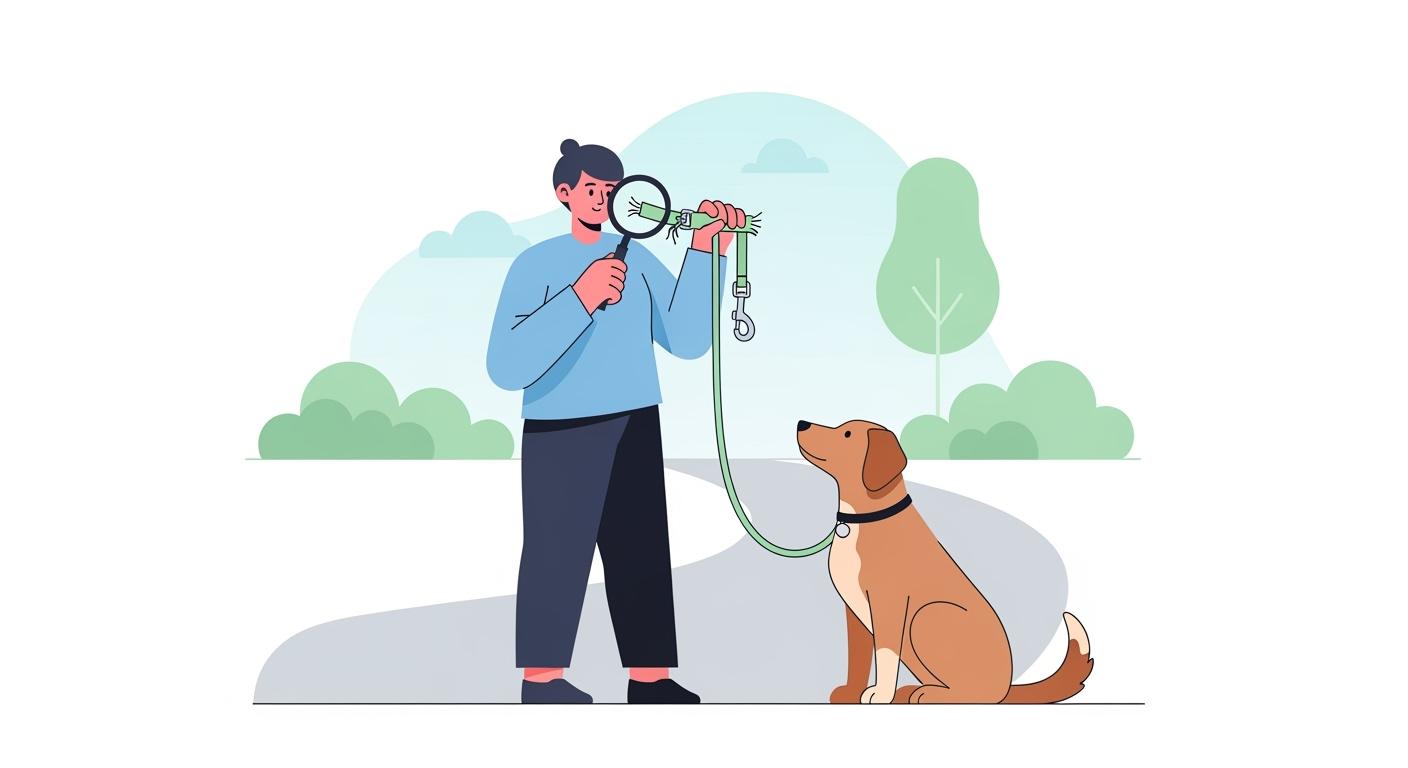
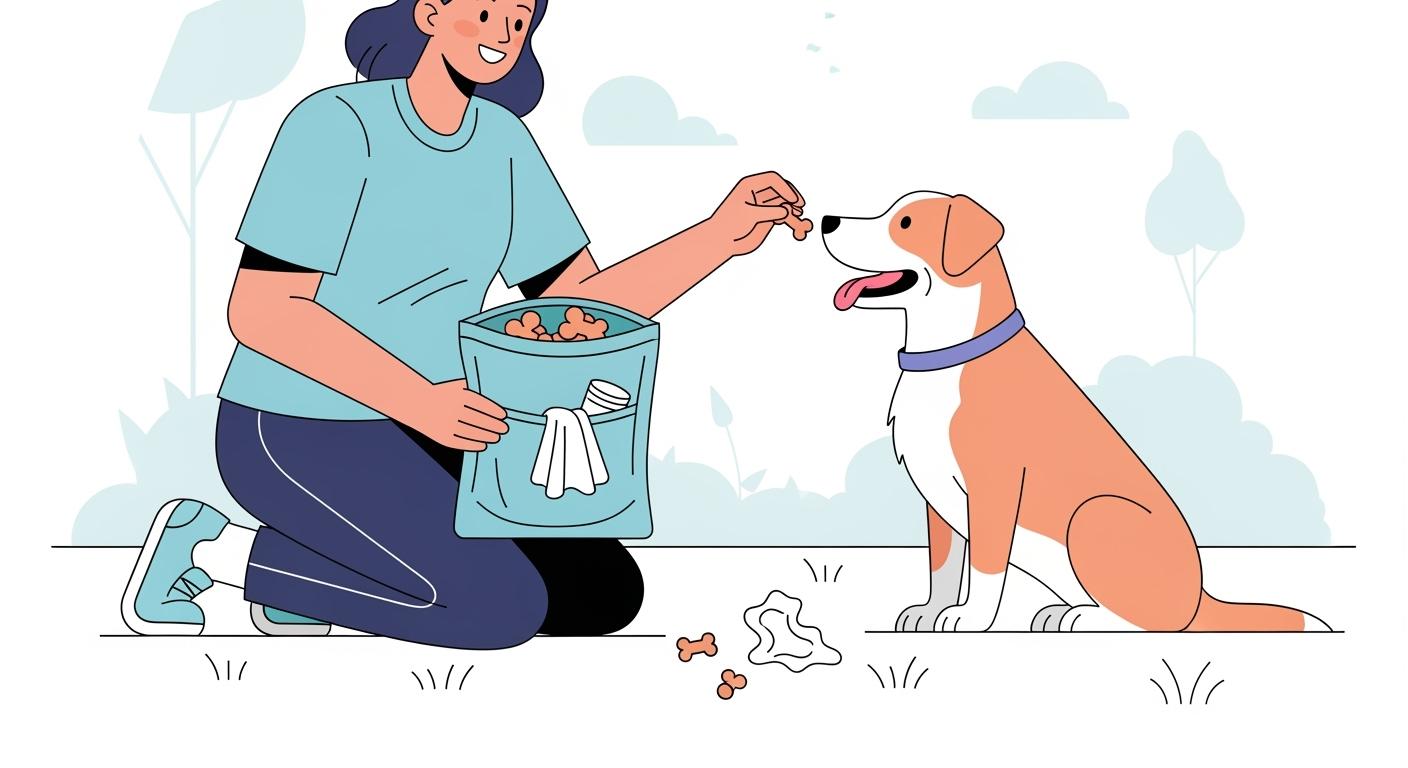
Messy treats can leave grease, crumbs, and odors in a pouch fast. The right dog treat bag uses a smooth wipe-clean liner, corners you can reach with a cloth, and a closure that helps prevent spills when you bend or jog. Use the checklist below to pick a bag you can clean in minutes and keep fresh between sessions.
Key Takeaways
Choose a dog treat bag with a smooth, wipe-clean liner to make cleaning quick and easy.
Always check the care label before washing. Some bags are only wipe-clean, while others can be machine-washed.
Look for bags with removable liners and easy-to-reach corners to prevent odor buildup and make cleaning faster.
If odors or stickiness persist after cleaning, deep-clean the bag and replace it if the liner or hardware is damaged.
Use a checklist before buying to ensure the bag meets your cleaning needs and fits your training style.
Washable Dog Treat Bag Basics
Wipe-Clean vs Machine-Wash
You want a dog treat bag that fits your cleaning routine. Some bags let you wipe down the inside and outside with a damp cloth. Others claim you can toss them in the washing machine. Each method has pros and cons.
Here is a quick comparison:
Cleaning Method | Backings Preserved? | Time Required | Risk of Residue/Odor | Longevity Impact |
|---|---|---|---|---|
Hand-rinse + pH-neutral soap | High | 8-12 min | Low | Negligible |
Top-load washer (cold, gentle) | Low | 45+ min | High | May accelerate delamination |
Wipe-clean bags save time. You clean up in minutes and preserve the bag’s structure.
Machine-washable bags need careful handling. Washing can damage the lining or cause seams to separate.
Always check the care label before cleaning. If the label says “wipe-clean only,” do not machine-wash.
Tip: Clean your dog treat bag soon after each training session, especially if you use moist or oily treats. Air-dry fully before storing.
Odor and Grease Traps
Some dog treat bags trap smells and grease. You notice this when you open the bag and smell old treats or see sticky spots. Certain materials and designs make this worse.
Bags with rough inner surfaces or deep seams hold crumbs and grease.
Zipper tape can trap residue, making cleaning harder.
Smooth coated liners wipe cleaner than absorbent fabric and are less likely to hold odors.
Wide openings and minimal seams give crumbs fewer places to hide, so cleanup is faster.
Choose a dog treat bag with a smooth, wipe-down liner. Avoid bags with hard-to-reach corners or cloth linings that absorb odors.
Safety Note: If you smell mold, find sticky buildup, or see damaged hardware, stop using the bag until you clean it fully or replace it.
When to Switch Storage Styles
Sometimes your cleaning routine does not work anymore. You might notice spills, odor buildup, or a sagging bag. These signs mean you should switch to a different dog treat bag style.
Here is a guide:
Common Cause | What It Leads To | What To Do Next |
|---|---|---|
Open or loose closure | Spills when bending | Use magnetic or drawstring closure |
Cloth or Velcro | Hard to clean, odor buildup | Choose silicone or machine-washable bag |
Overfilling with treats | Bag sags, dog discomfort | Carry only what you need to reduce bounce and sag. |
If your bag spills easily, try a design with a secure closure.
If cleaning takes too long or odors linger, switch to a bag with a removable liner or smooth inner surface.
If your dog treat bag sags or feels heavy, reduce the number of treats you carry.
Pre-Buy Checklist for Dog Treat Bags
Choosing the right dog treat bag starts before you buy. You want a pouch that cleans up fast after every training session. Use this checklist to avoid messy surprises and make cleaning easy.
Care Label and Cleaning Time
Always check the care label first. The label tells you if you can wipe the bag clean or if you need to machine-wash it. If the label says “wipe-clean only,” you should not put it in the washing machine. Wipe-clean bags save time and keep their shape longer. Machine-washable bags may need extra care and can wear out faster.
Tip: Clean your bag soon after using moist or oily treats. Air-dry fully before closing and storing.
Here is a table to help you compare key features before buying:
Parameter | Target range or option | Why it matters |
|---|---|---|
Care label check | wipe-clean vs machine-wash | Sets realistic cleanup effort |
Liner design | removable liner preferred | Faster odor and grease cleanup |
Inner surface | smooth wipe-down finish | Reduces residue and smell |
Corner access | easy to reach corners | Prevents buildup |
Zipper path | wipeable zipper channel | Reduces crumb jams |
Capacity example | 1.1 L (about 67 cu in) | Listing clarity for buyers |
Size example | 5.5 x 3.5 x 7.8 in (14.0 x 8.9 x 19.8 cm) | Listing clarity for buyers |
Waist belt range | 25.6-47.2 in (65-120 cm) | Fit clarity for users |
Outer fabric example | 210D Oxford | Durability and wipe-down cue |
Care limit example | do not machine-wash | Prevents wrong expectations |
Liner and Inner Surface
The liner inside your treat bag matters most for cleaning. You want a smooth, stain-resistant liner that wipes clean easily. Removable liners make cleaning faster and help you reach every corner. Some travel dog treat pouches use liners that resist stains and odors. Bags with rough or absorbent liners trap residue and need more scrubbing.
Look for a bag with a smooth, water-repellent liner.
Removable liners let you clean out crumbs and grease quickly.
Avoid bags with deep seams or cloth liners that hold smells.
StridePaw Pet Training Treat Pack uses a removable, water-repellent liner. You can wipe it down and air-dry it after each use. If you see a care label that says “do not machine-wash,” you should follow that rule to keep the liner in good shape.
Zipper and Corner Design
Zippers and corners can trap crumbs and grease. You want a zipper path that you can wipe along without missing spots. Easy-to-reach corners help you clean out every crumb. Bags with deep corners or exposed zipper tape make cleaning harder.
Choose a bag with a zipper channel you can wipe clean.
Avoid designs with hard-to-reach corners.
Check if the zipper path is smooth and does not hide residue.
Use this checklist before you buy. You will spend less time cleaning and more time training your dog.
Dog Treat Bag Materials and Construction
Outer Fabric and Durability
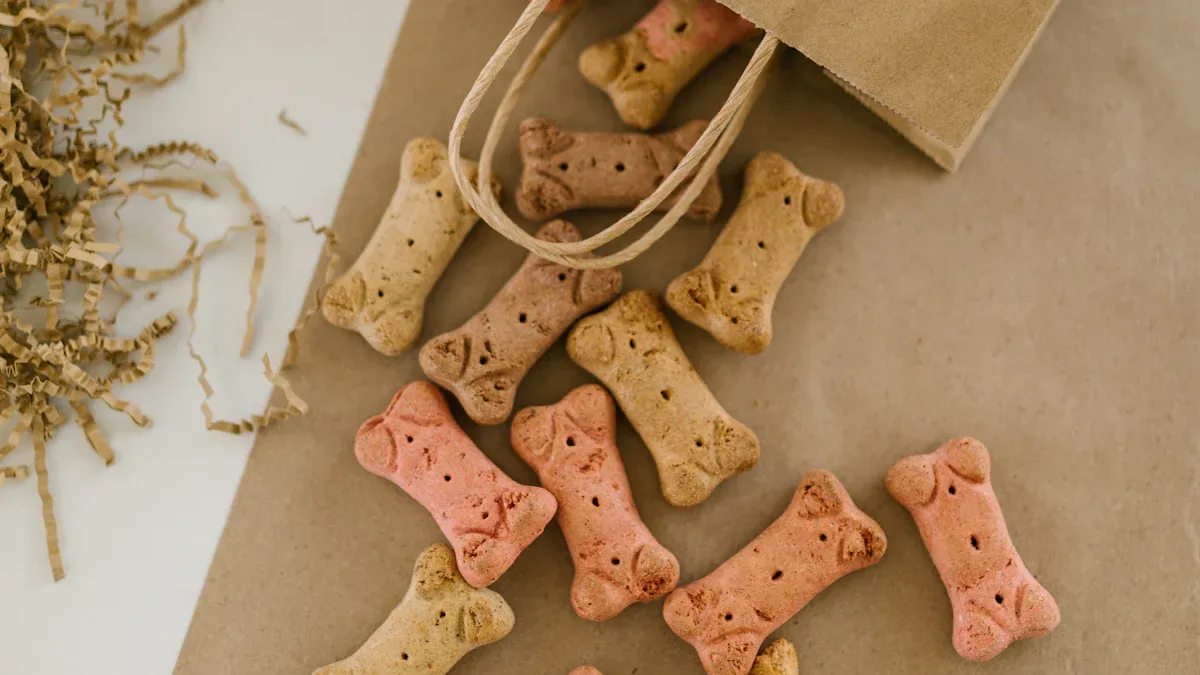
When picking a dog treat bag, you want strong fabric. Some materials last longer and clean up fast. You can see the main choices in this table:
Material Type | Features |
|---|---|
Tear-resistant Cordura | Highly durable, resistant to wear and tear |
Heavy pack cloth | Provides additional durability |
Washable inner lining | Facilitates easy cleaning, keeps contents clean |
Tear-resistant Cordura is good for active training. Heavy pack cloth is strong if you carry lots of treats. Always read the product details before you buy.
Tip: Check your bag for damage after each use. Get a new bag if you see holes or broken seams.
Liner and Wipe-Down Finish
The liner inside your bag helps you clean up. Smooth, water-repellent liners wipe away crumbs and grease. Removable liners let you clean every corner and get rid of sticky stuff. Do not pick liners with rough surfaces or deep seams. These trap smells and make cleaning tough.
Pick a liner that fights stains and odors.
Get a bag with a removable liner for quick cleaning.
Wipe the liner after every training session.
Hardware and Odor Spots
Hardware means zippers, clips, and rings. These can hold crumbs and grease if not made well. You want a zipper path that wipes clean. Stay away from hardware with deep grooves or exposed fabric. Check corners and seams for hidden crumbs after each use.
Look at zippers and clips for stuck crumbs.
Wipe hardware with a damp cloth.
Make sure all parts are dry before you store your bag.
Training Pouch Cleaning Routine
Crumb Dump and Brush-Out
Start your cleaning routine by emptying your training pouch after each session. Shake out crumbs and leftover treats over a trash can. Use a soft brush or clean cloth to sweep out corners and seams. This step helps prevent buildup and keeps your training pouch fresh for your next walk. If you use moist or oily treats, check for sticky spots and wipe them away before they harden.
Tip: Clean your training pouch soon after each use. Quick cleaning stops odors and bacteria from growing.
Wipe-Down and Air-Dry
After you remove crumbs, wipe the inside and outside of your training pouch with a damp cloth. Choose a pH-neutral, pet-safe cleaner for best results. Smooth liners make this step easy. Pay attention to zipper channels and hardware. Wipe these areas to remove grease and crumbs. Let your training pouch air-dry fully before you close or store it. This helps prevent mold and keeps your bag smelling fresh.
Use gentle cleaners and avoid strong chemicals.
Dry your training pouch in a cool, shaded area.
Store your pouch with a breathable cotton cover if possible.
What to Avoid
Some cleaning methods can damage your training pouch or your dog treat bag. Avoid bleach, ammonia, or strong solvents. Do not machine wash unless the care label says it is safe. Never dry your pouch with direct heat or on a radiator. These steps can harm the liner, hardware, or fabric.
Here is a quick guide:
Do’s | Don’ts |
|---|---|
Use pH-neutral, pet-safe cleaners | Use bleach, ammonia, or strong solvents |
Store with a breathable cotton cover | Expose to direct heat or radiators when drying |
Troubleshooting Dog Treat Bag Issues
When you use your dog treat bag every day, you may run into problems like odors, sticky linings, or jammed zippers. You can solve most issues with simple steps. Use this guide to keep your bag clean and safe.
Odor Problems
Odors often come from old treat residue or trapped moisture. You might notice a sour or moldy smell when you open your bag. To fix this, empty the bag after each session. Wipe the inside with a damp cloth and let it air-dry fully. If the smell does not go away, check for hidden crumbs in seams or corners. Stop using the bag if you smell mold or see signs of bacteria.
Grease and Sticky Lining
Grease and sticky spots build up when you use moist or oily treats. These can make the liner hard to clean. Use a soft brush or cloth to remove crumbs. Wipe the liner with a pet-safe cleaner. Removable liners help you reach every spot. If the liner stays sticky, let it air-dry and check for damage. Avoid using strong chemicals.
Clean soon after each training session.
Use only gentle cleaners.
Replace the bag if sticky buildup does not go away.
Zipper Crumb Jams
Crumbs and grease can jam the zipper. This makes it hard to open or close your bag. To fix this, open the zipper fully and brush out crumbs. Wipe the zipper path with a damp cloth. Make sure the zipper is dry before you close the bag. If the zipper still jams, check for damage or trapped residue.
Seller Tip: List clear washability claims and cleaning instructions. This helps buyers know how to care for their bag and reduces returns.
Here is a quick troubleshooting table:
Common Cause | What It Leads To | What To Do Next |
|---|---|---|
Old treat residue | Odor, mold risk | Empty and wipe bag, air-dry |
Moist/oily treats | Sticky liner, grease | Clean with soft brush and cloth |
Crumbs in zipper | Jammed zipper | Brush out crumbs, wipe zipper |
Deep seams/corners | Hidden buildup | Use removable liner, inspect |
Damaged hardware | Safety risk | Stop use, replace bag |
Decision Guide: Pick the Right Training Pouch
Choosing the right dog treat bag depends on your training style and environment. You want a pouch that supports fast rewards and stays easy to clean. Use this guide to match your needs with the best features. for more training and care tips.
Dry Treats and Short Walks
If you use dry treats and take short walks, you need a bag that offers one-handed access and keeps treats organized. Look for separate zones for food, water, and cleanup supplies. Padded straps and a cushioned back panel add comfort. Water-resistant fabric and easy-to-clean interiors help you handle spills and dirt. The StridePaw Pet Training Treat Pack gives you one-handed access to treats and a wipe-clean liner for fast reward delivery.
Scenario A:
You carry dry treats for a quick walk. You want to grab treats with one hand and reward your dog fast. The bag stays clean with a simple wipe-down. You avoid bags with deep seams or hard-to-reach corners.
Soft Treats and Long Sessions
Soft treats can leave grease and odor. For long training sessions, you need a pouch with a removable liner and smooth surfaces. One-handed access lets you reward your dog quickly. Choose a bag with a wipeable zipper channel and easy-to-reach corners. The StridePaw Pet Training Treat Pack has a water-repellent, removable liner that supports fast reward delivery and makes cleaning easy.
Scenario B:
You use soft, moist treats for a long session. Grease and crumbs build up. You remove the liner, wipe it down, and let it air-dry. You avoid bags with cloth liners or zipper paths that trap residue.
Wet Weather and Muddy Gloves
Rain and mud make training messy. You need a bag with water-resistant fabric and one-handed access. A wipe-clean liner helps you remove damp residue. Avoid bags with absorbent fabric or exposed seams. Always clean out treat residue and let your bag air-dry before storing. Stop using the bag if you notice moldy odor, sticky buildup, or damaged hardware.
Decision Table:
Dog and Context | Best Bag Features | What to Avoid |
|---|---|---|
Dry treats, short walks | One-handed access, organized pockets, comfort | Deep seams, hard-to-clean corners |
Soft treats, long sessions | Removable liner, wipeable zipper, fast reward delivery | Cloth liners, exposed zipper tape |
Wet weather, muddy gloves | Water-resistant, wipe-clean liner, easy access | Absorbent fabric, exposed seams |
Retailer and Brand Notes
Listing Fields to Reduce Returns
You want buyers to pick the right dog treat bag. Make product listings clear and easy to read. Use a checklist to show washability features. List care label, liner type, zipper path, and corner design. Add capacity, size, and belt range so buyers know the fit. Show outer fabric and cleaning limits. This helps buyers know what they get and lowers returns.
Checklist for Washability Claims:
Care label: wipe-clean or machine-wash
Liner: removable or fixed, smooth finish
Zipper: wipeable channel, easy access
Corners: open, easy to reach
Capacity and size: clear measurements
Belt range: adjustable fit
Outer fabric: water-repellent or durable
Cleaning limits: do not machine-wash if not allowed
If you sell this product, add these fields to your page. Clear washability claims help buyers choose wisely.
Customer Instructions for Cleaning
Buyers need easy cleaning steps. Tell them to empty crumbs after each use. Wipe the liner and hardware with a damp cloth. Let the bag air-dry before closing or storing. Remind buyers to check for sticky spots, moldy odor, or broken hardware. Tell them to stop using the bag if they see these problems.
Quick Cleaning Steps:
Shake out crumbs and leftover treats.
Wipe liner, corners, and zipper with a damp cloth.
Air-dry fully before storing.
Check for sticky buildup or odor.
Supplier Specs for Washability
Suppliers should list washability specs in simple words. Show care label instructions, liner material, and hardware details. Use easy cleaning steps. Do not promise machine-wash unless the care label says it is safe.
Table: Supplier Specs to Include
Spec Field | Example Value | Why It Matters |
|---|---|---|
Care label | Wipe-clean only | Sets cleaning method |
Liner material | Removable, water-repellent | Speeds up cleaning |
Zipper design | Wipeable channel | Prevents crumb jams |
Outer fabric | 210D Oxford | Durable, easy to clean |
OEM means a factory produces items to your specs under your brand. ODM means you start from an existing design and customize it under your brand.
To keep cleanup fast, prioritize a smooth liner, reachable corners, and a closure that reduces spills. Match capacity and pocket layout to how you train so the bag stays organized.
A good bag helps you reward quickly and keep cleanup simple. Follow the care label, wipe down residue after sessions, and replace the bag if wear or damage prevents thorough cleaning.
FAQ
How often should you clean your dog treat bag?
You should clean your dog treat bag after every training session, especially if you use moist or oily treats. Quick cleaning helps prevent odors and sticky buildup. Always let the bag air-dry before storing.
Can you put any dog treat bag in the washing machine?
No. Always check the care label first. Only machine-wash bags if the label says it is safe. Most wipe-clean bags should not go in the washer. Machine washing can damage liners and seams.
What should you do if your bag smells bad or feels sticky?
Stop using the bag right away. Empty all treats. Wipe the inside and outside with a damp cloth. Let it air-dry fully. If the odor or sticky feeling stays, replace the bag to keep your dog safe.
Why do some treat bags trap odors and crumbs?
Bags with rough liners, deep seams, or exposed zipper tape trap crumbs and grease. These spots are hard to clean. Choose a bag with a smooth, removable liner and easy-to-reach corners for faster cleaning.
What safety steps should you follow when using a dog treat bag?
Always clean out treat residue after each use. Check for moldy odor, sticky buildup, or damaged hardware. Stop using the bag if you notice any of these problems. Clean and dry your bag fully to protect your dog’s health.