Dog Travel Bag How to Choose One That Works for Air Travel and Everyday Trips

Dog Travel Bag How to Choose One That Works for Air Travel and Everyday Trips

Choosing the right dog travel bag is important for your dog’s comfort and safety when you travel. You need a dog travel bag that fits well, lets air in, and closes tightly. These safety anchors help keep your pet safe when you use a carrier for flying or everyday trips. Always check airline and carrier rules because they can change. Use this quick checklist: your dog should be able to turn and lie down, air should flow in, and the bag should stay closed. Remember, this article only gives general advice. If your dog is anxious, sick, or has special needs, talk to your veterinarian or trainer. If you have questions about picking the best travel bag for your dog, ask an expert for help.

Key Takeaways

  • Measure your dog to ensure the travel bag fits well and allows movement.

  • Check airline rules for size and ventilation before traveling.

  • Choose a bag with good airflow and secure closures for safety.

  • Practice short trips to help your dog get used to the carrier.

  • Consult a vet or trainer if your dog shows stress or health issues.

Comfort and Safety in Dog Travel Bags

Comfort vs Containment

When you pick a dog travel bag, your dog should feel safe. The bag should not make your dog feel trapped. A good carrier gives comfort and keeps your dog inside. Your dog needs space to stand up, turn around, and lie down. The bag should not press on your dog’s throat or armpits. Mesh panels or holes let air move inside. This helps stop your dog from getting too hot or nervous. Strong closures keep your dog from getting out by accident and help keep them safe.

  • Air moves in through mesh panels or holes

  • Closures stay shut and do not open by mistake

  • The bag is strong and has no sharp parts

  • The fit is right—dogs can stand, turn, and lie down

Dogs like routines and places they know. Leaving home, even for a short time, can make dogs nervous. Signs of stress are panting, whining, shaking, drooling a lot, or trying to get out. To help your dog feel better, make travel feel safe and normal.

Some dogs like soft-sided carriers because they feel like a den. Other dogs may not like small spaces. You know your dog best. Watch for stress signs like wide eyes, shaking, or scratching at zippers. If you see these, stop and help your dog relax.

“Dogs do best when things are predictable. The right carrier should feel like a safe den. It should give shelter, let your dog see out, and help your dog feel in control.” — Dr. Lena Torres, Veterinary Behaviorist

Best Use Cases: Errands, Vet Visits, Airports

You need different bags for different trips. The table below shows which bag works best for each trip:

Carrier Type

Best For

Key Features

Sling Carriers

Short trips, close contact

Good for calm dogs, easy to carry

Hard-sided Carriers

Maximum security, car travel

Needed for cars, meets airline rules

Soft-sided Carriers

Structure and portability

Light, foldable, washable parts

Ventilation

Prevents overheating, anxiety

Mesh on many sides for air

Safety Features

Pet security during travel

Buckles, strong zippers, tough stitching

Comfort

Enhances travel experience

Soft straps, removable bedding

Portability

Easy to carry and store

Folds up, light, many ways to carry

Cleaning

Simplifies maintenance

Washable, waterproof fabrics

For errands or vet visits, a soft-sided or backpack carrier is flexible and comfy. For flying, airlines often want a soft-sided carrier that fits under the seat. Always check airline and carrier rules before you go. Airflow and temperature are very important for safety. Carrying your dog the right way helps their body and lowers stress.

Tip: If you need help picking the right size or airflow, ask a pet travel expert. They can help you avoid mistakes and plan a calm first trip.

When to Choose Alternatives

Sometimes, a dog travel bag is not the best idea. If your dog gets too hot or stressed, stop and get help. Watch for these signs:

  • Whining, barking, or strange sounds

  • Pacing, moving a lot, or not settling down

  • Trying to get out, like scratching or chewing

  • Clinging to you, hiding, or acting shy

  • Tail tucked tight or ears flat

  • Eyes wide, looking around fast, or showing eye whites

  • Stiff body, crouching, or low posture

  • Yawning a lot, blinking fast, or turning head quickly

If you see these signs, move your dog to a cooler spot, let in more air, and give water. Stop the trip if your dog still seems upset. Never give medicine unless your vet says it is okay. If your dog is very anxious or sick, talk to your vet or trainer before you travel.

Note: Always check your carrier for damage and dirt after each trip. If you see any problems, get a new carrier before your next trip.

If you want to walk or hike with your hands free, try a backpack carrier. If your dog does not like soft-sided bags, use a hard-sided carrier for more support and safety.

If you are not sure which carrier is best, ask a professional. They can help you choose the right fit, airflow, and safety for every trip.

Key Features of In-Cabin Dog Travel Bags

Fit and Posture Space

Your dog should feel safe and calm in the cabin. The right size lets your dog move and stretch. It should not press on the throat or armpits. If the carrier is too small, your dog may feel stressed. If it is too big, your dog might not be safe when the plane moves.

Use this table to pick the best size for your dog:

Dog Size Category

Recommended Length Addition

Recommended Height Addition

Small Breeds

5–7 inches

2–3 inches

Medium to Large Breeds

4–6 inches

2–3 inches

Measure your dog from nose to tail for length. Measure from floor to head for height. Add the extra inches from the table. This gives your dog space to rest and move. Always check airline and carrier rules before you travel.

Tip: If you do not know what size to get, ask a pet travel expert. They can help you find the best fit for your dog.

Ventilation and Airflow Zones

Good airflow keeps your dog cool and relaxed. Pick carriers with mesh or holes on at least two sides. Air should move in even when your dog is inside or you pack things.

Make sure nothing blocks the mesh or holes. Do not pack too much in the carrier. This can stop air and make it hot inside. If your dog pants, drools, or moves a lot, go to a cooler spot and let in more air.

Note: Watch your dog for signs of heat or stress. If you see these signs, stop traveling and get help.

Escape Prevention and Secure Closures

Escape prevention keeps your dog safe in the cabin. Choose a carrier with strong zippers, buckles, or latches that stay shut. Some carriers have a tether that clips to your dog’s harness. This helps stop escapes and keeps your dog steady.

See the table below for escape features:

Feature

Dog Carrier with Harness Clip

Regular Dog Carrier

Escape Prevention

High – tethered to harness

Moderate – closure dependent

Stress Reduction

Higher – more stability

Lower – more movement

Comfort During Movement

Better – less shifting

Potential for sliding

Close all openings before you enter the cabin. Check the tether length. Too much slack can tangle your dog. Too little can make it hard to move. Never leave your dog alone in the carrier.

Need help with escape prevention? Ask a pet travel expert about closures and tethers.

Structure and Carry Comfort

A strong carrier keeps your dog’s posture safe. Look for a firm base that does not sag. This keeps your dog level and helps their joints. Structure helps the carrier keep its shape under the seat.

Pick features that make carrying easy for you. The table below shows helpful options:

Ergonomic Feature

Contribution to Comfort

Padded straps

Reduces tiredness during long carries

Padded handles

Makes grip and carrying easier

Back panels

Gives support and lowers strain

Load-balancing hip belts

Spreads weight for better balance

Try the carrier at home before you travel. Walk with your dog inside to check for sagging. Adjust straps and handles for balance. If you carry your dog for a long time, these features help a lot.

If you have questions about structure or comfort, ask a pet travel expert.

Remember, airline and carrier rules can change. Always check rules before you travel. Airflow and temperature are very important for safety. A stable carrier protects your dog’s posture. Do not use sedation unless your vet says it is okay. If your dog looks sick or upset, stop traveling and get help.

Airline Dog Carrier Sizing and Fit Check

Airline Dog Carrier Sizing and Fit Check

Measurement Routine for Pet Carriers

You want your airline dog carrier to fit airline rules and keep your dog comfy. First, measure your dog from nose to tail. Then measure from the floor to the top of the head. Compare these numbers to the carrier’s size. Your dog should stand, turn, and lie down easily. Do not pick a carrier that is too big or too small. These can break airline rules and be unsafe on the plane.

  • Measure your dog before you buy a carrier.

  • Check airline size rules for your flight.

  • Make sure your dog can move inside the carrier.

Two-Minute Fit Test Steps

Before you fly, do a quick fit check to make sure your airline dog carrier is right. Follow these steps:

  1. Posture check: Put your dog in the carrier. Your dog should sit or lie down without bending or twisting.

  2. Edge check: Look for any tight spots on the throat or armpits. The edges should not press or rub.

  3. Ventilation check: Make sure mesh panels are open and not blocked by your dog or packed items.

  4. Closure check: Close all zippers, buckles, and latches. Openings should stay shut.

  5. Carry check: Walk 20 steps with the carrier. Watch for sagging or shifting.

  6. Re-check: After two minutes, look for panting, shaking, drooling, or moving around a lot.

Tip: Always check fit and airflow before you fly. If your dog looks stressed, stop and fix the carrier or ask an expert for help.

Acclimation Plan for Travel

Help your dog get used to the airline dog carrier before you travel. Try these ideas:

  • Practice short trips for 5 to 10 minutes to fun places.

  • Put a favorite blanket or toy inside the carrier to help your dog feel calm.

  • Use short car rides and simple commands to make travel feel normal.

Do these steps a few times before your flight. This helps your dog feel safe and happy in the carrier.

Packing and Cleanup Priorities

Keep your airline dog carrier clean and ready for every trip. Follow these steps:

  1. Empty the carrier and check for damage or mold.

  2. Use a soft brush or cloth to clean dust, hair, and dirt from seams and corners.

  3. Test cleaners on a small spot before cleaning the whole carrier.

  4. Wipe surfaces gently with a pH-balanced cleaner. Do not soak the carrier.

  5. Blot stains fast and use a safe cleaner for spots from pets.

  6. Let the carrier dry in the air, away from heat or sun.

  7. If the carrier is leather, use a thin layer of conditioner.

Note: Always check your carrier after each flight. If you see damage or wear, get a new carrier before your next trip.

Airline and carrier rules change often. Always check dog carrier rules before you fly. Airflow and temperature are very important for safety. Carrying your dog the right way keeps their body safe. If your dog looks sick or upset, stop traveling and get help.

Common Mistakes, Safety Tips, and FAQs

Buyer Mistakes to Avoid

You want your dog travel bag to work for every trip. Many pet owners make simple mistakes when choosing pet carriers. Here are common errors to watch for:

  1. Picking a carrier that is too small or too large for your dog.

  2. Ignoring airline rules for size and ventilation.

  3. Forgetting to measure your dog before buying.

  4. Overpacking the carrier, blocking airflow.

  5. Using a wire or collapsible crate for travel.

  6. Not checking for strong closures or escape-proof design.

  7. Choosing a carrier with only one mesh panel.

  8. Skipping practice sessions before travel day.

  9. Not inspecting the carrier for damage or dirt.

  10. Leaving pets alone in parked vehicles.

  11. Allowing pets to hang their heads out of car windows.

  12. Using heavy bags that make carrying difficult.

Prepare before you buy: Write down your dog’s size, travel mode, average carry time, main concerns, and take a photo of your dog in the bag. This helps you get expert advice and support, including wholesale, OEM, or ODM options if needed.

Safety Do-Not List for Pet Carriers

You must protect pet safety every time you travel. Follow these safety tips:

  • Never tranquilize your pet unless your veterinarian says it is safe.

  • Do not leave pets alone in parked cars.

  • Avoid letting pets put their heads out of windows.

  • Feed a light meal three to four hours before departure.

  • Always bring bottled water for your dog.

  • Secure the carrier in the vehicle to prevent sliding.

  • Use hard-sided carriers with ventilation holes for car travel.

  • Book direct flights to reduce handling and temperature risks.

  • Obtain a health certificate from your vet before flying.

  • Check airline temperature rules for pet travel.

  • Do not use wire or collapsible crates for travel.

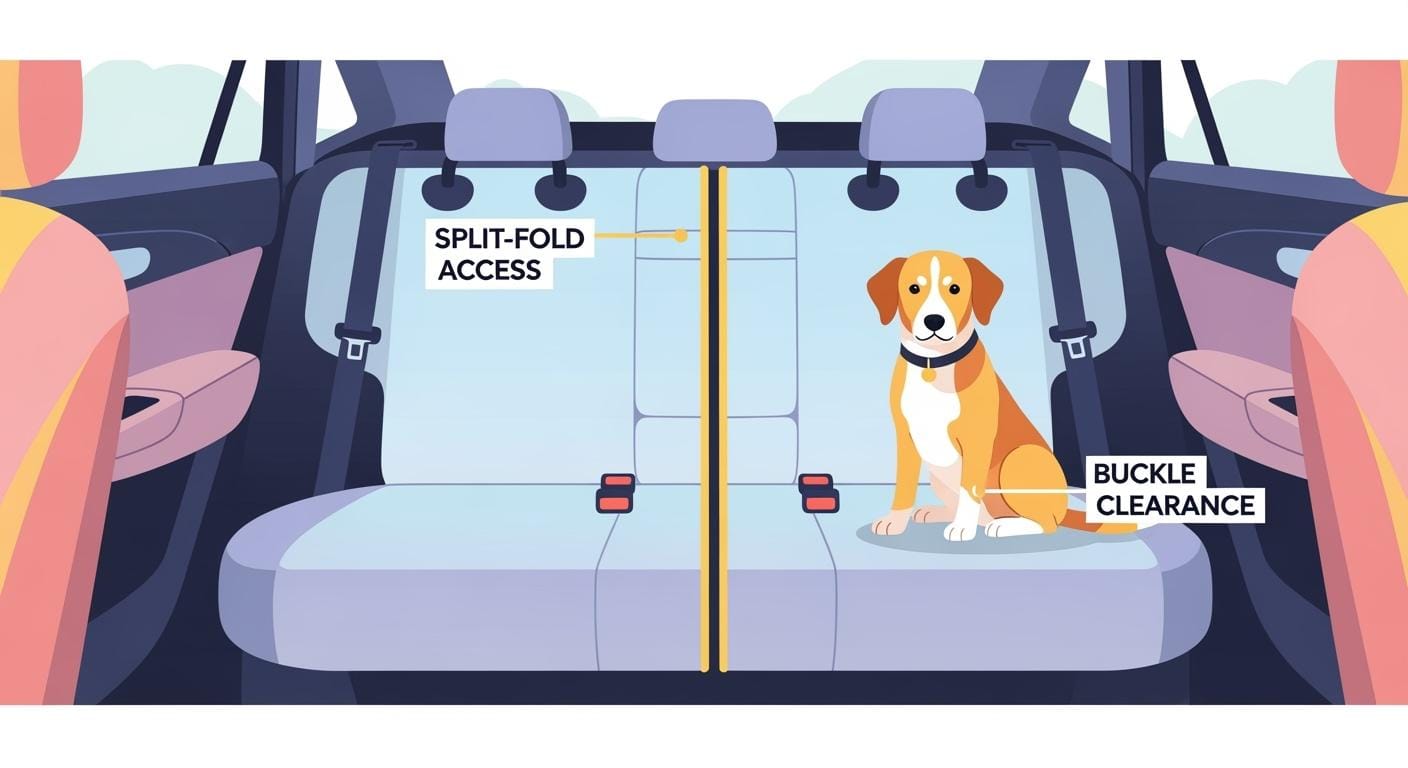
  • Keep pets in the backseat with a harness attached to the seat buckle.

If your dog shows signs of distress or illness, stop travel and seek professional help. Stable carrying methods protect posture and comfort.

When to Consult a Vet or Trainer

You should talk to a veterinarian or trainer if your dog:

  • Shows repeated stress or anxiety in the carrier.

  • Has health problems or special needs.

  • Refuses to settle or tries to escape during travel.

  • Needs sedation or medication for travel.

  • Has not traveled before and needs acclimation.

Reach out for expert help if you have questions about fit, comfort, or safety. Professionals can guide you to the best dog travel bag and carrier for your needs.

FAQ

Q: What are the size requirements for dog travel carriers?
A: Airlines require carriers that let your dog stand, turn, and lie down. Always check the latest rules before you travel.

Q: Are there weight limits for dogs traveling in the cabin?
A: Most airlines set weight limits for pets in the cabin. Check with your airline for current restrictions.

Q: What documentation is needed for flying with a dog?
A: You need a health certificate from your veterinarian, usually within 7–10 days of travel.

Q: Are there breed restrictions for dogs on flights?
A: Some airlines restrict certain breeds for safety reasons. Always confirm before booking.

Q: What are the costs associated with flying with a dog?
A: Airlines charge fees for pet carriers in the cabin. Costs vary by airline and route.

Q: How do I clean my dog travel bag for multi-use trips?
A: Use a soft brush or cloth, test cleaners on a small spot, and let the bag air dry. Inspect for damage after each trip.

Q: How do I choose the right carrier for comfort and safety?
A: Measure your dog, check ventilation, and pick a carrier with secure closures and stable structure.

Q: Can I use the same carrier for air travel and everyday trips?
A: Yes, if the carrier meets airline and safety rules. Always check before each trip.

Airline and carrier rules change often. Ventilation and temperature control are top safety priorities. Ask for help if you need advice on pet carriers or travel plans.

Picking the right dog travel bag keeps your pet safe and comfy. First, measure your dog to make sure the bag fits. Check airline rules before you travel. Test the carrier for good airflow and strong closures. Use a checklist to look for mesh panels and easy cleaning. Take short practice trips with your dog. Give treats when your dog stays calm. If you are unsure, ask a pet travel expert. Watch your dog for stress signs while traveling. Follow these steps before you buy a bag.

  • Check airline size and rule limits

  • Measure your dog for comfort and space

  • Look at airflow and safety parts

  • Try the fit before you buy

If you need help, talk to a vet or trainer. Rules can change, so check airline and carrier guides before each trip.

FAQ

What size dog travel bag do you need for air travel?

Pick a bag where your dog can stand up, turn, and lie down. Measure your dog from nose to tail and from floor to head. Add a few extra inches so your dog has room. Always check airline and carrier rules before your trip. These rules can change at any time.

Tip: Ask your airline about pet carrier size limits before you book.

How do you keep your dog comfortable in a travel bag?

Choose a bag with soft bedding and enough space to move. Make sure there are mesh panels for airflow. Practice short trips at home so your dog gets used to the bag. Watch for stress or signs your dog is too hot. Stop traveling if your dog seems upset.

What features help prevent escapes during travel?

Find a bag with strong zippers, buckles, and a tether for your dog’s harness. Check all closures before every trip to keep your dog safe. Carry the bag in a way that keeps your dog steady. Never leave your dog alone in the carrier.

Need help with escape prevention? Ask a pet travel expert for advice.

Can you use the same carrier for flights and everyday trips?

You can use the same carrier if it follows airline and safety rules. Always check the bag for damage and clean it after each use. Good airflow and temperature control are very important. Rules can change, so check before every trip.

What should you do if your dog shows distress or illness while traveling?

Stop traveling right away if your dog pants, shakes, or drools a lot. Move your dog to a cooler place and give water. Get help from a professional if your dog still seems sick. Only use sedation if your vet says it is okay.

Not sure if your dog is ready to travel? Talk to your vet or trainer for help.

Get A Free Quote Now !

Table of Contents

Blog

Canine Pulling Harness How to Spot Wear Before a Hard Pull Turns Risky

Spot wear on your canine pulling harness by checking stitching and hardware before each hard pull to ensure durability and keep your dog safe.

Puppy Collars Custom: How to Check Tightness and Prevent Slipping Safely

Puppy collars custom should fit snugly with two fingers under the collar. Use the slip test to prevent loss and keep your puppy safe and comfortable.

Dog Running Leash: How to Select Hands-free or Standard Based on Real Pulling Patterns

Choose the right dog running leash by matching hands-free or standard setups to your dog's pulling and walking style for safety and control.

Dog Carry Bike Risk Checklist: Body Language Warnings and When to Stop Immediately

Spot stress or danger in your dog during dog carry bike rides. Learn body language warnings and when to stop for your dog's safety on hikes or rainy walks.

Which Waterproof Dog Bed Stays Dry on Wet Ground?

A waterproof dog bed with sealed seams, strong base, and high hydrostatic head value keeps your dog dry on wet ground during outdoor use.

Dog Leashes: How to Spot Wear Before a Leash Fails on a Walk

Check dog leashes for fraying, weak stitching, and hardware issues before walks. Spot stress points early to prevent leash failure and keep your dog safe.
Scroll to Top

If You Have Any Questions, Please Do Not Hesitate To Contatct With Us.

Get A Free Quote Now !

Welsh corgi wearing a dog harness on a walk outdoors