In the U.S., the market for pet accessories and dog training equipment is expected to grow strongly over the next few years. Estimates suggest the market could reach around USD 2.80 billion by 2025 and about USD 3.85 billion by 2030, with a compound annual growth rate of roughly 6.5% between 2025 and 2030.
These are general estimates, but they show a clear trend: more pet parents are willing to invest in training gear, which creates steady demand for high-quality dog training leashes in your business.
Picking the right dog training leash is not easy. There are some common problems:
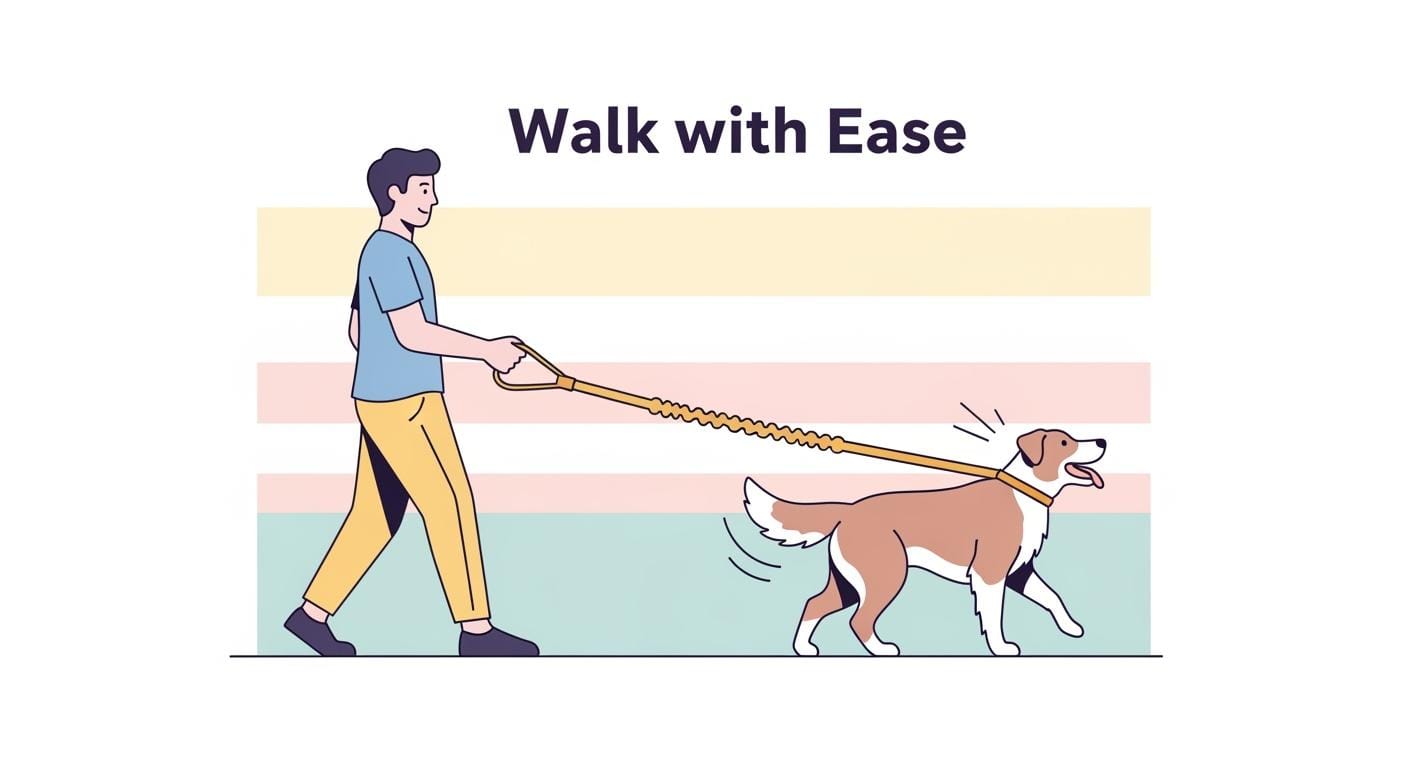
Flexible leashes make dogs pull more. This makes training harder.
Safety problems can happen for dogs and handlers.
Leashes that are too long can cause accidents.
It is important to know why the right leash helps with control, safety, and good training.
Key Takeaways
- Picking the right dog training leash helps your customers control their dogs more safely and effectively. It supports better training results and smoother handling in your business.
- Standard flat leashes work well for everyday walks and basic training. They are easy for staff and customers to use and understand.
- Long lines give dogs more freedom while you and your customers keep control at a distance. They are useful for recall training and off-leash practice in safe, open spaces.
- Slip leads and martingale leashes can offer quick control and clear feedback, especially in shelters and training environments. They should be used with care and proper guidance.
- Hands-free and double-ended leashes support active customers and professional handlers who need flexible setups, such as waist attachment or dual contact points on the dog.
- Train staff to measure dogs correctly, explain leash types in simple language, and check demo and rental leashes for wear and damage. This keeps dogs safe and reduces returns or complaints.
- Teach customers how to use each leash type and when to choose it. Clear education helps each customer pick the best leash for their dog and builds trust in your brand or store.
Why the Right Dog Training Leash Matters
Dog Training Trends and Market Growth
Pet Ownership and Training Demand
More people own pets now. Many want help training their dogs. This means more people buy special tools for training. Customers like long lines and training leashes. These help control dogs in busy places. Safety and comfort are important in new products. Pet owners want gear that fits their dogs. They also want tools that use positive training methods.
- Market estimates suggest that long line and training leashes together may represent over USD 1 billion in annual sales as of 2024.
- Analysts expect steady growth of around 5–6% per year through 2033.
- Growing pet ownership and higher spending on training gear are key drivers behind this demand.
Market Opportunities for Leash Sales
You can sell more leashes by following these trends. Customers want safe and useful products. You help your business grow by giving them what they need. Trainers and pet owners want gear they can trust.
Tip: Check your stock often. Make sure you have what customers want.
Leash Role in Dog Training
Control, Safety, and Positive Reinforcement
A dog training leash helps you control dogs during training. It keeps dogs safe and helps them pay attention. Studies show positive reinforcement works better than electronic collars. You build trust with the dog. This makes training safer. Dogs listen better when you guide them with a leash and give rewards.
Positive reinforcement helps you bond with the dog.
Dogs stay focused and happy in safe places.
Leashes help you set rules and reward good actions.
Everyday Use vs. Training Scenarios
You use leashes for walks and training. For daily walks, you want a leash that keeps the dog close. For training, you might need longer or special leashes. Pick the right leash for the dog’s size, age, and training needs. Always think about safety and comfort.
Business Benefits of Quality Leashes
Customer Satisfaction and Loyalty
You make customers happy by selling good leashes. Customers trust you when you help them choose. You build loyalty by giving smart advice and selling strong products.
Customers come back for your help.
Good displays make people interested and help sales.
Supporting Training Services
You help trainers and pet owners by selling safe and easy leashes. You offer creative and useful designs. This helps your business stand out as the market grows.
Note: Tell customers to ask a trainer or vet if they have health or behavior questions.
What Is a Dog Training Leash?
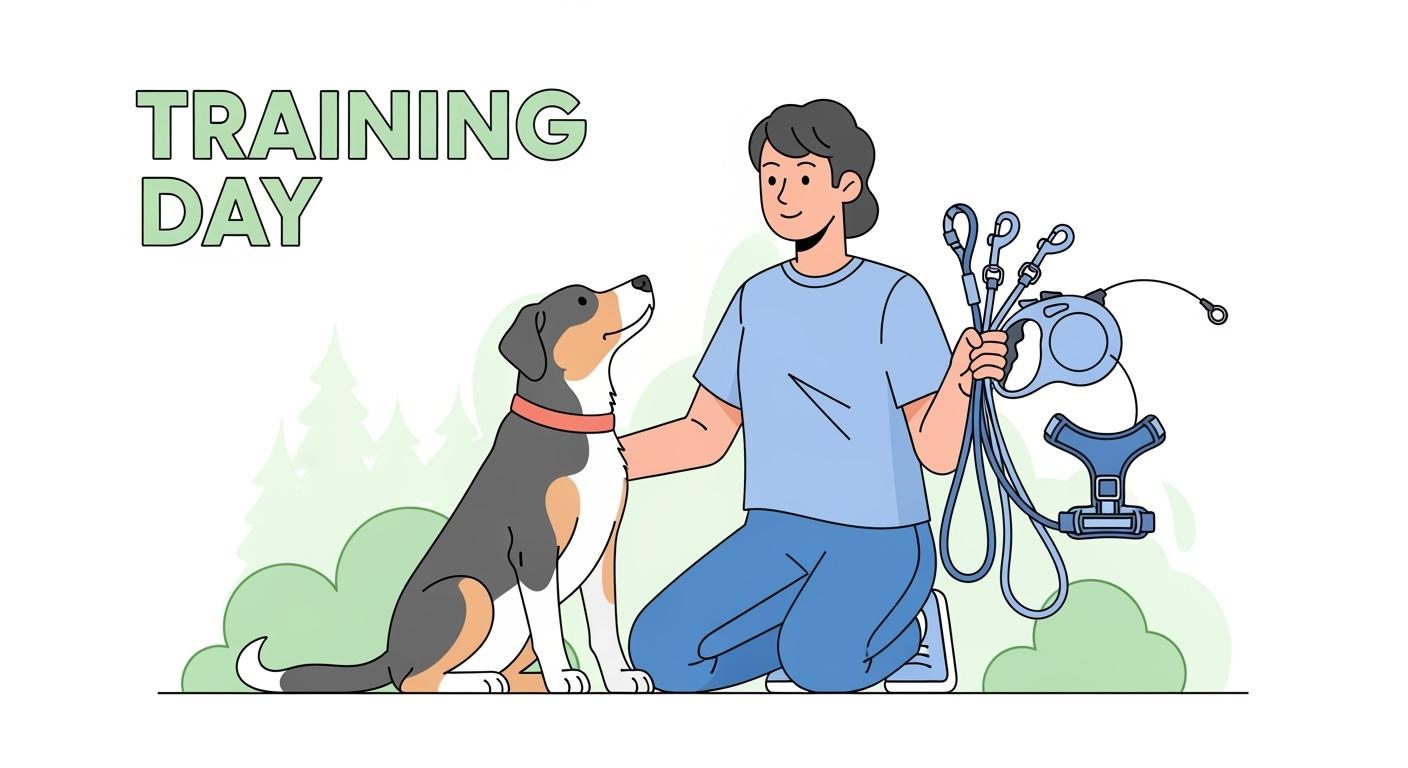
A dog training leash is a tool that helps you guide a dog. You use it when teaching commands and good habits. It also keeps the dog safe during training. Not every leash works the same way. Knowing the differences helps you pick the right one for your customers.
Definition and Key Differences
Training Leash vs. Standard Leash
A training leash has special features for teaching and control. It might be longer or made from different materials. A standard leash is usually 4 to 6 feet long. It works well for daily walks. The table below shows the main differences:
Leash Type | Design Features | Functionality |
|---|---|---|
Standard Flat Leash | Made from nylon, leather, or biothane; 4 to 6 feet in length; loop handle. | Gives control and safety; good for training and daily use. |
Retractable Leash | Thin cord inside a plastic handle; extends 10 to 30 feet; locking mechanism. | Lets dogs move farther but gives less control; not best for training because tension changes. |
A standard flat leash gives steady control. It works for most training and daily needs. A retractable leash lets the dog go farther away. But you lose some control with it. This makes it harder to teach new skills.
Training Leash vs. Retractable Leash
A training leash keeps the tension the same. You can correct or reward the dog fast. A retractable leash changes length and tension. This can confuse the dog and make learning harder. For safety and clear signals, use a fixed-length leash for training.
Essential Features of Dog Training Leashes
Length, Material, and Hardware
When picking a leash, look at length, material, and hardware. Each part changes how well the leash works for training.
Length: Training leashes can be 4 to 50 feet long. Shorter leashes give more control. Longer leashes help with recall and distance work.
Material: Nylon, leather, and biothane are common choices. Each has good and bad points for grip, comfort, and strength.
Hardware: Strong clips and good stitching keep the leash safe. Handles should feel nice and not slip.
| Leash Type | Typical Features | Pros | Cons |
|---|---|---|---|
| Standard Flat | 4–6 feet; usually nylon, leather, or coated webbing; simple clip and handle | ✔ Good control and safety for everyday walks ✔ Versatile for basic training and general use | ✖ Limited freedom for the dog ✖ May wear faster with heavy use if materials are weak |
| Long Leads | 10–50 feet; often lightweight webbing; designed for distance work | ✔ Great for recall and off-leash training in controlled spaces ✔ Allows dogs to explore while maintaining control | ✖ Can tangle easily if not managed well ✖ Requires more space and staff/customer instruction |
| Slip Leads | Leash and collar in one piece; loop tightens under tension | ✔ Fast on/off in shelters, clinics, and grooming salons ✔ Simple design with no separate collar | ✖ Can tighten too quickly if misused ✖ Not ideal for inexperienced handlers without guidance |
| Martingale Leashes | Limited-slip collar section with attached leash | ✔ Helps prevent dogs from slipping out of the leash ✔ Provides more even pressure than basic slip leads | ✖ Still tightens under tension and needs proper fitting ✖ Not suitable for all dogs or all customers |
| Hands-Free Leashes | Waist or cross-body attachment; often adjustable length | ✔ Useful for active customers, runners, and trainers ✔ Keeps hands free for handling treats or equipment | ✖ Requires good dog training and control ✖ Not ideal for dogs that pull hard or lunge |
| Double-Ended Leashes | Clips at both ends; can attach to front and back of a harness | ✔ Offers more precise control points (e.g., on a front-clip harness) ✔ Flexible setups for training and management | ✖ Slightly more complex for new customers ✖ Requires clear staff explanation to avoid misuse |
Control and Versatility
A good training leash gives you control and flexibility. You can use it for walking, recall, or group classes. Versatile leashes help with many needs without changing gear. Always check if the leash fits the dog’s size and strength.
Tip: Use positive reinforcement and reward good behavior. If you have questions about a dog’s health or behavior, ask a trainer or vet.
Types of Dog Training Leashes
Standard Leash
Common Uses and Benefits
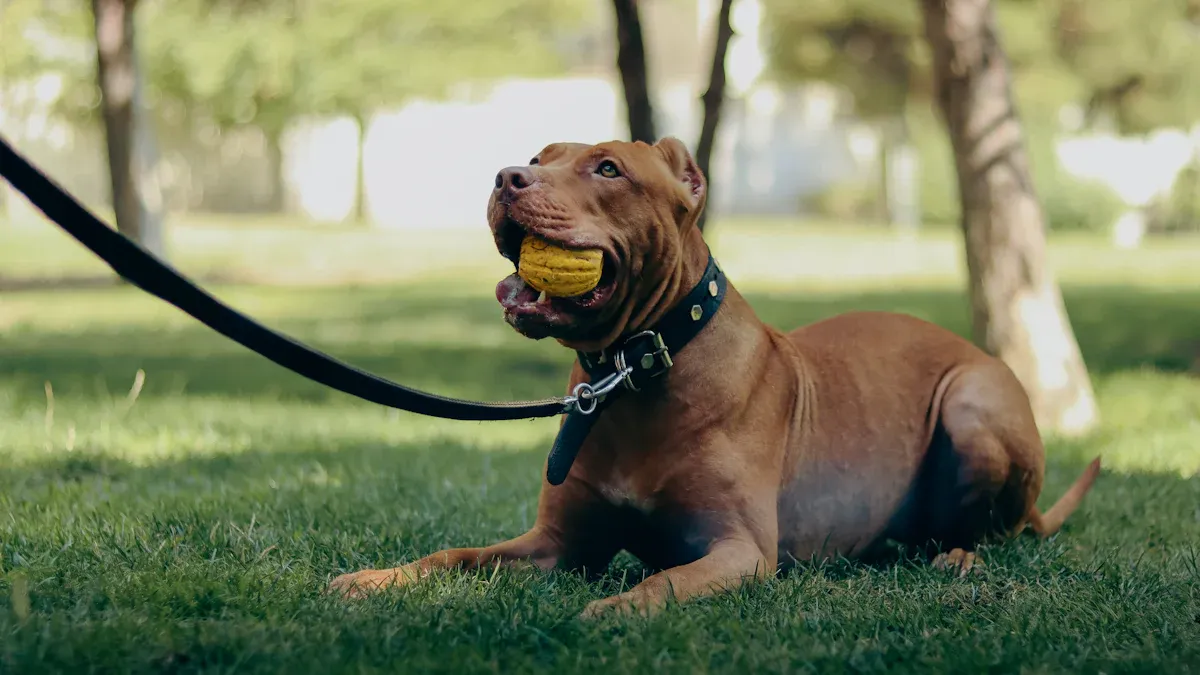
You see the standard leash in almost every pet store. This type works well for walking and basic training. You use it to guide your dog and keep control in busy areas. Many trainers recommend it for teaching loose-leash walking and polite behavior.
Here are the main benefits and drawbacks:
Advantages | Disadvantages |
|---|---|
Simplicity | Limited Freedom |
User-friendly design | Fixed length restricts exploration |
- Staff and customers find standard flat leashes easy to use and explain.
- They work for walking, running, and basic training sessions.
- The fixed length keeps the dog close and manageable in everyday situations.
- Weak or low-quality materials may fail if a strong dog pulls hard, so it is important to choose reinforced options for large or powerful breeds.
Tip: Choose a leash with strong stitching and a sturdy clip for safety.
Recommended Materials
You want a leash that lasts and feels comfortable. Most standard leashes use nylon, leather, or biothane. Nylon offers a lightweight and affordable choice. Leather feels soft and strong, but needs care. Biothane resists water and dirt, making it easy to clean.
Leash Type | Primary Use | Characteristics |
|---|---|---|
Standard Leash | Walking, basic training | Looped handle, metal clip, 4-8 feet long |
You match the leash material to your dog’s size and strength. For large breeds, pick thicker nylon or leather. For small dogs, a lighter leash works well. Always check the clip and handle for comfort and safety.
Long Line Leash
Recall and Distance Training
You use a long line leash for recall and distance training. This type lets your dog explore while you keep control. Trainers often start indoors or in a quiet yard with a short leash. You help your dog learn not to pull. Then you switch to the full-length leash and encourage your dog to explore safely.
Follow these steps for effective recall training:
Start with a short leash indoors or in a quiet yard.
Clip on the long line and let your dog explore within a safe area.
Call your dog back often and reward quick returns.
Add distractions slowly, like parks or busy spots.
Keep a hand on the leash to guide your dog and maintain control.
Note: Always use positive reinforcement and reward your dog for coming back.
Outdoor and Field Use
You find long line leashes useful for outdoor activities. They work well for hiking, field training, and scent work. You give your dog more freedom but still keep control. This helps build trust and clear communication.
Leash Type | Primary Use | Characteristics |
|---|---|---|
Long Line Leash | Recall, outdoor training | 10-50 feet, strong clip, lightweight material |
You choose the length based on your training goals and environment. For open fields, a longer leash gives your dog space to move. For urban parks, a shorter line helps you avoid tangles.
Slip Lead
Quick Application and Handling
You use a slip lead when you need to move dogs quickly. Shelters, rescues, and veterinary offices prefer this type for fast control. The slip lead combines a leash and collar in one piece. You slide it over your dog’s head and adjust it for a snug fit.
Leash Type | Primary Use | Characteristics |
|---|---|---|
Slip Lead | Quick control, transport | Easy to use, prevents slipping, adjustable loop |
You save time during busy situations.
You prevent your dog from slipping out of the collar.
You use it for short walks or moving dogs between areas.
Cautions and Limitations
Slip leads work well for quick control, but you must use them carefully. They tighten when your dog pulls, which can cause discomfort. Some dogs may feel anxious or reactive if the leash tightens too much. You risk negative associations with the collar or leash if you use aversive methods.
Benefits of Slip Leads | Limitations of Slip Leads |
|---|---|
Quick and easy to use for controlling dogs | Can create negative associations with the owner |
Ideal for getting dogs in and out of vehicles and kennels | Operates through aversive methods, similar to choke collars |
Useful in training dogs to walk calmly on a leash | May lead to increased anxiety or reactivity in some dogs |
Popular in shelters, rescues, and veterinary offices | Risk of dogs associating discomfort with natural behaviors like sniffing |
Note: Always supervise your dog when using a slip lead. If you notice stress or discomfort, switch to a harness or consult a professional trainer.
Martingale Leash
Gentle Correction
You use a martingale leash for gentle correction. This collar tightens a little when your dog pulls. It helps your dog stop pulling without hurting them. The design keeps it from choking or getting too tight. Trainers like martingale collars because they are safe. They spread pressure evenly around the neck.
Martingale collars give gentle correction with even pressure. This is safer than other training collars.
You adjust the collar so it fits well and does not hurt.
The design stops dogs from escaping, so it is safer for dogs that slip out of normal collars.
Tip: Always check the martingale collar before you train. If your dog seems uncomfortable, use a harness or ask a trainer.
Suitable Dogs and Scenarios
Martingale leashes work well for sensitive breeds and dogs with narrow heads. These dogs can slip out of regular collars. You use this leash for training, busy walks, and when you need control.
Dog Type | Scenario | Why Use a Martingale Leash? |
|---|---|---|
Sensitive breeds | Training and walking | Stops escape, gives gentle correction |
Dogs with narrow heads | Busy places | Gives control without choking |
Young or anxious dogs | Positive reinforcement | Fits well, lowers stress |
You pick a martingale leash for safety, comfort, and good training. Do not use it for playtime or with dogs that pull too much.
Hands-Free Leash
Active Training and Walking
A hands-free leash is good for active training and walking. You can walk your dog and keep your hands free. You wear it across your body or around your waist. Most hands-free leashes are 7 to 10 feet long. They have clips for different ways to use them.
Hands-free leashes make walking and training easier.
You do not hurt your shoulders or back as much.
You can train, give treats, or clean up easily.
Note: Hands-free leashes are great for running, hiking, and doing many things at once.
Safety Considerations
Safety is important with hands-free leashes. Always check the clips and how it fits before you walk. Do not use it with dogs that pull hard or act wild. Keep the leash short in busy places to stay in control.
Safety Checklist for Hands-Free Leashes |
|---|
Check clips and how it attaches |
Change length for where you are |
Use with trained dogs |
Do not use in busy or dangerous places |
Follow these steps to train better and keep your dog safe.
Double-Ended Leash
Versatility and Harness Use
A double-ended leash is very flexible for training and walking. You can attach it to a collar and a harness, or two spots on a harness. You get more control, especially with big or strong dogs.
Double-ended leashes can be used in many ways for training, like no-pull training or walking two dogs.
You get better control with two places to hold.
Leather double-ended leashes are strong and comfortable for you and your dog.
Tip: Use a double-ended leash for harness training and more control. It helps you guide your dog safely and gently.
Multi-Point Control
Double-ended leashes help you control your dog in more ways. You can manage your dog’s movement better, which helps in training and busy places. You also talk to your dog more clearly.
Feature | Benefit |
|---|---|
Two places to attach | Easier to handle big or strong dogs |
Flexible ways to use | Works with harness and collar |
Professional look | Shows you know what you are doing |
Pick a double-ended leash for more options, better control, and a smart look when you train.
Adjustable and Multi-Function Leashes
Adjustable and multi-function leashes give you flexibility for many training scenarios. You can change the length or use different configurations to match your needs. These types of leashes help you handle different dogs and situations with one tool.
Length Adjustment
You can adjust the length of these leashes to fit your training goals. Shorten the leash for close control or lengthen it for more freedom. This feature helps you switch between walking in busy areas and practicing recall in open spaces.
Here is a table showing the main features:
Feature | Description |
|---|---|
Material | Made of durable nylon, so you get strength and long-lasting use. |
Functionality | Six-in-one design lets you use it as a 3.5-foot leash, a six-foot lead, or other setups. |
Attachment Points | Multiple points allow you to clip to a collar, harness, or use a double-clipped option. |
Hands-Free Option | You can loop it over your shoulder for hands-free use during training or walks. |
Tip: Use the adjustable leash for different activities. You can walk, train, or even run with your dog without switching gear.
Multi-Dog Options
Some adjustable leashes let you walk two dogs at once. You can attach both dogs to one leash using special clips or connectors. This option saves time and keeps both dogs close. You still keep control and safety as your top priorities.
Check all clips before each walk.
Make sure the leash fits both dogs well.
Watch for tangles, especially with active dogs.
You can use these leashes for group training or families with more than one dog. Always supervise and adjust as needed for comfort and safety.
Retractable Leash
Retractable leashes look convenient, but you need to know their pros and cons. Many trainers and safety experts share important points about these leashes.
Pros and Cons in Training
Retractable leashes can encourage pulling. Dogs may learn poor leash manners.
These leashes can cause injuries from tangles, burns, or sudden snaps.
You may find it hard to control your dog in emergencies because the leash allows too much distance.
Trainers often do not allow retractable leashes in classes. The bulkiness and risk of accidents with other dogs or people make them less safe.
Note: Retractable leashes may seem easy, but they can create problems during training. Always focus on safety and control.
When to Avoid Use
Injuries can happen to both you and your dog from the leash cord or band.
If you drop the handle, your dog might bolt into traffic or other dangers.
Only use a retractable leash with a well-trained dog that has a reliable recall.
You should avoid retractable leashes for puppies, untrained dogs, or in busy areas. For most training needs, a fixed-length leash gives you better control and safety.
If you have questions about which leash to use, ask a professional trainer or veterinarian.
Dog Training Leash Use Cases
Matching Leash to Dog Size and Breed
Choosing the right leash for each dog size and breed helps you achieve better training results. You want to match the leash type and features to the dog’s physical needs and behavior. The table below shows how you can select the best leash for small, medium, and large dogs.
Dog Size Category | Recommended Leash Type | Key Features |
|---|---|---|
Small Dogs (Under 20 lbs) | Lightweight nylon or thin rope leash (4-6 feet) | Thin diameter, lightweight clips, comfortable handle |
Medium Dogs (20-50 lbs) | Standard padded-handle leash or training leash (5-6 feet) | Padded handle, medium-weight materials, strong metal clips |
Large Dogs (50+ lbs) | Reinforced, non-retractable leash (4-6 feet maximum) | Heavy-duty construction, padded handle, locking metal clips |
Small Dogs
You need a leash that feels light and easy to handle for small dogs. Thin nylon or rope leashes work well because they do not weigh down the dog. Lightweight clips and a soft handle help you keep control without causing discomfort. You should avoid heavy hardware that can pull on the collar or make the dog anxious.
Tip: Always check the fit of the collar and leash before training. Make sure the dog feels comfortable and safe.
Medium and Large Dogs
Medium dogs benefit from a sturdy leash with a padded handle. You want strong clips and materials that can handle more force. For large dogs, choose a reinforced leash with locking metal clips. Heavy-duty construction gives you better control and safety. A padded handle protects your hand during training sessions. You should avoid retractable leashes for large breeds because they do not offer enough control.
Note: If you notice the collar slipping or the leash wearing out, replace it right away to prevent accidents.
Age and Training Level
Dogs at different ages and training levels need special leash choices. You want to support their learning and keep them safe.
Puppies and Young Dogs
A puppy learns best with a lightweight leash and a comfortable collar. You should start with short training sessions in quiet places. Use positive reinforcement to build trust and encourage good habits. Young dogs often get distracted, so a simple leash helps you guide them gently.
Use a soft nylon leash for comfort.
Choose a collar that fits snugly but does not pinch.
Keep training sessions short and fun.
Adult and Senior Dogs
Adult dogs need a leash that matches their strength and activity level. You want a sturdy leash with a padded handle for longer walks and advanced training. Senior dogs may prefer a softer leash and a gentle collar. You should watch for signs of discomfort and adjust the gear as needed.
Pick a leash that supports the dog’s weight and movement.
Use a collar that does not rub or cause irritation.
Adjust the leash length for slower walks or special needs.
If you see any health or behavior issues, ask a professional trainer or veterinarian for advice.
Training Environment
The training environment affects your leash choice. You want to match the leash to the location and distractions.
Indoor Training
Start leash training in a quiet indoor space. You can control distractions and help the dog focus. Use a short leash for close control. Practice basic commands and reward good behavior.
Choose a lightweight leash for easy handling.
Keep sessions short to maintain attention.
Outdoor and Urban Settings
Move training outdoors when the dog shows progress. Parks and sidewalks offer new sights and sounds. Use a sturdy leash for safety. Adjust the length to avoid tangles and keep control.
Pick a leash with strong clips for busy areas.
Practice commands in different locations to build confidence.
Group Classes and Public Spaces
Group classes and public spaces require extra control. You want a leash that keeps the dog close and prevents accidents. Use a non-retractable leash with a padded handle. Stay alert to other dogs and people.
Check the leash and collar before each class.
Keep the leash short in crowded places.
Always supervise your dog in public settings. If you need help, consult a trainer for guidance.
Training Goals
Recall and Obedience
You help your customers teach recall and obedience by choosing the right leash. Recall training means the dog comes back when called. You need a leash that gives enough length for practice but keeps control. Long line leashes work well for recall. You let the dog move away, then call it back. You reward the dog with treats or praise each time it returns. This builds trust and helps the dog learn to listen.
Obedience training uses a standard leash or a long line. You guide the dog through commands like “sit,” “stay,” and “come.” You keep the leash short for close control. You attach the leash to a collar that fits well and does not pinch. You avoid using tools that cause discomfort. You focus on positive reinforcement and safety.
Tip: Always check the collar and leash before each session. If you see any signs of stress, stop and consult a professional trainer.
Loose-Leash Walking
Loose-leash walking teaches the dog to walk beside you without pulling. You use a standard leash for this goal. You hold the leash with a relaxed grip and keep the dog close. You reward the dog when it walks calmly. You avoid jerking or pulling the leash. You use a collar that sits comfortably on the dog’s neck.
You can follow these steps for loose-leash walking:
Start in a quiet area with few distractions.
Hold the leash so there is a gentle curve, not tight.
Reward the dog for staying near you.
Stop walking if the dog pulls. Wait until it returns to your side.
Repeat and reward good behavior.
Step | Action | Result |
|---|---|---|
1 | Start in quiet area | Dog focuses on you |
2 | Hold leash loosely | Dog feels relaxed |
3 | Reward calm walking | Dog learns good habits |
4 | Stop if pulling | Dog returns to your side |
5 | Repeat and reward | Dog improves over time |
Note: If the dog struggles with loose-leash walking, suggest your customer work with a professional trainer.
Behavior Modification
You use leashes to help modify unwanted behaviors. Behavior modification means changing actions like jumping, lunging, or barking. You choose a leash that gives control but does not cause fear. You attach the leash to a collar that fits well. You guide the dog away from triggers and reward calm behavior.
You can use these strategies for behavior modification:
Redirect the dog with gentle leash guidance.
Reward the dog for calm actions.
Avoid harsh corrections or punishment.
Use a leash and collar that support safety and comfort.
If you notice ongoing problems, recommend consulting a professional trainer or veterinarian. You help your customers achieve better results by focusing on positive reinforcement and safe training tools.
Always remind customers to use patience and consistency. Positive methods build trust and improve behavior.
How to Select the Best Leash for Dog Training
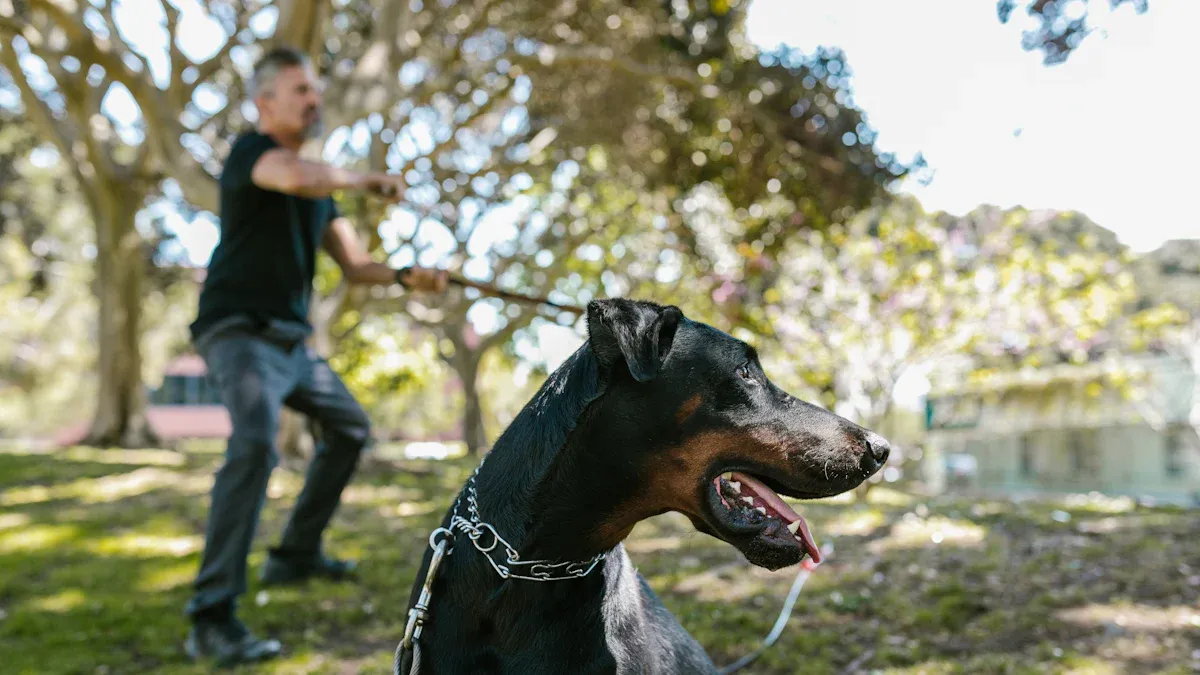
Leash Length and Width
Choosing for Dog Size and Activity
Selecting the right leash length and width helps you match the leash to the dog’s size and the activity. You want to give the dog enough freedom while keeping control. For walking, a standard 6-foot leash works well for most situations. In busy city areas, a 4-foot leash gives you closer control. When you run with a dog, a shorter leash keeps both of you safe. For training, use a short leash for obedience and a long line for distance commands.
Here is a quick guide to help you choose:
Walking: Use a 6-foot leash for general walks.
Running: Choose a shorter leash for safety.
Training: Pick a short leash for obedience or a long line (30-50 feet) for recall and distance work.
You also need to consider the width. Standard widths range from ¼ inch to ¾ inch. For small dogs, a thinner leash feels lighter and easier to handle. For large or strong dogs, a wider leash offers more strength and control.
Common Recommendations
You can use the table below to match leash length and width to different activities:
| Length | Best For | Recommended Width |
|---|---|---|
| 4 feet | Loose leash walking in busy areas, close control | ¼” to ½” (varies by dog size) |
| 6 feet | Everyday walks, basic training, and general use | ½” for small breeds; ¾” for medium; 1″ for large/strong dogs |
| 1–2 feet | Precision work, heeling, and close control in crowded spaces | ½” to ¾” (choose wider widths for strong dogs) |
| 10–15 feet | Basic distance training, early recall work | ¼” to ½” (lightweight but strong webbing) |
| 20–50 feet | Off-leash training in safe, open areas | ¼” to ½” (light but durable; varies by dog size) |
6-foot leash: Good for most training and walking needs.
4-foot leash: Best for close control in busy places.
1-2 foot tab leash: Useful for keeping the dog close during precision work.
20-50 foot long line: Ideal for recall and off-leash training in safe areas.
Tip: Always match the leash length and width to the dog’s size and the activity. This helps you keep control and ensures safety.
Material and Hardware
Nylon, Leather, Biothane
You want to choose a material that fits your needs and the dog’s behavior. Each material has unique benefits:
Material | Wet Grip | Odor Retention | UV Resistance | Cleaning Ease |
|---|---|---|---|---|
Leather | Poor | Moderate | Good | Difficult |
Nylon | Fair | High | Fair | Moderate |
Biothane | Excellent | None | Excellent | Easy |
Leather gives a strong, comfortable grip when dry and gets softer with use. It works well for customers who want a classic feel, but it needs more care and does not handle water well, and grip can be poor when the leash is wet.
Nylon is lightweight and works in many conditions. It dries quickly but can hold odors and may fray over time.
Biothane is waterproof, easy to clean, and holds up in extreme weather. It keeps its grip even when wet and does not absorb odors.
Biothane stands out for outdoor training because it resists water and UV damage. Leather offers stability and comfort, while nylon gives you a budget-friendly option.
Clips, Handles, and Stitching
Hardware quality affects safety and durability. You should look for clips made of stainless steel or brass. These metals resist rust and hold up under stress. Avoid zinc alloy clips because they can break when pulled hard.
Handles should feel comfortable and reduce strain on your wrist. Padded or ergonomic handles help you control large dogs without discomfort. Strong stitching patterns, such as Box-X or Bar Tack, spread force across the leash and prevent tears.
Stainless steel or brass clips last longer and keep dogs secure.
Ergonomic handles protect your hands during long walks or training.
Reinforced stitching adds strength and prevents breakage.
Note: Always check the hardware before each use. Replace any leash with worn clips or frayed stitching to keep dogs safe.
Safety and Quality Features
Reflective and Weather-Resistant Options
Safety features make a big difference for both you and the dog. Reflective elements on a leash help drivers and cyclists see you during early morning or evening walks. Weather-resistant materials, like biothane or treated nylon, keep the leash strong in rain or sun.
Feature | Description |
|---|---|
Functionality | Makes the leash easy and safe to use for both you and the dog. |
Safety clasps | Securely attach to the collar or harness to prevent accidental detachment. |
Ergonomic handles | Reduce wrist strain and improve grip, especially with large or strong dogs. |
Reflective elements | Increase visibility in low-light conditions for safer walks. |
Integrated compartments | Let you carry waste bags, treats, or water for convenience. |
You should always look for leashes with reflective stitching or strips if you walk in low light. Weather-resistant options last longer and keep the dog safe in all conditions.
Durability and Maintenance
A durable leash saves you money and keeps the dog safe. Choose materials that resist wear and tear. Biothane and leather last longer with proper care. Nylon works well but may need replacement sooner if used daily.
Clean biothane with soap and water for easy maintenance.
Wipe leather with a damp cloth and use conditioner to keep it soft.
Check nylon for fraying and wash it regularly to remove dirt and odors.
Tip: Inspect the leash and collar before every walk or training session. Replace any gear that shows signs of damage.
By following these tips, you help dog owners choose the best dog training leash for their needs. You also support safe and effective dog training in every environment.
Inventory and Customer Education
Stocking for Different Needs
You want every customer to find what they need. Stock many types of dog training leashes. This helps you serve all breeds and sizes. Think about these things when you plan your inventory:
Offer many leash types like standard, long line, slip, martingale, hands-free, and adjustable.
Pick lighter leashes for small dogs and puppies. Use smaller clips and thin materials for them.
Choose strong, sturdy leashes for big or active dogs. Look for tough clips and padded handles.
Learn about different leash materials and designs. Give choices that are comfy, tough, and affordable.
Show leashes by size, type, and use. This helps customers find what they want faster.
Tip: Check your inventory often. Remove old or worn leashes. Add new styles that fit current training trends.
Staff and Customer Guidance
Your staff helps customers pick the right leash. Well-trained workers answer questions and give advice. They look at the dog’s size, age, and training needs. You can help your team and customers by doing these things:
Teach staff to explain leash types and materials.
Give quick guides or charts at checkout.
Use signs or screens to show leash benefits.
Tell staff to ask about training goals and dog behavior.
Remind customers to talk to a trainer or vet for health or behavior issues.
You can also hold short workshops or demos. These events show how to use leashes and teach about positive reinforcement.
Common Mistakes in Leash Selection
Overlooking Dog or Training Needs
Some customers pick a leash just for color or price. This can cause bad training or safety problems. Always match the leash to the dog’s size, strength, and training level. For example, a thin leash can break with a strong dog. A heavy leash can be too much for a small puppy.
Ask about the dog’s age, breed, and behavior before you suggest a leash.
Recommend leashes that help with training goals like recall or loose-leash walking.
Remind customers that the right leash makes training safer and better.
Ignoring Environment or Activity
Where you train matters as much as the leash. Using the wrong leash in busy places can cause accidents. Help customers think about where and how they will use the leash.
Suggest short leashes for city walks or group classes.
Recommend long lines for open fields or recall training.
Advise against retractable leashes in crowded or busy areas.
If a customer is unsure, give tips on matching leash type to activity. Remind them to check their gear before each outing.
By focusing on these things, you help customers avoid mistakes and train better. You also build trust and get repeat business.
Best Practices for Dog Training Leash Use
Demonstrating Proper Leash Handling
Staff Training Tips
You teach your team how to use leashes the right way. Begin with simple steps. Pick the best walking gear for each dog. Martingale collars are good for dogs that do not pull much and have no health problems. Show your staff how treats help keep active dogs calm. Drop treats on the ground or use a lickimat to reward quiet behavior.
Teach the “thumb lock” grip to your team. This grip helps you hold the leash tight and change your hold fast. Always try to keep the leash in a u-shape. This shape gives you control and helps the dog stay relaxed. Use these steps when you train your staff:
Give treats to reward calm actions.
Hold the leash using the thumb lock grip.
Keep the leash in a gentle u-shape while walking.
Tip: Practice these steps with your team before helping customers. Doing it together helps everyone learn and feel sure.
In-Store Demos and Signage
Set up demos in your store to show how to use leashes. Put up clear signs or posters with easy instructions. Place them near leash displays or training spots. Invite customers to try different grips and leash styles with staff watching. This helps customers see why good leash handling matters and teaches safe habits.
Safety and Compliance
Local Regulations
Learn the leash laws in your town or city. Most places want dogs on leashes in public. Put local rules near your leash displays. Remind customers to check for new rules before going out. Following these laws keeps people and dogs safe and stops fines.
Leash Safety Checklists
A safety checklist helps staff and customers use leashes the right way. Go over this list before every walk or training time:
Look at the leash for fraying or weak spots.
Make sure clips and hardware work well.
Check that the collar or harness fits right.
Use reflective gear when it is dark outside.
Keep the leash at a safe length for where you are.
Note: Change any leash that looks worn out. Safe gear helps with good training.
Supporting Positive Dog Training Outcomes
Reinforcing Good Behavior
You help dogs learn by rewarding good actions. Use treats, praise, or toys when the dog walks calmly or listens. This builds trust and makes the dog want to do well again. Giving rewards often helps with obedience and makes training fun.
When to Recommend Professional Help
Sometimes, you see problems with behavior or health that do not go away. Tell customers to talk to a trainer or vet if this happens. Experts can give special advice and help. This makes sure the dog and owner get the best results.
Always focus on safety, control, and positive rewards. These tips help your team and customers succeed with dog training.
Picking the right dog training leash helps your business do well. It also makes sure every customer gets what they need. You keep dogs safe and customers happy by learning about leash types and how to choose them. Look at what leashes you have now and train your staff often to keep your standards high.
Category | Key Takeaways |
|---|---|
Staff Training | Teach staff how to fit leashes and handle emergencies. Practice drills often. |
Maintenance | Clean leashes and check clips and handles often to keep them safe. |
Client Communication | Show clients how to use leashes safely. Give clear advice to build trust. |
Pick strong materials and safe clips for every dog.
Check leashes every day and match them to each dog’s size.
Use this guide to help pick products and teach customers.
FAQ
What is the best leash length for dog training?
You should use a 6-foot leash for most training and walking. For recall or distance work, choose a long line between 20 and 50 feet. Always match the leash length to your training goals and environment.
How do I choose the right leash material?
Select nylon for affordability and light weight. Pick leather for comfort and durability. Choose biothane for easy cleaning and weather resistance. Always check the material for strength and comfort based on the dog’s size.
Can I use a retractable leash for training?
Most trainers do not recommend retractable leashes for training. These leashes reduce control and can encourage pulling. Use a fixed-length leash for better safety and clearer communication during training.
How often should I inspect or replace dog leashes?
Check leashes before every use. Look for fraying, weak spots, or broken clips. Replace any leash that shows damage. Regular inspection helps prevent accidents and keeps dogs safe.
What leash type works best for group classes?
Use a standard flat leash, 4 to 6 feet long, for group classes. This leash gives you control and helps prevent tangles with other dogs. Avoid retractable leashes in busy or group settings.
How can I help customers pick the right leash?
Ask about the dog’s size, age, and training needs. Show different leash types and explain their uses. Use checklists or quick guides to help customers compare options. Always recommend consulting a professional for special needs.
What should I do if a dog has behavior or health issues?
Always suggest that customers speak with a professional trainer or veterinarian if a dog has behavior or health issues. Experts can provide the right guidance and training plan for each case. This protects the dog’s well-being and helps your business avoid giving medical or behavioral advice outside your role.