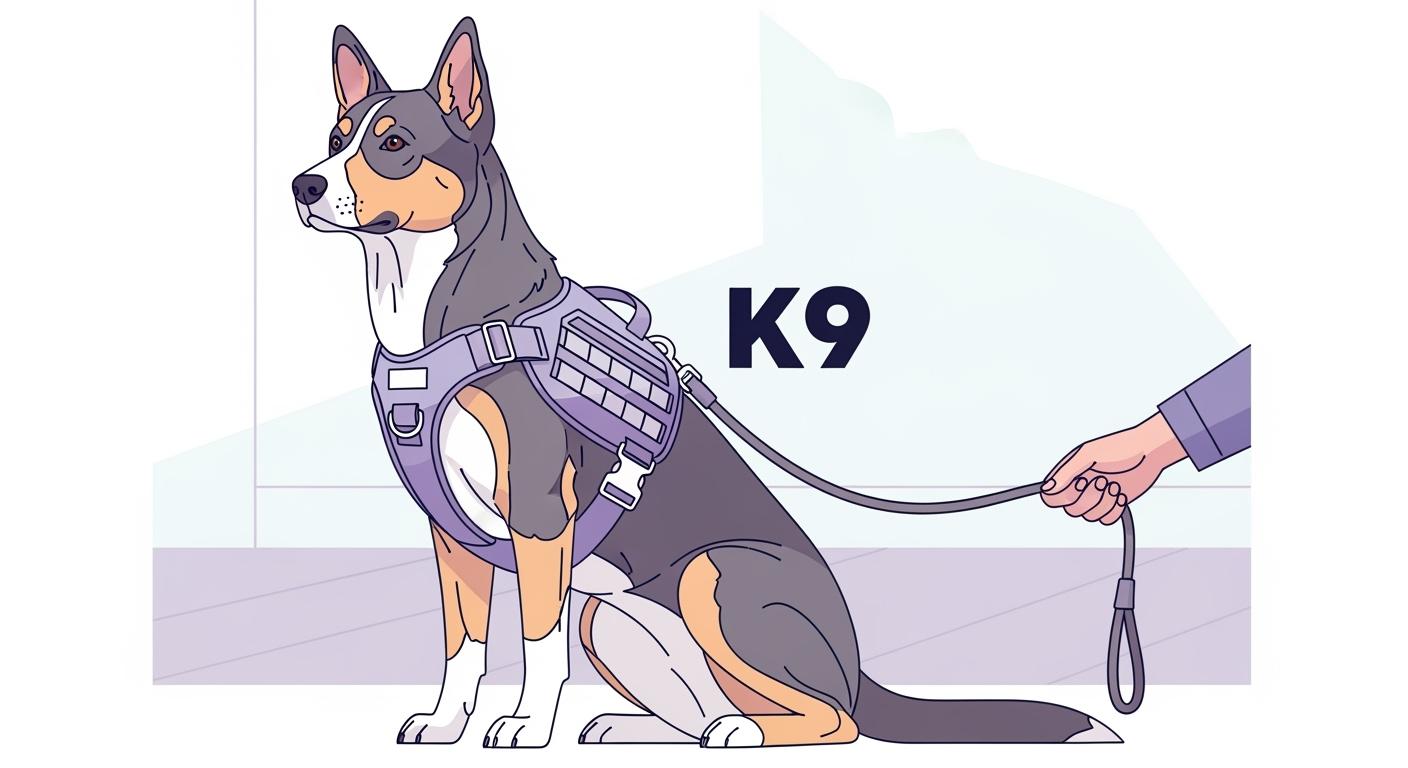
A dog tactical vest harness only makes sense when the extra coverage gives you more useful control without turning the walk into a heat and movement problem. That is the real tradeoff. A handle, wider body coverage, and a more substantial build can help on rough trails, crowded areas, and dogs that genuinely need closer short-range guidance. But those same features can become a bad exchange if the harness crowds the shoulders, sits into the elbows, traps heat, or makes your dog move like they are working around the gear instead of just walking in it.
Key Takeaways
- Pick a tactical vest harness for dogs that truly need better close control, steadier handling, or more outdoor durability, not just because the style looks more heavy-duty.
- Choose a lighter harness if your dog is calm, small, heat-sensitive, or moves well without extra body coverage. Less bulk is often the better fit for ordinary walks.
- Check shoulder freedom, handle reach, girth strap position, heat buildup, and whether your dog can lie down and settle. Control is only helpful if the dog can still move comfortably.
When to Choose a Dog Tactical Vest Harness
Best Uses: Strong Pullers, Working, and Outdoor Dogs
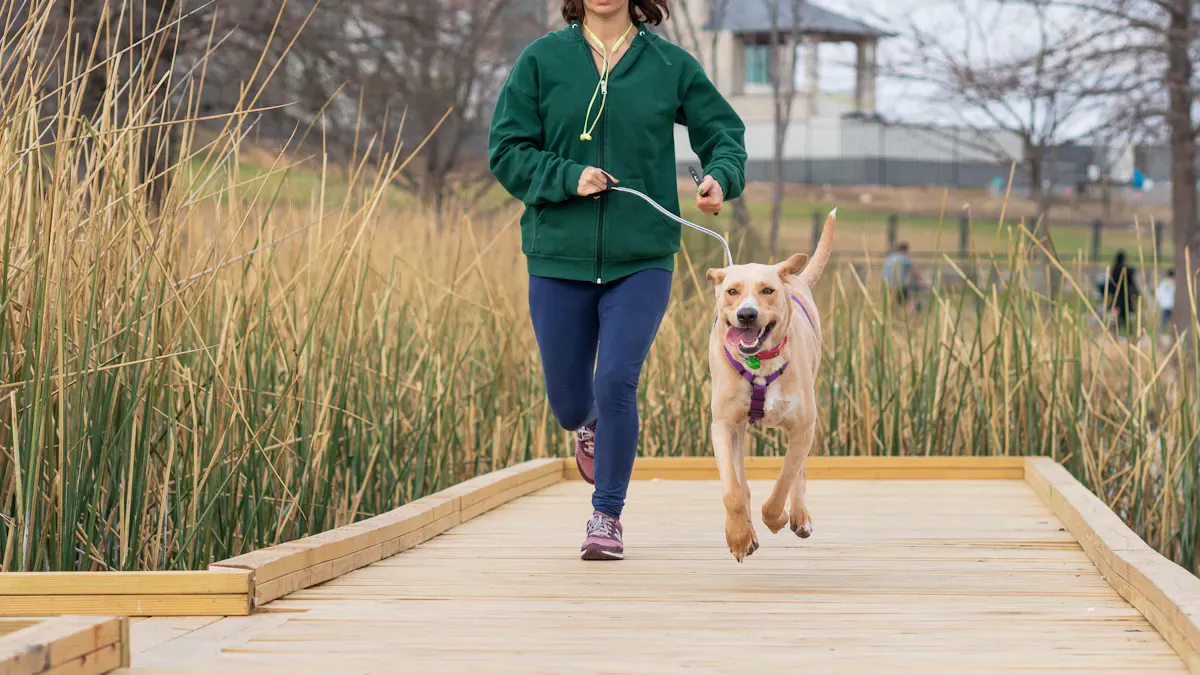
You may wonder if a dog tactical vest harness fits your dog’s needs. It is most useful when you need short-range control that a lighter everyday harness does not give you reliably. That can mean strong dogs on uneven terrain, dogs that pull hard and need closer guidance through tighter areas, or outdoor days where the harness will be used in brush, dirt, wet ground, and repeated handling.
A bigger harness earns its size when the handle is genuinely useful, the body coverage helps stabilize the dog instead of fighting their movement, and the extra material holds up to the way the dog actually works. If you only need an easy daily-walk harness, extra bulk often adds more than it solves.
Tip: If your dog pulls hard or you need closer, steadier control in rough or busy environments, a tactical harness can be useful. If you mostly need simple daily-walk comfort, it may be more harness than you need.
When a Lighter Harness Is Better
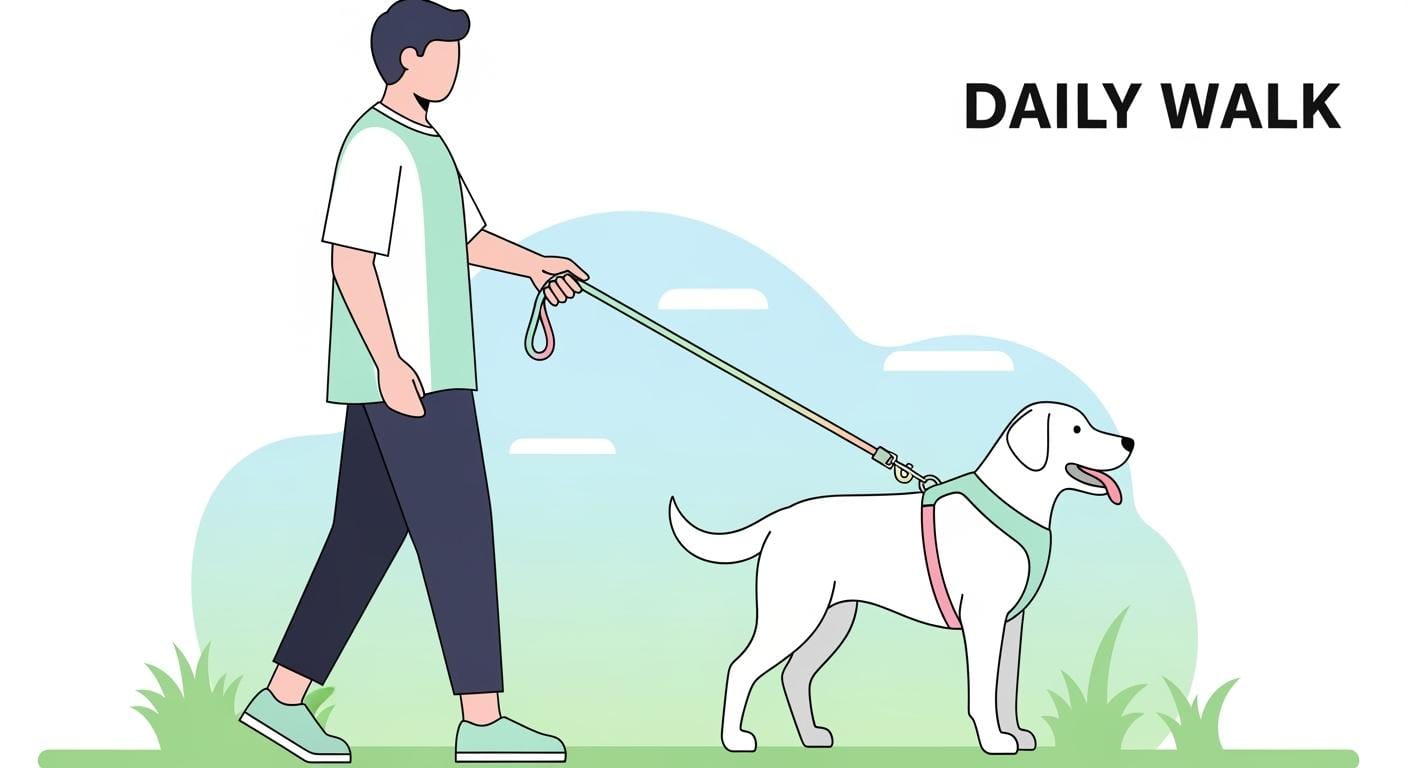
Not every dog needs a tactical vest. A lighter harness usually works better for calm dogs, small dogs, dogs that already walk well on lead, and dogs that get warm quickly. It is also often the better choice for short city walks, quick potty trips, or simple everyday use where easy movement matters more than close-range handle access.
Less coverage usually means less heat buildup, less rubbing risk, and fewer ways for the harness to crowd the shoulders or swing off-center. If your dog does not need extra control, the lighter option is often the more comfortable and more honest choice.
Note: If your dog seems happier, looser, and more willing to walk in a lighter harness, that matters more than the tactical style looking tougher.
Comparison Table: Tactical Vest vs. Everyday vs. Dual-Clip
You want to make the best choice for your dog. This table compares three common types of dog harnesses for walking and outdoor use.
| Harness Type | Best Use Cases | Main Benefit | Main Watchout | Who Should Skip It |
|---|---|---|---|---|
| Dog Tactical Vest Harness | Strong pullers, rough terrain, crowded settings, repeated close handling | Better handle access and more controlled body coverage | Bulk can trap heat and interfere with easy movement if the fit is off | Small, calm, heat-sensitive, or lightly active dogs |
| Lighter Everyday Harness | Calm dogs, daily walks, short outings, simple use | Less bulk and easier everyday comfort | Less close-control help for dogs that pull hard or need guidance | Dogs that need steadier short-range handling or rugged use |
| Dual-Clip Harness | Training, moderate pullers, flexible daily use | More leash-position options without full tactical bulk | Can twist or lose balance if not fitted well | Dogs that need heavier-duty control or repeated handle use |
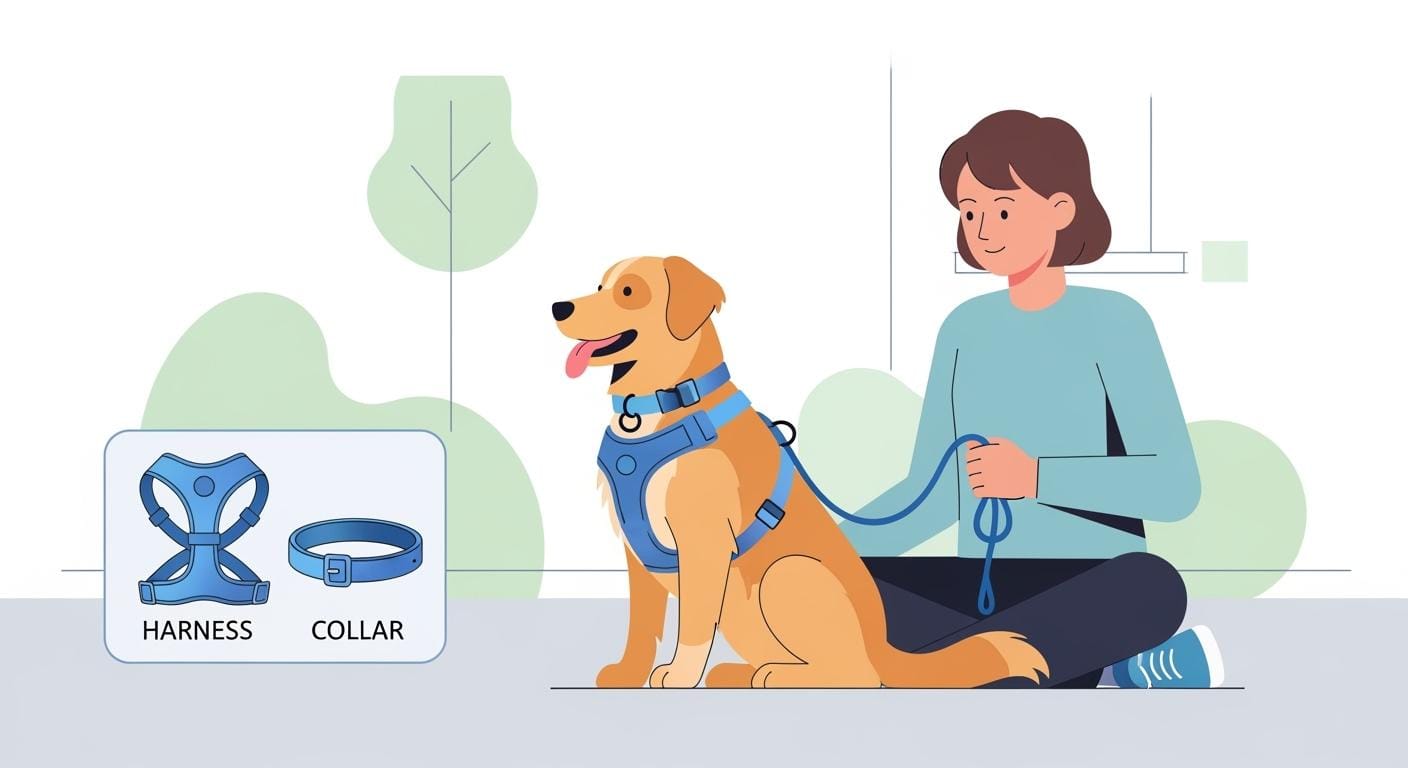
Choosing the right harness depends on your dog’s size, pull level, coat, heat tolerance, and what your walks actually look like. The right answer is not always “more control.” It is the harness that gives enough control without making movement worse.
Remember: If the harness helps you manage the dog but leaves the dog hot, rubbed, and stiff, it is not a better setup.
Control Features vs. Bulk in Tactical Dog Harnesses
Handle Design and Placement
You see the handle on a dog tactical vest harness right away. A useful handle helps with short, controlled guidance, not constant lifting. You should be able to reach it quickly without grabbing near the neck or twisting the harness off-center. If the handle sits too far forward, the lift path becomes awkward. If it sits too far back, it becomes slower to grab when you need it.
The better handle position is the one that lets you steady the dog without dragging their front end upward or making the whole harness roll sideways.
| Fit Factor | What You Want | What Goes Wrong |
|---|---|---|
| Handle placement | Quick reach with balanced control | Awkward grab angle or uneven lift path |
| Handle use | Short steadying help over obstacles or in tight spots | Using it as a constant lifting point or correction tool |
| Back balance | Harness stays centered when you grab the handle | Harness rolls, twists, or drags to one side |
Tip: Test the handle before the walk starts. If one quick grab already twists the harness or pulls your dog awkwardly, the problem will show up even more once you are moving.
Chest Coverage and Strap Layout
Tactical harnesses cover more of your dog’s chest and back. That extra coverage can help spread pressure and give you a more controlled feeling, but only when the front section does not crowd the shoulders and the girth strap does not sit too close to the elbows.
This is where bulk stops being a style issue and becomes a movement issue. If the harness blocks forward reach, rubs under the front legs, or makes the dog shorten their stride, the dog is compensating for the gear. More surface area is only helpful when the dog can still walk, turn, and lie down normally.
Note: If your dog pants earlier than usual, shortens their stride, or slows down once the harness warms up, do not treat that as a minor comfort issue. It means the bulk may already be costing too much.
Pass/Fail Checklist: Fit, Comfort, Control
Check your tactical dog harness before every walk. Use this list to find problems early.
| Check Item | Pass Signal | Fail Signal | Fix |
|---|---|---|---|
| Shoulder reach | Dog reaches forward naturally and walks loose through the front end | Short stride, stiff front movement, or obvious shoulder crowding | Reduce front coverage or switch to a less restrictive design |
| Handle placement | Easy to grab without rolling the harness | Hard reach or uneven lift path | Reassess handle position and overall harness balance |
| Girth strap location | No rubbing near the elbow line | Red patches, sore spots, or repeated scratching | Adjust the strap path or change the size or style |
| Side bulk | Harness stays centered during normal walking | Harness twists, swings, or drifts off-center | Remove nonessential bulk or switch to a trimmer setup |
| Lie-down test | Dog lies down and gets back up without hesitation | Dog avoids lying down or keeps repositioning around pressure points | Recheck clips, rings, padding, and chest coverage |
| Heat load | Dog stays engaged without unusual panting or slowing down | Early panting, restlessness, drooling, or obvious slowdown | Shorten the walk, cool down, and reassess whether the bulk is justified |
Alert: If you keep seeing the same fail signal on repeated walks, stop adjusting around it and question whether this harness type is the right match.
Troubleshooting Table: Common Problems and Fixes
You might have problems with fit or comfort. Use this table to fix them faster.
| Symptom | Likely Cause | Fast Check | Fix |
|---|---|---|---|
| Harness twists or swings | Too much side bulk or poor balance through the body | Watch the harness from behind during a short walk | Remove nonessential extras and reassess fit |
| Dog pants or slows down | Heat buildup from coverage, weather, or effort level | Touch the harness, watch breathing, and compare to a lighter walk setup | Move to shade, shorten the session, or switch to a lighter design |
| Red patches or chafing | Strap placement, friction, or poor size adjustment | Inspect the chest, elbows, and behind the front legs | Refit before the next walk instead of “breaking it in” on the dog |
| Dog avoids lying down | Hardware or bulk sits on a pressure point | Check the dog’s lie-down posture on a flat surface | Change clip placement or choose a lower-profile harness |
| Dog slips out | Wrong size or poor adjustment path | Do a controlled backward pull test at home | Refit or switch size before using it outside again |
| Dog freezes when you use the handle | Handle use feels sudden, awkward, or unbalanced | Test a light steadying lift while standing still | Use the handle less abruptly or choose a setup with a better grab point |
Tip: Measure your dog’s chest and neck before buying. Recheck fit whenever coat thickness, weight, or activity level changes.
Common Mistakes and Real Consequences
You can make mistakes with tactical harnesses if you rush or skip checks. The most common error is choosing the style for control without asking whether this dog really needs the extra body coverage. The second is assuming more padding automatically means better comfort. It does not if the dog starts moving differently in it.
- Bad fit lets dogs back out or twist the harness off-center.
- Wrong strap position creates rubbing and pressure where the dog moves most.
- Too much bulk raises heat load and makes some dogs stiff or slower.
- Leaving the harness wet or dirty increases skin and friction problems.
- Leaving it on after the walk when you do not need it keeps the dog in unnecessary gear and pressure points.
Note: Take the harness off after the walk when you no longer need the control. Clean it, dry it, and check the dog’s skin before the next use.
You want more control, but comfort and safety matter too. Tactical harnesses help most when the dog truly benefits from handle access, more controlled body coverage, and rugged use. They stop helping when bulk becomes the thing your dog is working against.
Signs of Harness Failure and Discomfort
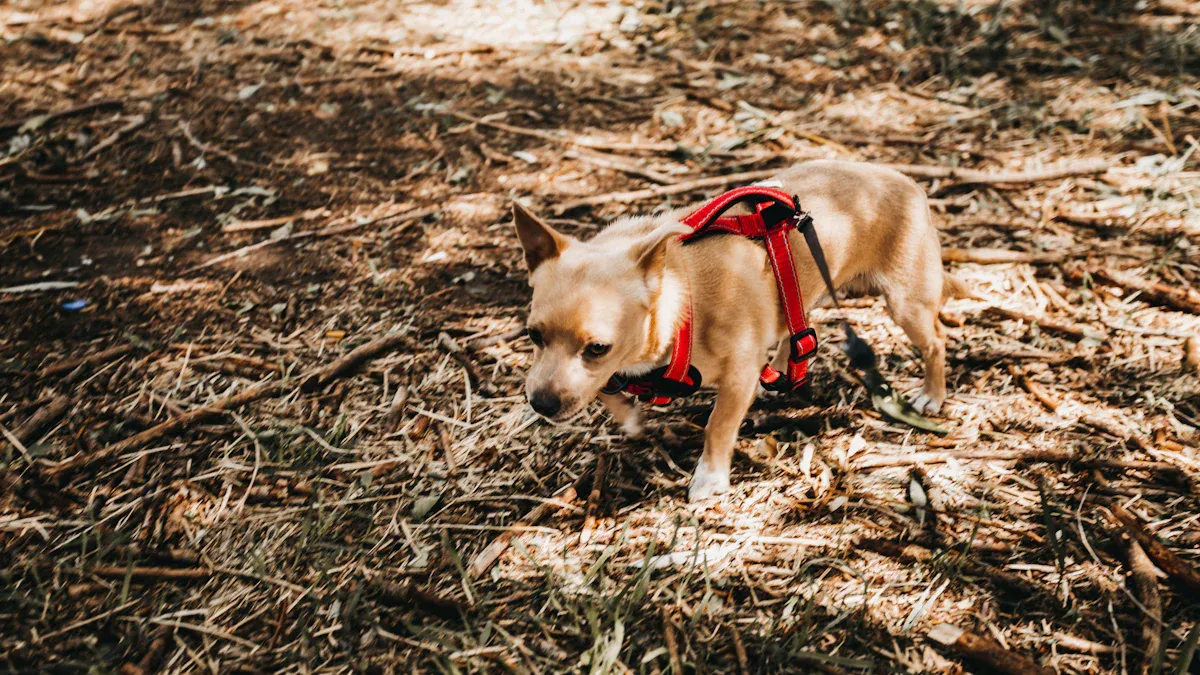
Rubbing and Chafing
You need to check your dog’s skin after every walk. Look for red patches, sore spots, or indentations, especially around the elbows, armpits, and lower chest. These signs usually mean the harness is too tight, sitting in the wrong place, or moving too much as the dog walks.
Rubbing problems often show up before the dog gives you a dramatic signal. The dog may shorten stride, scratch at the harness, pause more often, or refuse the next walk setup more quickly than usual.
Heat Buildup and Overheating
Tactical dog harnesses cover more of your dog’s body, so they can trap heat faster than trimmer designs. Watch for heavy panting, restlessness, unusual drooling, slowing down, or a dog that starts looking for shade and loses interest in the walk. Those are not signs to ignore just because the dog is still moving.
In hot weather, walk earlier or later, shorten the session, and stop using the harness as soon as it becomes clear the coverage is adding strain instead of control.
Disclaimer: If your dog becomes weak, collapses, vomits, seems confused, or does not recover quickly after cooling down, get veterinary help right away.
Restricted Movement and Twisting
A tactical harness should still let your dog walk, turn, and lie down naturally. If your dog starts moving stiffly, refuses to run, hesitates to jump, or keeps shifting the harness to one side, the problem is not just “preference.” It usually means the setup is interfering with movement or balance.
Fixes for Common Fit Issues
- Check shoulder freedom before the first real walk, not after a long outing.
- Adjust the harness so it sits flat without drifting or twisting.
- Make sure the girth strap is not rubbing into the elbows.
- Use the handle for short steadying control, not repeated dragging or lifting.
- Clean and dry the harness after use, especially after wet or muddy walks.
Tip: A harness that keeps needing mid-walk corrections is usually not a “good enough” fit. It is usually the wrong setup in slow motion.
You must decide if the extra control from a dog tactical vest harness outweighs the bulk. Choose this harness when your dog truly needs steadier handling, short-range guidance, and a more rugged outdoor setup. Pick a lighter option when comfort, freer movement, and lower heat load matter more. The better harness is not the one with more coverage. It is the one that lets your dog move well while still giving you the control you actually need.
FAQ
How do you know if your dog needs a tactical vest harness?
You should choose a tactical vest harness only if your dog truly needs extra close control, handle access, or more rugged outdoor use. If your dog walks well in a lighter harness, the tactical style may be unnecessary bulk.
Can a tactical harness cause overheating?
Yes. Extra coverage can trap heat, especially in warm weather or on harder walks. Watch for early panting, restlessness, unusual drooling, or a dog that starts slowing down sooner than usual.
What should you do if your dog dislikes the harness?
Recheck fit first. If discomfort continues even after careful adjustment, switch to a lighter or less restrictive harness rather than forcing the dog to adapt to the wrong style.