You need a good safety harness for your customers. This helps keep pets safe and makes work easier. Pet retailers, brands, and trainers suggest harnesses for many reasons:
Crash-tested models keep dogs safe in the car. They lower the risk for pets and people.
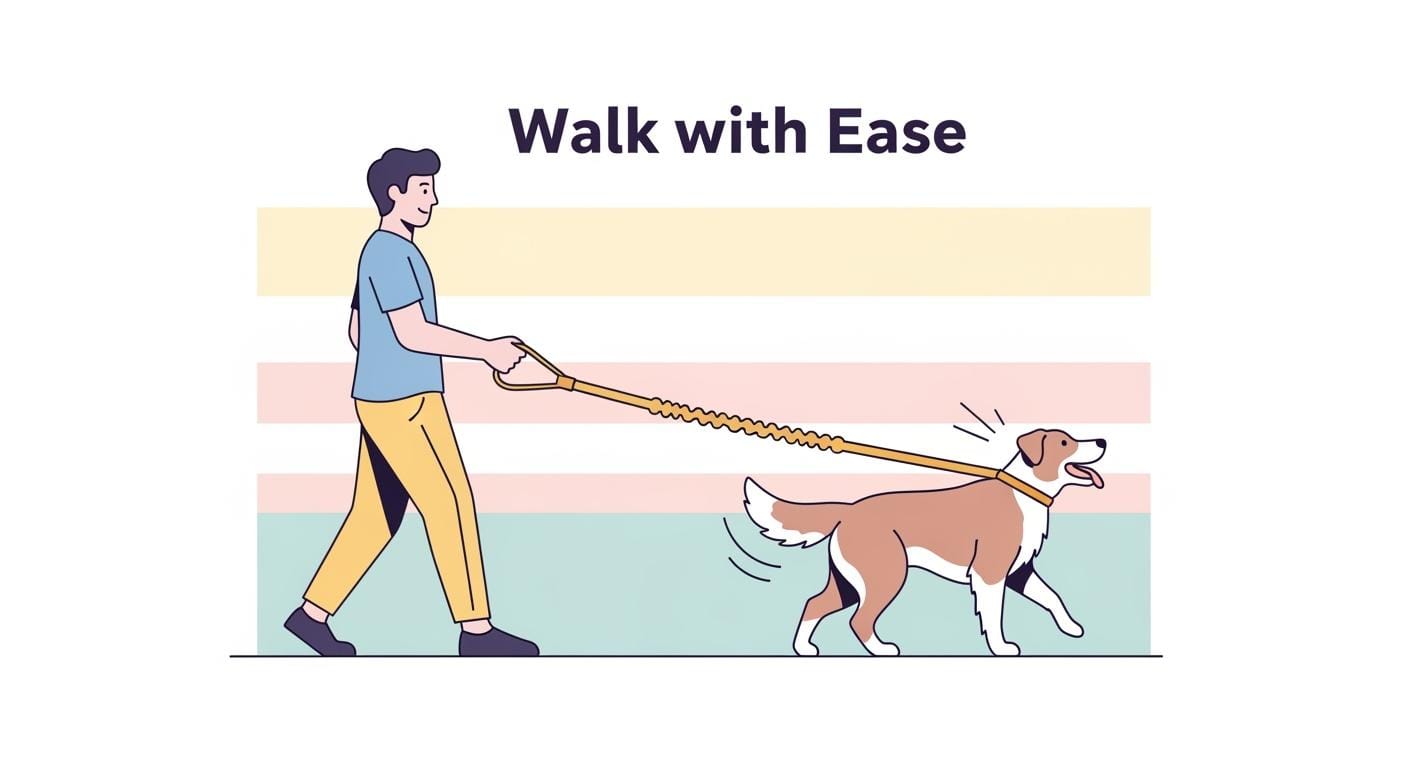
Harnesses help you control strong or active dogs. This makes walks easier.
Comfortable designs are good for active pets. Some have back handles for extra help.
Use this guide to help train staff, plan inventory, and talk to customers.
Key Takeaways
Dog safety harnesses keep dogs safe by spreading pressure on their bodies. This lowers the chance of getting hurt during walks or car rides.
Train your team to choose the right harness type for each customer’s dog and its behavior. Front-clip harnesses help manage pulling, while back-clip harnesses work well for calmer dogs.
Make sure staff always measure each dog’s neck and chest before recommending or selling a harness. A precise fit is critical for safety, comfort, and reducing returns.
Stock harnesses with padded straps, breathable materials, and reflective or high-visibility details. These features make walks more comfortable and help staff and pet parents see the dog clearly.
Set up a routine for staff to inspect and clean harnesses regularly. This keeps them safe and reliable for every dog that uses them in your business.
Teach staff about harness types and how to fit them. This helps them give better service and help customers choose well.
Learn about new trends in harness design. Look for eco-friendly materials and adjustable parts to meet what customers want.
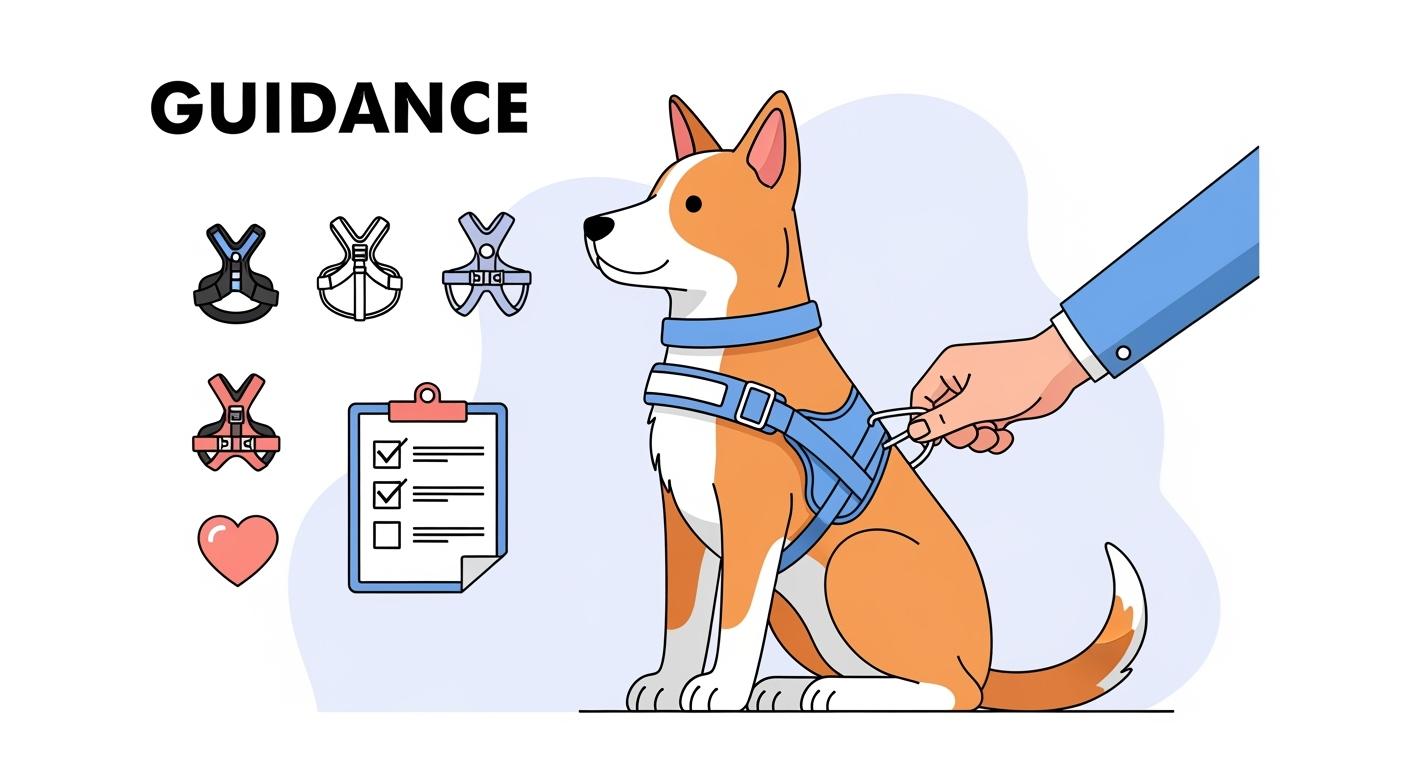
Use checklists to help staff suggest the best harness. Think about the dog’s size, how active they are, and their health needs.
What Is a Dog Safety Harness?
Definition and Purpose
A dog safety harness is gear that helps keep dogs safe. You use it when walking, traveling, or training your dog. It helps you control your dog and keeps them comfortable. Experts say three things matter most when pet businesses pick harnesses for customers: safety, fit, and how each harness works in real use.
Safety, fit, and how it works are very important.
You should know why you need the harness and how it fits.
Using a harness the wrong way can hurt your dog or make your bond weaker.
The pet industry is worth billions of dollars. About two-thirds of homes have pets. Harnesses are used in vet clinics, stores, and training places. The main goal is to protect dogs and make handling easier for workers and customers.
Key Features of a Safety Harness
When you pick a harness, look for features that help with safety and comfort. Experts say you should check these things:
Feature | Description |
|---|---|
Premium Construction Materials | Strong materials last a long time and handle lots of force. |
Size Coverage and Weight Limits | Harnesses fit small and big dogs and hold different weights. |
Energy Absorption Components | Special parts soak up energy to lower impact during quick stops or accidents. |
Attachment Engineering | Tough metal parts keep the harness from breaking and hold dogs safely. |
Comfort Features | Airy fabrics and soft straps help dogs stay comfy for a long time. |
Always look at these features before you buy harnesses or suggest them to others.
Why Use a Dog Harness?
There are many reasons to use a dog harness. The main jobs are:
Better control of your dog when walking or training.
Pressure spreads out so the neck does not get hurt.
More safety for dogs and people.
Dogs are less likely to escape and leashes tangle less.
Reflective parts help others see the dog.
A harness moves pressure off the neck and spreads it over the shoulders, back, and chest. This lowers the chance of hurting the neck or throat. You get more control because the harness wraps around the dog’s front and stops quick moves. For dogs with health problems like kennel cough or weak windpipes, harnesses keep pressure off sore spots.
Tip: Pick a harness that fits well and matches what the dog does. A good fit and the right type help stop injuries and make things better for staff, customers, and pets.
Using harnesses makes things safer, more comfortable, and helps your business run better. Harnesses help train staff, make customers happy, and keep pets healthy in the pet world.
Types of Dog Harnesses
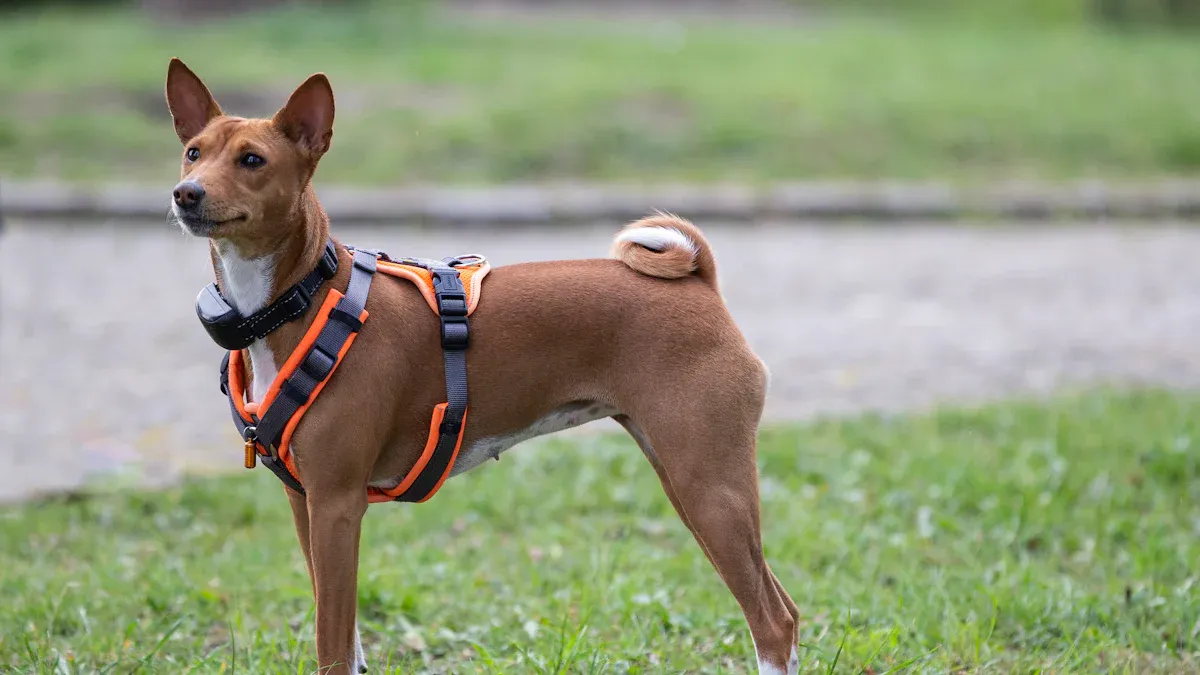
Dog harnesses come in several styles. You need to know the main types of dog harnesses to help your customers choose the right one. Each style offers unique benefits for different situations.
Front-Clip Dog Harness
Front-clip dog harnesses have the leash attachment at the chest. You use these harnesses to guide dogs and manage pulling.
Pull Control
Front-clip harnesses help you control dogs that pull. The leash pulls from the front, which turns the dog toward you. This makes walks easier and safer. Trainers often use this style for dogs that need better manners on walks.
Here is a table showing the main advantages of front-clip harnesses for pull control:
Advantage | Description |
|---|---|
Better Control | You get more control during walks, which helps manage pulling. |
Redirection of Movement | The harness turns the dog toward you, making it easier to guide them. |
Enhanced Training | You can communicate and correct behavior naturally during training sessions. |
Gentle Guidance | The harness guides the dog gently, so it feels comfortable. |
Encourages Attention | Dogs look at you for guidance, which builds a stronger connection. |
Reduces Pulling | The harness steers dogs to the side, which lowers pulling. |
Training Applications
You use front-clip dog harnesses for training. These harnesses help you teach dogs to walk calmly. They work well for strong dogs or those learning leash manners. You can use them in group classes, private lessons, or staff training sessions. Many trainers prefer this type because it helps dogs focus and respond to commands.
Tip: Use front-clip harnesses for dogs that pull or need extra guidance during walks. This style supports positive training and safer outings.
Back-Clip Dog Harness
Back-clip dog harnesses have the leash attachment on the back. You use these harnesses for comfort and easy walks.
Comfort and Freedom
Back-clip harnesses offer comfort for most dogs. The leash stays away from the legs, so dogs move freely. Many pet owners choose this style for daily use.
Comfort for most dogs
Tangle-free walks
Ideal for small breeds or dogs with short legs
Versatile for many activities
Dogs that do not pull much enjoy back-clip harnesses. You can use them for hiking, running, or casual walks. The harness does not interfere with the dog’s gait.
Everyday Use
You use back-clip dog harnesses for everyday walks. These harnesses are easy to put on and take off. Trainers and staff like them because they save time. The leash stays visible, which helps you keep track of the dog. You can use this style for puppies, seniors, or dogs with calm behavior.
Note: Back-clip harnesses work best for dogs that do not pull hard. They offer comfort and make walks simple for you and your customers.
Dual-Clip Dog Harness
Dual-clip dog harnesses have both front and back leash attachments. You use these harnesses for flexibility and control.
Versatility
Dual-clip harnesses let you switch between front and back clips. You can adapt the harness to the dog’s behavior or activity. This style works for training, walking, or special needs. You can use the front clip for control and the back clip for comfort.
The dual-clip design helps you manage different situations. You can train dogs that pull or give freedom to calm dogs. Staff can use these harnesses for group walks, private sessions, or busy retail settings.
Suitable Scenarios
You use dual-clip dog harnesses for many scenarios:
Training sessions with dogs that pull
Everyday walks for dogs with changing behavior
Activities like hiking or running
Staff training and customer consultations
Dual-clip harnesses fit many needs. You can recommend them to customers who want one harness for all situations.
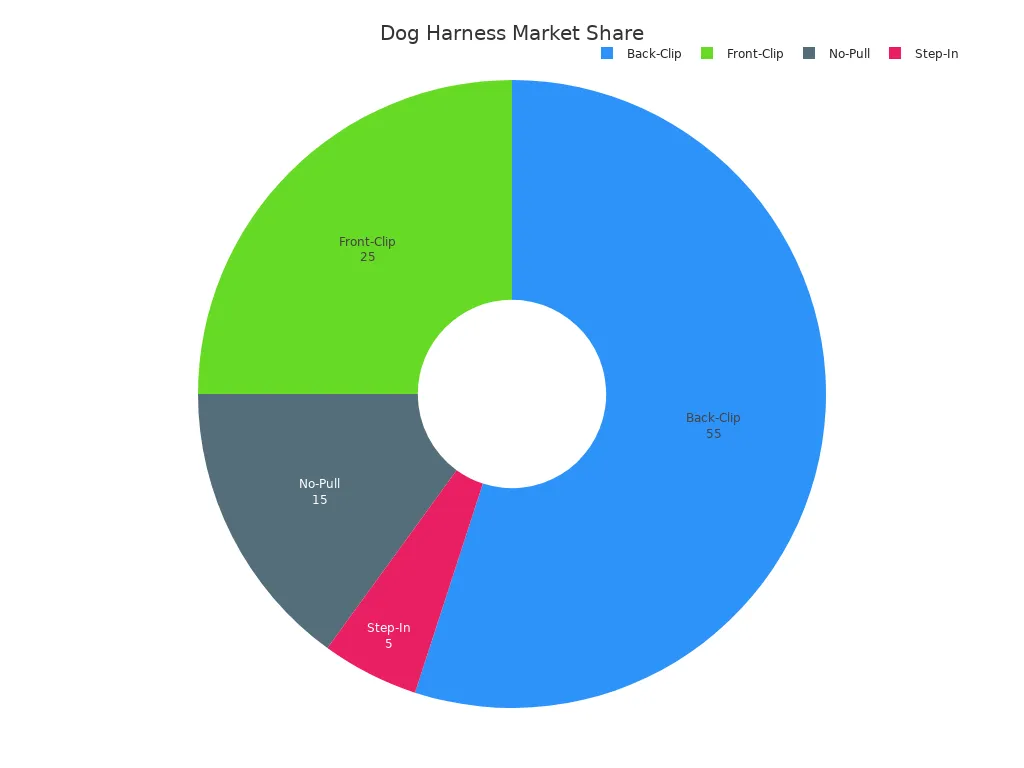
Here is a table comparing the main types of dog harnesses in the market:
Harness Type | Best Market | Price Range | Market Share | Profit Potential |
|---|---|---|---|---|
Back-Clip | Everyday pet owners | $10-30 | 55% | High volume |
Front-Clip | Training market | $25-50 | 25% | Premium pricing |
No-Pull | Professional trainers | $40-80 | 15% | Highest margins |
Step-In | Senior dog owners | $15-35 | 5% | Niche loyalty |
Checklist for staff:
Ask about the dog’s walking habits.
Check if the dog pulls or needs training.
Recommend the right type of dog harness for comfort, control, or versatility.
Dog harnesses offer many options for your business. You can help customers choose the best style for their needs. Use this guide to train staff and improve your product mix.
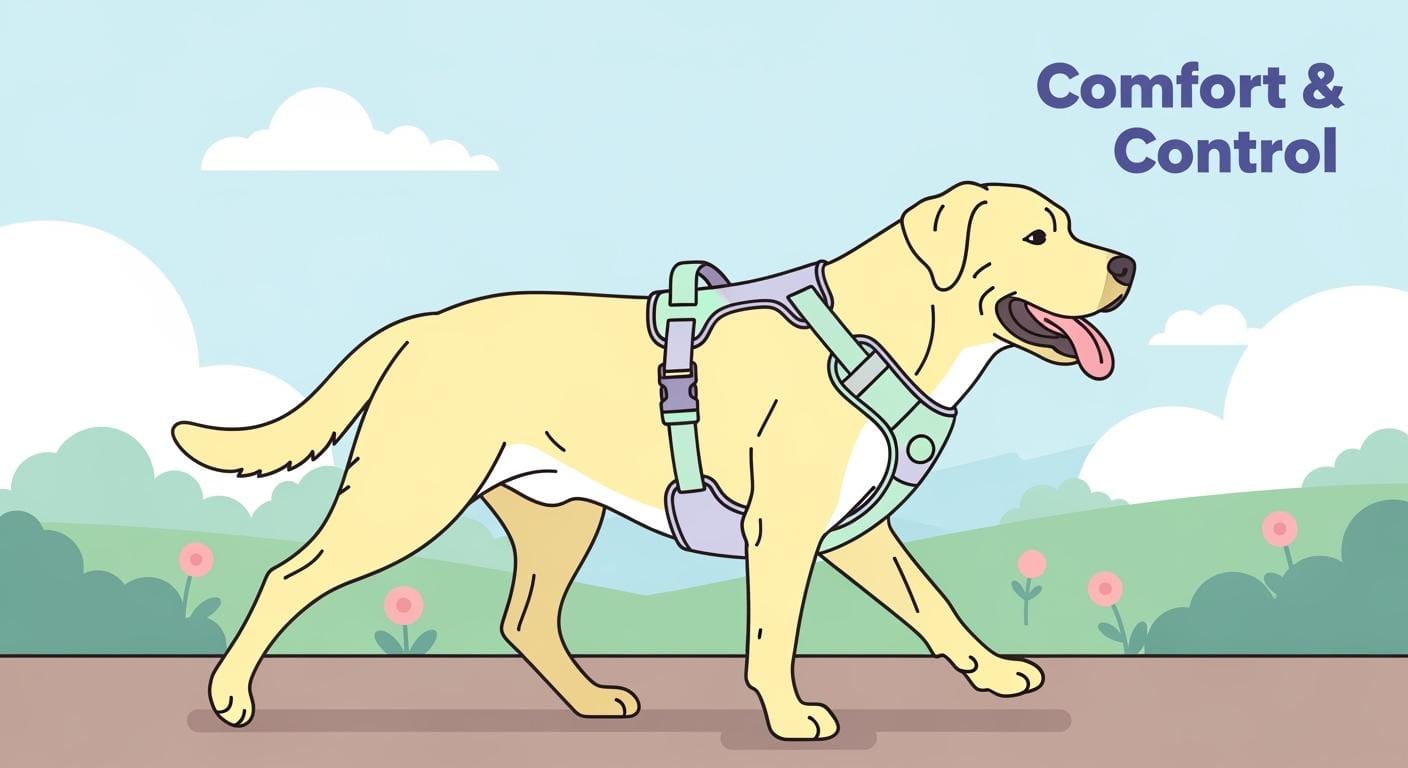
Standard Walking Harness
A standard walking harness is very popular in pet stores. People use this harness for daily walks and simple outings. It helps control dogs in normal situations. The design is simple and fits most dogs. It works well for everyday activities.
Key Features:
It is light, so dogs can move easily.
Straps can be adjusted for a good fit.
The leash usually attaches on the back.
Soft padding or mesh keeps dogs comfortable.
Advantages:
You can put it on and take it off easily.
It works for puppies, adult dogs, and older dogs.
It puts less pressure on the neck than collars.
It is good for calm or not very active dogs.
Tip: Suggest standard walking harnesses to customers who want something reliable for daily use. Staff can show how to fit and attach the leash during help sessions.
Checklist for Staff:
Make sure the harness fits well but does not stop movement.
Look for any rubbing or signs of discomfort.
Show how to adjust the straps for a safe fit.
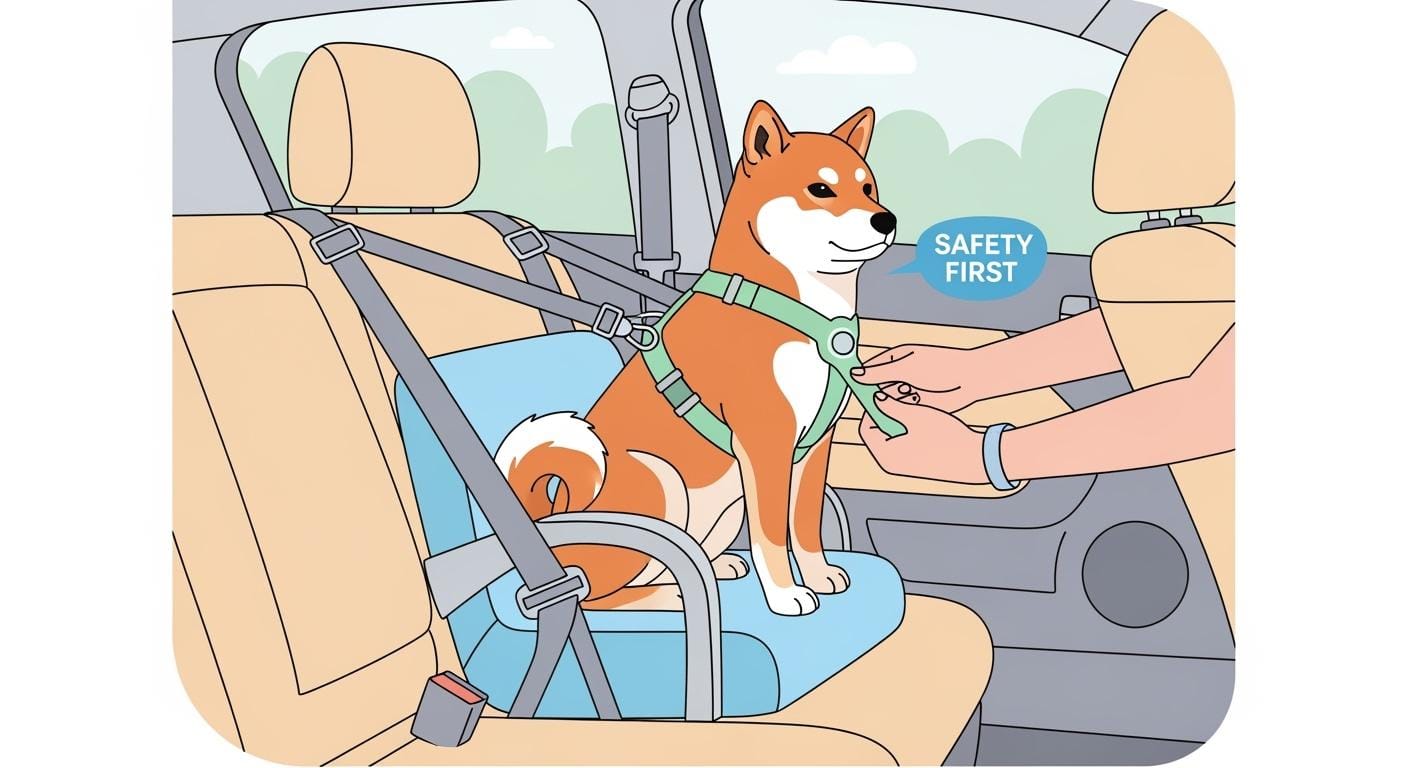
Car Safety Harness
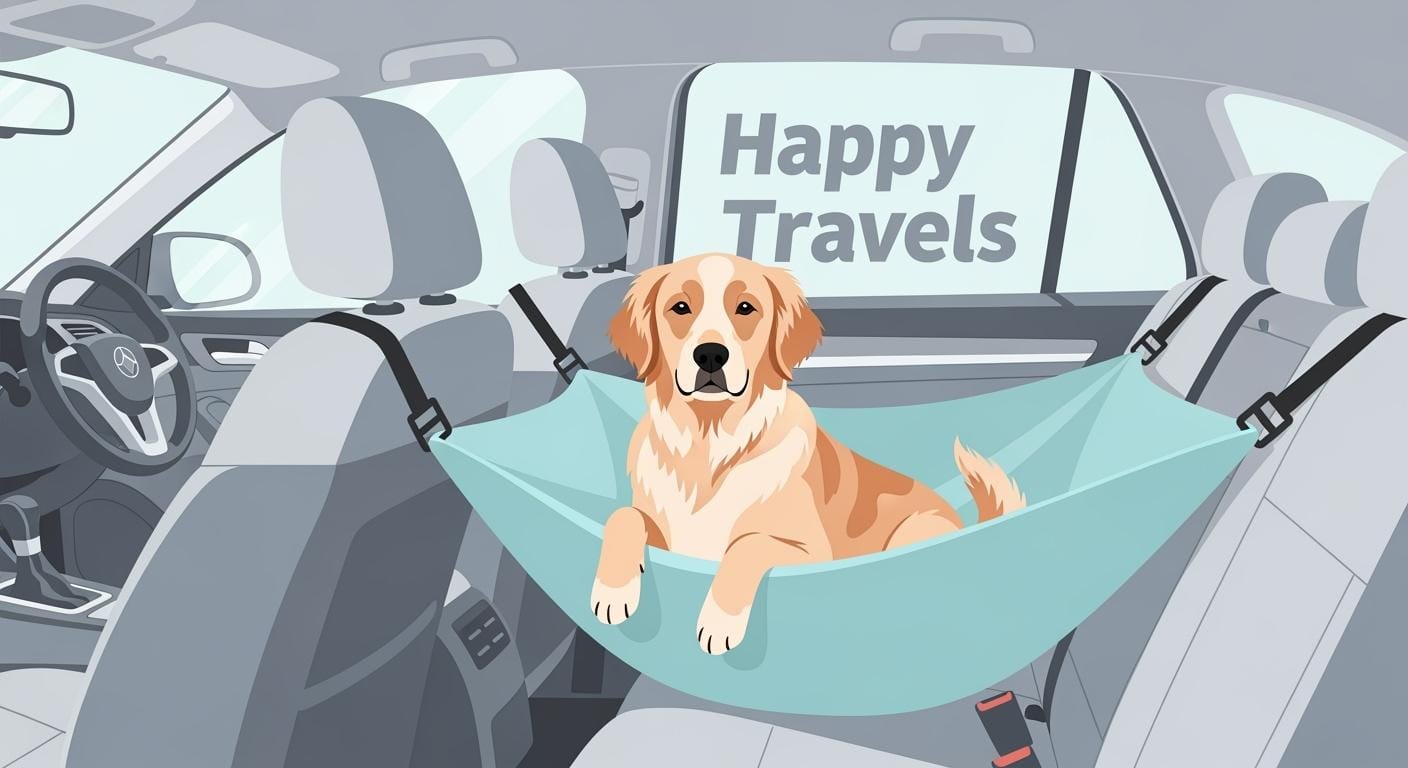
A car safety harness keeps dogs safe in cars. You use this harness to hold dogs in the back seat or cargo area. The main goal is to stop dogs from moving too much and getting hurt in sudden stops or crashes.
Key Features:
Strong straps and buckles make it tough.
Special materials help absorb force.
Many contact points keep dogs steady.
It connects to seat belts or car anchors.
Why Use a Car Safety Harness?
It stops dogs from bothering drivers.
It lowers the chance of injury in sharp turns or crashes.
Some harnesses meet safety rules for restraint systems.
Safety Standards Overview:
Specification | Description |
|---|---|
Purpose | Sets rules for harnesses used in cars for dogs |
Focus | Helps prevent injuries in normal use and accidents |
Testing | Checks how strong and safe harnesses are in crashes |
Limitations | Does not cover things not related to crashes |
Applicability | Users must follow safety rules and check for compliance |
Some harnesses have three contact points and absorb energy.
Crash tests use rules like those for child seats.
Labs test how much dogs can move and how strong the harness is after a crash.
Note: Always check if a car harness follows safety rules. Staff can teach customers why safe travel is important for dogs.
Checklist for Staff:
Show how to attach the harness to the car seat belt.
Check harnesses for damage before each use.
Tell customers to use car harnesses every time they travel, even for short trips.
Tactical and Working Harness
A tactical or working harness is made for tough jobs and special tasks. You use this harness for service dogs, working dogs, or pets that go on outdoor trips. These harnesses have extra features for control, strength, and gear holding.
Key Features:
Made from strong nylon or polyester.
Extra stitching makes it stronger.
Webbing or loops let you attach gear.
Handles help lift or guide dogs.
Lots of padding makes it comfy when carrying weight.
Comparison Table: Tactical vs. Regular Harness
Feature | Tactical Dog Harness | Regular Dog Harness |
|---|---|---|
Materials | Strong, tear-resistant | Light, basic strength |
Durability | Good for rough use | Good for daily walks |
Functionality | Can hold gear, has handles | Simple leash use |
Coverage | Covers chest and shoulders | Focuses on comfort |
Weight | Heavier | Lighter |
Best For | Working, hiking, rescue, training | Everyday walks |
Price | Costs more | Cheaper |
A tactical harness gives better control and lasts longer. You can use it for rescue work, training, or outdoor jobs. The extra features help staff handle strong or busy dogs in hard places.
Tip: Suggest tactical harnesses for customers with working dogs or those who need more control. Staff can use these harnesses for showing or special training.
Checklist for Staff:
Make sure all buckles and gear loops are tight before use.
Check the fit, especially with extra gear.
Teach customers why strong materials and extra handles are helpful.
Specialty and Medical Harness
Specialty and medical harnesses are made for dogs with health needs or special jobs. You use these harnesses for service dogs, dogs with injuries, or pets that need extra help. These harnesses have special parts that make dogs safer and more comfortable.
You find specialty harnesses in vet clinics, training places, and homes with working dogs. People pick them for dogs that need more than a regular walking harness. These harnesses help dogs heal, move better, and show what job they do.
Common Uses for Specialty and Medical Harnesses:
Service dogs guide or warn their owners.
Dogs healing from surgery or injury use these harnesses.
Pets with trouble walking or sore joints need extra support.
Dogs with breathing problems or big chests use special harnesses.
Psychiatric support dogs wear harnesses to show their job.
Medical and Special Needs Addressed:
Medical alert dogs wear light vests for comfort and to be seen.
Guide dogs use harnesses to help owners see and move safely.
Psychiatric support dogs wear vests to show their job and feel safe.
Task dogs use harnesses with parts that fit many breeds and jobs.
Small service dogs need thin vests so they can move and stay cool.
Dogs with deep chests need harnesses that fit tight but not too hard.
Short-nosed dogs use Y-front harnesses to help them breathe well.
Key Features of Specialty and Medical Harnesses:
Feature | Benefit |
|---|---|
Adjustable Straps | Fit many dog shapes and sizes |
Lightweight Materials | Keep dogs cool and let them move easily |
Identification Panels | Help people know the dog is a service dog |
Padded Support Areas | Make sure no sore spots get pressed |
Y-Front Design | Help short-nosed dogs breathe better |
Quick-Release Buckles | Let you take off the harness fast |
Tip: Always check if the harness fits well and feels good. The right harness helps dogs do their jobs and stay safe.
Checklist for Staff:
Make sure the harness matches the dog’s health or service needs.
Adjust straps so the harness fits but is not too tight.
Watch for rubbing or if the dog gets too hot.
Check that ID panels are easy to see and stay on.
Show customers how to use quick-release buckles and change support areas.
Specialty and medical harnesses help you care for dogs with special needs. The right harness keeps dogs safe, comfy, and able to do their jobs.
Benefits of Using a Dog Harness
Enhanced Safety
You want dogs to be safe when they walk or ride in cars. A safety harness helps keep dogs from getting hurt. The harness spreads out the force on the chest and shoulders. This keeps the neck and throat safe. The design stops choking and lowers pressure on soft spots.
Studies say collars can put too much pressure on the neck and eyes. This is worse for short-nosed dogs. It can cause breathing and eye problems.
Collars can push harder than is safe for pets. Harnesses help stop these problems.
Small dogs can pull hard in a harness. The harness still keeps their neck and spine safe.
A safety harness keeps dogs safe in cars and on busy roads. Crash-tested harnesses help stop dogs from moving too much in a sudden stop. Many experts say harnesses are good for dogs with health needs or those that try to run away.
Tip: Always check if the harness fits before using it. A harness that fits well keeps dogs safer and more comfortable.
Better Control and Behavior
You need to control dogs in public or during training. A safety harness helps you guide strong or active dogs. The leash clip lets you steer the dog and stop pulling.
Harnesses help you turn dogs that pull. This makes walks easier for workers and customers.
Front-clip harnesses can turn the dog to face you. This helps dogs learn to walk better.
Harnesses do not fix bad leash habits by themselves. Dogs need training to walk calmly.
Some harnesses let dogs pull more. You should use training with the harness.
You can use a safety harness to help with behavior in classes or stores. Staff can show customers how to use harnesses for better control and safer walks.
Note: Always tell people to train their dogs along with using a harness. This helps dogs learn good habits and makes walks better.
Comfort and Injury Prevention
You want dogs to feel good and stay safe on walks. A safety harness spreads pressure over the body. This keeps the neck, windpipe, and spine safe, especially for dogs with special needs.
Research shows harnesses lower neck strain by up to 75% compared to collars. Dogs with harnesses have fewer muscle and joint problems. Owners say their dogs seem happier and calmer in a harness.
Benefit Type | Findings |
|---|---|
Pressure Reduction | Harnesses can lower neck strain by up to 75% compared to collars. |
Behavioral Improvement | No-pull harnesses help reduce pulling after consistent training. |
Comfort Survey | Most owners say their dogs are more relaxed with a harness. |
Respiratory Strain | Harnesses make walks safer for short-nosed breeds by reducing strain. |
Harnesses spread pressure on the chest and shoulders. This helps stop injuries.
You can use harnesses for dogs with weak windpipes or joint pain.
Vets say to use harnesses that fit well and have soft, airy straps.
Checklist for staff:
Make sure the harness fits and feels good.
Look for rubbing or signs the dog is not comfy.
Tell customers to pick harnesses that match their dog’s health and activity.
Using a dog harness gives better safety, control, and helps stop injuries. You can help dogs and your business by picking the right harness for each pet.
Business and Operational Benefits
Dog safety harnesses give your business many strong benefits. You can make work faster and help customers feel happy. Staff do better when you pick the right harnesses for your store and training.
Harnesses help staff control dogs more safely. This lowers the chance of accidents in stores or clinics. It also helps stop injuries for dogs and workers. Work goes smoother and there are fewer problems during busy times.
Harnesses work for many activities. Dogs can go on walks, hikes, or join training with less worry. This means you can help more customers and meet different needs. Harnesses also help dogs with sore necks or breathing issues.
Here is a table that shows how harnesses help your business:
Type of Benefit | Explanation |
|---|---|
Improved Control | Staff get better leverage and pressure distribution for safe walks. |
Injury Prevention | Harnesses lower neck strain and reduce risk of injury. |
Pulling Discouragement | Harnesses redirect movement to promote good behavior. |
Enhanced Comfort | Ideal for dogs with sensitive necks or respiratory problems. |
Activity Versatility | Suitable for hiking, running, and other activities. |
You can make customers happier by offering harnesses for many needs. Customers like clear advice and easy products. Staff can show how to use harnesses and fit them right. This builds trust and brings people back.
Tip: Teach your team to suggest harnesses based on the dog’s size, activity, and health. Use checklists to help staff during fittings and talks.
Checklist for Staff:
Ask about what the dog does each day and health problems.
Suggest harnesses that fit the dog’s behavior and comfort.
Show how to adjust and fit the harness the right way.
Check harnesses for damage before every use.
Write down what customers say to help pick better products.
Harnesses help your business run better. You can lower risks, give better service, and make things safer for pets and people. Using harnesses in your daily work helps your team and your customers do well.
How to Select the Right Safety Harness
Measuring and Sizing
You must measure each dog before picking a safety harness. Getting the right size keeps dogs safe and comfy. Follow these steps to make sure the harness fits:
Get the Right Measuring Tools
Use a soft tape to measure. Make sure the dog stands still.Measure Your Dog’s Neck Circumference
Wrap the tape around the thickest part of the neck. Leave a little space so it is not too tight.Measure Your Dog’s Chest Girth
Put the tape around the widest part of the chest. Keep the tape straight and level.Check Your Dog’s Body Length (Optional)
Measure from the neck’s base to the tail’s base if needed.Consult the Dog Harness Size Chart
Use your numbers to find the right size on the chart.
Tip: Always check your measurements twice before you pick a harness. A good fit stops dogs from escaping and getting hurt.
Considering Breed and Activity
Breed and activity matter when you choose a harness. Pick a harness that matches what the dog does and needs.
Dogs with lots of energy need light and airy harnesses. These help you control busy dogs on walks or in training.
Calm dogs do better with soft harnesses. These make walks easier and more comfy.
Dogs with short noses or big chests may need special harnesses. These help them breathe and move well.
Working or service dogs often need harnesses with extra support and handles.
Checklist for staff:
Ask about what the dog does every day.
Think about breed needs, like body shape or health.
Suggest harnesses that fit the dog’s energy and comfort.
Material and Durability
You want harnesses that last and keep dogs safe. The material you pick changes how long the harness lasts and how it feels.
Durability matters for dog harnesses. Strong materials like nylon or polypropylene last a long time. They can handle strong dogs pulling. Every strap, clip, and D-ring should not break with daily use.
Material | Durability Traits |
|---|---|
Nylon | Tough, light, lasts long, does not wear out fast |
Polyester | Strong, good for leash clips and dog sports |
Leather | Gives more control and comfort for big dogs |
Padded Mesh | Soft and comfy but may not last as long |
Neoprene | Keeps water out, good for wet weather |
Nylon is light and does not wear out quickly. It works for most dogs.
Polyester is strong and good for many activities.
Leather gives more control and comfort, mostly for big dogs.
Padded mesh feels soft but may not last as long.
Neoprene keeps water out, so it is good for rain.
Nylon is a favorite because it is tough and works for many dogs. You can get harnesses in lots of colors and styles. Dogs with sensitive skin may need softer harnesses. Some fabrics do not breathe well and may not suit dogs that get hot.
Note: Always look for strong stitching and tough hardware. A strong harness keeps dogs safe and helps your store avoid returns.
Checklist for staff:
Check harness materials for strength and comfort.
Match the material to the dog’s activity and where they go.
Suggest water-resistant harnesses for outdoor or rainy days.
Fit and Adjustability
You need to check how each harness fits before you suggest it. A good fit keeps dogs safe and comfy. The harness should feel snug but not squeeze too much. It should let dogs move without rubbing or hurting their skin. Straps that adjust help you fit the harness to each dog’s body.
Here are some easy steps to make sure the harness fits:
Measure the dog’s chest and neck first.
Put the harness on and see if two fingers fit under each strap.
Adjust the straps so the harness sits flat but does not pinch.
Watch for rubbing or red spots that show discomfort.
Measure puppies and growing dogs often to keep the fit right.
For older dogs, make sure the harness does not press on sore spots.
If the harness slips or the dog gets out, it is too loose. If the dog struggles or has marks, it is too tight. Adjustable straps let you change the fit when needed. Some harnesses have extra places to adjust for dogs with special shapes.
Tip: Always check the fit after the dog walks or moves. Dogs can stretch or shift, which changes how the harness sits.
A harness that fits well helps stop injuries and keeps dogs happy. Staff should learn how to adjust harnesses for every dog. You can use these steps in your daily work.
Key Features to Look For
When you pick harnesses for your store, look for features that help safety, comfort, and easy use. The right features help you serve many dogs and customers.
Key Feature | Description |
|---|---|
Material Selection | Pick strong, safe materials that last and handle chewing or weather. |
Safety Standards | Make sure harnesses meet safety rules to protect pets. |
Customization Options | Offer designs that fit different breeds and needs. |
Padded Straps
Padded straps make harnesses more comfy and stop rubbing. You want straps that feel soft on the dog’s body. Padding lowers pressure and keeps the harness fitting well on long walks. Dogs with sensitive skin need extra padding.
Breathable Materials
Breathable materials help dogs stay cool and dry. Look for harnesses made with mesh or light fabrics. These stop dogs from getting too hot and fit better in warm weather. Dogs that run or play a lot need harnesses that let air flow.
Strong Handles
Strong handles give you more control. You can use handles to guide, lift, or hold dogs when needed. Handles should be tight and not mess up the fit. Staff use handles for training or helping dogs that need support.
Reflective Elements
Reflective parts help people see dogs in the dark. You want harnesses with shiny strips or stitching. These keep dogs safe on early or late walks. Reflective parts do not change the fit but add safety.
Checklist for staff:
Look for padded straps and airy materials.
Test if handles and clips are strong.
Check for reflective parts on harnesses.
Adjust the harness to keep a good fit after adding gear.
Picking harnesses with these features helps you give better service and keep dogs safe. Always check fit and adjust straps before you suggest a harness.
Fitting and Adjusting Dog Harnesses
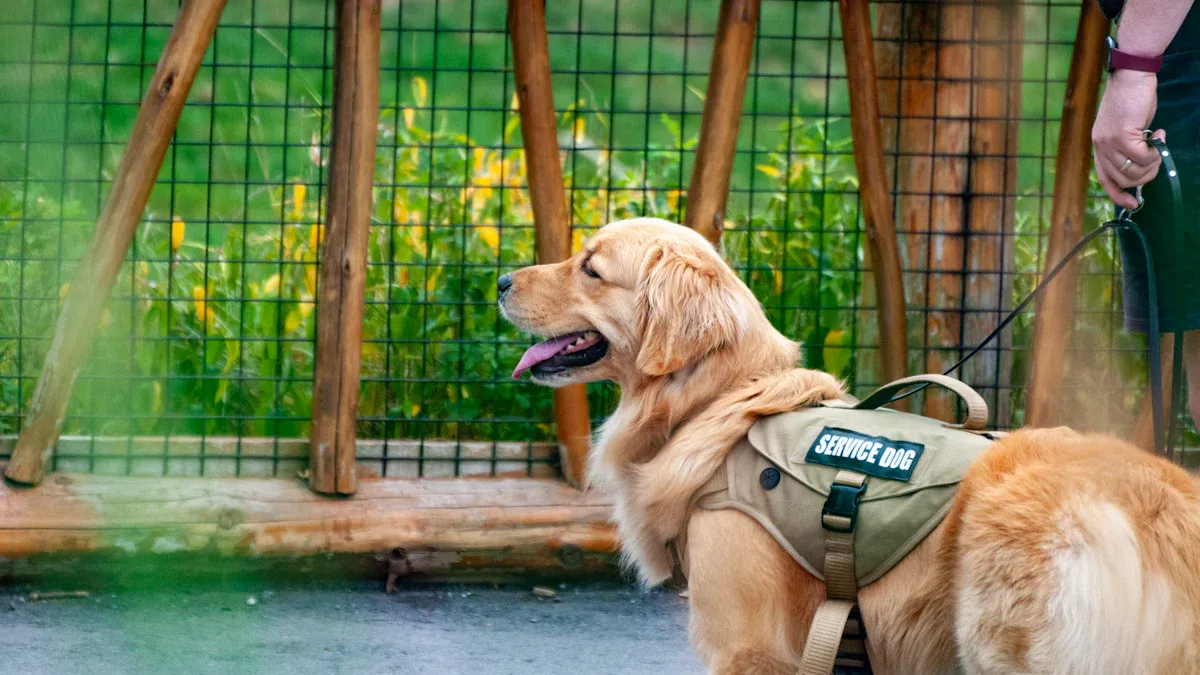
Step-by-Step Fitting Guide
You want every harness to fit well and keep dogs safe. Follow these steps to fit a dog safety harness correctly:
Start with the harness loose. Adjust the neck and chest straps to their largest setting before you begin.
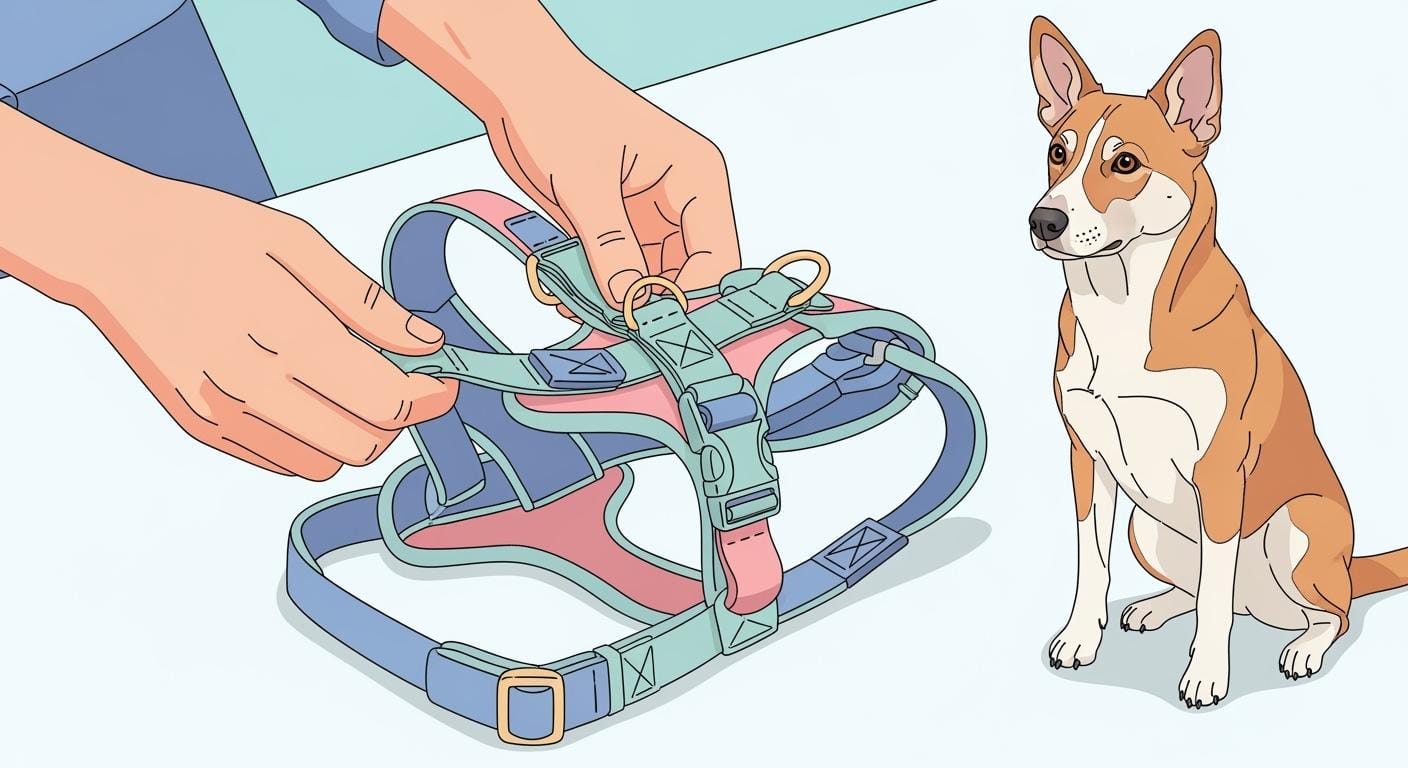
Place the harness on your dog. Slide your dog’s head through the neck piece or guide their legs into the step-in loops, depending on the harness style.
Arrange the straps. Position the bottom straps between the dog’s front legs, under the belly. Bring the buckles up behind the front legs and snap them together.
Secure and adjust. Tighten each strap so you can fit two fingers between the harness and your dog’s body. The harness should feel snug but not restrictive.
Check the harness position. Make sure the harness sits flat against the chest and back. The D-ring should be in the correct spot for leash attachment.
Observe movement. Let your dog walk around for a few minutes. Watch for signs of discomfort or restricted movement. Readjust if needed.
Tip: Always double-check the fit before each walk. A well-fitted harness helps prevent escapes and injuries.
Common Fitting Mistakes
You can avoid many problems by knowing the most common fitting mistakes. Here are issues you should watch for:
Using the wrong size harness. Measure your dog accurately and use a sizing chart.
Not adjusting the harness enough. Make sure the harness is snug, but not too tight. You should always fit two fingers between the harness and your dog.
Attaching the leash to the wrong point. Use the back attachment for control and the chest attachment for dogs that pull.
Leaving the harness on too long. Remove the harness after walks to prevent skin irritation.
Ignoring signs of discomfort. Watch your dog’s behavior and adjust the harness if you see rubbing or restricted movement.
Checklist for staff:
Measure each dog before fitting.
Adjust straps for a snug fit.
Use the correct leash attachment point.
Remove harnesses after walks.
Observe dogs for discomfort and readjust as needed.
Signs of Proper Fit
You can tell a harness fits well by looking for these signs:
The harness sits snug around the shoulder blades, neck, and chest.
You can slide two fingers comfortably between the harness and your dog’s body.
The harness does not twist, bunch, or shift when the dog moves.
Your dog walks, runs, and sits without restriction.
No signs of rubbing, redness, or hair loss appear under the straps.
Note: A proper fit keeps dogs safe and comfortable. Always check the harness after walks and adjust as needed.
Table: Quick Fit Reference
Fit Checkpoint | What to Look For |
|---|---|
Strap Tightness | Two fingers fit under each strap |
Harness Position | Sits flat on chest and back |
Movement | Dog moves freely, no restriction |
Skin Condition | No redness or irritation |
A well-fitted harness supports safety, comfort, and control. You help dogs and customers by following these steps and checking fit regularly.
Maintenance and Inspection
You must keep every dog safety harness in good shape. Regular care and checks help protect dogs and help your business. Clean harnesses last longer and work better every day.
Routine Inspection Checklist
Look for loose threads or frayed stitching.
Check for broken buckles or damaged D-rings.
See if any hardware looks worn out.
Find stains or spots that need cleaning.
Test all adjustment points to make sure they stay tight.
Make sure quick-release buckles open and close easily.
Tip: Always check harnesses before and after each use. Finding damage early helps you stop safety problems.
Cleaning Steps for Dog Harnesses
Look for stains, loose stitches, or broken parts before cleaning.
Clean small stains with a damp cloth and gentle soap. Do not scrub hard, especially on soft fabrics.
Fill a basin with warm water and mild soap. Put the harness in and move it gently for ten minutes.
Rinse the harness many times to wash out all soap. Leftover soap can bother a dog’s skin.
Lay the harness flat on a clean towel inside. Keep it away from sunlight and heat. Flip it sometimes to stop mildew and help it keep its shape.
Table: Harness Maintenance Schedule
Task | Frequency | Purpose |
|---|---|---|
Visual Inspection | Before each use | Find damage or wear |
Spot Cleaning | As needed | Remove stains and dirt |
Deep Cleaning | Monthly | Keep harness fresh and safe |
Hardware Check | Weekly | Ensure buckles and rings work |
Storage Review | After cleaning | Prevent mold and fading |
Storage and Handling Tips
Keep harnesses in a cool, dry place.
Do not put harnesses in sunlight or near heat.
Handle harnesses gently so they do not stretch or tear.
Do not fold harnesses in ways that bend straps or buckles too much.
Note: Storing harnesses the right way keeps them ready and helps them last longer.
Staff SOP for Harness Care
Give inspection jobs to team members.
Write down what you find in a log.
Replace harnesses that are damaged or very worn.
Teach staff to clean and store harnesses the right way.
You help keep dogs safe and make customers happy by caring for harnesses. Regular checks and gentle cleaning help you avoid problems and keep your business strong.
Professional Tips for Pet Industry Buyers
Inventory and Product Mix
You need to keep enough harnesses for all customers. A good mix helps pet owners, trainers, and clinics. Stock harnesses for walks, training, travel, and special needs. Offer many sizes, styles, and features for all breeds and activities.
Stock front-clip, back-clip, dual-clip, and car safety harnesses.
Include specialty harnesses for working dogs and pets with medical needs.
Pick harnesses with adjustable straps, padded spots, and reflective parts.
Change inventory when customers ask for new things or seasons change.
Use a checklist so staff can track which sizes and styles sell best.
Tip: Check your sales numbers every month. Change your product mix to match what customers want and new trends.
A smart inventory helps you avoid running out or having too much. Train staff to suggest harnesses based on dog size, activity, and health. This makes customers happier and helps your business grow.
Compliance and Safety Standards
You must follow safety rules when picking dog harnesses. These rules keep pets safe and help your business avoid trouble. Rules are different in each place, so check labels and product details.
Topic | Key Info | Region |
|---|---|---|
Safety Standards | REACH (chemicals), GPSD (safety), Prop 65 | EU, UK, USA |
Tensile Strength | Must withstand 7x pet’s weight | Global |
Certifications | CE, UKCA, CPS (voluntary) | EU, UK, USA |
Chemical Safety | No harmful substances like lead or phthalates | EU, USA |
Future Trends | ASTM standards, eco-friendly materials | Global |
In the EU, harnesses cannot have over 2,000 banned chemicals like lead or phthalates.
In the USA, California needs warning labels for some chemicals and has strict lead rules.
Harnesses should hold many times the pet’s weight to be safe.
Look for marks like CE, UKCA, or other safety labels.
Note: Always check for safety before you add new harnesses. Staff should know how to spot safe products and explain rules to customers.
Staff and Customer Education
You need to teach staff how to help customers pick and use harnesses. Training makes service better and lowers returns. Staff should know how to measure dogs, fit harnesses, and talk about features.
Hold training sessions often so staff learn about harness fitting and safety.
Make easy guides and checklists for staff to use with customers.
Teach staff to explain why each harness type and feature is good.
Ask staff to show customers how to adjust and check harnesses.
Give customers fitting charts and care tips to help them at home.
Tip: Use role-play and hands-on practice in training. This helps staff feel sure and answer customer questions easily.
Trained staff help customers make smart choices. You build trust and keep pets and people safe. Regular training and clear guides help your business and keep your team ready.
Trends in Dog Harness Design
Every year, new trends show up in dog harness design. These changes help stores meet what customers want. They also make pets safer and more comfortable. You can use these trends to pick what to sell and train your staff.
Popular Design Features:
Lightweight materials make harnesses easy for dogs to wear.
Adjustable straps help harnesses fit many dog shapes.
Breathable mesh panels keep dogs cool on walks.
Reflective stitching helps people see dogs in the dark.
Quick-release buckles let staff and customers save time.
Extra handles give more control in crowded places.
Table: Key Trends in Dog Harness Design
Trend | Benefit for Your Business |
|---|---|
Lightweight Fabrics | Easier handling and less bulk |
Adjustable Fit | Fits more breeds and sizes |
Breathable Mesh | Reduces overheating risk |
Reflective Elements | Improves safety outdoors |
Multi-Point Handles | Better control for staff |
Modular Attachments | Allows gear customization |
You see more harnesses with modular features now. Some harnesses let you add pouches or ID panels. This helps service dogs and working dogs carry things or show their job.
Checklist for Harness Trend Adoption:
Look at new harness styles every few months.
Try out adjustable features to see if they are easy.
Pick harnesses with breathable materials for hot weather.
Choose harnesses with reflective parts for safety.
Teach staff how to use quick-release buckles.
Offer harnesses with extra handles for special needs.
Tip: Ask customers what features they like best. Use their answers to help you decide what to order next.
Eco-friendly materials are getting more popular too. You find harnesses made from recycled fabrics or plant fibers. These choices are good for customers who care about the planet.
You also see harnesses made for special activities. Some harnesses are best for hiking, running, or riding in cars. You can stock these harnesses to match what customers ask for.
Emoji indicators help staff remember important features: 🏃♂️ means active dogs, 🌱 means eco-friendly materials, ✨ means reflective safety.
By following harness design trends, you keep your business up to date. You help customers pick the best harness for their pets and give better service.
You make things safer and better when you learn about dog harness types, their benefits, and how to choose them. Use checklists and step-by-step guides to help staff do their jobs well. Check your harness choices often so they fit what customers want and follow animal care rules.
Learn what each harness does best.
Teach staff with easy-to-follow guides.
Change what you stock when people give feedback.
Tip: Check harness features and what staff know often. This helps keep quality high and reach your business goals.
FAQ
How do you know if a harness fits your dog correctly?
You should check that you can fit two fingers between the harness and your dog’s body. The harness should not shift during walks. Watch for rubbing or red marks after walks. Adjust straps if you see discomfort.
Can you use a harness for all types of walks?
Yes, you can use a harness for most walks. Choose a harness style based on the walk’s length and activity. For short walks, a standard harness works well. For longer walks or hikes, pick one with padding and breathable material.
How often should you inspect a dog harness?
Inspect the harness before and after walks. Look for frayed straps, loose stitching, or broken buckles. Regular checks help you spot wear early. Replace the harness if you see damage. This keeps walks safe for dogs and handlers.
What is the best harness for dogs that pull during walks?
A front-clip harness helps control pulling during walks. This style redirects your dog’s movement. You get better control on busy walks. Trainers often recommend this type for dogs learning leash manners.
Should you remove the harness after walks?
Yes, remove the harness after walks. Leaving it on too long can cause skin irritation. Take it off to let your dog’s skin breathe. Clean and store the harness after walks to keep it in good condition.
How do you clean a dog harness after muddy walks?
Rinse the harness with water after muddy walks. Use mild soap for tough stains. Let the harness air dry before the next walk. Regular cleaning keeps harnesses safe and comfortable for all walks.
Can puppies wear harnesses on their first walks?
Yes, puppies can wear harnesses on their first walks. Choose a lightweight, adjustable harness. Make sure it fits snugly but does not restrict movement. Start with short walks to help puppies get used to the harness.
What features help with night walks?
Look for harnesses with reflective strips or stitching for night walks. These features help others see your dog during early morning or evening walks. Staff should recommend reflective harnesses for customers who take walks in low light.