You run a pet business in a market where companion animals are part of everyday family life. Recent national pet-owner surveys estimate that more than seventy percent of households share their home with at least one pet, and roughly sixty-eight million households have a dog. As more dogs join boat trips, pool days, and waterfront adventures, clients expect you to manage water risk with the same discipline they see in human boating safety programs. Dog life vests give you a visible, repeatable way to protect dogs and staff while showing that water safety is built into your operations, not added at the last minute.
Key Takeaways
- Dog life vests are an engineering control for water risk. They add buoyancy, keep the airway higher above the surface, and give staff a stable handle for rescue in real incidents.
- Recent boating statistics for people show that around three-quarters of fatal incidents involve drowning and that most drowning victims were not wearing a life jacket. For pet businesses, this supports treating dog life vests as standard protective equipment on deep or moving water, not optional extras.
- Clear sizing rules, fitting checklists, and written water-safety policies reduce the chance of accidents, simplify staff training, and demonstrate due diligence to clients and insurers.
- Stocking a structured range of vest types and sizes allows brachycephalic, barrel-chested, senior, and special-needs dogs to be fitted safely instead of being squeezed into gear that does not match their body shape.
Water Safety Risks for Dogs and Businesses
Common Water Hazards
Boating and Paddle Sports
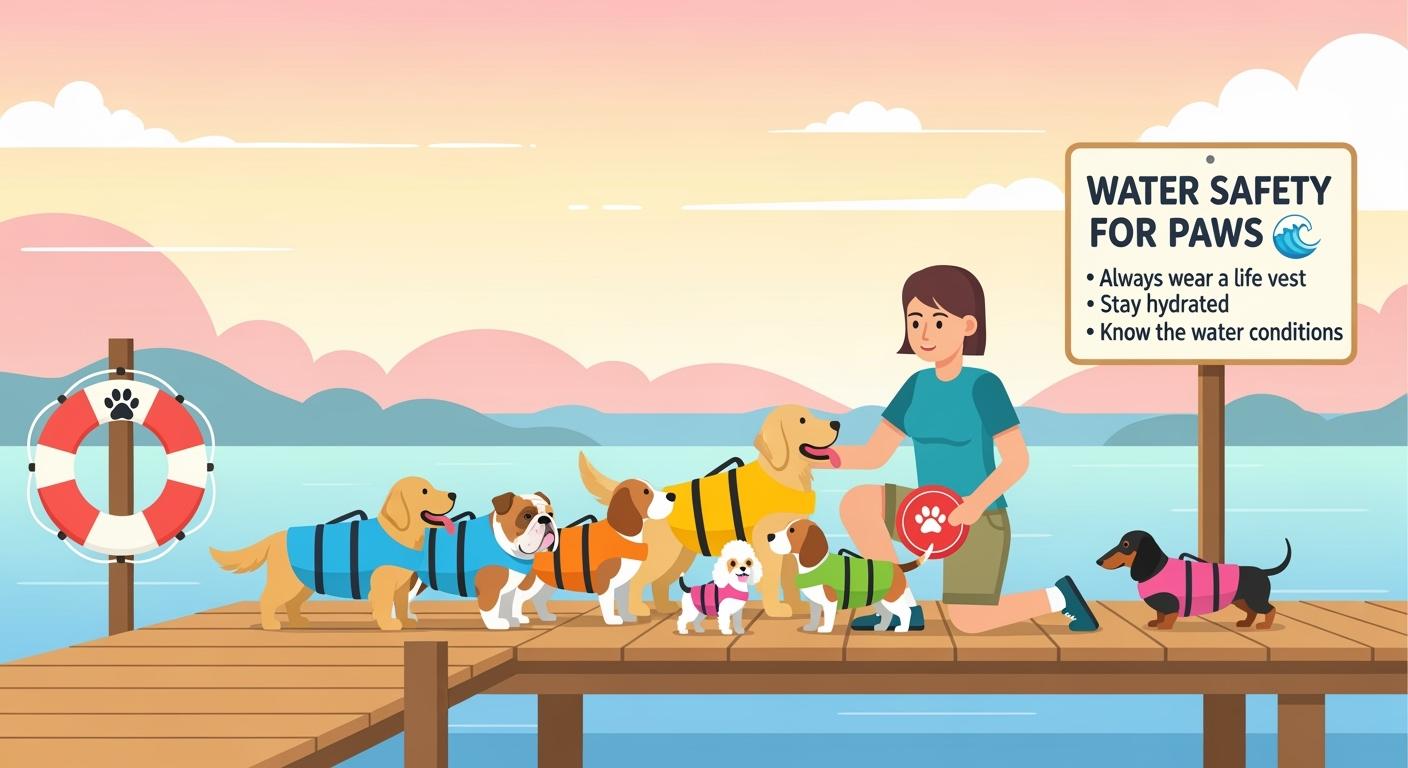
When dogs join clients on boats, paddleboards, or kayaks, they are exposed to the same patterns seen in human boating incident data: falls overboard in calm weather, sudden changes in conditions, and brief lapses in supervision. National boating statistics for people show that most fatal incidents involve drowning, and that the majority of drowning victims were not wearing a life jacket. For pet businesses this means any dog on a vessel, dock, or launch area should be treated as needing a properly fitted life vest and a clear plan for getting back on board if it ends up in the water.
Pools, Docks, and Rivers
Backyard pools, crowded docks, and slow-looking rivers can feel safer than open water, but many drowning and near-drowning cases in dogs occur in exactly these “familiar” places. Slippery surfaces, sudden drop-offs, and entrapment points under ladders, behind pilings, or between boats and docks create situations where a tired or panicked dog cannot climb out without help.
- Drowning. Even strong swimmers can get into trouble if they become exhausted, trapped, or disoriented. Dogs with heavy coats, short legs, or breathing issues are at higher risk when they fall into deep water or cannot find a ramp.
- Water intoxication. Dogs that swallow large amounts of fresh water while chasing toys or swimming for long periods can develop dangerous electrolyte imbalances. Early signs can be subtle, so staff need to watch for changes in behavior, coordination, or energy.
- Blue-green algae and other toxins. Harmful algal blooms can produce toxins that damage the liver or nervous system. Veterinary and public-health reports describe dogs becoming critically ill or dying within hours of exposure to contaminated water. Prevention is the only reliable protection, so programs should avoid discolored, foamy, or foul-smelling water entirely.
Saltwater can also cause problems if dogs drink it, leading to vomiting or salt poisoning, and rip currents or tidal flows can quickly pull a dog away from shore. In urban or agricultural areas, runoff, parasites, and heavy metals add slower but still important health risks. A formal water-safety assessment for each site helps you decide when life vests, leashes, or complete closures are the right control.
Why All Dogs Need Support
Fatigue and Overexertion
Many drowning and near-drowning cases in dogs happen after long play sessions rather than in obviously rough conditions. Even strong swimmers lose efficiency when they are older, overweight, anxious, or swimming in waves. In group settings, dogs often stay in the water longer than their handlers realise. A life vest adds reserve buoyancy so that a tired dog can pause, be towed, or be lifted out without sinking below the surface.
Cold Water and Currents
Cold and moving water change the risk profile dramatically. Sudden immersion can trigger a cold-shock response, causing dogs to gasp, inhale water, or lose coordination. Currents, boat wakes, and river flow push dogs away from ramps and shorelines, and they may not be able to angle back while carrying the extra weight of wet fur. Life vests reduce the effort needed to stay afloat and give staff more time to reach the dog safely.
| Evidence-based insight | What it means for your business |
|---|---|
| Across recent national recreational boating data for people, about three-quarters of fatal incidents involve drowning, and most drowning victims were not wearing a life jacket. | Life vests should be treated as mandatory equipment for dogs on deep or moving water, not just for “weak swimmers”. Make them part of your standard operating procedures, not an optional add-on. |
| Veterinary case reports show that dogs can develop serious breathing problems and pneumonia hours after a near-drowning episode, even if they initially seem to recover. | Any dog that has struggled in water should be checked by a veterinarian, and your team should document the incident so procedures can be reviewed and improved. |
| Reports of harmful algal blooms describe dogs becoming critically ill or dying within hours of exposure to contaminated water, and there is no specific antidote for these toxins. | Define clear rules for closing or avoiding water when algal blooms are suspected, and train staff to recognise discoloured, scummy, or foul-smelling water as a “no swim” condition. |
Business Risks and Liability
Injury and Reputation
When a dog is injured or drowns during a service, the impact goes far beyond the immediate emergency. There may be questions from regulators or insurers, a formal incident investigation, and reputational damage that spreads quickly through reviews and local pet communities. For many small pet businesses, even one serious water incident can undo years of trust-building and make potential clients hesitate.
Staff and Operational Impact
Water incidents are also hard on teams. Staff who witness a near-drowning or fatality may need time off, support, and retraining before they feel confident on the water again. Operations can be disrupted while equipment is checked and procedures are rewritten. Investing in clear life-vest policies, documented checklists, and regular drills reduces both the likelihood of an incident and the disruption if one occurs.
Key Features of Dog Life Vests

Buoyancy and Flotation Devices
From a risk-management point of view, buoyancy is the core function of a dog life vest. The vest must keep the dog’s airway above the surface, support a stable body position, and provide reliable grab points so handlers can perform a safe rescue without putting themselves in danger.
Head Support and Lift
You want dogs to float and keep their heads up. Good dog life jackets have extra padding near the neck and chest. This padding helps dogs hold their heads up, even if they get tired or scared. Head support is very important for older dogs, puppies, and dogs with short noses. A good life vest with head lift can stop water from getting in a dog’s nose or mouth. This keeps dogs safe during group swims, boat rides, or busy daycare times.
Under-Chest vs. Back Flotation
Dog life jackets use different ways to help dogs float. Some vests put most of the floaty material under the chest. Others put padding along the back. Under-chest flotation lifts the front of the dog and keeps the head higher. Back flotation spreads the floaty part along the spine. You should pick a life jacket that uses both. This keeps dogs level and steady, which is safer for swimming and rescue. The best dog life jackets cover the chest and sides for full support. This helps dogs float in a natural way and stops them from rolling or tipping in the water.
Fit and Adjustability
A life vest that does not fit correctly can create new hazards, such as chafing, restricted movement, or the vest slipping off when a dog is lifted from the water. For business use, fit has to be repeatable across many breeds and handled by different staff members, not just by the most experienced handler on shift.
Measuring for Proper Fit
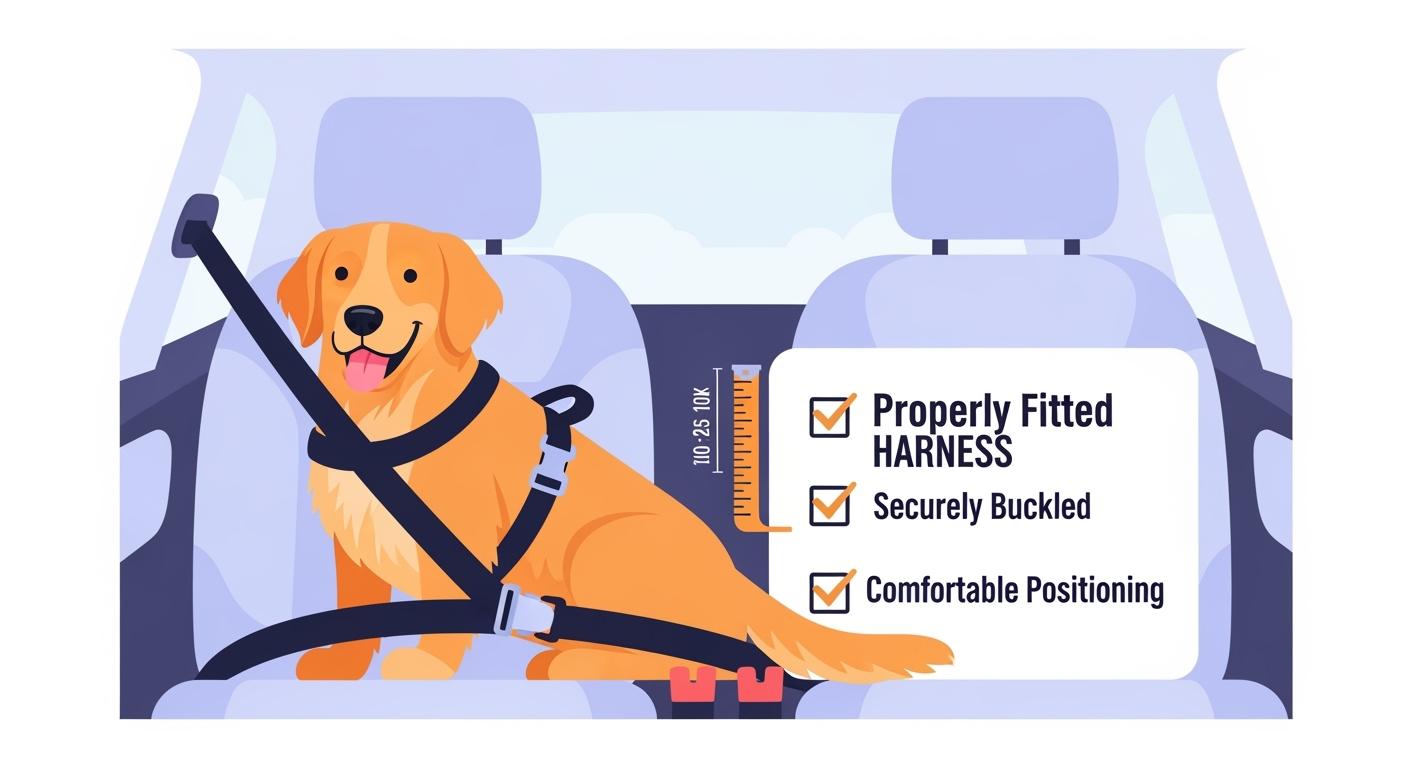
Getting the right fit is very important for safety. You need to measure each dog before picking a vest. Start by checking the dog’s weight, body shape, and ribcage size. Always use the size chart from the company to pick the right vest. After putting the vest on, adjust all straps so it does not move or slide up. You should be able to fit two fingers between the vest and the dog. This makes sure the vest is snug but not too tight. A good fit supports the dog’s body and keeps it safe during water play.
Tip: Keep a measuring tape and size chart at your business. This helps you find the best dog life jackets for every dog you care for.
Secure Closures and Comfort
You want closures that stay closed during play and swimming. Look for vests with two or more straps you can adjust. Strong buckles and wide Velcro help keep the vest in place. Soft linings and padded straps stop rubbing and sore spots. Dogs move better and feel safer when the vest fits well and does not pinch. Secure closures also help your staff check and fix the fit before each activity.
Visibility and Safety
High-visibility colors and reflective panels make it easier for staff, clients, and other water users to track each dog’s position, especially in choppy conditions or low light. For group activities, visibility is what allows one or two handlers to safely monitor many dogs at once.
Reflective Accents and Bright Colors
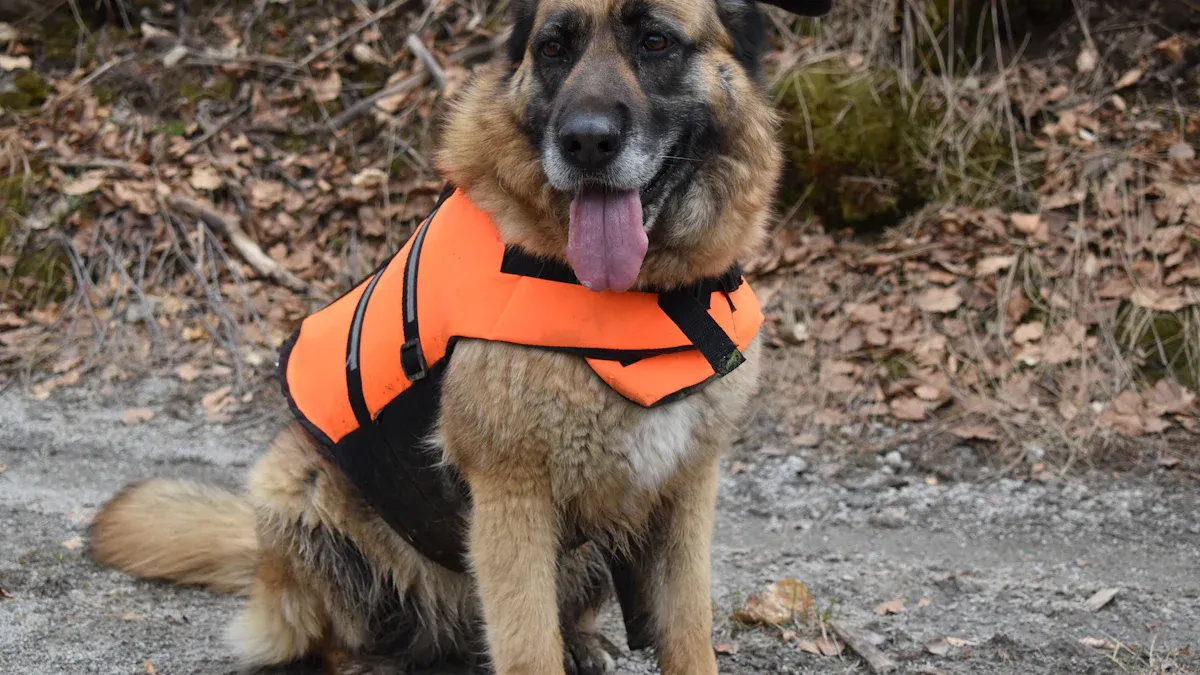
Being able to see dogs is very important for water safety. Bright colors like orange and yellow stand out against water, grass, and sand. Big reflective strips shine in headlights or flashlights, making dogs easy to see in the dark or in busy places. This helps stop accidents and makes it easier to watch groups of dogs.
Feature | Description |
|---|---|
Enhanced Visibility | Reflective gear shines in light, so your dog is easy to see in the dark. |
Accident Prevention | Bright harnesses make dogs easy to spot, lowering accident risks in busy places. |
All-Weather Durability | Reflective vests last through all kinds of weather, keeping dogs safe. |
Comfort Meets Function | Soft linings and adjustable straps make vests comfy and snug without hurting the dog. |
Bright colors help you see dogs from far away.
Big reflective panels make dogs safer during early or late activities.
Grab Handles and Attachments
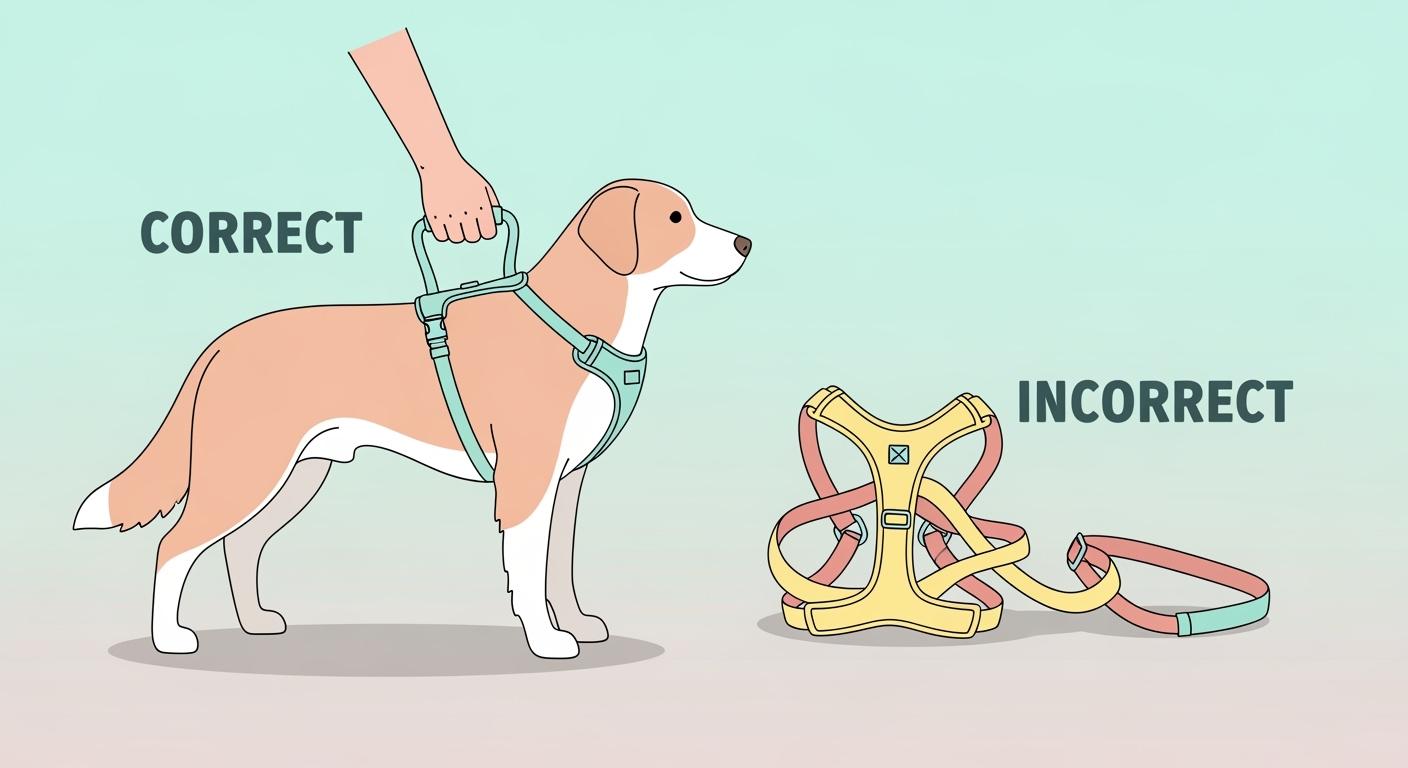
Strong grab handles are needed for quick rescues. You can use the handle to lift a dog out of the water or help it onto a dock or boat. Handles should be strong and sewn on well to hold the dog’s weight. Some vests have leash attachments for more control during group walks. These features help your staff act fast in emergencies and keep dogs safe during all water fun.
Note: Pick a good life jacket with tough and quick-drying materials. This makes cleaning easier for your business and helps your gear last longer.
Durability and Materials
Commercial operations put gear through repeated cycles of wetting, drying, transport, and cleaning. Materials must resist abrasion, UV exposure, and disinfectants without losing buoyancy, color, or structural integrity. Choosing life vests built for this duty cycle reduces unexpected failures and replacement costs.
When you pick dog life vests for your business, you should think about how long they last. Strong materials help the vests last longer and keep dogs safe in water. You want vests that can handle daily use and rough play. They should also be easy to wash often. Good materials help you keep your safety rules high and save money by not replacing vests too soon.
Abrasion Resistance
Dog life jackets get used a lot. Dogs run on docks and jump in boats. They also play on rough ground. Fabrics that do not tear easily protect the vest from rips. This is important if you use vests for groups or rentals. Strong materials stop the vest from breaking and keep dogs safe.
The most common materials for strong dog life vests are:
Material | Properties |
|---|---|
High-denier nylon | Durable, UV resistant, abrasion-resistant |
Polyester | Durable, UV resistant, abrasion-resistant |
Neoprene | Durable, UV resistant, abrasion-resistant |
High-denier nylon and polyester protect against scrapes and sun. Neoprene is soft and lets dogs move well. These materials help your vests stay in good shape, even with lots of use.
Tip: Pick dog life jackets with strong stitching and double layers. These things make the vest stronger and help it last longer.
Quick-Drying Fabrics
Quick-drying fabrics are very helpful for pet businesses. Wet vests can make dogs uncomfortable and cause skin problems. They can also grow mold. Fast-drying vests let you use them again quickly. This is great for daycares, camps, and rentals.
You can keep your dog life vests nice by doing these things:
Wash them after each use, especially after saltwater.
Store them in a cool, dry place to stop mildew and bad smells.
Quick-drying fabrics help you keep things clean and your business running well. When you buy good, fast-drying dog life jackets, you show you care about safety and your customers.
Note: Strong, easy-to-clean materials help you save time and money. They also help people trust your business as a safe place for dog life vests.
Sizing and Fitting Dog Life Jackets
Measuring and Selection
Ribcage and Weight Guidelines
You need accurate measurements to select the right dog life jackets for your business. Start by measuring the chest girth at the widest part of the ribcage, just behind the front legs. Use a flexible tape and allow room for two fingers to ensure comfort. Next, weigh each dog and check the manufacturer’s sizing chart. If a dog falls at the upper end of a size range, consider sizing up for a better fit. Always review the dog’s swimming ability and unique body features before making a final choice.
Measure neck circumference at the base, leaving space for two fingers.
Measure chest girth at the widest point.
Measure body length from the base of the neck to the tail root.
Weigh the dog and match it to the recommended weight range for buoyancy.
Tip: For the best for small dogs, double-check chest and neck measurements, as a snug fit is critical for safety.
Room for Movement
A proper fit allows dogs to move freely without slipping out of the vest. You should check that the vest does not restrict the dog’s legs or chest. The best for large dogs often need extra room for deep chests and broad shoulders. For the best for small dogs, ensure the vest does not ride up or twist during activity. After fitting, let the dog walk and move to confirm comfort and security.
Breed and Age Factors
Large Breeds and Special Needs
Different breeds have unique needs. The best for large dogs, such as retrievers or shepherds, require vests with strong handles and extra buoyancy. Some large breeds have deep chests or long torsos, so you must select dog life jackets that provide full coverage and support. Dogs with special needs, like mobility issues or short snouts, may need custom adjustments or extra head support.
Large breeds need reinforced stitching and secure closures.
Dogs with health conditions may need lighter or more flexible vests.
Puppies and Seniors
Puppies and senior dogs often tire quickly in water. The best for small dogs and young pups should have lightweight vests that do not hinder movement. Seniors may need extra padding for joint support. Always consider age, stamina, and health when choosing dog life jackets for these groups.
Puppies benefit from adjustable straps for growth.
Seniors need easy-to-use closures and soft linings.
Fitting Protocols for Businesses
In-Store and On-Site Fitting
Successful pet businesses use clear protocols for fitting dog life jackets. Staff should measure each dog’s weight, neck, girth, and back length before recommending a vest. Use the table below as a quick reference:
Measurement Type | Description |
|---|---|
Dog’s Weight | Selects the appropriate size and ensures enough buoyancy. |
Neck Measurement | Ensures a snug but comfortable fit around the neck. |
Girth Measurement | Measures the rib cage for proper vest fit and security. |
Back Measurement | Checks length from head base to tail for full coverage. |
Note: For the best for large dogs, always test the handle strength and buoyancy before water activities.
Customer Records
Keep detailed records of each dog’s measurements and vest size. This helps you track fit over time and makes repeat visits easier. Update records if a dog’s weight or size changes. Good record-keeping supports safety and builds trust with your clients.
Record chest, neck, and weight for every dog.
Update records after each fitting or if the dog’s condition changes.
Dog life jackets that fit well help you provide safe, enjoyable water experiences for all breeds and ages.
Business Use Cases for Life Vests
Boating and Rentals: Enhancing Safety and Customer Confidence on the Water
Standard Policies
You can make safety rules by asking every dog to wear a life vest on boats or paddle craft. This helps lower risk and shows you care about canine life vest safety. Staff should check that each dog has a vest that fits before getting on board. You can put up signs and add safety tips in your rental papers. These steps help you follow local safety laws and let customers know you take water safety seriously.
Bundling with Rentals
You can make your rentals better by giving a life vest with every booking. This makes it simple for customers to follow safety rules and makes sure each dog has the right gear. You can offer many sizes and styles for all breeds. Bundling helps you keep track of your vests and keeps safety high. Many businesses see that bundling life vests with rentals makes customers happier and lowers accident risks.
Tip: Give a quick fitting before each rental. This helps you make sure every dog wears the best dog life jackets for their size and what they will do.
Daycare and Swim Programs: Supporting Group Activities and Off-Site Water Adventures
Group Activities
You can use life vests during group swims or play near water. This helps keep dogs safe, no matter how well they swim. Many daycare dogs are still learning to swim. Life vests are good for these dogs and make things safer. Life jackets have grab handles, so you can help dogs if they need it. The vests are easy to see, so you can spot dogs in the water. This is important for dogs that are not strong swimmers. Life jackets help dogs float and lower the chance of drowning, especially for breeds that do not swim well.
Use life vests for all group water fun.
Have staff watch dogs and check vests before each session.
Keep extra vests for new or visiting dogs.
Off-Site Water Trips
When you take dogs to lakes, rivers, or beaches, there are new dangers. You can make things safer by using the best dog life jackets for every dog. Staff can use grab handles to help dogs get in and out of the water. Bright colors and shiny strips make it easy to see every dog, even in busy places. You can use checklists to make sure every dog wears a vest before leaving your business.
Note: Check your off-site safety plans often. Update your gear and training to fit your dogs and staff.
Retail and Ecommerce: Maximizing Sales and Customer Education with Life Vests
Seasonal Planning
You can sell more by planning for the seasons. Stock more life vests in spring and summer when people do more water activities. Use fun displays, like dog mannequins, to get people’s attention and boost sales. A nice and easy-to-walk store helps customers look around and find the best dog life jackets for their pets. You can also give a buyer’s guide with tips on sizing, fabric care, and how to use the vests to help customers pick the right one.
Strategy | Description |
|---|---|
Engaging Displays | Use dog mannequins to get attention and help sales. |
Store Layout | Make your store look nice and easy to walk so people shop longer. |
Buyer’s Guide | Give a simple guide on sizing, fabric care, and how to use vests. |
Cross-Selling Opportunities
You can sell more by offering life vests with other water gear. Make bundles with leashes, floating toys, or dog sunscreen. Staff can suggest the best dog life jackets when people buy travel or outdoor items. You can also show life vests for pet businesses online during checkout. These ideas help you teach your customers and show you know your stuff.
Callout: Teach your staff to answer questions about fit, safety, and care. Staff who know a lot help customers pick the right gear and come back again.
By using life vests in your services and sales, you make things safer for dogs and help your business look good. You also find new ways to earn money and show you care about canine life vest safety.
Building the Best Dog Life Jacket Assortment
Core and Specialty Options
When you choose dog life jackets, think about basic and special types. Basic jackets work for most dogs you care for. Special jackets help dogs with unique needs, like service dogs or dogs with disabilities.
Entry-Level vs. Performance
Entry-level dog life vests are good for short swims and simple water play. These vests have easy designs and are not expensive. You can use them for group play, rentals, or dogs new to swimming. Performance dog life jackets give more help and extra features. They use stronger materials and have more float support. These vests are best for long swims, boating, or dogs with special needs.
Specialty vests help dogs with special jobs or health needs. For example:
Medical alert dogs need light vests with mesh and shiny trim.
Guide dogs use harnesses with bridge handles for a good fit.
Psychiatric support dogs wear vests that show their job and help them focus.
General task dogs use vests with pockets and straps you can adjust.
Small service dogs need thin vests so they can move easily and stay cool.
Deep-chested breeds need tight fits so their stomachs are safe.
Brachycephalic breeds need Y-front harnesses to keep their airways safe.
Tip: Keep both basic and performance vests in stock. This helps you serve all your customers, from casual swimmers to working dogs.
Size and Color Range
You need many sizes and colors to help all dogs and meet customer wants. Popular sizes are XS, S, M, L, and XL. Most pet businesses sell lots of Hi-Vis Green and Legendary Copper colors. Nitro Red is also liked by owners of XL dogs.
Popular Sizes and Visibility
Bright colors and shiny strips make canine life vest safety better. They help staff and owners see dogs in water or busy places. The table below shows the top sizes and colors in pet stores:
Size | Color |
|---|---|
XL | Nitro Red |
XS | Hi-Vis Green |
S | Hi-Vis Green |
M | Hi-Vis Green |
L | Hi-Vis Green |
XL | Hi-Vis Green |
XS | Legendary Copper |
S | Legendary Copper |
M | Legendary Copper |
L | Legendary Copper |
XL | Legendary Copper |
Note: Having many sizes and colors helps you serve more customers and keeps dogs safer.
When you plan your jackets, think about your customers. Millennials shop online and want modern styles. Gen X likes high-quality products. Baby Boomers care about health and safety. Women buy most pet products, but more men now shop for dog life jackets. People with more money want top vests, while others want cheaper choices. City customers like small vests, and country customers want strong ones.
Factor | Insights |
|---|---|
Age Segments | Millennials shop online; Gen X buys premium; Baby Boomers care about health. |
Gender Influence | Women buy most pet gear, but younger men buy more now. |
Income & Spending Power | Rich owners want premium; others want low-cost options. |
Geographic Location | City owners want small vests; country owners want tough vests. |
Pet Ownership Characteristics | Dogs are the biggest group with different needs; homes with many pets like buying in bulk. |
Pet Life Stages | Puppies need starter kits; adults need good food; seniors need health checks. |
Use this info to pick your dog life vest selection. Offer both basic and performance vests, all sizes, and favorite colors. This helps you meet every customer’s needs and supports life vests for pet businesses.
Implementing Life Vest Policies
Safety Protocols
Written life-vest rules turn good intentions into consistent daily practice. Your goal is to define when vests are required, who checks them, and how problems are reported so that any staff member can run a safe session without guesswork.
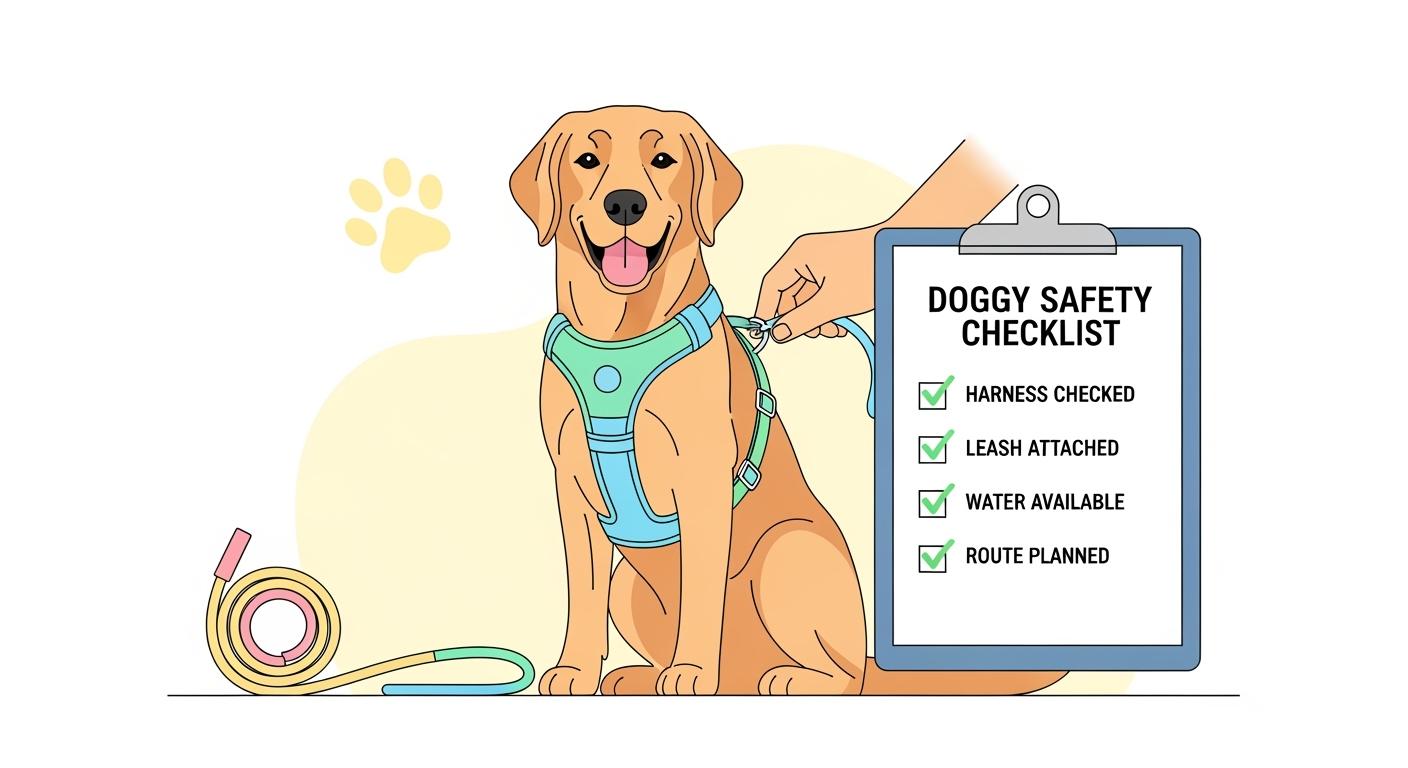
- Before each session: confirm weather and water conditions, review which dogs will be near deep or moving water, and document that each dog has a correctly sized vest in good condition.
- During activities: keep dogs within defined zones, use leashes or long lines where appropriate, and assign a designated water-safety lead who is not handling payments or phones.
- After activities: rinse and hang vests to dry, log any damage or fit issues, and record slips, near misses, or unexpected currents in an incident log for later review.
Staff Training
Even the best equipment fails without confident staff. Training should combine structured briefings with hands-on practice in the environments where you actually work.
- Teach staff how to measure dogs, choose vest sizes, and perform a final fit check using a simple checklist.
- Run regular drills where teams practise safe entries and exits, simulated overboard rescues using vest handles, and communication protocols if something goes wrong.
- Include debriefs after real incidents or near misses so lessons learned are recorded and turned into updated procedures, rather than just stories.
Customer Communication
You can teach customers about life vests for pet businesses by using simple steps. Use easy words when talking about dog life jackets and water safety. Give out brochures and handouts that explain sizing, fitting, and care. Hold workshops or talks to answer questions and help clients learn. Share blogs and social media posts to reach more people. Offer private talks to help with special questions and build trust.
Strategy | Description |
|---|---|
Clear Explanations | Use simple words when talking about pet health topics. |
Informative Brochures and Handouts | Make easy brochures about pet care for clients to take home. |
Workshops and Seminars | Hold workshops to teach clients about pet care. |
Digital Resources | Use blogs and social media to share helpful info with more people. |
One-on-One Consultations | Talk with clients one-on-one to help them understand and trust you. |
Effective communication steps:
Listen to what customers worry about.
Be kind and help them feel better.
Use clear words to explain your safety rules.
Callout: When you teach customers about dog life vests, you help them feel sure about your safety and make them want to come back.
By using these rules, you make things safer for dogs and staff. You also show you care about canine life vest safety and build a good name for your pet business.
Success Stories and Testimonials
Marina Case Study
You run a marina where dogs can go on boats. You want every pet to be safe. You make a rule that all dogs must wear dog life vests. Staff learn how to fit dog life jackets and check straps before trips. After a season, you see fewer accidents and quicker help when dogs fall in. Customers say they feel safer bringing pets to your marina. More families come back because they trust your safety rules. Staff say grab handles help them lift dogs onto boats. This rule makes things safer and helps your boating group trust you.
“Our marina is known for caring about safety. Dog life vests really help our guests and their pets.”
Daycare Parent Trust
You run a dog daycare with group swims and play near water. You want parents to know you care about safety. You add life vests for pet businesses to your rules. Every dog wears a vest during water play, no matter how well it swims. Parents see you pay attention and feel good leaving pets with you.
Dog life vests make daycare safer for all dogs.
They help breeds that have trouble swimming, like brachycephalic dogs.
Life jackets help new swimmers feel brave, so every dog can have fun in water.
Parents give good feedback and tell friends about your daycare. This helps your business grow. Staff say dogs seem happier and play more when they wear dog life jackets.
Retailer Sales Boost
You own a pet store and want to sell more products. You start selling many dog life vests in different sizes and colors. You teach staff to help customers pick the right vest and explain why dog life jackets are good. In summer, you make a display about canine life vest safety and offer fitting help in the store.
Benefit | Impact on Your Business |
|---|---|
Increased Product Sales | Customers buy more life vests and gear |
Improved Customer Trust | Shoppers value your safety expertise |
Repeat Visits | Clients return for seasonal upgrades |
Tip: When you teach customers and help them fit vests, your store becomes a trusted place for life vests for pet businesses.
These stories show dog life vests help keep dogs safe, make customers trust you, and help your business grow in different pet places.
You can make your pet business safer by picking good dog life jackets. These jackets help lower risks and build trust with customers. They help you keep high safety standards for canine life vest safety. New materials and smart features make dog life jackets work better and help the planet.
Working with trainers and swim clinics helps you teach staff and customers about fitting and safety. New materials and smart sensors help your business stand out in water safety.
Check your safety rules and get new gear with the best dog life jackets. This helps protect every dog you care for.
Data & Methodology
This guide is written for pet businesses that manage dogs in and around water. It draws on three main inputs: recent national recreational-boating statistics, veterinary guidance on dog drowning and near-drowning, and public-health information on harmful algal blooms. These sources are combined with operational experience from group dog activities to turn abstract risk factors into practical policies, checklists, and product-selection guidelines.
FAQ
How do you choose the right dog life vest for your business needs?
First, measure the dog’s chest, neck, and weight. Check the sizing chart from the company. Pick dog life jackets with straps you can adjust and strong handles. Bright colors help you see dogs better. Always test the vest before water play to keep dogs safe.
What features make dog life jackets suitable for group water activities?
Find vests with closures that stay shut and grab handles. Reflective accents help you spot dogs in water. These features let staff watch dogs and help fast during group swims. Tough materials make vests last in busy pet businesses.
How often should you inspect and replace dog life vests in your facility?
Look at dog life vests after every use for damage or mold. Change any vest with ripped fabric, broken buckles, or faded floaty parts. Checking vests often helps you keep safety high for life vests for pet businesses.
Can all breeds and ages safely use dog life jackets in water programs?
Most breeds and ages can wear dog life jackets. Puppies and older dogs need light, bendy vests. Big dogs need more floaty support and strong handles. Always make sure vests fit well and watch dogs during water play.
What policies help ensure canine life vest safety in your business?
Make rules that say dogs must wear life vests for water fun. Teach staff how to measure, fit, and check vests. Tell customers about your safety steps. Keep notes on each dog’s vest size and condition to build trust.
How do you educate customers about the importance of dog life vests?
Give out brochures and hold workshops to teach safety. Share tips online and use easy words to explain dog life jackets. Show how to fit vests in your store. These steps help customers feel sure about your water safety.
Are there special considerations for storing and cleaning dog life jackets?
Keep dog life vests in a cool, dry spot. Wash vests after each use, especially after saltwater. Fast-drying fabrics stop mold and bad smells. Clean gear shows you care about canine life vest safety and doing a good job.
What are the main benefits of stocking a wide range of life vests for pet businesses?
Having many vests helps you serve all breeds and ages. You can meet busy times and help with group water fun. Lots of sizes and colors make dogs safer, make customers happy, and bring them back again.