Your brand needs dog life vests that are safe and look good. Retailers like you want products with good flotation, bright colors, strong rescue handles, and adjustable fit systems. These features help your customers feel sure their dogs are safe in water. Studies show brands that focus on safety, reliable suppliers, following rules, saving money, and customer appeal gain trust and make people happy. Knowing the newest features and trends helps your team pick the best stock for buyers.
Safety Concern | Description |
|---|---|
Proper Flotation | Keeps the dog’s head above water so swimming is safer. |
High-Visibility Colors | Makes dogs easy to see in the water. |
Sturdy Rescue Handle | Lets staff and customers lift dogs safely from water. |
Adjustable Fit System | Makes sure all breeds get a safe and comfy fit. |
Freedom of Movement | Lets dogs swim naturally and helps them not get tired. |
D-Ring Attachment Points | Gives a safe spot to clip a leash. |
Quick-Release Buckles | Makes it fast to take off in emergencies but stays secure. |
Durability for Water Adventures | Stands up to rips and scrapes so it lasts a long time. |
Key Takeaways
Some dogs do not swim well. Learn which breeds need more help in water to keep them safe.
Sell life vests with important safety features. These include buoyancy, bright colors, and strong handles. These features help keep pets safe.
Teach your staff about water safety. Show them how to fit life vests. This helps customers trust your store and service.
Use easy-to-read labels and clear product details. This helps customers pick the right dog life vest.
Look into private labeling and ways to customize products. This helps you build a special brand in the pet market.
Test your products often for quality and safety rules. This keeps pets safe and helps customers trust your store.
Keep up with new trends and what customers like. This helps you choose the best dog life jackets to sell.
Make good connections with trusted suppliers. This helps you get quality products on time every time.
Why Life Vests Matter for Pet Retailers
Industry Safety Background
Your brand helps keep pets safe around water. Pet owners count on stores to sell products that protect their dogs. The pet industry has a special problem.
There is currently no single global performance standard written only for dog life vests.
Because of this, regulators and insurers usually apply general consumer-product, textile, and chemical-safety rules when they review pet flotation devices. Some suppliers still treat dog life vests as simple fashion accessories, but weak materials, poor patterns, or missing labels can lead to accidents, complaints, and claims.
Key points for your brand:
- Product quality and safety levels vary widely because there is no harmonized dog-specific flotation standard.
- Rule makers are gradually updating general water-safety and product-safety rules, and they expect brands to document how they test flotation, handles, and materials.
- If your compliance and testing are weak, you face higher risk of recalls, rejected shipments, and legal claims that can damage your brand.
Drowning Statistics
There is no single national database that tracks every pet drowning, but data for people show how serious water risks are around boats and shorelines. Recent national boating-safety reports for 2024 in the United States recorded about 3,900 recreational boating incidents, leading to roughly 550 deaths, more than 2,000 injuries, and tens of millions of dollars in property damage.
In those 2024 reports, drowning was the cause of death in around three-quarters of fatalities. Where officials could tell whether a life jacket was worn, roughly 85–90% of people who drowned were not wearing one. The exact numbers move a little from year to year, but the pattern is stable: when people skip life jackets, fatal drownings rise sharply.
For pet brands and retailers, these human statistics send a clear message. Water environments are unforgiving, and flotation devices are a basic control, not a luxury add-on. Positioning dog life jackets as standard safety gear—especially around boats, pools, and open water—helps protect pets, their owners, and your business.
Common Myths About Dog Swimming
Many people think all dogs can swim well. This is not true and can be risky. Some dogs swim better than others. It depends on their breed, size, and practice. Labrador Retrievers are good swimmers. Dogs with short legs or heavy bodies may have trouble staying above water.
Thinking all dogs can swim well is not true.
Breed, body shape, and practice matter for swimming.
Pet owners need to know these differences.
Your brand can help by using clear labels, training staff, and teaching customers. This helps buyers make smart choices and keeps pets safe. Selling dog life jackets makes your store a leader in pet safety.
Business Value of Dog Life Jackets
Your brand can grow by selling dog life jackets. Pet owners want their dogs to be safe and look good. This need makes it smart to sell good life vests. When you care about safety, buyers trust your store. Customers who see you care about pets will come back again.
Studies show people treat pets like family. This makes them buy better products. You can use this to help your business. If you sell life jackets with cool features, pet owners will like your store. Online shopping and ads help you reach more people. When you talk about safety and style, more people see your products and buy them.
Pet stores can be special by giving good advice and service. Your workers can teach customers or show how life jackets work. These events help people learn and make them want to come back. You can also sell other things, like leashes or water toys, to make bigger sales.
Tip: Teach your workers to talk about safety and how each vest fits. This helps customers feel sure and makes your store stand out.
More people want dog life jackets now. Pet owners like to take dogs outside. As more people learn about pet safety, they will want good life vests. If you buy good products and teach your team, your store can be a leader in pet safety.
Outdoor Trends & Consumer Demand
New outdoor trends change what people want in dog life jackets. Pet owners spend more time near water with their dogs. This means they need safety gear for swimming, boating, or hiking.
More people do water activities with pets.
Pet owners care more about water safety.
Buyers want life jackets that float, last long, and are easy to see.
The world market for dog life jackets is getting bigger. Studies show it keeps growing and more people search for them. The market will be worth a lot soon and will keep growing. Customers want life jackets that fit well and are easy to see. Your store should sell products that have these features.
The market will keep growing.
People want safe and useful products.
Fit and visibility are very important.
Your store can help by selling many kinds of dog life jackets. Offer different sizes, colors, and safety features. Put them where lots of people can see them and use clear labels. Teach your workers so they can help customers pick the best one. These steps help you give buyers what they want and keep them coming back.
Drowning Risks: Not All Dogs Swim Well
High-Risk Dog Types
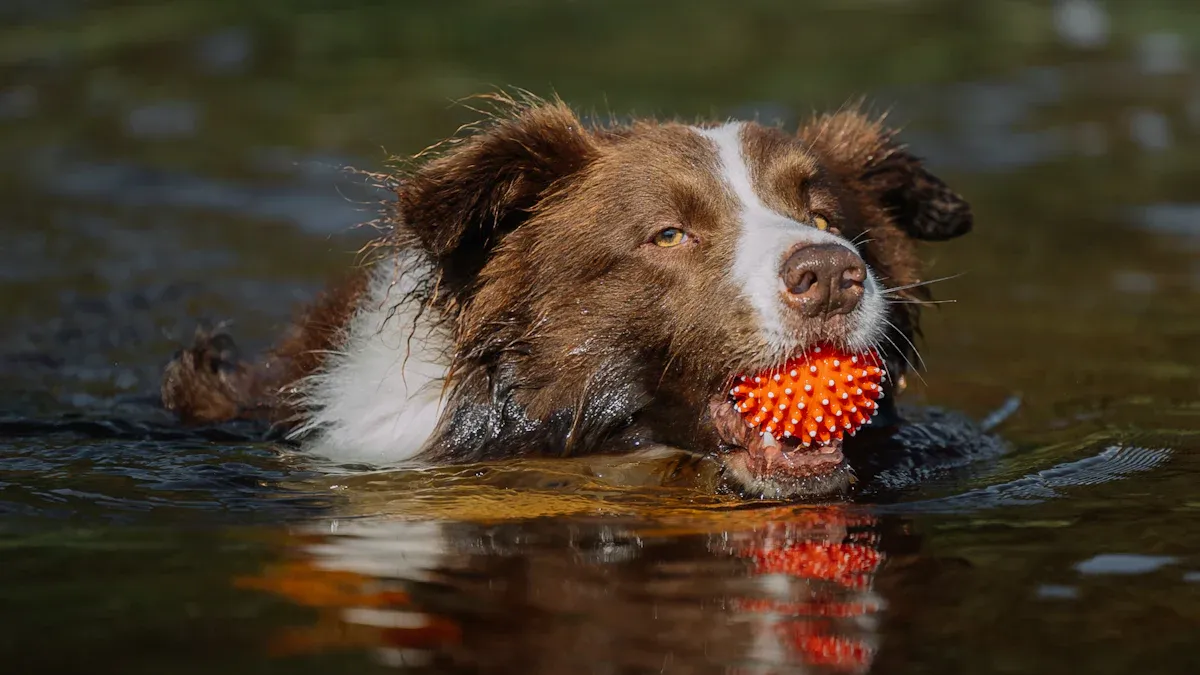
Many people think all dogs can swim. But some breeds have a much harder time in water. Your brand should know which dogs need more help and advice.
Puppies & Seniors
Puppies are not strong enough to swim for long. They also do not move well in water. Older dogs may have sore joints or get tired fast. Both groups can get scared and worn out quickly.
Brachycephalic Breeds
Dogs with flat faces, like Bulldogs and Pugs, have trouble keeping their heads up. Their short noses make it hard to breathe when swimming. These dogs often tip forward and can have accidents.
Heavy-Chested Breeds
Dogs with big chests and small back legs, like Bull Terriers and Dachshunds, cannot balance well in water. Their body shape makes swimming tough. Corgis and Basset Hounds also have this problem.
Health Issues
Dogs with heart, lung, or movement problems have more trouble in water. Even small health problems can make them tired or scared. Store workers should ask about a dog’s health before suggesting water play.
Anxious Dogs
Some dogs get nervous or scared in new places. If they fall in water, they can panic fast. These dogs need more help and someone to watch them.
Tip: Keep a list of high-risk breeds and health problems at your checkout. This helps your team pick the right safety gear.
Risky Water Environments
Not all water is safe. Some places are more dangerous for dogs who cannot swim well.
Pools
Backyard pools can be tricky for dogs. They may not find the way out. Slippery sides and steep steps make it hard to escape. Many dogs drown in home pools.
Lakes & Rivers
Lakes and rivers can hide dangers. Strong water, deep spots, and plants can trap or tire dogs. New places can make dogs panic.
Ocean Conditions
The ocean is even harder. Waves and strong water can be too much for any dog. Saltwater can hurt a dog’s eyes and nose and make them upset.
Long Water Play
Playing in water for a long time makes dogs tired. Tired dogs lose strength and can have accidents. Even active dogs need breaks and someone to watch them.
Common risks are:
Getting tired while swimming
Getting scared in new places
Strong water and waves
Trouble getting out of water
Key Takeaways for Brands
Not all dogs swim well. Many breeds and ages need help staying afloat.
Your brand can keep dogs safe by selling life vests for high-risk dogs and teaching customers.
Training staff about breed risks and water safety makes your store special.
Show clear safety labels and features to earn trust from buyers.
Sell other items, like leashes and water toys, to help customers and grow sales.
Note: Teaching customers and giving clear product info helps your brand lead in pet safety and support safe water fun.
How Flotation Devices Work for Dogs
Knowing how flotation devices keep dogs safe helps your brand pick the best products for your customers. These devices use science to help dogs float, get less tired, and not panic. Your store workers can use this information to teach buyers and help keep dogs safe.
Buoyancy & Body Support
Flotation devices use different physical properties to help dogs float and feel comfortable. The table below shows the main ideas:
Property | Description |
|---|---|
Buoyancy | The upward force that helps dogs stay above water and move easily. |
Viscosity | The resistance of water, which affects how dogs swim and how much support they get. |
Hydrostatic Pressure | The pressure from water that supports the dog’s body and reduces joint strain. |
Surface Tension | The force at the water’s surface that adds stability to flotation devices. |
Chest & Abdomen Support
Buyers want life vests that support the chest and abdomen. This design keeps the dog’s body straight and stops them from tipping over. Studies show that when dogs are in water up to their chest, they only carry 38% of their weight compared to being on land. This helps dogs with joint problems and makes swimming easier for all breeds.
Chin Float
A chin float keeps the dog’s nose and mouth above water. This is important for dogs with short snouts or older dogs. It lowers the chance of water getting in the nose and helps nervous dogs feel safe. Your staff should talk about chin floats when helping buyers with high-risk breeds.
Energy & Panic Management
Dogs can get tired fast in water, especially if they get scared. Flotation devices keep the head above water, so dogs can move easily and stay calm. When dogs feel safe, they use less energy and can swim longer. This is very important for puppies, older dogs, and dogs with health problems.
Reducing Fatigue
Life vests spread out the dog’s weight and lower stress. Dogs can play in water with less pressure on their joints. Swimming helps build muscle and makes dogs stronger, so life vests are good for exercise and fun.
Panic Buffer
A good fit and the right flotation help stop panic. Dogs that feel supported do not struggle or get tired as fast. Your brand can teach buyers why fit and support matter to help prevent accidents.
Training & Supervision
Your store workers are important for keeping dogs safe. Follow these best steps:
Safety Protocols: Make clear rules for using vests, check water before play, and look at vests before each use.
Staff Training: Teach workers how to measure and fit vests the right way. Practice safety drills often to keep skills strong.
Customer Communication: Use flyers, classes, and social media to teach buyers about life vest benefits and how to fit them.
Tip: Put life vests near water toys and leashes to help sell more and remind people about safety.
Your brand can be a leader in pet safety by picking flotation devices with strong support, bright colors, and easy adjustments. Teach your team and buyers to build trust and help every dog stay safe.
Dog Life Jackets: Safety & Design Checklist
Core Safety Features
When you pick dog life jackets for your store, focus on safety. These features protect pets and help buyers feel sure. Your brand should look for:
Buoyancy panels under the chest and back give balanced lift.
Adjustable straps around the neck, chest, and belly keep the jacket in place.
Strong grab handles on top help people rescue dogs fast.
Tough stitching with extra support at stress points makes jackets last.
Quick-release buckles let you take off the jacket fast in emergencies.
Reflective trim and bright colors help people see dogs in low light.
Buoyancy Distribution
A good jacket spreads buoyancy all over. Panels under the chest and back keep the dog’s head up. This helps dogs of any size stay safe and not tip over.
Padded Panels
Padded panels make jackets comfy and stop chafing. They spread out pressure so dogs can wear the jacket longer. Buyers like jackets that are safe and comfortable.
Chin Support
Chin floats or raised neck panels keep the dog’s nose and mouth above water. This is important for flat-faced breeds and older dogs. It stops water from getting in and helps owners worry less.
Grab Handles
A strong handle lets people lift dogs out of water quickly. This is very important in emergencies and makes some jackets better than others.
Leash Attachments
Safe D-ring leash attachments help control dogs on land and water. This makes outdoor trips easier and safer.
Fit & Adjustability
A good fit makes sure the jacket works right. The best dog life jackets have:
Adjustable straps for a snug fit
Padded straps to stop rubbing
Enough space for dogs to move, sit, and lay down
Adjustable Straps
Measure each dog from neck to tail before picking a jacket. Adjustable straps help you get the fit just right. The jacket should stay put but not be too tight.
Padded Straps
Padded straps stop pressure points and keep dogs comfy. This helps buyers feel good about using the jacket for a long time.
Range of Motion
Dogs need to walk, swim, and play easily. Make sure the jacket lets their legs and shoulders move freely.
Proper Fit Tips
Measure the dog’s length and chest before picking a size.
Adjust straps so two fingers fit under each one.
Watch the dog move to check comfort and safety.
Visibility & Comfort
Visibility and comfort features help stop accidents and make jackets look better.
Reflective Accents
Reflective stitching and bright colors make dogs easy to see in water or low light. These features help owners keep track of their pets and lower accident risks.
Lightweight Materials
Pick jackets made from light, quick-drying fabrics. These keep dogs comfy and stop them from getting too hot.
Warmth in Water
Some jackets have extra padding for cold water. This helps dogs stay warm during long swims or in cool weather.
Tip: Show many sizes and colors in your store. This helps buyers find the best fit and style for their pets.
Breed-Specific Options
Dogs have different shapes and swimming skills. Your brand can be special by selling breed-specific life jackets. When you match jackets to each breed, you help more pets stay safe and happy.
Why Breed-Specific Fit Matters
Some breeds have a harder time in water. Bulldogs and Pugs need more chin support. Dachshunds, Corgis, and Basset Hounds have long bodies and short legs. They need longer panels and strong belly straps. Big dogs like Labradors and Golden Retrievers need tough handles and strong stitching. Small dogs, like Chihuahuas and Yorkies, need light jackets and a snug fit.
Tip: Make a quick chart for your staff. List breeds and the best jacket features for each one. This helps your team give good advice fast.
Checklist: Key Features for Breed-Specific Jackets
Brachycephalic Breeds (Bulldogs, Pugs):
More chin floats
Wide neck holes
Bright colors
Long-Backed Breeds (Dachshunds, Corgis):
Longer body panels
Adjustable belly straps
Soft side padding
Large Breeds (Labs, Goldens):
Strong grab handles
Extra-strong seams
Big D-ring leash spots
Small Breeds (Chihuahuas, Yorkies):
Light, soft materials
Small buckles and straps
Snug, safe designs
Senior Dogs or Dogs with Health Issues:
Extra padding for joints
Easy to put on and take off
Warm lining for cold water
Table: Breed Needs at a Glance
Breed Type | Key Needs | Recommended Features |
|---|---|---|
Brachycephalic | Head support, easy breathing | Chin float, wide neck, bright color |
Long-backed | Body coverage, secure fit | Long panels, belly straps |
Large breeds | Strength, durability | Strong handle, reinforced seams |
Small breeds | Comfort, light weight | Soft fabric, snug fit |
Seniors/Health issues | Joint support, warmth | Extra padding, thermal lining |
Action Steps for Your Brand
Stock many sizes and shapes for all breeds.
Teach staff to measure the dog’s chest and length for the best fit.
Use clear signs and packaging that show which breed each jacket fits.
Give fitting guides and breed charts at the store.
Let buyers try jackets on or make returns easy.
Note: When you help with breed-specific needs, you show you care about safety and making customers happy. This builds trust and helps your brand be a leader in pet safety.
Step 1: Find Reliable Life Vest Suppliers
Research Manufacturers
Start by looking for companies that make dog life vests. Pick those with lots of experience in pet safety. Choose brands that focus on dog gear and work with North American stores. Make sure they use good materials and follow safety rules. Brands that work with skilled makers have fewer recalls and happier customers.
Use this table to help you check suppliers:
Key Factors to Consider | Questions to Ask Potential Suppliers |
|---|---|
Proven experience in dog product testing and compliance | What safety and compliance standards do you follow for dog products? |
Expertise in chew-resistant and ergonomic designs | Do you conduct third-party durability testing for chew resistance and material safety? |
Strong track record with premium materials | What are your minimum order quantities (MOQ) and lead times? |
Commitment to sustainability and ethical practices | Can you provide references or case studies from past pet product clients? |
Customization options for uniqueness | Do you offer customization options, such as private labeling or exclusive product modifications? |
Tip: Pick suppliers who answer questions clearly and show proof. This helps you avoid mistakes and keeps your products safe.
Vet Supplier Reputation
Once you find some good companies, check if they are trusted. Read what other pet stores say about them. Ask for names of past customers and talk to them. Good suppliers will show you stories or reviews from other brands.
Look for these signs of a good supplier:
They always send good products.
They are honest about how they do business.
They answer your questions fast.
They share safety papers and test results.
You can also look for advice in pet business groups. Brands that check suppliers first have fewer problems and delays.
Note: A trusted supplier will help your brand grow and keep your customers happy.
Request Samples
Before you buy a lot, ask for samples. This lets you test the vests for fit and safety. Have your team check the fabric, stitching, and buckles. Try the vests on different dogs to see if they fit well.
Make a checklist for your team:
Does the vest fit many dog sizes?
Are the straps and buckles easy to use?
Is the fabric tough and dries fast?
Are the handles and D-rings strong?
Are the safety labels and instructions easy to read?
Testing samples helps you find problems early. It also helps your customers trust your choices. If you skip this step, you might sell vests that do not work well.
Tip: Ask your team and store partners for feedback before you order a lot.
Evaluate Communication
Talking well with your suppliers is very important. It helps you build a good partnership. When you pick a life vest supplier, you want them to answer fast. They should tell you about your orders and fix problems quickly. Good communication stops delays and mistakes that can cost money.
Key Signs of Effective Supplier Communication:
Answers emails and calls in one or two days
Gives clear answers about safety, rules, and materials
Tells you about your order, shipping, and any changes
Explains hard things in easy words your team gets
Finds ways to fix problems instead of making excuses
Tip: Write down all talks with suppliers. This helps your team remember what was promised and check on things later.
Checklist: How to Test Supplier Communication
Send a message about a product. See how fast they reply.
Ask for papers like safety test results or labels. Check if they send them quickly.
Request a video call or online meeting. See if they can explain things and answer your questions.
Ask about North American safety rules. Make sure they know what your market needs.
Give feedback on a sample or price. Watch how they answer and if they listen to your ideas.
Communication Factor | What to Look For | Why It Matters |
|---|---|---|
Response Time | Fast, clear replies | Keeps your projects on track |
Transparency | Honest about delays or issues | Builds trust and reduces surprises |
Technical Knowledge | Explains safety, materials, and compliance | Ensures your products meet standards |
Flexibility | Willing to adjust orders or fix problems | Supports your brand’s unique needs |
Language Skills | Communicates clearly in English | Prevents costly misunderstandings |
Studies show brands that talk openly with suppliers make fewer mistakes. Their products are better too. Buyers want clear answers about safety and rules. When your supplier talks well, your staff can help customers with confidence.
Note: If a supplier is slow or does not answer your questions, this is a warning. Your brand should pick partners who talk clearly and honestly.
Good communication helps your team learn and teach customers. When your supplier gives clear guides and safety info, your team can show buyers how to use and care for the vests. This builds trust and helps your brand stand out in the North American pet market.
Action Step:
Pick suppliers who care about good communication. Test how fast they answer before you buy a lot. This keeps your brand safe and helps you give your customers safe, strong dog life vests.
Step 2: Assess Dog Life Jacket Quality
Materials & Construction
Your brand should look closely at what dog life jackets are made of. Good materials help jackets last longer and keep dogs safe in water. Buyers trust brands that use strong, water-resistant fabrics and good stitching.
The table below shows the most important parts and the best materials for dog life jackets:
Component | Preferred Material | Key Benefit |
|---|---|---|
Outer Shell | 600D Oxford Polyester | Strong, water-resistant, UV-stable |
Alternative Shell | Ripstop Nylon | Lightweight, tear-resistant |
Inner Foam | PE Foam | Excellent buoyancy, mold-resistant |
Alternative Foam | Neoprene Foam | Flexible, insulating, body-conforming |
Straps | Nylon Webbing | Durable, won’t stretch when wet |
Buckles | Acetal Plastic | High strength, weather-resistant |
Inner Lining | Soft Mesh / Brushed Poly | Comfort and moisture-wicking |
Stitching | Reinforced Seams & Bar Tacks | Long-term durability and strength |
When picking dog life jackets for your store, check each part for quality. The outer shell should keep out water and block sunlight. Ripstop nylon helps stop rips and tears. PE foam is best for floating and does not get moldy. Neoprene foam is soft and keeps dogs warm in cold water.
Nylon webbing straps are strong and do not stretch when wet. Acetal plastic buckles close tightly and do not break in bad weather. Soft mesh or brushed polyester linings feel nice and keep dogs dry. Reinforced seams and bar tacks stop the jacket from breaking apart.
Buyers want dog life jackets that work well in all kinds of water. You should look at every jacket for strong stitching, smooth edges, and tight buckles. Ask your supplier what materials they use. Get samples and test them to see if they are tough and comfortable.
Checklist for Evaluating Materials & Construction:
Look at the shell to see if it keeps out water and sun.
Check foam panels to see if they float and do not get moldy.
Pull on straps and buckles to see if they are strong and easy to use.
Touch the inside lining to see if it is soft and keeps dogs dry.
Look at the seams to see if they are strong and neat.
Tip: Show material samples in your store so buyers can see the quality. Teach your staff to talk about why each feature is good.
Your brand can be special by selling dog life jackets with great materials and strong build. This helps your customers trust you and shows you care about safety and quality.
Customer & Industry Feedback
Getting feedback from customers and the industry helps your brand learn how dog life jackets work in real life. You can use this feedback to pick better products and make buyers trust you. Studies show brands that listen to feedback choose better products and have fewer returns.
Why Feedback Matters for Your Brand
Feedback shows problems with fit, how long it lasts, and comfort.
Good reviews help you pick products that make customers happy.
Industry feedback lets you see how your products compare to others.
How to Gather and Use Feedback
You can get feedback from many places. Each place gives you a new idea about product quality.
Retail Staff Reports: Ask your team what customers say about fit and comfort.
Customer Reviews: Read online reviews and comment cards in your store. Look for the same complaints or praise.
Industry Benchmarks: Compare your products to those from other top pet stores.
Return Data: Track why people bring back life jackets. Use this to find problems with size or quality.
Tip: Make a simple feedback form for staff and buyers. Ask about fit, comfort, safety, and how long the vest lasts.
Checklist: Using Feedback to Improve Sourcing
Check staff and customer comments every week.
Find common complaints or things people want.
Tell your supplier what you find and ask for changes.
Change your product choices based on what people say.
Teach your staff how to fix common problems and answer questions.
Feedback Source | What to Look For | Action to Take |
|---|---|---|
Staff Reports | Problems with fit or buckles | Change size guides, tell supplier |
Customer Reviews | Comfort, how easy to see, lasting | Pick products with better reviews |
Industry Benchmarks | Missing features, price differences | Add better features |
Return Data | Size, broken parts, unhappy buyers | Stop selling bad products |
How Feedback Supports Your Brand’s Reputation
When you use feedback, buyers know you care about them. Your staff can help customers pick the right life jacket. This makes people trust your brand and come back to your store.
Note: Use feedback to train staff, make better displays, and update your checklist. This helps your brand always offer safe, high-quality dog life jackets that your customers want.
Step 3: Check Compliance & Standards
Safety Regulations
Your brand needs to understand that dog life jackets sit inside several general safety systems, but there is still no single global rule written only for pet flotation devices. Most of the rules that affect you were created for human products, fabrics, or general consumer goods and are applied to pet gear by regulators and insurers.
In the United States, dog life jackets are usually treated as general consumer products. They are not approved personal flotation devices under boating law, and they should not be marketed as officially approved life-saving equipment. For most pet-only designs, you follow general consumer-product safety rules and any state or local requirements that apply to textiles, chemical content, and warning labels.
CPSIA adds another layer when your product is clearly a children’s product—for example, matching child-and-dog vests sold together, or dog life jackets marketed as toys or swim aids for children 12 years old or younger. In that case, you need CPSIA-level testing, tracking labels, and strict limits for lead and certain chemicals in components that children can reach. For general-use pet products, you may instead need a general conformity certificate based on testing against any applicable national safety rules.
In the European Union and other regions, dog life jackets must meet broad product-safety and chemical rules, even though there is no pet-specific flotation standard. Local authorities can also set expectations around flammability, labeling language, and documentation, so your compliance team should map the requirements for every market where you sell.
Because regulations change, keep a short regulatory map for each key market and review it at least once a year with legal or compliance advisors. Update product labels, manuals, and B2B website content when standards or guidance move.
Tip: Always ask your supplier to show proof their products follow these rules. This helps your brand avoid big mistakes.
Product Testing
Testing is very important for safety and trust. Your brand should test every batch of dog life jackets before you sell them. You want to check for strong stitching, safe materials, and good floating. Use outside labs to test for things like lead, phthalates, and burning. These tests show buyers that you care about safety.
A good testing plan should have:
Flotation tests for floating and balance
Pull tests for handles and straps
Material checks for heavy metals and chemicals
Burning tests for fabric safety
Wear and tear tests for long use
Third-party testing and recognition
For B2B buyers, it is not enough to say that a dog life jacket was “tested.” They want to see that testing was done using clear methods and, where possible, by an independent laboratory. Many leading brands now base their flotation, handle-strength, and material safety checks on accredited test methods that are similar in rigor to those used for human life jackets.
If your products have been tested by an independent lab, summarize the key results on your wholesale pages and in product data sheets—for example, stating that each size passed flotation, handle pull, and material safety tests at defined loads. This kind of third-party validation gives retailers and insurers a concrete reason to trust your safety claims and to choose your brand over untested competitors.
Ask your supplier for test reports from trusted labs. If you import from other countries, make sure the tests match North American or EU rules. Studies show brands that test well have fewer returns and happier buyers.
Note: Keep a checklist of tests for your team. Go over it with every new shipment.
Documentation
You must keep clear records for every product you sell. Good paperwork protects your brand and helps you answer questions from buyers or inspectors. You should keep:
Test reports from outside labs
Certificates that show materials and safety are good
Copies of all labels and instructions
Import and customs papers
Keep these records in a safe place. Make sure your staff can find them fast. If a buyer or inspector asks for proof, you can show it right away.
Document Type | Why You Need It |
|---|---|
Test Reports | Show safety and quality |
Compliance Certificates | Prove you follow the law |
Labels & Instructions | Help buyers use products safely |
Import Papers | Meet customs and border rules |
Tip: Check your documents every six months. Update them when you change suppliers or products.
Following safety rules, testing, and keeping good records helps your brand stand out. You show buyers you care about quality and safety. This builds trust and keeps your business strong.
Avoid Non-Compliant Imports
Your brand should not bring in non-compliant imports. This keeps your business and customers safe. If you import dog life vests that do not follow rules, you can get in trouble. Customs might hold your products. You could get fines or have to recall items. Brands with good import checks have fewer problems and more trust from buyers.
Here are steps to help you avoid non-compliant imports:
Work with Trusted Suppliers: Pick suppliers who know North American safety rules. Ask them to show proof they follow these rules before you buy.
Request Compliance Documents: Always get test reports, certificates, and clear labels. These papers must match what your market needs.
Inspect Shipments: Look at every shipment for correct labels and warnings. Make sure the products are just like the samples you checked.
Stay Updated on Regulations: Rules can change over time. Check safety rules and import laws often. Update your checklist when you find new rules.
Tip: Use a compliance checklist for each shipment. This helps your team find problems before products go on your shelves.
Common Signs of Non-Compliant Imports
Warning Sign | What It Means for Your Brand |
|---|---|
Missing or unclear safety labels | Product may not meet legal requirements |
No test reports or certificates | Supplier may not follow safety standards |
Poor-quality materials or stitching | Product may fail durability or safety tests |
Incomplete instructions or warnings | Buyers may misuse the product |
Unusual delays at customs | Possible compliance or paperwork issues |
If you see any of these signs, stop the shipment right away. Talk to your supplier before you sell anything. Only sell products after you know they follow all safety and label rules.
Checklist: How to Prevent Non-Compliant Imports
Check supplier documents before you order.
Match product samples to the final shipment.
Look at all labels and instructions to make sure they are right.
Keep all test reports and certificates in your records.
Teach your staff how to spot compliance problems.
Note: Your brand can lower risk by working with suppliers who care about safety and rules. Train your team often and talk clearly so everyone knows what to do.
You can also hire third-party inspection services. These groups check products before they leave the factory. Many North American brands use this step to catch problems early.
If you follow these steps, you can avoid big mistakes and keep your brand safe. Buyers will trust your products. Your store workers will feel sure they are selling safe, rule-following dog life vests.
Step 4: Compare Pricing & Order Terms
Wholesale Costs
Your brand should know wholesale costs before you buy. The price for dog life jackets depends on what they are made of, how they look, and how well-known the supplier is. Most suppliers give you a discount if you buy a lot at once. You should look at prices from different companies to get the best deal for your store. Studies show that brands who talk with suppliers about prices can make more money and sell at better prices.
Ask each supplier for a full price list.
Check if the price includes safety features and labels.
Compare prices for regular and special designs.
Look at payment rules and discounts for big orders.
When you compare prices, it helps your team make a budget and set prices for your store. You can also use this information to pick which life jackets to show off in your store.
Minimum Orders
Suppliers usually have a minimum number you must buy. This is called a minimum order quantity, or MOQ. MOQs help companies make products for less money and keep the quality the same. Your brand should check these numbers before you agree to buy. The table below shows a normal MOQ for custom dog life jackets:
Product Type | Minimum Order Quantity |
|---|---|
Custom Dog Life Jacket | 1000 pieces |
If your store cannot buy that many, ask if you can join with other stores or get a smaller order. Some suppliers let you buy less if you pick a regular style or if you are a new customer. Your team should plan how much to buy so you do not have too many or too few sizes.
Tip: Look at your sales numbers before you buy a lot. This helps you buy the right amount and not waste money.
Shipping & Lead Times
How fast you get your order is important. You need to know how long it takes for the life jackets to get to your store and how much shipping costs. Most suppliers tell you when your order will arrive based on what is in stock and how you ship it. Shipping costs are usually based on how much the items weigh.
Aspect | Details |
|---|---|
Shipping Availability | Products ship to most addresses, with some restrictions. |
Shipping Estimates | Delivery dates depend on product availability and shipping method. |
Weight-based Rates | Shipping costs are based on item weight, listed on product detail pages. |
Your brand should ask for clear shipping times and check if there are any places they cannot ship to. Fast shipping helps you keep your store full and makes customers happy. You should also check the rules for returns and how long refunds take. Most suppliers let you return new, unopened items within 30 days for your money back. If the supplier makes a mistake, they pay for shipping the item back. Refunds can take up to four weeks, including shipping and paperwork.
Make sure you know how long shipping takes before you order.
Ask if you get tracking numbers and insurance.
Check the return and refund rules to make sure they are fair.
Plan for busy times and possible delays.
Note: Good shipping and fair return rules help your brand earn trust and stop big problems.
Your team can use these steps to compare prices and order rules. If you plan well, your store can sell safe, good dog life jackets at the right price and get them on time.
Returns & Warranties
Returns and warranties are very important for your store. They help protect your brand and make buyers trust you. When you pick a dog life vest supplier, you must know their return and warranty rules. Clear rules make it easier to fix problems if something goes wrong.
Why Returns and Warranties Matter
They show your brand cares about product quality.
They help you fix problems fast for your partners.
They lower the chance of getting stuck with bad products.
They make buyers and customers trust your store more.
Studies say brands with good return and warranty rules have happier customers. Buyers want to know they can return products that are not safe or good enough.
Key Points to Check in Supplier Policies
Policy Area | What to Look For | Why It Matters |
|---|---|---|
Return Window | 30 days or more for returns | Gives you time to inspect shipments |
Condition Required | Unused, original packaging | Ensures products can be resold |
Warranty Length | 6-12 months standard | Covers defects after purchase |
Covered Issues | Manufacturing defects, material failures | Protects against supplier errors |
Exclusions | Misuse, normal wear and tear | Sets clear limits |
Return Shipping | Paid by supplier for defects or errors | Reduces your costs |
Tip: Always get the supplier’s rules in writing. This stops confusion later.
Best Practices for Managing Returns and Warranties
Read all supplier rules before you order anything.
Ask for sample warranty papers and return forms.
Teach your staff to find defects and handle returns fast.
Keep a record of all returns and warranty claims for each supplier.
Tell your supplier right away if you find a problem.
Checklist: What Your Brand Should Do
Make sure you know the return window and warranty time.
Check if the supplier pays shipping for broken items.
Know what is and is not covered by the rules.
Set up a way for staff to report and track problems.
Give clear return steps to your retail partners.
Note: A fair and clear return and warranty rule helps your brand stand out. It shows you care about quality and want customers to be happy.
Your brand can use good returns and warranties to get more sales. When you tell buyers about these rules, they trust you more and want to buy again. You also protect your store from losing money on bad products. Always check and update your rules as you work with new suppliers.
Step 5: Explore Customization & Branding
Private Labeling
Private labeling helps your brand get noticed in the busy pet market. You can sell dog life vests with your own logo and brand style. Many suppliers now let you use private label programs. These programs help you make products that fit your store’s look and values. Studies show private label products make customers come back and buy again.
When you pick private labeling, you decide how your dog life jackets look. You can put your logo on the vest, tags, and care instructions. This helps buyers remember your brand each time they use the vest. Private label choices work for both online and in-store shops.
Checklist: Private Labeling Steps
Pick a supplier who knows about private labels.
Choose where your logo will go (vest, tags, packaging).
Check samples to see if the logo looks good.
Make sure the labels follow North American rules.
Teach your staff to talk about your brand’s special features.
Tip: Private label products can give you higher profits and more control over your brand.
Custom Colors & Sizes
Custom colors and sizes help your brand fit what buyers want. Many pet stores now ask for special colors like neon, camo, or holiday shades. Custom sizing makes sure all breeds, from Chihuahuas to Labradors, get a good fit.
You can work with suppliers to make colors that match your store’s theme or sales events. Custom tags and labels with your brand also help staff guide buyers and show your brand style.
Customization Option | Description |
|---|---|
Custom Logo Printing | Put your logo on different parts of the vest. |
Color Variants | Offer special or seasonal colors (neon, camo, pink, etc.). |
Custom Sizing Tags and Labels | Add your brand to inside tags and care instructions. |
Benefits of Custom Colors & Sizes
Makes your products stand out in stores and online.
Helps buyers remember your brand.
Makes it easier for staff to find the right size for each dog.
Note: Studies show buyers like brands that have lots of color and size choices.
Packaging Support
Custom packaging makes your dog life jackets look better. You can ask for boxes or bags with your logo, size guides, and care tips. Good packaging keeps the vest safe and helps buyers learn about the features.
Suppliers often let you pick custom packaging as part of their branding help. You can choose packaging that matches your store’s style and helps staff teach buyers. Clear labels and instructions help with rules and lower returns.
Key Packaging Features
Boxes or bags with your logo.
Easy-to-read size guides.
Care and safety tips for buyers.
Strong materials for shipping and display.
Tip: Good packaging can make your product seem worth more and help you sell other pet safety items too.
Co-Branding
Co-branding lets your brand work with other trusted names. You can team up with outdoor brands, pet charities, or local shops. This helps you find new customers and build trust with the ones you have. Studies say co-branded products sell faster and get noticed more in stores.
Co-branding can show off safety, quality, or a shared goal. For example, you might work with a water sports brand to prove your dog life vests are very safe. You could also join with a pet rescue group to help animals. These team-ups make your brand stand out and show you care about safety and your community.
Benefits of Co-Branding for Your Brand:
Builds trust by working with respected partners
Helps you reach new groups of customers
Adds special features or causes to your products
Makes marketing easier with shared events and ads
Shows you care about safety, quality, and your community
Tip: Pick partners who care about safety, rules, and customer service like you do.
Checklist: How to Start a Co-Branding Program
Find brands or groups that match your values and goals.
Set clear goals, like selling more or teaching people.
Agree on product features, safety, and labels.
Plan marketing, displays, and staff lessons together.
Check results and change your plan if needed.
Co-Branding Partner Type | Example Collaboration | Key Value for Your Brand |
|---|---|---|
Outdoor Gear Brand | Joint safety campaign, shared logos | Safety credibility, new buyers |
Pet Charity/Rescue | Donation per sale, co-branded tags | Community trust, social impact |
Local Business | Special edition colors or events | Local loyalty, unique products |
When you start a co-branded dog life vest, follow all safety and rule steps. Use clear labels with both brands and explain the safety features. Teach your staff to talk about the partnership and answer questions. Put co-branded vests where lots of people will see them and use signs to tell the story.
Note: Co-branding works best when both brands care about quality, safety, and teaching customers. This helps your brand grow and makes buyers trust you for a long time.
Sourcing Checklist & Action Plan
Sourcing Steps Recap
You can make sourcing easier by using a simple checklist. This helps your brand get the best dog life jackets for buyers. It also keeps your team working together.
Look at the dog life jackets you sell now. Take away old or unpopular ones.
Check each product’s specs, safety labels, and compliance papers.
Make sure your staff uses the same fitting guides and advice. Giving the same tips helps customers trust your store.
Ask for samples from new suppliers before you buy a lot.
Compare prices, order sizes, and shipping rules to get the best deal.
Try working with outdoor dog gear suppliers. Brands like StridePaw care about safety, labels, and strong materials for North America.
Plan training for your team about features, fitting, and selling more products.
Tip: Use a calendar to remember supplier checks, product reviews, and staff training.
Pitfalls to Avoid
Many pet stores have problems when they buy dog life jackets. You can skip these problems by using smart steps.
Common Pitfalls | Avoidance Strategies |
|---|---|
Choosing unvetted suppliers | Check reviews and start with small orders to test them. |
Neglecting product safety and compliance | Make sure products follow safety rules and come from trusted makers. |
Poor quality expectations | Order samples to check quality and use clear photos for your store. |
Studies show brands that check suppliers and test products have fewer returns. They also have happier customers. Always look for clear safety labels and ask for safety papers. Your team can use good photos and show vests in the store to help buyers know what to expect.
Note: Do not rush to buy a lot from new suppliers. Start with small orders and buy more when you trust them.
Building Supplier Relationships
Good supplier relationships help your brand get the best dog life jackets. They also help you keep up with new trends. You can build trust by doing these things:
Talk often and clearly with your suppliers. Tell them what you need for quality and safety.
Give feedback about samples and shipments. Fix problems early so they do not get bigger.
Ask for flexible order rules and see if you can customize products for your brand.
Learn about new materials, safety features, and rule changes. Good suppliers will tell you about these things.
Invite suppliers to your team’s training or new product events. This helps your staff learn from the experts.
Working with suppliers who care about safety, strong products, and rules helps your brand do better in the pet market.
Quick Action Checklist for Your Brand:
Check your dog life jackets.
Review specs, labels, and safety papers.
Make sure your team gives the same advice.
Test samples before big orders.
Try working with special suppliers.
Plan regular team training.
These steps help you find the best dog life jackets, skip common mistakes, and build strong supplier relationships. This way, your brand can give safe, high-quality products that make customers want to come back.
You can boost your brand’s reputation by following these five sourcing steps. You will find safe life vests, meet compliance rules, and keep your customers happy. A strong sourcing process helps you avoid costly mistakes and build trust. Act now to review your current suppliers or reach out to new partners. Stay ahead of market trends and secure the best products for your buyers.
Data and methodology (2024 focus)
Numbers in this guide that describe accident rates, fatalities, and property losses are based on recent national recreational boating safety reports for the United States, with 2024 as the main reference year. Figures are rounded and presented as ranges so that pet brands can apply them across different markets without implying more precision than the data support. Because new safety reports are issued every year, your compliance team should review and refresh these figures on a regular schedule.
FAQ
What safety standards should your brand look for in dog life vests?
There is no single global safety standard written only for dog life vests. Start by mapping the general consumer-product and textile rules that apply in each market where you sell, including requirements on chemical content, flammability, labeling, and documentation.
In the United States, most dog life vests for pets are treated as general consumer products rather than approved human personal flotation devices. Your compliance team should confirm that materials and components meet applicable national safety rules and that you have the right conformity documents on file. If you sell child-and-dog sets or clearly market the product as a children’s item, children’s-product rules such as CPSIA also apply, including accredited lab testing, tracking labels, and stricter limits on hazardous substances.
In the European Union and similar markets, your brand should check how broad product-safety and chemical-safety laws apply to pet gear and keep independent test reports ready for retailers and regulators.
How can your team ensure proper fit for all dog breeds?
Teach your store workers to measure a dog’s chest and neck. Use vests with adjustable straps and offer many sizes. Give fitting guides in your store and on your website. This helps buyers pick the right vest and means fewer returns.
What materials offer the best durability for North American markets?
Pick 600D Oxford polyester or ripstop nylon for the outside. Use PE foam or neoprene foam for floating. These materials last long and fight off sun, mold, and damage. Strong materials help your brand avoid returns and keep customers happy.
How often should your brand test dog life jackets for quality?
At minimum, test each new style before launch and spot-check every production run before it ships. Use independent or accredited laboratories where possible, rather than relying only on factory self-testing, so your results carry more weight with retailers and insurers.
Your test plan should cover flotation performance, handle and strap strength, fastener durability, and material-safety checks for fabrics, foams, and trims. Keep test reports and risk assessments on file for the full life of the product line so you can answer questions from regulators or customers quickly.
What are the most effective ways to display dog life vests in-store?
Put vests near water toys and leashes. Show them on mannequins or fake dogs so people see the fit. Use signs that show safety features and sizing tips. This helps your staff teach buyers and can help sell more items.
How can your brand reduce the risk of non-compliant imports?
Only buy from trusted suppliers who give you safety papers. Check every shipment for correct labels and good materials. Use a checklist for each order. Brands that do this avoid recalls and shipping delays.
What should your brand include in staff training for dog life vests?
Teach about product features, how to fit vests, safety rules, and how to help customers. Use hands-on practice and quick charts. Well-trained staff help buyers make smart choices and make your brand look like an expert.
Can your brand offer private labeling and custom options?
Yes, many suppliers let you add your logo, pick colors, and choose packaging. You can make vests special for your brand. Custom options help your store stand out and meet what buyers want.