Most owners pick a life jacket by weight alone, which often leads to sliding, twisting, or ride-up once the coat gets wet. A better approach is to size by chest girth first, then confirm strap placement and stability in a short shallow-water test. This checklist shows how to measure, adjust, and re-check so the jacket stays centered and your dog can paddle freely. Remember, dog life jackets add buoyancy, but they do not replace close supervision in or near water.
Key Takeaways
Always measure your dog’s chest girth first for a secure fit. This prevents sliding and twisting during swimming.
Check the fit of the life jacket before every swim. Ensure it sits flat and allows your dog to move freely.
Use the two-finger rule for strap snugness. Straps should be snug but not tight to avoid discomfort.
Perform a wet test in shallow water to confirm the jacket’s stability. Watch for any signs of distress or movement issues.
Choose the right life jacket style based on your dog’s energy level and body shape for optimal safety and comfort.
What Secure Fit Means for Dog Life Jackets Safety
Benefits and Limits of a Good Fit
A secure fit helps keep your dog safe in water. The right life jacket gives your dog support and helps them float. When the jacket fits well, it stays in place. Your dog can swim without the jacket moving around. You can also lift your dog out of the water more easily with the handle.
Note: Dog life jackets help dogs float, but you must always watch your dog. Life jackets do not replace careful planning or supervision.
Here is a table that shows how a good fit keeps your dog safer than a poor fit:
Safety Outcome | Secure Fit | Poor Fit |
|---|---|---|
Buoyancy | Better floating, head stays above water | Less stable support; dog may struggle to keep the head comfortably above water |
Comfort | More comfort, less tiredness | Less comfort, dog gets tired |
Mobility | Easier swimming | Harder to swim; increased safety risk, especially for tired or anxious dogs |
Emergency Retrieval | Easier to lift with handle | Hard to lift, more danger |
A secure fit does not replace your dog’s swimming skills. You must always watch your dog in the water.
Common Fit Failures: Sliding, Twisting, Ride-Up
Problems happen if the life jacket does not fit right. The most common problems are sliding, twisting, and ride-up. Sliding means the jacket moves on your dog’s body. Twisting means the jacket turns around the chest or back. Ride-up happens when the jacket moves toward the neck. These problems make it hard for your dog to move and swim safely. If you see these problems, stop using the jacket and check the fit.
When to Change Flotation Style
Not every dog needs the same flotation device. Some dogs, like Labradors, swim well and need less help. Other dogs have short legs or deep chests and need a different style. The best life jacket keeps your dog floating flat in the water. This helps your dog swim better and stay safe. If your dog has trouble floating or moving, try a new style for better support.
Stop use if the jacket rides up, twists, or restricts shoulder movement, or if your dog shows distress.
How to Measure a Dog for a Life Jacket
Accurate measurements and a stable strap setup are the fastest way to prevent sliding, twisting, and ride-up. Measure chest girth first, use neck and back length for positioning, then confirm stability in shallow water before longer swims.
Girth First, Weight as Cross-Check
Start by measuring your dog’s chest girth. This is the most important step when you measure a dog for a life jacket. Use a soft tape to wrap around the widest part of your dog’s chest, just behind the front legs. Make sure the tape is snug but not tight. Girth accuracy is key because it keeps the jacket stable and helps your dog float in a natural position. Many owners notice their dogs feel more confident and secure when the jacket fits well. After girth, check your dog’s weight to match the manufacturer’s flotation guide.
Neck and Back Length for Stability
Next, measure your dog’s neck and back length. For the neck, wrap the tape around the base where a collar sits, leaving room for two fingers. For back length, measure from where the neck meets the shoulders to about 2 in (5 cm) before the base of the tail. These steps help the jacket stay in place and keep your dog balanced in the water.
Measuring Without Compressing the Coat
When you measure, avoid pressing down on your dog’s fur. Let the coat sit naturally. This helps you get a true reading and avoids a jacket that is too tight or too loose.
Here is a quick table to guide your measurements:
What to Measure | How to Measure | Why It Matters |
|---|---|---|
Chest Girth | Wrap tape around widest chest, just behind front legs | Main fit for stability and flotation |
Neck Circumference | Measure at collar spot, allow two fingers | Prevents choking or slipping |
Body Length | Measure from neck base to 2 inches before tail base | Keeps jacket centered and balanced |
Weight | Use recent weight for size chart cross-check | Matches buoyancy needs for your dog |
Tip: Double-check each measurement for the best fit. A secure fit means more fun and safety for your dog.
Dog Life Vest Sizing and Choosing the Right Size
Adjustment Range and Real Fit
When you look at dog life vest sizing, always start with the sizing chart. The chart shows the adjustment range for each size. Measure your dog for a life jacket by wrapping a soft tape around the widest part of the chest, just behind the front legs. This girth measurement helps you find the best sized flotation device for your dog. Use your dog’s recent weight as a cross-check. The right life jacket should fit within the adjustment range, not just barely close. If your dog is at the edge of a size, check the next size up or down for a better fit.
Safety note: A life jacket adds buoyancy, but you still need close supervision and a safe entry and exit plan.
Between-Sizes Rule
Sometimes your dog falls between two sizes. If your dog is young, growing, or has a thick coat, choose the larger size for a relaxed fit. If your dog is slim or you want a snug fit, pick the smaller size. Always check the adjustment straps to make sure you can tighten or loosen the jacket for a proper fit. Certain dog life jacket features, like extra padding or wide straps, may affect how the device fits. Try the jacket on your dog before swimming.
Scenario A:
You measure your dog and find a chest girth of 21 in (53 cm). The sizing chart shows one size fits 17-21.5 in (43-55 cm), and the next size fits 21-27 in (53-69 cm). If your dog is still growing, choose the larger size. If your dog is fully grown and slim, the smaller size may give a better life jacket fit.
Fit Checkpoints Before Swimming
Before you let your dog enter the water, check these fit points on land:
The dog flotation device sits flat on the back and chest.
You can slide two fingers under each strap.
The jacket does not twist or slide when you lift the handle.
Your dog can move front legs freely and shows no distress.
A proper fit keeps your dog safe and comfortable during swimming. Always measure, check, and adjust before every swim.
Strap and Closure Checklist for Dog Life Jacket Safety
Getting the straps right helps keep your dog safe. You want your dog to feel good in the water. Use this checklist to stop sliding, twisting, or rubbing.
Two-Finger Snugness and Rub-Point Scan
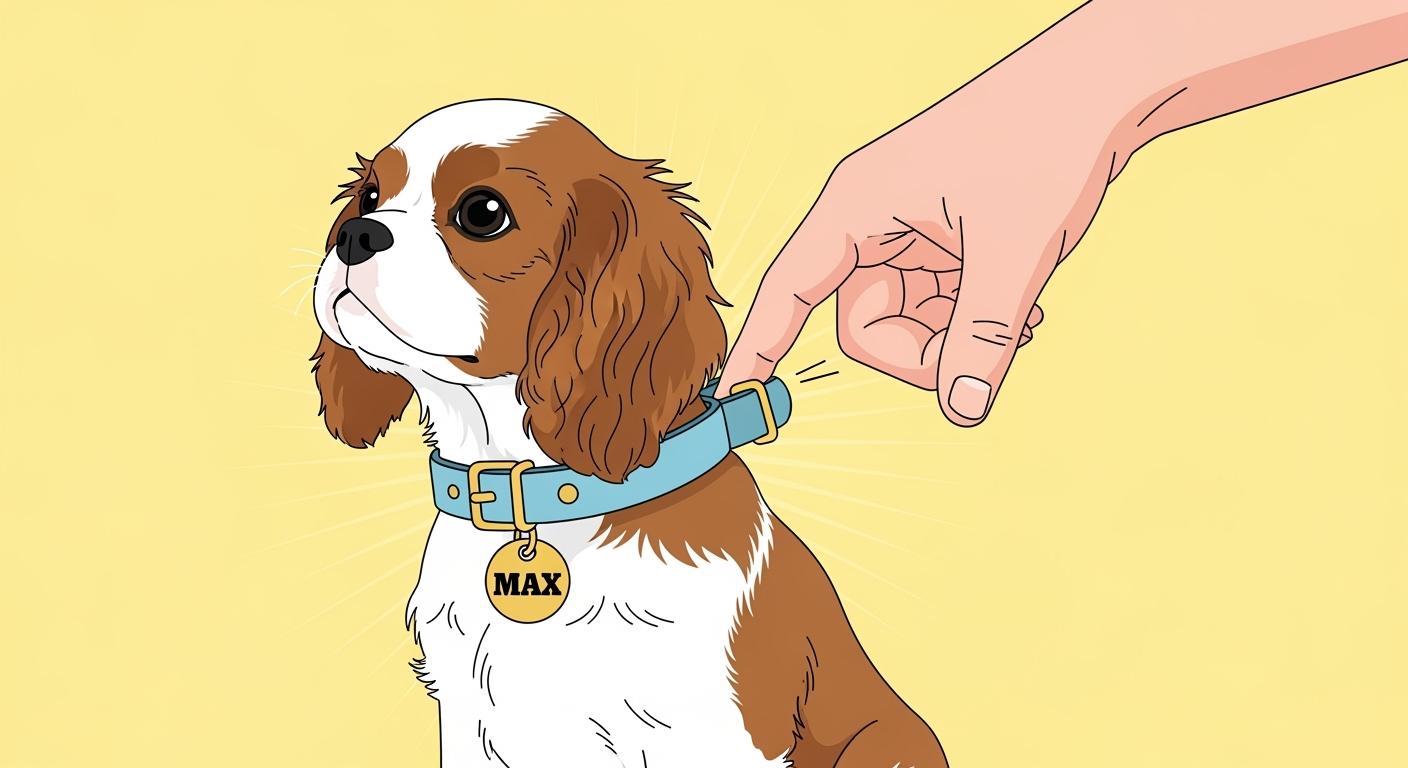
Always check the straps before swimming. Straps should be snug but not tight. You need to fit two fingers under each strap. This keeps the jacket steady and lets your dog breathe. Loose straps make the jacket slide or twist. Tight straps can hurt or stop movement.
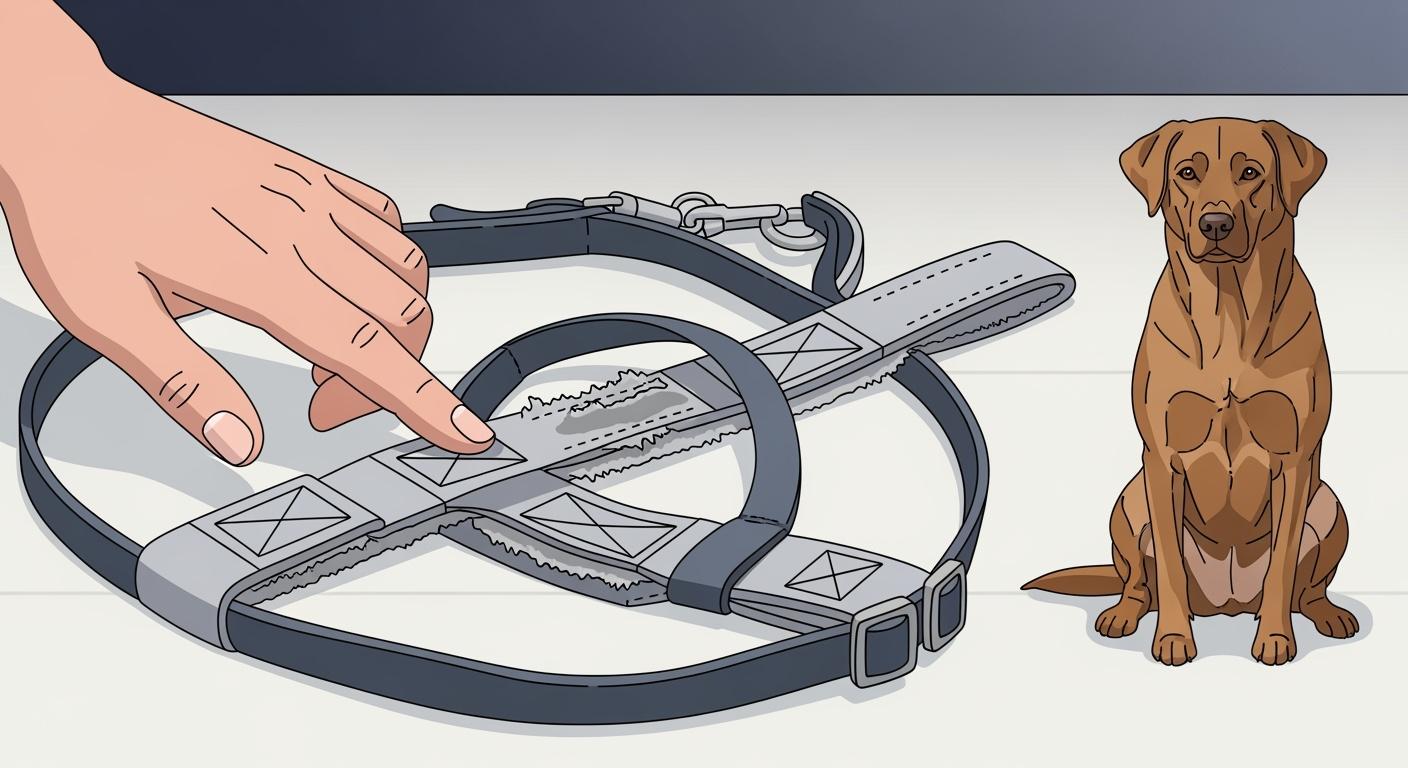
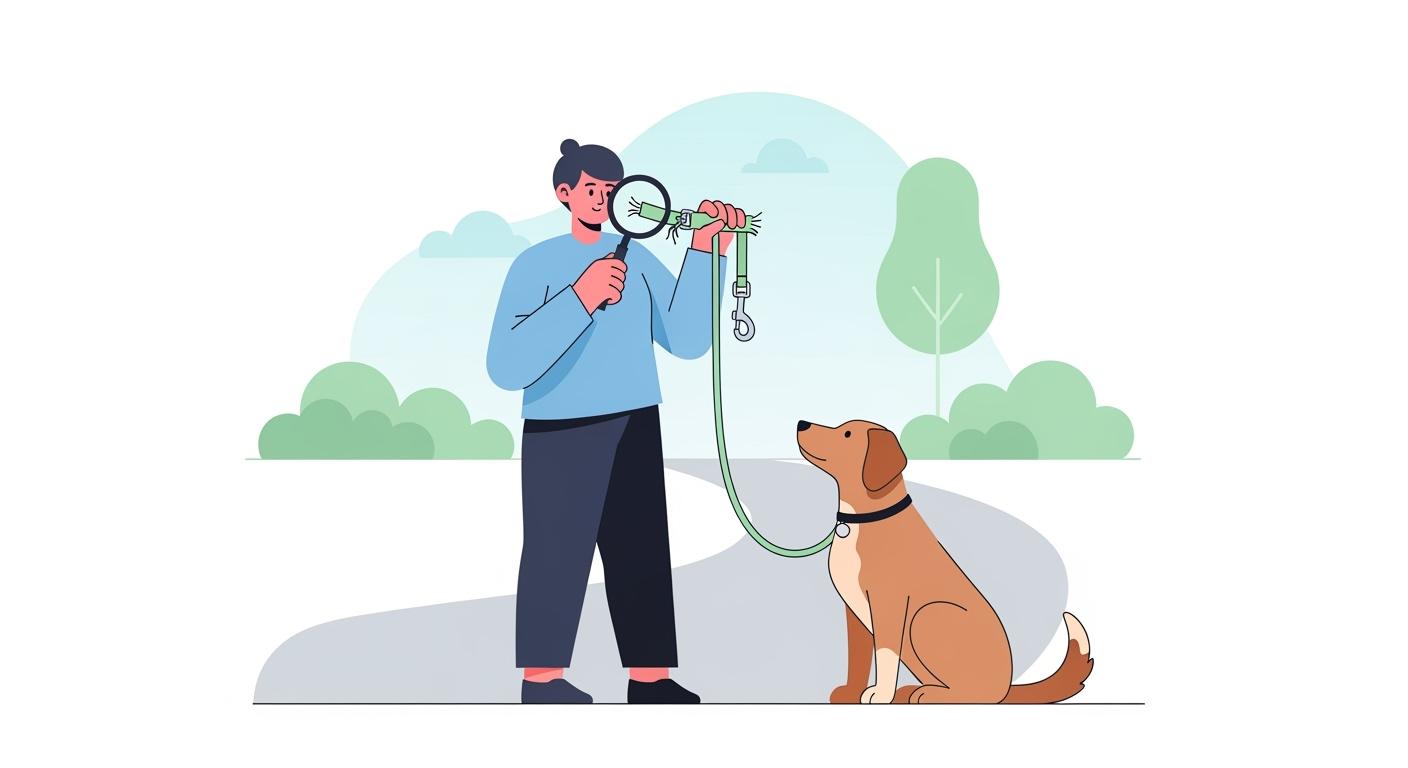
Look for rub spots every time you put on the jacket. Check near the legs, neck, and belly. Make sure your dog can sit, stand, and lie down easily. Good measuring and strap checks help stop chafing. The flotation padding should stay in place.
Tip: Check for rubbing or discomfort often, especially after swimming.
Parameter and Value Table
Parameter | Target Range or Option | Why it Matters |
|---|---|---|
Strap snugness | Two-finger rule (snug, not tight) | Prevents sliding, twisting, and chafing |
Handle lift stability | Jacket stays centered, no rotation | Ensures secure emergency lift and balanced support |
Rub-point scan | No red spots or hair loss | Keeps dog comfortable and prevents injury |
Leash attachment | Secure, does not pull jacket off-center | Safe for walking and quick control |
Adjustment check | Before every swim and after shake-off | Maintains fit as dog moves or coat gets wet |
Handle Lift and Twist Check
After you fix the straps, do a handle lift check. Lift your dog with the grab handles. The jacket should stay in the middle and not move. If it shifts, tighten the straps again. This shows if the jacket will stay put in an emergency.
Twist the jacket gently side to side. It should not move around the body. If it does, the fit is not right. Fix the straps and check again.
Common Cause Table
Common Cause | What It Leads To | What to Do Next |
|---|---|---|
Straps too loose | Sliding, twisting, ride-up | Tighten straps using two-finger rule |
Straps too tight | Chafing, restricted movement | Loosen straps, check for rub points |
Poor handle placement | Off-center lift, jacket rotation | Adjust jacket position and straps |
Incorrect leash attachment | Jacket pulls to one side | Use correct leash point, check balance |
Padding not centered | Unstable flotation, discomfort | Reposition jacket, check fit |
Gear reminder: A well-adjusted dog life jacket should stay centered when you lift the handle and when your dog changes direction in the water. Re-check straps after shake-offs and big jumps.
Leash Attachment and Handling Points
Check the leash connector and handles before swimming. The leash connector should be strong and in the middle. This helps you control your dog on land and in water. Some jackets use an A-shaped zinc-alloy leash connector for strength. Look for strong rescue handles for lifting. Bright colors and reflective strips help you see your dog in dim light.
Make sure the leash does not pull the jacket to one side. If the jacket moves when you use the leash, fix the straps or try another leash spot.
Example Product Build Cues
Shell material example: 900D Oxford cloth
Lining example: 290D lining
Flotation core description example: pearl foam
Hardware example: A-shaped zinc-alloy leash connector
Handling aid example: reinforced top rescue handle
Visibility cue example: high-contrast panels and reflective accents
Scenario: If your dog is between sizes or has thick fur, you may need to adjust the straps more often. Always check the fit after your dog shakes off or jumps in the water.
A good fit with the right straps and closures keeps your dog safe. Always check the jacket before swimming and after big moves. This helps your dog have fun and lets you act fast in emergencies.
Wet Test: Confirming Dog Life Jacket Stability
What to Watch in the First Minutes
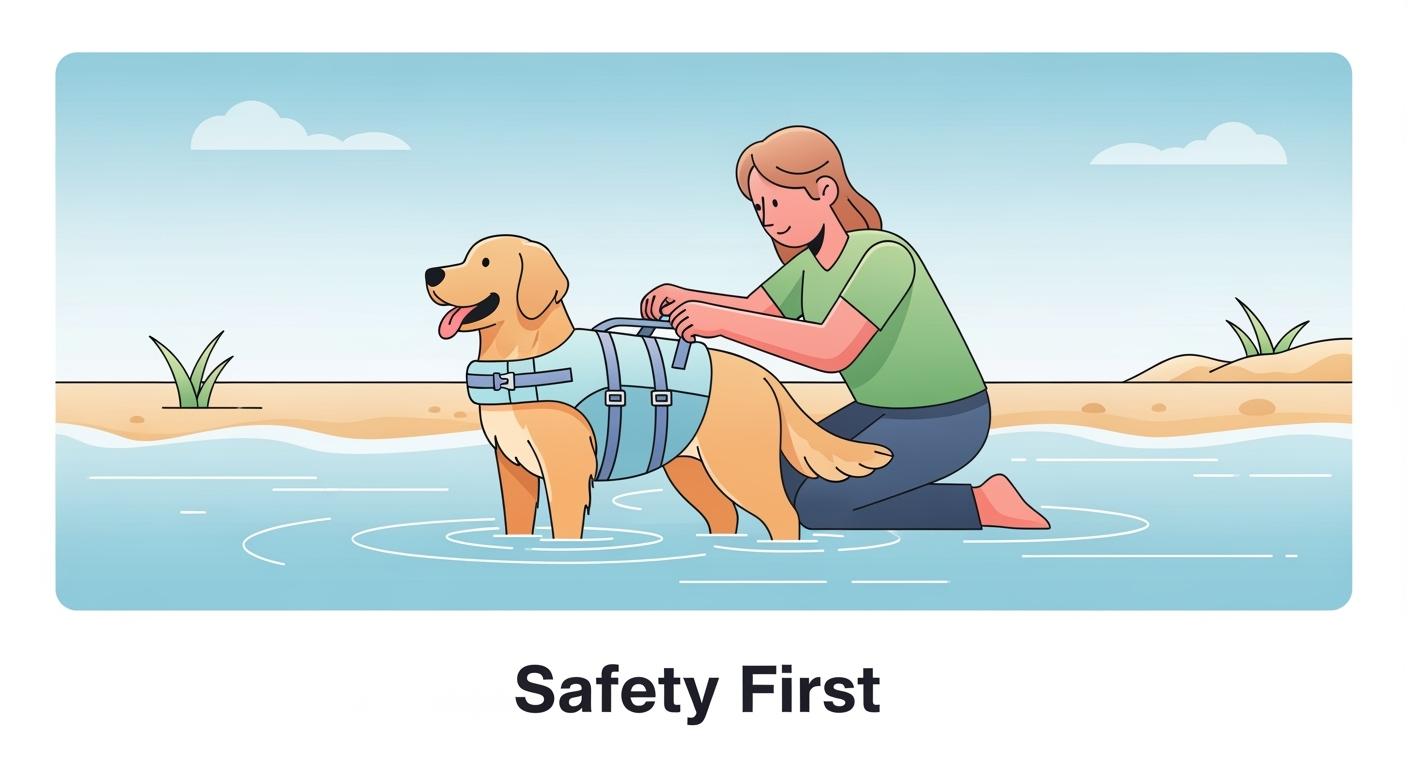
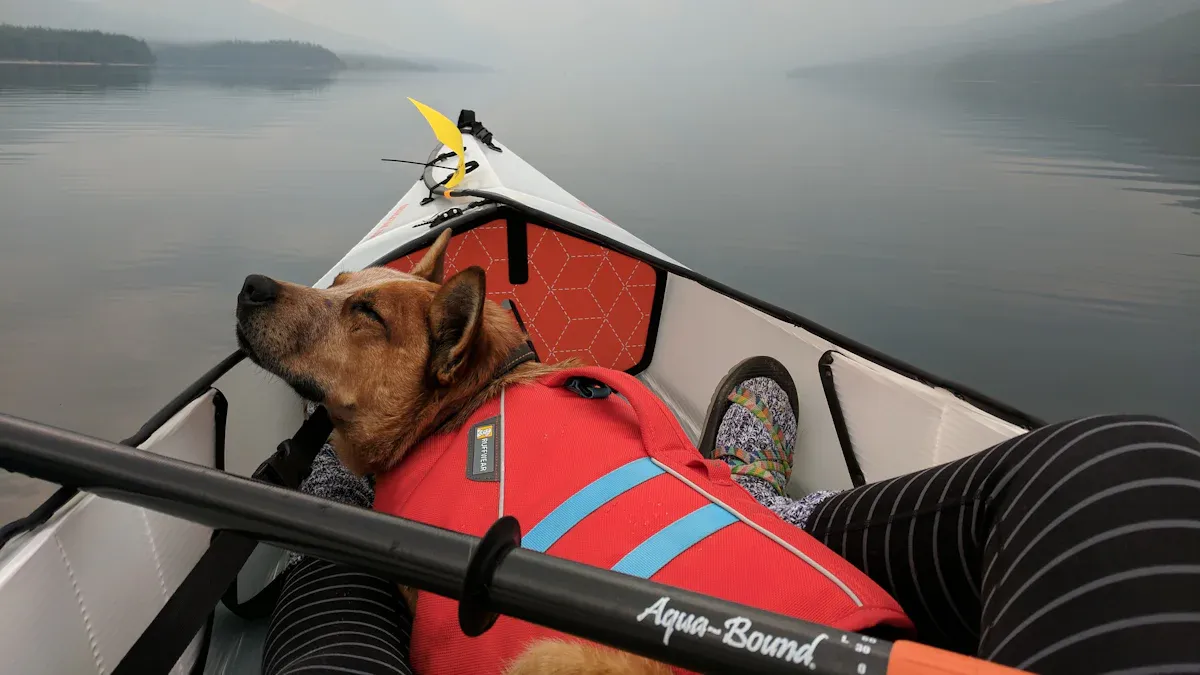
Start the wet test by letting your dog wear the dog flotation device in shallow water for 5 to 10 minutes. This short time helps you see how the jacket works during real swimming. Watch your dog closely. Look for these signs:
The jacket stays centered and does not rotate around the body.
The jacket does not creep up toward the neck.
Your dog moves both shoulders freely and paddles without trouble.
If you see the jacket twist or slide, adjust the straps right away. Some issues only show up in water. For example, Scenario B: Your dog looks fine on land, but the jacket rides up and blocks the front legs when swimming. You should stop, adjust the fit, and try again. If the problem continues, you may need a different flotation style.
Re-Check Rhythm and Adjustments
Keep checking the fit every 10 to 15 minutes during swimming. Also, check after your dog shakes off or jumps back in. Wet fur and movement can change the fit. Use this quick checklist:
Lift the handle to see if the jacket stays in place.
Run your fingers under the straps to check snugness.
Watch your dog swim and look for any new twisting or sliding.
Quick checks help you catch problems before they become unsafe. Adjust the device as needed.
Stop-Use Signs and Cooling Down
Stop using the jacket if you see these signs:
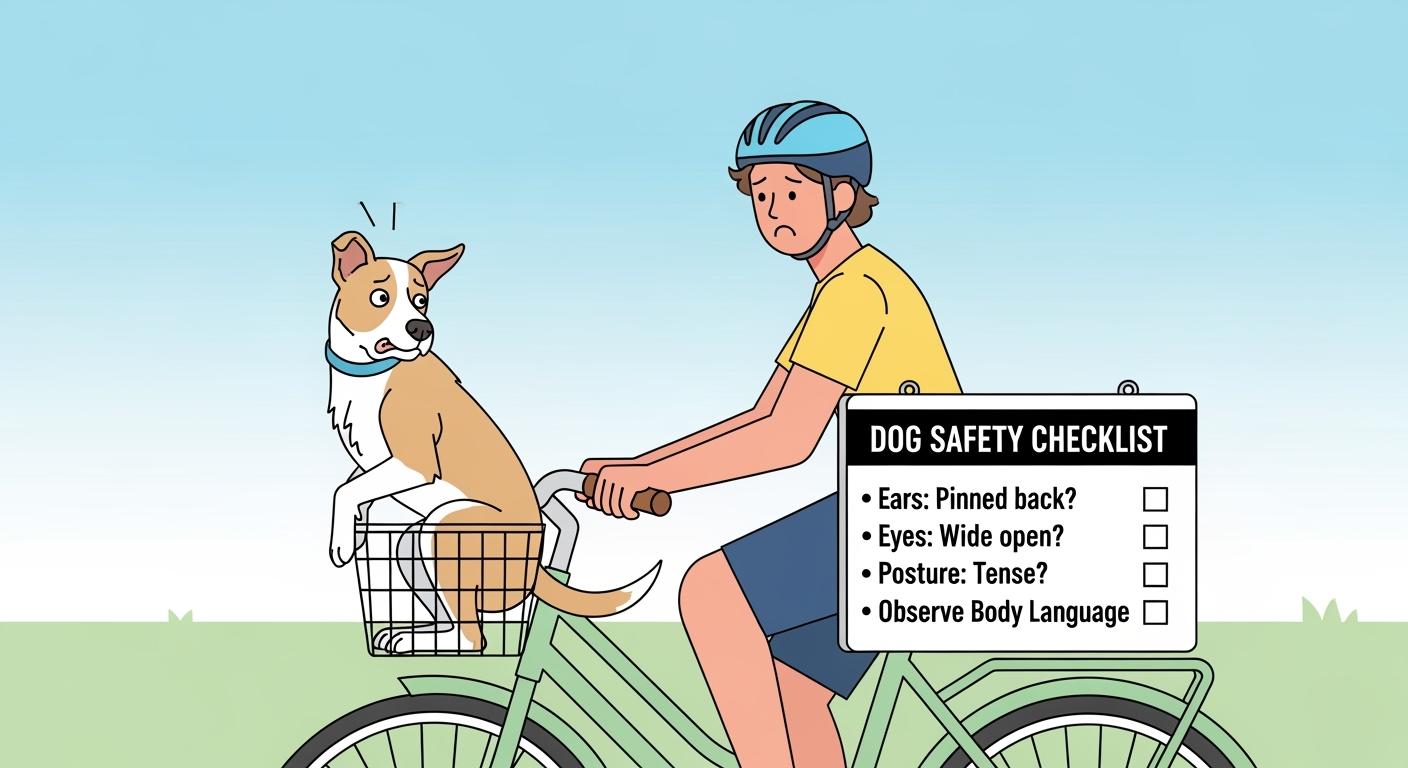
Your dog struggles to move or paddle.
The jacket twists, slides, or rides up toward the neck.
You see rubbing, red spots, or hair loss.
Let your dog rest and cool down after swimming. Dry the jacket and check for wear before the next use.
If your dog panics in water or has health limitations, ask a veterinarian or qualified trainer for guidance before longer swims.
Choosing the Right Dog Life Jacket Style
Calm vs High-Energy Dogs
Pick a life jacket that matches your dog’s energy. Calm dogs do best with simple and light jackets. These jackets support gentle swimming and short play. High-energy dogs need stronger jackets. Look for extra straps and tough handles. These features help you control your dog during fast swims or rescues.
Here is a quick table to help you choose:
Dog and Context | Best Jacket Features | What to Avoid |
|---|---|---|
Calm, older dog | Lightweight, easy-on design | Bulky, stiff jackets |
High-energy, active swimmer | Multiple straps, reinforced handles, bright colors | Loose fit, weak handles |
First-time swimmer | Extra flotation, high-contrast panels | Minimal flotation |
Dog with anxiety | Soft lining, snug fit, easy adjustments | Hard or scratchy materials |
Always watch your dog in water. Life jackets help dogs float but do not replace safety.
Fit for Deep-Chested or Short-Legged Dogs
Some dogs need special life jackets. Deep-chested breeds, like Boxers, need athletic cuts and more adjustment points. This keeps the jacket in place and helps your dog feel good. Short-legged breeds, like Corgis, need adjustable chest and belly straps. These straps help you fit the jacket to your dog’s shape.
Look for two handles for easy lifting. A neoprene liner adds comfort. Bright colors help you see your dog. Do not pick jackets that cannot adjust or use stiff material.
Here is a table comparing life jacket options:
Option | Pros | Cons | Best For |
|---|---|---|---|
Basic foam vest | Lightweight, easy to use | Less secure for active dogs | Calm or older dogs |
Multi-strap jacket | Custom fit, strong handles | Takes longer to adjust | High-energy or unique shapes |
Neoprene-lined jacket | Soft, comfortable, good buoyancy | May dry slowly | Dogs with sensitive skin |
Retail and Wholesale Tips for Dog Life Jackets
Size Chart Copy and Expectations
You want your customers to choose the right dog life jacket the first time. Write your size chart copy with clear, realistic expectations. Show the chest girth, neck, and back length for each size. Add a recent weight guide for cross-checking. Use simple language and easy-to-read tables. Include these important features in your chart:
Chest and neck measurements
Weight range for each size
Buoyancy and material quality
Visibility and reflectivity
Extra safety features
Let buyers know that fit depends on the dog’s shape, coat, and activity level. Remind them to measure their dog and check the fit before every swim. A good chart helps prevent sliding, twisting, or ride-up.
Teaching Wet Test and Strap Checks
Show your customers how to do a wet test and strap check. Use simple steps and clear instructions. Explain that the wet test means letting the dog wear the jacket in shallow water for 5 to 10 minutes. Tell them to watch for twisting, sliding, or ride-up. Teach the two-finger rule for strap snugness. Remind them to check the fit after the dog shakes off or jumps in. Use a checklist or quick quick guides for easy reference.
Step | What to Do |
|---|---|
Wet test | Try jacket in shallow water for 5-10 minutes |
Strap check | Fit two fingers under each strap |
Handle lift | Lift gently, jacket should stay centered |
Re-check | After shake-off or jump, check again |
OEM and ODM Explained
OEM means a supplier manufactures to your specifications and branding. ODM means you start from a ready design and customize details under your brand.
You should check your dog’s life jacket fit often, especially after growth, weight changes, or heavy use. Regular fit checks help your dog stay safe and comfortable during swimming. A well-fitted jacket prevents chafing and lets your dog move freely in water. Use the checklist before every swim to stop sliding, twisting, or ride-up. A secure fit means more fun and less stress for you and your dog. Share this checklist with other dog owners. If you feel unsure about fit, ask a veterinarian or trainer for help.
FAQ
How tight should a dog life jacket fit?
You should fit the jacket snugly. Slide two fingers under each strap. The jacket should not twist or slide. Your dog must move freely. Always check for rubbing or discomfort.
What if my dog is between two sizes?
Choose the size based on your dog’s girth and activity. For a growing or fluffy dog, pick the larger size. For a slim dog, try the smaller size. Adjust straps for the best fit.
How often should I check the fit of the life jacket?
Check the fit before every swim. Re-check after your dog shakes off or jumps in. Wet fur and movement can change the fit.
Can my dog wear a life jacket all day?
You should use the life jacket only during swimming or water play. Remove it after water activities. This prevents rubbing and keeps your dog comfortable.
What should I do if my dog seems uncomfortable in the jacket?
Stop using the jacket right away. Check for twisting, sliding, or rubbing. Adjust the fit or try a different style.