Many dog owners see their dog pull or slip out of a harness vest during walks. You may notice rubbing or wonder which style fits your dog best. A well-fitted dog harness vest helps you prevent escape and keeps your dog comfortable. Safety matters most when you choose a harness for your dog. Use a dog harness guide to measure your dog and adjust the harness vest for a secure fit.
Tip: Always check your dog harness vest for comfort and fit before every walk.
Key Takeaways:
A dog harness vest can improve control and comfort.
Proper fitting helps your dog stay safe.
You can adjust the harness for your dog’s body shape.
You give your dog a better walk when you follow these steps.
Key Takeaways
A well-fitted dog harness vest enhances comfort and control during walks.
Always measure your dog’s chest and neck for the best harness fit.
Adjust the harness to prevent rubbing and escape; use the two-finger fit check.
Choose the right harness style based on your dog’s behavior and needs.
Regularly check the harness fit to ensure your dog’s safety and comfort.
Why Pick a Dog Harness Vest Instead of a Collar
When you pick between vest dog harnesses and collars, it can change how safe and comfy your dog feels. Many people think vest dog harnesses give better control. They also lower the chance of hurting your dog, especially if your dog is small or has trouble breathing.
Pressure Distribution and Control
Vest dog harnesses spread pressure over your dog’s chest and back. This helps stop neck and throat strain. Collars push force on one spot and can hurt your dog. The table below shows what studies say about pressure and control:
Study | Findings |
|---|---|
Shih et al. (2021) | Dogs pull harder with a back-clip harness than a collar. Harnesses do not always stop pulling. |
Haug et al. (2002) | Collars press on one area. Training helps dogs use head collars. |
PMC8450523 | Harnesses spread force out more, which may help prevent neck injuries. |
General findings | Collars can hurt muscles and the throat. Harnesses might be safer. |
Vest dog harnesses help you control active puppies or dogs that pull. Harnesses also make training easier by guiding your dog softly.
When a Vest Dog Harness Is Safer
Vest dog harnesses are safer for dogs who have trouble breathing. Harnesses spread pressure out and protect the airway. Dogs with short noses or weak throats can use mesh harnesses to breathe better and stay cool. Many vets say harnesses are good for dogs with breathing problems. You can walk your dog and feel sure you are not hurting their neck.
Common Problems and How to Fix Them
Some people see rubbing or escape tries with vest dog harnesses. You can fix these by checking the fit and changing the straps. Here are some common problems and ways to fix them:
Rubbing happens when straps touch soft skin. Change the fit or pick a harness with soft padding.
Escape artists get out of loose harnesses. Make the chest and neck straps tighter so the harness fits well.
Bad fit comes from picking by color or using “one size fits all.” Always measure your dog and test the harness on a quiet walk before busy places.
Tip: Measure your dog’s chest and neck for the best fit. Try other harness styles if you need to.
Vest dog harnesses spread weight better, lower neck strain, and give more control. They also have safety things like bright strips. When you pick a harness for walks, think about your dog’s size, health, and how they act. Always check the fit before walks to keep your dog safe and happy.
Types of Vest Dog Harnesses and Their Best Uses
Picking the right dog harness helps make walks safe. There are many types of harnesses for different needs. Each harness has special features for your dog. Here is how you can choose the best one.
Step-In vs Over-the-Head Styles
Step-in harnesses let your dog walk into them. This style is good if your dog dislikes things over its head. Calm dogs may use step-in harnesses easily. Over-the-head harnesses go over your dog’s head. They give strong support and control. Some dogs do not like things near their face. Both harnesses spread pressure on your dog’s body. Step-in harnesses can be hard for excited dogs.
Harness Type | Usability Description | Comfort Level Description |
|---|---|---|
Step-In Harness | Dogs step in, good for those who dislike overhead. | Spreads pressure, but tricky for excited dogs. |
Over-the-Head Harness | Slides over the head, gives strong support. | Not for dogs who dislike things over their heads. |
Y Style vs H Style Explained
Y-style harnesses let your dog move more freely. This style is great for active dogs and training. H-style harnesses fit small or gentle dogs. They give soft control and a secure fit. H-style harnesses can limit movement. They are not best for strong dogs that pull.
H-style harness fits small or gentle dogs. It is secure but may limit movement.
Y-style harness gives more control and lets dogs move. It is good for active dogs but may rub sensitive skin.
Clip Layouts: Front, Back, Dual
Front-clip harnesses help stop pulling by turning your dog. Back-clip harnesses are easy and comfy for calm dogs. Dual-clip harnesses have both clips for more choices. These may seem harder to use. You can pick a nylon vest dog harness with dual clips for more options.
Comparison Table: Options, Pros, Cons, Best For
Option | Pros | Cons | Best For |
|---|---|---|---|
Step-in harness | Easy for dogs who dislike overhead fitting | Hard for excited dogs | Calm or anxious dogs |
Over-the-head harness | Strong support, secure fit | Not for dogs who dislike things over head | Dogs needing control |
Y style | Lets dogs move, good for training | May rub sensitive skin | Active or large dogs |
H style | Gentle, secure fit for small dogs | Less control for strong pullers | Small or gentle dogs |
Front-clip | Helps stop pulling | Not useful for calm dogs | Dogs learning leash skills |
Back-clip | Simple, comfy for most dogs | Less control for strong pullers | Well-behaved dogs |
Dual-clip | Flexible for different needs | Harder to use | Training, growing dogs |
nylon pitbull harness for tracking and training | Strong, lasts long, good for active use | May feel big for small dogs | Tracking, training, strong breeds |
all-season extra strong nylon vest dog harness | Works in all weather, very strong | May be heavier than basic harnesses | Outdoor, large, or strong dogs |
universal all-season nylon vest dog harness | Fits many breeds and activities | May need more adjusting for best fit | Everyday walks, all breeds |
best dog harness | Comfy, safe, easy to adjust | Must check fit for each dog | Most dogs, daily use |
Note: Always check harness fit and comfort before walks. Adjust straps and watch for rubbing or escape tries.
You can use a nylon pitbull harness for strong dogs. An extra strong nylon vest harness is good for outdoor trips. For daily walks, a universal nylon vest harness works well. Try different harnesses to find the best one for your dog.
Benefits of Proper Fitting of Vest Dog Harnesses
When a vest dog harness fits right, you and your dog get many good things during walks. A harness that fits well keeps your dog safe and comfy. It also helps you control your dog better. Training your dog is easier with a good fit. You can also stop many common problems.
Handling and Leash Control
Vest dog harnesses help you control your dog more. The harness has a loop near your dog’s middle. This makes it easier to guide your dog when you walk or train. Padded parts on the chest and back spread out the pressure. This means your dog’s neck does not get hurt. Even pressure keeps your dog safe from injury. You can feel more sure when you walk or train your dog.
Benefit | Description |
|---|---|
Even Pressure Distribution | Spreads pressure across your dog’s body and lowers injury risk. |
Better Control | Makes it easier to control your dog on walks and during training. |
Comfort for Anxious Dogs | Feels gentle and can help calm nervous dogs. |
Reduced Risk of Injury | Lowers the chance of hurting your dog’s neck or back compared to collars. |
Reducing Slip-Outs and Chafing
A harness that fits well keeps your dog from slipping out. If the harness is too loose, your dog might escape. If it is too tight, it can rub and hurt your dog’s skin. Always check the fit before you walk your dog. Pick padded harnesses if your dog pulls or has soft skin. Padding protects your dog’s chest and shoulders from rubbing. Dr. Hao-Yu Shih says harnesses lower neck injury by spreading pressure. After walks, look at your dog’s skin for any rubbing.
Comfort Features and Breathability
Comfort is important for every dog. Many vest dog harnesses use soft mesh that dries fast. These materials let air move and keep your dog cool. Some harnesses use special neoprene with holes to let heat out. Sun-reflecting designs help keep your dog cooler. Quick-dry fabric keeps your dog comfy on long walks or training.
Feature/Material | Description |
|---|---|
Perforated Neoprene | Lets heat out so your dog stays cooler. |
Air Mesh Interior | Soft mesh lets air flow and dries fast for comfort. |
Quick-Dry Fabrics | Dries quickly to keep your dog comfy on walks and training. |
Sun-Reflecting Design | Bounces sunlight away to help your dog stay cool. |
You can also find harnesses with reflective strips for safety. Adjustable straps help you change the fit as your dog grows or its fur changes. These features make vest dog harnesses a smart pick for safety, comfort, and control.
Note: Always check your dog’s harness for fit and comfort before every walk. If your dog seems uncomfortable or tries to escape, adjust the harness or try a new style.
How to Measure and Fit a Dog Harness Vest
Getting the right fit for vest dog harnesses helps your dog stay safe and comfortable during every walk. You can follow these steps to measure, adjust, and test your harness for the best results. This guide works for all types, including multifunctional nylon dog harness vest and perfect training working dog harness options.
Chest and Neck Measurement Points
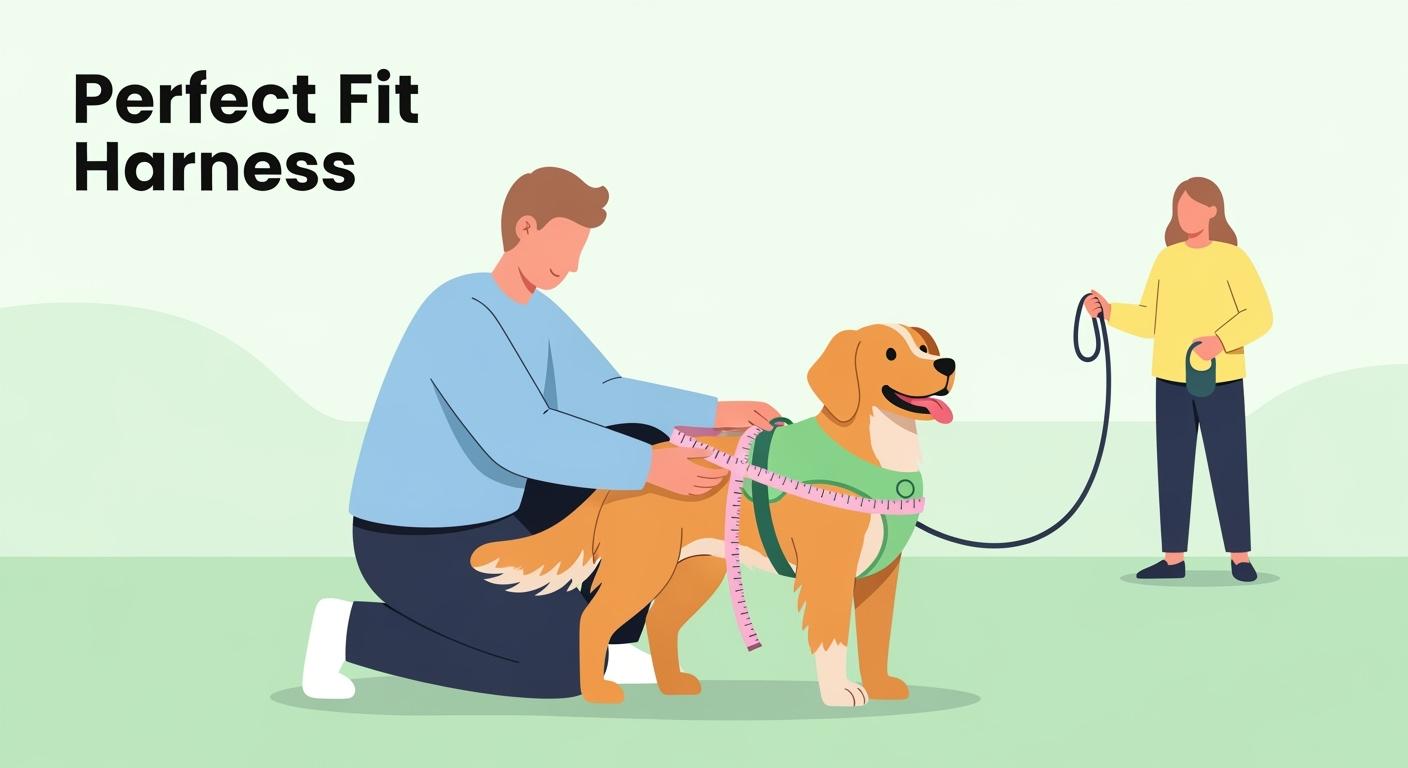
You need to measure your dog’s chest and neck before you pick a harness. Use a soft measuring tape and keep a treat nearby to help your dog stay calm.
Gather your tools. Use a soft measuring tape and have a treat ready.
Measure the neck. Place the tape around the neck where a collar sits. Make sure the tape is snug but not tight.
Measure the chest. Wrap the tape around the widest part of the chest, just behind the front legs. Keep the tape level and snug.
Record both measurements in inches and centimeters. This helps you compare with the harness size chart.
Tip: Always measure your dog when they are standing. This gives the most accurate chest and neck girth.
Two-Finger Fit Check
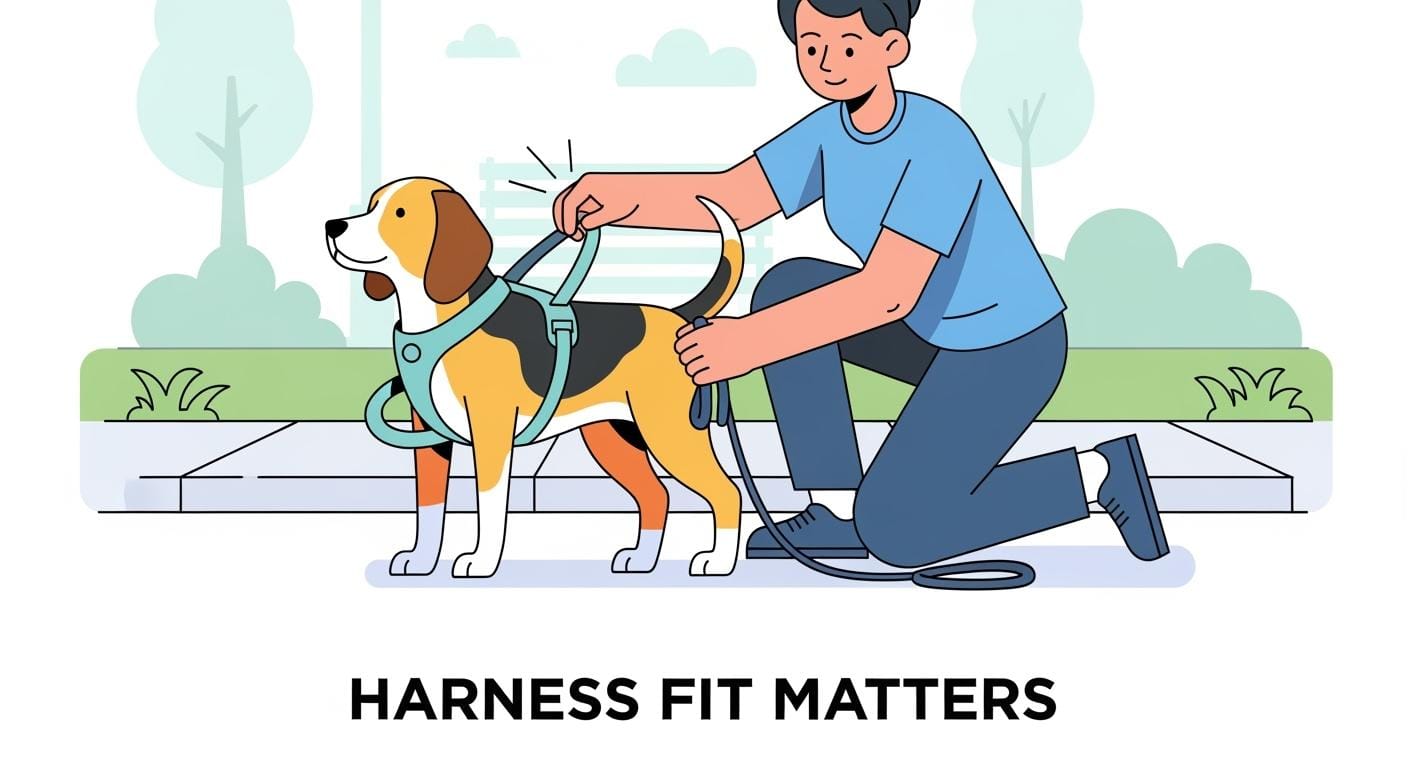
After you pick the right size and style, you need to adjust the harness. Vest dog harnesses should feel secure but not tight. You can use the two-finger fit check:
Buckle the harness on your dog.
Slide two fingers between the harness and your dog’s body at the chest and neck.
If you cannot fit two fingers, loosen the straps. If you can fit more than two fingers, tighten the straps.
This check works for all harnesses, including multifunctional nylon dog harness vest and perfect training working dog harness models. It helps prevent rubbing and escape.
Range of Motion Test
Your dog needs to move freely in vest dog harnesses. You can test the fit with a simple movement check:
Let your dog walk, sit, and turn while wearing the harness.
Watch the shoulders and legs. The harness should not block movement or rub the skin.
Check for any signs of discomfort, like scratching or biting at the harness.
If you see any problems, adjust the straps or try a different style. Many working dogs need a harness that allows full range of motion, especially when using a perfect training working dog harness.
Note: Always check the fit again after your first walk. Dogs can change shape as they grow or shed.
Common Fit Issues Table
You may run into some common problems when fitting vest dog harnesses. Use this table to spot issues and fix them quickly.
Common Cause | What It Leads To | What To Do Next |
|---|---|---|
Loose chest or neck straps | Dog slips out or escapes | Tighten straps, re-measure chest and neck |
Straps too tight | Rubbing, hair loss, discomfort | Loosen straps, check two-finger fit |
Wrong harness size | Poor control, escape risk | Measure again, choose larger size if between sizes |
Ignoring breed/body shape | Harness shifts, uneven pressure | Pick style for your dog’s shape, adjust as needed |
Not checking after walks | Missed discomfort or damage | Inspect harness and dog’s skin after each walk |
Choosing style over structure | Discomfort, safety issues | Pick harness with comfort and safety features |
Not adjusting after use | Harness loosens over time | Re-check and adjust straps before each walk |
Scenario A: Small Dog Backs Out of a Loose Harness
You may see a small dog back out of a loose harness during a walk. This happens when the chest or neck straps are not snug enough. You can prevent this by measuring at the correct points and choosing vest dog harnesses with enough adjustability. Some multifunctional nylon dog harness vest models offer a second belly strap. This extra strap adds security and lowers the risk of slip-outs. Always check the fit with the two-finger method and watch your dog move before heading out.
Safety Reminder: Always supervise your dog when trying a new harness. If you see signs of discomfort or escape, adjust the harness or try a different style.
You can use these steps for any working dog, whether you need a multifunctional nylon dog harness vest for daily walks or a perfect training working dog harness for special tasks. Accurate measuring, proper adjustment, and regular checks keep your dog safe and happy.
Feature Checklist for Dog Harness Vest Comfort
Choosing the right harness means looking at features that keep your dog safe and comfortable. You want to avoid common problems like rubbing, slipping, or escape. Use this checklist to help you pick a harness that works for your dog’s needs.
Buckles, Clips, and Stitching
You should check the buckles and clips on your harness. Metal or heavy-duty plastic buckles last longer and stay secure. Look for double stitching at stress points. This helps the harness hold up during strong pulls or busy walks. Strong stitching also keeps the harness from breaking when your dog moves fast.
Tip: Always check buckles and stitching before each walk to make sure nothing is loose or worn out.
Strap Width and Edge Finishing
Strap width matters for comfort and safety. Wider straps spread pressure and feel better for your dog. For small dogs, straps around 0.4-0.6 in (1.0-1.5 cm) work well. Medium dogs do best with 0.6-0.8 in (1.5-2.0 cm). Large dogs need 0.8-1.0 in (2.0-2.5 cm). Smooth edges help prevent rubbing and skin irritation. You should check that the harness has finished edges and padding in key spots.
Reflective Details and Handle Options
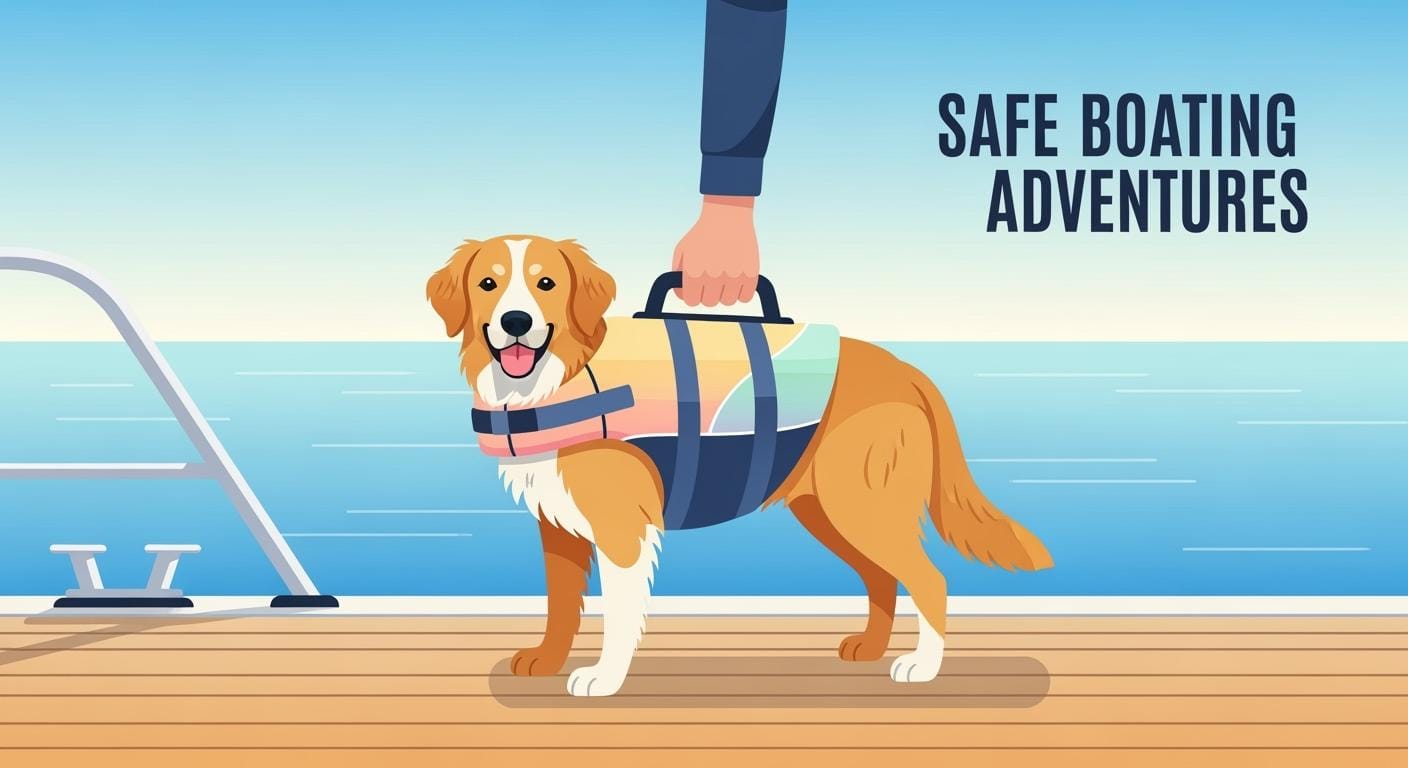
Reflective details help drivers and people see your dog during nighttime walks. This makes walks safer when it is dark. Some harnesses have a handle on the back. You can use the handle to help your dog over steps or keep control in busy places.
Reflective strips increase visibility at night.
A handle gives you extra control and support when needed.
Parameter and Value Table
Use this table to compare harness comfort features:
Parameter | Target range or option | Why it matters |
|---|---|---|
Chest measurement | widest chest, behind front legs | Sizing accuracy and comfort |
Neck measurement | where collar sits | Prevents choking and escape risk |
Fit check | two fingers at contact points | Avoids tight spots and rubbing |
Adjustment range | 2-4 in (5-10 cm) chest adjustability | Better fit across coat and growth |
Strap width | 0.4-1.0 in (1.0-2.5 cm) | Comfort and durability feel |
Clip layout | back, front, dual | Control and training flexibility |
Buckle style | side release buckles | Ease of use and consistent closure |
Stitching | reinforced at stress points | Durability signals |
Padding placement | chest and belly zones | Comfort without bulk |
Reflective details | optional | Visibility cue without overclaims |
Safety Reminder: Always check the harness fit and features before every walk. Adjust as needed for your dog’s comfort and safety.
Choosing the Right Dog Harness Vest for Your Dog
Selecting the best dog harness for your companion can feel overwhelming. You want to keep your dog safe, comfortable, and under control. This guide helps you match your dog’s needs with the right features, so you can enjoy every walk together.
Puppies and Beginners
Puppies and dogs new to harnesses need extra care when you choose their gear. You want to make the first experience positive and safe. Follow these steps to help you with choosing the right vest dog harness for young or inexperienced dogs:
Measure your dog’s chest and neck for a proper fit. Puppies and small dogs often need lightweight harnesses.
Watch how your dog walks. If your dog pulls, a front-clip harness can help guide them. Calm walkers may do well with a back-clip harness.
Pick a design that matches your dog’s comfort level. Step-in harnesses work well for dogs who dislike things over their heads.
Choose breathable materials and soft padding to prevent chafing.
Test the fit. You should fit two fingers between the harness and your dog’s body.
Ask for advice from trainers or read reviews to learn about harness quality and fit.
Training your dog to wear a vest harness starts with patience. Let your dog sniff and explore the harness before putting it on. Use treats and praise to build positive associations. Short practice sessions help your dog adjust to the new gear.
Tip: Always supervise your puppy during the first few walks with a new harness.
Strong Pullers and Busy Walks
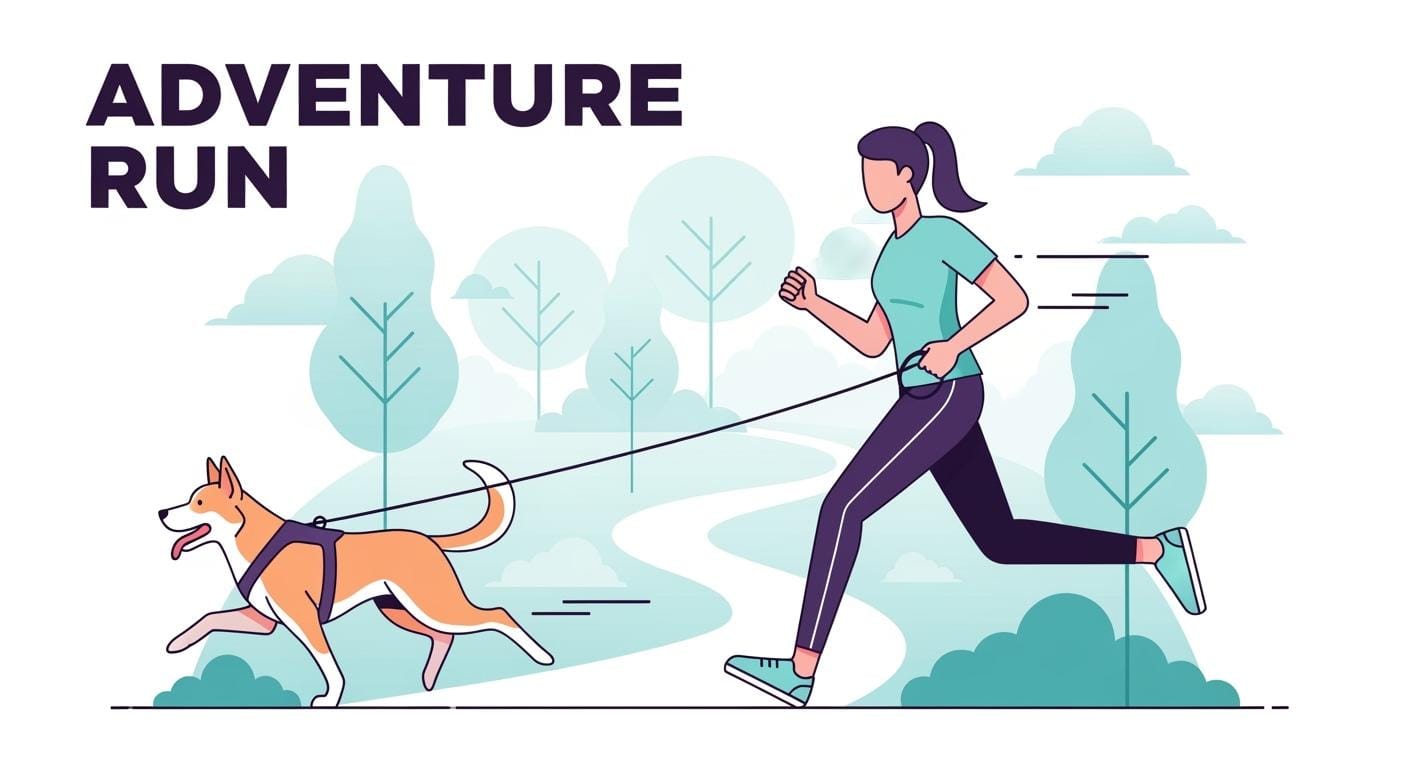
Some dogs pull hard or get excited in busy places. You need a harness that gives you more control and keeps your dog safe. A front-clip or dual-clip harness can help redirect pulling. These harnesses let you guide your dog gently without putting pressure on the neck.
Scenario B:
Your dog pulls hard during a walk, and you struggle to keep control. You switch to a front-clip or dual-clip harness. You attach the leash to the front clip and use a simple handling routine. When your dog pulls, you stop and wait for slack in the leash. This setup helps you guide your dog back to your side. Training your dog to wear a vest harness with a front clip can make walks safer and more enjoyable. Remember, harness features support training, but do not replace consistent practice.
Note: Always check the harness fit before busy walks. Adjust straps as needed for safety.
Escape Artists and Between Sizes
Some dogs slip out of harnesses or fall between standard sizes. You need a harness with extra adjustability and security features. Look for models with multiple adjustment points, padded straps, and backup safety options.
Here are some solutions for dogs who escape or need a custom fit:
Harness Name | Features |
|---|---|
Lightweight, adjustable harness | Multiple adjustment points, durable, designed for escape risk |
Highly adjustable, padded harness | Breathable, fits deep-chested dogs |
Rigid, padded harness | Prevents slipping, high visibility |
Connector strap | Attaches harness to collar for backup |
Limited slip martingale collar | Prevents slipping over the head, comfortable |
If your dog measures between sizes, choose the larger size and adjust down for a snug fit. Always use the two-finger check to prevent escape or rubbing.
Safety Reminder: Always supervise escape-prone dogs and check harness fit before every walk.
Decision Table: Dog Type, Features, What to Avoid
Use this table to match your dog’s needs with the best harness features. This helps you with choosing the right harness for every situation.
Dog/Context | Best Harness Vest Features | What to Avoid |
|---|---|---|
Puppy/Beginner | Lightweight, padded, easy to adjust, step-in | Heavy, stiff, hard-to-fit harnesses |
Strong Puller | Front or dual clip, wide straps, reinforced seams | Thin straps, back-clip only |
Escape Artist | Multiple adjustment points, backup strap, snug fit | Loose fit, single-strap harnesses |
Between Sizes | Extra adjustability, soft padding, secure buckles | Rigid, non-adjustable harnesses |
Busy Walks | Reflective details, handle, secure fit | No visibility features, loose straps |
Calm Walker | Simple back-clip, soft material, easy on/off | Bulky, complex harnesses |
Choosing the right vest dog harness means thinking about your dog’s size, behavior, and walking environment. Training your dog to wear a vest harness takes time and patience. Always check the fit and adjust as your dog grows or changes shape. If you have questions about fit or training, ask a trainer or vet for help.
Tip: No harness can replace supervision and training. Always watch your dog during walks and adjust the harness as needed.
Retail and Wholesale Tips for Vest Dog Harnesses
Assortment Planning and Adjustability
You want to help many dog owners find what they need. Stocking lots of vest dog harness sizes helps more breeds and shapes. Offer sizes from small up to extra-large. Pick harnesses with many places to adjust the fit. This makes it simple for people to get a secure fit for their dogs. Adjustable harnesses also mean fewer returns because they fit dogs with different bodies and changing fur.
Here is a quick table to help you plan your assortment:
Strategy | Description |
|---|---|
Comprehensive Size Range | Stock a variety of sizes (S, M, L, XL) for different breeds and body types. |
Adjustability | Select harnesses with several adjustment points for a better fit. |
Size Charts | Provide clear, breed-specific sizing guides for customers. |
Target Market Consideration | Know which sizes are most popular in your area to optimize inventory. |
Tip: Always put a sizing guide where people buy so they can pick the right fit.
Listing Copy to Reduce Returns
You can lower returns by writing clear product descriptions. Focus on safety, comfort, and training help. Use easy words to explain how the harness works. Add photos and videos that show the harness from all sides. Share reviews and stories from real customers to build trust. Social media posts with dogs wearing the harness help buyers see the fit.
Point out important features like adjustability and padding.
Give sizing tips for different breeds.
Show real dogs in photos or short videos.
Work with pet influencers to show the harness in use.
Note: Good product descriptions are like a fitting room for online shoppers. They help buyers feel sure about what they pick.
Spec Standardization for Suppliers
You can make buying in bulk easier by using the same product details. Ask suppliers for clear info on chest and neck sizes, strap width, and where you can adjust. When specs are the same, you can compare products and avoid mix-ups. This also helps you tell customers what to expect.
Ask for strong stitching and good buckles.
Request padding in the chest and belly areas.
Make sure there are reflective parts for safety.
Safety Reminder: Always check samples for fit and comfort before big orders. Good features and clear sizing guides keep dogs safe and customers happy.
You want every walk with your dog to feel safe and comfortable. Start by measuring your dog for the right fit. Adjust the harness so it fits snug but not tight. Test the fit by letting your dog move and checking for rubbing. Repeat fit checks as your dog grows or changes shape. A good fit helps your dog stay secure and happy. If your dog struggles with the fit or shows pain, ask a trainer or vet for help.
Safety note: Any harness can cause rubbing if the fit is wrong. Pulling behavior still needs training. Always consult a veterinarian or trainer if your dog shows pain, limping, or strong reactions.
FAQ
How do you know if a dog harness vest fits correctly?
You should check that you can fit two fingers between the harness and your dog at the chest and neck. The harness should not rub or shift when your dog moves. Always test the fit before each walk.
What should you do if your dog measures between two harness sizes?
Choose the larger size and adjust the straps for a snug fit. This method helps prevent rubbing and escape. Always use the two-finger check to confirm comfort and security.
Can you leave a harness vest on your dog all day?
You should remove the harness when your dog is not walking or supervised. Long wear can cause rubbing or discomfort. Always check your dog’s skin for signs of irritation after use.
What features help prevent a dog from slipping out of a harness?
Look for harnesses with multiple adjustment points, a snug chest fit, and a backup strap. Padded straps and secure buckles also help keep the harness in place. Always supervise escape-prone dogs.
How often should you check the fit of your dog’s harness vest?
Check the fit before every walk. Dogs can change shape as they grow or shed. Regular checks help you spot loose straps or signs of discomfort early.