Dog Harness No Pull How to Prevent Chafing and Rubbing on Active Outings

Dog Harness No Pull How to Prevent Chafing and Rubbing on Active Outings

Prevent rubbing and chafing with a dog harness no pull by dialing in fit, strap placement, and moisture control. A good harness should stay stable without squeezing, and it should let your dog move naturally-especially around the shoulders and elbows. If straps slide, pinch, or stay wet for long, friction builds fast and irritation follows. Do a quick comfort check before every outing, and look for early signs like redness, hair thinning, or changes in gait so you can adjust before a minor rub becomes a painful hotspot.

Key Takeaways

  • Choose a no-pull harness that fits well to prevent chafing. Use the two-finger rule to check the fit at all contact points.
  • Select harnesses made from soft, breathable materials to reduce moisture and friction. Look for padding in areas that touch your dog’s skin.
  • Regularly inspect your dog’s skin for signs of rubbing or irritation. Early detection can prevent more serious skin issues.
  • Adjust the harness after wet or muddy outings. A wet harness can shift and cause discomfort, so always re-check the fit.
  • Train your dog to walk calmly on a loose leash. This reduces pulling and pressure on the harness, helping to prevent chafing.

Why Rubbing Happens with Dog Harness No Pull

Fit, Movement, and Moisture Factors

You should know about the “rubbing triangle” when using a dog harness no pull. Three things cause rubbing: fit, movement, and moisture. If the harness does not fit right, it can press on your dog and rub. When your dog walks or runs, the straps can move around. This happens more if the harness is too loose or too tight. Wetness from rain, sweat, or wet fur can make skin softer. Soft skin can get chafed more easily. The kind of material matters too. Rough or hard fabrics can make rubbing worse, especially if they get wet or move a lot. Nylon harnesses can hold heat and make your dog uncomfortable. Leather can shape to your dog’s body and let air in.

  • Bad fit makes rubbing and sore spots.
  • Harnesses should spread pressure across the chest and body.
  • Hard or rough materials can cause more chafing when wet.
  • The size of armholes changes how the harness moves.
  • Where you put the straps is important; wrong spots can pinch skin.

Friction Points in No-Pull Dog Harnesses

You should check places where rubbing happens most. The main spots for friction in no-pull dog harnesses are:

  • Behind the elbow and under the armpit
  • The middle of the chest where the front clip sits
  • The belly strap area, especially if wet or moving

A harness that stops shoulder movement or changes how your dog walks can hurt the skin. If the harness moves when your dog pulls or gets wet, rubbing can get worse. Always make sure your dog can move naturally and the harness does not press on soft spots.

Early Warning Signs of Chafing

You can find early signs of chafing by looking at your dog’s skin after walks. Watch for these signs:

Warning SignsSolutions
Chafing or rubbingAdd padding, move straps, or use mesh lining
Redness under arms or on the backTake off harness, let skin heal, ask a vet if needed

Other signs are hair loss, red skin, licking near straps, bad smell, or fluid. If you see these signs, stop using the harness for now. Take away what is rubbing and call a vet if the skin is open or gets worse.

Choosing No-Pull Dog Harnesses to Prevent Rubbing

Strap Layout and Movement Freedom

You want your dog to move easily on walks. How the straps sit matters a lot. A good harness does not block the shoulders or press on the front legs. Y-shaped harnesses let dogs walk and run in a normal way. T-shaped harnesses might press on the shoulders and cause rubbing. Look for harnesses with leash clips on both the front and back. This gives you more control and spreads out pressure. If a harness sags or straps cross the shoulders, your dog may feel pinching or pain.

“Any gear that stops normal walking or rubs under the arms can hurt soft tissue, especially in active breeds.” – Dr. Lena Torres, DVM, Canine Orthopedic Specialist

Padding and Moisture Management

Padding helps protect your dog’s skin from rubbing. Pick harnesses with at least 8–12mm of closed-cell or memory foam padding. This amount helps stop sore spots, especially on long hikes. Mesh-backed harnesses help your dog stay cool and dry. Breathable materials lower sweat and moisture. Wet fur and trapped water can cause hot spots and skin problems. After walks in rain or after swimming, dry your dog and the harness before using it again. Quick-dry materials keep your dog comfortable and help stop chafing.

Low-Abrasion Edges and Hardware

Check the edges and hardware on every harness you look at. Soft, rounded edges help stop skin problems. Do not pick harnesses with rough seams, sharp hardware, or thin fabric in places that rub. Run your fingers inside the harness. If you feel anything scratchy or stiff, it could rub your dog’s skin. Make sure all buckles and clips sit flat and do not poke your dog. Watch for hair loss or redness, which can mean the harness does not fit well or is too rough.

Comparison Table: Harness Designs and Friction Risk

OptionBest forProsConsNotes
Y-Shaped Front-ClipActive, strong pullersLets dogs move naturally, less shoulder rubbingMay move if not fitted wellPick adjustable straps for best fit
T-Shaped Back-ClipCalm walkersEasy to put on, simple designCan block shoulders, more rubbing riskCheck for padding at chest and armpits
Dual-Clip (Front/Back)Versatile useGives control, spreads pressureMore straps, can feel bulkyGood for training and many activities
Step-In HarnessSmall or sensitive dogsEasy to fit, less pressure on topMay twist, less control for strong pullersMake sure it fits snug so it does not move
Quick-Dry MeshWet or hot conditionsBreathable, dries fast, lightweightLess padding, may wear out fasterGood for water play and summer walks

Sourcing Checklist for Buyers

When you pick no-pull dog harnesses, use this checklist to help stop rubbing and returns:

  • Adjustable chest and body straps for a better fit
  • Straps that do not cross over the shoulders
  • Soft, rounded edges and padded spots that touch the dog
  • Quick-dry and breathable materials
  • Strong hardware that sits flat and does not poke
  • Reflective parts for safety in low light
  • Clear cleaning and care instructions
  • Easy-to-follow fit and use instructions
  • Replacement parts if needed
  • Warranty and return policy details

Claim-Risk Guardrails:
Do not say any harness will fit every dog perfectly. Comfort depends on fit and how you use it. Always give care and fit tips in your listings and packaging.

Objection Handling: Common Concerns

Some people worry that no-pull dog harnesses cause more rubbing or hot spots. Others think harnesses move too much when wet or are hard to size. You can fix these worries by picking the right design and checking the fit. If you see rubbing, try a new strap layout or add padding. For wet walks, pick quick-dry materials and dry the harness between uses. If sizing is hard, measure your dog and follow the fit guide. Returns from chafing often happen when instructions are not clear or the harness blocks movement. What would help you decide? A harness that fits well, dries fast, and lets your dog move easily can fix most problems.

Buyer note:
Most chafing complaints and returns come from unclear fit instructions, harnesses that block movement, and bad wet-weather use. Make sure your listings and packaging have clear specs, safe strap layouts, and easy fit checks.

Fit and Trail Routine for Dog Harnesses on Trails

Fit and Trail Routine for Dog Harnesses on Trails

Two-Finger Rule and Fit-Check Steps

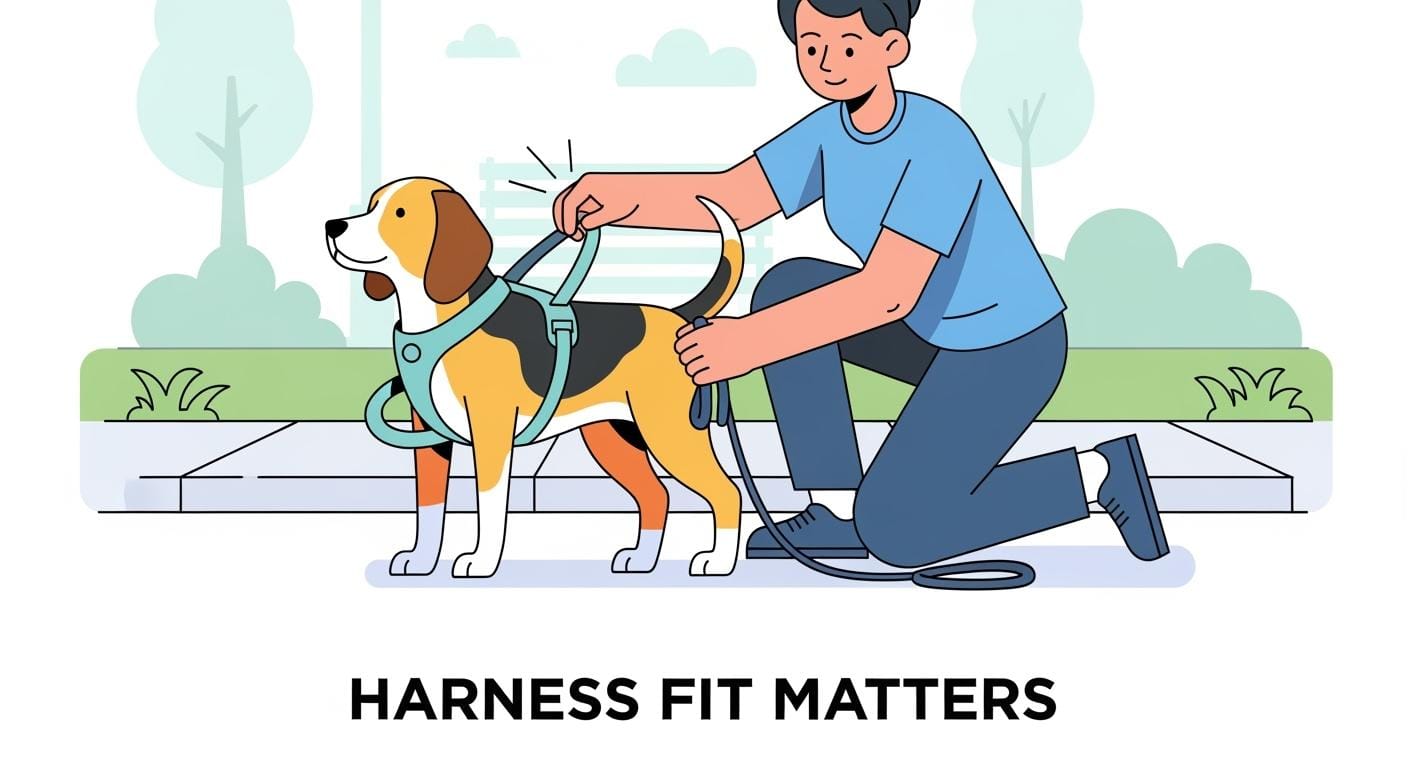
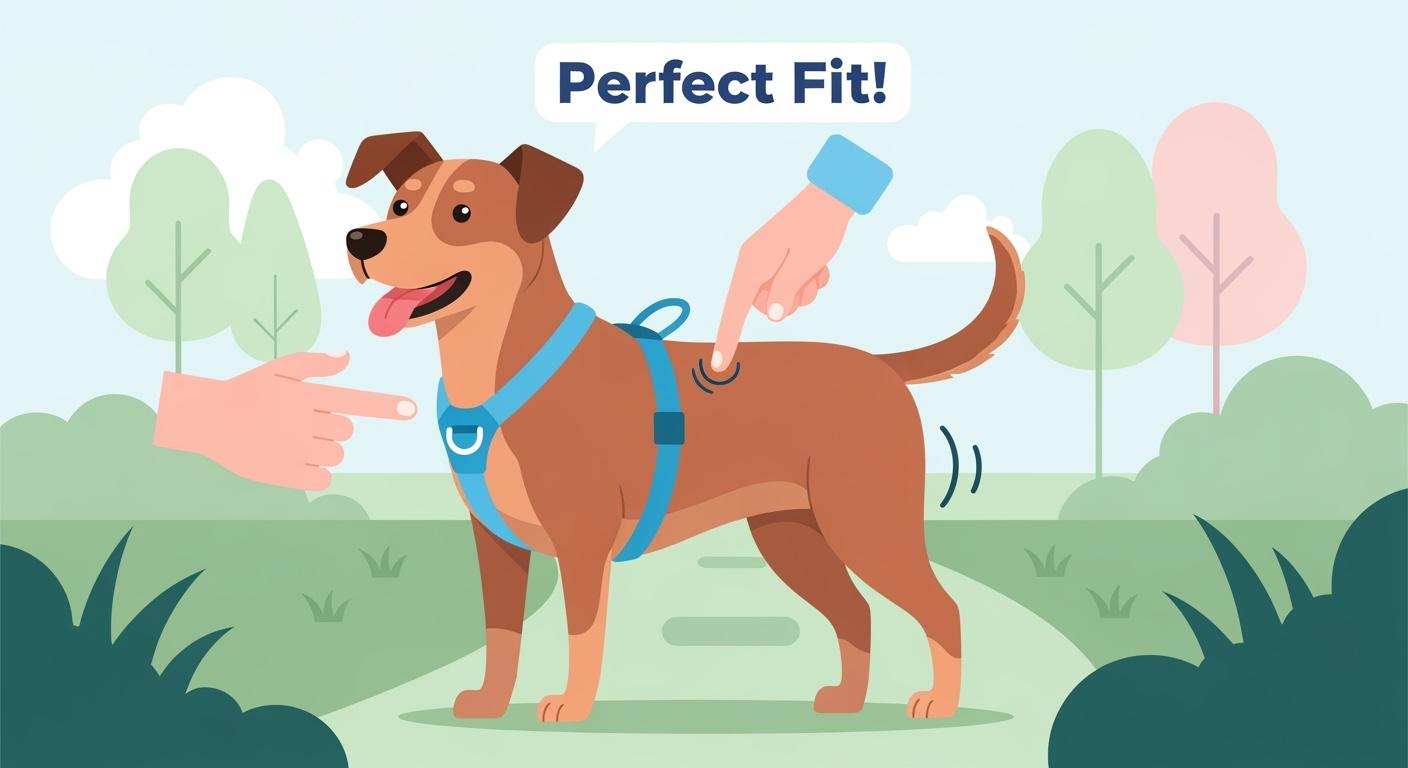
You want your dog to stay comfortable and safe on every outing. The Quick Reference Card gives you a simple way to check the fit of your harness. Use the two-finger rule at every contact point. Slip two fingers under each strap. If you cannot fit your fingers, the harness is too tight. If you have extra space, the harness may shift and rub. Always check behind the elbows, under the chest, and around the belly strap.

Follow this step-by-step anti-rub routine before every long hike:

  1. Identify any rubbing zones or triggers from past outings.
  2. Apply the two-finger fit-check rule at all contact points.
  3. Confirm your dog can move shoulders freely. Watch for any strap that blocks or interferes with movement.
  4. Make sure the harness lies flat. It should not twist or slide during a gentle test walk.
  5. After your dog gets wet, muddy, or sweaty, rinse off grit, dry the harness and your dog, and repeat the fit check.

Tip: Always do a quick fit check at the trailhead and after your dog warms up. Harnesses can shift as your dog moves or as fur compresses.

Reducing Pulling with Training and Handling

You can lower the risk of rubbing by teaching your dog not to pull. No-pull dog harnesses help, but training works best when you use it together with the right gear. Practice loose-leash walking in a quiet area before you go on a long hike. Reward your dog for walking beside you. If your dog starts to pull, stop and wait until the leash relaxes. Use short, clear commands. Over time, your dog will learn to walk calmly, which reduces pressure on the harness and lowers the chance of chafing.

Dogs that pull hard put more force on their harness. This can cause straps to shift and rub. Training helps keep your dog comfortable and safe.

Wet-Day and Mud Routine

Wet and muddy trails bring extra challenges for dog harnesses on trails. Nylon harnesses work well in these conditions. You can machine wash them on a gentle cycle. They resist mold and mildew, which helps if your dog likes water. Always check the stitching and hardware after wet outings. Look for signs of wear or damage. Avoid pure cotton harnesses for wet hikes. Cotton absorbs water and can lose its shape.

For muddy hikes, choose a harness with reinforced stitching and quick-dry features. After each outing:

  • Rinse off mud and grit from all contact points.
  • Dry the harness and your dog fully before the next use.
  • Re-check the fit once everything is dry.

Note: A wet harness can shift and cause rubbing. Always reset the fit after water crossings or heavy rain.

Common Mistakes to Avoid

Many owners make simple mistakes that lead to discomfort or rubbing. You can prevent most problems by following these tips:

  • Pick the correct size harness for your dog.
  • Adjust the fit after your dog gets wet or after a long walk.
  • Check the fit at the start of every trail outing.
  • Place the harness in the right spot-not too high or too low.
  • Watch for signs of discomfort, redness, or rubbing.
  • Inspect the harness for damage before each use.
  • Re-check the fit after water crossings, mud, or heavy brush.
MistakeHow to Fix It
Wrong size harnessMeasure your dog and follow sizing
Not adjusting after waterDry and re-fit the harness
Ignoring discomfort signsStop, check, and adjust immediately
Forgetting gear inspectionCheck straps and hardware each time

If you see any early warning signs, stop using the harness for that outing. Let your dog’s skin heal before the next hike.

Fit vs Not a Fit and Next Steps

Fit Checklist for Long Hikes

You want your dog harness no pull to pass a simple fit test before every outing. Use this table to check for a safe hiking fit:

Essential Checklist ItemsDescription
Ergonomic DesignHarness follows your dog’s body shape and does not restrict movement.
Durable MaterialsNylon or polyester webbing stands up to long hikes and active use.
Adjustable StrapsStraps allow you to fine-tune the fit for comfort and security.
Padded Load-Bearing ZonesPadding protects skin at chest and belly contact points.
Breathable PaddingMesh or ventilated padding keeps your dog cool and dry.
Weight-Distribution FeaturesHarness spreads pressure across chest and shoulders, not just one spot.
Compliance with Safety StandardsHarness meets safety guidelines for outdoor use.

A harness that passes these checks will help your dog stay comfortable and safe on long hikes.

Not a Fit Checklist and Alternatives

If you notice any of these red flags, your harness may not be a fit:

  • Harness restricts shoulder movement or changes your dog’s gait.
  • Straps rub behind the elbow or under the armpit.
  • Harness shifts or twists during walks, especially when wet.
  • Your dog shows redness, hair loss, or discomfort at contact points.

When you see these signs, try these alternatives:

  • Choose a different harness geometry that avoids sensitive areas.
  • Use dual-clip or front-clip no-pull dog harnesses to spread pressure.
  • Pick quick-dry designs for wet or muddy outings.
  • Give your dog rest days if skin irritation appears.
StepRest Day Routine for Skin Recovery
1Remove harness and check for redness or swelling.
2Clean skin with mild antiseptic or saline.
3Dry skin gently with a soft towel.
4Use ointment only if your vet recommends it.
5Change bedding often to keep it dry.
6Prevent licking or scratching.
7Reposition your dog every 2–3 hours if resting.

Owner note:
Always check your dog’s skin after every hike. Early action prevents bigger problems.

You can prevent chafing and rubbing by choosing the right no-pull harness, checking the fit with the two-finger rule, and making small adjustments as conditions change (heat, water, mud, and long distance). Use checklists and routines before and during outings to improve comfort and safety:

  • Start with short test walks to see how your dog feels.
  • Watch for stress or overheating.
  • Plan breaks on long trips.

For extra support, seek guidance from professionals or suppliers who can help you match harness design and fit to your dog’s needs.

FAQ

How do you know if a harness fits your dog correctly?

You should use the two-finger rule. Slip two fingers under each strap. The harness should not pinch or leave extra space. Watch your dog walk. The harness should not shift or block movement.

What should you do if your dog gets a hot spot from the harness?

Remove the harness right away. Clean the area with mild soap and water. Let the skin dry. Call your vet if you see swelling, discharge, or if your dog keeps licking the spot.

Can you leave a no-pull harness on your dog all day?

No. You should remove the harness when your dog is not supervised. Long wear can cause rubbing or skin problems. Give your dog breaks to let the skin breathe.

How often should you check the harness during a hike?

Check the harness before you start, after your dog warms up, and after water or mud. Look for shifting, tightness, or rubbing. Adjust as needed to keep your dog comfortable.

Get A Free Quote Now !

Table of Contents

Blog

Canine Pulling Harness How to Spot Wear Before a Hard Pull Turns Risky

Spot wear on your canine pulling harness by checking stitching and hardware before each hard pull to ensure durability and keep your dog safe.

Puppy Collars Custom: How to Check Tightness and Prevent Slipping Safely

Puppy collars custom should fit snugly with two fingers under the collar. Use the slip test to prevent loss and keep your puppy safe and comfortable.

Dog Running Leash: How to Select Hands-free or Standard Based on Real Pulling Patterns

Choose the right dog running leash by matching hands-free or standard setups to your dog's pulling and walking style for safety and control.

Dog Carry Bike Risk Checklist: Body Language Warnings and When to Stop Immediately

Spot stress or danger in your dog during dog carry bike rides. Learn body language warnings and when to stop for your dog's safety on hikes or rainy walks.

Which Waterproof Dog Bed Stays Dry on Wet Ground?

A waterproof dog bed with sealed seams, strong base, and high hydrostatic head value keeps your dog dry on wet ground during outdoor use.

Dog Leashes: How to Spot Wear Before a Leash Fails on a Walk

Check dog leashes for fraying, weak stitching, and hardware issues before walks. Spot stress points early to prevent leash failure and keep your dog safe.
Scroll to Top

If You Have Any Questions, Please Do Not Hesitate To Contatct With Us.

Get A Free Quote Now !

Welsh corgi wearing a dog harness on a walk outdoors