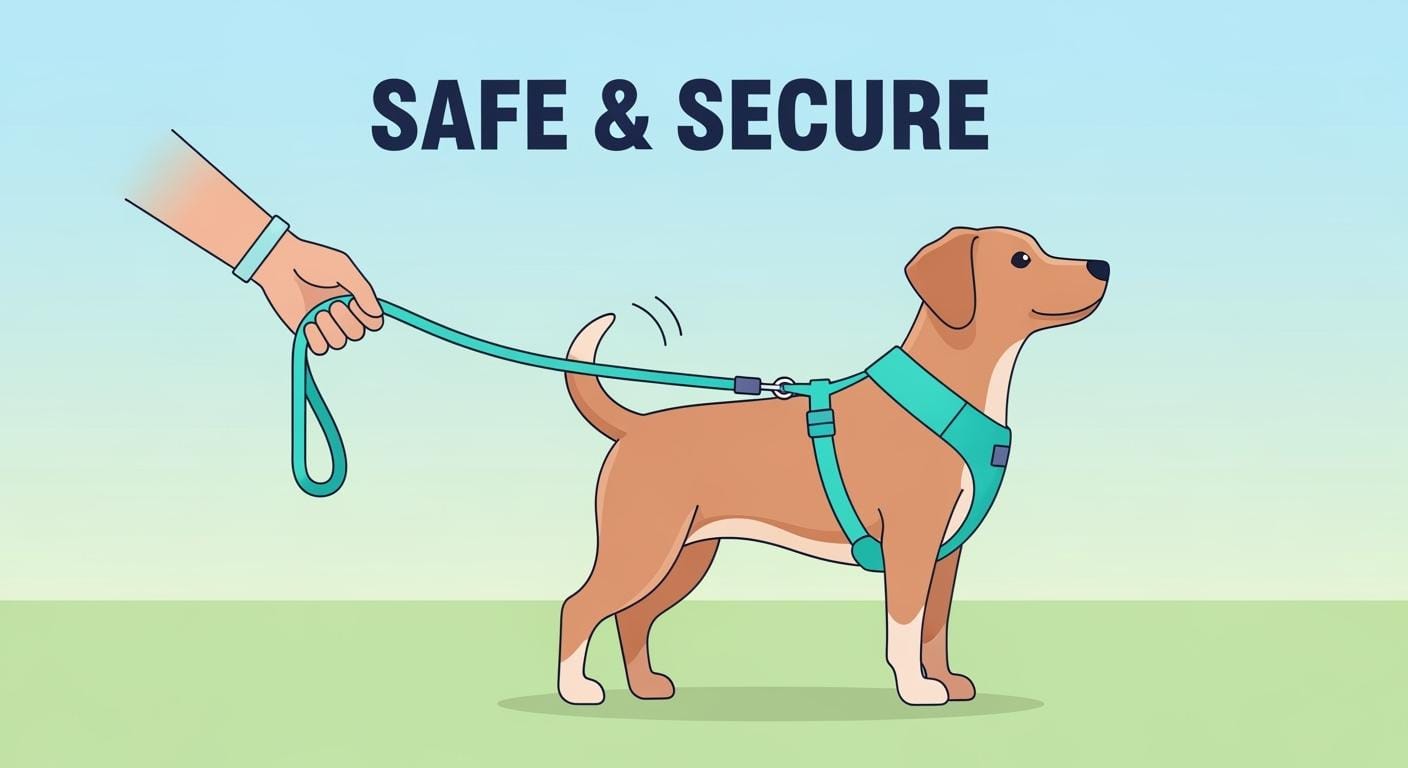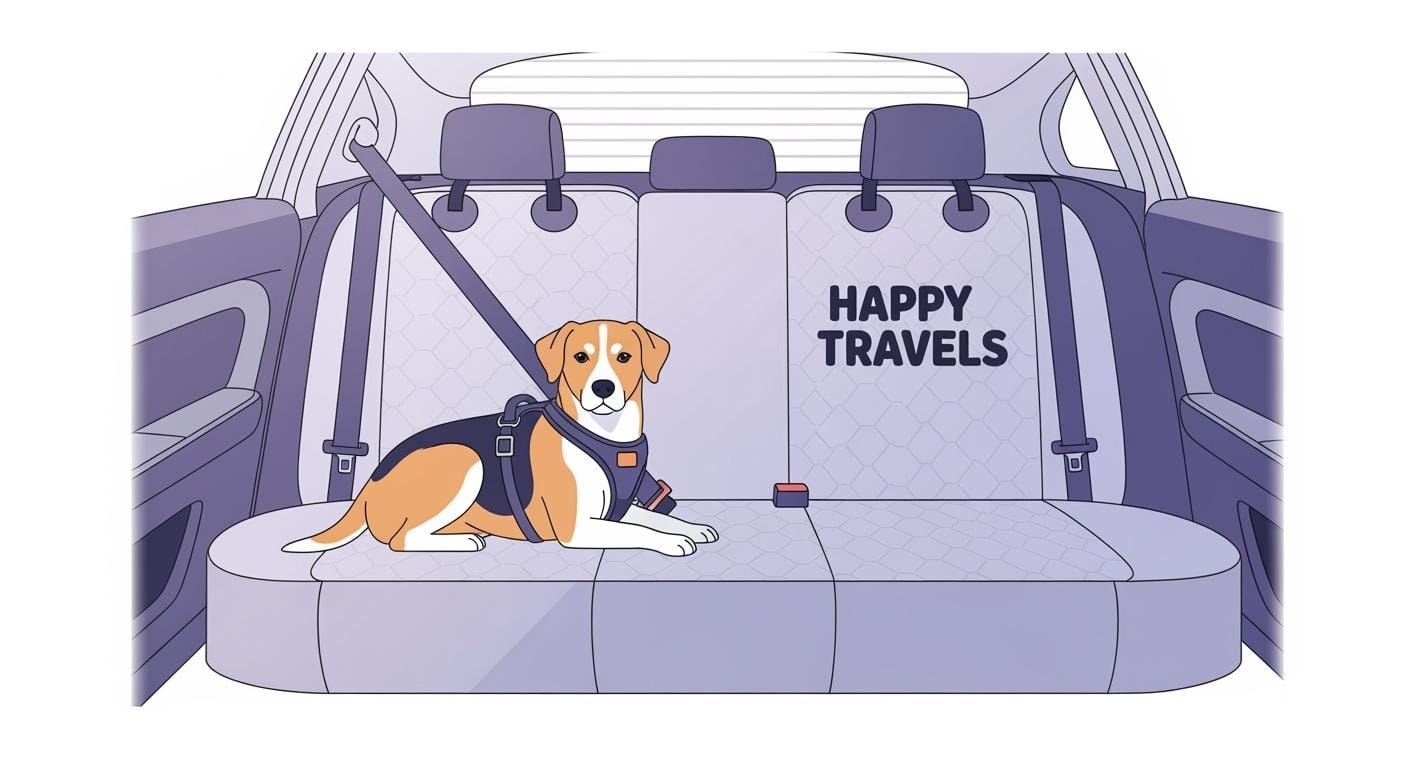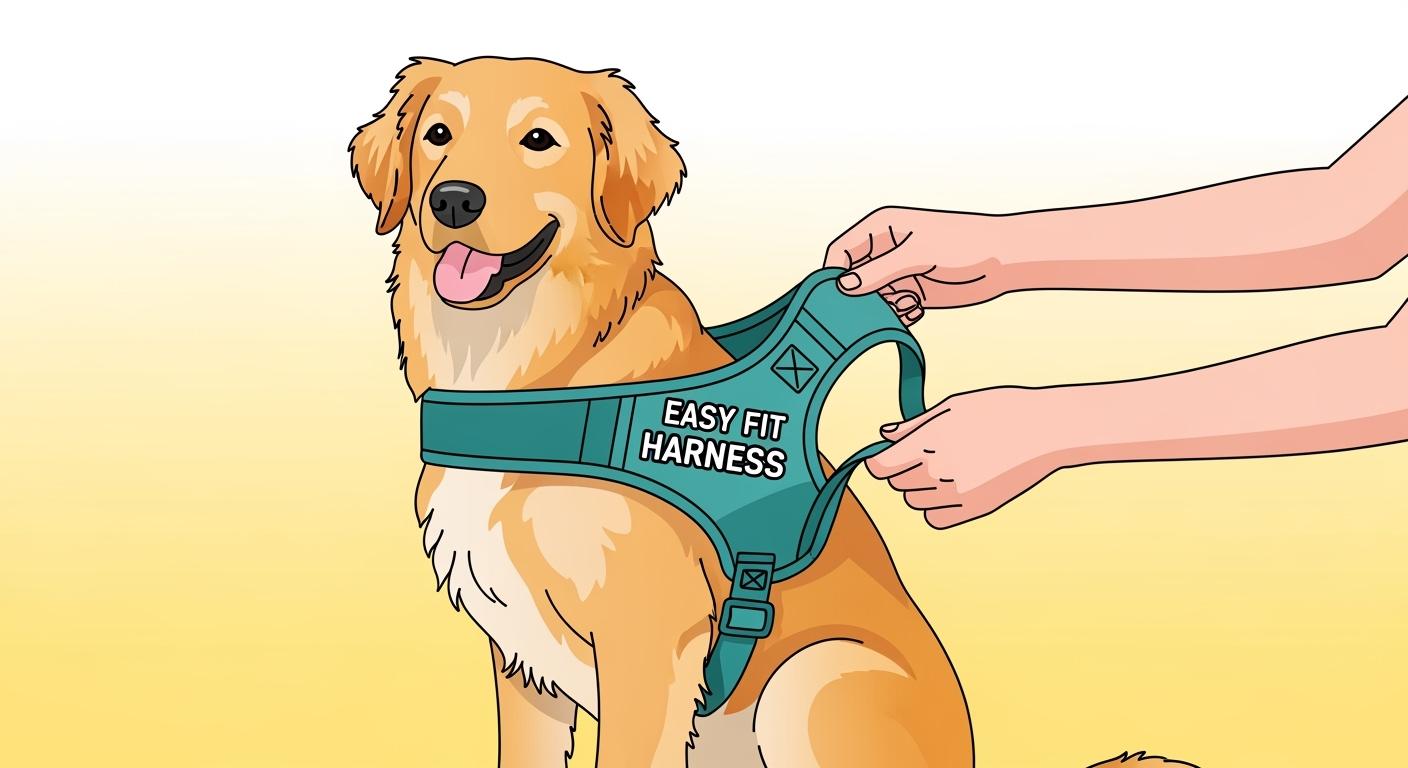
A dog harness carrier works best when it supports your dog’s body, stays balanced in use, and does not turn entry into a struggle. Before you focus on looks or labels, check how your dog sits inside, how the weight is supported underneath, and whether the opening makes loading calm and easy.
Tip: Check real fit with your own dog instead of relying on size labels alone.
Key Takeaways
- Choose a dog harness carrier that supports the chest and body without forcing a cramped posture.
- Look for easy entry, stable carry balance, and enough airflow so your dog can settle instead of bracing or leaning.
- Check fit, strap tension, and cleaning points regularly. A carrier that stays damp, tilts, or rubs will feel wrong fast.
Dog Harness Carrier Fit and Support
Body position and chest support
You want your dog to sit or stand in a natural position inside the carrier. The lower section should support the chest and underside instead of leaving the body to slump into the opening. A good fit keeps the back level, the hips supported, and the front legs from hanging in an awkward way. If your dog curls unnaturally, braces with the front legs, or leans hard to one side, the support is not working well enough.
Check the fit after your dog settles, not only at the moment of entry. Some carriers look fine at first, then start to sag or shift once your dog’s weight fully loads into the base.
Entry and exit ease
Entry should feel controlled, not forced. A carrier with a wide opening or more than one access point usually makes loading easier, especially for nervous dogs or dogs that dislike being lowered into a narrow opening. You should be able to guide your dog in calmly without twisting the body, squeezing the shoulders, or rushing the process.
Features that often help with easier entry and exit:
- Side, top, or front access instead of a single narrow opening
- Wide openings that stay open while you load the dog
- Smooth zippers or buckles that do not snag fur
- A lower step-in height when the carrier is used close to the ground
Signs of poor fit or balance
Watch your dog for slumping, twisting, leaning, or repeated repositioning. Those are common signs that the carrier is not balancing the body correctly. You should also check for pressure at the chest, rubbing near the legs, and any tendency for the carrier to tilt when lifted. If your dog tries to climb out, pants heavily without obvious heat, or cannot settle after a short trial, the setup needs another look.
Problems with sizing, balance, dampness, and cleanup often show up together. A carrier that holds moisture in seams or padding can become uncomfortable quickly, especially if the support base already feels unstable.
| Problem area | What to watch for |
|---|---|
| Sizing | The carrier looks correct empty, but your dog slumps, leans, or cannot settle once fully inside. |
| Stability | The carrier tilts, swings, or shifts when you lift or walk. |
| Odor and dampness | Padding or seams stay wet after cleaning or light exposure to moisture. |
| Cleaning | Dirt, hair, or moisture collect in seams, corners, or fixed lining areas. |
Pass/fail checklist table
Use this checklist before longer use so you can catch fit and support problems early.
| Inspection item | Pass signal | Fail signal | Solution |
|---|---|---|---|
| Supported body position | Dog sits or stands normally with chest supported | Dog slumps, twists, or hangs into the opening | Re-adjust straps or try a better size or shape |
| Controlled entry and exit | Dog gets in or out calmly with light guidance | Dog resists, gets stuck, or needs forcing | Use a wider opening or different entry style |
| Stable balance while carried | Carrier stays level and close to the body | Carrier tilts, swings, or shifts under load | Rebalance the load and tighten support points |
| Comfort during use | Dog settles quickly and shows relaxed posture | Dog pants, whines, or keeps trying to get out | Check pressure points, airflow, and support |
| Post-use skin check | No red marks, sore spots, or trapped fur | Redness, rubbing, or pressure marks | Reduce pressure or switch to a softer build |
| Cleaning and drying | Carrier dries fully and feels fresh inside | Dirt stays trapped or padding stays damp | Clean seams carefully and air dry completely |
| Dog adaptation | Dog accepts the carrier again next time | Dog avoids or fears the carrier after use | Slow down the process and recheck fit |
Tip: A good fit should still look stable after your dog has settled, shifted, and been carried for a few minutes.
Key Features for Comfort and Safety
Support structure and carry balance
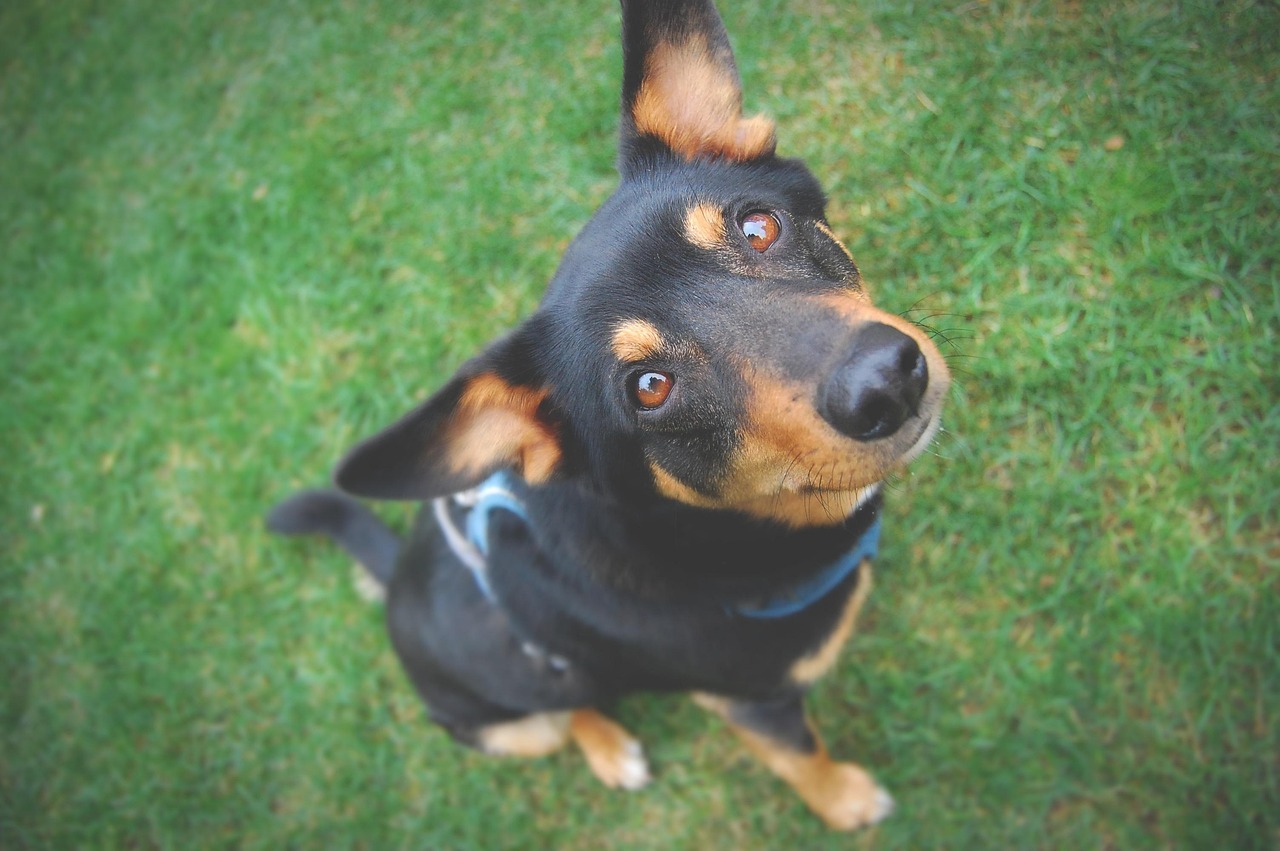
You want a carrier that keeps your dog steady. The support structure matters more than extra softness. The lower section should hold the body from underneath so the carrier feels level instead of sagging in the middle. Wider shoulder or hand-carry support can also spread weight more evenly and make the carrier feel steadier for you.
Opening shape matters too. If the opening collapses inward or lets the dog lean too far out, the carrier can feel less secure even when the body support looks decent on paper.
| Feature | Description |
|---|---|
| Body support | The lower section should hold the dog from underneath and help maintain a level position. |
| Strap balance | Wider or better-placed support spreads weight and reduces swing. |
| Opening shape | The opening should stay usable without collapsing or encouraging leaning. |
Tip: If the carrier feels fine empty but unstable once your dog is inside, the support structure needs another look.
Easy loading and adjustment points
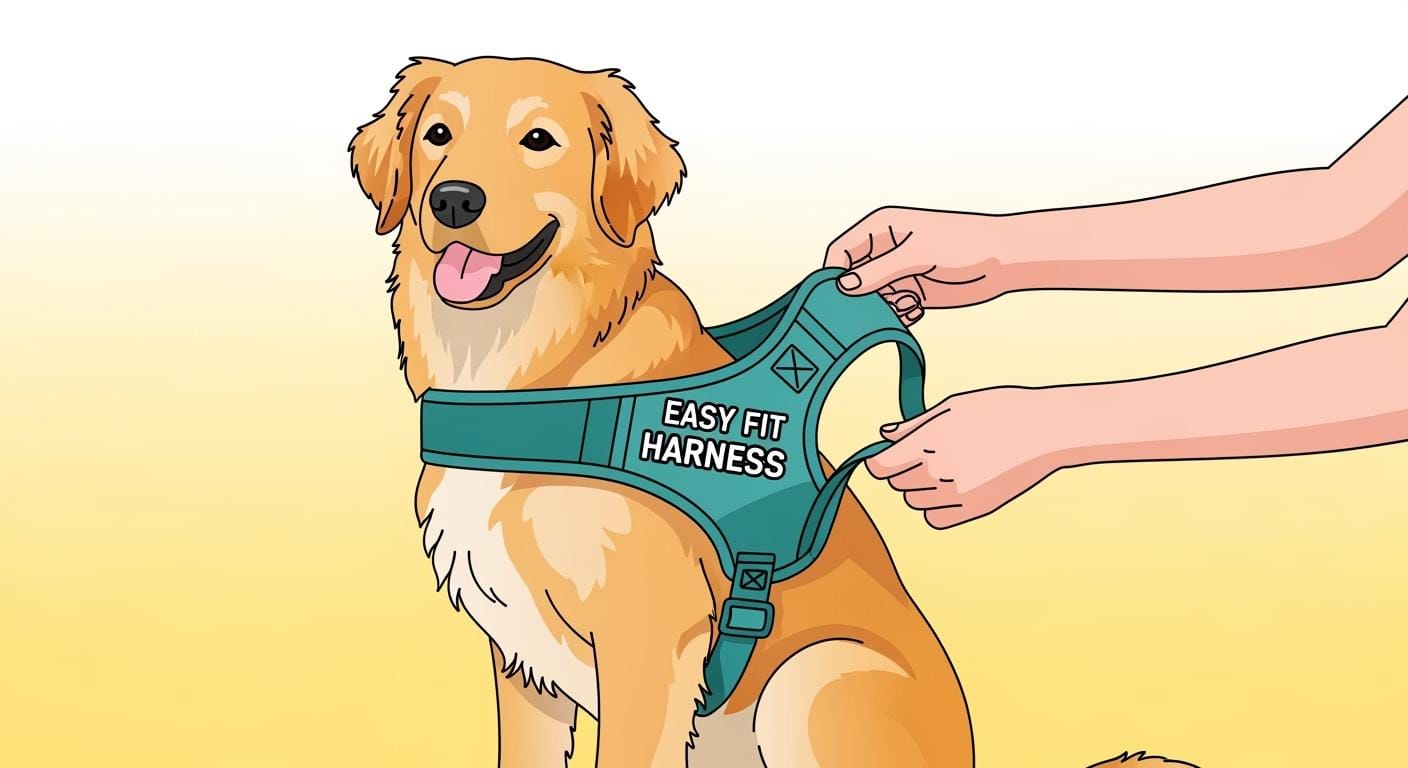
A good carrier lets you load your dog without turning the process into a struggle. Large openings, straightforward zippers, and adjustment points that actually hold tension all make a difference. Once your dog is inside, the carrier should feel snug enough to control movement without pressing too tightly across the chest or shoulders.
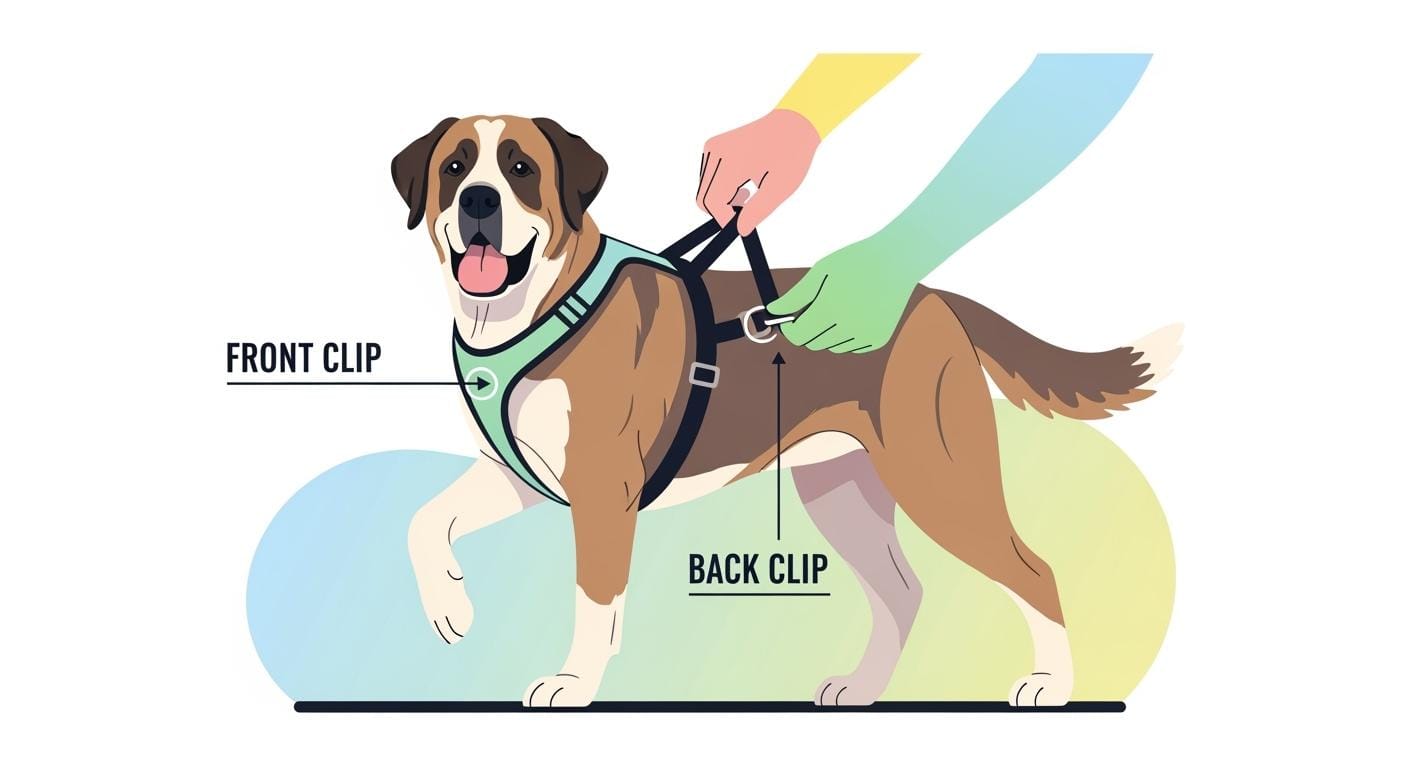
If the carrier has an internal tether, clip it to a harness rather than a collar. Check all closures and strap adjustments before each use, especially if the carrier has already been washed or folded for storage.
- Use the two-finger rule only as a quick check, not as the whole fitting method
- Check that adjustment points do not slip once weight is loaded
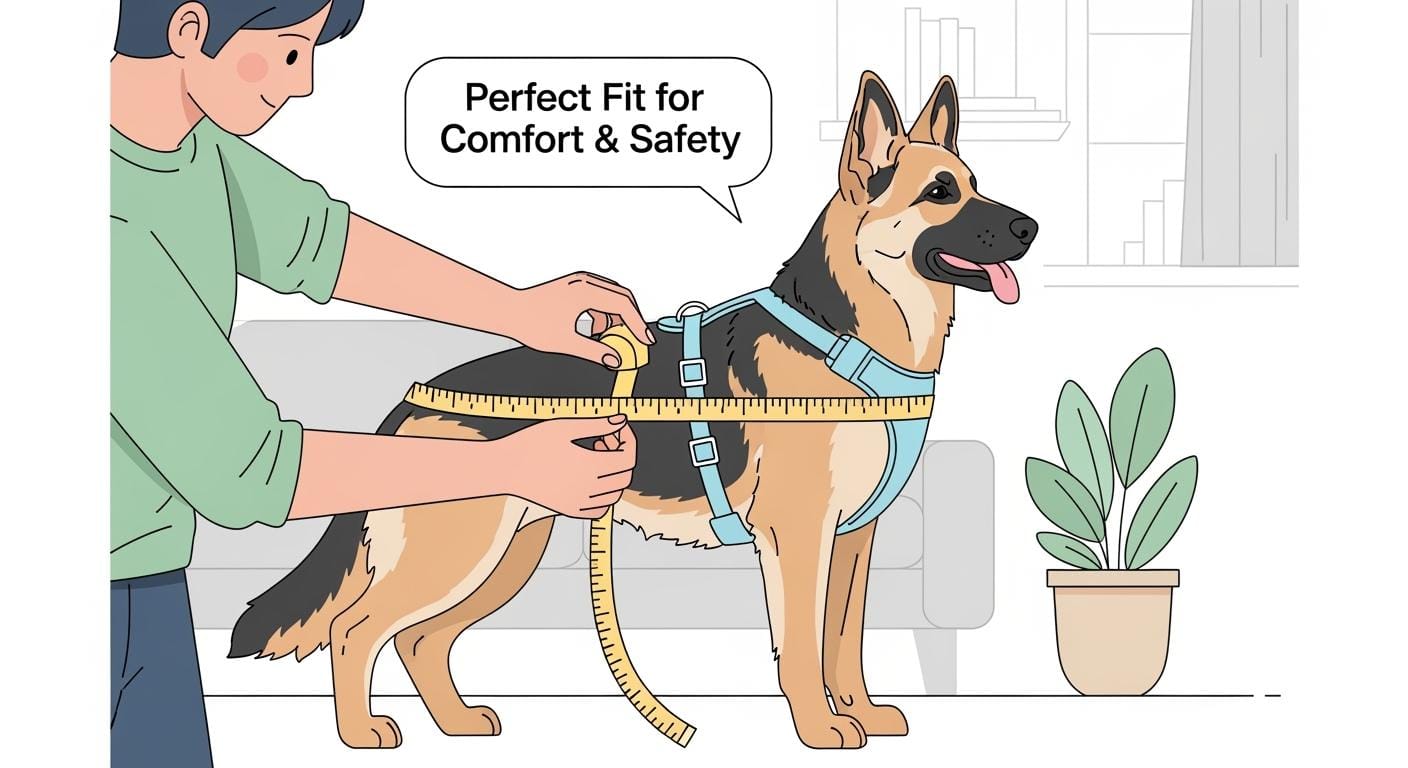
- Measure your dog before choosing a size
- Test all closures before real use
Note: Easy loading matters most when it stays easy after the carrier is adjusted and fully closed.
Comfort touch and cleaning
Comfort is not just about extra padding. Dense fabrics can trap heat, while rough seams or stiff panels can create rubbing. Mesh panels and smoother interior finishes usually feel better in longer use because they help airflow and reduce hot spots. Check the inside with your hand before you assume it will feel fine to your dog.
| Material type | Impact on irritation risk | Breathability effect |
|---|---|---|
| Dense fabrics | Can trap heat and feel heavier against the body | Usually lower airflow |
| Mesh panels | Help reduce heat buildup and clammy contact | Usually better airflow |
| Stiff panels | May rub if the carrier shifts or the fit is off | Can feel less forgiving in longer use |
Cleaning also affects comfort. Dirt trapped in seams, damp padding, or odor that lingers after washing will make the carrier less pleasant for both you and your dog. Shake out debris, wash gently, rinse thoroughly, and let the whole carrier dry before reuse.
- Shake out dirt and debris.
- Hand wash in warm water with mild soap.
- Rinse thoroughly.
- Air dry fully.
- Spot clean seams and corners if needed.
Tip: A carrier that dries fully after cleaning is usually easier to live with long term.
Comparison table
| Feature or type | Harness carrier | Backpack carrier | Sling carrier | Soft shell | Rigid support | Wide entry | Narrow entry |
|---|---|---|---|---|---|---|---|
| Body support | Usually close and body-led | Depends on base structure | Often lighter support | More flexible | More structured | Usually easier loading | Usually more controlled entry |
| Carry balance | Can feel even with good fit | May sway if base is soft | Can lean to one side | May shift more in motion | Usually steadier | Less struggle for many dogs | Can slow loading |
| Entry and exit | Varies by opening style | Often top loading | Usually side entry | Often more forgiving | May feel narrower | Faster for many dogs | May suit calmer dogs better |
| Comfort | High with correct fit | Can run warmer | May feel cozy but less supportive | Often more breathable | Often firmer | Usually less stressful to enter | May feel more enclosed |
| Cleaning | Depends on liner access | Can trap fur in corners | Often fewer seams | Usually simpler | May need spot cleaning | Fewer tight mess zones | Can collect more dirt around edges |
| Safety feel | High with good support | Lower if loose or top-heavy | Lower if the body leans | Depends on structure | Higher if well balanced | Less entry struggle | Less margin if the opening feels tight |
Troubleshooting table
| Symptom | Possible cause | Quick check | Solution |
|---|---|---|---|
| Dog slumps or twists | Poor support or bad balance | Check body position once fully loaded | Re-adjust or switch to a steadier design |
| Dog resists entry | Opening is awkward or too small | Compare entry space to body width | Use a wider or better-shaped opening |
| Carrier tilts when lifted | Uneven weight distribution | Lift and watch for lean | Rebalance the load or adjust straps |
| Dog pants or whines | Heat buildup or irritation | Check lining, seams, and airflow | Use more breathable materials or stop use |
| Carrier smells bad | It did not dry fully after cleaning | Touch and smell inside padding or seams | Air dry completely before reuse |
| Straps slip or loosen | Weak adjustment hold | Pull firmly on support points | Retighten or replace worn parts |
| Dog slips out | Fit is too loose | Check security after the dog settles | Fix fit or choose the correct size |
Alert: Small fit problems tend to show up faster once the carrier is lifted and moving.
When to Use a Dog Harness Carrier and When Not To
Best uses: errands, short transfers, nervous dogs
A dog harness carrier can make sense for short errands, brief transfers, or dogs that feel calmer when they stay close to you. It can also help when the goal is controlled movement through busy areas rather than long, continuous carrying. The best results usually come when the dog already accepts the carrier and the load stays light enough to manage comfortably.
Tip: Pay attention to how your dog settles once the carrier is fully on and moving, not only when you first put it on.
Alternatives: backpack, sling, hand carrier, crate
Other carrier styles may suit some dogs better. Use the table below to compare the tradeoffs.
| Type of carrier | Advantages | Disadvantages |
|---|---|---|
| Dog backpack | Keeps hands free and can work well for short active use | May run warm or feel less stable if the base is soft |
| Dog carrier sling | Keeps the dog close and is easy to grab for short use | Often gives less structured support |
| Hand carrier | Simple to load and often easier to set down safely | Can feel bulky and uses one hand or both |
| Crate | Usually offers the most structured enclosure and stable boundaries | Heavier, bulkier, and less convenient for short in-and-out use |
Pick the option that best matches your dog’s size, tolerance, and the amount of time they actually need to stay inside.
Common mistakes to avoid
People often make the same errors with a dog harness carrier:
- Trusting size labels without checking real fit
- Focusing on extra padding while ignoring support structure
- Choosing a style that is easy for the person but awkward for the dog
- Ignoring heat buildup, posture, or rubbing in longer use
- Using a harness carrier when a crate, sling, or backpack would suit the dog better
Main risks include overheating, poor posture, escape, rubbing, and stress from a carrier that feels unstable or too enclosed. Stop and reassess if your dog looks tense, keeps readjusting, or cannot settle.
Alert: Do not keep using the carrier just because the size label looks correct. Your dog’s real posture and comfort matter more.
You need to think about fit, support, comfort, and ease of use together. A good dog harness carrier should support the body, feel stable in motion, clean up without trouble, and let your dog enter without a fight.
| Key aspect | Explanation |
|---|---|
| Structure over padding | Extra softness does not replace real body support. |
| Usable closures | Openings, zippers, and clips should stay easy to use once adjusted. |
| Carry comfort | The carrier should feel steady for both you and your dog. |
| Testing before regular use | Short trial use helps you catch tilt, rubbing, or entry problems early. |
| Dependability after cleaning | A good carrier should still feel stable after washing and drying. |
- Check body support instead of relying on padding alone.
- Make sure the carrier stays balanced when lifted and moving.
- Keep entry simple enough that your dog does not fight the process.
- Recheck fit and condition often.
FAQ
How do you check if your dog feels comfortable in a harness carrier?
Watch for calm breathing, relaxed posture, and quick settling. If your dog keeps leaning, twisting, or trying to get out, recheck the fit and support.
Can you use a harness carrier for every dog size?
No. Measure your dog first and compare that to how the carrier actually supports the body. Some carriers work better for smaller dogs or lighter loads.
What should you do if your dog resists entering the carrier?
Slow the process down, use treats, and recheck the opening size and strap placement. If entry still feels awkward, try a style with easier access.