dog cot selection comes down to choosing the right features for your pet. You want to pay for comfort and support, but skip extras that do not match your dog’s habits. Look at your dog’s size, age, and activity level before you buy any cot. Many pet owners regret buying a dog cot that slides, sags, or takes too long to clean. For serious mobility or pain concerns, always ask your vet for advice.
Key Takeaways
Choose a basic dog cot for calm pets that stay indoors. It saves money and meets their needs without extra features.
Opt for premium cots if your dog is active or large. Stronger materials and better support prevent sagging and ensure comfort.
Always check the cot’s stability and surface tension before buying. A stable frame keeps your dog safe and comfortable.
Inspect the cot regularly for signs of wear. Look for fraying, sagging, or wobbling to ensure your pet’s safety.
Match the cot’s features to your dog’s habits. This helps you avoid unnecessary costs and keeps your pet happy.
Basic vs Premium: Quick Answer
When a basic dog cot is enough
You can choose a basic dog cot if your pet rests quietly, does not jump on and off often, and stays indoors. A basic cot gives your dog support and keeps them off cold or hard floors. You do not need extra features if your pet does not shed much or get dirty often. Cleaning is simple with a basic cot because you can wipe the surface or use a vacuum. If your pet is small or gentle, the frame and fabric will last longer. You save money and avoid paying for features your dog will not use.
Tip: Always check the frame and surface for wobble or sag before buying. This helps you avoid common regrets like sliding or sagging.
When premium features help
Premium features help when your pet is active, large, or spends many hours on the cot. If your dog jumps, runs, or chews, you need stronger support and better quality materials. Premium cots often have reinforced frames, tighter fabric, and easier cleaning options. These features protect against sag and wobble. If your pet sheds, drools, or tracks in mud, premium cleaning features save you time. You may want extra comfort if your dog rests for long periods. Premium portability helps if you move the cot often or travel with your pet.
Safety for chewers and jumpers
Active pets need extra safety. If your dog chews or jumps, look for a cot with secure joints and strong fabric. A stable frame prevents slips and falls. Tight surface tension keeps your pet supported and comfortable. Check for fraying or loose parts after each use. Replace the cot if you see bending, sagging, or sliding. Safety matters most for pets that move a lot.
Guidance: Use this table to match your pet’s habits with the right cot features before you buy.
You can avoid most regrets by checking for sliding, sagging, and cleaning effort before you choose. Upgrade stability first if your dog moves a lot. Upgrade cleaning features if your pet gets messy. Upgrade comfort if your dog rests for long periods. Upgrade portability only if you move the cot often.
Reminder: Always inspect the cot after use for fraying, bending, or sagging. This keeps your pet safe and comfortable.
Dog Cot Feature Checklist (Basic vs Premium)

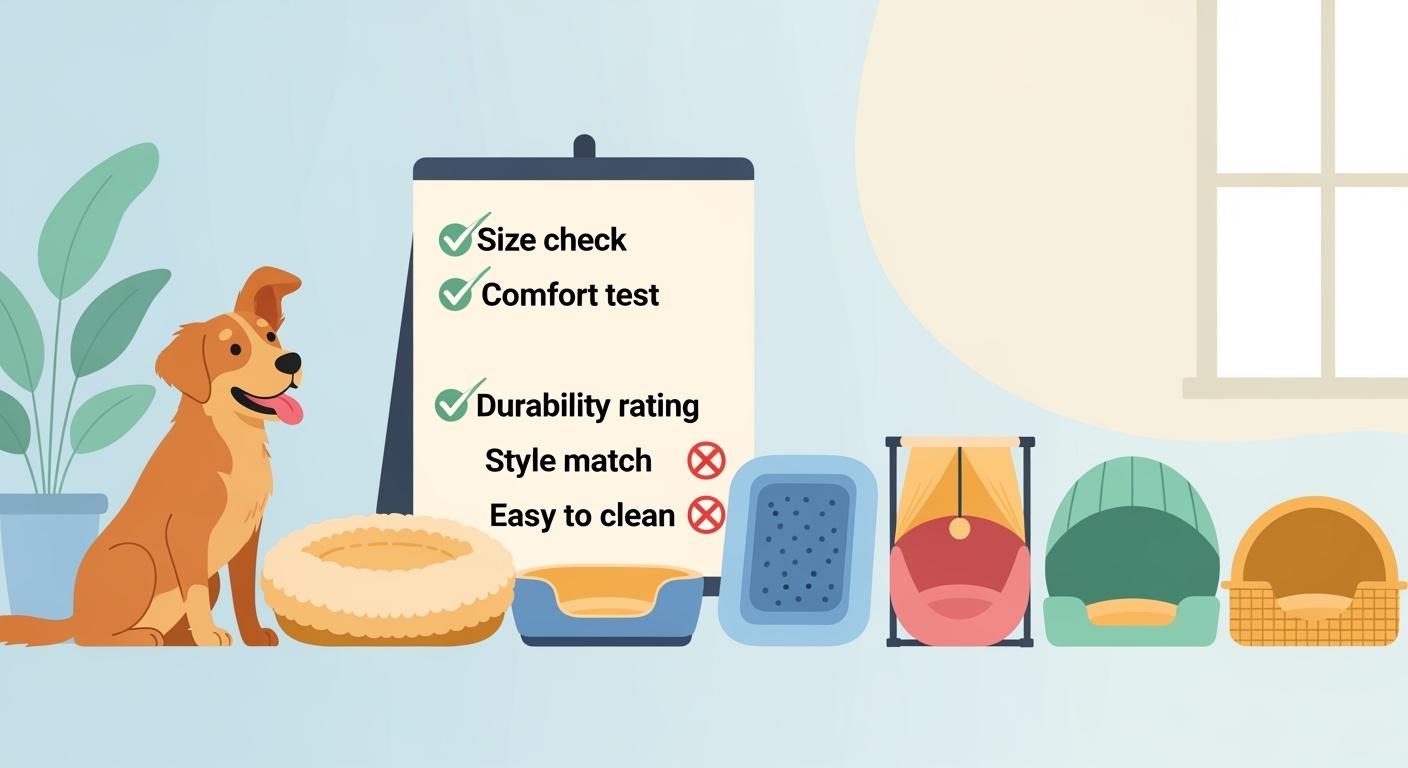
Choosing the right dog cot for your pet means looking at each feature and how it affects daily use. You want to make sure your dog gets the support and comfort they need, while you avoid common problems like sagging, wobble, or cleaning hassles. Use this checklist to compare basic and premium options before you buy.
Frame stability and wobble
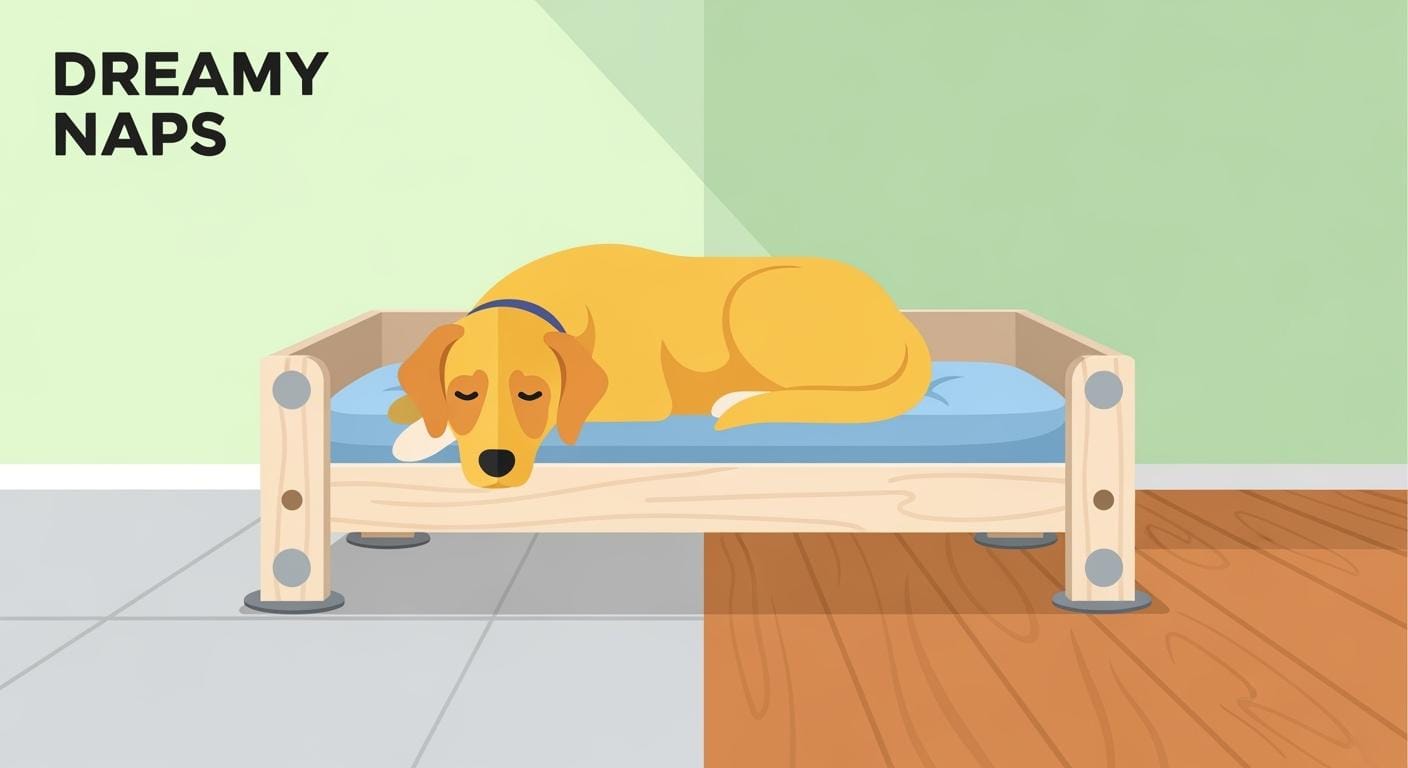
A stable frame keeps your dog safe and confident when they step on or off the cot. Basic cots often use simple frames that work well for calm pets. If your dog jumps, runs, or is large, you may notice the frame shifts or wobbles. Premium features like reinforced joints or non-slip feet add extra stability. Always check the frame by giving it a gentle push. If it moves or feels loose, your pet may not feel secure. Wobble can lead to sliding, which makes some dogs avoid the bed.
Help tip: Test the frame in the store or after setup at home. If you see bending or hear creaking, consider a sturdier option for your pet’s safety.
Surface tension and sag
The surface of the dog cot should stay tight and even. Basic cots use simple fabric stretched across the frame. Over time, this fabric can lose tension and start to sag. Sag reduces support and may change your dog’s posture. Premium cots often use stronger fabric or extra tensioning systems. If your dog is heavy or likes to dig, sagging can happen faster. Press down on the surface before buying. If it dips too much, look for a model with better support. After use, check for fraying or thinning spots. These are signs you may need to replace the cot.
Guidance: If your pet spends many hours on the cot, upgrade to a surface that resists sag and keeps its shape for lasting comfort.
Portability and travel setup
If you move your dog cot often or take it on trips, portability matters. Basic cots may be heavier or harder to fold. Premium features can include lighter frames, quick-fold designs, or carrying handles. Think about how often you travel with your pet. If you only use the cot at home, you may not need extra portability. For camping or outdoor use, choose a cot that sets up quickly and packs away easily. Always check that the frame locks securely after setup to keep your dog safe.
Help tip: Before your first trip, practice folding and unfolding the cot. Make sure all joints snap into place and the surface stays tight.
Cleaning effort and durability
Cleaning is important for every pet owner. Basic cots usually have a simple fabric surface that you can wipe down. If your dog sheds, drools, or gets muddy, cleaning can become a chore. Premium features may include removable covers or fabrics that resist stains and odors. Look for surfaces that dry quickly and do not trap hair. Durability also matters. Check for strong stitching and tough fabric. After each use, inspect for fraying, seam separation, or thinning. These signs mean the cot may not last much longer.
Guidance: Choose a cot with easy-clean features if your pet is messy or if you use the bed outdoors. This saves you time and keeps your dog’s space fresh.
Quick Inspection Checklist:
Frame: Push gently to check for wobble or bending.
Surface: Press to test for sag or uneven spots.
Joints: Make sure all connections feel tight and secure.
After use: Look for fraying, sliding, or fabric thinning.
A quality dog cot gives your pet support, comfort, and a safe place to rest. Use this checklist to spot early signs of wear and know when to upgrade. Your attention to these details helps your dog stay happy and secure.
Quick Decision Guide by Use Case
Picking the right dog cot depends on how your pet uses it. You need to match the cot’s features to your dog’s daily life. This guide helps you find the best dog beds for each situation.
Best dog beds for home use
At home, your dog should feel calm and supported. The best beds for home are comfy, strong, and easy to clean. Memory foam dog bed surfaces spread your dog’s weight evenly. Pick a cot with a wide opening so your dog can get on and off easily. Make sure the bed is big enough for your dog to stretch out. Waterproof covers protect the bed from accidents and make cleaning easy. Dense foam gives extra support for everyday use.
Feature | Description |
|---|---|
Materials and support | Dense memory foam dog bed for comfort and even pressure distribution |
Comfort and support | Your dog should appear relaxed and comfortable while resting |
Ease of entry | Lower profile and wide entry for easy access |
Durability | Quality beds withstand wear and tear, with waterproof covers |
Water resistance | Easy to clean and handle hygiene issues |
Sizing | Slightly larger than your dog’s length for stretching out |
Tip: Always check for sagging or wobble before you buy. This helps your dog feel safe and happy.
Product Type | Price Range |
|---|---|
Molly Mutt Bed | $25.00 – $75.00 |
Dog Loungers | From $89.99 |
Cooling pet beds for travel
Travel can make your dog hot and tired. Cooling pet beds help your dog stay cool on trips. Pick cooling mats or raised cots with surfaces that let air flow. These beds let air move under your dog and keep them cooler. Light frames make it easy to set up the bed. Cooling features are most important in hot weather or summer. Always secure the cot in your car so it does not slide.
Cooling mats and raised cots let air flow
Light and easy to carry for travel
Quick to set up and safe frame
Cooling surfaces help stop heatstroke
Guidance: Practice setting up the cot before your trip. This keeps your dog cool and safe.
Outdoor and camping needs
Outdoor use needs strong and cool beds. The best camping beds have raised frames to keep your dog off the ground. Cooling surfaces help your dog stay comfy in the sun. Pick a cot with tough fabric and strong joints. Look for water-resistant materials to handle mud and rain. If you move the cot a lot, pick one that is easy to carry.
Raised design keeps your dog dry and cool
Tough fabric stands up to outdoor use
Water-resistant surfaces are easy to clean
Strong joints and steady frame for safety
Note: Always check the cot after outdoor use for fraying or sagging. This keeps your dog safe.
Senior or recovering dogs
Older dogs need more comfort and support. The best beds for seniors have orthopedic dog bed features like memory foam dog bed surfaces. These beds help your dog rest well. Pick a cot with a low height so your dog can get on easily. Water-resistant covers make cleaning simple. Cooling features help stop your dog from getting too hot. Do not use high beds that are hard for your dog to climb.
Orthopedic dog bed surfaces give gentle support
Low entry makes it easy for your dog to get on
Water-resistant and easy-to-clean covers
Cooling features add comfort
Help tip: Check the bed often for sagging or thin spots. Replace the cot if you see damage.
Help-Oriented Guiding Statement
Use this guide to match your dog’s needs with the right features. Always check your dog’s bed for safety and comfort. Pick a cot that fits your budget and daily life.
Common Mistakes and Safety Tips
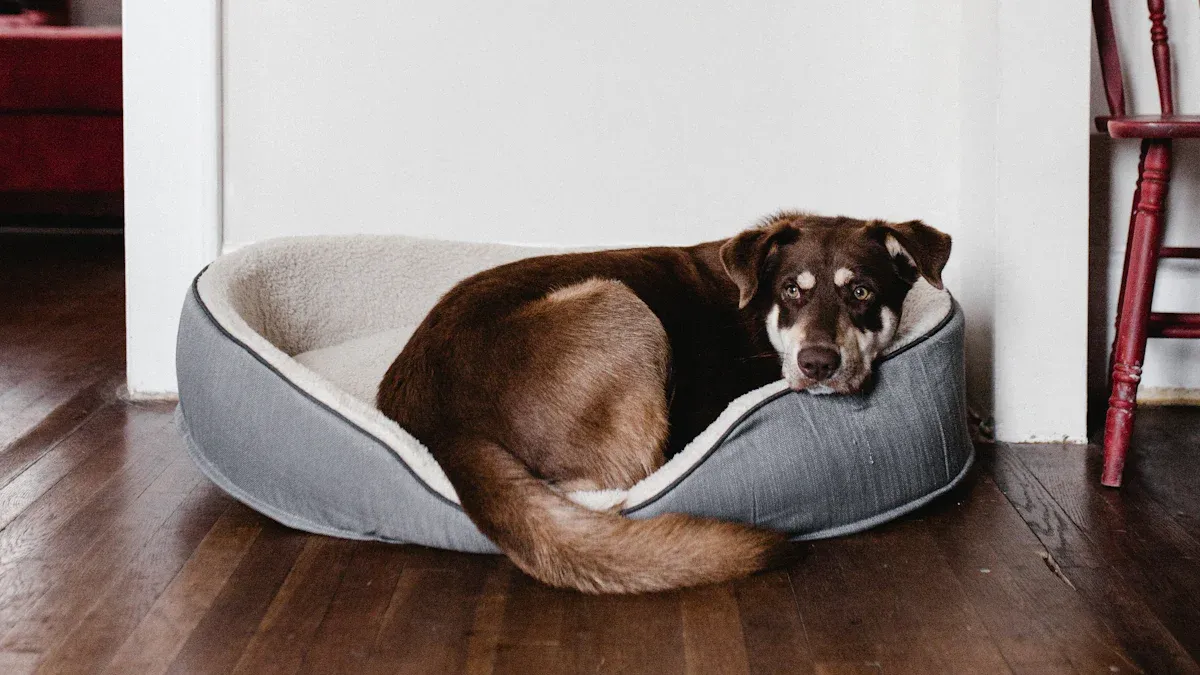
Choosing the right dog cot for your pet can feel tricky. You want to avoid wasting your budget and keep your dog safe. Many pet owners make simple mistakes when picking the best dog beds. You can learn from these and make smarter choices.
Paying for unnecessary features
You might pay for features your dog never uses. Some cots have extra cooling layers or fancy covers, but your pet may not need them. If your dog rests quietly indoors, skip heavy-duty frames or advanced cooling. Focus on comfort and support that match your dog’s habits. Always check if the orthopedic dog bed or memory foam dog bed features fit your pet’s needs before spending more.
Common mistakes to avoid:
Buying a cot with too many add-ons.
Choosing a size that does not fit your dog.
Ignoring your pet’s daily habits.
Overpaying for cooling features if your dog stays indoors.
Picking a cot with hard-to-clean surfaces.
Forgetting to check durability and support.
Help tip: Match your budget to your dog’s real needs. You save money and keep your pet happy.
Missing key safety details
Safety matters most for active pets. You must check the frame for wobble and the surface for sag. Loose joints or fraying fabric can cause slips or falls. Elevated beds need strong support and tight surfaces. Always inspect for sliding, bending, or thinning spots after use.
Safety tips:
Test the frame for stability.
Check surface tension for sag.
Look for fraying or seam separation.
Make sure joints feel secure.
Avoid cots with sharp edges.
Use water-resistant covers for easy cleaning.
Pick cooling surfaces for hot weather.
Replace beds with damage or wear.
Safety reminder: Regular checks help prevent accidents and keep your dog comfortable.
Travel and elevated bed do not list
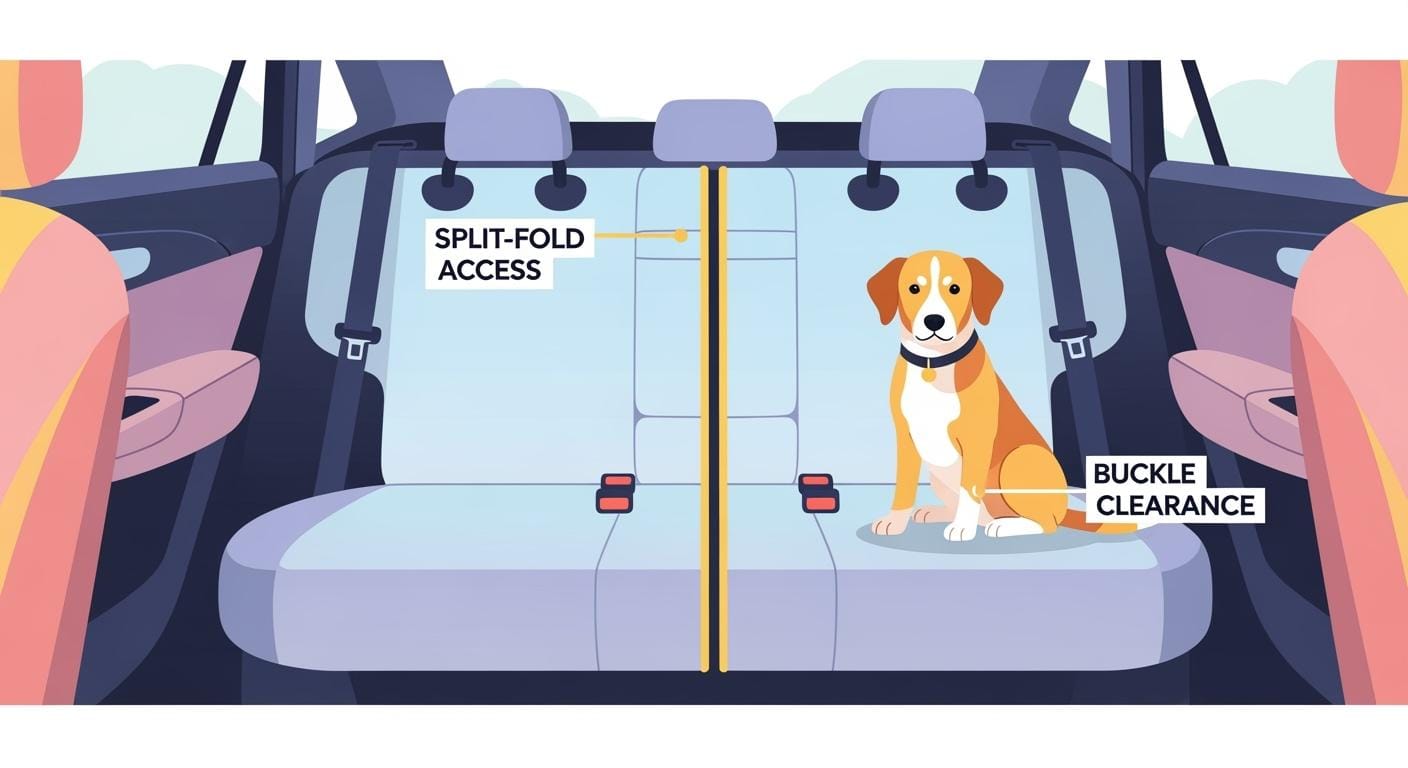
Travel and outdoor use need special care. Never use a dog cot in a moving car without securing it. Elevated beds must sit on flat ground. Do not place the cot near stairs or sharp objects. Avoid using damaged beds for travel. Always pack easy-clean covers and cooling mats for trips.
Do not list:
Do not ignore setup instructions.
Do not use broken frames.
Do not skip cleaning after outdoor use.
Do not leave pets unattended on unstable beds.
Help tip: Practice setting up your cot before travel. This keeps your pet safe and cool.
Replace vs repair signals
You need to know when to replace or repair your pet’s bed. Look for signs like sagging, wobble, or thinning fabric. If you see fraying, seam separation, or sliding, consider a new bed. Repair small tears quickly to keep support and comfort. Replace the bed if your dog hesitates to use it or if you notice posture changes.
Guiding statement: Regular inspection helps you spot problems early and protect your dog’s comfort and safety.
You want your pet to have a dog cot that gives comfort and support without wasting your budget. Pay for strong frames, easy cleaning, and features your pet uses every day. Skip extras your dog does not need. Use the checklist to match your pet’s habits with the right cot. Check your current dog bed for sag or wobble. Make sure your pet feels safe and happy.
Tip: Review your pet’s needs before buying a new dog cot.
FAQ
What features should you check before buying a dog cot?
You should check frame stability, surface tension, and cleaning effort. Test the frame for wobble. Press the surface to check for sag. Look for easy-clean fabrics. Make sure the size fits your dog. Inspect joints and fasteners for security.
Is it worth paying for premium dog beds?
Premium beds offer stronger frames, better cleaning options, and extra comfort. You should pay for these if your dog is active, large, or uses the bed daily. If your pet is calm and stays indoors, a basic cot may be enough.
How can you prevent a dog cot from sliding?
Place the cot on a non-slip mat or choose a model with rubber feet. Test the bed by gently pushing it. Make sure the feet grip the floor. Avoid placing the cot on smooth surfaces that increase sliding risk.
Safety tip: Always check for sliding before letting your dog use the cot.
What makes a dog bed easy to clean?
Easy-clean beds use removable covers or fabrics that resist stains and odors. You should look for surfaces that dry quickly and do not trap hair. Wipe the bed regularly and inspect for dirt or damage after outdoor use.
When should you replace your dog’s cot?
Replace the cot if you see sagging, wobble, fraying, or thinning fabric. If your dog hesitates to use the bed or you notice posture changes, consider a new one. Regular inspection helps you spot problems early and keep your pet safe.
Guiding statement: Check your dog’s cot often to protect comfort and safety.
Checklist for Replacement Signals |
|---|
Sagging surface |
Wobble or loose frame |
Fraying or seam separation |
Sliding or hesitation to use |