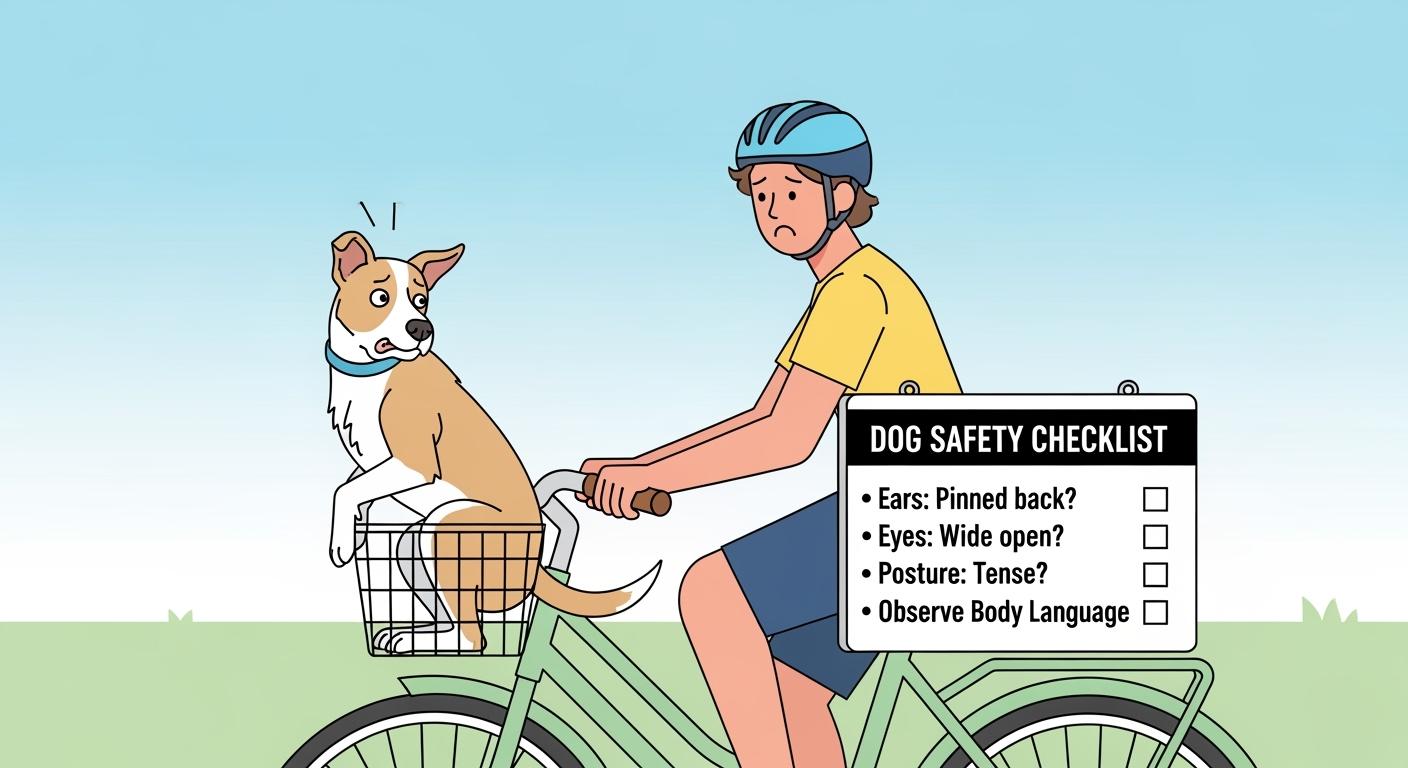
The safest way to tell whether your dog is okay is to watch for stress signals and danger signs that mean you should stop. Use the checklist below to decide what you’re seeing—then choose the safest next step.
You need to watch your dog closely during any dog carry bike activity. Look for signs like trying to run away, not moving, heavy drooling, or getting too hot. These signs mean your dog needs help now. Use a checklist and think about how your dog acts, its body language, and what is happening around you. Every dog acts in its own way, so always pick safety first.
Key Takeaways
- Always watch your dog’s body language for stress signs like heavy drooling, freezing, or trying to get away. These signs mean your dog needs help right away.
- Use the FAS grading system to check how your dog feels. Stop the activity if your dog gets to FAS 3 or higher. This will help prevent serious stress.
- Pick the best carrying option for your dog based on its size and personality. A good fit helps your dog stay calm and safe during rides.
- Watch out for things like loud noises and new places that can make your dog more stressed. Change your plans if needed to keep your dog comfortable.
- Always bring a first aid kit and water with you. If your dog gets too hot or upset, stop the activity and help your dog right away.
Critical Stress Signals in Dog Carry Bike and Hiking
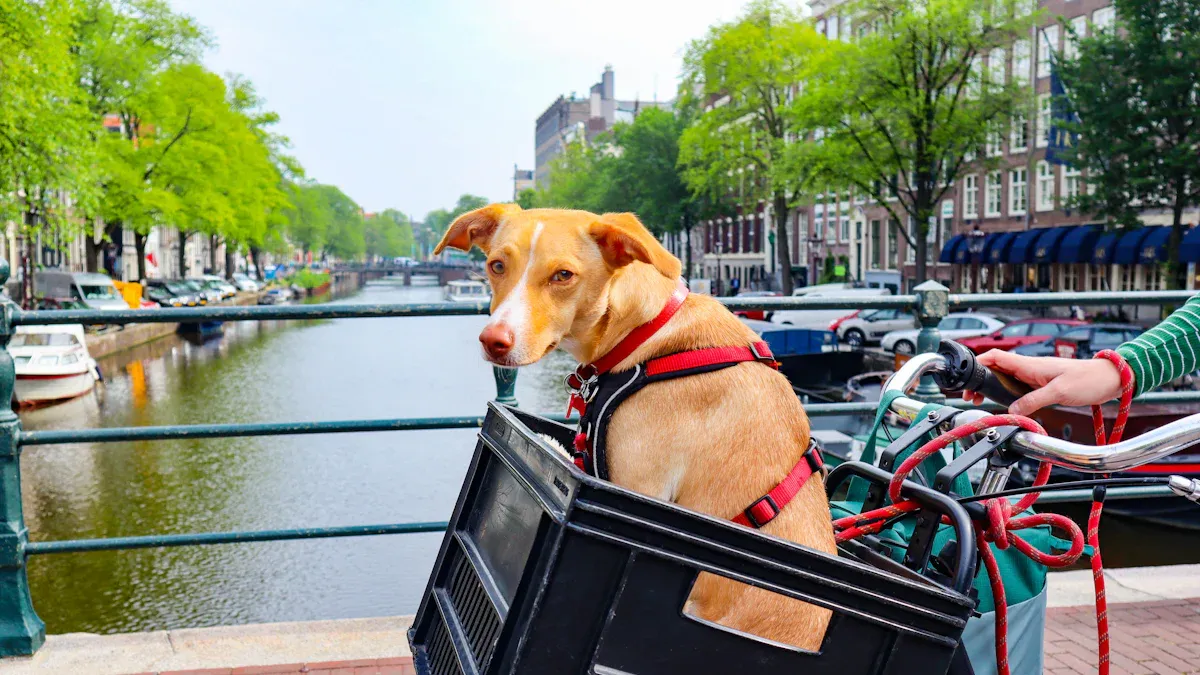
Before you start any ride, you need to know how each dog carry option affects your dog’s comfort and safety. The table below compares four common ways to carry your dog on a bike. You can use this as a quick guide to pick the best fit for your dog’s needs and to lower stress.
| Option | Best for | Pros | Cons | Notes (Stress & Safety) |
|---|---|---|---|---|
| Front Carrier | Small, calm dogs | Easy to watch your dog; quick access | Less stable; more bump transfer | Good visibility; may cause more stress on rough roads |
| Rear Rack Basket | Small-medium, relaxed | Stable; less handlebar impact | Harder to see dog; entry less direct | Less visibility; check for stress often |
| Bike Trailer | Medium-large, nervous | Very stable; smooth ride; roomy | Less interaction; heavier to pull | Lower stress for sensitive dogs; best for long rides |
| Backpack Carry | Hiking, short rides | Close contact; easy to carry off bike | Limited space; can get hot quickly | Watch for heat stress; use for short segments only |
FAS Grading: Stress Levels Explained
You can use the FAS (Fear, Anxiety, Stress) grading system to understand your dog’s comfort during a dog carry bike ride. This system helps you decide when to keep going and when to stop.
- FAS 0-1: Your dog feels relaxed or only a little concerned. You see a loose body, soft eyes, and your dog takes treats. Your dog recovers quickly from small surprises.
- FAS 2: Your dog shows clear stress signals. You may notice lip licking, yawning, or ears pinned back. Your dog can still respond if you pause and give comfort.
- FAS 3: Your dog cannot recover from stress. You see freezing, frantic movement, or escape attempts. You must stop the dog carry bike ride and help your dog feel safe.
- FAS 4-5: Your dog shows severe fear or distress. You see panic, repeated vomiting, or heat emergency signs. You must end the session and reassess your plan.
You should always stop if your dog reaches FAS 3 or higher. This keeps your dog safe and prevents bigger problems.
Immediate Danger Signs: When to Stop
You must watch for danger signals during every dog carry bike or hiking activity. These signs mean you need to stop right away:
- Your dog tries to escape or thrashes in the carrier.
- Your dog freezes with a stiff body or shows panic.
- Your dog vomits or drools a lot and looks distressed.
- Your dog pants heavily, drools, or collapses from heat.
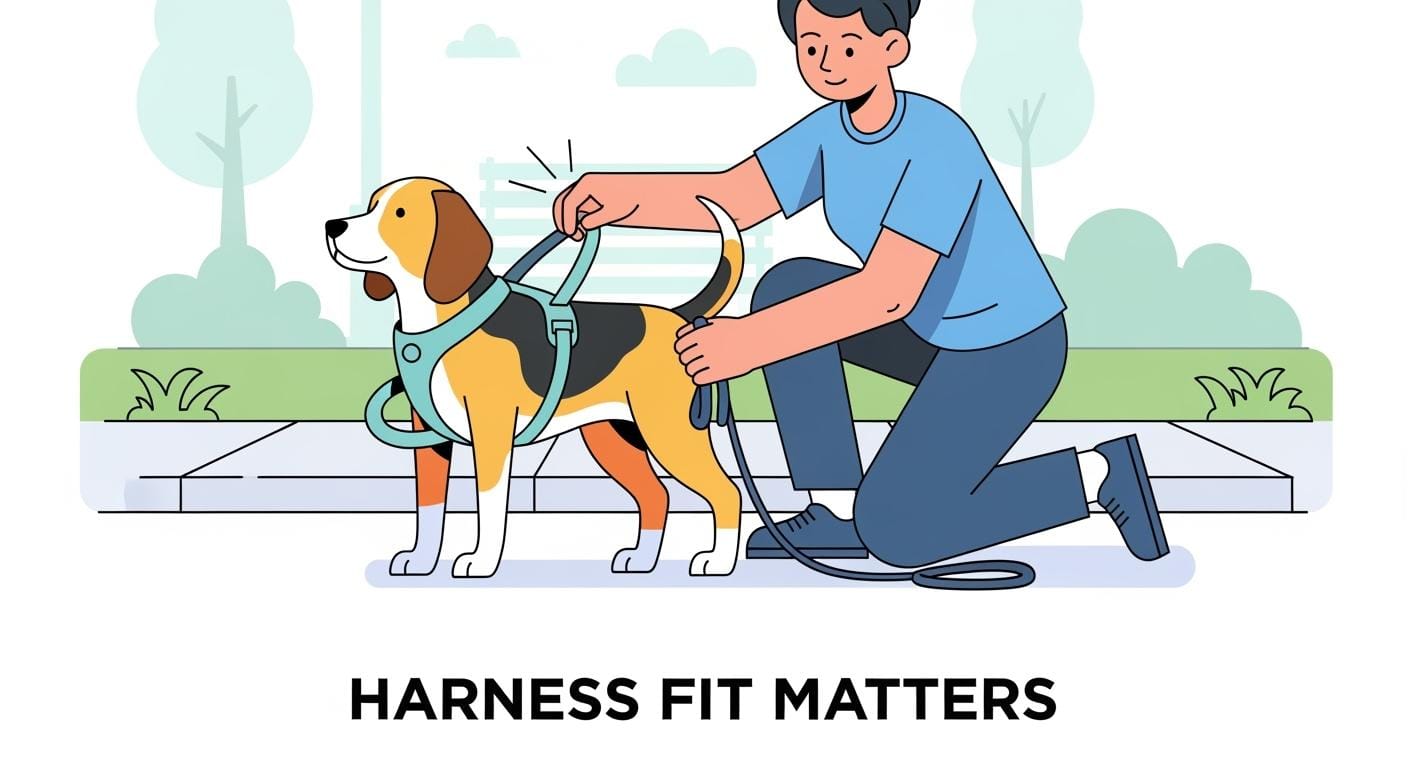
- The carrier or harness shows any risk of breaking.
Tip: If you see any of these signs, stop the ride. Move your dog to a safe, cool place. Give water and call your vet if you see heat emergency signs.
Subtle Stress Signals to Monitor
You need to notice small changes before they become big problems. Dogs often show early stress signals before they panic or get sick. These signals can look like:
- Lip or nose licking when not eating
- Yawning when not tired
- Shaking off as if wet, but dry
- Scanning with darting eyes or showing the whites of the eyes (“whale eye”)
- Ears pinned back or a tucked posture
- Panting that does not match the weather or activity
If you ignore these signals, your dog may show bigger reactions like biting, freezing, or trying to escape. Dogs use these small signals to tell you they feel uncomfortable. You can prevent serious stress by stopping or changing your plan when you see these early signs.
You should always check your dog’s body language, behavior, and the environment together. This helps you spot stress early and keep your dog safe during any dog carry bike adventure.
Why Dogs Get Stressed on Rides and Hiking with Your Dog
Environmental Triggers: Rain, Noise, Motion
Dogs can act differently when hiking or riding in a bike carrier. Many dogs feel stress when the environment changes. Loud sounds, rain, and quick motion can make some dogs uneasy—especially in busy trails or city streets.
Here is a table that shows how triggers affect stress:
| Environmental Trigger | Impact on Dogs’ Stress Levels |
|---|---|
| Noise | Loud or sudden noises can make dogs feel stressed right away. Dogs stay alert when they hear these sounds. |
| Unfamiliar Places | New places give dogs lots of new things to see and smell. This can make dogs feel anxious. |
| Overstimulating Environments | Busy areas have too much going on. Dogs find it hard to relax in these places. |
| Social Interactions with Strangers | Meeting new people can make dogs feel nervous. This is harder for dogs that do not like strangers. |
Always check the weather before you go hiking. Wet or windy days can make your dog more stressed. If your dog scans the area, licks its lips, or tucks its tail, you should stop or change your plan.
Motion Sickness vs Stress: Key Differences
Dogs can get stressed or feel sick from motion during hiking or bike rides. You need to know how to tell them apart. Stress looks like yawning, shaking off, or ears pinned back. Motion sickness causes drooling, swallowing a lot, or vomiting. If your dog does not want to get in the carrier or seems restless, check for both stress and sickness.
Note: If your dog vomits or drools a lot, stop and let your dog rest.
Heat Risk Signals in Outdoor Activities
Hot weather can be dangerous when hiking. Dogs do not cool off as well as people. Watch for these signs:
| Stage | Signs |
|---|---|
| Heat Exhaustion | Heavy panting, falling behind, losing focus |
| Heatstroke | Gum color changes, drooling, trouble walking, collapse or seizures |
Hot weather raises risk quickly during rides or hikes. Use extra caution as temperatures approach 80°F (27°C), especially with humidity, sun exposure, and low airflow in carriers. If your dog is panting hard, can’t settle, or shows gum-color changes, stop and cool down immediately. Always bring water and plan shade breaks.
Checklist: Stop Rules and Setup Risk Checks
- Stop if your dog tries to escape, freezes, vomits, or shows heat risk signs.
- Make sure the carrier is safe and steady.
- Your dog should enter the carrier calmly.
- Watch for stress or sickness while hiking.
- Make sure there is good airflow, especially when it rains.
Buyer note: Add clear stop rules, suitability, and safety tips to your product page. Owner note: Let your dog get used to the carrier at home before hiking or riding.
Objection Handling:
Not every dog enjoys hiking or riding in a carrier. If your dog repeatedly shows stress or motion-sickness signs, switch to a smoother option (often a trailer), shorten the session, or pause to build comfort with short at-home training first.
Response Steps for Dog Stress and Safety
Pre-Ride and Pre-Hike Baseline Checks
You need to understand your dog’s comfort zone before you start any activity. Check your dog’s mood and health. Look for signs of stress or discomfort. Make sure your dog enters the carrier calmly. Test the carrier’s stability and safety gear. Always pack a first aid kit and keep hydration a priority. If you see signs of overheating or bad weather, delay your ride. Confirm that your dog can settle in the carrier without escape attempts.
Monitoring During Dog Carry Bike and Hiking
Watch your dog closely during the ride. Check for changes in body language or behavior. Look for early stress signals like lip licking, yawning, or scanning eyes. Make sure your dog stays in its comfort zone. Keep hydration a priority by offering water often. Use safety gear and monitor for any carrier movement. If you notice stress or discomfort, slow down or stop. Pack a first aid kit for quick response to minor injuries.
Stop Rules: When to End the Activity
Stop the activity if you see escape attempts, freezing, or panic. End the ride if your dog vomits, drools heavily, or shows signs of overheating. Check the carrier and harness for safety risks. If you cannot monitor your dog or the environment changes suddenly, stop and reassess. Safety comes first. Understand your dog’s comfort zone and never push past it.
Recovery and Next Steps After Stopping
After you stop, move your dog to a quiet, cool space. Limit activity to prevent further injury. Use a leash for all outdoor time. Apply cold compress therapy if needed. Monitor for swelling or infection. Provide emotional support and a calm environment. Avoid free roaming and keep medication schedules as directed by your vet. Dogs recovering from heat stress may need extra time and care. Avoid dog parks and limit interactions with active pets. First aid and safety help your dog recover faster.
Fit, Not a Fit, and Dog-Friendly Trails

Criteria for a Good Fit: Dog and Route
You need to match your dog and route to the right bike carry setup. Use this table to check if your plan is a good fit:
| Criteria | Explanation |
|---|---|
| Assess your dog’s size and temperament | Weigh your dog and watch how it acts in moving carriers. Nervous dogs may not do well in baskets. |
| Evaluate your bike type | E-bikes and cargo bikes handle extra weight better. Road bikes can struggle with heavy loads. |
| Determine primary use case | For city trips, use a front basket. For longer rides, consider a trailer. |
| Check compatibility | Make sure the carrier fits your bike and does not block brakes or lights. |
| Avoid these pitfalls | Do not pick by price alone. Test before you buy. Never overload the carrier. |
A good fit means your dog stays calm, the carrier feels stable, and you can monitor your dog at all times.
Red Flags: When Not to Continue
You should stop the ride if you see these warning signs:
- Your dog tries to escape or freezes in panic.
- Your dog vomits, drools heavily, or pants without relief.
- The carrier shakes, rocks, or shows signs of breaking.
- You cannot see or check on your dog during the ride.
- Your dog refuses to enter the carrier calmly.
If you notice any of these, end the activity and help your dog recover.
Alternatives: Trailers, Backpacks, Training
Not every dog enjoys bike rides. You can try other options to keep your dog safe and comfortable. Trailers give large or nervous dogs more space and a smoother ride. Backpacks work well for small dogs on short hikes. Always use a secure harness point and check for good airflow. Training helps your dog get used to new carriers. Start with short, calm sessions before you ride. This builds trust and lowers stress.
Choosing Dog-Friendly Trails for Safety
Pick trails that match your dog’s fitness and comfort. Look for these features:
- Trails with easy grades and soft surfaces protect your dog’s joints.
- Water sources along the route help prevent overheating.
- Shaded areas and rest spots give your dog a break from the sun.
- Marked paths and waste stations keep the area clean and safe.
Natural lakes with dog zones reduce stress by avoiding crowds. Responsible trail use keeps dog-friendly trails open for everyone. Always follow trail rules and clean up after your dog.
You can keep your dog safe by watching for escape attempts, freezing, heavy drooling, and heat risk signals. Use the FAS grading system and checklist every time you ride or hike. This helps you spot stress early and act quickly.
- Check your dog’s body language and the environment together.
- Stop the activity if you see high stress or danger signs.
Product designers should add clear stop rules and stress signals to instructions for better safety.
FAQ
What are the most important body language signals to watch for when hiking with dogs?
You should look for escape attempts, freezing, heavy drooling, and frantic movement. These signs mean your dog feels unsafe during hiking with dogs. Stop the activity and help your dog recover before you continue.
How can I tell if my dog is a good fit for hiking with dogs in a bike carrier?
Test your dog with short, slow rides. If your dog settles quickly and shows curiosity, you can continue hiking with dogs. If you see panic or escape attempts, choose another method or try more training.
What should I do if my dog gets stressed while hiking with dogs?
Stop right away if you see stress signals. Move your dog to a quiet spot. Offer water and comfort. Hiking with dogs should always focus on safety and your dog’s comfort.
Can motion sickness look like stress during hiking with dogs?
Yes, motion sickness can cause drooling, vomiting, and restlessness. Stress may show as yawning, scanning, or pinned ears. Watch your dog closely during hiking with dogs and stop if you see either problem.
How do I pick safe trails for hiking with dogs using a bike carrier?
Choose trails with soft surfaces, shade, and water sources. Avoid busy or noisy areas. Hiking with dogs works best when you match the trail to your dog’s comfort and fitness level.