Choosing a dog carrier for car can be hard. Many people pick the wrong dog carrier for car. They often look at height or looks instead of safety. You should check for stability, secure attachment, and fit. Learn what to check before every trip. Quick checks when parked help your dog stay safe. These checks also help your dog feel calm. Make sure the carrier is stable to stop distractions. Use crash-tested products if you can. The rear seat is safer than the front seat. Comfort products are not safe unless they are held in place. Never use collar restraints. Get help from a pro if your dog is in pain, upset, or tries to get out.
This article gives general tips only. Always follow your car manual. Ask your vet or a trainer if you have health or behavior questions.
Key Takeaways
Pick a strong dog carrier so you do not get distracted. – Measure your dog and your car to make sure it fits. – Use crash-tested products to keep your dog safe when you travel. – Put the carrier in the back seat for more protection. – Do not use collar restraints; use a harness instead.
Safer Dog Carrier for Car Setup Goals
Reduce Distraction and Movement
You want your dog to be calm and safe in the car. A steady carrier helps you pay attention while driving. About 29% of pet owners get distracted by their pets in the car. Distractions get worse if your dog feels sick or nervous. You can help by picking a carrier that does not slide or tip over. Use strong safety anchors and put the carrier in the back seat. This keeps your dog from moving too much and helps you drive better. Do not use collar restraints. Use a harness if you need to keep your dog in place. When your dog is secure, you can focus on driving.
A steady carrier stops your dog from moving.
Less movement helps you watch the road.
Stability is very important for safety.
Comfort vs. Stability
You may want your dog to be comfortable, but safety comes first. Carriers with soft bottoms or loose straps can tip or slide. Dogs can lose their balance or try to hold onto things if the carrier moves. This can hurt or scare your dog. The table below shows how dogs act when carriers are not stable:
Behavioral Response | Description |
|---|---|
Forward Momentum | Dogs move forward fast when you stop quickly. This makes them feel stressed and unstable. |
Lateral Sliding | Sharp turns make dogs slide sideways. This makes their movement hard to predict. |
Bracing Against Surfaces | Dogs push against doors or seats. This can cause injuries. |
Soft Surface Collapse | Soft bottoms sag and make dogs lose their footing. Dogs may scramble to stand up. |
Balance Loss Before Impact | Dogs can lose balance even without a crash. This shows why stable carriers are needed. |
Pick a carrier with a hard bottom and strong places to attach it. Carriers with mesh let air in and keep your dog cool. Carriers with some mesh windows can help dogs feel less stressed. Safety and comfort work together to help your dog feel good and stay safe.
Carrier, Crate, or Dog Car Seat?
You have different choices for moving your dog. Each one works best for certain needs and safety rules.
For flying in cargo, use hard kennels that meet IATA rules.
For driving fast, use crates held by seat belts.
Dogs who get nervous or upset need strong kennels so they cannot escape.
If you have more than one pet, crates help keep them apart and safe.
For vet visits or boarding, crates help with cleanliness and safety.
Carriers and dog car seats are okay for short rides if you use good anchors and harnesses. Always look for places to attach the carrier. The MIM Safe VarioBarrier meets Crash Standard ISO 27955. This shows how crash-tested gear can make everyone safer in the car. Remember, comfort items are not safe unless you secure them. Put your carrier in the back seat to avoid airbag dangers. If your dog is hurt, upset, or tries to get out, ask a vet or trainer for help.
Dog Carrier for Car Buyer Mistakes
Choosing the right dog carrier for car travel can be tricky. Many buyers make the same common mistakes. These errors can put your dog at risk and make trips stressful. You need to focus on secure fit, stability, and proper use to keep your dog safe and comfortable. Here are the most frequent mistakes you should avoid:
Wrong Size or Poor Fit
Many people buy a dog carrier for car based only on weight limits. This is not enough. You need to measure your dog for posture and length. Your dog should be able to stand, turn, and lie down without being cramped. If the fit is too tight, your dog may feel trapped. If the fit is too loose, your dog can slide or tip inside the carrier. You also need to check that the carrier fits your car seat or cargo area. A poor fit can lead to serious risks during sudden stops or turns:
Forward Momentum: Dogs shift forward during sudden stops, increasing the risk of injury.
Lateral Sliding: Quick turns can cause dogs to slide sideways, leading to instability.
Bracing Against Surfaces: Dogs may brace against doors or consoles, which can result in awkward positions and concentrated force on their bodies.
Weak Structure or Soft Base
Some carriers have soft sides or weak bottoms. These may seem comfortable, but they do not protect your dog in a crash. A soft base can sag or collapse, making it hard for your dog to stay balanced. This can cause your dog to scramble or panic. You want a carrier with a strong, stable base and sturdy walls.
Soft sided carriers, while flexible and comfortable, offer minimal protection in collisions. Their fabric walls can collapse or tear under force, leaving pets vulnerable.
Missing Attachment Points
A secure fit depends on strong attachment points. Some carriers do not have proper loops, belt paths, or straps. Without these, you cannot anchor the carrier to your car seat. This makes the carrier slide or tip during normal driving. Always check for built-in attachment points before you buy. Use your car’s seat belt or anchors as designed.
Ventilation and Heat Risks
Proper airflow is critical for your dog’s safety. Some carriers have poor ventilation, especially soft-sided models that can sag and block air holes. Hard carriers often have more vents and keep air moving. If your dog gets too hot, they can suffer from heat exhaustion. This is even more dangerous for breeds with short snouts.
Proper airflow is crucial for maintaining a safe temperature inside the carrier during warm weather.
Hard carriers typically have multiple ventilation openings that prevent overheating.
Soft carriers may sag over time, potentially compromising their ability to provide adequate ventilation.
Leaving a pet alone in a parked vehicle can lead to dangerous temperature increases, even on seemingly mild days.
The temperature can rise by 20 degrees in just 10 minutes, making it critical to ensure proper ventilation.
Cracking windows is insufficient for preventing heat buildup, which can lead to heat exhaustion, especially in breeds with short snouts.
Hard-sided carriers generally provide better ventilation due to larger molded ventilation grills, which allow for consistent airflow. In contrast, soft-sided carriers may trap heat more effectively in humid conditions or direct sunlight, increasing the risk of overheating for dogs inside.
Not Checking Vehicle Fit
You need to check if the dog carrier for car fits your back seat or cargo area. Some carriers are too big or too small for your car. If the carrier does not fit well, you cannot secure it properly. Always measure your car seat and compare it to the carrier’s footprint.
Buying by Weight Only
Do not choose a dog carrier for car based only on your dog’s weight. Dogs come in many shapes. A long dog may not fit in a short carrier, even if the weight is right. Always measure your dog’s length, height, and width.
Placing Carriers in Trunks
Never put a dog carrier for car in the trunk. Trunks do not have airflow or temperature control. Your dog can overheat or get too cold. The trunk is also unsafe in a crash.
Improper Barrier Use
Some people use barriers or dividers instead of a secure fit. Barriers do not stop a carrier from sliding or tipping. You need to anchor the carrier to the seat for real safety.
Ignoring Pressure Zones
If your dog’s body presses against hard edges or straps, they can develop sore spots. Check for early redness, hair loss, or dampness where your dog touches the carrier. Adjust the fit and padding as needed.
Poor Storage and Heat Damage
Storing your dog carrier for car in a hot garage or car can weaken the materials. Heat can warp plastic or break down fabric. Always store your carrier in a cool, dry place.
Overlooking Health and Behavior Risks
Some dogs get anxious or carsick in a dog carrier for car. Watch for signs like panting, drooling, vomiting, or escape attempts. If your dog shows pain, distress, or tries to get out, stop and get help from a vet or trainer.
Unified Safety Consensus Points:
Prioritize stability to prevent distraction.
Use crash-tested products when possible.
Avoid collar restraints. Use a harness for restraint.
The rear seat is safer than the front seat.
Comfort products are not safety products unless properly restrained.
Seek professional help if your dog shows pain, distress, or escape attempts.
Need help with size, vehicle compatibility, or installation planning? Reach out for advice to make sure your dog’s next trip is safe and comfortable.
Pet Carrier Pre-Buy and Setup Checklist
Measure Dog and Vehicle
Start by measuring your dog and your car to find the best travel carrier for pets. Use these steps to make sure your pet carrier fits well and supports comfort:
Measure your dog’s length from nose to tail base. Add 4–6 inches for easy turning.
Check your dog’s height from ground to shoulder. Your pet carrier should let your dog sit upright.
Measure across the widest part of your dog’s chest. Double this number and add 2–3 inches for padding and comfort.
Confirm your dog’s weight matches the pet carrier’s limit. Never exceed the weight rating.
Test posture inside the travel carrier for pets. Your dog should stand, turn, and lie down without restriction.
Measure your car seat or cargo area. Compare the carrier’s footprint to your vehicle space for proper installation.
Secure Attachment and Level Test
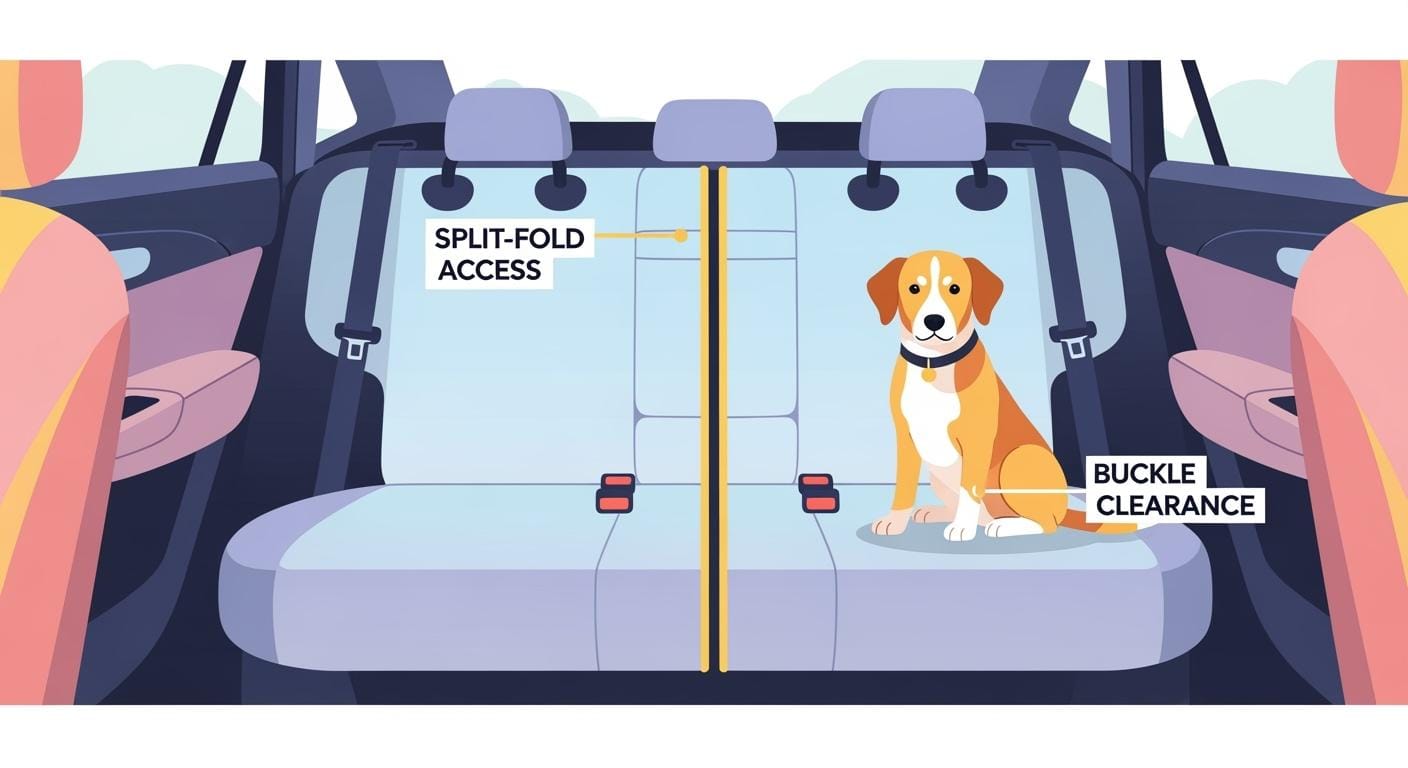
Proper installation keeps your travel carrier for pets stable and safe. Always use seat belts or anchors as designed. Look for pet carrier features like built-in loops or belt paths. Avoid relying on friction or placing the carrier against a seatback without restraint. After installation, check for sliding or tipping. The carrier should stay level and resist movement during normal driving. Test the setup with a short ride before longer trips. Make sure your dog cannot escape or tip the carrier over. CPS Certified products offer extra peace of mind due to crash testing.
Stop Checks on Long Drives
During long trips, stop often to check your pet carrier and your dog’s comfort. Use this routine:
Belt and anchor check: Make sure seat belts and anchors are tight.
Hardware check: Inspect buckles, zippers, and clips for stress or damage.
Slide and level check: Confirm the travel carrier for pets is still level and has not shifted.
Dog comfort check: Look for heat, dampness, grit, or redness. Adjust padding or position if needed.
Acclimating Your Dog
Help your dog feel comfortable in the pet carrier before travel. Gradual exposure reduces anxiety and builds positive associations. Try this four-week plan:
Week | Activity |
|---|---|
1 | Place open travel carrier for pets in living space with treats |
2 | Feed meals inside pet carrier with door open |
3 | Close door for short intervals with treats and praise |
4 | Practice short car trips with pet carrier |
Practice short rides to fun places. This breaks the link between car trips and vet visits. Always reward calm behavior and make comfort a priority.
Safety consensus points: Prioritize stability to prevent distraction. Use crash-tested products when possible. Avoid collar restraints. Rear seat is safer than front. Comfort products are not safety products unless properly restrained. Seek professional help if your dog shows pain, distress, or escape attempts.
Need help with size confirmation, stability checks, or easier stop-check routines? Reach out for support to make your next trip safer and more comfortable for your dog.
Common Mistakes Recap and Safety FAQ
Top Mistakes to Avoid
You can stop big and risky mistakes by thinking about safety first. Many people pick a carrier just by weight or looks. Some forget about stability or strong attachment. Others put carriers in the trunk or use quick fixes for restraints. These mistakes make things unsafe for you and your dog. Always measure your dog’s size and posture. Check if the carrier fits your car. Use crash-tested products when you can. Stability helps you focus and keeps your dog safe if you stop fast or turn. Never use only a collar for restraint. The back seat is safer than the front seat. Comfort items must be held in place to be safe. If your dog seems hurt, upset, or tries to escape, ask a vet or trainer for help.
Safety Do-Not List
Follow these rules to keep your dog safe in the car:
Do not let your dog ride without restraint.
Do not use the front seat for your dog.
Do not let your dog stick their head out the window.
Do not use your lap or let your dog walk free.
Do not use quick fixes like tying a leash to a collar and seatbelt.
Do not use human seatbelts for pets.
Do not put the carrier in the trunk.
Do not ignore spots where your dog presses against the carrier.
Do not store the carrier in hot or wet places.
Do not skip checks during long drives.
Do not use carriers without strong attachment points.
Do not trust comfort items alone for safety.
Unified safety consensus points: Focus on stability to stop distraction. Use crash-tested products if you can. Do not use collar restraints. The back seat is safer than the front. Comfort items are not safety gear unless held in place. Get help from a pro if your dog shows pain, distress, or tries to escape.
When to Consult a Vet or Trainer
Ask a vet or trainer for help if your dog seems hurt, upset, or keeps trying to get out. Watch for heavy panting, throwing up, shaking, or falling down. If you see redness, swelling, or pain after a short ride, stop and check your setup. Experts can help with anxiety, car sickness, or behavior problems before they get worse.
Dog Car Seat and Carrier FAQ
If you need help for wholesale, OEM, or ODM, get details about your dog’s size, breed, and car setup ready. This helps you get the best advice for your needs.
Can you use a regular backpack-style pet carrier in the car? You should not use a backpack-style carrier unless it is crash-tested and works with seatbelts. Most regular carriers do not keep your dog safe in the car.
Are dog car seats safe for large dogs? Most dog car seats work best for dogs under 30 lbs. Big dogs need strong travel crates or crash-tested harnesses that connect to seatbelts. This keeps bigger dogs safe and steady.
Do airlines accept crash-tested car seats as carry-ons? Some airlines allow crash-tested car seats, but rules are different. You must check size and airflow rules before you travel. Always ask your airline before your trip.
How often should you check your dog’s carrier during a long drive? You should stop every 1-2 hours to check seatbelts, hardware, carrier stability, and your dog’s comfort. Checking often helps you find problems early and keeps your dog safe.
What should you do if your dog gets anxious or carsick? Slowly help your dog get used to the carrier and car rides. Use treats and praise to make good memories. If your dog stays anxious or sick, ask your vet or trainer for help.
You can keep your dog safer in the car by doing a few easy things. Always look at how the dog carrier for car fits before you drive. Make sure it is attached well and feels good for your dog. Focus on these safety tips:
Make sure the carrier does not move around.
Pick crash-tested products if you can.
Do not use collar restraints. Use a harness instead.
Put the carrier in the back seat.
Fasten comfort items so they do not slide.
Check your setup before every trip. Safe habits help you and your dog have a better ride.
FAQ
How do you choose the right dog car seat for your dog?
You should measure your dog for length, height, and width. Check if the dog car seat fits your car. Look for strong attachment points. Make sure your dog can sit, turn, and lie down. Stability and secure fit help with crash protection.
Why is a crash-tested design important for a dog car seat?
Crash-tested designs show how a dog car seat performs in a crash. You want to see good crash-test performance and safety certifications. These features give your dog more protection. Always check for these before you buy a dog car seat.
Where should you place a dog car seat in your car?
You should put the dog car seat in the back seat. This spot is safer than the front seat. Airbags in the front can hurt your dog during a crash. The rear seat helps with installation security and keeps your dog safer.
How often should you check your dog car seat during a trip?
You should stop every one to two hours. Check the seat belt, straps, and carrier level. Look for signs of heat or discomfort. This routine helps you spot problems early and supports dog comfort and safety.
What should you do if your dog tries to escape or seems upset in the dog car seat?
If your dog tries to escape, pants, shakes, or vomits, stop and check the setup. Seek help from a vet or trainer. A dog car seat is a safety tool, but you must watch for signs of pain or distress to protect your dog.