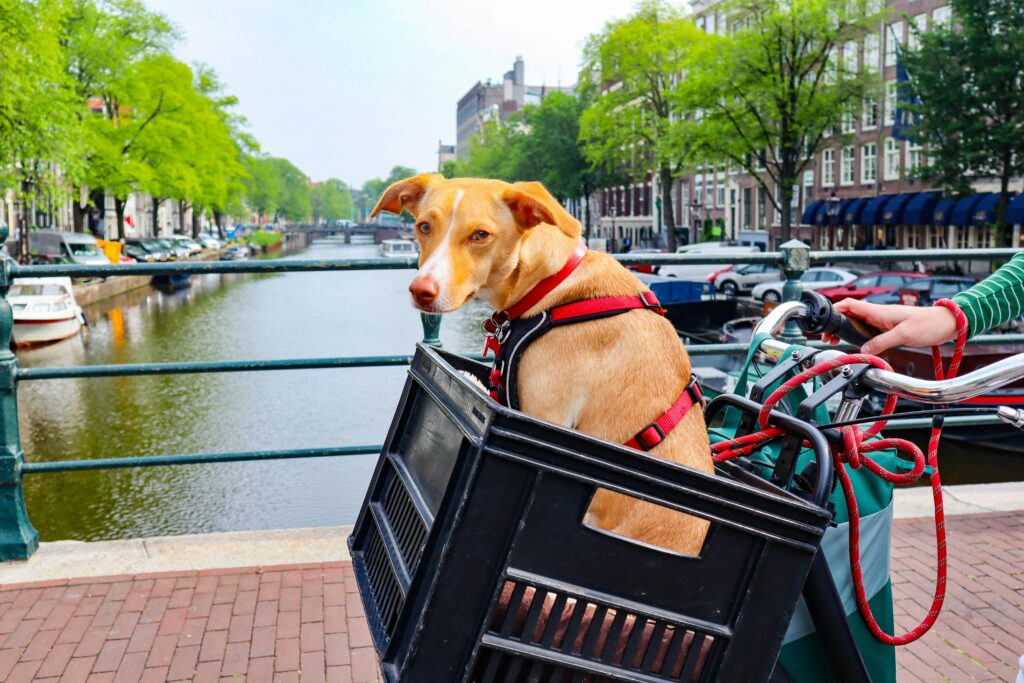
A dog carrier for bike program can fail on fit, not on looks. Buyers need simple rules that match real bikes. This guide gives plain English fit notes by city, road, and MTB styles. It also covers QA asks, packaging, returns control, and margin protection.

Dog carrier for bike fit basics buyers should standardize
Takeaway: One standard fit checklist reduces wrong orders and avoidable returns.
A dog carrier for bike listing should not start with marketing. It should start with bike checks and pet fit checks. When teams skip this, support tickets spike.
Buyer actions:
- Ask suppliers for a single compatibility sheet per mounting type.
- Check weight ratings and clearance on three bike styles.
- Pack the same fit notes into listing copy and manuals.
Start with four simple fit gates:
- Mount type: rear rack, handlebar, or frame mount.
- Clearance: no contact with wheel, brake, or cables.
- Stability: no wobble when pushed side to side.
- Pet fit: pet can sit and turn without forcing panels.
Use one conservative pet planning band for most bike carriers:
- Pet weight planning band: 8-25 lb (4-11 kg).
- Always confirm the rated limit for the exact SKU.
Plain English copy block you can reuse:
- “Check your bike rack and clearance before riding.”
- “Designed for supervised rides with a properly fitted setup.”
- “Fit depends on your bike style and mounting points.”
Dog carrier for bike fit notes for city bikes
Takeaway: City bikes are the easiest fit, but racks and fenders change everything.
City bikes often have racks, fenders, and upright bars. That can help mounting. It can also create clearance problems if the carrier sits too low.
Buyer actions:
- Check rack platform size and rail spacing on sample bikes.
- Measure heel clearance and rear wheel clearance.
- Label the carrier with a short rack checklist.
City bike rear rack fit checks
Takeaway: Rear rack carriers need a flat, stable platform.
Use these checks on a sample city bike:
- Rack load rating supports combined load safely.
- Rack platform length fits the carrier base.
- Side rails accept clamps or straps without slipping.
Simple measurement checks:
- Rack top length planning band: 12-18 in (30-46 cm).
- Rack top width planning band: 4-6 in (10-15 cm).
Plain English listing copy block:
- “Rear rack must be flat and tight to the frame.”
- “Carrier base should sit level on the rack.”
- “Stop and recheck if you feel sway or tilt.”
City bike fender and pannier clearance
Takeaway: Fenders and side bags can cause rubbing and wobble.
Fenders can reduce vertical space. Pannier rails can interfere with clamps. These issues look like defects in returns.
Buyer actions:
- Test with full fenders on at least one bike.
- Check that straps do not rub the tire.
- Add a manual diagram for strap routing.
Plain English listing copy block:
- “Keep straps away from the rear wheel and spokes.”
- “Do not mount where it touches brakes or cables.”
- “Recheck fasteners after the first short ride.”
Dog carrier for bike fit notes for road bikes

Takeaway: Road bikes often lack racks, so fit depends on mounting style.
Road bikes may have drop bars and limited mounting points. Many do not accept standard racks. Buyers should avoid over-promising rack fit.
Buyer actions:
- Ask for a road bike compatibility statement from suppliers.
- Test on a road bike with no rack mounts.
- Write copy that routes buyers to the right mount type.
Road bike handlebar and stem limits
Takeaway: Drop bars reduce space and can change steering.
Handlebar carriers can interfere with cables and shifters. They can also change steering feel. This is a common complaint trigger.
Buyer actions:
- Check cable routing with the carrier installed.
- Test steering lock both directions on a stand.
- Require a cable clearance photo in QC records.
Plain English listing copy block:
- “Confirm your cables move freely when turning.”
- “Do not block shifters or brake levers.”
- “Turn the bars fully left and right before riding.”
Road bike frame and seatpost constraints
Takeaway: Many road frames are not designed for add-on mounts.
Clamp points can be limited. Some bikes use shapes that do not accept clamps well. Buyers should treat road fit as conditional.
Buyer actions:
- Ask for clamp size ranges and pad material details.
- Check for slip when you pull the carrier sideways.
- Add a “not for all frames” note in channel copy.
Plain English listing copy block:
- “Fit depends on frame shape and clamp points.”
- “If the mount slips by hand, do not ride.”
- “Use only with stable, approved mounting points.”
Dog carrier for bike fit notes for MTB and e-MTB
Takeaway: MTB bikes add vibration and movement, so stability rules matter more.
MTB bikes have wide bars and suspension movement. They also see higher vibration. This can loosen fasteners and increase warranty claims.
Buyer actions:
- Test vibration resistance on a rough surface ride simulation.
- Require a fastener locking method if appropriate.
- Add a short re-torque schedule to the manual.
MTB rear rack and suspension travel
Takeaway: Suspension can change clearance under load.
On some bikes, the wheel moves closer to the rack during travel. That can cause tire contact with straps or the carrier. This is a high-risk fit failure.
Buyer actions:
- Check clearance with the suspension compressed.
- Confirm no strap enters the tire zone at any time.
- Include a warning about suspension travel and clearance.
Plain English listing copy block:
- “Check tire clearance with the bike loaded.”
- “Keep all straps above the tire and spokes.”
- “Stop use if any contact appears.”
MTB handlebar width and steering feel
Takeaway: Wide bars help space, but the load can still affect control.
Even with space, a front load can change steering response. Buyers should keep the copy calm and realistic.
Buyer actions:
- Test steering control with the carrier empty and loaded.
- Ask for a stability test method from the supplier.
- Include a supervised use note for first rides.
Plain English listing copy block:
- “Start with short, slow rides to confirm control.”
- “Do not exceed the rated load for the carrier.”
- “Use only under supervision and with a stable setup.”
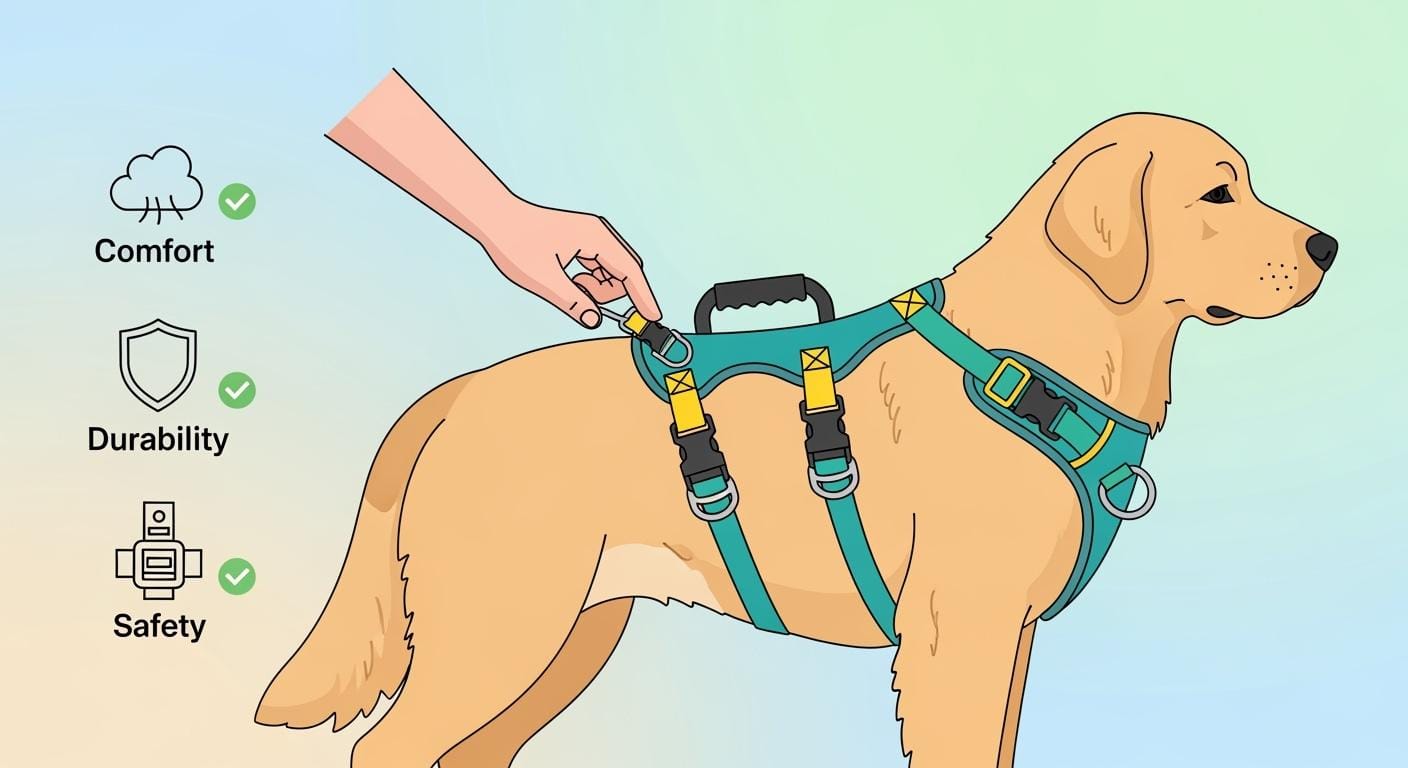
What cost to serve means for a dog harness used with bike carriers
Takeaway: A dog harness affects carrier safety and drives support cost.
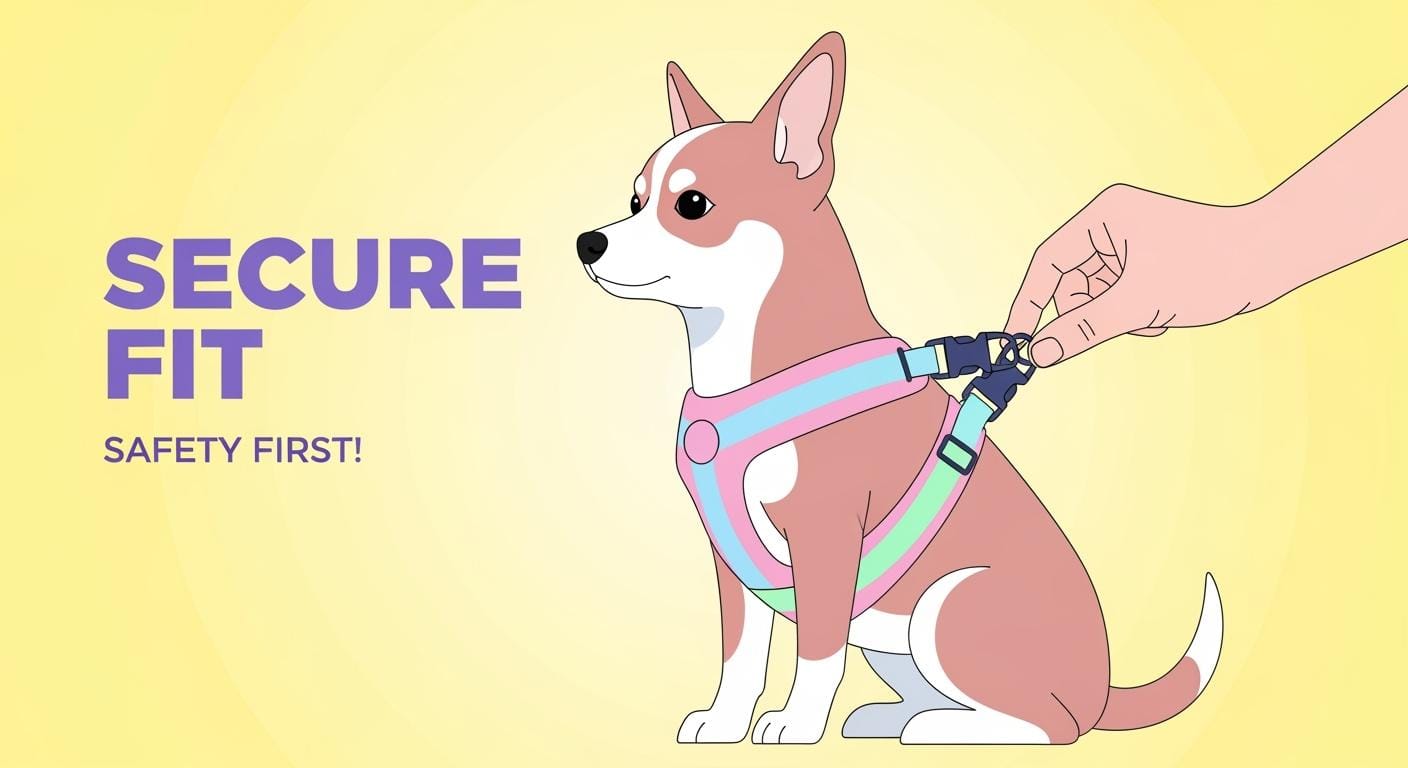
Many bike carriers use an internal tether. That tether often clips to a dog harness, not a collar. If the harness fit is wrong, you get returns and safety complaints.
Cost to serve is the cost after the sale. It includes tickets, returns, and warranty claims. Distributors care because they pay the labor bill.
Buyer actions:
- Bundle a compatible dog harness option in the program.
- Standardize harness sizing language to reduce misuse.
- Train support on one photo and measurement intake flow.
Use one harness sizing story across channels:
- Chest girth is the primary measure.
- Neck measure is a cross-check.
- Use dual units and clear diagrams in manuals.
Planning bands for large dog harness programs:
- Chest girth planning band: 24-44 in (60-112 cm).
- Neck planning band: 14-30 in (36-76 cm).
Table 1: Cost-to-Serve Breakdown for bike carrier programs
Takeaway: A simple cost table helps you price service, not hope.
How to read this table:
- Column 1 is the cost driver.
- Column 2 is what causes it.
- Column 3 is what buyers can control.
- Column 4 is a planning band in USD.
| Cost driver | What causes it | Buyer control action | Typical planning band |
|---|---|---|---|
| Packaging | oversized cartons, weak inserts, strap tangles | reduce volume, add inserts, protect hardware | typical range 1-3 USD per unit |
| Handling | extra pack steps, relabeling, missing parts | simplify packout, barcode control, parts checklist | typical range 0.5-2 USD per unit |
| Returns | wrong bike fit, wrong pet size, unclear copy | fit notes by bike style, sizing steps, photos before RMA | typical range 6-18 USD per return |
| Warranty | fastener loosening, cracked buckles, seam failures | stress-point reinforcement, vibration checks, CAPA loop | planning rate 1-4% of units |
| Support | back-and-forth questions, missing fit info | require measurements and photos, macros, training | about 1-4 USD per ticket |
Packaging cost drivers for dog carrier for bike programs
Takeaway: Packaging must protect shape and prevent “used look” returns.
Bike carriers include straps, frames, and rigid panels. Loose parts can scuff and look worn. That can trigger returns even when unused.
Buyer actions:
- Ask for a packout photo of the finished carton.
- Check that straps are secured and do not kink.
- Print a short fit checklist on the insert.
Packaging checks that reduce damage claims:
- Add edge protection around rigid panels.
- Secure hardware in a small pouch.
- Use a simple insert to keep form during transit.
- Print the rated load and mount type on the carton.
Listing copy that matches packaging:
- “Mount type and clearance must be checked before riding.”
- “Read the fit checklist before first use.”
- “Inspect straps and buckles before each ride.”
Warranty cost drivers for dog carrier for bike systems
Takeaway: Most warranty issues come from fasteners, straps, and vibration.
Warranty claims often look like “wobble” or “broken clip.” The root cause is often installation or a weak component. Buyers should ask for proof of checks.
Buyer actions:
- Ask suppliers for a fastener and hardware spec sheet.
- Test strap stitching at load points.
- Require an inspection photo set per batch.
Common failure modes to plan for:
- Fasteners loosening after vibration.
- Strap fray at edges or adjusters.
- Buckle cracks under repeated use.
- Stitch failure at tether anchors.
- Panel cracks from impact or over-tightening.
Simple QA asks that support safer claims:
- Installation test on three bike styles.
- Side push test for wobble and tilt.
- Strap routing check against a diagram.
- Hardware cycle test for buckles and clips.
- Visual inspection of stitching at load points.
Keep claims calm and checkable:
- Say “reinforced load points” only if you can show the reinforcement.
- Say “designed for supervised rides” instead of “safe for all rides.”
- Recommend consulting a safety professional for complex setups.
Returns cost drivers and fit notes that reduce them
Takeaway: Returns drop when fit notes answer real questions early.
Returns often come from mismatch. The buyer expected a different mount type. Or the pet is too large for the carrier class. Fit notes by bike style prevent these issues.
Buyer actions:
- Write fit notes as a gate, not as fine print.
- Use a short decision tree in listing bullets.
- Require photos of the bike mount area for support cases.
Fit notes buyers can paste into listings
Takeaway: These short notes reduce wrong orders.
Use these lines in product pages and major marketplace bullets:
- “City bikes with rear racks are the easiest fit.”
- “Road bike fit depends on mounting points and cable clearance.”
- “MTB use needs extra stability checks due to vibration.”
- “Confirm no contact with wheel, brake, or cables.”
- “Designed for pets in the 8-25 lb (4-11 kg) planning band, model dependent.”
Restock rules that protect margin
Takeaway: Restock grading turns returns into controlled cost.
Buyer actions:
- Define restock grades in writing.
- Train the warehouse team on the grades.
- Track root causes by grade.
Restock grading in simple terms:
- Grade A: unopened, clean, complete.
- Grade B: opened, clean, needs repack.
- Not restockable: damaged, dirty, missing parts, safety concern.
Around this point, teams often discover they need private label changes. If you want OEM, ODM, or private label support for a dog carrier for bike program, contact StridePaw to review fit notes, specs, and packaging before your next PO.
How to price to protect distributor margins
Takeaway: Pricing should include allowances for returns and support.
Distributors need margin and stable cost. A pricing waterfall makes costs visible. It also supports fair discount tiers.
Buyer actions:
- Set a return allowance based on your channel.
- Budget support and warranty reserves up front.
- Adjust list price when costs rise, not only discounts.
Keep one consistent planning set:
- Return rate planning band: 5-12%.
- Warranty claim planning band: 1-4%.
- Distributor margin planning band: 20-35%.
Table 2: Pricing Waterfall to Protect Distributor Margin
Takeaway: A waterfall shows where margin disappears.
How to read this table:
- Start at list price.
- Subtract discounts.
- Subtract landed cost.
- Subtract allowances.
- Check target margin.
| Step | What it means | Typical planning band | Buyer action |
|---|---|---|---|
| List price | starting wholesale list | about 45-85 USD | align to segment and load rating class |
| Trade discount | distributor tier discount | typical range 25-40% | tie tiers to volume and service scope |
| Landed cost | unit cost plus inbound costs | typical range 18-40 USD | reduce pack volume, stabilize BOM |
| Allowances | promos, co-op, chargeback buffer | typical range 3-8 USD | set rules and proof requirements |
| Cost-to-serve reserve | returns, support, warranty reserve | based on Table 1 | reduce with fit notes and QA checks |
| Target margin | distributor gross margin | planning band 20-35% | revisit list price when costs move |
Operational checklist for buyers
Takeaway: One checklist keeps copy, QA, and packaging aligned.
Use this checklist before listing goes live. Use it again before each reorder. Keep it short and repeatable.
Buyer actions to request from suppliers:
- Bike style fit notes for city, road, and MTB.
- Mount type drawings with strap routing steps.
- Rated load statement and test method summary.
- Hardware specs for clips, buckles, and fasteners.
- Packaging dielines and carton label text file.
- Batch traceability fields for claim tracking.
Buyer actions to check at receiving:
- Carton condition and insert placement.
- Strap routing and hardware bag presence.
- No sharp edges or loose parts inside the carrier.
- Stitch quality at tether and strap load points.
- Stability check with a simple push test.
Buyer actions to print on labels and inserts:
- Mount type and quick fit checklist.
- Pet size guidance in lb and kg.
- Clearance warnings in plain language.
- Recheck note after first short ride.
- Support intake list: photos of mount area and installed carrier.
Before you finalize your assortment, request samples so your team can test city, road, and MTB fit on real bikes. You should also request a quote so your finance team can validate the full cost-to-serve model. If you need line planning support, ask StridePaw for a catalog and a short buyer spec sheet for your channel.
FAQ
What is the best bike style match for a dog carrier for bike?
City bikes with rear racks are often the easiest fit. Road and MTB bikes can be more variable. Always check mounting points and clearance first.
Can a dog carrier for bike work on a road bike?
Sometimes, but it depends on mounting points and cable space. Many road bikes lack rack mounts. Test on a sample road bike before you promise fit.
What pet size should buyers plan for in bike carriers?
A common planning band is 8-25 lb (4-11 kg), model dependent. Larger pets may need different solutions. Always confirm the rated limit per SKU.
What are the top return reasons for bike carriers?
Wrong bike fit and wrong pet size are common. Unclear installation steps also drive returns. Fit notes by bike style reduce these issues.
What QA checks matter most for warranty control?
Fasteners, straps, buckles, and stitch points matter most. Vibration can loosen parts over time. Ask for test notes and inspection photos.
How should listings describe safety without overpromising?
Use calm, feature-based wording. Say “designed for supervised rides” and “fit depends on your bike style.” Avoid guarantees like “safe for all rides.”
How do distributors protect margin on this category?
Use a pricing waterfall and plan allowances for returns and support. Reduce cost-to-serve with better copy and packaging. Adjust list price when costs change.