Dog Carrier Backpack Sizing Guide: Measure, Adjust, and Test for a Safer Carry

Dog Carrier Backpack Sizing Guide: Measure, Adjust, and Test for a Safer Carry

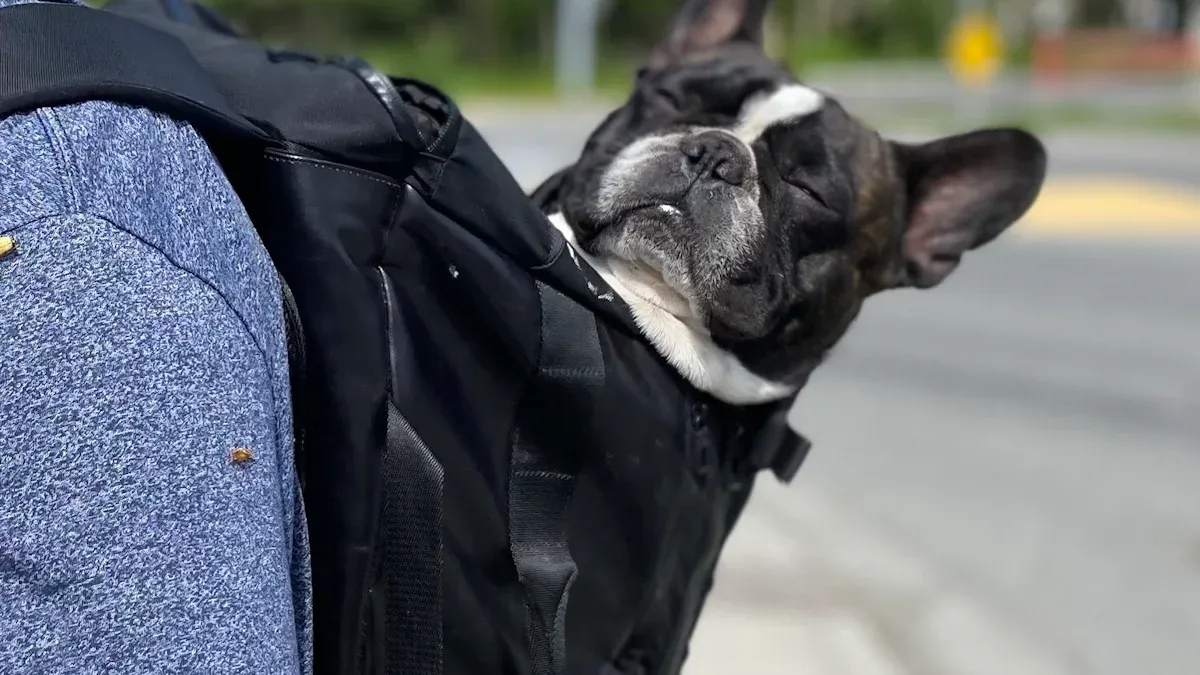
A dog carrier backpack lets you explore with your puppy while keeping your hands free. Your dog’s safety and comfort must come first every time you choose a dog carrier. To find the right fit, start by measuring your puppy’s chest girth and back length. Always check the weight limit on the label and look at the interior dimensions for enough space. Before heading out, test the fit at home to avoid stress or discomfort. This guide helps you avoid common sizing mistakes so you and your dog can enjoy every adventure together.

Key Takeaways

  • Measure your dog’s length, shoulder height, and chest girth first. This helps you find the right size and keeps your dog comfy.

  • Always add 2-4 inches to your measurements for extra space. This lets your dog move easily and feel less stressed.

  • Try the backpack at home before you travel anywhere. Make sure your dog can sit, turn, and breathe with no problems.

  • Pick a carrier that fits what your dog needs. Think about size, shape, and airflow for safety and comfort.

  • Clean the carrier often to keep it fresh and last longer. A clean carrier helps your dog stay healthy and happy.

When to Use a Dog Carrier Backpack

Best Uses: Hiking, Travel, and Errands

A dog backpack lets you do many things with your dog. You can use it for hiking if your dog gets tired fast or the ground is rough. A dog hiking pack keeps your dog safe and close on long walks. You can also use a dog travel backpack for trips in the city or when you run errands. It helps keep your dog safe in busy places. Sometimes, you need a dog carrier backpack front facing at crowded events or on public transport. Experts say dog backpacks are good for emergencies too, like:

  • Natural disasters such as hurricanes or floods

  • Medical emergencies when you must get to the vet fast

  • Family emergencies or sudden trips

  • Home emergencies like fires or gas leaks

  • Big crowds or civil problems

A dog carrier for walking is great if your dog is small, old, or healing from surgery. Always make sure your dog feels calm and happy before you leave.

Safety Tip: Not all dogs like backpacks. Comfort depends on fit, how your dog sits, and airflow. Always try the backpack at home first.

Warning Signs: Stress, Overheating, and Weight Limits

Watch your dog closely when using a dog walking backpack. Signs of stress are whining, moving a lot, or trying to get out. Overheating can happen if your dog pants hard, drools, or looks weak. Stop and take your dog out if you see these signs. Always check your dog’s weight with the label on the dog backpack. If your dog is close to the top weight, pick a structured carrier for more support. Never force your dog into a carrier that is too tight or stops movement.

Dog Backpack vs Sling vs Structured Carrier

Pick the right carrier for your dog’s needs and your plans. Here is a simple chart:

Carrier Type

Best For

Key Features

Dog backpack

Hiking, travel, errands

Can expand, lets your dog stretch, less stress

Sling

Short trips, small calm dogs

Easy to use, comfy for short travel

Structured carrier

Emergencies, car travel

Crash-tested, safest, has a strong harness

A dog backpack for hiking gives comfort and space for long trips. Dog slings are good for short walks with small, calm dogs. Structured carriers are safest for travel emergencies. Always use a harness or tether inside any dog carriers for walking so your dog cannot escape.

Dog Carrier Backpack Sizing Basics

Key Dog Measurements: Length, Height, Chest Girth

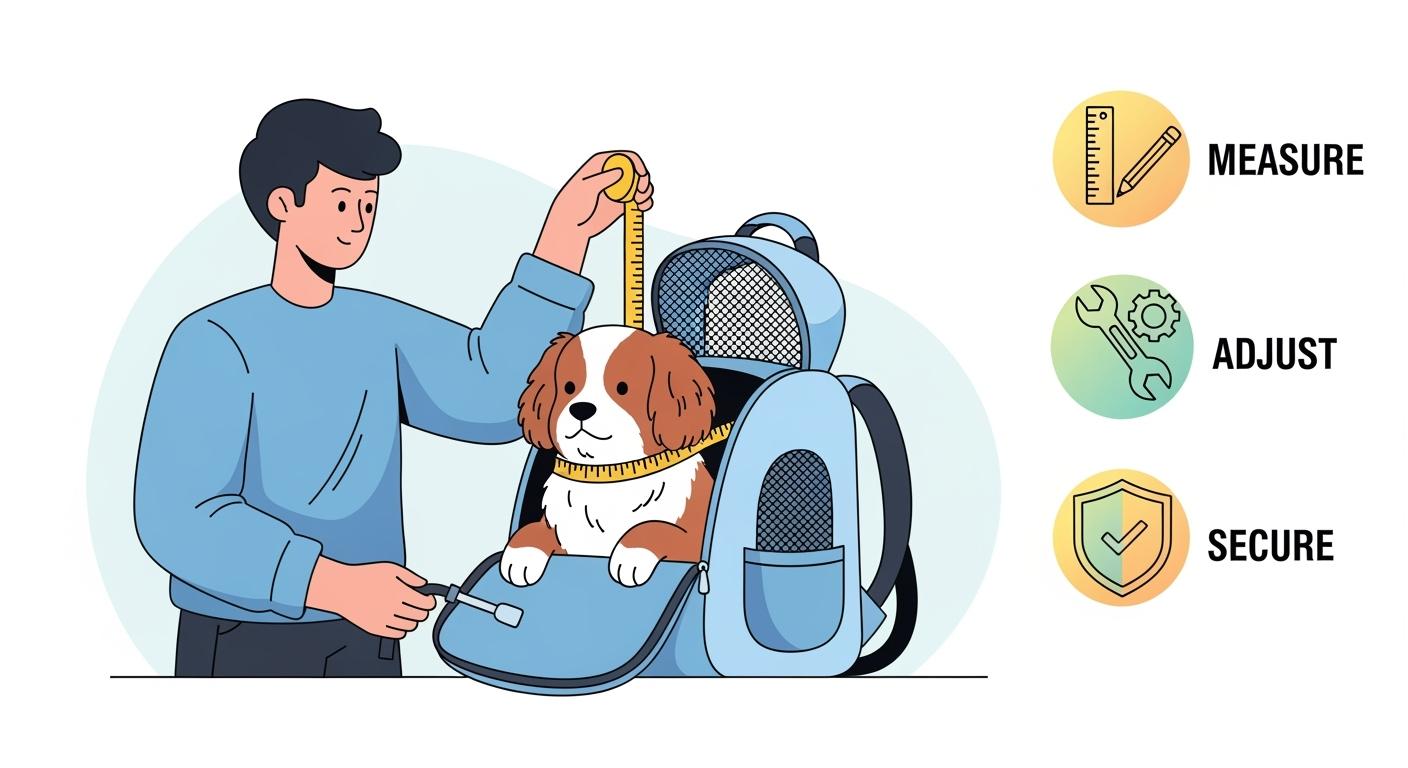
You need to measure your dog before you buy a dog backpack for hiking or travel. Start with three main measurements.

  • Dog length: Measure from the tip of the nose to the base of the tail. Use a soft tape measure. Write down the result in inches and centimeters.

  • Shoulder height: Measure from the floor to the top of the shoulder area. This helps you check if your dog will hunch inside the dog carrier backpack.

  • Chest girth: Wrap the tape around the widest part of the chest, just behind the front legs. This number helps you find a dog backpack that fits snug but does not squeeze.
    If your dog is small, these numbers will be lower. For bigger dogs, you need a larger dog carrier.
    Here is a sample chart for reference:

Size

Neck (A)

Chest (B)

Dog Weight

Baxter

17 – 24 in (43 – 61 cm)

27 – 40 in (69 – 102 cm)

30 – 85 lbs

Big Baxter

21 – 33 in (53 – 84 cm)

30 – 48 in (76 – 122 cm)

50 – 110 lbs

Always use your dog’s most recent weight for label matching. Write down all measurements before you shop for a dog backpack.

Internal vs External Dimensions

When you look at a dog carrier backpack, check the internal dimensions first. The inside length, width, and height matter most for fit. External measurements can include pockets or padding, which do not help your dog fit better.
You want your dog to sit or lie down without feeling cramped. Your dog should be able to turn around inside the dog backpack without scraping shoulders on the side walls.
If your dog is close to the maximum weight listed on the label, switch to a more structured dog carrier for better support during hiking or long trips.

Buffer Rule for Natural Posture

Give your dog extra space inside the dog backpack. Add a buffer of 2 – 4 in (5 – 10 cm) to each measurement. This buffer lets your dog keep a natural posture and reduces hunching.
A buffer helps your dog shift position and stretch during hiking or travel. If you skip the buffer, your dog may feel cramped or stressed.
Always check that your dog can move and breathe easily inside the dog carrier backpack.

Tip: Use a checklist to record each measurement and buffer. This helps you compare dog backpacks and avoid sizing mistakes.

Measurement Table: What, How, and Why

Here is a simple table to guide your sizing steps:

What to Measure

How to Measure

Why It Matters

Dog length

Nose to base of tail (in/cm)

Sets baseline size

Shoulder height

Floor to top of shoulder (in/cm)

Prevents hunching

Chest girth

Widest chest, behind front legs (in/cm)

Helps stabilize fit

Buffer rule

Add 2 – 4 in (5 – 10 cm)

Reduces cramped posture

Internal dimensions

Internal L x W x H (in/cm)

Fit accuracy

Weight label

Match dog weight to label maximum

Safety and return prevention

Near-limit rule

Switch to structured carrier if close to max

Better support

Use this table as a checklist before you buy a dog backpack for hiking, travel, or daily walks. Double-check each step to keep your dog safe and comfortable.

Support and Posture Inside the Dog Backpack

Support and Posture Inside the Dog Backpack

Base Stiffness and Slumping Prevention

You want your dog to stay upright and comfortable during every walk or hike. A semi-rigid or structured base in your dog backpack helps prevent your dog from slumping or leaning to one side. If the base is too soft, your dog may slide down or curl up in an awkward way. This can cause stress or even mild injury over time. Always check the base before each trip. Press down with your hand. The base should not fold or sag under gentle pressure.

Scenario A: Small Dog Slumping and Leaning
Imagine you place a small dog in a dog carrier backpack. The dog leans to one side and slides down. You notice the base feels soft and the straps are loose. To fix this, add a firmer insert under the base, adjust the shoulder and hip straps for a snug fit, and check that the dog sits level. After these changes, the dog sits upright and looks relaxed.

Back Panel and Hip Support

A strong back panel keeps your dog’s spine straight. Hip support helps your dog stay balanced, especially during walking or hiking. Adjust the straps so the backpack sits high on your back. The weight should rest on your hips, not just your shoulders. This setup reduces fatigue for you and keeps your dog steady.

Head Position and Airway Checks

Your dog should hold its head in a natural position. The airway must stay clear at all times. Watch for signs like the chin pressed to the chest or the nose pushed into a corner. If you see these, stop and adjust the fit. Make sure your dog can look around and breathe easily.

Safety Note: Always check your dog’s posture and breathing every 10-15 minutes. Stop using the dog carrier if your dog shows distress, heavy panting, or tries to escape.

Common Issues and Solutions Table

Common Cause

What It Leads To

What To Do Next

Soft base

Slumping, poor posture

Add a stiff insert or structured pad

Loose straps

Leaning, shifting

Tighten shoulder and hip straps

Small interior space

Hunching, stress

Choose a larger dog backpack

Poor ventilation

Overheating, panting

Open mesh panels, take breaks

No tether

Escape risk

Attach harness to internal tether

Use this checklist to spot and fix problems before you start walking or hiking with your dog.

Materials and Ventilation for Comfort

Breathability vs Structure

When you choose a dog carrier, you need to balance airflow and support. A breathable dog pet backpack carrier uses mesh or vented panels to help your dog stay cool. Too much mesh can make the carrier lose shape. If the carrier is too soft, your dog may slump or feel unsafe. If you pick a carrier with a strong frame, your dog gets better support, but less airflow.

Checklist for balance:

  • Check for mesh panels on at least two sides.

  • Press the base and sides. They should not collapse.

  • Make sure your dog can sit upright without slumping.

Tip: For a small dog, look for a carrier that keeps its shape but still lets air flow.

Mesh Panel Placement

Mesh panels help your dog breathe and see out. You want mesh on the front or sides, not just the top. If the mesh is only on the top, your dog may get hot or feel trapped. Too much mesh on the bottom can let in dirt or water.

Table: Mesh Placement Guide

Mesh Location

Benefit

Watch Out For

Sides

Good airflow, view

Less structure

Front

Easy breathing, view

Needs strong frame

Bottom

Not needed, less clean

Dirt, water exposure

A breathable dog pet backpack carrier with mesh on the sides and front gives your dog the best mix of comfort and safety.

Cleaning and Maintenance Tips

You want your dog’s carrier to last. Clean it after every few uses. Remove loose hair and dirt with a lint roller or brush. Wipe down the inside with a damp cloth. For deep cleaning, check if the liner is removable and machine washable. Let the carrier dry fully before you use it again.

Note: Regular cleaning keeps your dog healthy and helps the carrier last longer.

Human Comfort Features in Dog Carrier Backpacks

Strap Systems: Shoulder, Sternum, Hip Belt

When you carry a dog backpack, you want to feel comfortable and safe. Strap systems play a big role in how the weight feels on your body. Look for a backpack with padded shoulder straps. These help spread the weight across your shoulders. A sternum strap connects the shoulder straps at your chest. This keeps the straps from sliding off and helps keep the backpack steady. A hip belt moves some of the weight to your hips. This reduces pressure on your back and shoulders. You can walk longer and feel less tired when you use all three straps.

Checklist for strap setup:

  • Adjust shoulder straps so the dog backpack sits high on your back.

  • Clip the sternum strap for extra stability.

  • Fasten the hip belt snugly around your waist.

Tip: Try the backpack with your dog inside before you go out. Walk around your home to check comfort.

Load Distribution and Stability

You want the weight of your dog to stay close to your body. This helps you keep your balance and move easily. A well-designed dog backpack keeps the load centered. If the backpack hangs low or shifts, you may feel off-balance. Adjust the straps until the backpack feels secure. Make sure your dog sits upright and does not lean to one side.

Table: Load Distribution Guide

Feature

What to Check

Why It Matters

Shoulder straps

Even tension on both sides

Prevents leaning

Hip belt

Snug fit, not loose

Reduces back strain

Sternum strap

Centered, not too tight

Adds stability

Storage Pockets and Balance

Many dog backpacks have storage pockets for treats, water, or waste bags. These pockets help you carry what you need for your dog. You should pack items evenly on both sides. Heavy items on one side can make the backpack tilt. Keep small items in front pockets and balance heavier items in side pockets.

Note: Always check the balance after packing. A well-balanced backpack helps you walk safely and keeps your dog comfortable.

Choosing the Right Dog Backpack for Hiking and Travel

Short Trips and Small Dog Travel Bags

For short trips, pick a dog backpack that is light. It should be easy to carry. Small dog travel bags are good for errands or quick visits. Look for a soft inside, simple design, and small size. Your dog should sit or lie down without feeling squeezed. The best dog travel bag for daily use has a soft lining and easy closures. Always make sure your dog can turn around and breathe well.

Long Hikes and Structured Support

If you want to hike for hours, get a strong dog backpack. Outdoor travel large capacity dog backpacks have thick, wide straps and a firm base. They also have mesh panels for air. These features help you carry your dog longer with less effort. Waterproof fabric and safety clips give extra protection. Expandable dog backpacks let your dog stretch during breaks. For hiking, always check your dog’s weight with the label. Use a firm base to stop your dog from slumping.

Nervous Dogs and Escape Prevention

Some dogs get nervous when they travel. They might try to escape, especially outside. Scenario B: Your dog tries to jump out on a hike. You use a strong closure, clip the harness to the inside tether, and let your dog practice at home first. This lowers the chance of escape. Pick a dog backpack with a strong zipper, safety tether, and escape-proof design. A small dog carrier backpack with these features keeps your dog safe and calm.

Decision Table: Dog, Context, Features, Avoid

Dog Type

Context

Best Features

Avoid

Small, calm

Short trips

Soft lining, easy access, light straps

Bulky, stiff carriers

Active, large

Hiking

Structured base, wide straps, ventilation

Soft, unstructured bags

Nervous

Outdoor travel

Secure closure, harness tether, mesh sides

Open tops, no tether

Feature Checklist Table

Parameter

Target range or option

Why it matters

Dog length

nose to base of tail

Sets baseline size

Shoulder height

floor to shoulder area

Prevents hunching

Chest measurement

widest chest, behind front legs

Helps stabilize fit

Buffer rule

add 2-4 in (5-10 cm)

Reduces cramped posture

Internal dimensions

internal L x W x H

Fit accuracy

Weight label

match dog weight to label maximum

Safety and return prevention

Near-limit rule

switch to structured carrier if close to max

Better support

Base stiffness

semi rigid or structured

Prevents slumping

Ventilation

breathable panels

Comfort cue

Strap system

shoulder, sternum, hip belt

Better load distribution

Closure design

secure openings

Reduces escape risk

Tether concept

internal tether to harness point

Extra security

Comparison Table: Backpack, Front Carrier, Stroller

Option

Pros

Cons

Best For

Dog backpack

Hands-free, stable, good for hiking

Can get warm, needs fit

Hiking, travel, errands

Front carrier

Easy to check on dog, quick access

Less support, less stable

Short trips, small dogs

Stroller

No lifting, roomy, good for seniors

Bulky, not for rough trails

Long walks, nervous dogs

Expandable dog backpacks and outdoor travel large capacity dog backpacks are best for hiking. The best dog backpacks for road trips focus on comfort and safety. Always use a travel bag for dogs that fits your needs when you travel with your dog.

Buying Tips for Dog Carrier Backpacks

Weight Labels and Internal Dimensions

Start your search by checking the weight label on each dog carrier backpack. Always match your dog’s current weight to the label maximum. Never guess or round up. Use a tape measure to check your dog’s length, shoulder height, and chest girth. Compare these numbers to the internal dimensions of the dog backpack. Add a buffer of 2-4 in (5-10 cm) to each measurement. This extra space helps your dog keep a natural posture during travel or walking. Internal space matters more than outside size. If your dog is close to the weight limit, choose a more structured dog carrier for better support.

Tip: Write down your dog’s measurements and compare them to the product details before you buy.

Fit Tests and Posture Checks

Before you use your new dog backpack for travel or walking, run a fit test at home. Place your dog inside the carrier. Watch how your dog sits or stands. Your dog should turn around without scraping the sides. Check that your dog can hold its head up and breathe easily. Look for signs of stress, like whining, panting, or escape attempts. If you see any of these, stop and adjust the fit. Try short practice walks indoors. Adjust the straps for a snug, balanced fit on your body.

Step-by-step fit test checklist:

  1. Place your dog in the backpack.

  2. Check posture and head position.

  3. Make sure your dog can turn and stretch.

  4. Watch for stress or overheating.

  5. Adjust straps and repeat as needed.

Safety Note: Stop using the carrier if your dog shows distress, tries to escape, or overheats. Ask a veterinarian or trainer for advice if you have concerns.

Supplier Specs: Frame, Seams, Mesh, Labels

When you shop for a dog carrier backpack, review the product specs. Look for a semi-rigid or structured frame to prevent slumping. Check that seams feel strong and do not have loose threads. Mesh panels should allow airflow but not weaken the carrier. The weight label must be clear and easy to read. Ask the supplier about cleaning instructions and care tips.

Quality checklist:

  • Structured frame or base

  • Reinforced seams

  • Breathable mesh panels

  • Clear weight label

  • Easy-to-clean liner

A careful review of these features helps you pick a safe and comfortable dog backpack for travel and walking.

Check all your measurements in inches and centimeters before you buy. Make sure your puppy’s weight matches the label for safety. Try the dog carrier backpack at home first. Watch your puppy for any signs of being uncomfortable. Read this guide again when you plan a new trip or travel with puppies. Setting up the backpack carefully keeps your puppy safe. You can enjoy every trip more when you do this. Safe and comfy trips with your puppy begin now.

FAQ

How do I know if my dog fits in the backpack?

Check your dog’s length, shoulder height, and chest girth. Add a 2-4 in (5-10 cm) buffer. Your dog should turn around and sit upright. If your dog cannot move freely, try a larger size.

What should I do if my dog seems stressed inside the carrier?

Stop and remove your dog from the backpack. Let your dog rest in a calm place. Try short practice sessions at home. Watch for signs of stress like whining or panting. Adjust the fit or choose a different carrier if needed.

Can I use the same backpack for different dogs?

You can use one backpack for dogs with similar size and weight. Always measure each dog and check the weight label. Adjust the straps for each dog. Never force a dog into a carrier that feels too tight.

How often should I clean my dog carrier backpack?

Clean the carrier after every few uses. Remove hair and dirt with a brush. Wipe the inside with a damp cloth. Wash removable liners as needed. Let the backpack dry completely before using it again.

What is the best way to carry supplies in the backpack?

Pack small items in front pockets. Balance heavier items on both sides. Use a checklist for treats, water, and waste bags. Do not overload the backpack. Check the balance before you start your walk or hike.

Get A Free Quote Now !

Table of Contents

Blog

Canine Pulling Harness How to Spot Wear Before a Hard Pull Turns Risky

Spot wear on your canine pulling harness by checking stitching and hardware before each hard pull to ensure durability and keep your dog safe.

Puppy Collars Custom: How to Check Tightness and Prevent Slipping Safely

Puppy collars custom should fit snugly with two fingers under the collar. Use the slip test to prevent loss and keep your puppy safe and comfortable.

Dog Running Leash: How to Select Hands-free or Standard Based on Real Pulling Patterns

Choose the right dog running leash by matching hands-free or standard setups to your dog's pulling and walking style for safety and control.

Dog Carry Bike Risk Checklist: Body Language Warnings and When to Stop Immediately

Spot stress or danger in your dog during dog carry bike rides. Learn body language warnings and when to stop for your dog's safety on hikes or rainy walks.

Which Waterproof Dog Bed Stays Dry on Wet Ground?

A waterproof dog bed with sealed seams, strong base, and high hydrostatic head value keeps your dog dry on wet ground during outdoor use.

Dog Leashes: How to Spot Wear Before a Leash Fails on a Walk

Check dog leashes for fraying, weak stitching, and hardware issues before walks. Spot stress points early to prevent leash failure and keep your dog safe.
Scroll to Top

If You Have Any Questions, Please Do Not Hesitate To Contatct With Us.

Get A Free Quote Now !

Welsh corgi wearing a dog harness on a walk outdoors