Use this dog backpack carrier size checklist in 3 steps: measure height/length/weight, confirm the carrier weight limit, then check fit and ventilation. Includes inch/lb and cm/kg tips and common limits for small-to-medium dogs to reduce sizing mistakes and returns.
This guide was developed by Stridepaw’s product and merchandising team using current small-animal veterinary references and backpack ergonomics guidelines that are commonly applied in North America and Europe. It is an educational overview and does not replace advice from your own veterinarian or local regulations.
Key Takeaways
Pick a canine backpack carrier that matches your dog’s size and weight. This helps keep your dog safe and comfortable. Always measure your dog’s height, length, and weight first. This stops your dog from feeling uncomfortable. Look for carriers with safety features like auto-lock zippers and harness clips. These features help stop your dog from escaping. Choose carriers with good airflow, like mesh panels. This keeps your dog cool and happy. Think about your dog’s needs, like age or health problems, when picking a carrier. Check the carrier’s weight limits to avoid hurting yourself or your dog. Choose carriers with soft insides and straps you can adjust. This makes long walks easier and more comfortable. Use a checklist to compare features. This helps you pick the best carrier for your dog.
Measuring Your Dog for the Best Fit
How to Measure Your Dog
Accurate measurement helps you select the right canine backpack carrier for your dog. You need to know your dog’s height, length, and weight before you compare carrier options. These dimensions help you avoid discomfort and safety risks.
Follow these steps to measure your dog:
Stand your dog on a flat surface. Use a tape measure to check the height from the floor to the top of the head. For some breeds, measure to the highest point of the shoulder and add a few inches (about 5–8 cm) for clearance.
Measure your dog’s length from the tip of the nose to the base of the tail. You can also measure from the collar to the base of the tail, then add extra inches (about 5–8 cm) for head space.
Weigh your dog using a reliable scale. Make sure your dog’s weight fits within the carrier’s limit.
Correct measurement reduces the chance of returns and increases customer satisfaction. When you measure your dog carefully, you help your clients choose the best canine backpack carrier for their needs.
Using Sizing Charts and Weight Limits
Most reputable brands provide sizing charts for their backpack carriers. These charts list recommended dog dimensions and weight limits. You should always compare your dog’s measurements to the chart before you buy.
Check your dog’s height and length against the carrier’s listed dimensions. Add a few inches (about 5–8 cm) for clearance to ensure comfort.
Confirm your dog’s weight does not exceed the carrier’s maximum limit. Most carriers support dogs up to 15–25 lbs (7–11 kg).
Use both imperial (inches, lbs) and metric (cm, kg) units for accuracy.
Sizing charts help you match your dog to the right carrier. When you use these charts, you reduce the risk of poor fit and improve your dog’s experience.
Ensuring a Snug, Comfortable Fit
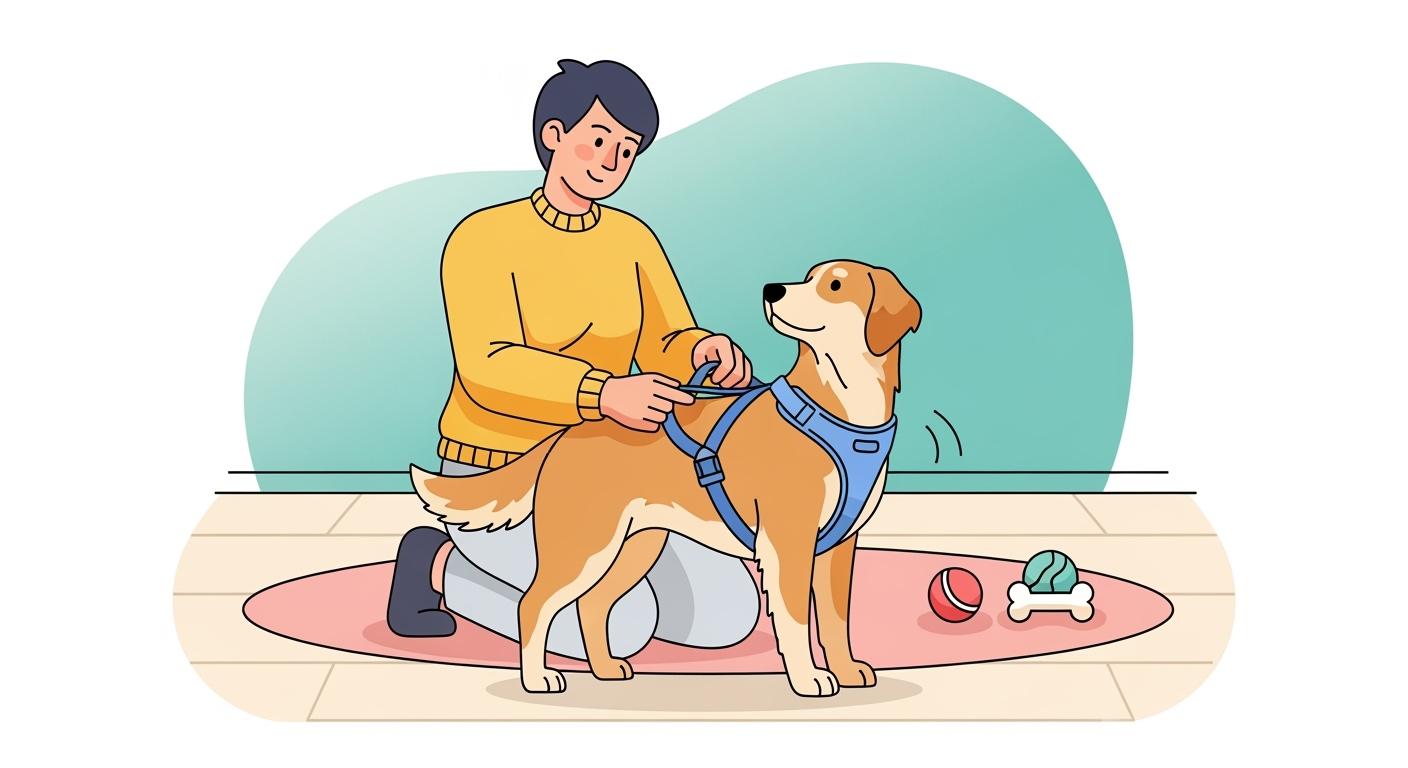
A snug fit keeps your dog secure and comfortable inside the backpack carrier. The design of modern carriers adapts to different breeds and sizes. Safety features like harness clips and cushioned interiors protect your dog during travel.
Look for these signs of a good fit:
Your dog sits or lies naturally inside the carrier without curling or slouching.
The carrier supports your dog’s back and hips.
Safety features, such as auto-lock zippers and harness clips, keep your dog secure.
Your dog shows relaxed behavior and does not try to escape or rub against the carrier.
Design teams now pay close attention to veterinary guidance on posture, joint support, and respiratory health when they update carrier shapes and padding. When you select a carrier that truly fits—supporting the spine, allowing a natural resting posture, and avoiding pressure on the neck—you help prevent strain and stress for the dog. For retailers and brands, fit education directly reduces size-related returns and strengthens long-term customer trust.
Why Choose a Canine Backpack Carrier
When Backpack Carriers Are Best for Dogs
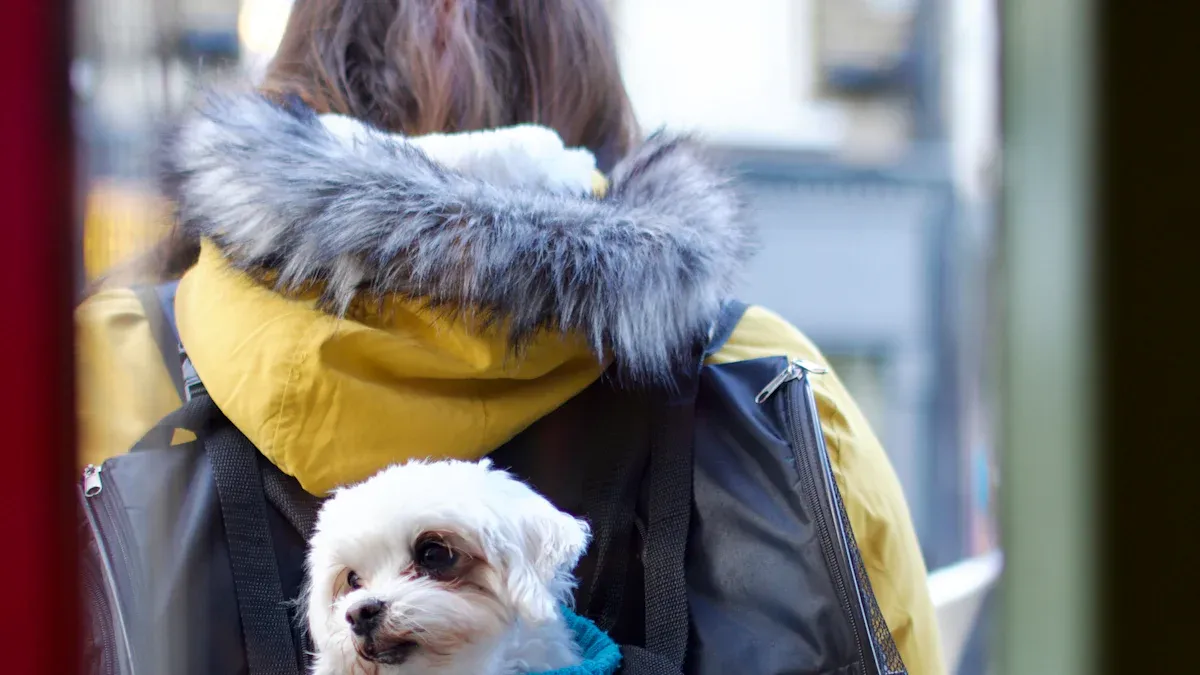
You may find that a dog carrier backpack works better than a leash or crate in many situations. Veterinarians and trainers often recommend dog backpack carriers for small to medium-sized dogs. These carriers help your dog enjoy outdoor activities and travel. You can use a dog carrier backpack when your dog needs a break from walking, such as during a long hike or if your dog injures a paw.
Tip: Always check your dog’s comfort and posture inside the carrier. A well-fitted dog carrier backpack supports your dog’s back and keeps them secure.
You can use dog backpack carriers to keep your dog close and safe. This is especially important in crowded places or when your dog feels anxious. You also protect your dog from rough terrain or hot pavement.
Common Uses: City, Hiking, Travel
Dog backpack carriers offer many benefits for daily life and travel. You can use a dog carrier backpack in the city, on hiking trails, or during travel. Here are some common uses:
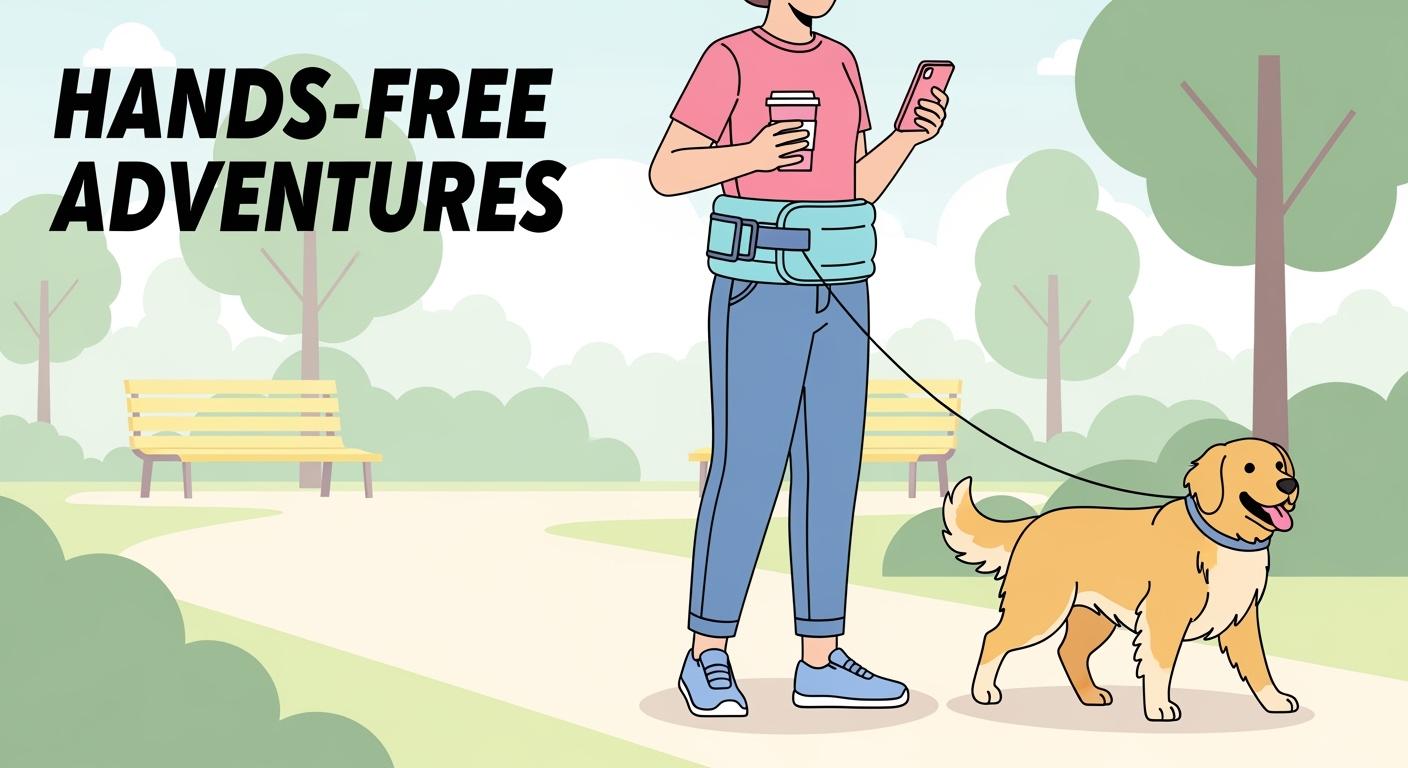
Hiking: Dog backpack carriers let you move hands-free on trails. Your dog can rest while you keep walking.
Urban Commuting: You can carry your dog through busy streets or on public transport. A dog carrier backpack helps you manage your dog and your belongings at the same time.
Traveling: Many dog backpack carriers meet size rules for public transport and airports. You can keep your dog close and calm during trips.
A dog carrier backpack gives your dog a safe space. You can use it to help your dog adjust to new places or avoid stressful situations.
Limitations for Large Dogs
Dog backpack carriers work best for small and medium dogs. Most carriers have weight limits between 15–25 lbs (7–11 kg). Large dogs often do not fit safely or comfortably in a dog carrier backpack. Carrying a large dog may cause strain for you and discomfort for your dog.
Note: Always check the weight and size guidelines for each dog carrier backpack. Never force a large dog into a carrier that does not fit.
Dog backpack carriers may not support the body of a large dog. This can lead to poor posture or injury. If you have a large dog, consider other transport options like sturdy crates or trolleys.
Dog backpack carriers help you keep your dog safe, comfortable, and close in many situations. You can choose the right dog carrier backpack by thinking about your dog’s size, your activities, and your travel needs.
Safe Weight Guidelines for Carriers
Choosing the right canine backpack carrier is not only about internal space. You also need to keep both your dog’s body and your own back within safe load limits. If the combined weight of the dog, carrier, and gear is too high, your dog may overheat or feel stressed, and you may develop back or shoulder pain.
Most small dogs that ride in backpack carriers weigh under 20–25 lbs (9–11 kg), and every reputable carrier lists a maximum recommended pet weight. Your dog must always be below that limit, and you should also stay within a safe percentage of your own body weight. General ergonomic guidance suggests that backpack loads are most comfortable when they stay around 10–15% of the wearer’s body weight, with 20% treated as a practical upper limit for short periods.
The table below gives conservative examples for the total load you carry (dog + carrier + any accessories):
| Wearer Body Weight | Comfortable Load Range (Dog + Carrier + Gear) | Upper Load You Should Avoid Exceeding |
|---|---|---|
| 110 lbs (50 kg) | 11–16 lbs (5–7 kg) | About 22 lbs (10 kg) |
| 150 lbs (68 kg) |
| About 30 lbs (14 kg) |
| 180 lbs (82 kg) | 18–27 lbs (8–12 kg) | About 36 lbs (16 kg) |
These numbers are starting points, not medical rules. If you have back, hip, or knee problems, you should stay at the lower end of the range or below it. Always:
Take regular breaks so both of you can stretch and reset.
Confirm that your dog’s weight is lower than the carrier’s stated maximum.
Weigh the dog and carrier together before long trips.
By combining manufacturer weight limits with conservative load guidelines for humans, you reduce the risk of injury, improve comfort, and help business customers avoid returns caused by carriers that are simply too heavy to use in daily life.
Key Features for Canine Backpack Carriers
Comfort: Cushioned Interiors and Padding
You want your dog to feel calm and supported in the carrier. Comfort starts with soft padding inside. Good backpack carriers use gentle, breathable materials. These protect your dog’s joints and spine. Thick padding on the bottom and sides helps absorb bumps from walking or hiking. Look for a carrier with padding you can adjust. This is important for older dogs or breeds with sensitive hips. A comfy carrier lets your dog sit or lie down naturally. Your dog should not feel squished or forced to curl up. Many carriers have pads you can remove and wash. This makes it easy to keep the carrier clean and comfy for every trip. When you pick a carrier with good padding, you lower the chance of pressure sores and pain. This makes your dog happier and means fewer returns.
Ventilation: Mesh Panels and Airflow
Good ventilation is critical for your dog’s safety in a backpack carrier. Dogs cool themselves mainly by panting, so they need a steady flow of fresh air around the nose and chest. Large mesh panels on at least two or three sides, plus additional vents on the top, help warm air escape instead of getting trapped inside the carrier.
In warm or humid weather, a poorly ventilated carrier can heat up quickly and hold moist air. That combination raises the risk of heat-related illness, especially for:
Safety: Auto-Lock Zippers and Harness Clips
- Brachycephalic (flat-faced) breeds that already struggle to move air efficiently.
- Overweight dogs or those with heart or respiratory disease.
- Senior dogs that regulate body temperature less effectively.
When you review a canine backpack carrier, treat airflow as a non-negotiable safety feature. Look for:
- Large mesh windows on multiple sides.
- An opening that allows your dog’s head to sit in natural, unobstructed air.
- A design that still provides ventilation if one zipper or flap is closed for security or weather protection.
Clear ventilation standards help distributors and retailers choose safer products and give end customers a simple checklist to follow in hot weather.
Durability and Material Quality
You want a canine backpack carrier that lasts a long time. Strong carriers keep your dog safe and protect your money. Pick one made from tough, tear-proof fabric. Nylon or polyester can stop scratches and bites. Extra stitching in key spots makes it stronger. Good zippers should not get stuck. Seams should not break when you carry your dog.
A good canine backpack carrier has a strong frame or base. This keeps it from bending or losing its shape. Hard bases help your dog stay comfy and supported. Water-resistant layers keep out rain and spills. You can wipe these surfaces clean fast. This helps keep the carrier neat and germ-free.
Tip: Always look at the weight rating on the carrier. Make sure it matches your dog’s weight. If you put in too much weight, the fabric or straps can break.
Pick a carrier with linings that are easy to clean. Removable pads or inserts can be washed to get rid of dirt and smells. This keeps the carrier fresh for every trip. When you pick a strong canine backpack carrier, you lower the chance of returns and make customers happy.
Human Comfort: Straps and Support
Carrying your dog should not hurt or make you tired. Your comfort matters as much as your dog’s comfort. Look for features that make carrying easier for you. A good canine backpack carrier has padded shoulder straps and back panels. These help spread the weight across your shoulders and back.
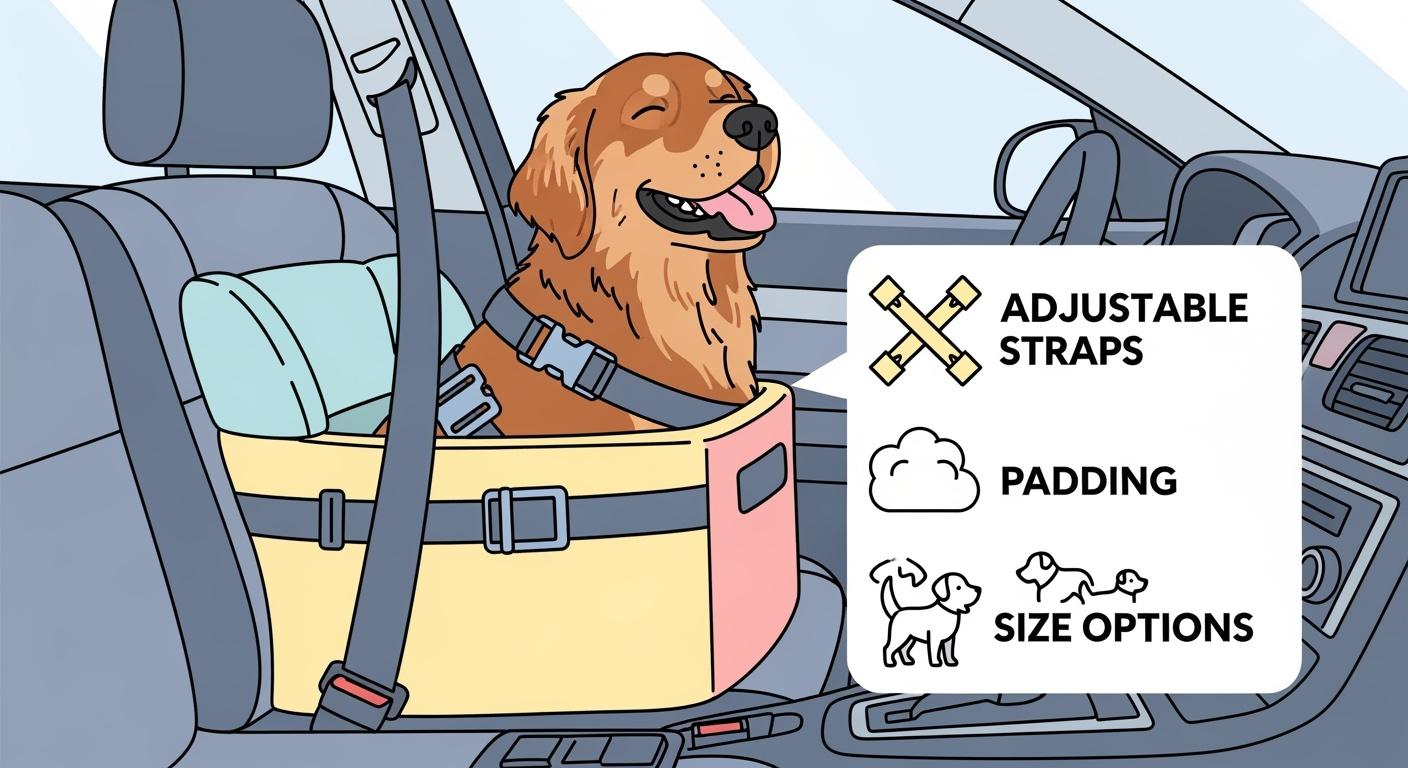
Check if the straps can be adjusted. This lets you fit the carrier to your body. Wide, padded straps stop them from digging in. Some carriers have chest or waist straps for more support. These keep the carrier steady and lower strain on long walks.
Padded shoulder straps make your shoulders feel better.
Back panels help you stand up straight.
Adjustable straps help you get the right fit.
Chest and waist straps give more balance and support.
A good canine backpack carrier uses straps and back panels that let air through. This keeps you cool and dry, even when it is hot. You can carry your dog longer without feeling sore. When you pick a carrier with good support, you protect your body and enjoy your trips more.
Note: Always try the carrier before a long walk. Adjust the straps and check the balance with your dog inside. A good fit helps stop injuries and makes your trip better.
Choosing the Best Dog Backpack Carrier by Size

Toy and Small Breeds
When you pick a backpackcanine carrier for toy and small breeds, focus on comfort and safety. These dogs are light, usually under 15 lbs (7 kg). You need a carrier that fits their size and keeps them safe from health problems like ivdd. A good carrier protects your dog’s spine and joints. Some breeds, like Dachshunds and Shih Tzus, have weak backs. They need extra padding and a strong base. Always make sure your dog can sit or lie down naturally in the carrier.
Customer reviews and expert advice say these features are important for small dogs: 1. The inside should be roomy so your dog can move around. 2. The carrier should have a strong shape to protect the spine and lower ivdd risk. 3. It should be allowed on airplanes for easy travel. 4. Reflective strips help keep your dog safe at night. 5. Extra pockets are useful for carrying things.
A good carrier from a trusted brand has a pad you can take out and wash. Look for mesh panels to let air in and stop overheating. Always check the weight limit to make sure it matches your dog. This stops too much pressure on your dog’s back and lowers the chance of ivdd or arthritis.
Medium Dogs: Extra Support
Medium dogs need more support in a canine backpack carrier. These dogs weigh between 15–25 lbs (7–11 kg). Pick a carrier that fits your dog’s size and weight. The right carrier helps stop ivdd and keeps your dog healthy when you travel.
Feature | Description |
|---|---|
Sizing | Your dog should stand, turn, and move easily. |
Dimensions | The carrier should match your dog’s height and back length. |
Weight | The carrier must hold your dog’s weight. |
Safety | Auto-lock zippers and a leash tether stop escapes. |
Function | Extra pockets are good for poop bags and water bottles. |
Comfort | A padded base and soft lining make it comfy. |
Ventilation | Mesh windows keep air moving and stop overheating. |
Durability | Pick light, strong, and water-resistant materials for outdoor use. |
Always check if the carrier is strong and has enough padding. This helps lower the risk of ivdd and arthritis. Mesh panels keep your dog cool. Adjustable straps help you carry the weight better and protect your back. Always follow the weight rules to keep you and your dog safe.
Special Cases: Seniors, Puppies, Brachycephalic Breeds
Some dogs need extra care when you choose a canine backpack carrier. Senior dogs, puppies, and brachycephalic breeds (dogs with short noses) are more vulnerable to spinal strain and breathing difficulty. Your carrier choice should lower these risks instead of adding new ones.
For dogs with a history of back problems such as intervertebral disc disease (IVDD), what matters most is a level, padded surface that supports the whole spine. Avoid designs that force the dog into an upright “sitting” posture for long periods or that allow the hind legs to hang. For brachycephalic breeds, prioritize generous mesh ventilation and enough space for the head and neck so that panting is not restricted. These dogs are significantly more likely to develop heat-related illness, even in moderate temperatures, so they should spend less continuous time in a carrier and take frequent cooling breaks.
Dog Type | Consideration |
|---|---|
Senior Dogs | Do not use vertical carriers. These put too much pressure on the spine and can make ivdd or arthritis worse. |
Puppies | Avoid vertical carriers. Puppies need comfort and can get scared in tight spaces. |
Brachycephalic Breeds | Vertical carriers make breathing harder. Pick carriers that let them rest in a natural way. |
If your dog has ivdd or is a breed with back problems, do not use carriers that force the spine upright. Always pick a carrier with a flat, padded bottom. This lowers pressure on the back and joints. For older dogs, extra padding and easy entry are important. Arthritis can make moving hard, so a soft inside helps. Puppies need a safe, comfy space to feel calm and avoid ivdd. Brachycephalic breeds need lots of airflow to help them breathe and stay cool.
Tip: Always ask your vet before picking a carrier for a senior dog, puppy, or any dog with ivdd or arthritis. This helps keep your dog safe and comfortable.
When Not to Use a Backpack Carrier
You want your dog to be safe and happy. But a canine backpack carrier is not always the best choice. Some dogs can get hurt or feel stressed in a carrier. Vets have rules for when you should not use a backpack carrier, especially the vertical kind. Always look at your dog’s health and how they act before you use one.
The table below lists health problems where you should not use a canine backpack carrier:
Health Condition | Reason for Avoidance |
|---|---|
Spinal Disorders | Vertical backpack carriers are risky for dogs with spinal tumors, cysts, or birth problems like Wobbler’s syndrome. |
Cauda Equina Syndrome | Dogs with this problem should not use vertical carriers because of nerve pain in the spine. |
Brachycephalic Breeds | These dogs may have trouble breathing in a vertical carrier because of their body shape. |
Overweight or Obese Dogs | Extra weight puts more stress on the spine, so vertical carriers are not safe for these dogs. |
Behavioral Issues (e.g., Confinement Anxiety) | Dogs with anxiety may feel scared and stressed in a carrier, which is bad for their mental health. |
You should also not use a canine backpack carrier in these cases:
Your dog has anxiety or gets upset in small spaces.
Your dog tries to get out or acts restless in the carrier.
Your dog has breathing problems, especially if it is a brachycephalic breed.
Your dog is heavier than the carrier’s weight limit (usually 25 lbs or 11 kg).
Your dog has a health problem with the spine, nerves, or joints.
Note: Always ask your vet if you are not sure about your dog’s health or comfort in a backpack carrier. A vet can help you know if a carrier is safe for your dog.
Some dogs do not like being in a small space. You might see whining, panting, or scratching at the carrier. These signs mean your dog is not comfortable or is anxious. If you see these signs, stop using the carrier. Try a crate or a pet stroller instead.
You also need to think about the weather. Do not use a canine backpack carrier when it is very hot or cold. Bad airflow can make your dog too hot, especially if it has a thick coat or breathing problems. Always check the airflow and temperature in the carrier before you travel.
Picking the right way to carry your dog keeps them healthy and happy. If you do not use a canine backpack carrier in risky times, you help stop injuries and stress. This careful choice helps people trust you and makes your brand look better.
Matching Carrier Features to Travel and Activities
City and Public Transport
If you use a canine backpack carrier in the city, you will see lots of people and busy roads. You need a carrier that keeps your dog safe and comfy while you travel. Pick a carrier that matches your dog’s size and weight. Big mesh panels let air in and stop your dog from getting too hot. Locking zippers and a tether keep your dog safe inside. Your dog should sit in a normal way to feel calm. The carrier should help both you and your dog on buses, trains, or subways.
Feature | Description |
|---|---|
Size Limits and Weight Capacity | Make sure the carrier fits your dog’s size and weight so they can move easily. |
Ventilation | Choose big mesh panels for good airflow, which stops overheating in cities. |
Safety Features | Look for locking zippers and a tether to keep your dog safe inside. |
Comfort | The carrier should let your dog sit naturally, making it comfy for both of you. |
Tip: Always check the rules for pets on buses or trains before you go. Some cities have strict size rules for canine backpack carriers.
Hiking and Outdoor Travel
When you hike with your dog, you need a strong and airy canine backpack carrier. The carrier should be made from tough materials for rough trails. Breathable fabric is important because dogs can get hot when hiking. Mesh panels and air holes let air move through. The carrier must fit your dog’s size and weight to be safe. Adjustable straps help you carry your dog without pain on long hikes. The carrier should hold your dog’s body well and keep them safe.
Design Element | Description |
|---|---|
Durability | Strong materials keep the carrier safe and hold your dog’s weight on hikes. |
Breathability | The carrier should let air in to stop your dog from getting too hot outside. |
Size and Weight Capacity | The carrier must fit your dog and hold their weight for safe trips. |
Pick a carrier with extra padding for hiking. This makes your dog more comfortable on bumpy trails. Wide straps and a padded back panel protect your shoulders. Always check the weight limit before you start your hike. Take breaks so your dog can rest and cool off. The right carrier keeps your dog safe and makes hiking easier.
Airline and Long-Distance Travel
Flying with a canine backpack carrier means you must follow airline rules. The carrier needs a waterproof bottom and good airflow. Your dog must fit all the way inside the carrier. Zippers keep your dog safe while you travel. The carrier must fit under the seat in front of you. Your dog should be able to stand up and turn around inside. Measure your dog’s length, height, and width before you fly. Use these numbers to pick a carrier with the right inside size.
The carrier must have a waterproof bottom.
It should let air in well.
Your pet must be safely fastened inside.
The carrier must fit under the seat in front of you.
Your pet must fit all the way inside the carrier.
Your pet should be able to stand and turn around.
Always check the airline’s pet rules before you travel. A good canine backpack carrier helps you follow these rules and keeps your dog happy. Picking the right carrier makes travel less stressful for your dog and helps you avoid trouble at the airport.
Training Your Dog to Use a Backpack Carrier
Step-by-Step Acclimation
You need to be patient when teaching your dog to use a canine backpack carrier. Take your time and use rewards to help your dog feel safe. Trainers say you should go slowly and follow these steps:
Put the canine backpack carrier on the floor. Drop treats inside so your dog thinks it is a good place.
Let your dog walk in and out of the carrier. Give treats or toys to make it fun.
When your dog is calm, let them sit in the carrier on your lap. Praise your dog and give a treat.
Zip the carrier for a short time. Give a treat if your dog stays calm.
Carry your dog around the house for a few minutes. Slowly make the time longer.
Try short trips outside or in the car. Make each trip a little longer and harder.
Tip: Practice often. Doing this every day helps your dog trust the canine backpack carrier.
Monitoring Comfort and Stress
Watch your dog closely when training or traveling in the canine backpack carrier. Dogs show how they feel with their body and actions. Look for these signs:
Fast or shallow breathing
Stiff or slouching body
Panting, whining, or barking inside the carrier
Trying to get out or scratching at the carrier
Freezing or not moving
If you see any of these, stop and let your dog rest. Good owners notice these signs to keep their dog safe. Go slower if your dog seems upset. Always make sure your dog feels safe and happy.
Cleaning and Maintenance
Keeping the canine backpack carrier clean keeps your dog healthy and makes it last longer. Follow these easy cleaning steps:
Take everything out and check for dirt after each use.
Use a soft brush to get rid of hair and dust.
Clean spots with a pet-safe cleaner.
Take off parts that can be removed, following the instructions.
Wash by hand or in the machine as the label says.
Rinse well to get rid of all soap.
Let the carrier dry in the air, not in the sun.
You can spray with a pet-safe disinfectant after it dries.
Wipe the handles and straps after every trip.
Check zippers every month and add oil if needed.
Change broken straps right away so the carrier stays safe.
🧼 Note: Always read the care label before cleaning. Good cleaning keeps your dog healthy and the canine backpack carrier in great shape.
If you follow these steps, your dog will enjoy the canine backpack carrier and it will stay nice for every trip.
Purchase Checklist for the Best Dog Backpack Carrier
Must-Have Features by Dog Size
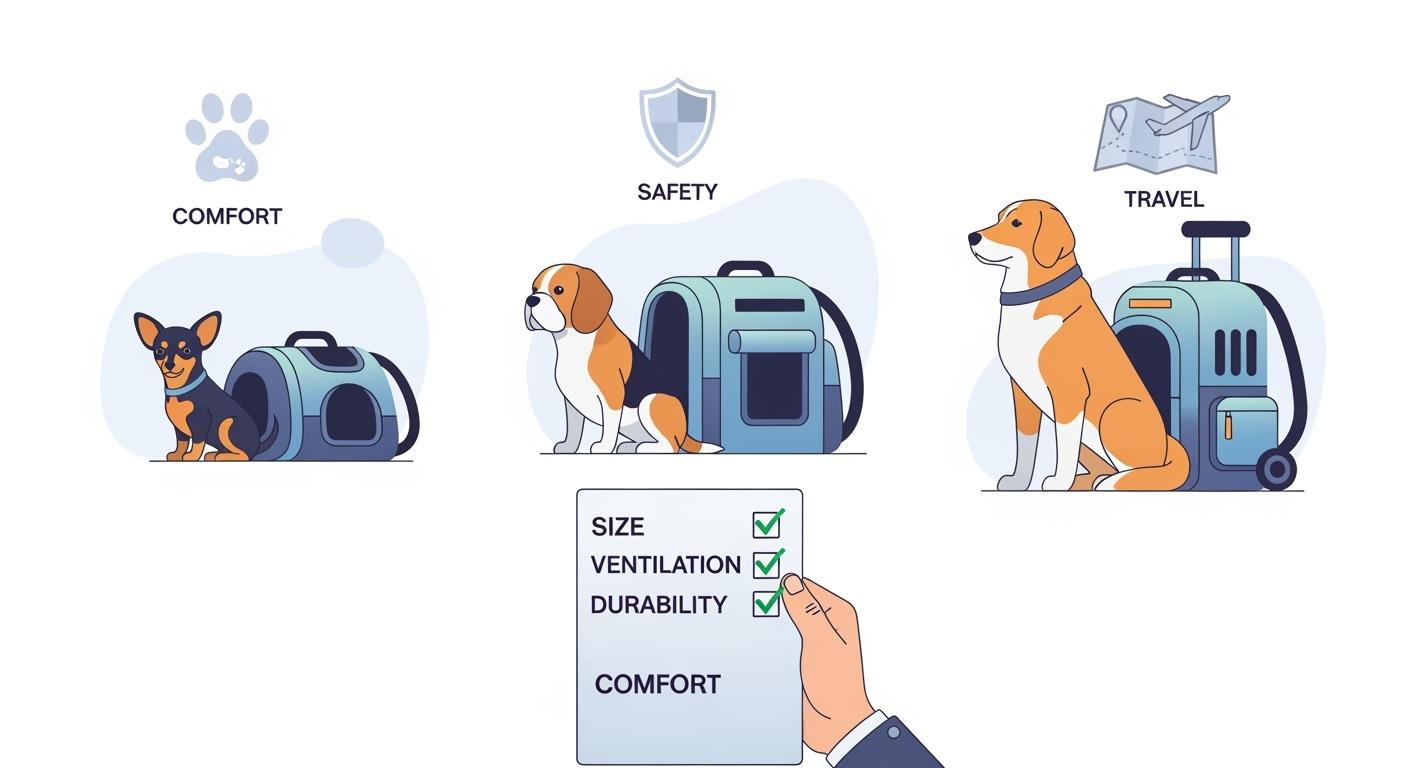
You want to pick the best dog backpack carrier for your pet. First, check the main features for your dog’s size. This helps you avoid returns and keeps your dog safe. Use this checklist to help you choose:
Sizing: Your dog should stand, turn, and sit inside.
Dimensions: Measure your dog’s back and height. Pick a carrier that matches.
Weight: Check the carrier’s weight limit. Your dog should not be too heavy.
Safety: Look for auto-lock zippers and a safety tether.
Function: Choose a carrier with pockets for treats or water.
Comfort: Pick a carrier with soft padding inside.
Ventilation: Make sure there are mesh windows for air.
Durability: Choose light, water-repellent materials for long use.
Feature | Description |
|---|---|
Sizing | Room for your dog to move around. |
Dimensions | Carrier matches your dog’s back and height. |
Weight | Carrier holds your dog’s weight. |
Safety | Auto-lock zippers and tethers keep your dog safe. |
Function | Pockets for treats or cleaning supplies. |
Comfort | Soft padding for a smooth ride. |
Ventilation | Mesh windows stop your dog from getting too hot. |
Durability | Light and water-repellent materials last longer. |
Picking the right size and features lowers returns. It also makes customers happier and helps you sell other products like harnesses or cooling mats.
Questions for Brands and Retailers
Ask brands and stores clear questions before you buy. This helps you get the right carrier and avoid mistakes:
What is the weight limit for this carrier?
Does the carrier fit my dog’s back and height?
Are the zippers auto-lock and is there a safety tether?
Is the carrier easy to clean?
What materials are used? Are they water-repellent?
Are there extra pockets for treats or supplies?
Does the carrier have enough mesh for air?
Can you suggest other products like harnesses or mats?
Tip: Always ask for a sizing chart and check return rules. Clear answers help you pick the right carrier and avoid returns.
How the Right Carrier Improves Satisfaction
Choosing the best dog backpack carrier makes owners and pets happier. Surveys show over 40% of pet owners use more than one carrier. Some use backpacks for city walks and strollers for longer trips. City owners like backpacks for easy movement and closeness. Families with more pets use strollers for longer walks and easy loading. Picking the right carrier for your pet makes travel safer and easier.
A good carrier means fewer returns and better reviews. You can also sell other products, like harnesses or cleaning wipes, to add value. Meeting your pet’s needs with the right carrier builds trust and helps your brand.
You keep your dog safe and comfy by picking the right canine backpack carrier for their size and needs. A good fit stops pain and helps your dog stand or sit well. Mesh lets air in and waterproof fabric keeps your dog dry. Padding and straps make it easier for you to carry your dog. Always measure your dog and look at the carrier’s features. Ask experts if you need help. Use the checklist before buying and tell others what works for you. This helps everyone make better choices.
FAQ
How do I know if my dog fits in a canine backpack carrier?
First, measure your dog’s height, length, and weight. Then, check these numbers with the carrier’s sizing chart and weight rules. Your dog should stand, turn, and sit easily inside.
Can I use a canine backpack carrier for long hikes?
Yes, you can use a canine backpack carrier for hikes if your dog is under the weight limit, which is usually 25 lbs or 11 kg. Pick a carrier with strong straps, good airflow, and extra padding for comfort.
Are canine backpack carriers safe for puppies and senior dogs?
You can use a canine backpack carrier for puppies and seniors if you choose one with a flat, padded bottom. Do not use vertical carriers. Always ask your vet before using a carrier for dogs with health problems.
How do I clean a canine backpack carrier?
Take out all pads and wash them as the label says. Wipe the inside and outside with a pet-safe cleaner. Let the carrier dry in the air. Clean the carrier after each use to keep it fresh and safe.
What features should I look for in a quality canine backpack carrier?
Look for soft padding inside, mesh panels for air, auto-lock zippers, and a safety tether. Pick strong, water-resistant materials. Adjustable padded straps help you carry your dog without pain.
Can I use a canine backpack carrier on an airplane?
Many airlines let you use a canine backpack carrier if it fits under the seat and your dog fits inside. The carrier must have a waterproof bottom and good airflow. Always check the airline’s pet rules before you travel.
What signs show my dog is uncomfortable in a canine backpack carrier?
Watch for panting, whining, scratching, or trying to get out. If your dog slouches or freezes, they may feel stressed. Stop using the carrier if you see these signs and let your dog rest.
When should I avoid using a canine backpack carrier?
Do not use a canine backpack carrier if your dog has spine problems, breathing trouble, or weighs more than 25 lbs (11 kg). Avoid carriers for dogs with anxiety or those who do not like small spaces.