Important safety note (for staff and customers): This guide summarizes common best practices and is aligned with public guidance from veterinary and animal-welfare organizations (examples listed in the “References” section). It is not medical advice. Dogs vary by age, breed, health, and tolerance. When in doubt, stop the carry and consult a veterinarian—especially for short-nosed (brachycephalic) breeds, puppies, senior dogs, or dogs with heart/lung conditions.
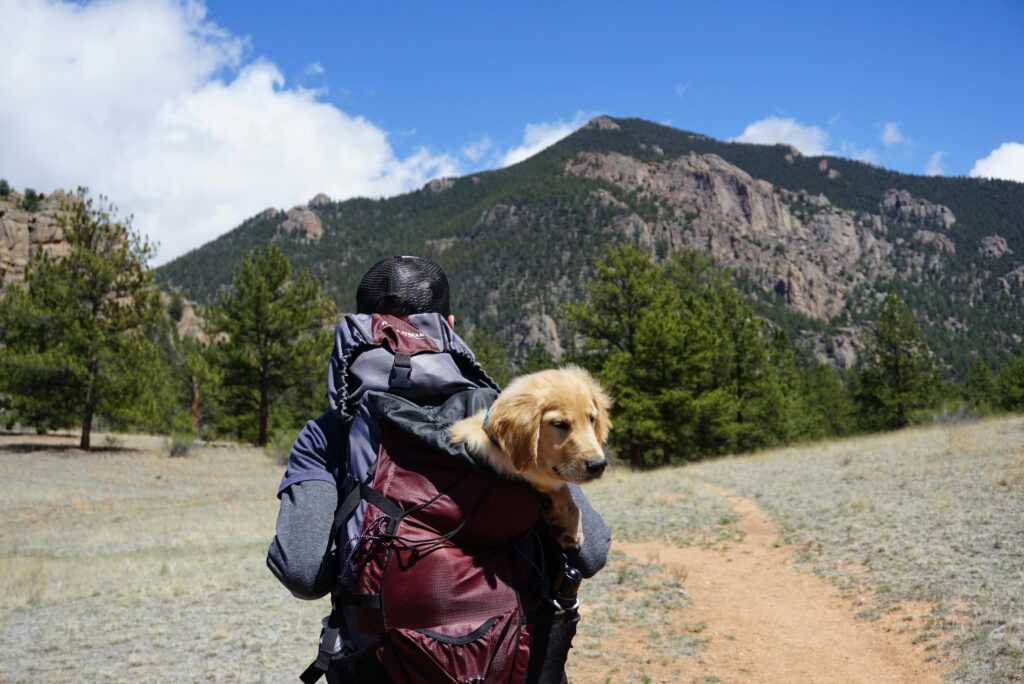
Why “Safe Carry Time” Is a Better Conversation Than “How Many Hours?”
When a shopper asks, “How long can my dog stay in the backpack?” they usually want one neat number. But dogs aren’t batteries. The “right” carry time changes with heat and humidity, dog size and coat, anxiety level, and the human’s comfort and pacing.
A safer, more helpful answer is a simple routine anyone can follow:
- Breaks (short pauses before stress builds)
- Water (small sips without stomach trouble)
- Stop signs (clear red flags that mean “we’re done for now”)
For US/EU retail teams, this approach is easy to explain, reduces misuse, lowers returns, and builds trust—especially for first-time buyers.
What Shoppers Really Mean When They Ask About Carry Time
Most shoppers are not truly asking about time. They’re asking:
- “Will my dog overheat?”
- “Will my dog panic or feel trapped?”
- “Will my back hurt so much I stop using it?”
- “What if my dog needs a bathroom break?”
- “Is it safe for a puppy or a senior dog?”
That’s why your staff script should lead with a routine, not a number. A routine feels practical and evidence-aligned, and it helps customers feel cared for instead of “sold to.”
Fit First: The Fast Checklist That Prevents Most Problems
Before anyone talks about “safe carry time,” make sure the setup is right. Many “my dog hated it” stories are actually fit, loading, or airflow problems.
Human fit (the wearer matters)
- Back length: The pack should sit high and close. If it rides low, the weight pulls backward and causes shoulder fatigue fast.
- Hip belt use: A hip belt shifts load from shoulders to hips. This improves stability and reduces bouncing.
- Strap adjustment: Snug is safer than loose. A loose pack swings, and swinging can make dogs anxious.
Dog comfort (the dog’s experience matters)
- Ventilation: Openings should support airflow without making the dog feel exposed.
- Stable base: A steady sitting area reduces slipping, which reduces stress and motion sickness risk.
- Calm entry: If entry feels rushed or forced, dogs can form a negative association quickly.
Staff-ready line: “If the pack fits you well and the dog sits stable with airflow, carry time becomes much easier and safer.”
The 9-Rule Safety Framework (Easy to Train, Easy to Repeat)
This framework works for city errands, festivals, day trips, and trails. It’s simple enough to teach quickly, and practical enough to reduce risk.
| Rule | What staff can say (plain English) | Why it matters |
|---|---|---|
| 1 | “Start with a short test carry.” | Dogs need a warm-up and a chance to settle. |
| 2 | “Break early, not late.” | Prevents stress buildup and overheating. |
| 3 | “Offer small sips often.” | Supports hydration without encouraging big gulps. |
| 4 | “Shade beats toughness.” | Heat stress can rise quietly, even on “nice” days. |
| 5 | “Keep airflow open in warm weather.” | Airflow helps regulate comfort inside the carrier. |
| 6 | “Watch breathing and posture.” | Early warning signs often appear there first. |
| 7 | “Let them walk sometimes.” | Supports muscles, bathroom needs, and calm behavior. |
| 8 | “Re-adjust straps mid-day.” | A comfortable human carry is a safer dog carry. |
| 9 | “Stop for red flags—no debate.” | Safety always comes before finishing the plan. |
Breaks: The “Rhythm Method” That Works in Real Life
Instead of promising “two hours” or “four hours,” teach a rhythm that’s easy to remember and safer across different conditions.
A practical break cadence
- First 10 minutes: Do a test carry. See if the dog settles.
- Every 20–30 minutes: Do a short pause. Check breathing. Open vents. Offer a sip of water.
- Every 60–90 minutes: Do a longer reset. Let the dog walk, cool down, and take a bathroom break.
When to shorten the break intervals
Encourage earlier breaks when:
- The day is warm, humid, or sunny
- The dog is new to carriers
- The dog is small, very fluffy, a puppy, or a senior
- The route is steep, crowded, or noisy
- The dog shows mild anxiety (stiff posture, wide eyes, constant repositioning)
Staff-friendly line: “If you’re wondering whether it’s time to stop, it’s probably time to stop.”
Water: Hydration Without the “Big Gulp” Mistake
Water advice should be calm and practical. Offering too much water too fast can upset the stomach, especially during movement.
A simple hydration routine
- Offer small sips at each short break.
- In warm weather, increase frequency (not the sip size).
- Pair water with shade and airflow whenever possible.
Simple tools customers understand
- A small bottle dedicated to the dog
- A collapsible bowl (easy to carry, easy to clean)
- A quick “sip method” (two or three small sips, then pause)
Staff-friendly line: “Think small sips, more often. It’s steady and gentle.”
Heat, Sun, and Airflow: The Silent Risk Factors
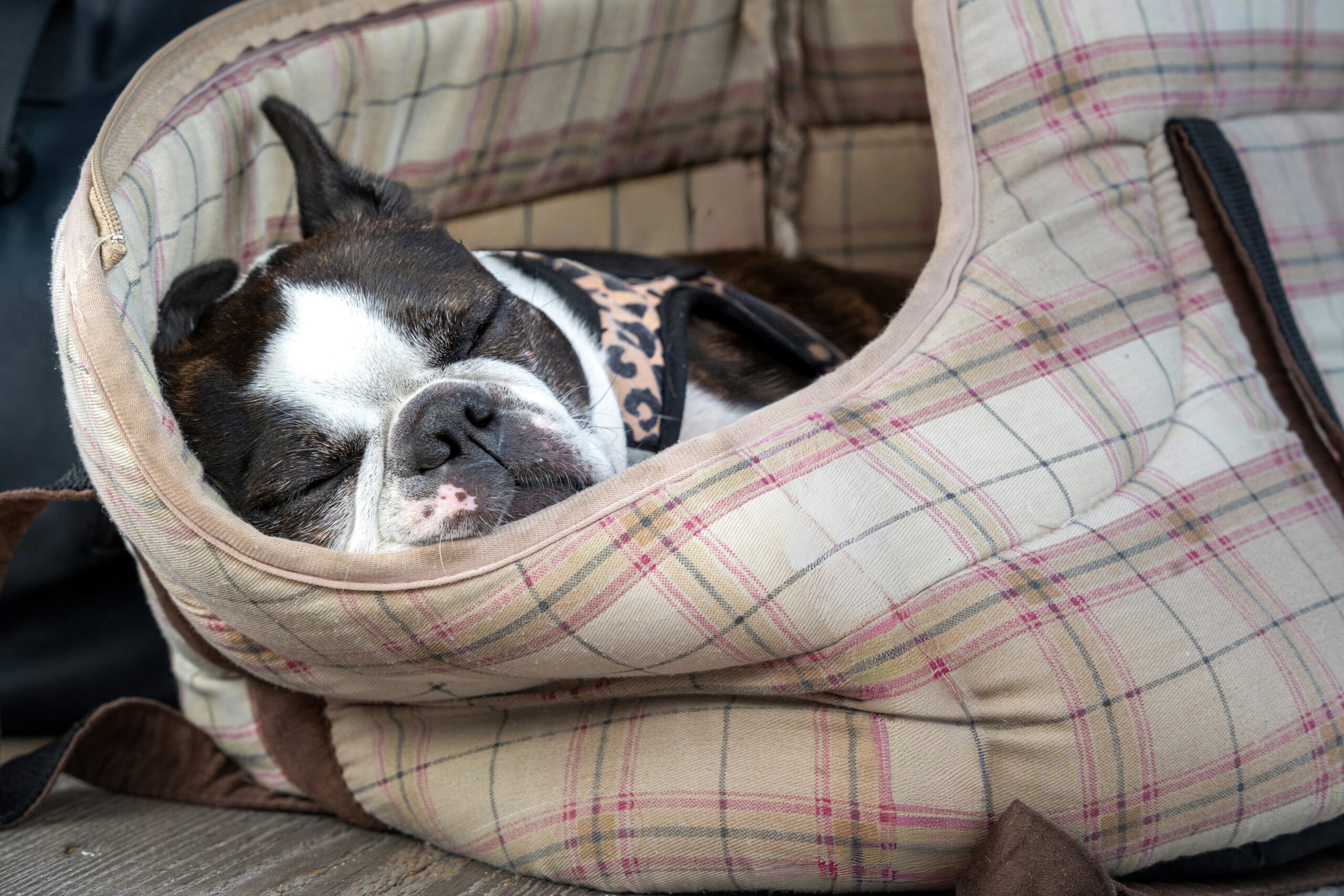
A dog inside a carrier is close to a human body. That body heat adds up. Sunlight adds more. Crowds reduce airflow. Even mild weather can feel warm inside a packed space.
Warm-weather safety checklist (simple, not scary)
- Choose shade when possible
- Keep airflow openings clear
- Take breaks more often
- Offer small sips of water
- Avoid the hottest part of the day
- End the carry early if comfort declines
Veterinary-aligned reminder: Heat stress can escalate quickly. If a dog shows severe distress signs (collapse, confusion, persistent vomiting, or extreme panting that won’t settle), stop immediately and seek veterinary help.
Stop Signs” Staff Can Explain in 15 Seconds
Give staff a simple system they can remember and teach without sounding dramatic.
The Stop-Light System
Yellow (Pause + check):
- Mild panting that doesn’t settle quickly
- Constant shifting or fidgeting
- Tense face or pinned ears
Orange (Stop + reset):
- Heavy panting, rising drool
- Pawing hard, trying to climb out
- Whining that escalates or trembling
Red (End the carry now):
- Weakness, wobbling, collapse
- Confusion or unusual unresponsiveness
- Vomiting or signs of serious distress
Staff-friendly line: “Yellow means pause, orange means reset, red means we’re done for now.”
If the dog has a known medical condition, or if staff suspects heat stress, the safest next step is veterinary advice.
Staff Scripts That Sound Confident (Not Overly Dramatic)
10-second script (busy shop floor)
“Start with a short test carry. Take quick breaks every 20–30 minutes, offer small sips of water, and watch for stop signs like heavy panting or trying to climb out.”
30-second script (serious buyer)
“Don’t chase one time limit. Do a 10-minute test carry, then short breaks every 20–30 minutes to check breathing and offer water. Every 60–90 minutes, give a longer reset so the dog can walk and cool down. If panting or agitation escalates, end the carry early.”
One sentence that reduces returns: “A backpack works best when the dog is comfortable and the wearer is comfortable—fit and breaks are the whole game.”
Authority & Trust Signals (Built for US/EU Retail and ToB Buyers)
To address authority concerns, it helps to be transparent about how you manage quality and what documentation buyers can request. Even if customers never read the details, the presence of a clear system builds confidence.
Documented QC stepsTraceable materialsThird-party lab testing (on request)Retail-ready safety inserts
Note: Replace or remove badges to match your verified credentials. Do not claim certifications you don’t hold.
Buyer-ready documentation checklist (typical US/EU requests)
| Document / Proof | Why buyers ask for it | What you can provide (fill-in) |
|---|---|---|
| Material specification sheet | Consistency across batches, safer material selection | [Add your material list / spec] |
| Chemical compliance statements (region-specific) | Helps buyers manage US/EU compliance needs | [Add your compliance notes / lab scope] |
| Third-party test reports (strength / seams / buckles) | Supports safety claims and reduces disputes | [Add test items + lab name if applicable] |
| Factory audit information (optional) | Retailers may request social compliance or QA audits | [Add audit type if applicable] |
| Packaging insert + usage guidance | Reduces misuse, returns, and support tickets | [Add insert version / languages supported] |
Compliance note: Requirements vary by product design, materials, and region. Buyers should confirm with their internal compliance team or an external compliance specialist.
Minimal In-Store Signage Copy (Ready to Paste Into a Display Card)
Carry Comfort Guide (Quick Version)
- Start with a 10-minute test carry
- Short break every 20–30 minutes (check breathing + offer water)
- Longer reset every 60–90 minutes (walk + cool down)
- Stop if you see: heavy panting, panic, weakness, or repeated escape attempts
This is short enough to print, and clear enough for customers to follow.
FAQs
(1) How long is “safe carry time” in a backpack carrier?
There isn’t one perfect number. A safe approach is a routine: a short test carry, quick checks every 20–30 minutes, and longer resets every 60–90 minutes, adjusted for heat and the dog’s comfort.
(2) What’s the biggest risk factor for dogs in carriers?
Heat buildup and stress buildup. Both can rise quietly. That’s why early breaks and airflow checks matter.
(3) Should a dog drink a lot of water at once during a carry day?
No. Small sips more often are usually better than big gulps, especially during movement.
(4) What are the easiest stop signs to teach staff?
Escalating panting, heavy drooling, repeated attempts to climb out, trembling, weakness, or unusual unresponsiveness.
(5) How can retailers reduce returns related to comfort complaints?
Use a fit checklist, teach a short break-and-water script, and set realistic expectations. Many returns happen because customers expect “set it and forget it.”
(6) Are puppies and senior dogs okay in a carrier backpack?
Some can be, but they often need shorter intervals, more breaks, and careful observation. Encourage customers to be cautious and consult a veterinarian if unsure.
(7) Do anxious dogs adapt to carriers?
Many do with short practice sessions, calm reinforcement, and gradual increases in time. A rushed first experience often backfires.
(8) What should the customer do if the dog won’t settle?
Stop, reset, and try again later. Forcing longer carry time usually increases stress and makes future use harder.