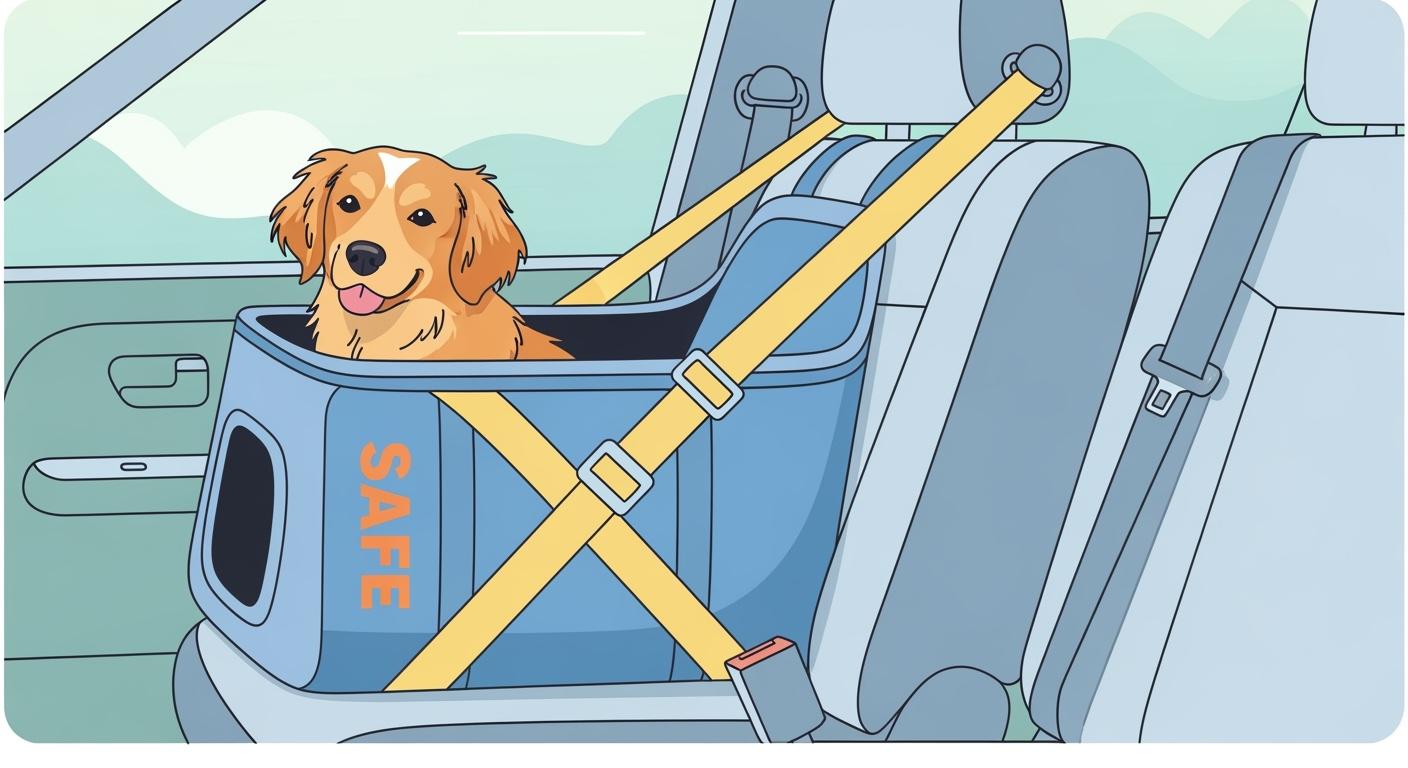
Dog Carrier Backpack Buying Guide: Safety, Comfort, and Model Selection

Dog Carrier Backpack Complete Guide for ToB Buyers on Safety, Comfort, and Choosing the Right Model

Choosing a dog carrier backpack is mainly a model-selection problem: structure and stability, ventilation, closure safety, padding, and how the pack carries on the human body. This guide helps buyers compare models by use case (city, travel, outdoor) and by feature checklist, so the product performs well and returns drop for predictable reasons.

Important: This guide is based on general best practices in pet product design and animal welfare. It is not a substitute for professional veterinary advice. Always talk to your veterinarian about your own dog’s health before you rely on any carrier backpack for longer trips or for dogs with existing medical conditions.

Selecting a dog carrier backpack is a model selection task. For retail assortments and marketplace listings, the biggest failure points are unclear fit expectations, weak closures, and insufficient airflow. Use this guide to compare designs by use case and to standardize spec language so shoppers understand what each model can and cannot do.

Key Takeaways

  • Define the primary use case first: city errands, outdoor trails, or air travel, then pick the carrier type that matches it.
  • Prioritize escape prevention: zipper security, secondary closure, and an internal tether that can be used correctly.
  • Demand ventilation you can explain: mesh area, airflow path, and simple overheating stop signs for staff and shoppers.
  • Check structure and posture support: stable base, side support, and a shape that keeps the dog in a natural position.
  • Specify wearer comfort: padded straps, sternum strap, and waist strap options for better load distribution.
  • Standardize listing specs: internal space, entry opening, and stated weight limit, then link to a separate sizing checklist for measurement steps.
  • Reduce returns with clear boundaries: who should not use a backpack carrier and when to switch to another carrier style.

What Is a Dog Carrier Backpack

A dog carrier backpack lets you carry your dog with you. You wear it on your back or chest. Your dog can sit or lie inside the backpack. Most backpacks have soft padding inside. They also have mesh panels for air flow. Secure closures keep your dog safe. These features help your dog stay cool and comfortable. There are many kinds of dog carrier backpacks. Some are made for outdoor trips. Others work well for city travel or daily use. If you want to see more styles, check the travel dog carrier category page for details.

Dog Carrier Packs vs. Slings and Crates

Dog carrier packs are not the same as slings or crates. Slings are soft and made of fabric. You wear a sling across your body. Slings are best for small dogs who like to be close. Crates are hard containers for dogs. You put crates on the ground or in a car. Crates give more space and protection for long trips. Dog carrier packs are good for comfort and easy movement. You can use them for short walks or errands. They are also useful on public transport. Most dog carrier packs have straps you can adjust. Some have harness attachments for safety. Slings do not have much support. Crates are heavy and hard to carry. Dog carrier packs let you move easily and keep your hands free.

Tip: Always check the features before you buy a dog carrier. Make sure it has strong closures, tough materials, and good air flow.

Common Uses: City, Travel, Hiking

Dog carrier packs are useful in many places. In the city, you can take your dog on buses or into stores. For travel, dog carrier packs help you move through airports. They keep your dog close to you. Hiking is another good use for dog carrier packs. Outdoor packs have weather-resistant fabric and extra padding. These features protect your dog on long walks or rough trails. Some packs have parts that expand for more space. Always pick a pack that fits your dog’s size and needs. Dog carrier packs work best for small or medium dogs. Big dogs may need other types of carriers. Using a dog carrier pack helps keep your dog safe. It makes travel easier and lowers your dog’s stress.

In dense city trips, many owners use a carrier backpack only for short planned intervals, for example crowded streets or public transport segments, rather than the entire route.

When Not to Use a Dog Carrier Backpack

It is important to know when a dog carrier backpack is not a good idea. Some times, backpacks can be unsafe or make your dog feel bad. Your dog’s health and safety should always come first.

Note: Animal welfare experts and veterinarians say not to use carrier backpacks for dogs with some health problems or body issues.

Here are main times when you should not use a dog carrier backpack:

  • Large or Heavy Dogs: Most backpacks only work for small or medium dogs. If your dog is too heavy, it can hurt both you and your dog. The backpack might not give enough space or support.

  • Dogs with Breathing Problems: Dogs with breathing issues, like pugs or bulldogs, may have trouble in tight spaces. Not enough air can make it harder for them to breathe.

  • Dogs with Joint or Spine Issues: Dogs with arthritis or back problems need flat, steady places. A backpack can make them sit or move in ways that hurt.

  • Long-Duration Use: Do not keep your dog in a backpack for a long time. Staying inside too long can cause stress, heat, or sore muscles.

  • Extreme Weather: Hot days can make your dog overheat. Cold weather may not keep your dog warm enough. Always check the weather before using a backpack.

  • Aggressive or Anxious Dogs: If your dog is nervous or acts mean, a backpack can make things worse. Some dogs do not like being held close or in small spaces.

  • Puppies and Senior Dogs: Very young or old dogs have weak bones and joints. They may not be able to handle the way a backpack moves.For these dogs, a veterinarian should confirm whether any type of carrier backpack is appropriate.

Table: Signs Your Dog Should Not Use a Carrier Backpack

Situation

Risk for Dog

Safer Alternative

Large or heavy dog

Injury, discomfort

Crate, rolling carrier

Breathing problems

Airflow issues

Open-air crate

Joint/spine conditions

Pain, posture strain

Stroller, crate

Long-duration use

Stress, overheating

Frequent breaks

Extreme weather

Overheating, chills

Weather-appropriate gear

Aggressive/anxious dog

Increased stress

Training, open carrier

Puppies/senior dogs

Fragile bones

Vet-approved carrier

Always watch your dog’s actions and how they feel. If your dog looks stressed, hot, or uncomfortable, take them out of the backpack right away. You can ask your vet or animal welfare expert for help with safe ways to carry your dog. The best carrier depends on your dog’s size, health, and how they act. Picking the right one helps your dog stay safe and happy.

Market Trends for Dog Carrier Packs

How This Market Information Was Collected

The market information in this guide comes from a combination of public industry reports, import and export statistics, and feedback from B2B buyers who source pet travel products in North America and Europe. Instead of relying on a single study, we looked for trends that appear consistently across several independent sources.

Pet Carrier Market Growth

The dog carrier backpack market is growing fast. More people want to travel with their dogs. Many owners treat their dogs like family now. This is called pet humanization. People want safe and comfy ways to carry their dogs. More money lets owners buy better gear for their pets. Online shopping makes finding backpacks easy. You can look at features and prices at home. Buyers want products that keep dogs safe and comfortable. All these things help the market get bigger every year.

Key Buyer Segments

There are different groups who buy dog carrier backpacks. City people use backpacks for trips with their dogs. Outdoor fans pick special packs for hiking or camping. Some buyers travel a lot and need airline-approved carriers. Families with small or old dogs want safe ways to carry pets. Buyers care about animal welfare and good design. They want backpacks that help their dog’s health and posture. Some buyers need extra things like weather protection or pockets. Each group wants safety, comfort, and a good fit for their dog.

Product Types: Expandable, Airline, Outdoor

There are many kinds of dog carrier backpacks. Each kind is made for different needs. Expandable backpacks give dogs more room to move. These are good for long trips or stretching out. Airline-ready backpacks follow size and safety rules. You use these for flying with your dog. Outdoor packs have strong materials and extra padding. These keep dogs safe on hikes or in bad weather. Some packs have mesh for air flow. Others have rain covers or sunshades.

Here is a table that shows the main product types and their market share:

Product Type

Market Share Status

Soft Sided Carriers

Leading the market

Backpacks

Secondary

Economy Segment

Dominating overall

Always check which backpack fits your dog’s size and needs. Picking the right one keeps your dog safe and comfy.

Types of Dog Carrier Backpacks

Types of Dog Carrier Backpacks

Front-Facing vs. Back-Facing

You can pick a front-facing or back-facing dog backpack. Front-facing carriers hold your dog close to your chest. This helps anxious or older dogs feel safe. You can see your dog and help them if they get upset. But front-facing carriers can limit how much your dog can move. Your dog might feel cozy but could get tired on long trips.

Back-facing backpacks let your dog sit or stand with more space. These designs help your dog keep a natural posture. Active dogs get more air and room to move. You can use back-facing carriers for longer walks or outdoor fun. Dogs can look around and see new things. These backpacks spread the weight so your back feels better. For most trips, back-facing carriers are safer and more comfy for your dog.

  • Front-facing carriers: Good for anxious, older, or small dogs who need to be close.

  • Back-facing carriers: Best for active dogs, longer trips, and better posture.

Horizontal vs. Vertical Dog Backpack Styles

Dog backpacks come in horizontal and vertical shapes. Horizontal backpacks let your dog lie down or stretch. This style is good for dogs who like to rest or have joint pain. You can use horizontal packs for short walks or city trips. Vertical backpacks keep your dog sitting or standing up. This helps active dogs who want to look around. Vertical styles work well for hiking or travel.

Style

Dog Position

Best For

Typical Use

Horizontal

Lying down

Resting, joint issues

City, short walks

Vertical

Sitting/standing

Active, alert dogs

Hiking, travel

Pick the style that matches your dog’s needs. If your dog likes to relax, use a horizontal pack. If your dog likes to explore, choose a vertical style.

Hiking and Outdoor Dog Carrier Packs

Dog hiking packs are made for safety and comfort outside. These packs use strong fabric and extra padding. Your dog stays dry and safe from rain or wind. Outdoor backpacks have mesh panels for air flow. This keeps your dog cool on hikes. You can adjust the straps to balance the weight.

Some hiking packs have parts that expand for more space. Your dog can move or rest more easily. Some models have harness clips for extra safety. If you need a small dog carrier for hiking, check the small dog carrier product page. Always make sure the pack fits your dog well. Outdoor packs are best for active dogs who go on trails or camping. Do not use these packs for too long or in bad weather.

Tip: Pick a dog backpack with strong zippers, mesh for air, and padded straps for hiking. These things help your dog stay safe and comfy.

There are many types of dog carrier backpacks. Each style has special features for different dogs and activities. Always think about safety, comfort, and good design when you pick a dog backpack for outdoor use.

City and Commuter Dog Carrier

You might want a dog backpack for city trips. These backpacks help you bring your dog on buses or into stores. Most city dog backpacks are light and small. You can carry your dog without getting tired. Many backpacks have soft straps and lining. Mesh panels let air move through and keep your dog cool.

City dog backpacks often have pockets for treats or your phone. Some backpacks use fabric that keeps water out on rainy days. Some have shiny strips so cars can see you at night. Always check the size and weight before you buy. Make sure your dog can sit or lie down inside. A good fit helps your dog feel better and less stressed.

If your dog gets nervous in crowds, pick a backpack with strong closures. Harness attachments stop your dog from jumping out. Do not use a dog backpack for too long in the city. Let your dog walk and stretch sometimes. Watch for signs your dog is hot or uncomfortable. City dog backpacks work best for small or medium dogs.

Tip: Pick a dog backpack with straps you can adjust and zippers you can open fast. These features help you handle your dog in busy places.

Airline-Ready Dog Carrier Backpack

Flying with your dog needs a special backpack. Airline-ready backpacks follow airline size and safety rules. Always check these rules before you fly. Most airline backpacks have soft sides and bendable frames. These fit under airplane seats and keep your dog safe.

Airline dog backpacks have mesh for air and leak-proof bottoms. Your dog stays comfy and safe on long flights. Some backpacks have pads you can take out and clean. Look for a backpack with a strong handle and straps. These help you carry your dog in airports. Many airline backpacks have tags and pockets for papers or snacks.

Before you travel, measure your dog and the backpack. Make sure your dog can turn and lie down inside. Do not pack too many things in the backpack. Extra weight can make your dog feel bad. Always follow airline pet travel rules. If your dog is sick, ask your vet before flying.

Feature

City/Commuter Carrier

Airline-Ready Carrier

Weight

Lightweight

Lightweight

Ventilation

Mesh panels

Multiple mesh panels

Safety

Harness attachment

Secure closure

Storage

Extra pockets

Document pockets

Comfort

Padded straps

Removable pads

Pick a dog backpack that fits your trip and your dog’s needs. Both city and airline backpacks focus on safety and comfort. Always think about your dog’s health when you choose a carrier.

Safety Features and Dog Welfare

Safety Features and Dog Welfare

Support for Natural Posture

Your dog should sit or lie in a normal way inside the backpack. How your dog rests can affect their bones and joints. Horizontal backpacks let your dog relax on all fours. This helps stop strain and keeps your dog comfy. Dogs with long backs or breeds with spine problems need extra care. If you use a vertical backpack, make sure your dog sits up straight. Your dog should not twist or slump. A good backpack supports your dog’s body and keeps their posture healthy. Look for safety features that help your dog stay in a natural pose. Padding and panels you can adjust help your dog feel safe. These features lower pressure on their joints.

Studies show backpack design matters for your dog’s bones and muscles. Horizontal backpacks let your dog rest in a normal way. This lowers the chance of injury. Dogs with spine problems need this support to avoid pain. Always pick a backpack that fits your dog’s body shape and needs.

Tip: Watch how your dog sits in the backpack. If your dog looks uncomfortable or moves a lot, the backpack may not fit right.

Weight, Size, and Time Limits

You must follow weight and size rules to keep your dog safe. Experts say there are strict limits for weight and time inside the backpack. These rules protect your dog’s bones, muscles, and heart.

Safe Use Boundaries

Avoid promising fixed carry times or universal percentages. Instead, set clear boundaries: use short intervals, take breaks, monitor breathing and temperature, and stop at the first sign of distress. For a staff-ready script and a simple rule framework, see: https://www.stridepaw.com/blog/dog-carrier-backpack-safe-carry-time-playbook-9-rules-staff-can-explain/

Measure your dog’s weight before using a backpack. Never go over the weight limit. If your dog is new to backpacks, start with short trips. Give your dog breaks to walk and stretch. Long times in a backpack can cause stress and tired muscles. Senior dogs and puppies need extra care. Their bones and joints are weak, so do not use backpacks unless your vet says it is okay.

Note: Always check your dog’s comfort and health while using the backpack. If your dog looks tired or uncomfortable, take them out right away.

Ventilation and Overheating Risks

Good air flow and visibility are important for safety in a dog backpack. Your dog needs fresh air to stay cool and calm. Mesh panels and open windows help air move through the backpack. This lowers the risk of getting too hot, especially in warm weather or busy places.

Dogs can get hot fast inside a closed backpack. Pick a backpack with big mesh areas and fabric that lets air in. Some backpacks have extra vents for better air flow. Always check the weather before you travel. On hot days, keep your dog’s time in the backpack short. Watch for signs of overheating, like heavy breathing or drooling.

Keep your dog safe but make sure they get enough air. Closures and harness clips help keep your dog secure but should not block air flow. If your dog has a short nose or breathing problems, pick a backpack with extra air vents. Never leave your dog alone in a backpack, especially in the sun.

Tip: Test the backpack’s air flow before your first trip. Put your hand inside to feel the air. If it feels stuffy, find a backpack with better air flow and safety features.

Secure Closures and Harness Attachments

Check the closures and harness attachments before you buy. Secure closures keep your dog safe inside the backpack. Zippers, buckles, and Velcro straps must stay shut. If closures are weak, they can open by accident. Your dog could escape or fall out. Test each closure before using the backpack for the first time.

Harness attachments give extra safety. Most backpacks have a clip or strap inside. Attach this to your dog’s harness, not the collar. This stops your dog from jumping or slipping out. Using a harness lowers the chance of hurting your dog’s neck.

Tip: Always use a harness with the backpack’s safety clip. This keeps your dog’s neck and spine safe.

Look for these features in closures and harness attachments:

  • Double zippers: You can open and close the backpack from both sides. They also make the backpack more secure.

  • Locking buckles: These keep the backpack from opening by mistake.

  • Reinforced seams: Strong stitching stops closures from tearing.

  • Internal safety leash: This clips to your dog’s harness for extra safety.

  • Escape-proof design: Some backpacks have flaps or covers to block gaps.

Check all closures and attachments before each use. If you see damage or loose parts, fix them right away. Secure closures and harness attachments help stop accidents. They also help you feel calm when you travel with your dog.

Feature

Why It Matters

What to Check For

Zippers & Buckles

Stop the backpack from opening

Smooth action, no gaps

Internal Safety Leash

Stops dog from jumping or falling out

Strong clip, attaches to harness

Reinforced Seams

Stops closures from tearing

Tight, even stitching

Escape-Proof Design

Blocks gaps and escape routes

Overlapping flaps, secure covers

Dogs Unsuitable for Carrier Backpacks

Some dogs should not use a carrier backpack. You need to think about your dog’s health, size, and behavior. Some dogs have higher risks with backpacks. Animal welfare experts and veterinarians warn about using backpacks for certain dogs.

Dogs that should not use carrier backpacks include:

  • Large or heavy dogs: Most backpacks cannot hold big dogs. This can hurt you and your dog.

  • Dogs with breathing problems: Dogs with short noses, like bulldogs or pugs, may have trouble breathing in small spaces.

  • Dogs with joint, spine, or mobility issues: Backpacks can hurt bones and joints. Dogs with arthritis or back problems need flat, steady places.

  • Very young puppies: Puppies have soft bones and weak muscles. They need time to grow before using a backpack.

  • Senior dogs: Older dogs may have health problems that make backpacks unsafe.

  • Aggressive or highly anxious dogs: Some dogs feel scared or trapped in small spaces. This can cause panic or injury.

  • Dogs with heart or respiratory conditions: These dogs may not handle stress or low air flow.

Note: Ask your veterinarian if you are not sure about using a backpack. Health and safety are most important.

Watch your dog’s behavior and comfort while using the backpack. If your dog looks stressed, breathes hard, or tries to escape, stop using the backpack. Pick a different carrier, like a crate or stroller, for dogs who do not fit the safety rules.

Dog Type or Condition

Risk in Backpack Use

Safer Alternative

Large/heavy dogs

Injury, discomfort

Rolling carrier, crate

Short-nosed breeds

Breathing problems

Open crate, stroller

Joint/spine issues

Pain, posture strain

Flat crate, orthopedic bed

Puppies/senior dogs

Fragile bones, weak muscles

Vet-approved carrier

Aggressive/anxious dogs

Panic, escape attempts

Training, open carrier

Heart/respiratory conditions

Stress, breathing difficulty

Consult veterinarian

Always put your dog’s welfare first. The right carrier depends on your dog’s health, size, and personality. Safe choices protect you and your dog when you travel.

Dog Carrier Backpack Design and Materials

Shell Fabrics and Padding

When you choose a dog carrier backpack, you should look at the shell fabrics and padding first. The outer fabric protects your dog from the environment. Many backpacks use nylon, polyester, or canvas. These materials resist tearing and keep their shape. Padding inside the backpack gives your dog comfort. Soft foam or memory foam helps reduce pressure on your dog’s joints. You should check if the padding covers the bottom and sides. This keeps your dog safe during bumps or sudden movements. Mesh panels in the shell let air flow through, which helps prevent overheating. You should pick a backpack with strong fabric and enough padding for your dog’s size and needs.

Tip: Touch the fabric before you buy. If it feels rough or thin, it may not last long. Soft, thick padding helps your dog relax.

Structural Support and Hardware

Structural support keeps the backpack stable. You want a backpack that holds its shape when you carry your dog. Some backpacks use plastic or metal frames inside. These frames stop the backpack from sagging. Strong seams and reinforced stitching add extra support. You should check the hardware, like zippers, buckles, and clips. Metal hardware lasts longer than plastic. Zippers should move smoothly and not catch on the fabric. Buckles must lock tightly to keep your dog secure. Internal safety leashes attach to your dog’s harness and prevent escapes. You should test all hardware before you use the backpack. Good structural support and hardware protect your dog and make the backpack easier for you to use.

Feature

What to Check For

Why It Matters

Frame

Plastic or metal, sturdy

Prevents sagging

Seams

Reinforced, even stitching

Adds strength

Zippers

Smooth, no gaps

Keeps backpack closed

Buckles

Metal, secure lock

Prevents accidental open

Safety leash

Strong clip, harness use

Stops escapes

Ergonomics for Owners

You need to feel comfortable when you carry your dog. Ergonomics means the backpack fits your body and reduces strain. Wide, padded shoulder straps spread the weight across your shoulders. Some backpacks have chest or waist straps for extra support. These straps help balance the load and keep the backpack steady. Adjustable straps let you change the fit for your height and body shape. You should look for a backpack with a padded back panel. This protects your spine and helps you carry your dog for longer periods. Lightweight materials make the backpack easier to lift. Good ergonomics lower the risk of back pain or muscle strain.

Note: Try the backpack on before you buy. Walk around with weight inside to see if it feels balanced. If the straps dig into your shoulders, pick a different model.

When you select a dog carrier backpack, you should consider durability and weather resistance. Strong fabrics and hardware last longer and protect your dog from rain or wind. Padding and ergonomic design help both you and your dog stay comfortable. You should always check these features before you buy.

Storage and Weather Protection

When you choose a dog carrier backpack, you should look at storage options and weather protection features. These details help you organize your gear and keep your dog safe in different conditions. You need space for treats, waste bags, water bottles, and your phone. Many backpacks include built-in pockets or compartments. Some models offer zippered pouches, mesh pockets, or hidden sleeves. You can use these spaces to separate clean items from dirty ones. This organization helps you respond quickly to your dog’s needs.

Tip: Check if the backpack has easy-access pockets. You can reach for snacks or supplies without taking off the backpack.

Weather protection matters for your dog’s comfort and safety. You should look for backpacks with water-resistant or waterproof fabrics. These materials shield your dog from rain, snow, or splashes. Some backpacks include rain covers that you can pull out when the weather changes. Others use coated zippers and sealed seams to block moisture. You should also check for sunshades or UV-resistant panels. These features protect your dog from strong sunlight during outdoor trips.

Feature

Benefit for Dog and Owner

Water-resistant fabric

Keeps dog dry in wet weather

Rain cover

Extra protection from heavy rain

UV-resistant panels

Shields dog from sun exposure

Sealed seams

Prevents leaks and moisture entry

Ventilated pockets

Keeps supplies fresh and dry

You should think about how the backpack handles temperature changes. Some backpacks use insulated linings to keep your dog warm in cold weather. Others have mesh panels for better airflow in hot conditions. You can find models with removable pads or liners. These let you adjust the backpack for different seasons. Always check the weather before you travel. If you expect rain or heat, pick a backpack with the right protection.

You need to balance storage and weather features with safety and comfort. Do not overload the backpack with supplies. Too much weight can strain your back and make your dog uncomfortable. You should pack only what you need for each trip. If you plan to hike or travel for a long time, choose a backpack with extra storage but keep the load light.

Note: Always test the backpack’s weather protection before your first trip. Spray water on the fabric or check the seams for leaks. Make sure pockets close tightly and keep your supplies dry.

You should select a dog carrier backpack that matches your travel style and your dog’s needs. Storage and weather protection features help you stay organized and keep your dog safe. These details support animal welfare and engineering design, which matter most for ToB buyers in the pet supplies market.

Choosing the Right Dog Carrier

Measuring for Fit

Keep this page focused on model selection and feature evaluation. For step-by-step measuring and sizing, use our dedicated sizing checklist here:

A good dog backpack should let your dog sit, stand, and turn around inside. If the space is too tight, your dog may feel stressed or uncomfortable. If the space is too loose, your dog may slide or get hurt. Always check the manufacturer’s size chart. Compare your dog’s measurements to the chart. Pick a size that gives a little extra room but does not let your dog move too much.

Tip: Use a soft tape measure for the most accurate results. Measure your dog when they are calm and standing still.

You should also check the weight limit for each model. Most best dog carrier backpacks have a maximum weight. Never exceed this limit. If your dog is between sizes, choose the larger option for more comfort. Proper measuring is one of the key features to look for when choosing a wearable dog carrier.

Assessing Needs: Travel, Hiking, Daily Use

Think about how you plan to use the best dog carrier. Your needs will guide you in how to choose the right pack. If you travel by plane, look for airline-approved models. These follow strict size and safety rules. For hiking, pick a dog backpack with strong fabric, extra padding, and weather protection. Daily use in the city needs a lightweight, easy-to-carry design.

List your main activities:

  1. Travel: Choose a best dog carrier that fits under airplane seats and has leak-proof bottoms.

  2. Hiking: Pick a dog backpack with mesh panels for ventilation, padded straps, and adjustable sternum and hip straps.

  3. Daily Use: Select a model with extra pockets for treats and supplies, and a simple design for quick trips.

You should also consider your dog’s age, health, and breed. Puppies and senior dogs need extra support and comfort. Active dogs may prefer vertical styles that let them look around. If you want more tips on factors to consider when choosing a wearable dog carrier, you can visit the StridePaw blog page for more resources.

Note: Always match the best dog carrier to your dog’s lifestyle and your travel plans. This helps you keep comfort for you and your dog as a top priority.

Comfort and Adjustability

Comfort matters for both you and your dog. When choosing a wearable dog carrier, look for essential features in a wearable dog carrier that improve comfort and adjustability. User reviews highlight several important features:

Feature

Description

Ventilation

Mesh panels and openings allow airflow, keeping dogs cool while in the backpack.

Padded Straps

Padded shoulder straps help alleviate pressure on the shoulders during use.

Adjustable Straps

Straps at the sternum and hip can be adjusted for a better fit, enhancing comfort for the user.

Storage Options

Additional compartments for storage make it convenient for carrying essentials while traveling.

You should check for mesh panels that let air flow through the best dog carrier. This keeps your dog cool and relaxed. Padded straps help you carry the weight without hurting your shoulders. Adjustable straps let you change the fit for your body shape. Storage options help you organize treats, waste bags, and water bottles.

A good dog backpack uses high-quality materials and strong zippers. Look for a firm bottom surface to support your dog’s spine. These features show thoughtful engineering and help you choose the best dog carrier for your needs.

Tip: Try the dog backpack on before your first trip. Adjust the straps and check if your dog can sit and move comfortably inside.

Comfort for you and your dog depends on the right fit, good ventilation, and easy adjustability. These are the factors to consider when choosing a wearable dog carrier. Always check user feedback and product details to find the best dog backpack for your situation.

Dog Temperament and Behavior

Think about your dog’s personality before you pick a carrier backpack. Dogs act differently in new places or tight spaces. Some dogs feel safe in small areas. Other dogs get nervous or upset in carriers.

Try short practice times with your dog and the backpack. Watch for whining, heavy breathing, or trying to get out. If your dog calms down fast, a backpack might work. If your dog stays stressed, try another style or use treats to help them feel better.

Dogs that are curious or full of energy like backpacks with windows or mesh. These let them look outside. Shy or nervous dogs need more padding and a closed design. Do not use backpacks for dogs that get angry or panic in small spaces. These dogs do better with open carriers or slow training.

Tip: Practice at home with short sessions. Let your dog sniff and check the backpack. Give treats or praise when your dog is calm.

Think about your dog’s age and past experiences too. Puppies and older dogs need gentle care and extra support. Dogs used to travel or crates learn faster. Always pick a carrier that fits your dog’s comfort and personality.

Temperament Type

Recommended Carrier Features

Caution Points

Calm and relaxed

Mesh panels, soft padding

Watch for overheating

Curious and active

Clear windows, sturdy structure

Make sure closures are strong

Shy or anxious

Closed sides, extra padding

Start with short trips

Aggressive or panicky

Open carriers, slow training

Never force backpack use

Your dog’s feelings and safety matter most. A carrier that matches your dog’s personality helps lower stress and keeps travel safe.

Product Quality and User Feedback

Check product quality and what other buyers say before you choose. Strong materials and good build keep your dog safe and make the backpack last longer. Look for tight seams, tough zippers, and strong buckles. These features protect your dog and stop the backpack from breaking.

Read reviews from pet owners online. See what people say about comfort, fit, and how easy it is to use. Look for problems like broken parts or bad air flow. Reviews can show issues you might not see in ads.

Note: Pick backpacks with lots of good reviews about safety and comfort. Stay away from ones with many complaints about weak parts or bad design.

Listen to advice from animal experts and vets too. Many say to buy backpacks with straps you can adjust, harness clips, and mesh fabric. These features help your dog’s health and safety.

Quality Feature

What to Look For

Why It Matters

Reinforced seams

Tight, even stitching

Stops tearing

Sturdy zippers

Smooth, no gaps

Keeps backpack closed

Reliable hardware

Metal buckles, strong clips

Makes fit secure

Breathable fabrics

Mesh panels, vented sides

Stops overheating

Adjustable straps

Many ways to adjust

Makes carrying easier

Compare different backpacks and read trusted reviews. A well-made backpack with good feedback helps you choose wisely. Always put safety, comfort, and strong design first, not just looks or easy use.

Tips for Safe and Comfortable Use

Acclimating Your Dog

You help your dog feel comfortable in a carrier backpack by introducing it slowly. Start by letting your dog sniff and explore the backpack at home. Place treats inside to encourage your dog to step in on their own. Practice short sessions with your dog inside the backpack, keeping the mood calm and positive. Gradually increase the time your dog spends in the carrier. You can walk around your home or yard to help your dog get used to the movement and sounds. Always watch your dog’s reaction. If your dog shows signs of stress, such as whining or trying to escape, stop and try again later. Patience and gentle encouragement work best. Dogs with calm personalities often adjust quickly, while anxious dogs may need more time and reassurance.

In practice, most dogs need three to five short sessions before they start to relax in the backpack. If a dog is still very tense after several attempts, that is usually a sign that you should slow down the training, try a different style of carrier, or talk to a trainer. Forcing a nervous dog to stay in the backpack almost always makes future sessions harder.

Tip: Use praise and treats to reward your dog for calm behavior in the backpack. This builds trust and helps your dog associate the carrier with positive experiences.

Checking Fit and Well-Being

You need to check the fit and your dog’s well-being every time you use the backpack. The carrier should fit snugly but not tightly. Your dog must have enough space to sit, stand, and turn around. Look for padded, breathable materials that keep your dog cool and comfortable. Monitor your dog’s behavior for signs of discomfort, such as panting, fidgeting, or trying to get out. If you notice these signs, take a break and adjust the fit. Provide water and allow your dog to stretch their legs during longer trips. Regular hydration and breaks help maintain your dog’s health and happiness.

Here are some practical steps for checking fit and well-being:

  • Make sure the backpack matches your dog’s size and weight.

  • Check for soft padding and breathable mesh panels.

  • Watch your dog for stress signals like heavy breathing or restlessness.

  • Offer water and let your dog walk or stretch during breaks.

A well-fitting backpack supports your dog’s posture and reduces the risk of injury. You keep your dog safe and comfortable by paying attention to these details.

Managing Temperature and Ventilation

You must manage temperature and ventilation to keep your dog safe, especially during outdoor activities. Adequate airflow prevents overheating. Choose a backpack with large mesh panels and breathable fabrics. Travel during cooler parts of the day, such as early morning or late afternoon. Take frequent breaks and offer water to your dog. If the weather is hot, limit the time your dog spends in the carrier. Always check for signs of overheating, like excessive panting or drooling.

  • Ensure the backpack has enough mesh for airflow.

  • Avoid using the carrier in direct sunlight for long periods.

  • Give your dog water often and rest in shaded areas.

  • Adjust your travel schedule to avoid the hottest times of day.

You protect your dog’s health by managing temperature and ventilation. These tips for safe and comfortable use help you create a positive experience for both you and your dog.

Weight Distribution and Strain Prevention

You need to pay attention to how you carry your dog in a backpack. Good weight distribution helps you avoid back pain and keeps your dog safe. When you place your dog in the carrier, make sure their weight sits close to your body. This reduces strain on your shoulders and spine. Wide, padded straps help spread the load. Some backpacks include chest and waist straps. These straps keep the backpack steady and prevent it from shifting as you walk.

You should adjust all straps before each trip. Tighten the shoulder straps so the backpack sits high on your back. Fasten the chest strap across your upper body. Secure the waist strap around your hips. These steps help balance the weight and lower the risk of muscle strain.

Tip: Always check the backpack’s fit with your dog inside before you leave home. Walk around for a few minutes to test comfort.

If you plan to carry your dog for a long time, take breaks often. Set the backpack down and let your dog stretch. You can also stretch your own back and shoulders. This practice helps prevent soreness and injury.

Here is a table to help you remember key points for weight distribution:

Feature

Why It Matters

What You Should Do

Wide, padded straps

Spread weight evenly

Adjust for comfort

Chest/waist straps

Stabilize backpack

Fasten securely

Close fit to body

Reduce strain

Tighten straps

Frequent breaks

Prevent fatigue

Rest and stretch

You protect your health and your dog’s welfare by following these steps. Good engineering design in the backpack supports safe weight distribution. Always choose a model with strong straps and a stable frame.

Observing Dog Behavior

You need to watch your dog’s behavior every time you use a carrier backpack. Dogs show signs when they feel stressed, tired, or uncomfortable. You should look for changes in breathing, posture, or movement. If your dog pants heavily, drools, or tries to escape, these may be signs of overheating or anxiety. Some dogs whine or bark when they feel trapped. Others may freeze or refuse to move.

You should check your dog’s body language often. Calm dogs sit quietly and look around. Nervous dogs fidget or scratch at the backpack. If you see signs of distress, stop and let your dog out. Give them water and let them walk for a few minutes.

Note: Always trust your dog’s signals. If your dog does not want to stay in the backpack, do not force them.

You can keep a simple checklist to help you observe your dog’s behavior:

  • Is your dog breathing normally?

  • Does your dog sit or lie comfortably?

  • Is your dog alert and relaxed?

  • Does your dog show signs of stress or discomfort?

If you notice problems, adjust the backpack or try a different style. You may need to shorten your trip or use another carrier. Your dog’s welfare comes first. Careful observation helps you make safe choices and supports animal welfare standards.

You should look for safety features and comfort when picking a dog carrier backpack. Make sure the backpack fits your dog well. Always think about your dog’s health and ask a veterinarian for advice. Good product engineering helps keep the backpack stable and strong. Make smart choices for your business or yourself. Your dog’s comfort and health should come first. Read what other buyers say and use best practices:

Best Practice

Description

Weight Capacity

Pick a backpack that matches your dog’s weight. This keeps your dog safe and steady.

Socialization

Use the backpack to help your dog get used to new places. Your dog stays secure while exploring.

Breaks

Let your dog rest and stretch often. Give bathroom breaks if your dog looks tired.

FAQ

What size dog carrier backpack should you choose?

Use our sizing checklist for measuring steps and fit checks: https://www.stridepaw.com/blog/dog-carrier-backpack-size-checklist-for-different-sizes/

How long can your dog stay in a carrier backpack?

Use short intervals with breaks, and follow a simple safety rule framework here: https://www.stridepaw.com/blog/dog-carrier-backpack-safety-playbook-9-simple-rules-retail-staff-can-explain/

Are dog carrier backpacks safe for all breeds?

No, not all breeds can use backpacks safely. Short-nosed breeds, large dogs, and dogs with joint or breathing issues may face risks. Always consult your veterinarian before using a carrier for these dogs.

How do you clean a dog carrier backpack?

Most backpacks have removable pads or liners. You can wash these by hand or in a machine, following the care label. Wipe the shell and straps with a damp cloth. Let all parts dry completely before use.

What safety features should you look for?

Look for secure zippers, reinforced seams, and an internal safety leash. Mesh panels help with ventilation. Adjustable straps improve comfort and stability. These features support your dog’s safety and well-being.

Can you use a dog carrier backpack for air travel?

Some backpacks meet airline requirements. You should check the airline’s pet policy and measure both your dog and the carrier. The backpack must fit under the seat and provide enough ventilation.

How do you help your dog get used to a carrier backpack?

Start with short practice sessions at home. Place treats inside and let your dog explore. Gradually increase the time your dog spends in the backpack. Use praise and gentle encouragement to build positive associations.

About This Guide

This article is written for B2B buyers, brands, and retailers who source dog carrier backpacks for customers in Europe and North America. Our goal is to help you evaluate designs not only by appearance and price, but also by safety, comfort, and welfare standards.

We do offer dog travel products ourselves, but this guide is intentionally product-neutral: it does not promote any specific model or brand. Instead, it focuses on design principles and decision frameworks that you can apply to any supplier’s catalog.

Get A Free Quote Now !

Table of Contents

Blog

Canine Pulling Harness How to Spot Wear Before a Hard Pull Turns Risky

Spot wear on your canine pulling harness by checking stitching and hardware before each hard pull to ensure durability and keep your dog safe.

Puppy Collars Custom: How to Check Tightness and Prevent Slipping Safely

Puppy collars custom should fit snugly with two fingers under the collar. Use the slip test to prevent loss and keep your puppy safe and comfortable.

Dog Running Leash: How to Select Hands-free or Standard Based on Real Pulling Patterns

Choose the right dog running leash by matching hands-free or standard setups to your dog's pulling and walking style for safety and control.

Dog Carry Bike Risk Checklist: Body Language Warnings and When to Stop Immediately

Spot stress or danger in your dog during dog carry bike rides. Learn body language warnings and when to stop for your dog's safety on hikes or rainy walks.

Which Waterproof Dog Bed Stays Dry on Wet Ground?

A waterproof dog bed with sealed seams, strong base, and high hydrostatic head value keeps your dog dry on wet ground during outdoor use.

Dog Leashes: How to Spot Wear Before a Leash Fails on a Walk

Check dog leashes for fraying, weak stitching, and hardware issues before walks. Spot stress points early to prevent leash failure and keep your dog safe.
Scroll to Top

If You Have Any Questions, Please Do Not Hesitate To Contatct With Us.

Get A Free Quote Now !

Welsh corgi wearing a dog harness on a walk outdoors