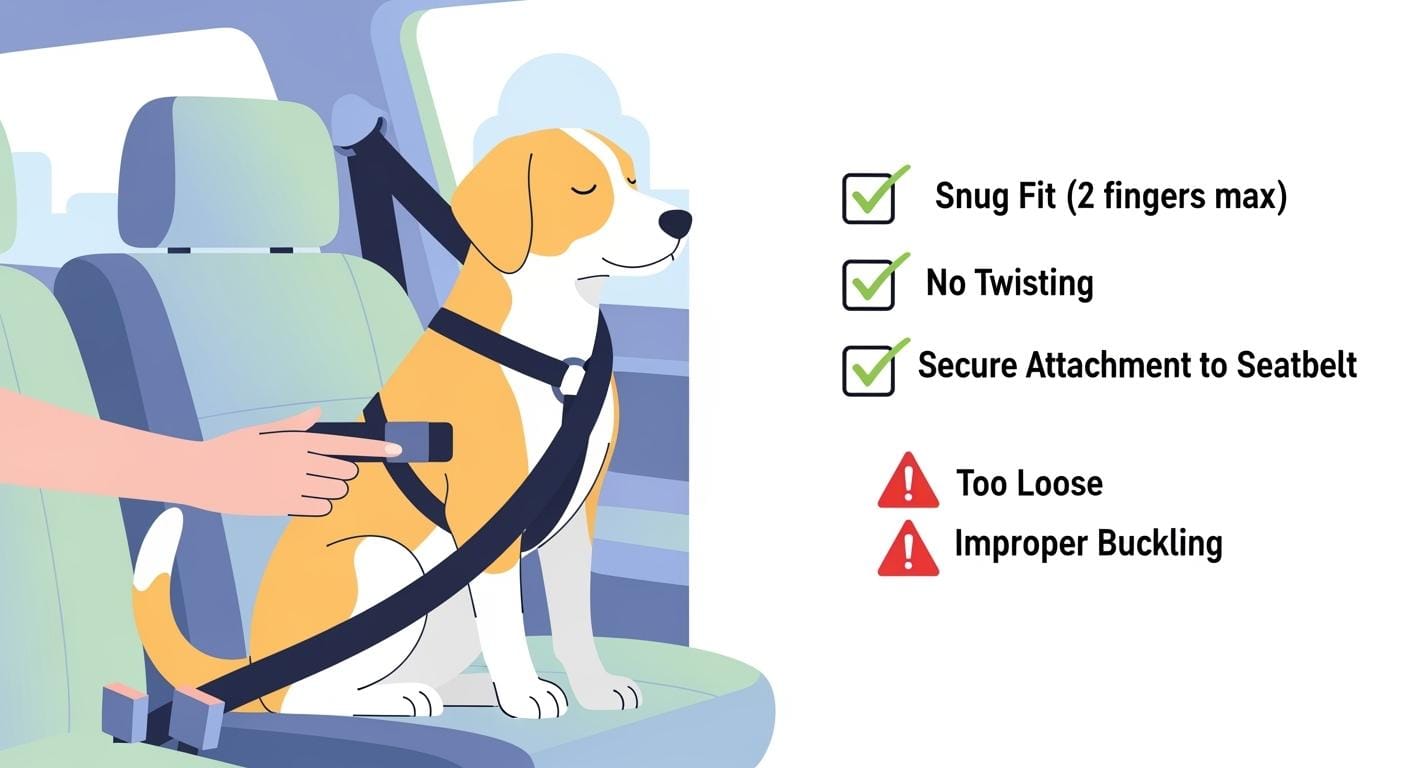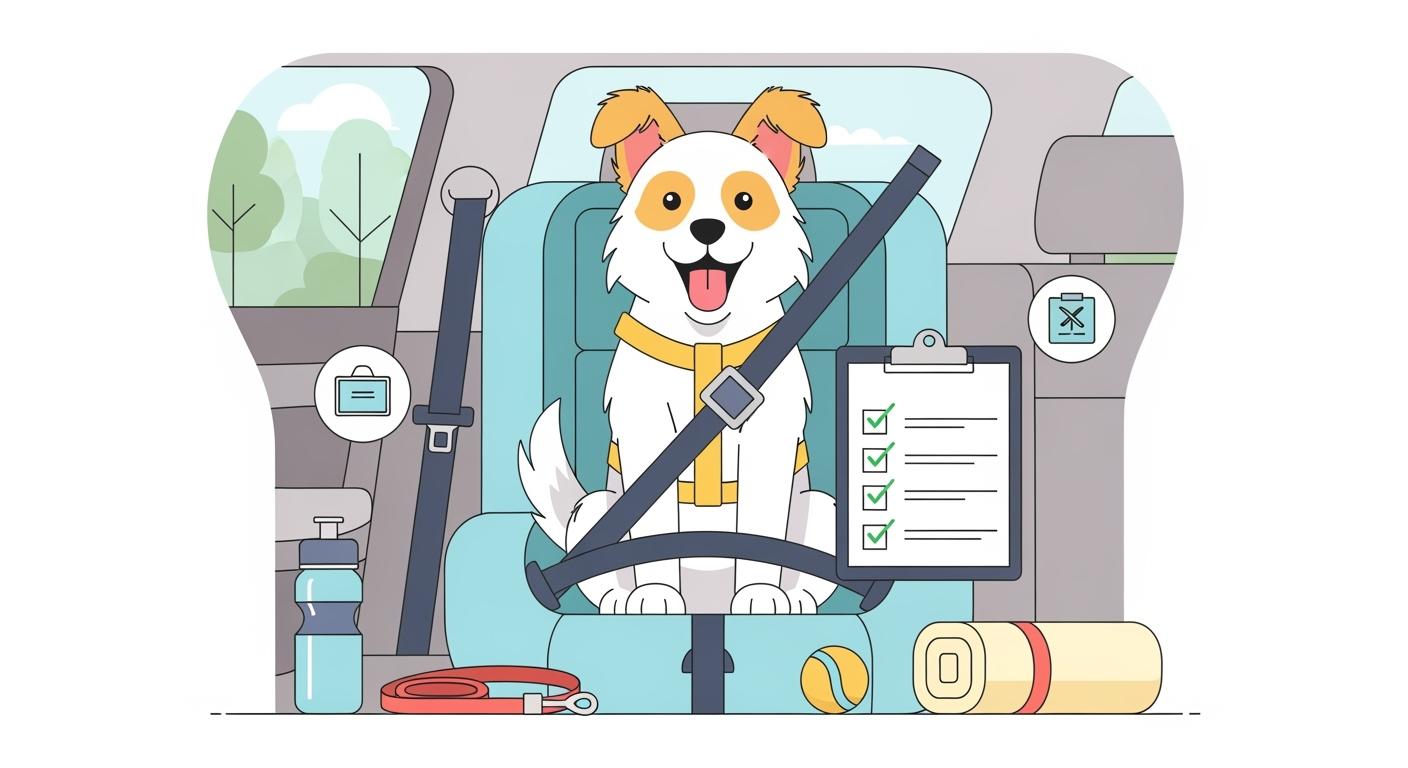
A dog car seat or carrier should match your dog’s body size, travel habits, and the space in your vehicle. The first checks are simple: usable interior room, stable placement on the seat, controlled movement once buckled in, and materials that stay easy to clean after repeated trips.
Key Takeaways
- Measure your dog before you buy a car seat or carrier. Check usable inside space, not just outer dimensions.
- Secure the setup so it stays flat and steady in the back seat. A good setup limits extra movement without forcing an awkward posture.
- Look at airflow, removable liners, and dry-out speed before you choose. Easy cleaning matters after muddy or longer drives.
Dog Car Seat and Carrier: Proper Fit Guide
Body Position and Interior Space
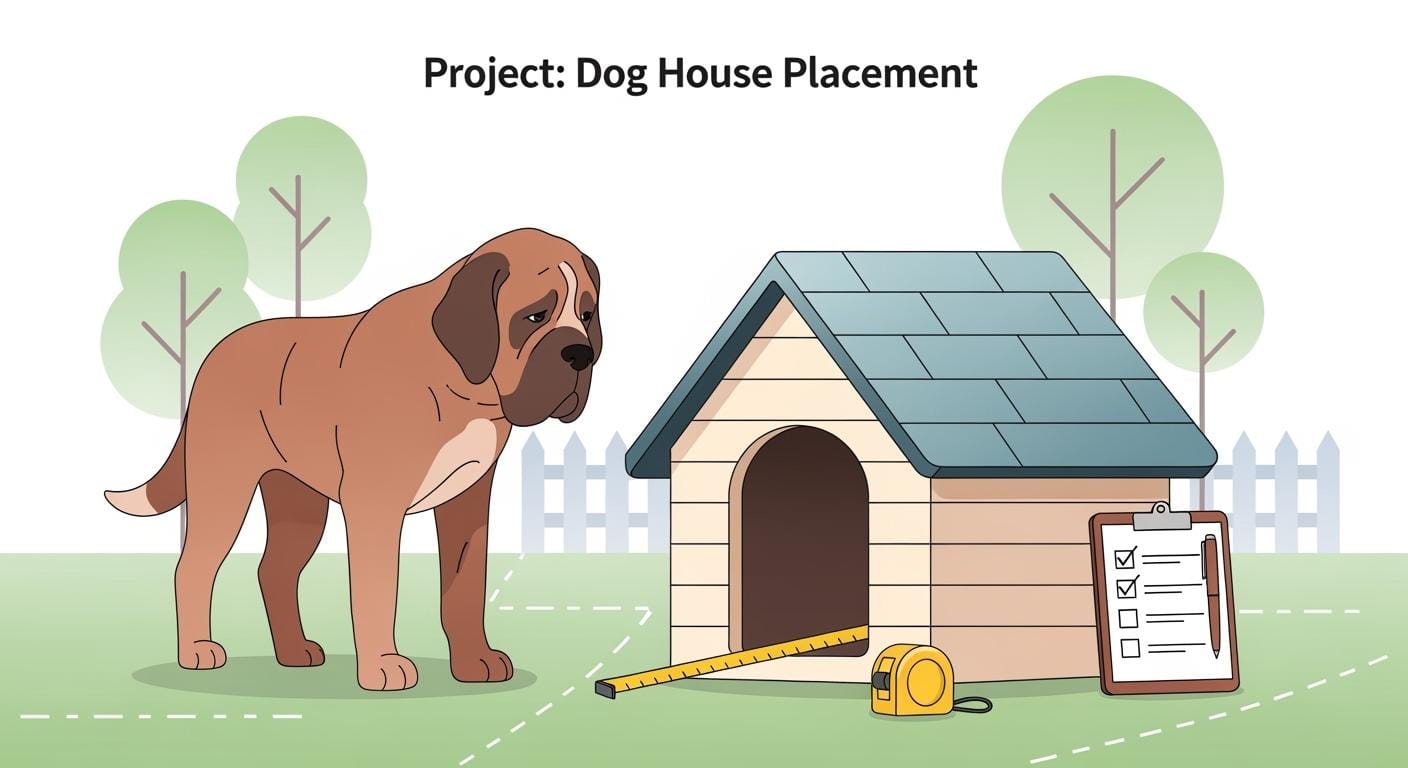
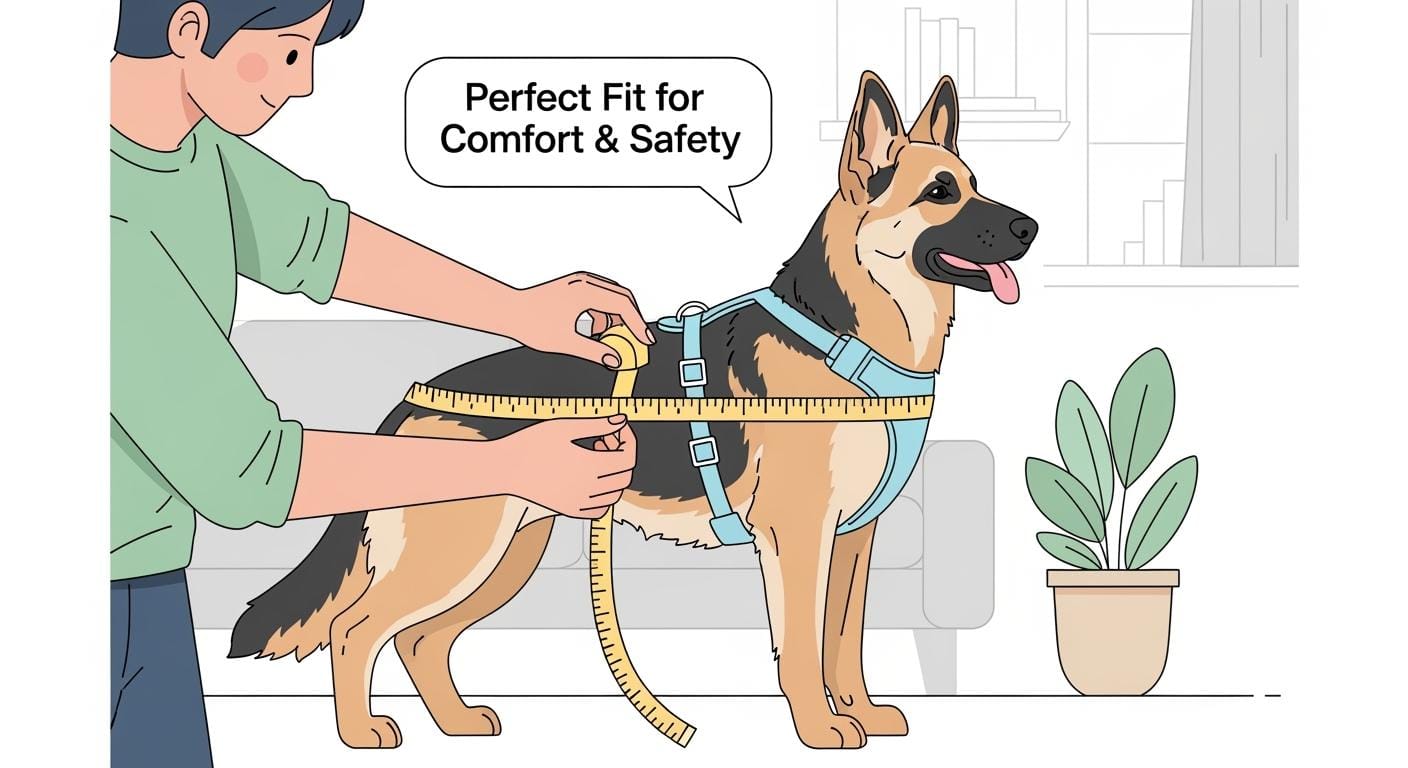
Start by measuring shoulder height, body length, and the widest part of the chest. Then compare those numbers to the usable inside length, width, and wall height of the seat or carrier. Your dog should be able to settle, turn as needed, and rest without being pressed into the sides or slumping into the opening.
- Measure shoulder height while your dog stands naturally.
- Measure body length from the neck base to the tail base.
- Measure the widest part of the chest so you can judge how the dog will sit inside the space.
These measurements help you judge whether the inside space will actually work. Your dog needs enough room to settle comfortably, but not so much extra room that the body slides or braces during ordinary turns and stops. Mesh panels or vents should stay open so airflow is not blocked by blankets, inserts, or pushed-up sides.
Entry, Exit, and Movement Comfort
A proper fit means your dog can get in and out of the dog car seat and carrier easily. Entry should not force the shoulders, compress the chest, or require awkward lifting angles that make the setup harder to use. Once inside, your dog should be able to change position without sliding, twisting, or hanging over one side.
Seat Footprint and Vehicle Placement
Check the seat footprint before you travel. The base should sit flat on the rear seat and should not rock when you push lightly from the sides. The back seat is usually the better location because it keeps the setup away from front-seat distractions and gives you more room to secure it cleanly.
Signs of Poor Fit or Instability
Watch for these signs that the dog car seat or carrier does not fit well or is not staying stable in the car:
- The base slides, rocks, or tips during normal turns or braking.
- Your dog braces constantly, paws at the tether, or cannot settle into one position.
- The side walls collapse, the floor sags, or the liner bunches under body weight.
- Straps or anchors loosen after only a short drive.
- You notice rubbing, heat buildup, or one repeated pressure point after the trip.
If you notice these problems, stop and rework the fit before a longer trip.
Pass/Fail Fit Checklist Table
| Check Item | Pass Signal | Fail Signal | Solution |
|---|---|---|---|
| Interior Space | Dog can settle and reposition without pressing into the walls | Dog cannot settle or keeps bracing against the sides | Choose a better size or reduce excess inserts |
| Entry/Exit | Dog gets in and out without obvious strain | Dog hesitates, twists, or resists the opening | Lower the entry burden or choose a wider opening |
| Seat Footprint | Base stays flat and steady on the vehicle seat | Base rocks, tips, or shifts side to side | Reposition and secure the base more carefully |
| Movement Control | Dog can sit or lie down without drifting too far | Dog slides, rolls, or swings into the side wall | Adjust placement, liner support, or restraint path |
| Airflow | Vents stay open and dog remains comfortable | Openings are blocked or the interior feels stuffy | Remove obstructions and recheck ventilation |
Troubleshooting Fit Issues
| Problem | Possible Cause | Quick Check | Solution |
|---|---|---|---|
| Seat sags or base warps | Wrong size or weak bottom support | Press on the base and compare it with your dog’s weight | Choose a better-supported base or adjust placement |
| Straps loosen after travel | Anchors or routing are not holding well | Check strap tension after a short drive | Re-secure and test again before a longer trip |
| Dog resists entry or exit | Opening is awkward or too narrow | Watch how the dog enters and exits | Choose an easier access style or reposition the setup |
| Interior feels too warm | Airflow is blocked or padding is too dense | Feel for airflow and check vent openings | Remove extra inserts and improve ventilation |
| Seat rocks or shifts | Base is not seated flat or anchored well | Push the setup side to side by hand | Reset it and secure it more evenly |
Common Mistakes to Avoid
Many buyers make the same mistakes when choosing a dog car seat or carrier:
- Choosing by outer size instead of checking usable inside space.
- Focusing on soft padding while ignoring whether the base stays flat in the seat.
- Blocking vents with blankets, liners, or extra inserts.
- Using a setup in the front seat instead of the back seat.
- Leaving so much slack that the dog keeps sliding or bracing.
- Ignoring breathability, cleaning access, and dry-out time.
- Focusing only on soft linings and forgetting about cleaning and breathability.
Tip: Test the dog car seat or carrier on a short trip before a longer drive. Watch how your dog settles and recheck the setup afterward.
A better fit comes from matching size, interior room, vehicle placement, and restraint stability to the dog you actually travel with.
Placement, Stability, and Feature Checks for Travel
Secure Placement and Restraint Logic
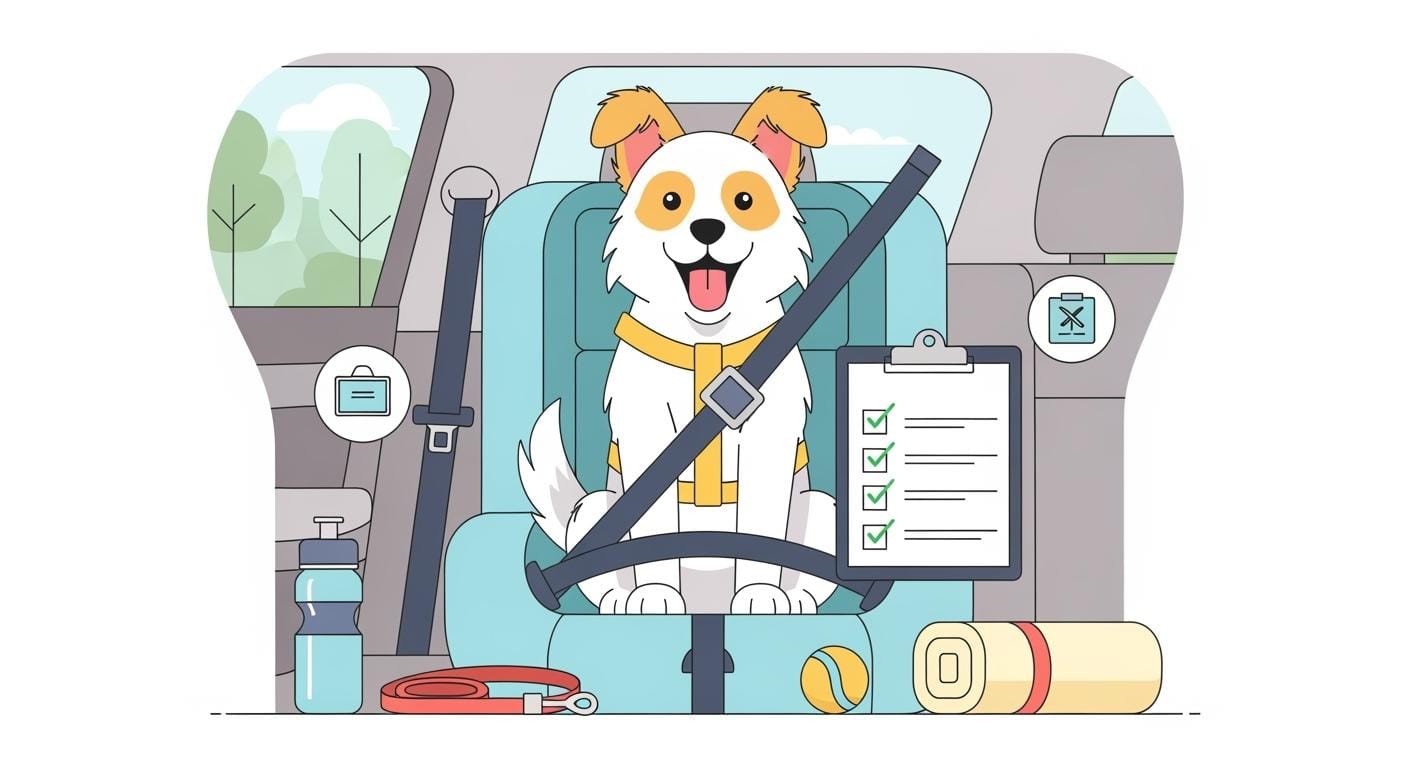
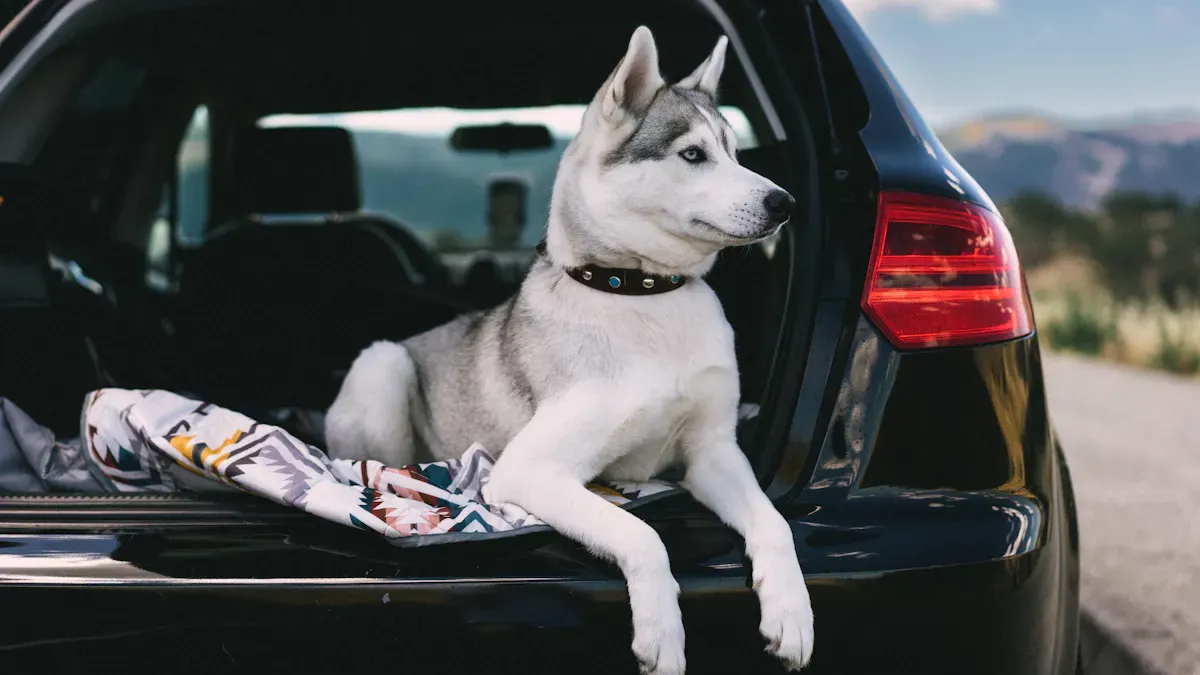
Secure placement starts with a setup that sits flat and stays steady. Pick a dog car seat or carrier that matches the rear seat and does not tip or wobble once your dog is inside. The goal is not a soft setup alone. It is a setup that stays put, keeps the dog positioned well, and remains easy to check every trip.
A stable restraint path matters too. Use the intended anchor points and make sure the attachment does not drag the seat or carrier off center. If the restraint line pulls from one side, the whole setup can shift even when the fit looked fine at first.
Key features worth checking before regular use:
- A base that stays flat and does not compress unevenly under weight
- Attachment points that are easy to inspect before each trip
- An inside shape that supports the dog without forcing one posture
- Enough airflow and visibility for calmer travel
- Cleaning access that does not require a full reset every time
- Carrier or crate for small or nervous dogs
Car Seat vs. Carrier: Which Setup Fits Better?
Choosing between a dog car seat and a carrier depends on your dog’s size, travel style, and how much structure helps them settle. Dog car seats often work well when the dog benefits from an open view and a defined resting area. Carriers usually make more sense when the dog prefers more enclosure or needs firmer boundaries during travel.
When you compare the two, think about body size, how the dog handles motion, and whether the setup stays stable on your actual vehicle seat. The better option is the one your dog can settle into without repeated bracing, shifting, or stress.
Use body size, travel habits, and settling behavior to decide which layout makes more sense. For some dogs that will be an open seat. For others it will be a more enclosed carrier.
Travel Setup and Restraint Considerations
Travel fit depends on more than labels. Check whether the setup stays centered, whether the attachment path stays tidy, and whether the dog remains in a controlled position after turns and stops. A well-matched setup should support the body and reduce unnecessary shifting without forcing a rigid posture.
Seats and carriers each offer different tradeoffs. Enclosed designs may feel more secure for some dogs, while open seats may be easier to enter and monitor. The important part is to check the whole installed setup rather than trusting feature names on their own.
| Setup Type | Main Strength | What to Check | Typical Tradeoff |
|---|---|---|---|
| Open car seat | Clear view and easier monitoring | Base stability, side height, and restraint path | May feel too exposed for some dogs |
| Enclosed carrier | More enclosed travel space and firmer boundaries | Usable inside room, airflow, and opening size | Can feel restrictive if the size is off |
Tip: Test the installed setup before each trip. Steady placement and clean restraint routing matter more than feature labels.
Common Setup Mistakes
Many owners lower stability without noticing. Common mistakes include:
- Skipping a final fit check after the dog settles in the seat or carrier
- Using attachment paths that twist or bury buckle access
- Leaving too much slack so the dog keeps reaching unsafe areas
- Blocking anchor points or important seat hardware with the setup
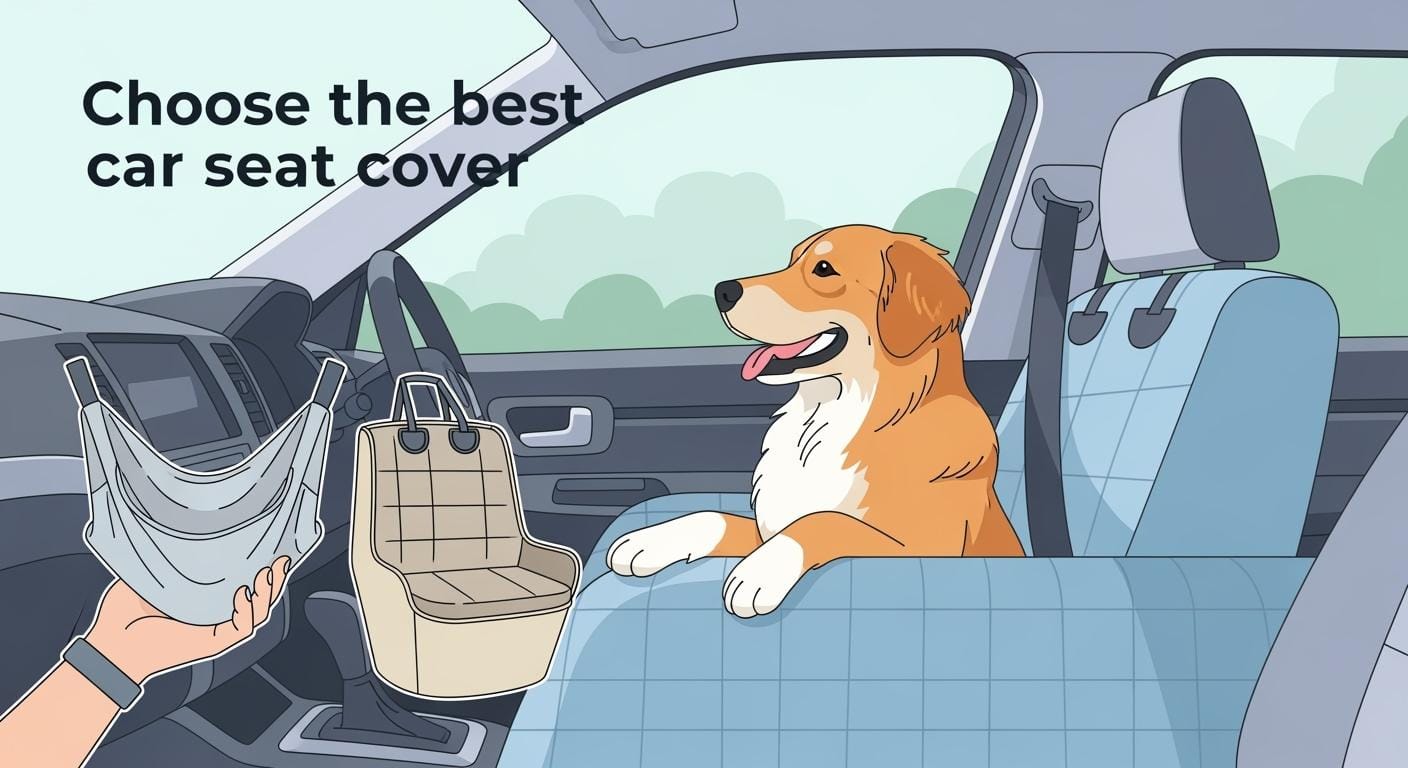
- Assuming a cover or mat can do the same job as a restraint setup
- Putting the carrier or seat in airbag zones
- Thinking seat covers or mats protect in crashes (they do not)
- Forgetting to use safety buckles every trip
Always check whether the seat or carrier stays put and whether the dog remains in a controlled position once the car starts moving.
Comparison Table: Car Seat vs. Carrier
| Feature Category | Dog Car Seat | Carrier |
|---|---|---|
| General layout | Open resting area on the seat | More enclosed travel space |
| Placement check | Base stability and restraint path | Interior room and stable carrier position |
| Dog comfort | More visibility and easier monitoring | More enclosure and defined boundaries |
| Cleaning access | Often removable covers or liners | Depends on liner design and opening access |
| Portability | Usually bulkier to move around | Often easier to carry between spaces |
Feature Checklist Table
| Feature | Car Seat | Carrier |
|---|---|---|
| Stable base footprint | ✔️ | ✔️ |
| Clear restraint path | ✔️ | ✔️ |
| Adjustable or secure attachment points | ✔️ | ✔️ |
| Washable liner or cover | ✔️ | ✔️ |
| Good airflow | ✔️ | ✔️ |
| More enclosed layout | ✔️ | |
| Raised view option | ✔️ | |
| Easy carry between locations | ✔️ |
Note: Pick the setup by matching body size, travel style, interior room, and placement stability instead of trying to force one layout to fit every trip.
Comfort, Materials, and Cleaning for Everyday Trips
Padding, Airflow, and Comfort Factors
Comfort depends on the combination of padding, breathability, and support under the dog’s body. A seat or carrier that feels soft at first can still be a poor match if the base sags, the liner traps heat, or the side walls collapse once the dog settles in. Look for materials that stay supportive, allow airflow, and do not feel clammy after normal use.
Removable Covers and Easy Cleaning
Cleaning should be simple enough that you can actually keep up with it. Start by shaking out dirt and fur, then check the care label before machine washing or hand washing. Removable liners and covers usually make upkeep easier because you can clean the main contact area without rebuilding the whole setup every time.
Dry-Out and Upkeep Tips
After washing, let the liner or cover dry fully before the next trip. Check seams, corners, and padding for damp spots because trapped moisture often lingers there longest. Regular upkeep helps you catch odors, fur buildup, worn fabric, and flattened support before they turn into comfort problems.
Troubleshooting Cleaning and Material Issues
| Issue | Quick Check | Solution |
|---|---|---|
| Stubborn stains | Check after brushing and vacuuming | Use a pet-safe cleaner that matches the care label |
| Lingering odors | Smell the liner after drying | Air dry longer and recheck hidden damp spots |
| Slow drying | Feel seams, corners, and padding | Move to a better-ventilated area and allow full dry-out |
| Fur buildup | Inspect corners and fabric joins | Use a lint roller, brush, or vacuum more thoroughly |
| Material wear | Look for tears, rough edges, or sagging | Repair or replace before the next longer trip |
Tip: Keep a small cleanup routine after each trip. It is easier to deal with hair, damp spots, and crumbs right away than after they build up.
A better dog car seat or carrier setup comes from matching interior space, restraint stability, and cleaning practicality to the dog and the vehicle you actually use. Run the fit and placement checks regularly instead of assuming one good setup will stay perfect forever.
- Regular fit and placement checks help keep the setup steadier trip after trip.
- Comfort comes from the right size, support, and airflow working together.
- Material choice and easy cleaning matter because daily travel creates wear fast.
FAQ
How do you choose the right size for a dog car seat and carrier?
Measure shoulder height, body length, and chest width, then compare those numbers to the usable inside space and support layout of the setup. Your dog should be able to settle comfortably without extra sliding.
Can one dog car seat or carrier fit every vehicle?
No. You still need to compare the seat footprint or carrier base to your vehicle seat and check whether the setup sits flat and secures cleanly.
What matters most for frequent trips?
Prioritize stable placement, usable inside room, easy cleanup, and materials that dry well after repeated use. Those details usually matter more than extra softness alone.