Most people make mistakes when they only measure their dog or car. To pick a safe dog booster seat, follow these steps:
Measure your dog’s length, width, height, and weight.
Measure your car’s seat space and check inside size.
Match these numbers to the right carrier size and weight.
Make sure the carrier gives your dog enough space to sit well, especially if your dog gets nervous.
Use the tables to check if the seat fits and has safety features for travel.
Key Takeaways
Measure your dog’s length, width, height, and weight. This helps you pick the right booster seat size.
Look at the inside size of the booster seat. Make sure your dog has enough room to sit, lie down, and turn around.
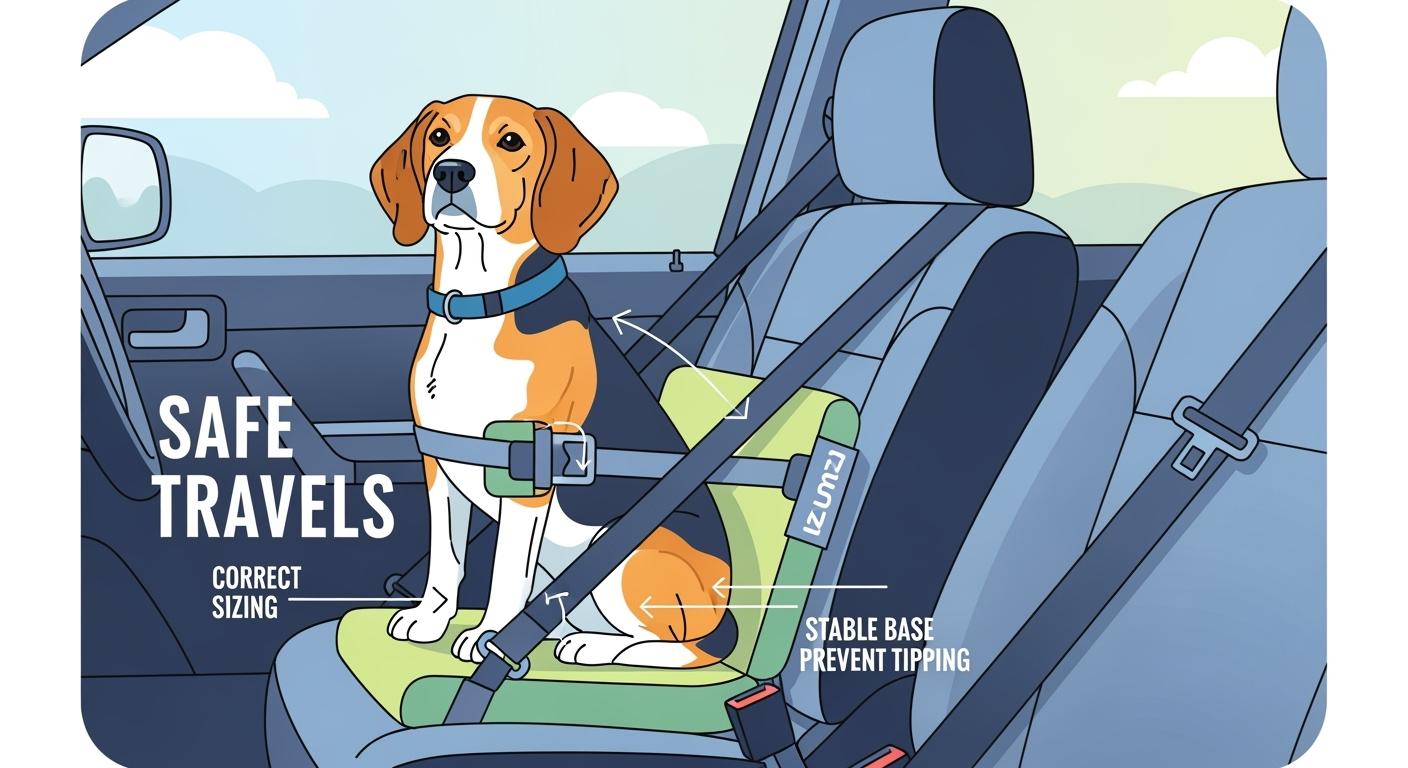
The booster seat should fit well and have a strong base. This stops it from tipping or sliding. It keeps your dog safe when you travel.
Always try the booster seat after you put it in your car. Make sure it does not rock or slide. Check that your dog can move easily.
Do not make mistakes like picking a seat just by its outside size. Focus on the inside space so your dog feels comfortable.
What Proper Dog Booster Seat Sizing Achieves
Stable Base and Secure Fit for Safety
You want your dog to stay safe and comfortable during travel. If you choose the wrong size, the seat can tip, slide, or squeeze your dog into a cramped posture. A stable base and secure fit help prevent these problems. When you use a dog booster seat with a non-slip bottom and proper anchoring, you lower the risk of tipping or sliding. You also keep your dog from distracting you while you drive.
A secure fit keeps your dog restrained, which reduces the chance of injury during sudden stops.
A quality seat with a safety tether or clip-on leash helps keep your dog in place.
A stable base makes it harder for the seat to rock or move, even on soft car seats.
Car accidents can happen at any time. A secure seat helps protect your dog and gives you peace of mind.
Interior Space vs Exterior Size
You should always check the interior dimensions of the booster seat, not just the outside size. The inside space must give your dog enough room to sit, lie down, and turn around. If the interior is too small, your dog may feel cramped or anxious. For anxious dogs, extra space can help them relax and feel more secure.
Add about 4-8 in (10-20 cm) to your dog’s length for shifting and stretching.
Add about 2-4 in (5-10 cm) to your dog’s width for turning and sitting.
Make sure the wall height supports your dog’s shoulders without forcing them to hunch.
Comfort features like padded cushions and breathable mesh panels can also help reduce anxiety during travel.
Booster Seat Is Not a Behavior Fix
A dog booster seat helps with safety and protection, but it does not fix behavior problems. If your dog feels nervous or restless, you may need to train them before using the seat. The right fit and safety features can make travel easier, but you should not expect the seat to solve all issues. Always check that your dog can sit in a natural posture and move without feeling trapped.
By focusing on the right fit, secure base, and interior space, you give your dog the best chance for safe and comfortable travel.
Measure Your Dog for the Right Fit
Sitting Height and Turn-Around Room
Start by measuring your dog while it sits on a flat surface. Use a tape measure to check from the floor to the top of the shoulders. This is the sitting height. Make sure your dog can sit up straight in the booster seat without bumping its head or hunching. Next, check if your dog can turn around inside the seat. Your dog should have enough space to sit, lie down, and pivot without pressing against the sides. This helps prevent cramped posture and keeps your pet comfortable during travel.
Chest Width and Body Structure
Measuring your dog’s chest width is important for a good fit. Wrap the tape measure around the widest part of the chest and ribs while your dog stands. This number helps you pick a booster seat that is not too tight. Dogs with broad chests or thick fur may need extra space. Always add about 2-4 in (5-10 cm) to your dog’s width so it can move and relax.
Weight and Size Range
Check your dog’s weight before choosing a booster seat. Most small booster seats work for dogs under 15 lbs (about 7 kg). Medium and large seats do not always list a weight limit, but you should still match your dog’s weight to the product’s listed capacity. If your dog is close to the limit, choose the next size up for safety. The table below shows typical size ranges for booster seats:
Dog Size Category | Weight Limit | Description |
|---|---|---|
Small Dogs | Under 15 lbs (7 kg) | Suitable for small dogs, elevates them to window level. |
Medium Dogs | Not specified | Provides elevation and space for comfort. |
Large Dogs | Not specified | Best suited for hammock-style or large booster seats for stability. |
Dog Measurement Table
Step 1: Measure your dog for sitting space and turn around room. Use the table below to guide your measurements:
What to Measure | How to Measure | Why It Matters |
|---|---|---|
Dog Height | Floor to top of shoulders while sitting (in/cm) | Ensures your dog fits comfortably in the booster seat |
Dog Length | Nose tip to base of tail while standing (in/cm) | Gives enough space for your dog to lie down |
Chest Width | Widest part of chest/ribs while standing (in/cm) | Prevents cramped posture and allows turning |
Dog Weight | Use a pet scale (lbs/kg) | Matches your dog to the correct seat size |
Measuring your dog with care helps you choose a booster seat or pet carrier that fits well. Accurate measurements keep your dog safe and comfortable on every trip.
Measure Your Vehicle for a Dog Booster Seat
Back Seat, Front Seat, or Cargo Area
Start by deciding where you want your dog to ride. You can choose the back seat, front seat, or cargo area. Each spot has different space and safety needs. The back seat often gives the best balance of safety and comfort. The front seat may have less room and can be close to airbags. The cargo area works for larger booster seats, but you need to check for flat space and easy entry. Always check your car’s manual for any special notes about pet travel.
Seat Depth, Width, and Belt Path
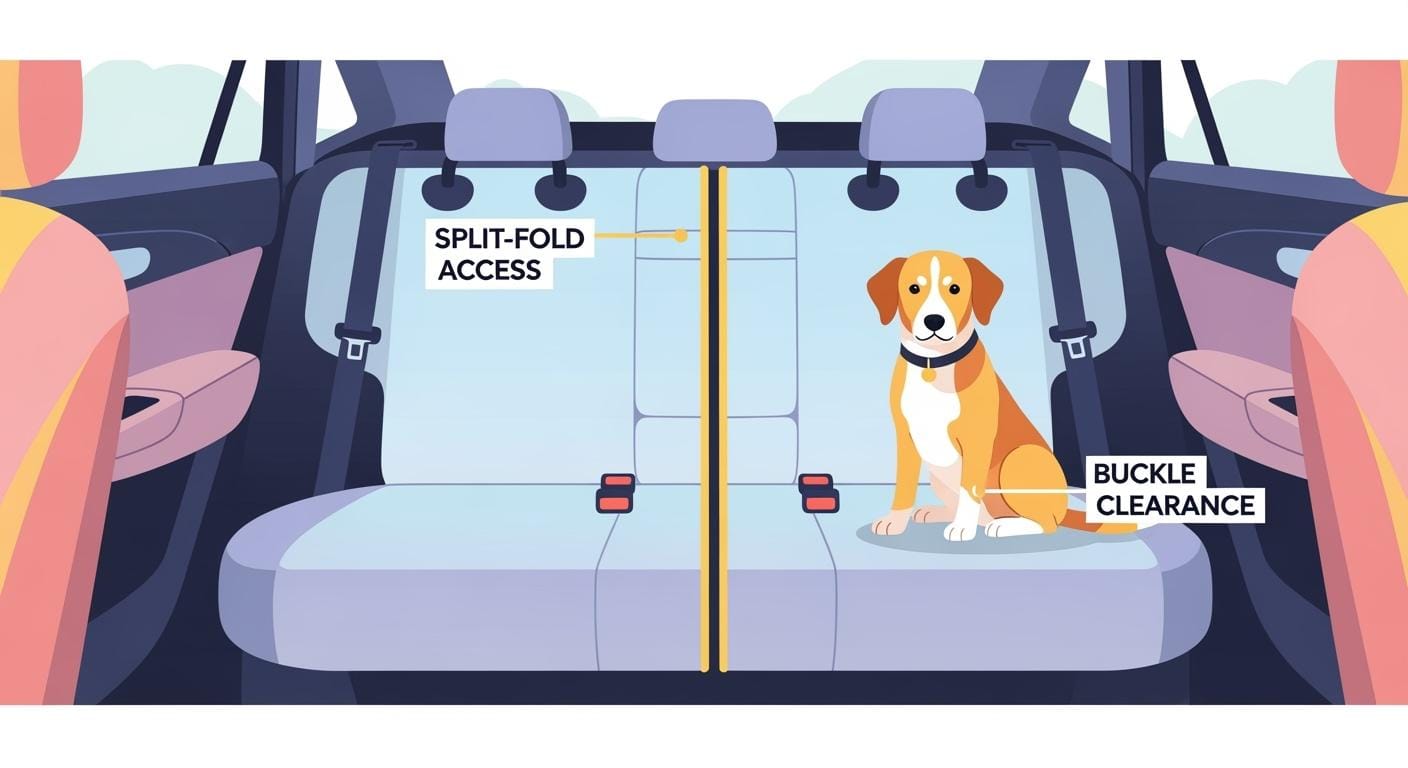
Next, measure the seat depth and width. Use a tape measure to check from the base of the backrest to the front edge of the seat cushion. This is the seat depth. Then, measure the flat width where the booster seat will rest. These measurements help you pick a booster seat that fits without hanging over the edge or leaving gaps. A good fit keeps the seat stable and helps your dog stay safe. Check the belt path by making sure the seat belt can run flat and lock without twisting. This step helps prevent sliding and tipping.
Tip: A dog car seat cover can protect your seats and keep the booster from slipping.
Door Clearance and Entry Angle
Check the door clearance and entry angle. Open the door fully and measure the space from the seat edge to the door frame. Make sure the booster seat will not block the door from closing. Look at the entry angle to see if your dog can step in and out easily. This helps your dog feel comfortable and prevents accidents when getting in or out.
Vehicle Measurement Table
Step 2: Measure the vehicle seating area and belt path constraints. Use this table to guide your process:
What to Measure | How to Measure | Why It Matters |
|---|---|---|
Seat Depth | Base of backrest to front edge of seat cushion (in/cm) | Prevents gaps and keeps booster seat stable |
Seat Width | Usable flat width where booster will sit (in/cm) | Avoids overhang and tipping |
Belt Path | Check seat belt can route flat and lock without twists | Reduces sliding and keeps booster secure |
Door Clearance | Space from seat edge to door frame (in/cm) | Ensures door closes and allows easy entry/exit |
Taking careful measurements of your car’s seating area helps you choose the right booster seat for your dog. This step keeps your dog safe and comfortable on every trip.
Choose the Right Dog Booster Seat Size
Picking the right size dog booster seat keeps your dog safe. It stops tipping, cramped posture, and sliding when you drive. You need to match your dog’s size and your car’s seat to the booster seat. This guide shows you how to fix sizing problems and get a good fit for your dog.
Interior Bed Area and Posture
Your dog should feel safe and comfy in the seat. The inside bed must be big enough for your dog to sit, lie down, and turn around. If the bed is too small, your dog might curl up tight. This can make joints sore and cause stress. Dogs that get nervous need more space to stretch and relax. The right size stops tipping and sliding, so your dog stays calm.
Measure your dog when it is relaxed.
Add 4-8 in (10-20 cm) to your dog’s length for moving and stretching.
Add 2-4 in (5-10 cm) to your dog’s width for turning and sitting.
Make sure the wall height supports your dog’s shoulders but does not make them hunch.
Base Footprint and Stability
The base size helps keep the seat steady. A wide, flat base stops rocking and tipping on soft seats. The booster seat should sit flat and not hang over the edge. Non-slip bottoms help, but the base size is most important for stability. Always check that the booster seat covers the seat area and does not leave gaps.
Tip: A steady base keeps your dog from sliding or tipping if you stop fast.
Anchor and Belt Routing for Secure Fit
Anchors and belt paths keep the seat in place. You can use the LATCH system or the car seatbelt. For LATCH, find the anchors in the back seat, clip them, push down on the seat, and tighten the straps. For seatbelts, put the belt through the right path, buckle it, lock it, then press down and pull the belt tight. A snug fit stops sliding and helps keep your dog safe.
Sizing Decision Table
Step 3: Pick the booster seat size by looking at the inside space and base size. Use the table to match your dog and car to the right booster seat.
Dog Profile | Vehicle Constraints | Recommended Size Approach | What to Avoid |
|---|---|---|---|
Small dog, under 15 lbs (7 kg), short body | Narrow seat, limited depth | Small booster seat, add length and width buffer | Booster seat with tight interior or overhanging base |
Medium dog, 15-30 lbs (7-14 kg), moderate body | Standard seat, good depth | Medium booster seat, check wall height and base footprint | Booster seat with low walls or unstable base |
Large dog, over 30 lbs (14 kg), long body | Wide seat, deep cushion | Large booster seat or crate, maximize interior space | Booster seat with narrow interior or weak anchoring |
Anxious dogs, any size | Any seat, extra space needed | Choose next size up, add extra length and width | Booster seat with cramped bed or high walls |
Parameter and Value Table
Check the most important things when picking a dog booster seat. Use this table to see if the seat fits your dog and car.
Parameter | Target range or option | Why it matters |
|---|---|---|
Dog length cue | add 4-8 in (10-20 cm) interior length | Room to shift and relax |
Dog width cue | add 2-4 in (5-10 cm) interior width | Prevents cramped posture |
Sitting height cue | shoulder height while sitting | Wall height fit cue |
Seat depth cue | measure vehicle seat depth | Base stability |
Seat width cue | measure flat width | Prevents overhang and tipping |
Interior rule | prioritize interior usable space | Avoids wrong sizing |
Base footprint cue | wider base reduces rocking | Stability |
Belt path cue | flat routing, no twists | Reduces sliding |
Rock test | gentle side pressure | Catches tipping early |
Slide test | gentle push test | Catches drifting early |
Posture test | sit, lie, turn | Confirms comfort |
Always compare your dog’s size and your car’s seat to these points. Look for booster seats that are easy to install, have adjustable safety leashes, and covers you can wash. Some seats have waterproof outsides and fold up for storage. Always check how to install the seat. If it takes more than five minutes, you might not use it often.
If you follow these steps, you can pick the right size dog booster seat for your dog and car. Your dog will be comfy and safe, and you will stop tipping, sliding, or cramped posture when you travel.
Check Fit and Safety After Installation
After you install your dog booster seat, you need to check the fit and safety before you start your trip. A secure fit helps protect your dog and keeps them comfortable during travel. Follow these steps to make sure your booster seat works well for both your dog and your vehicle.
Rock and Slide Test
You should test for tipping and sliding. Push the seat gently from the side to see if it rocks. Then, press the seat forward and backward to check for sliding. The seat should stay in place and not move more than one inch in any direction. A non-slip base helps, but you must rely on proper anchoring and belt routing for the best protection.
Harness Tether and Twist Points
Check the harness tether and look for twist points. Attach the tether to your dog’s harness and make sure it is not twisted or tangled. The tether should allow your dog to sit and lie down without pulling tight. If you see any twists or slack, adjust the tether so your dog can move freely but stay safe.
Posture Check for Comfort
Watch your dog as they sit in the booster seat. Your dog should have enough space to sit, lie down, and turn around. Their shoulders should not press against the walls. If your dog looks cramped or cannot relax, you need to adjust the seat or choose a larger size for better comfort.
Tip: After a short drive, re-check the fit and anchoring. Dogs may shift position, so make sure the seat stays secure and your dog remains comfortable.
Fit Test Table
Step 4: Install and run rock, slide, and posture fit tests.
Step 5: Re-check after a short drive and adjust anchoring and tether routing.
Test | Pass Sign | What to Adjust |
|---|---|---|
Rock Test | Seat does not tip | Widen base or tighten anchors |
Slide Test | Seat stays in place | Adjust belt path or base grip |
Posture Test | Dog sits and turns | Increase interior space or wall height |
Tether Test | No twists, dog moves freely | Shorten or lengthen tether |
You should always check these points before every trip. A good fit means your dog gets the best protection and comfort while you travel.
Common Sizing and Install Mistakes
Choosing the right booster seat for your dog can be tricky. Many owners make simple mistakes that lead to tipping, cramped posture, or sliding. You can avoid these problems by learning what causes them and how to fix them quickly.
Choosing by Outer Size Only
You might think the biggest seat will work best, but that is not true. If you pick a seat based only on the outside size, you risk getting one that is too large or too small for your dog. A seat that is too big can tip or slide. A seat that is too small can squeeze your dog and make travel stressful. Always check the inside measurements and match them to your dog’s body length and width.
The size of your dog should guide your choice.
An oversized seat may not keep your dog secure.
An undersized seat can cause discomfort and restlessness.
Too Narrow Interior
A booster seat with a narrow interior can make your dog uncomfortable. Your dog needs space to sit, lie down, and turn around. If the seat is too tight, your dog may feel anxious or restless. A cramped seat does not protect your dog well during sudden stops. You should always add extra inches to your dog’s measurements for a better fit.
Discomfort leads to anxiety.
Poor fit increases safety risks.
Unstable Base or Weak Anchoring
An unstable base or weak anchoring can cause your dog to slide or tip during travel. If the seat moves easily, your dog may feel unsafe and stressed. Weak anchoring can also fail to restrain your dog during sudden stops. You should check that the base sits flat and anchors hold tight. Veterinarians say dogs feel calmer when they sit in a stable seat.
Sliding increases risk of injury.
Strong anchoring helps keep your dog safe.
Common Cause Table
Here is a quick guide to common mistakes and fast fixes. You can use these steps to diagnose and solve problems:
Common Cause | What It Leads To | What To Do Next |
|---|---|---|
Seat tips on turns | Dog slides, feels unsafe | Widen base, tighten anchors, check seat position |
Dog cramped in booster seat | Anxiety, restlessness | Choose larger interior, add length and width buffer |
Cover keeps slipping | Unstable seating | Insert anchors fully, tighten headrest straps |
Seat belt openings don’t align | Poor restraint | Adjust cover position before securing straps |
Side flaps don’t stay in place | Gaps, possible sliding | Tuck edges between seat and door panel |
Cover too loose or too tight | Poor fit, discomfort | Adjust straps and anchors for custom fit |
Tip: Always check the fit after installation. If your dog cannot sit or turn easily, adjust the seat or pick a different size.
Retail and Wholesale Notes for Dog Booster Seats
Product Page Copy and Measurement Guidance
You can help customers pick the right dog booster seat by giving easy measurement steps on your product pages. Show how to measure the dog’s length, width, and sitting height with simple pictures or drawings. Remind buyers to check both their dog’s size and the car’s seat space. When you explain what makes a good dog car seat cover, buyers learn why some covers are better than others. This advice helps customers feel less confused and makes it easier for them to choose the best seat for their pets.
Spec Checklist: Interior, Base, Belt Path
A clear spec checklist helps buyers compare booster seats and avoid mistakes. Always list these details:
Interior bed length and width (in/cm)
Wall height for shoulder support
Base footprint size for stability
Belt path type and location
Weight capacity
Works with a high-quality dog car seat cover or a tough dog car seat cover
Giving this info helps buyers match the booster seat to their dog and car. It also builds trust and lowers the chance of returns.
Return Reduction and Install Checklist
You can lower returns by following a few simple steps:
Use a clear SKU system so buyers find the right seat fast
Double-check pack details before shipping
Give detailed size and fit info for every seat
Write clear product descriptions and skip confusing words
Tip: Add an install checklist with each order. Remind buyers to test the fit, check belt routing, and make sure the seat stays stable before using it.
OEM and ODM Explainer
OEM means Original Equipment Manufacturer. ODM stands for Original Design Manufacturer. OEM products use your design and brand. ODM products use the supplier’s design but have your label. Both choices let you offer booster seats with special features and custom fit. The table below shows how these options can help retail and wholesale buyers get better quality and fit.
Feature | Description |
|---|---|
Safety-Certified Design | FMVSS 213 Compliance helps lower impact during crashes |
Anti-Tip Technology | 360 degree grip silicone base keeps the seat steady during turns |
Premium Durability | Weatherproof materials and chew-resistant zippers make the seat last longer |
Global Market Compliance | Certifications like ECE R44.04 and Prop 65 show products meet world safety rules |
Customization Process | Co-design workshops and consumer trials help create designs based on feedback |
A high-quality dog car seat cover can make your product line better and help customers protect their seats. When you focus on clear sizing, strong specs, and easy setup, you help buyers get the right fit and lower returns.
You can help your dog stay safe and comfy by following steps. First, measure your dog and your car. Next, compare these numbers to the booster seat’s inside size and weight rules. After you put in the seat, always check if it fits well. Use the tables and lists to help you pick and to stop common mistakes.
Safety tip: Picking the right size and installing it right lowers risk, but does not make things 100% safe. Always use a harness to clip your dog in, not a collar. Ask your vet if your dog gets sick or feels pain in the car. If your dog is nervous, talk to a trainer for help.
FAQ
How do you know if a booster seat is too small for your dog?
Your dog should sit, lie down, and turn around easily. If your dog’s shoulders press against the walls or cannot stretch out, the seat is too small. Measure your dog and add extra inches for comfort.
What is the best way to measure your car’s seat for a booster seat?
Use a tape measure to check seat depth and width. Measure from the backrest to the front edge for depth. Measure the flat area for width. Make sure the booster seat fits without hanging over the edge.
Can you use a booster seat with a dog car seat cover?
Yes, you can use both together. A car seat cover protects your seats from dirt and hair. It also helps keep the booster seat from slipping. Make sure the cover does not block seat belt paths or anchors.
How do you test if the booster seat is stable after installation?
Push the seat gently from the side and front. The seat should not tip or slide more than one inch. Check the belt path and anchors. Adjust them if the seat moves too much.
What should you do if your dog feels cramped or anxious in the booster seat?
Try a larger booster seat with more interior space. Add extra inches to your dog’s measurements. Make sure your dog can sit, lie down, and turn around. Give your dog time to get used to the seat.