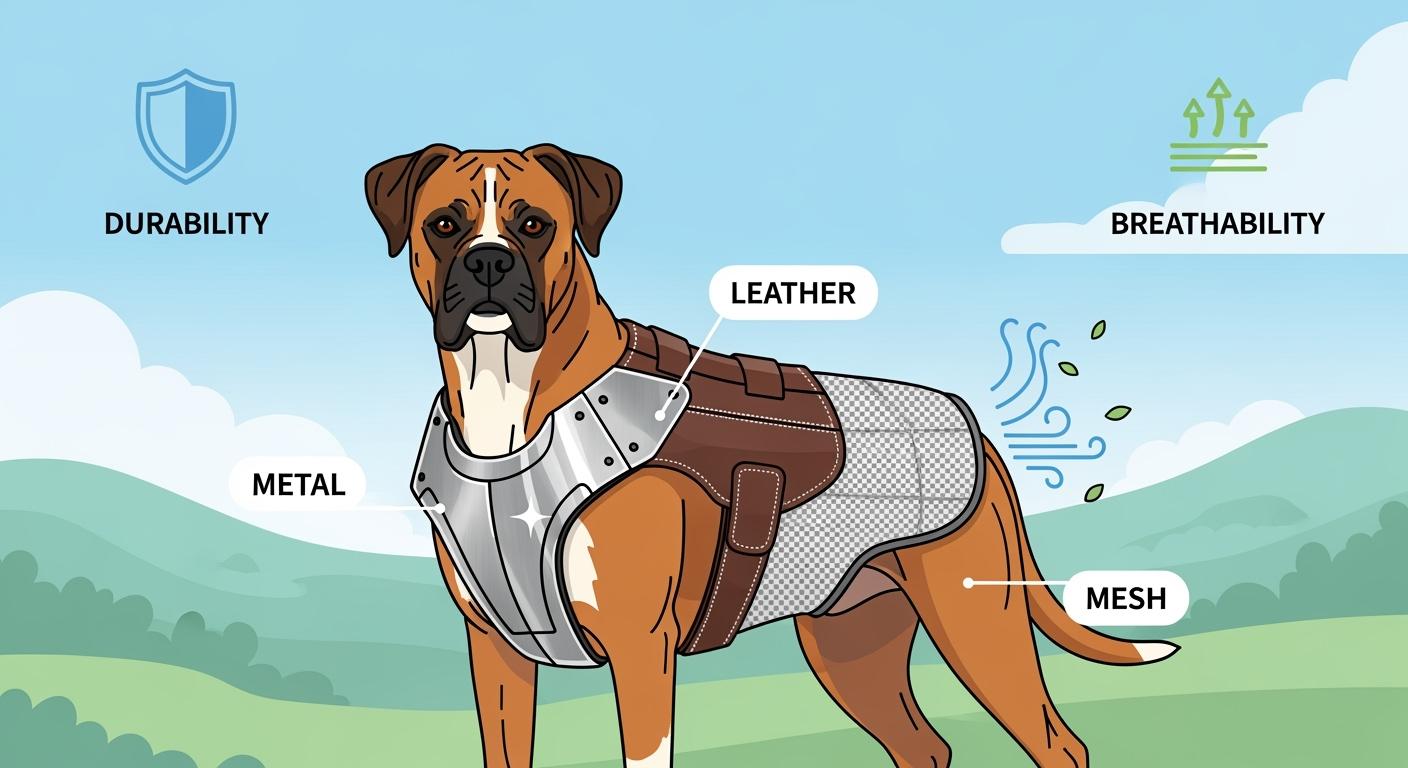
Dog armor protects your dog from sharp plants and rocks. The wrong material can make your dog too hot or hurt their skin. You need to find a good mix of toughness and air flow. Think about how active your dog is, the weather, and how comfy the armor feels before picking one.
Tip: Always look for signs that your dog is too hot or has sore skin when wearing protective gear.
Picking the right material helps your dog stay safe and feel good outside.
Key Takeaways
Pick dog armor that keeps your dog safe and cool. Find light materials that protect important spots but do not hold in heat.
Watch your dog for signs of being uncomfortable, like heavy panting or itchy skin. Change or take off the armor if your dog seems upset.
Check the armor before every outing. Look for loose threads, holes, or broken parts to keep your dog safe.
Use mesh panels to help air move through, especially when it is hot. Do not put mesh in places that get scraped a lot, so your dog stays protected.
Choose materials that fit your dog’s activities and where you go. Strong fabrics are good for rough places, and airy ones are better for hot days.
Why Use Dog Armor and When to Avoid It
Protection Goals: Brush, Rocks, and Scrape Zones
You want to protect your dog from sharp brush, rough rocks, and other hazards on the trail. Dog armor covers the chest, belly, and legs. These areas get the most scrapes. You should check the hazard zones before each trip. If you see thick brush or rocky paths, armor helps prevent cuts and scrapes. Always look for a design that covers only the needed zones. This keeps your dog cooler and lighter.
Safety Note: If you notice any limping, skin irritation, or heavy stress signals, stop using the gear and talk to your veterinarian.
When Breathability Matters Most
Breathability is very important when your dog runs, hikes, or plays in warm weather. Heat and moisture need to escape from under the armor. If breathability is low, your dog may overheat or get a rash. Mesh panels and moisture-wicking liners help air move through the fabric. You should pick armor with good airflow if your dog is active or if the weather is hot. Place mesh away from high-abrasion zones to keep protection strong.
A quick checklist for breathability:
Feel the fabric. If it feels stiff or thick, airflow may be low.
Look for mesh or spacer panels in safe spots.
Check for moisture-wicking liners inside.
Comfort Risks: Heat, Rubbing, Restricted Movement
Tougher materials can protect against scrapes but may trap heat or rub the skin. Poor breathability increases the risk of overheating. If the armor fits too tight or has stiff panels, your dog may move less or get sore spots. Always test the fit. Let your dog walk, run, and turn. Watch for signs of discomfort.
Tip: If you see panting, slow movement, or red skin, remove the armor and check for problems.
You should always balance protection and breathability. Choose the lightest, most breathable option that still covers the hazard zones. Supervise your dog when using any gear. Retire damaged armor right away.
Abrasion Resistance vs Breathability in Dog Armor
Dog armor keeps your dog safe from rough things. It also needs to help your dog stay cool and comfy. You have to find a good balance between protection and airflow.
How Dense Fabrics Trap Heat
Dense fabrics like tight weave synthetics block sharp brush and rocks. These fabrics stop scrapes and fuzzing. They feel thick and stiff. Dense fabrics can trap heat and slow air movement. If your dog wears dense armor, heat and sweat may build up.
Safety Note: If your dog pants a lot or looks tired, check for heat. Take off the armor and let your dog rest.
Dense fabrics are good for short walks or cool days. For long hikes or hot weather, pick lighter armor.
Airflow: Mesh Panels and Moisture Transport
Mesh panels and spacer mesh help air move through the armor. These materials let heat and sweat escape. Mesh panels are placed away from scrape zones. This keeps protection strong and lets air flow better.
Mesh panels: Open weave lets more air in.
Spacer mesh: Adds cushion and lets air pass.
Moisture-wicking liners: Pull sweat off the skin.
Check where mesh panels are placed. Make sure they do not cover scrape zones. Good airflow helps your dog stay cool and dry.
Tip: Feel inside the armor after a walk. If it feels wet or hot, you may need more mesh or better moisture control.
Durability: Surface Toughness vs Tear Resistance
Durability means the armor lasts through rough use. Surface toughness stops scrapes and fuzzing. Tear resistance keeps rips from getting bigger. Ripstop fabrics use grids to stop tears. Look for armor with tough outsides and strong seams.
Surface toughness: Blocks scrapes from brush and rocks.
Tear resistance: Stops small holes from growing.
Reinforced seams: Prevents early breaks.
If you see fraying or holes, stop using the gear. Damaged armor cannot protect your dog.
Safety Note: Always check for damage before each trip. Replace gear if you see any problems.
Tradeoff Table: Design, Durability, Breathability, Suitability
Pick the lightest, most airy armor that still covers danger zones. Use this table to compare choices:
Design Choice | Durability Gain | Breathability Cost | Who It Suits |
|---|---|---|---|
Tight weave synthetic | High abrasion resistance; resists fuzzing and scraping | Traps heat; low airflow | Dogs in brushy or rocky areas; short trips; cooler weather |
Ripstop synthetic | Limits tearing; moderate abrasion resistance | Slightly better airflow than tight weave | Dogs on mixed terrain; moderate activity |
Mesh panels | Low abrasion resistance; not for scrape zones | High airflow; excellent moisture transport | Dogs in warm weather; high activity; safe zones only |
Spacer mesh | Adds cushion; moderate durability | Good airflow; helps cooling | Dogs needing comfort; active dogs; low hazard zones |
Laminates and coatings | Blocks water and dirt; high surface toughness | Reduces breathability; traps moisture | Dogs in wet or muddy areas; short use only |
Note: Match the design to your dog’s activity and weather. If you see heat stress or sore skin, stop and fix the gear.
Test fit and comfort by changing straps a little at a time. After each change, let your dog move and check for rubbing or overheating. Make small fixes and test again.
Dog armor works best when you balance protection and airflow. Watch for signs your dog is not comfy and change gear if needed. Always watch your dog and stop using damaged armor right away.
Material Types in Protective Dog Armor
Picking the right materials helps keep your dog safe and comfy. Every material has good and bad points. You need to know how each works to choose the best one for your dog.
Tight Weave Synthetics: Abrasion and Airflow
Tight weave synthetics use strong nylon or polyester. These make a tough shield against brush and rocks. The surface resists scrapes and fuzzing. High-abrasion polyester mesh is one type. It feels smooth and does not hold dirt. These fabrics can trap heat and block air. Watch your dog for signs of getting too hot. Tight weave synthetics are good for rough places. For long walks or hot days, add mesh panels for more airflow.
Safety Note: If your dog pants a lot or looks tired, stop and check for heat under the armor.
Ripstop Fabrics: Tear Limiting
Ripstop fabrics have a grid that stops tears from spreading. You see these in gear for sharp rocks or sticks. Ripstop synthetics balance toughness and airflow. The grid helps the armor last longer. Use ripstop for dogs running on mixed ground. These fabrics let in more air than tight weaves. They still protect well. Always look for fraying or holes before trips.
Mesh and Spacer Textiles: Ventilation
Mesh panels and spacer mesh let air move through the armor. These fabrics help heat and sweat escape. Spacer mesh adds cushion and helps air flow. Mesh goes on sides or back, away from scrape zones. Polyester jersey backing is soft and pulls sweat off skin. Mesh and spacer textiles are best for active dogs or warm days. Do not use mesh in high-abrasion spots because it wears out fast.
Tip: Feel inside the armor after a walk. If it feels cool and dry, your ventilation is working.
Foam and Laminates: Comfort vs Heat
Some dog armor uses foam or laminated layers for comfort. TPE foam core gives padding and absorbs light hits. Double-sided TPU shell keeps water out and adds toughness. Laminates and coatings block water and dirt but may trap heat. Use these in wet or muddy places, but only for short times. Foam can trap heat, so watch for overheating. If your dog seems stressed or has skin problems, take off the armor and check.
Safety Note: Tougher materials can stop scrapes but may trap heat and rub skin. If you see limping, stress, or skin trouble, stop and ask a vet.
Material Matrix Table: Type, Abrasion, Breathability, Cleaning, Use, Downside
Check this table to compare main materials in dog armor. Match the material to your dog’s activity and the dangers you expect.
Material Family | Abrasion Behavior | Breathability Behavior | Cleaning Effort | Best Use Case | Common Downside |
|---|---|---|---|---|---|
Tight weave synthetic | Very good at stopping scrapes and fuzz | Not much airflow; holds heat | Easy; dirt comes off | Brushy or rocky places; short trips | Can make dogs too hot |
Ripstop synthetic | Stops some scrapes; limits tearing | Lets in some air | Easy; dries quickly | Mixed ground; medium activity | May catch on sharp things |
Mesh panel | Not good for scrapes; not for rough spots | Lots of airflow; great ventilation | Easy; dries fast | Warm days; lots of movement | Wears out in rough spots |
Spacer mesh | Stops some scrapes; adds cushion | Good airflow; helps cooling | Medium; can hold grit | Comfy spots; active dogs | Can hold dirt and moisture |
Foam core (TPE) | Not good for scrapes; soft padding | Not much airflow; holds heat and sweat | Medium; dries slowly | Padding for chest or belly | Can get hot; dries slowly |
Laminated shell (TPU) | Very tough outside; blocks water | Not much airflow; holds heat | Easy; wipes clean | Wet or muddy places; short use | Holds heat and sweat |
Polyester jersey backing | Not good for scrapes; smooth on skin | Lots of airflow; pulls sweat away | Easy; machine wash | Liner for comfort and sweat control | Not protective by itself |
Note: Always pick the lightest, most airy fabrics that still protect danger zones. Layered designs can mix materials for better balance.
Test each material by letting your dog wear the armor for a short time. Watch for discomfort or heat. If you see problems, change one thing, like adding mesh or adjusting the fit a little. Test again after each change. Damaged gear cannot protect your dog, so stop using it right away.
Dog armor works best when you match materials to your dog’s activity, the weather, and the dangers you expect. Airy fabrics help keep your dog cool. Tough layers stop scrapes. Always watch your dog and check the armor before every trip.
Coatings and Finishes: Water, Odor, Drying
Waterproof Layers and Breathability
You want your dog’s armor to block water but let heat out. Some coatings, like Advanced Performance Textiles, keep water away and help with sweat. These finishes stop rain and mud from soaking in. They also help the armor dry faster after getting wet. But waterproof layers can make it harder for air to move. If the coating is thick, heat and sweat can get stuck inside. Try to find finishes that keep water out but still let air flow. For example, 3XDRY keeps water off the outside and moves sweat away from the inside. This helps your dog stay dry and cool. Always check if the armor feels hot or damp after use. If you notice heat is trapped, try a lighter finish or add mesh for more airflow.
Safety Note: If your dog pants a lot or seems upset, stop and check for overheating. Take off the armor if needed.
Dirt and Hair: Cleanup Challenges
Dog armor gets dirty and picks up hair. Some finishes make cleaning simple. Smooth coatings help dirt slide off. You can wipe these surfaces with a wet cloth. Fuzzy or rough finishes trap more dirt and hair. This can make the armor smell and wear out faster. Pick armor with a smooth outside for easy cleaning. After each trip, brush off dirt and hair. Wash the armor if it smells or looks dirty. Always let it dry all the way before using it again.
Drying and Odor Control
Quick drying stops bad smells and keeps your dog comfy. Some finishes, like Cesa WithStand Antimicrobial Technology, stop germs from growing. This helps prevent strong smells and stains. Fast-drying finishes, like 3XDRY, move sweat away from your dog’s body. This helps the armor dry fast and lets air move better. If the armor stays wet, it may smell or cause skin trouble. Always hang the armor up to dry after washing. If you notice a strong smell, wash the armor and check for damage.
Finishes Table: Type, Benefit, Breathability, Maintenance
Finish Type | Benefit | Breathability Impact | Maintenance Note |
|---|---|---|---|
Water-repellent (3XDRY, A.P.T.) | Blocks water, dries fast, manages sweat | High breathability if thin; lower if thick | Wipe clean, air dry |
Antimicrobial (Cesa WithStand, A.P.T.) | Reduces odor, stops stains | No effect on breathability | Wash as needed, check for wear |
Heavy waterproof laminate | Full water block, protects in mud | Low breathability, traps heat | Rinse off, dry fully |
Smooth outer coating | Sheds dirt and hair, easy to clean | No effect on breathability | Brush or wipe after use |
Tip: Pick finishes that fit your dog’s activity and the weather. Always check for trapped heat or bad smells. Make small changes and test again if you see problems.
Construction Details in Dog Armor
Seams and Edges: Preventing Fray
You want seams and edges that last. Bound edges and protected seams stop fraying early. Look for stitching that feels smooth and does not stick out. If you see loose threads or rough seams, fix them before your dog wears the armor. Use a lighter or seam sealer to stop fraying. Always check seams after each trip. Damaged seams can let dirt in and cause rubbing.
Safety Note: Frayed seams can rub skin and trap grit. If you see red skin or limping, stop and check the edges.
Reinforcement Zones: Chest, Shoulders, Belly
Reinforcement zones protect the most vulnerable spots. The chest, shoulders, and belly get the most scrapes. You need extra layers or tougher fabric in these areas. Make sure the reinforcement does not make the armor stiff. Test movement by letting your dog walk and run. If you see restricted movement, adjust the fit or use softer padding. Reinforce only where needed to keep the armor light and cool.
Chest: Needs tough fabric for brush and rocks.
Shoulders: Should allow full movement.
Belly: Needs coverage but must not trap heat.
Hardware: Avoiding Pressure Points
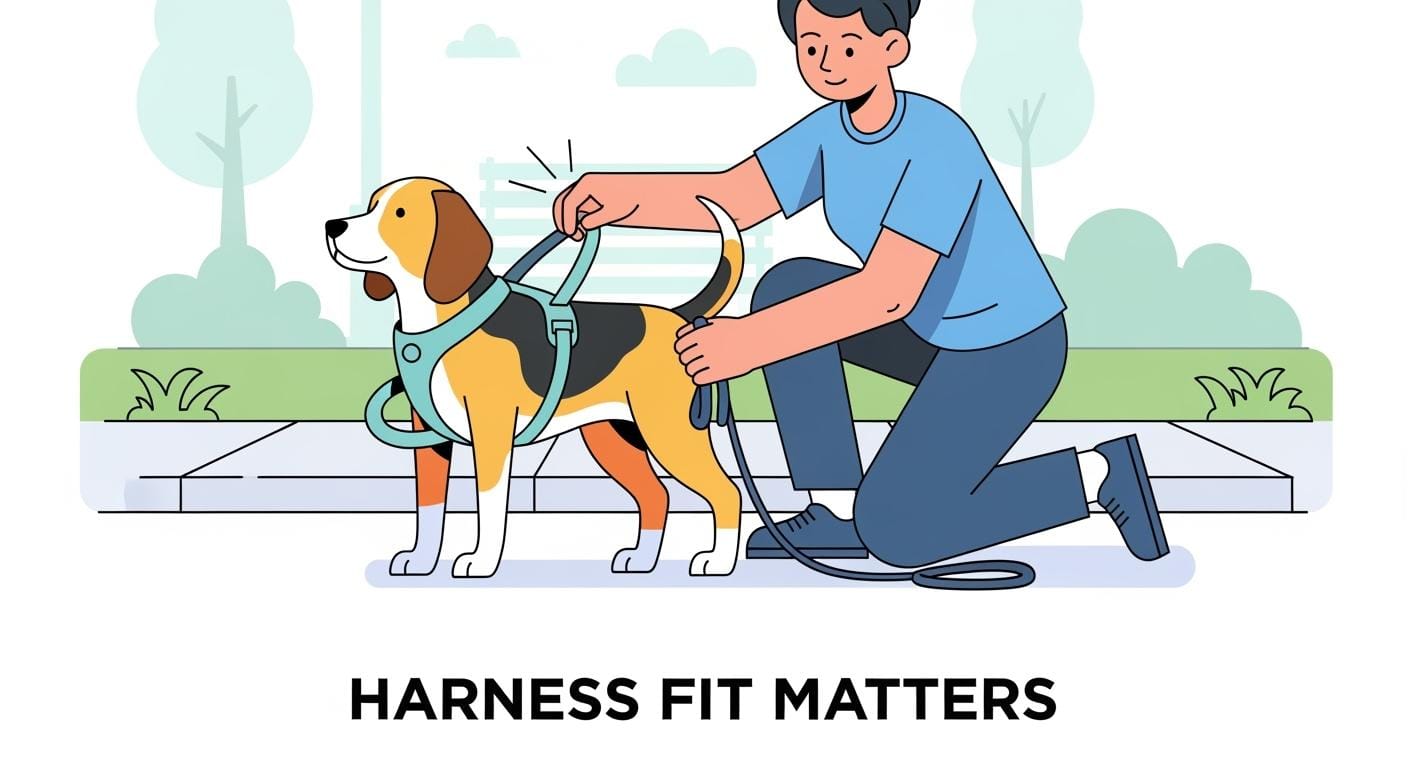
Hardware includes buckles, straps, and clips. You want hardware that sits flat and does not poke your dog. Place buckles away from armpits and joints. Adjust straps in small steps, about 1-2 in (3-5 cm), and test movement after each change. If you see rubbing or pressure marks, move the hardware or add padding. Always check hardware for sharp edges or broken parts.
Tip: Hardware should never press into skin. If you see discomfort, change the placement or use softer materials.
Construction Checklist Table: Check Point, Good Sign, Red Flag, Fix
Use this checklist to review your dog armor before each trip. Change one thing at a time and test again.
Check Point | Good Sign | Red Flag | Fix or Alternative |
|---|---|---|---|
Seams and edges | Bound, smooth, no loose threads | Fraying, rough, loose threads | Trim, seal, or reinforce edges |
Reinforcement zones | Tough fabric, flexible movement | Stiff, restricts movement | Use softer padding, adjust fit |
Hardware placement | Flat, away from joints/armpits | Presses into skin, causes rub | Move hardware, add soft cover |
Strap adjustment | Snug, allows full movement | Too tight, restricts movement | Loosen by 1-2 in (3-5 cm), retest |
Overall fit | Dog moves freely, no red spots | Limping, red skin, stress | Remove armor, check for problems |
Safety Note: Always supervise your dog when using armor. If you see heat stress, limping, or skin irritation, stop and consult a veterinarian. Damaged gear cannot protect your dog.
Choosing Dog Armor by Activity
Hazard Zones by Trip Type
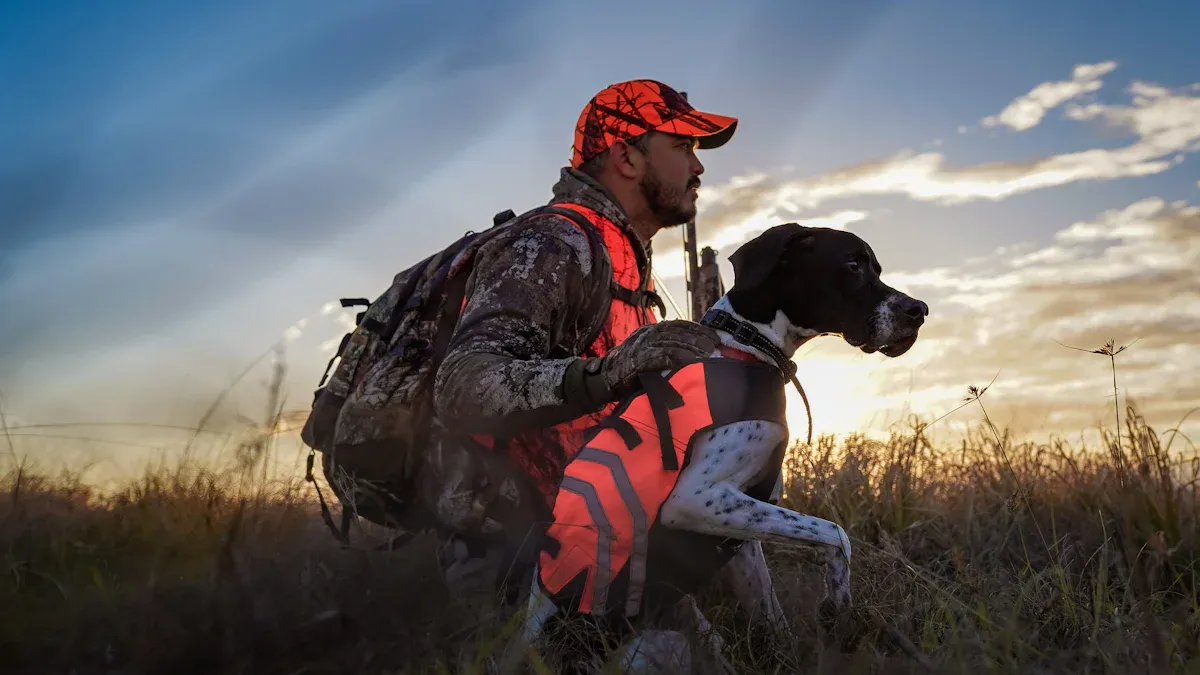
You need to match armor coverage to your dog’s trip. For daily walks, protect only the chest and belly. On hikes, add coverage for shoulders and sides. Road trip stops need light armor for quick outings. Always check the ground and plants before you start. If you see sharp brush or rocks, use tougher fabric on those zones.
Safety Note: If you notice limping or red skin, stop and check the hazard zones. Damaged gear cannot protect your dog.
Minimum Material for Protection
Choose the lightest, most breathable material that still covers danger zones. Use tight weave synthetic or ripstop for brush and rocks. Mesh panels work for safe zones. Reinforce only where needed. Adjust straps in steps of 1-2 in (3-5 cm) and test movement after each change.
Decision Table
Trip Type | Main Hazard | Recommended Material Direction | Vent Plan | Avoid List |
|---|---|---|---|---|
Daily walk | Light brush, grime | Tight weave synthetic | Mesh panels on sides/back | Heavy laminates |
Hike | Brush, rocks | Ripstop synthetic, reinforced | Mesh away from scrape zones | Full mesh on chest |
Road trip stop | Wet grass, dirt | Light synthetic, jersey liner | Open mesh, quick dry | Stiff foam, thick shell |
Ventilation First, Reinforcement Second
Start with ventilation. Place mesh or spacer panels away from scrape zones. Reinforce only the chest, belly, and shoulders. Always test fit after each change. If you see heat stress, loosen straps or add more mesh.
Parameter and Value Table
Parameter | Target Option or Rule | Why It Matters |
|---|---|---|
Trip type | Daily walk, hike, road trip stops | Predicts hazard and heat load |
Main hazard | Brush, rocks, light impact, wet grime | Sets needed surface toughness |
Coverage map | Protect only contact zones | Reduces heat trap and rub |
Base fabric | Tight weave synthetic or ripstop | Handles abrasion and tearing |
Vent plan | Mesh or spacer panels away from scrape zones | Improves breathability |
Finish direction | Minimal coating unless wet grime | Preserves airflow |
Liner direction | Smooth wicking liner in rub zones | Reduces chafing risk |
Seam and edge plan | Bound edges, protected seams | Prevents early failure |
Fit test | Full shoulder range, no armpit rub | Prevents restriction and hotspots |
Stop criteria | Heat stress or skin irritation | Prevents escalation |
Troubleshooting Table
Problem | Likely Cause | Quick Fix | Next Step |
|---|---|---|---|
Overheating | Low airflow, thick fabric | Add mesh, loosen straps | Test movement, check skin |
Rubbing | Stiff panel, bad fit | Adjust straps, add liner | Watch for red spots |
Limping | Hardware pressure | Move hardware, pad edges | Remove armor, rest dog |
Odor | Trapped moisture | Wash, dry fully | Check for damage |
Scenario Walkthroughs
Scenario A: Brushy Hike Overheating
You notice your dog panting and slowing down.
Check under the armor for heat and sweat.
Loosen straps by 1-2 in (3-5 cm).
If overheating continues, add mesh panels away from scrape zones.
Test movement and comfort after each change.
If heat stress signs remain, remove armor and let your dog rest.
Scenario B: Rocky Terrain Rubbing
You see your dog limping or licking a spot.
Inspect the armor for stiff panels or hardware near joints.
Adjust straps in small steps, about 1-2 in (3-5 cm).
Add a smooth liner in rub zones.
Test movement and check for red skin.
If rubbing continues, remove armor and consult a veterinarian.
Safety Note: Always supervise your dog. If you see heavy stress signals, stop and fix the gear. Change one thing at a time and test again.
Fit and Comfort in Protective Dog Armor
Mobility Checks: Shoulders, Armpits, Belly
You want your dog to move freely in protective armor. Always check the fit around the shoulders, armpits, and belly. Start by letting your dog walk, kneel, run, and turn while wearing the gear. Watch for any restricted motion. If your dog struggles to move, the armor may be too tight or stiff. Adjust the straps in small steps, about 1-2 in (3-5 cm), and test movement after each change. Make sure the armor does not pinch or rub. Good fit means your dog can play, jump, and rest without trouble.
Mobility Check Steps:
Let your dog walk and run in the armor.
Watch your dog kneel and turn.
Look for any signs of restricted movement.
Adjust straps by 1-2 in (3-5 cm) if needed.
Test again after each change.
Safety Note: If you see limping or red skin, stop and check the fit. Remove the armor if problems continue.
Heat and Moisture: Signs to Watch
Heat and moisture can build up under dog armor. You need to watch for signs that your dog feels too hot or uncomfortable. Look for excessive panting, drooling, lethargy, or stumbling. These signs mean your dog may have heat stress or moisture buildup. If you notice any of these, take off the armor right away and let your dog rest. Choose breathable gear to help heat and sweat escape.
Excessive panting
Drooling
Lethargy
Stumbling
Safety Note: Tougher materials can protect against scrapes but may trap heat. Always check your dog for stress signals.
Adjusting Fit for Weather and Activity
You should adjust the armor fit based on the weather and your dog’s activity. On hot days or during long walks, loosen the straps a little to improve airflow. Add mesh panels or use lighter fabrics for better cooling. For rough terrain, make sure the armor covers hazard zones but does not restrict movement. Always change one thing at a time and test the result. If you see any discomfort, make another small adjustment.
Stepwise Adjustment Guide:
Loosen straps by 1-2 in (3-5 cm) for more airflow.
Add mesh or lighter panels for cooling.
Reinforce only the needed zones for protection.
Test movement and comfort after each change.
Safety Note: If you see heat stress or skin irritation, stop using the gear and consult a veterinarian.
OEM and ODM Explainer:
OEM means original equipment manufacturer. ODM means original design manufacturer. Both terms describe companies that produce or design products for other brands. You may see these terms when shopping for dog armor. They help you understand who made or designed the gear.
You should pick dog armor that is tough but lets air in. Begin with light and airy fabrics. Add extra layers only where your dog needs more protection. Always check if the armor fits well before you go out. Look for signs like too much heat or skin rubbing. Clean and look over the gear often to make sure it works right.
Tip: Check the guide and tables to find the best choice for your dog.
FAQ
What is the main purpose of dog armor?
You use dog armor to protect your dog from scrapes, cuts, and rough surfaces during outdoor activities. It covers key areas like the chest and belly. Always check for a good fit and watch for signs of discomfort or overheating.
How do I know if my dog needs more airflow in their armor?
Watch for heavy panting, drooling, or slow movement. Feel under the armor for heat or dampness. If you notice these signs, add mesh panels or loosen straps by 1-2 in (3-5 cm). Always test movement after each change.
Can I wash dog armor in a machine?
Most dog armor can be machine washed. Use a gentle cycle and mild soap. Always air dry the armor fully before the next use. Check the care label for special instructions. Clean gear helps prevent odor and skin problems.
What should I do if my dog shows signs of rubbing or skin irritation?
Remove the armor right away. Check for rough seams or tight straps. Adjust the fit or add a smooth liner. If irritation continues, stop using the gear and consult a veterinarian. Never ignore red skin or limping.
How often should I check dog armor for damage?
Check the armor before and after every trip. Look for frayed seams, holes, or broken hardware. Damaged gear cannot protect your dog. Replace or repair any problem areas before using the armor again.