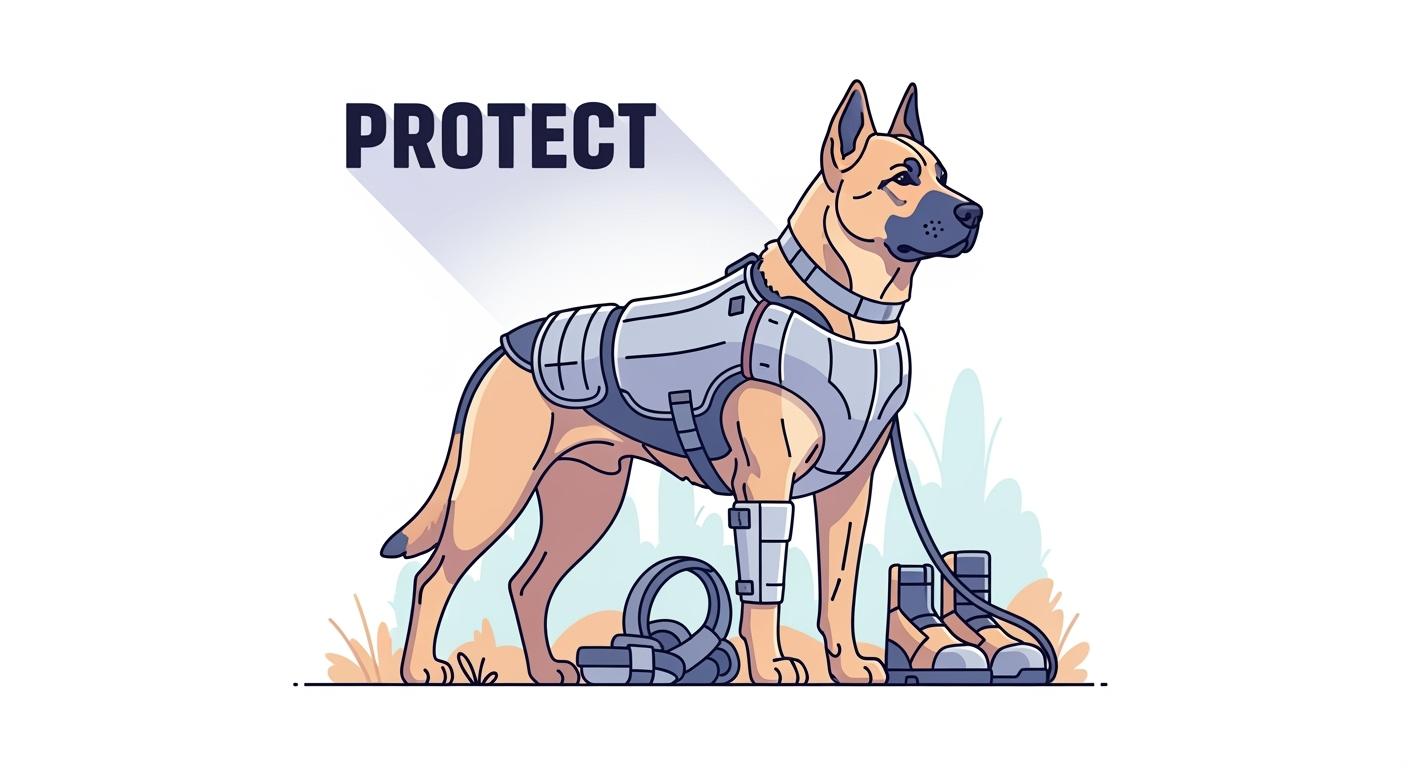
Dog armor and special clothes help keep your hunting dog safe from harm. You use these things to protect dogs from animal bites, weapons, and tough weather. Many groups now buy better gear to keep working dogs safe during police or hunting jobs. If you are a manager or brand, you need easy facts about dog clothes and safety choices. Special vests, like anti-coyote ones, also help protect small or country hunting dogs.
Key Takeaways
Dog armor helps keep hunting and working dogs safe. It protects them from getting hurt by rough ground, wild animals, and bad weather. Pick the right gear to make sure your dog stays safe.
There are different vests for upland and waterfowl hunting. Upland vests stop thorns from hurting dogs. Waterfowl vests keep dogs warm and help them float in water.
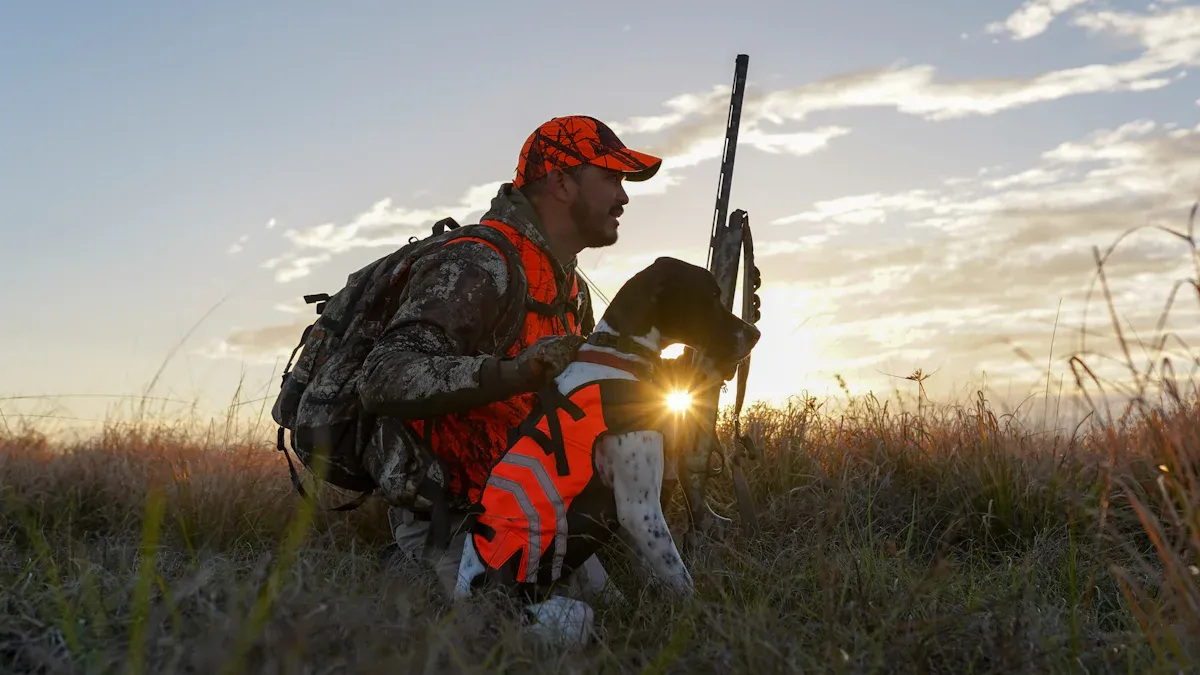
Bright colors like blaze orange help you see your dog easily. This is very important for keeping your dog safe when hunting.
Always check if the armor fits your dog well. Good fit means your dog is comfortable and can move easily. This helps your dog do its best without problems.
Take care of dog armor often. Clean and look at the gear after each use. This makes sure it stays safe and works well.
Dog Armor and Protection Basics
Risks for Working and Hunting Dogs
You face many risks when you send a hunting dog into the field. These risks can come from rough terrain, wild animals, or even sharp objects hidden in grass or water. You need to know what can hurt your dogs so you can choose the right protective gear.
Here is a table that shows the most common types of injury for hunting dogs:
Type of Injury | Description |
|---|---|
Paw Injuries | Injuries to the pads and toes of the dog. |
Skin Lacerations | Cuts and tears in the skin. |
Foreign Bodies | Objects lodged in skin, ears, or nose. |
Eye Injuries | Injuries affecting the eyes. |
Porcupine Encounters | Injuries from quills embedded in the skin. |
Soft Tissue Injuries | Damage to muscles and connective tissues. |
Lameness | Reduced ability to walk or run due to pain. |
Torn Nails | Damage to the nails, often painful. |
Tip: You should always check your hunting dog’s pads for injuries during and after hunts. If you see a cut or bleeding, apply direct pressure. For deep wounds or gunshot injuries, seek veterinary care right away.
You also need to think about the environment. Waterfowl hunting exposes your hunting dog to cold water, mud, and ice. Upland hunting can lead to scratches from thorns, barbed wire, or rocks. Each type of hunting brings its own set of dangers.
Types of Dog Armor Protection
You have many choices when it comes to dog armor and protective gear. The main goal is to keep your hunting dog safe from injury and help them do their job well.
Dog armor uses soft body armor materials. These materials protect your hunting dog from shrapnel, debris, and sharp objects. The armor covers vital organs like the heart and lungs. This protection is important because even small pieces of debris can cause serious harm. Many vests also have extra features, such as pockets or reflective strips, to make them more useful in the field.
You can find different types of gear for different needs:
An upland hunting vest gives your hunting dog protection from thorns and brush.
Waterfowl hunting vests keep your hunting dog warm and help them float in water.
Some vests have high-visibility colors so you can see your hunting dog in tall grass or low light.
Head and paw armor protect sensitive areas from bites or sharp objects.
Recent advances in technology have made dog armor even better. For example:
New body armor, like Nord Body armour, now protects military and bomb-sniffing dogs from fatal injuries.
Companies now make specialized and stronger armor for K9 units.
You see more focus on making gear that fits well and does not slow down your hunting dog.
When you use dog armor, you must also follow rules that protect animal welfare. Regulations now include hunting dogs and require you to provide enough space, good air, and proper care. These rules help prevent neglect and make sure your hunting dog stays healthy.
Note: Always check that your gear meets the latest welfare standards. This keeps your hunting dog safe and helps you follow the law.
Dog armor is not just for police or military use. You can use it for all working and hunting dogs. The right gear can prevent injury and help your hunting dog perform at their best, whether you work in upland fields or waterfowl hunting environments.
Protective Clothing and Gear for Hunting Dogs

Upland vs. Waterfowl Hunting Dog Vests
You must pick the right vest for your hunting dog. Upland and waterfowl hunting need different gear. Upland hunting dog vests use ripstop nylon. This material protects against thorns and sharp things. These vests have bright colors like blaze orange or day-glow green. Bright colors help you find your hunting dog in tall grass. Waterfowl vests focus on keeping your hunting dog warm and safe in water. Neoprene keeps your hunting dog warm and blocks cold wind. Many waterfowl vests have flotation aids for deep water safety. The table below shows the main differences:
Feature | Upland Hunting Dog Vests | Waterfowl Hunting Dog Vests |
|---|---|---|
Visibility | Blaze orange vest, day-glow green | Camouflage patterns |
Material | Ripstop nylon | Neoprene |
Coverage | Neck and chest | Flotation aids, full body |
Weight | Lightweight | Heavier, insulated |
Purpose | Protection, visibility | Warmth, buoyancy, cold water protection |
Visibility and Environmental Protection
High-visibility materials make your hunting dog safer. Blaze orange vest colors let you see your hunting dog farther away. You can spot blaze orange up to three times farther than yellow or lime green. This is most helpful in woods. The table below shows how color affects visibility:
Color | Visibility Distance (compared to blaze orange) |
|---|---|
Blaze Orange | Up to 3 times farther |
Fluorescent Yellow | Less effective in woodland |
Lime Green | Less effective in woodland |
Special gear protects your hunting dog from dangers outside. Some gear lowers risks from snake bites, overheating, and harmful stuff. Neoprene waterfowl vests stop heat loss and protect against cold water. Respiratory masks and goggles keep dust and chemicals away from your hunting dog.
Environmental Hazard | Specialized Gear Used |
|---|---|
Snake Bites | Protective Vests |
Hyperthermia | Neoprene Vests |
Hazardous Materials | Respiratory Masks, Protective Goggles |
Tip: Always look for damage on your hunting dog vest before you use it. Change old gear to keep your hunting dog safe.
Head, Paw, and Body Armor Options
You must protect your hunting dog’s head, paws, and body. Bring two kinds of booties: 500 Denier Cordura boots for rough ground and fleece boots for sore feet. Use fleece booties after your hunting dog gets hurt. Switch to Cordura boots for more protection. Check your hunting dog’s foot pads for cuts or scrapes often. Use armor in deserts to stop prickly things, in icy places to keep ice off, and after injuries to help healing pads or nails. The best hunting dog vests have these features for safety and comfort. Waterfowl vests help your hunting dog float and stay warm. These are the best hunting dog vests for cold and wet places. Picking the right dog safety vest helps your hunting dog stay safe and do their job well.
Dog Armor for Professional K9 Use
Ballistic and Stab-Resistant Vests
Police and military dogs need strong protection. Ballistic and stab-resistant vests cover important organs. These vests block shrapnel and sharp things. They keep dogs safe on risky jobs. Training a working dog costs a lot. You must use the best gear to protect them. Good vests can save lives and help dogs work longer. Always pick vests that follow safety rules. The table below shows the main safety standards for these vests:
Standard | Description |
|---|---|
NIJ Standard 0101.06 | Sets minimum resistance for ballistic body armor, relevant for K9 vests. |
NIJ Standard 0115.00 | Addresses stab resistance, not specific to K9 use. |
Tip: Make sure your vest meets these standards before you use it.
Search and Rescue Protective Gear
Search and rescue dogs work in hard places. You need gear that protects them from falling things and sharp stuff. Dust can also be a problem. Light gear helps dogs move and stay comfy. Shatterproof visors keep dust and sun out of their eyes. Some gear lets you talk to your dog with built-in systems. Good airflow stops dogs from getting too hot. Cameras and lights help you see your dog in dark spots. Bright vests make it easy to find your dog in thick areas. The table below lists key features:
Feature | Description |
|---|---|
Protection | Shields head and ears from hazards |
Material | Lightweight, durable |
Visor | Shatterproof, protects eyes |
Communication | Integrated systems for commands |
Ventilation | Prevents overheating |
Camera/Light | Mounts for monitoring and illumination |
Visibility | High-visibility for tracking |
Injury Prevention | Protects chest during obstacles |
Work ID | Signals to the dog when working |
Boar and Brush Protection for Hunting Dogs
Wild boars can hurt hunting dogs badly. Boars attack the chest and belly. This can cause serious wounds. Big dogs get hurt more, but small brave dogs need safety too. Boars attack when scared or hurt, especially in bad weather. Use vests that cover the chest and belly. These vests protect from sharp plants and brush. Use a strong collar for extra neck safety. Briars can hurt dogs in thick bushes. A tough collar helps stop neck injuries. Always check your dog’s gear before every hunt to keep them safe.
Predator-Deterrent and Environmental Vests

Anti-Hawk and Anti-Coyote Spiked Vests
Predator-deterrent vests help protect small or country dogs from hawks, owls, and coyotes. These vests use passive defense. They do not hurt wild animals. Instead, they make your dog less likely to get attacked. The vests have special features to keep dogs safe and comfy every day.
Design Element | Function |
|---|---|
Lightweight and durable materials | Three layers of tough fabric stop bites and claws. |
Secure attachment | The vest stays on, even if your dog moves fast. |
Spikes | Spikes on the back and neck stop big animals from biting. |
Velcro attachment | You can take the vest off fast if there is danger. |
Overall design | The vest keeps dogs safe and comfy for owners and handlers. |
Pick vests with bright colors. Bright colors help you see your dog in fields or woods. Light vests let your dog move easily and wear them for a long time. The spikes look scary and help stop attacks. Predators may not want to attack a dog with spikes.
Note: Make sure the vest fits right and does not stop your dog from moving. A good fit keeps your dog safe and comfy.
Rural and Small Dog Protection
Small and country dogs have more danger from wild animals. You can help by using spiked vests for passive safety. These vests use spikes and strong fabric to make dogs look tough. Some vests have soft whisker-like parts that make it hard for animals to bite. You can add shields to stop birds of prey from grabbing small dogs.
Spiked vests make it hard for animals to bite.
Whisker-like parts give extra safety.
Removable shields stop attacks from above.
Bright colors help you see your dog outside.
Use these vests as part of a full safety plan. Always watch your dog in risky places and check the vest for damage before using it. These vests help owners feel better and keep working and hunting dogs safer in the country.
Selecting and Using Dog Armor
Assessing Threats and Needs
First, you need to know what dangers your hunting dog faces. Every place has its own risks. Think about what your dog does and what could hurt them there. Dogs in thick brush can get poked by thorns or bitten by animals. Search and rescue dogs might get hit by falling things or walk on rough ground.
When you look at threats and needs, think about these things:
Trainability: Pick dogs that learn fast and follow commands.
Behavioral Traits: Choose dogs that are brave and like new places. Do not pick dogs that seem scared or nervous.
Physical Characteristics: Find dogs with the right body shape and sensitivity for the job.
Breed Selection: Use breeds that have good instincts and the right attitude for work.
Size and Structure: Make sure your dog’s size fits the job and the place.
Environmental Adaptability: Your dog should handle changes in weather and ground.
Give your dog the right protection for each risk. Dogs in cold water need gear that keeps them warm and helps them float. Dogs in cities need armor that protects from bumps and helps people see them. Always check what your dog will do and change gear if needed.
Tip: Write down all the dangers before each hunt or mission. Check and update your list every time.
Fit, Comfort, and Mobility
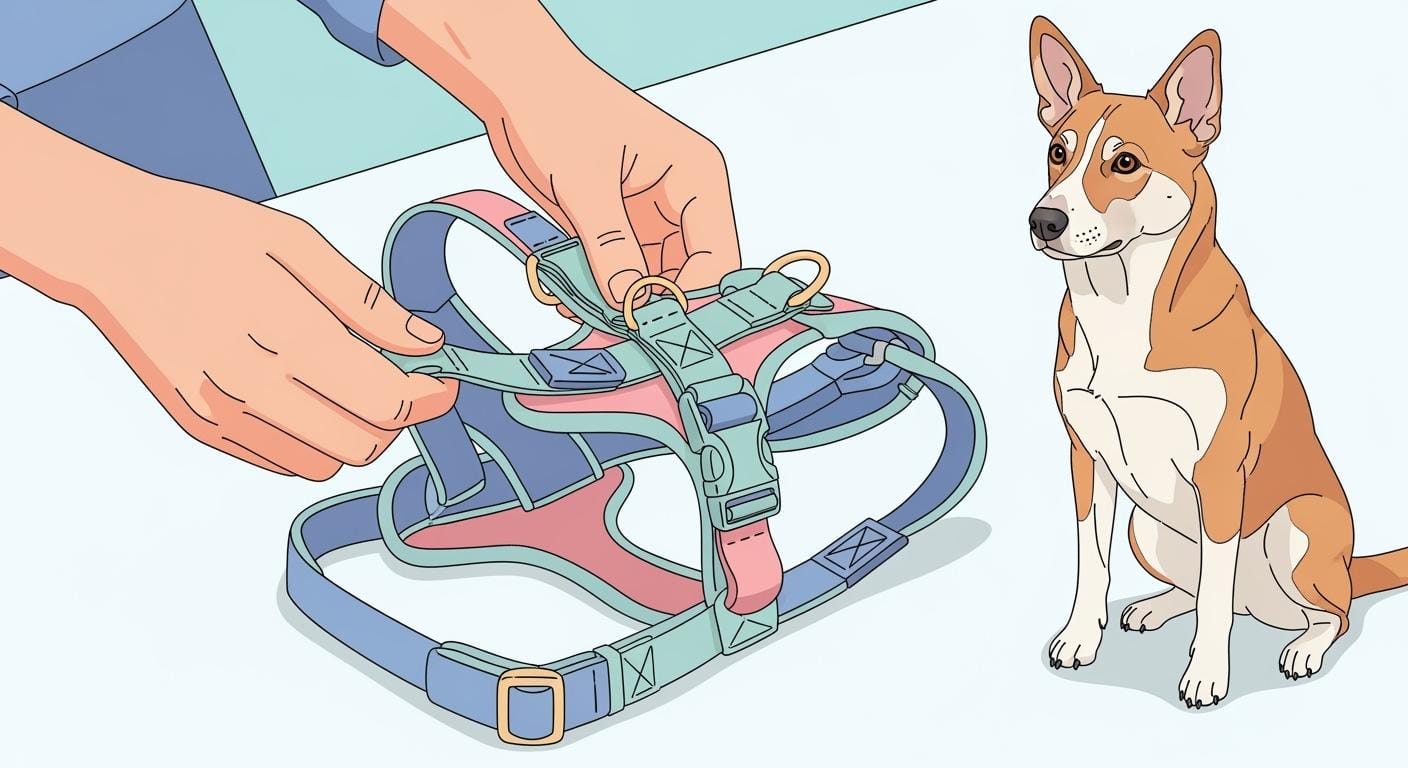
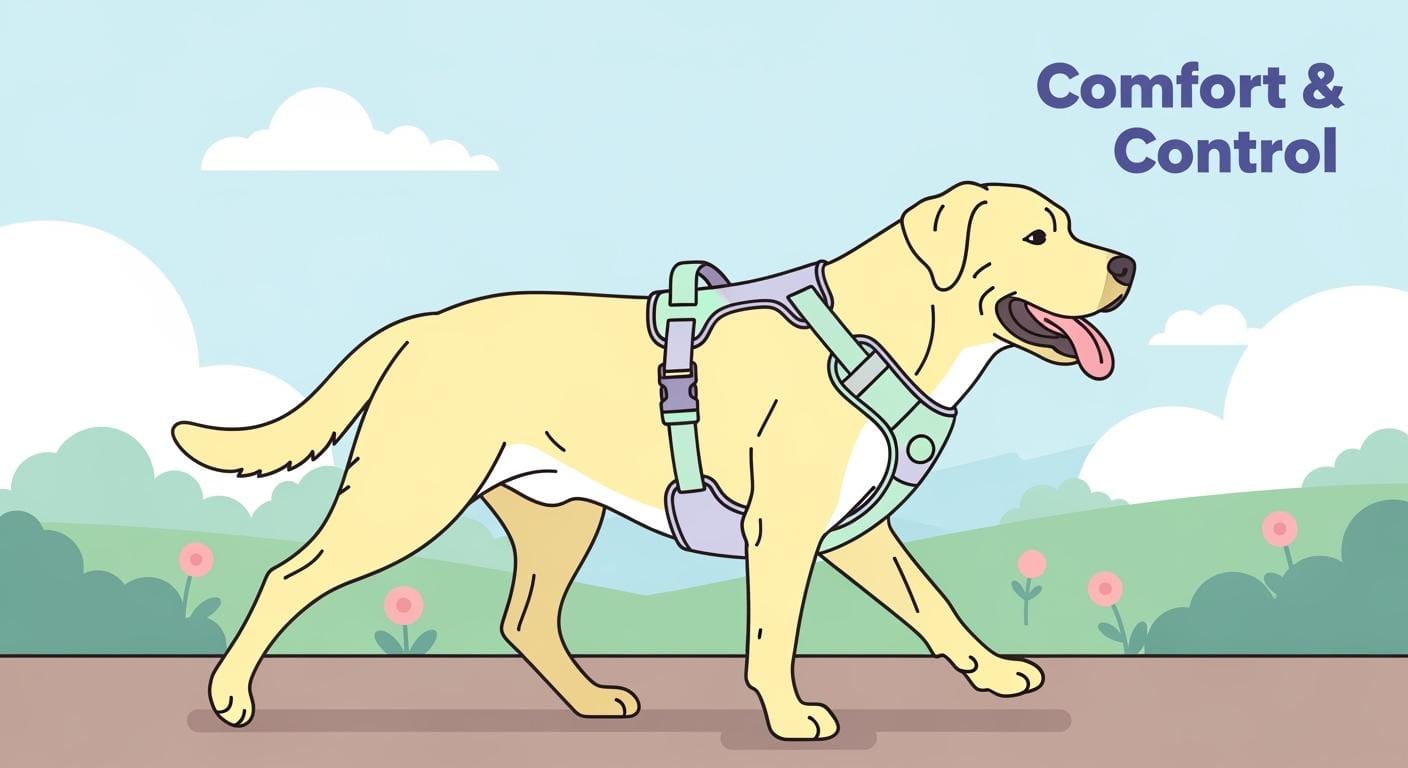
Getting the right fit is very important for dog armor. Measure your dog carefully so the armor does not squeeze or rub. Use a tape or string to measure around the widest part of your dog’s ribs. Use this number to pick the right size from the chart.
Look for armor with these features:
A shape that matches how your dog moves.
A fit that stops rubbing when your dog works hard.
Straps that keep the gear in place.
Room for your dog to run, jump, and crawl.
Materials that let air in so your dog stays cool.
If the vest is too loose, it can move around and rub. If it is too tight, your dog may have trouble breathing or moving. Both problems make your dog do worse in the field. Always check the fit before you use the armor and fix it if needed.
Fit Feature | Why It Matters |
|---|---|
Tailored Cut | Lets your dog move easily |
Secure Fastening | Stops the gear from moving and hurting |
Breathability | Keeps your dog cool and happy |
Accurate Sizing | Helps your dog stay safe and do better |
Note: Try new armor during practice first. Watch your dog for signs of pain or trouble moving.
Maintenance and Training
Keep your dog armor clean and working well. Check the gear after every use. Look for rips, loose straps, or broken parts. Fix or replace anything that is damaged to keep your dog safe.
Follow these steps to care for the armor:
Brush off dirt after each use.
Wash with gentle soap and water. Do not use strong cleaners.
Dry the armor all the way before you put it away.
Store in a cool, dry spot out of the sun.
Training matters too. Let your dog wear new armor for short times at first. Slowly let your dog wear it longer as they get used to it. Give treats when your dog acts calm with the gear on.
Practice taking the armor off fast in emergencies. Teach handlers how to remove it quickly if your dog gets stuck or hurt. This can help save time when something goes wrong.
🛠️ Taking care of gear and training helps your armor last and keeps your dog safe every time.
You keep working and hunting dogs safer by picking gear that fits their job and risks. New research says using special injury scales and movement tests helps you pick better armor for dogs.
Key Focus | Description |
|---|---|
Injury Criteria | Dog injury scales check how bad wounds are. |
Biomechanical Tests | These tests show if body armor works well. |
Protective Materials | Check if materials are safe and comfy for dogs. |
To find the best gear, do these things:
Pick light and airy materials so dogs stay comfy.
Measure your dog to make sure the gear fits right.
Try the gear to see if your dog can move well, and change it if needed.
Work with good suppliers you can trust.
FAQ
What types of dogs benefit most from protective gear?
You help working and hunting dogs stay safe with protective gear. Dogs in police, search and rescue, and hunting roles need extra protection. Small rural dogs also benefit from special vests that deter predators.
How do you choose the right size for dog armor?
You measure your dog’s chest and neck with a tape. Use these numbers to select the correct size from the manufacturer’s chart. A good fit lets your dog move freely and stay comfortable.
Can dogs wear armor for long periods?
You let your dog wear armor during work or hunts. Remove the gear after the job ends. Long use may cause discomfort. Always check for signs of rubbing or overheating.
How do you clean and maintain dog armor?
You brush off dirt after each use. Wash the armor with mild soap and water. Dry it fully before storing. Regular checks help you find damage early and keep your dog safe.
Are predator-deterrent vests safe for daily use?
You use predator-deterrent vests for daily walks in risky areas. These vests use lightweight materials and spikes for passive protection. They do not harm wildlife and keep your dog comfortable.