Written by the Stridepaw pet travel product research team.
Reviewed for accuracy and alignment with current airline and IATA-style guidelines as of [26/11/2025].
Many people are looking for the best dog and carrier options for travel in the US and other countries. To ensure customer satisfaction and protect your brand, choose a dog carrier that complies with airline regulations. Prioritize pet safety and comfort to minimize returns and adhere to the rules.
Educate your team and update product pages to provide clear sizing and travel information. This enhances your business’s reputation and builds trust among dog owners in your products.
Key Takeaways
Pick dog carriers that follow airline rules. This helps customers feel happy and lowers returns. Give clear sizing and travel details on product pages. This helps customers choose the right carrier. Offer many carrier types, like soft-sided and hard-sided choices. This meets different travel needs. Show airline-ready features, like strong locks and good airflow. This helps customers trust your products. Teach your team about airline rules and pet travel needs. This makes customer service better and stops confusion. Use measurement guides so customers can size their pets right. This helps them find the best carrier fit. Update product details often to match new airline rules. This keeps your products compliant. Share crash-tested carriers to make travel safer. This attracts customers who want safe and reliable choices.
About this guide
This guide was created by the pet travel product research team at Stridepaw, a B2B platform that helps retailers and brands manage their pet carrier assortments, content, and compliance workflows. Our team tracks updates from major airlines and regulatory bodies on an ongoing basis and translates those requirements into practical checklists for product, merchandising, and operations teams.
We are not an airline or a regulator, and this guide does not replace official rules. Instead, it summarizes common patterns across current airline policies and IATA-style container requirements to help B2B teams choose and position pet travel products more confidently.
B2B Importance of Dog and Carrier Selection
Common B2B Use Cases
E-commerce assortment planning
You need to pick dog and cat carriers that follow airline rules. These carriers should also look good to many pet owners. When planning your online store, offer carriers for many travel needs. This lets you reach more shoppers and lowers returns. Use easy-to-read product details and size charts to help buyers pick the right carrier. A good mix of carriers can boost your sales and make people trust your brand.
Retail shelf strategy
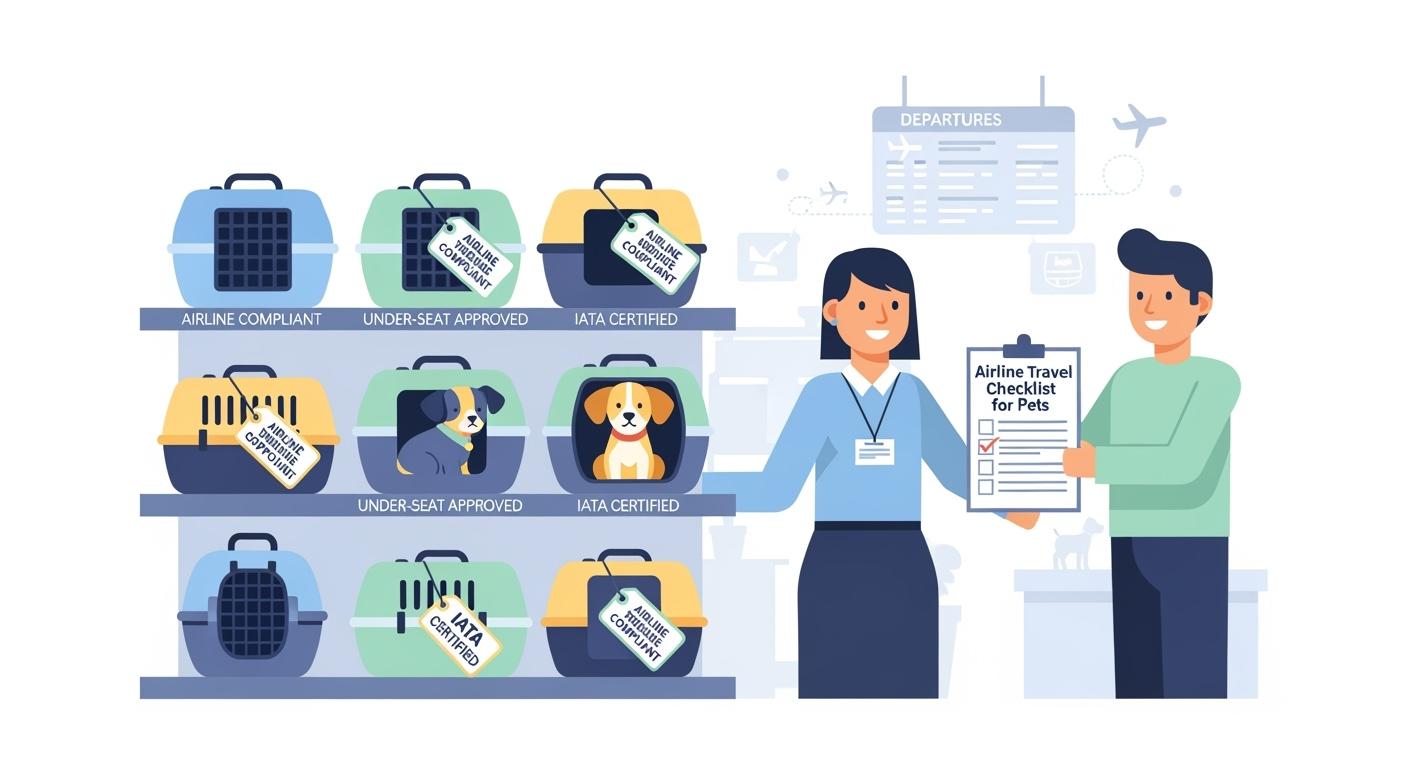
Retailers have to pick carriers that fit on shelves and work for travel. Show dog and carrier choices that focus on airline rules and comfort. Put carriers together by size and travel type so customers can find them fast. Use shelf tags and signs to show which carriers are airline-ready. This makes shopping easier and cuts down on returns. It also makes customers happier.
Travel product development
When making new travel products, think about airline and pet safety rules. Design carriers that follow world standards and have things like air holes, strong locks, and easy cleaning. Make carriers for in-cabin, cargo, and car trips. By focusing on rules and comfort, your products will stand out in the pet travel market.
Business Value of Dog Carriers
Reducing returns
Returns can hurt your business. You can lower returns by selling dog and cat carriers that follow airline rules and have clear size info. When customers know which carrier fits their pet and trip, they return less. This saves you money and keeps your business safe.
Leveraging airline-ready features
Carriers with airline-ready features bring in more buyers. Show off things like leak-proof bottoms, strong locks, and good airflow. These features meet travel rules and make customers trust your products. Use your website and store signs to show these good points.
Compliance risk management
Selling pet carriers that do not follow rules can be risky—especially in places like the EU or North America. One bad product can cause injury, a recall, or even a lawsuit. Getting certified products keeps pets safe and protects your brand from lawsuits, bad news, and angry customers.
You need to handle risks by picking carriers that meet airline and safety rules. This keeps your business safe from recalls and legal trouble. It also helps you build a brand people trust.
Carrier Feature | Business Benefit |
|---|---|
Airline compliance | Fewer returns, less risk |
Clear sizing guidance | Fewer customer problems |
Durable materials | Lasts longer on shelves |
Comfort features | More loyal customers |
Picking the right dog and carrier choices for travel helps your business grow and keeps you safe from problems. Use these tips to make your product choices better and lower returns.
Types of Dog and Cat Carriers for Travel
Soft-Sided Pet Travel Carrier
In-cabin travel
Soft-sided carriers are good for in-cabin travel. Airlines like these because they fit under seats. Pets feel comfortable inside these carriers. They work best for small pets and short flights. Mesh panels let air flow and help pets relax. Padding inside makes travel nicer for pets. Some carriers can expand to give pets more space. Messenger bag and rolling carriers let you carry pets hands-free.
Soft-sided carriers are flexible and easy to use. You can squeeze them into tight spots, so they fit under airline seats.
Lightweight and storage benefits
Soft-sided carriers are lighter than hard-sided crates. You can carry them easily at airports. They do not take up much space when stored. Many soft-sided carriers fold flat for storage. This helps you keep more in your store or warehouse. Customers like these carriers because they are easy to carry.
Here is a comparison of soft-sided and hard-sided carriers for air travel:
Feature | Soft-Sided Carrier | Hard-Sided Carrier |
|---|---|---|
Best For | In-cabin travel, smaller pets | Cargo travel, larger pets |
Flexibility | High; compresses to fit under seats | Low; rigid structure |
Weight | Lighter and easier to carry | Heavier and bulkier |
Durability | Can be prone to tears or chewing | Highly durable |
Airline Approval | Widely accepted for in-cabin | Often suggested for cargo travel |
Storage | Collapsible and easy to store | Bulky, takes up more space |
Hard-Sided Dog and Carrier Crates
Cargo travel
Hard-sided carriers are the standard for pets traveling as checked baggage or air cargo. Most airlines align their policies with the IATA Live Animals Regulations, which call for a rigid container that protects the animal from normal handling while still allowing the pet to stand, turn around, sit upright, and lie in a natural position.
Hard-sided crates are generally recommended for pets in the hold because they offer better impact protection than soft-sided bags, but final acceptance always depends on each airline’s own policy.
Durability and IATA standards
When you select hard-sided crates for your assortment, look for designs that match IATA-style container requirements for dogs and cats. This includes solid walls made from rigid plastic, fiberglass, metal, or wood, a smooth interior with no sharp edges, a leak-proof floor, and a door and fasteners strong enough that the crate cannot be bent open during handling. Different brands and models can still be considered compliant as long as they meet these performance criteria, so focus your copy on how the crate design supports these standards instead of suggesting that any single model is “IATA certified.”
Feature | Description |
|---|---|
Carrier Type | Hard shell carrier needed for air travel, especially for cargo. |
Durability | Made with tough plastic for long-lasting use. |
Size Requirements | Big enough for pets to stand, turn, and lie down. |
Weight | Example: PP100 crate weighs about 55 pounds. |
Cleaning | Easy to clean and keep safe for pets. |
Airline Compliance | Most U.S. airlines want hard shell crates for all pet sizes. |
Backpack, Sling, and Wheeled Carriers
Urban travel
Backpack, sling, and wheeled carriers help in busy cities. These carriers let owners move through crowds and streets easily. Dog carrier backpacks let you carry pets hands-free. Rolling carriers have wheels for easy movement. Expandable carriers give pets more space but still fit airline rules.
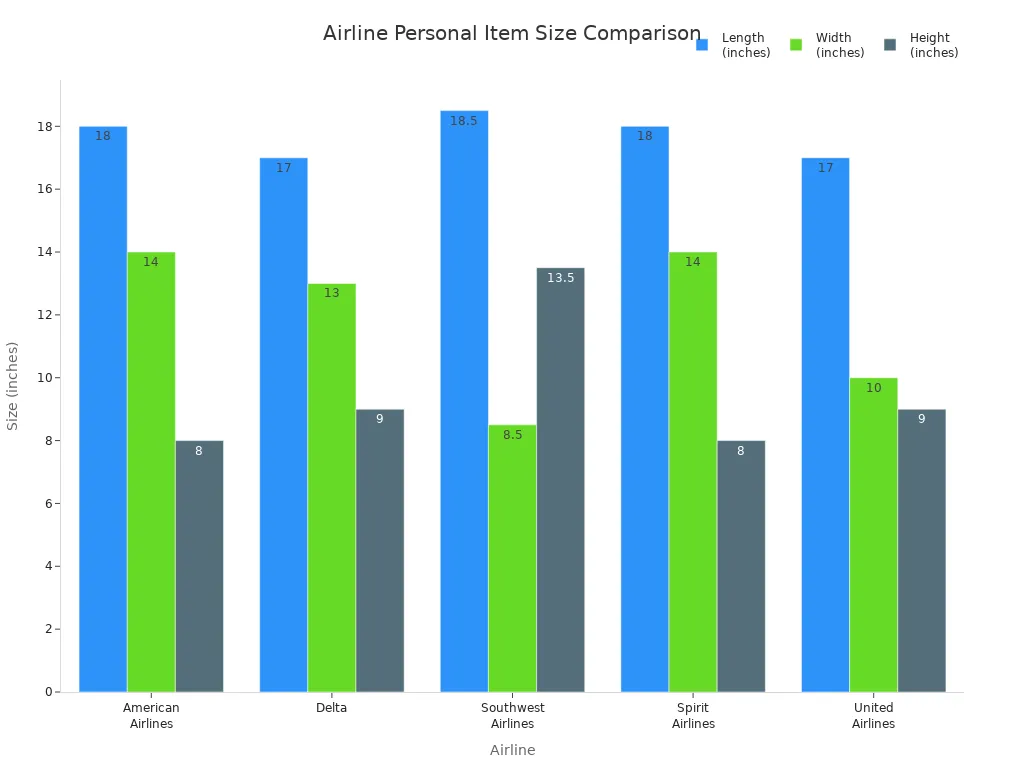
Airline | Personal Item Size (inches) |
|---|---|
American Airlines | 18 x 14 x 8 |
Delta | 17 x 13 x 9 |
Southwest Airlines | 18.5 x 8.5 x 13.5 |
Spirit Airlines | 18 x 14 x 8 |
United Airlines | 9 x 10 x 17 |
Differentiation and premium positioning
Backpack, sling, and wheeled carriers help your brand stand out. These carriers are popular with younger buyers. Messenger bag carriers are comfy and easy to carry. You can sell premium carriers with extra padding and cool designs. These features make customers happy and lower returns.
Soft-sided carriers are best for short trips and in-cabin travel.
Hard-sided crates are strong and follow airline rules for cargo.
Backpack, sling, and wheeled carriers are good for city travel and style.
You can pick the best carrier for each trip by knowing what each type does well. This helps you follow airline rules and keep customers happy.
Car-Specific Crash-Tested Carriers
Road safety
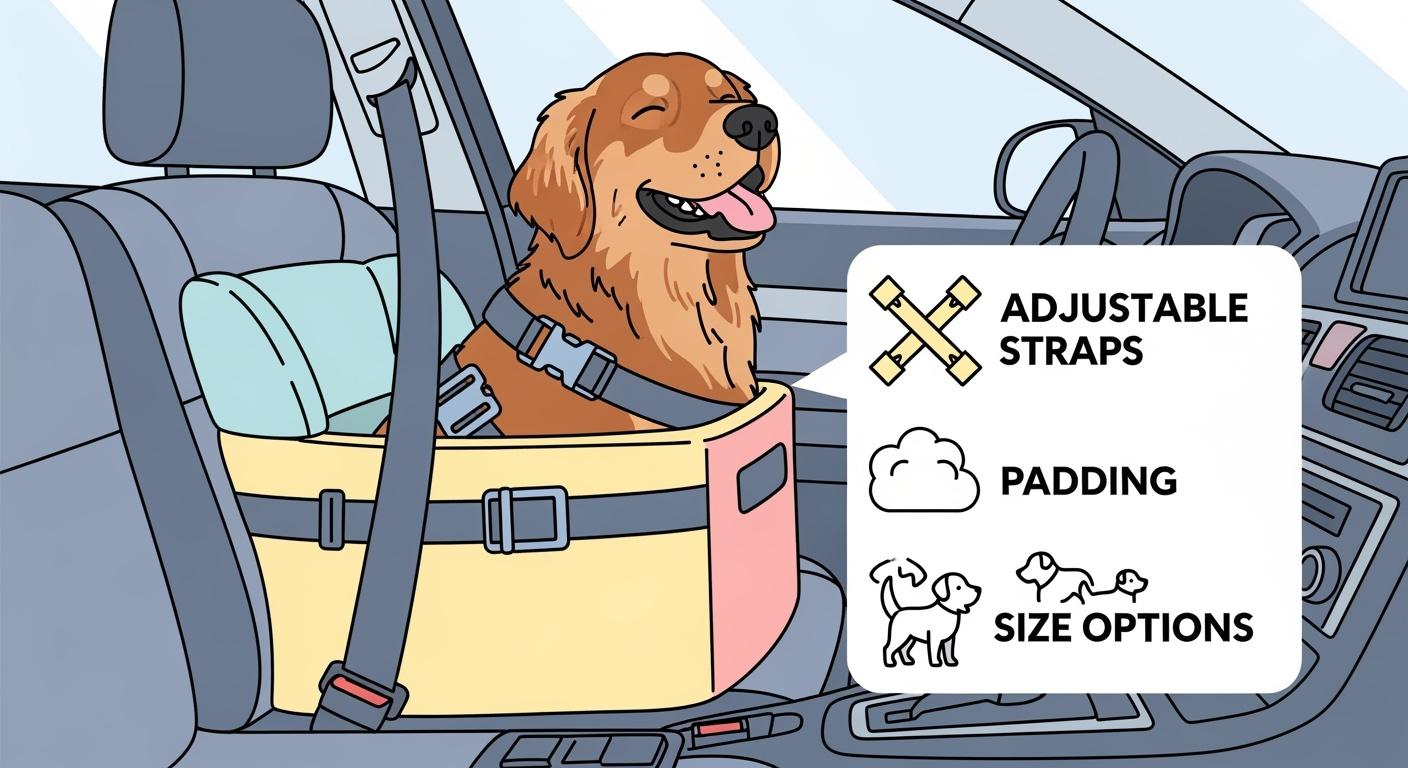
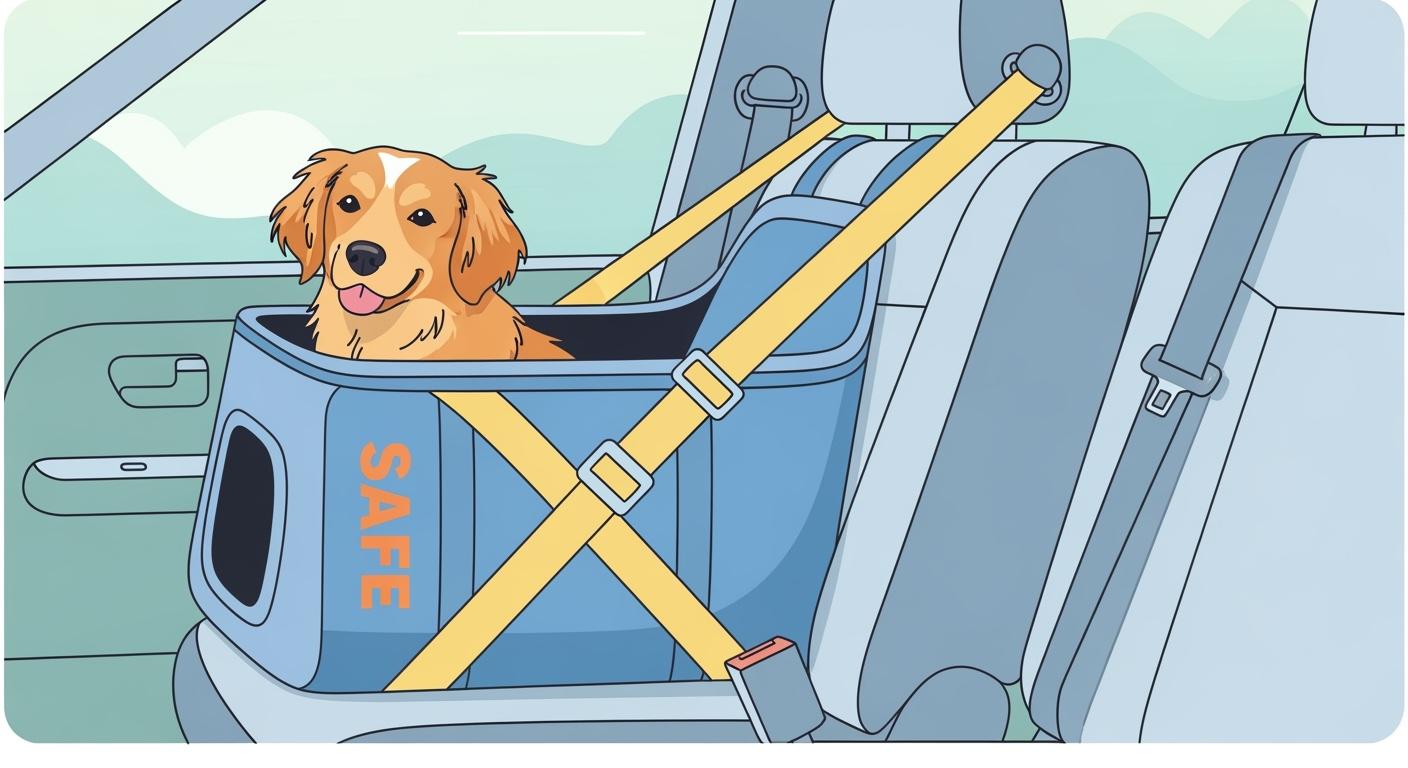
You can strengthen your assortment by offering pet carriers that are designed specifically for use in vehicles. Crates that are anchored correctly and have been evaluated in crash tests can help reduce the risk of injury during sudden stops or collisions. Look for designs with reinforced walls, multiple tie-down points, and secure latches so the crate is less likely to open or move around on the seat or in the cargo area.
Tip for merchandising
Tip: Merchandise crash-tested crates in a dedicated safety section on your website or in-store, and highlight how they should be installed in a vehicle.
Certification importance
In most markets, including the United States, there is no government crash-test standard for pet carriers, so most safety data comes from independent organizations such as the Center for Pet Safety. Only a small number of crates have earned a 5-Star Crash Test Rating in these programs, including select sizes of the Gunner Kennel G1 when used with the manufacturer’s recommended strength-rated tie-down straps. When you stock crates that have documented crash-test results and clearly explain those tests on your product pages, you lower perceived risk for buyers and make it easier for retailers to justify premium price points.
Feature | Benefit for Retailers and Brands |
|---|---|
Crash-test certification | Lowers compliance risk |
Proven safety | Builds customer trust |
Premium positioning | Supports higher price points |
Clear safety messaging | Reduces returns and complaints |
You can make your product selection and reputation better by selling crash-tested carriers. Customers care about safety, and certified carriers help you meet their needs and protect your business.
Best Dog Carrier Features for Airline Compliance
Important for B2B teams: The guidance in this section is based on common requirements drawn from IATA-style container standards and major airline pet policies. Individual airlines can still apply their own rules, so product pages should always remind customers to confirm current requirements with their chosen airline before they travel.
Safety and Compliance
Structure and locks
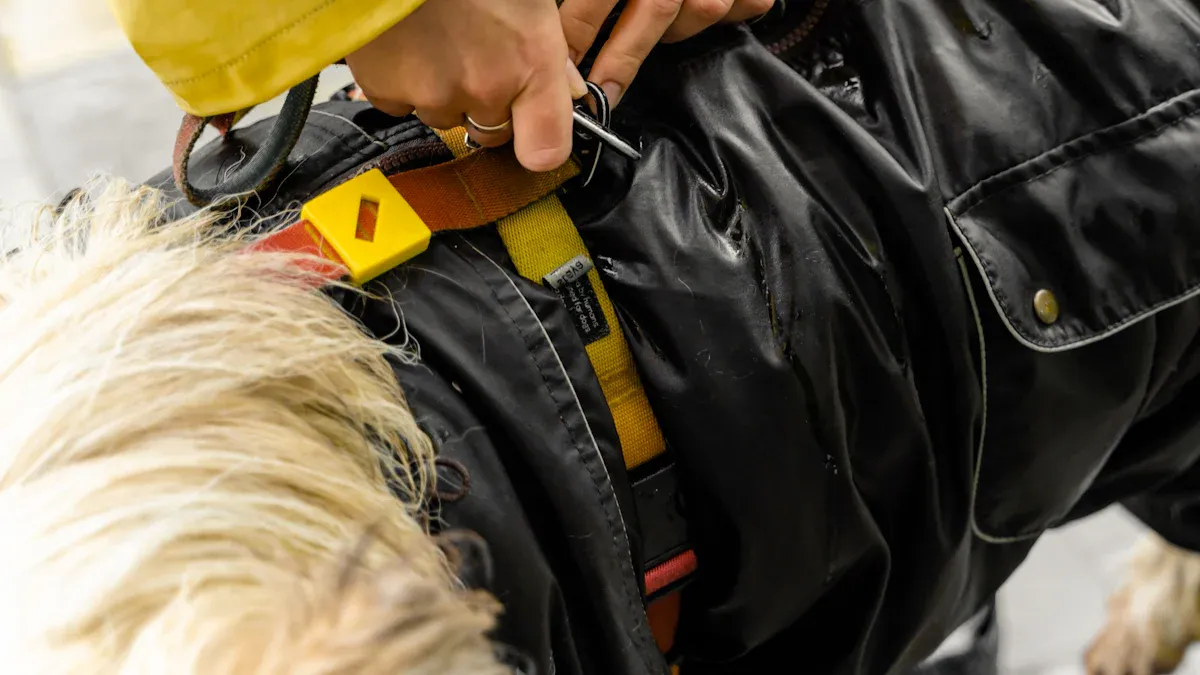
Select carriers with rigid shells and secure locking systems that align with common airline and IATA guidelines. For pets traveling in the hold, crates should be made from materials such as rigid plastic, fiberglass, metal, or wood, with a solid leak-proof floor and smooth interior surfaces so there are no sharp edges. When you evaluate plastic crates, avoid models that rely only on side clips: airlines increasingly expect the top and bottom halves to be bolted together in every available hole, and doors should have locking pins that engage the frame securely. Double-latch or dual-step door locks help prevent accidental opening during handling and reduce the risk of escapes.
Tip: Pick carriers with strong build and safe locks to lower risk and get fewer returns.
Carrier Name | Key Features |
|---|---|
Petmate Sky Kennel | Heavy-duty plastic, secure door latch, ventilation openings, clip-on bowls |
MidWest Homes for Pets Skudo Travel | Sturdy handle, secure locking mechanism |
Gunner Kennels G1 | Durable crate with a Center for Pet Safety 5-Star Crash Test Rating when used with strength-rated tie-down straps. |
Size and ventilation
Ensure every carrier you list gives pets enough internal space to stand, sit upright, turn around, and lie in a natural position. Soft-sided in-cabin carriers must still fit completely under the seat; many U.S. airlines recommend maximum dimensions around 18 inches by 11 inches by 11 inches for soft-sided bags, but the exact limits vary by carrier and aircraft type. For crates used in the hold, follow IATA-style guidelines: the total ventilated area across the four sides should be at least 16 percent of the surface, with openings concentrated in the upper two-thirds of the walls. Openings should be nose- and paw-proof, typically no larger than about 25 millimetres by 25 millimetres for dogs and 19 millimetres by 19 millimetres for cats. This balance of space and airflow supports both animal welfare and airline acceptance.
Feature | Description |
|---|---|
Ventilation | Gives pets enough air for comfort and safety. |
Leak-proof Base | Stops messes and makes cleaning easier. |
Airline Approved | Follows airline rules for pet carriers. |
Note: Always check each airline’s rules for size and air holes before selling carriers.
Comfort and Fit
Sizing guidance
Give clear size tips for dog and cat carriers. Small carriers fit pets up to 15 lbs, 16.5 inches long, and 10 inches tall. Large carriers fit pets up to 25 lbs, 18.5 inches long, and 12 inches tall. In-cabin carriers must fit under seats, so keep them about 12 inches tall. Pets should turn around easily inside the carrier. Good size info helps stop returns and keeps buyers happy.
Small carriers: pets up to 15 lbs, 16.5″ length, 10″ height
Large carriers: pets up to 25 lbs, 18.5″ length, 12″ height
In-cabin compliance: height about 12″
Fit check: pets must turn around comfortably
Padding and privacy
Pick carriers with soft padding and covers for comfort. Padding helps pets feel calm and less stressed when traveling. Privacy panels or covers block out noise and make a quiet space. These features make carriers better and help stop returns. Buyers like comfort, so show these features in your product info.
Materials and Durability
Weight vs. strength
Balance weight and strength when picking dog and cat carriers. Hard materials like plastic, fiberglass, or metal meet airline rules and keep pets safe. The inside should have smooth walls with no sharp parts. Removable wheels are needed for cargo carriers, as airlines want them locked or off before check-in. Handles on both sides make lifting safer for workers.
Feature | Requirement |
|---|---|
Materials | Hard plastic, fiberglass, metal, or plywood |
Interior | Smooth walls, no sharp parts |
Openings | Nose- and paw-proof (max 25 mm for dogs, 19 mm for cats) |
Wheels | Must be removable or locked before check-in |
Handles | Needed on both sides for safe lifting |
Live Animal Label | Must be easy to see, never block air holes |
Key component reliability
Make sure all carrier parts work well. Measure pets twice before picking a carrier. Help pets get used to the carrier before travel to lower stress. Check all locks, handles, and fasteners to keep pets safe and stop returns. Remind buyers to get health papers and other documents ready.
Measure pets two times before choosing a carrier.
Let pets get used to the carrier before travel.
Check all locks, handles, and fasteners for safety.
Strong carriers with good locks and tough materials help you follow airline rules and keep pets safe.
By focusing on strong build, air holes, size, comfort, and tough materials, you can pick dog and cat carriers that meet airline rules. This helps you lower risk, get fewer returns, and build trust with buyers.
Design for B2B
Foldability and replaceable parts
Pick dog and cat carriers that help your business run well. Foldable carriers save space in your warehouse and on shelves. If carriers fold flat, you can store more and ship for less money. Foldable carriers are easier for your team to move and restock. Carriers with parts you can replace are useful. Removable pads, handles, or wheels let you sell spare parts. If one part breaks, customers do not need to return the whole carrier. This lowers returns and makes customers happier. Stocking replacement parts means fewer damaged returns and less waste for your business.
Tip: Show foldability and replaceable parts in your product info and training. This helps your sales team explain the benefits to buyers and partners.
Key B2B Benefits of Foldability and Replaceable Parts:
Feature | Business Advantage |
|---|---|
Foldable design | Saves storage and shipping space |
Replaceable parts | Reduces returns and waste |
Modular components | Simplifies repairs and restocking |
Color and size options
Offer many colors and sizes to meet more customer needs. Different sizes help pets of all breeds and weights. If you stock many sizes, customers are less likely to pick the wrong carrier. This lowers returns and helps people trust your brand. Color choices help your products stand out in stores and online. Bright colors and cool patterns catch people’s eyes. You can match colors to your brand or make special promotions. More color choices give stores more ways to show off your carriers.
Stock at least three sizes to fit most pets.
Offer two or more colors for each carrier.
Use guides for color and size on product pages and shelf tags.
Note: Clear size and color info on your listings helps buyers pick the right carrier the first time.
If you focus on foldability, replaceable parts, and many color and size choices, you can lower returns, manage inventory better, and sell more. These features make your carriers more appealing to stores and customers.
Airline and Travel Requirements for Pet Travel Carrier
What Airline-Friendly Means
Rule variability
Airline rules for pet travel carriers are not fully standardized. Each carrier publishes its own policy, especially for in-cabin travel. For example, Delta recommends a soft-sided kennel up to 18 inches by 11 inches by 11 inches for many aircraft types, while other airlines use slightly different limits. Because of this variation, treat “airline-ready” as meaning that a product is designed around common IATA and major-airline guidelines—not as a guarantee that every airline will accept it. Your product pages and training materials should always tell buyers to confirm requirements with their chosen airline before travel, and your team should review airline and IATA updates regularly.
Mainstream standards
Most airlines want pet carriers to fit under the seat. Soft-sided carriers are best for in-cabin travel because they can squish down and are comfy. Good carriers have air holes on many sides, a leak-proof bottom, and enough space for pets to move. You should show these features in your product info and on shelf tags. If you follow these rules, customers can pick the right carrier and will return less.
Cabin vs. Cargo Carrier Rules
Size and material differences
Cabin and cargo carriers follow different design expectations. For cabin use, the carrier must fit completely under the seat in front of the passenger, so soft-sided bags that can flex slightly are common. For pets traveling as checked baggage or cargo, most airlines refer to IATA-style requirements for a rigid container made from hard plastic, metal, wood, or similar materials that can withstand normal handling without collapsing. In both cases, the crate must give the animal enough interior space to stand, turn around, sit upright, and lie down.
Ventilation and leak-proof base
Regardless of travel mode, airlines look for crates with secure ventilation on multiple sides and a solid, leak-proof floor. For hold travel, ventilation requirements are stricter because the crate may be loaded near other freight. Designing around these expectations makes it easier for retailers and brand partners to position a line as “airline-compatible” while still reminding shoppers that final approval sits with the operating airline.
Documentation and Health
Certificates and records
From a B2B perspective, you do not need to give legal advice, but you should flag the main health documents that airlines and regulators commonly expect. Many airlines and destination states require a current Certificate of Veterinary Inspection issued by an accredited veterinarian, together with up-to-date vaccination records, especially for rabies. Some carriers also publish their own health-certificate templates or timing rules, such as a certificate issued within a certain number of days of travel, so your content should point buyers back to the airline and government sites for the latest details.
International travel paperwork
International pet travel usually adds another layer of regulation. Destination countries may require advance import permits, microchip documentation, rabies titre tests, parasite treatments, or endorsement of health certificates by a national authority such as USDA-APHIS in the United States. On your product pages and in downloadable guides, keep the message high level—outline the typical documents and then link customers to official pet-travel portals for country-specific rules instead of trying to list every requirement yourself.
Document Type | Purpose |
|---|---|
Certificate of Veterinary Inspection (CVI) | Needed for pets flying in cargo or cabin to show they are healthy. |
Vaccination Records | Shows pets have all shots, especially rabies. |
Airline-Specific Health Certificate | Proves pets meet airline rules for travel and safety. |
Import Permit | Needed to enter some countries with strict animal rules, often with health papers. |
Tip: Always remind your team and customers to check pet travel papers before a trip. This helps you avoid problems and lowers returns.
Service Animals vs. Pet Carriers
Regulatory distinctions
It is important to know the difference between service animals and pets in carriers. Under rules such as the U.S. Department of Transportation’s service-animal regulation, trained service dogs travel under separate conditions from pets and do not normally need to be inside a carrier in the cabin. Pets, by contrast, must travel in approved carriers that fit each airline’s size and safety rules.
When picking products, do not say pet carriers work for service animals. Service animals do not usually need carriers for flights, and mislabelling can confuse buyers and create friction with airline staff. Keeping your copy focused on “airline-compliant pet travel” is safer for both your brand and your retail partners.
Note: Always check airline rules before you change product details. This helps you avoid errors and keeps your information correct.
Here is a simple chart for your team:
Category | Carrier Required | Airline Rules Apply | Risk of Mislabeling |
|---|---|---|---|
Service Animal | No | Yes | High |
Pet (Dog/Cat) | Yes | Yes | Moderate |
Avoiding misleading claims
Do not make false claims about pet carriers and service animals. If you say a pet carrier is “service animal approved,” buyers may get confused. This can break airline rules and cause returns or complaints. It may even lead to legal trouble. Use clear words in your product pages and training.
Follow these steps to lower risk:
Check all product details for correct info.
Teach your sales team about service animals and pet carriers.
Use lists to check rules before selling new products.
Add notes to product pages when needed.
Tip: Say “airline-compliant for pet travel” instead of “service animal approved” in ads.
You help your business by keeping product info clear and honest. Good details lower returns and help buyers trust your brand. When you teach your team and update your pages, you keep your brand safe from rule problems.
Checklist for Product Pages:
Make sure the carrier fits airline pet travel rules.
Do not mention service animals unless needed.
Add a note about different airline rules for pets and service animals.
Update info often to match airline rules.
You can lower rule problems and make customers happier by following these tips. Clear differences between service animals and pet carriers help you avoid confusion and get fewer returns.
Educating Customers to Reduce Returns
Measuring Pets for Best Dog Carrier Fit
Sizing steps
You can help customers return less by teaching them how to measure pets. Accurate measurements help buyers pick the best dog carrier. Here are the steps to get the right fit:
Measure from the tip of the dog’s nose to where the tail starts. Do not count the tail.
Measure from the ground to the top of the head or ears while the pet stands.
Measure the widest part of the body, usually across the shoulders.
Add 2 or 3 inches to each number for comfort and movement.
Tip: Tell customers to measure pets two times to be sure. This helps stop mistakes and lowers returns.
Guides for product pages
Add easy measurement guides to every product page for dog and cat carriers. Use simple charts and clear steps. Visual guides help buyers understand sizing rules. Point out common mistakes, like measuring while the pet sits or lies down, counting the tail, or forgetting extra space for thick fur. You can also list airline rules for carrier size and fit. This helps customers pick the right travel carrier and lowers returns.
Preparing for Pet Travel
Pre-flight checklist
Help customers get ready for pet travel by sharing a checklist. This list covers what buyers need and helps them avoid problems:
Check the airline’s pet rules and carrier size.
Gather all travel papers, like health records.
Watch the weather to keep pets safe.
Pack food and medicine for the trip.
Test the carrier at home so pets feel calm.
Note: Remind buyers to use soft padding and make sure air flows well in carriers. This keeps pets safe and comfy.
Common pitfalls
Many returns happen because customers miss important steps before travel. Common problems include:
Measuring pets wrong or not adding extra space.
Not checking airline rules for dog and carrier size.
Forgetting travel papers for trips to other countries.
Not thinking about temperature limits for pet safety.
Not packing food or medicine for long flights.
Feeling nervous, which can make pets stressed.
You can help stop these problems by giving clear guides and checklists for dog and cat carriers.
Communicating Compliance
Transparent descriptions
Use clear product descriptions for every carrier. List the features, size choices, and airline rules. Make sure customers know if the carrier follows airline rules. Good information helps buyers feel sure and lowers returns in dog and carrier products.
Customer service training
Teach your staff to answer questions about pet travel carrier choices and rules. Good customer service helps buyers make smart choices. Staff who know about sizing, features, and rules can help customers pick the right carrier. This lowers returns and makes buyers happier.
Great customer service and clear product info help your business stand out. You can lower returns and build trust by teaching your team and updating product pages.
You help your business when you pick airline-compliant carriers. Customers find it easier to shop with clear sizing and strong carriers. Simple product pages help people know what to buy. More pets travel now, so the market keeps growing. You should update carrier info often and teach staff about carrier features.
If people do not understand health rules, they may get confused and return products. You can lower problems by checking rules and reminding customers about updates.
Always keep carrier info up to date.
Teach your team how to answer carrier questions.
Offer easy returns and good support.
You earn trust and get fewer returns by focusing on rules and teaching customers.
Key standards and references
This guide was developed using publicly available information from the following types of sources, which your team can also consult directly for the latest requirements:
- IATA Live Animals Regulations and container requirements for dogs and cats
- U.S. Department of Transportation service animal rules and airline pet travel guidance
- USDA APHIS resources on certificates of veterinary inspection and international pet travel
- Publicly available pet travel policies from major airlines, including their in-cabin and cargo carrier size limits and kennel requirements
- Independent crash-test data for pet travel crates, such as 5-Star Crash Test Ratings from the Center for Pet Safet
Where possible, you should keep deep links to these primary sources in your internal documentation and buyer training materials, and review them at regular intervals so your content and product recommendations stay aligned with current rules.
FAQ
What carrier features help you lower returns in pet travel products?
You can get fewer returns by giving clear size guides. Use airline-compliant features and strong materials. Put measurement charts and notes about rules on product pages. When customers get simple info, they make better choices.
How do you ensure dog carriers meet airline requirements?
Check each airline’s size and air hole rules for every carrier. Use hard-sided crates for cargo trips. Use soft-sided carriers for in-cabin travel. Update product details often. Train your team to answer questions about the rules.
Why should you offer multiple carrier sizes and colors?
You reach more buyers when you have many sizes and colors. This helps people find the right fit and style. You get fewer returns and your shelves look better. Use tables and guides to show all the choices.
What documents do you need for pet air travel?
You need a Certificate of Veterinary Inspection and shot records. Sometimes you need a special health paper from the airline. For trips to other countries, you may need an import permit. Remind your team to check what is needed before travel.
How do you educate customers about measuring pets for carriers?
Add easy steps for measuring pets to your product pages. Use charts and pictures. Teach your staff to explain sizing in simple words. Good measurements help buyers pick the right carrier and return less.
What is the difference between cabin and cargo carrier rules?
Cabin carriers must fit under seats and have soft sides. Cargo carriers need hard shells and more air holes. Both types need leak-proof bottoms. You should sell both kinds to meet all travel needs.
How do you handle compliance risk with pet carriers?
Pick carriers that follow airline and safety rules. Use clear words in product info and train your staff. Do not make wrong claims about service animals. Check and update your rule info often.