When you buy custom dog collars in bulk, you face many small problems that hurt profit. Your buyers want stable colors, repeatable sizes, and neat stitching on every order. At the same time, you may deal with weak packaging, hidden shipping costs, and suppliers who only talk about low prices but not quality checks. To grow your brand, you need materials, styles, and suppliers that bring fewer returns, stronger repeat orders, and better store feedback.
Key Takeaways
Custom dog collars help your business get more customers. Good materials mean fewer returns from buyers.
Offer many sizes, colors, and styles to reach more people. This lets you sell to owners of small and big dogs.
Personalized collars make your brand easy to see. They help customers remember your business. These collars also help owners find lost pets.
Pick strong and safe hardware for collars. Use stainless steel or tough plastic to keep dogs safe.
Eco-friendly materials like hemp and recycled fibers are good for the planet. These choices attract buyers who care about the environment. They can make your brand special.
Check the quality often and do lab tests to meet safety rules. This helps customers trust your products.
Sell collars with matching leashes to boost sales. Give discounts on sets to get people to buy more.
Keep up with rules for labels and packaging. Clear labels help customers choose and follow the rules.
Why Custom Dog Collars Matter
Business Value for Wholesalers
You want your business to grow and be different from others. Custom dog collars help you make more money and keep customers happy. If you pick better collars, you will have fewer returns and complaints. People who get strong collars will want to buy from you again. Cheap collars might look good at first, but they break fast and people do not come back.
You can also sell more by putting collars with matching leashes or other items. Many wholesalers make gift sets or special collections for holidays and events. These ideas help you sell more and reach more stores.
Tip: If you offer many sizes, colors, and patterns, you can help both small and big dogs. This makes your products work for more people.
Brand Recognition and Loyalty
Custom dog collars do more than just hold a leash. They help people see your brand. When a dog wears your collar, it shows your business to others. Personalized collars help owners know their dogs, which makes them feel safe. These collars also let owners show what makes their pets special.
Personalized collars are safer for finding dogs than regular tags.
They help owners feel closer to their dogs.
For emotional support animals, custom collars make people trust brands more.
You can keep your customers for a long time by giving them new designs and features. Many pet brands try to make their old customers happy, especially when times are hard. This helps you keep selling and makes your brand stronger.
Wholesale and Private Label Models
You have a few ways to get custom dog collars for your store. Wholesale lets you buy lots of collars that are already made. This means you can order less and get them faster. Private label and OEM/ODM give you more choices for design and branding. These ways may need bigger orders, more time, and extra costs, but you can make special collars for your brand.
Wholesale: Buy many finished collars and sell them fast.
Private Label: Put your logo or box on collars that are already made.
OEM/ODM: Work with makers to create new patterns, hardware, or materials.
More people want custom dog collars now instead of plain ones. Wholesalers look for private-label styles, eco-friendly materials, and smart safety features like reflective stitching or LED lights. You can also follow holiday trends and make collars for certain breeds to keep your products new and wanted.
Materials for Custom Dog Collars
Picking the right materials for custom dog collars is very important. You need to think about price, how long they last, safety, and how your brand looks. Every material has good things and some problems. This guide will help you choose the best ones for your products and stores.
Nylon and Polyester
Durability and Cost
Nylon and polyester are used a lot for custom dog collars. These materials are strong and not too expensive. You can buy a lot of them at once for OEM/ODM and private label.
| Collar Type | Example Retail Price (USD) | Typical Service Life* |
|---|---|---|
| Nylon | $10–$25 | Up to 3–5 years in daily use |
| Leather | $25–$60 | Up to 5–10 years with care |
*Approximate ranges for mid-market retail collars. Results change with dog size, level of use, and care.
Collar Type | Durability |
|---|---|
Nylon | Strong but can fray if used a lot |
Polyester | Good; does not tear easily but can fray |
Leather | Very strong; gets better if cared for |
Nylon collars are good for daily use and active dogs.
Polyester collars do not fade or tear easily, so they are great for outdoor stores.
Both are good for big orders and private label.
Tip: For QC, look for tight stitches, flat webbing, and strong holes. Check for fraying or weak spots before you ship.
Color and Pattern Options
Nylon and polyester can have bright colors and cool patterns. You can make collars that match the season or have special designs for your brand.
There are many colors and prints to pick from.
You can dye and print them to make your brand stand out.
They fit all dogs, from tiny to big working dogs.
People who buy should ask for color tests and samples before buying a lot.
Leather Collars
Premium Appeal
Leather collars make your products look fancy. Many people like leather because it looks nice and feels good. In wholesale, leather is a big part of high-end custom dog collars.
In many wholesale lines, leather collars make up roughly one quarter of premium custom dog collar styles.
People think leather means luxury and lasts a long time.
Leather collars are good for small fancy shops and private label.
Material | Longevity | Durability | Maintenance |
|---|---|---|---|
Leather | Decades | Superior | Needs care |
Nylon | Shorter | Not as strong | Easy care |
Care and Longevity
Leather collars last a long time if you take care of them. They can last for many years and look even better as they age.
Leather collars can last for years if cared for.
They get a special look as they get older.
You need to use conditioner to stop cracks and keep them strong.
Leather is better for daily use than fake materials. You should teach your stores how to care for leather to make it last longer.
QC Checklist:
Look for even stitches and smooth edges.
Make sure the thickness and finish are the same.
Ask for papers about informed tanning and chemical safety.
Biothane and PVC
Waterproof Features
Biothane and PVC collars are made for dogs that go outside a lot. These materials do not let water, mud, or smells stay on them. You can sell them to people who like adventure or have working dogs.
Advantage | Description |
|---|---|
Waterproof | Biothane collars do not soak up water or mud. |
Easy to Clean | Wipe with a wet cloth to clean the collar. |
Odor Resistance | Biothane does not keep bad smells. |
Durability | Very strong and does not break easily. |
Customization | You can change colors and styles to make more money. |
Biothane collars do not get dirty or smelly.
They stay nice even after lots of use, so they are good for outdoor dogs.
They are very strong, so big dogs and pullers can use them.
Cleaning and Maintenance
Biothane and PVC collars are easy to clean. You just need a wet cloth, so stores get fewer returns and complaints.
Fast cleaning helps busy stores sell more.
No smell is good for people with active dogs.
You can pick the color, width, and hardware.
Sourcing Tip: Ask for samples to test strength and waterproofing. Make sure the hardware is safe and follows the rules.
Material Decision Guide for Buyers
You can use the table below as a quick reference when you compare materials with your team or suppliers.
Material | Positioning | Pros | Cons | Typical Use Cases |
|---|---|---|---|---|
Nylon | Everyday, budget | Cheap, strong, colorful | Can fray, not fancy | Online/offline, big orders |
Polyester | Outdoor, active | Does not tear, bright colors | Can fray, not luxury | Sports, outdoor stores |
Leather | Premium, boutique | Strong, looks fancy | Costs more, needs care | Fancy, private label |
Biothane/PVC | Outdoor, adventure | Waterproof, easy to clean | Feels fake, not classic | Active, working dogs |
Note: Always ask for lab reports to check safety. There is no one rule for all countries; use US and EU rules as a guide.
Eco-Friendly Materials
Hemp and Recycled Fibers
You can add eco-friendly choices like hemp and recycled fibers. Hemp is strong and does not get moldy or mildewy. Many buyers pick hemp because it lasts longer than cotton. It also helps with sustainability goals. Recycled polyester (rPET) is tough and waterproof. It is good for active dogs and outdoor stores.
Feature | Hemp | rPET (Recycled Polyester) |
|---|---|---|
Durability | Very High | High |
Water Resistance | Good (Dries slow) | Excellent |
Eco Rating | Excellent | Good |
Hemp collars are great for retailers whose end customers want eco-friendly products. rPET collars work well for buyers who need light, waterproof collars for active dogs. Both materials help your brand meet the growing demand for sustainable pet products.
“More people want eco-friendly pet products now. Makers are working on new ideas for sustainable pet solutions.”
Sustainability Claims
You should check sustainability claims before selling eco-friendly collars. Certifications show your customers that your products are safe for the environment. Common certifications include recycled content, organic materials, and fair labor.
Certifications help prove your product meets environmental rules.
Ask suppliers for papers to support their claims.
Get lab reports to check material safety and follow US and EU rules.
Eco-friendly materials can make your brand special. You can use these claims to get new stores and keep buyers who care about the environment.
Hardware Choices
Buckles and D-Rings
Hardware is important for safety and strength in custom dog collars. Buckles and D-rings must be strong for daily use and sudden pulls. Most collar problems happen at the buckle or D-ring. This is true when dogs pull or try to get away. Pick hardware made from stainless steel or tough plastic for big orders.
The Double D-Ring Flat Buckle Collar is safer when a leash is used. It lowers stress on the buckle and helps stop breakage or escape.
Metal hardware like stainless steel D-rings and buckles is better than plastic. It is stronger, especially for big dogs.
For big breeds like German Shepherds or Great Danes, use strong materials like heavy-duty nylon, leather, or neoprene.
Safety and Strength
You need to check hardware quality before sending collars to stores. Bad clips and thin D-rings can be unsafe and hurt your brand. Strong hardware makes collars safer and gives them a premium look.
Collars with strong mounting points and thick D-rings are less likely to break. Nylon webbing is strong and works well with metal hardware. It makes collars safe for all dog sizes. Always ask for samples and do QC checks to make sure hardware is safe.
Tip: Ask suppliers for papers about hardware strength and what it is made of. This helps you follow rules and build trust with buyers.
Custom dog collars with good hardware and eco-friendly materials help you stand out. You can sell safe, strong, and sustainable products to stores and pet owners.
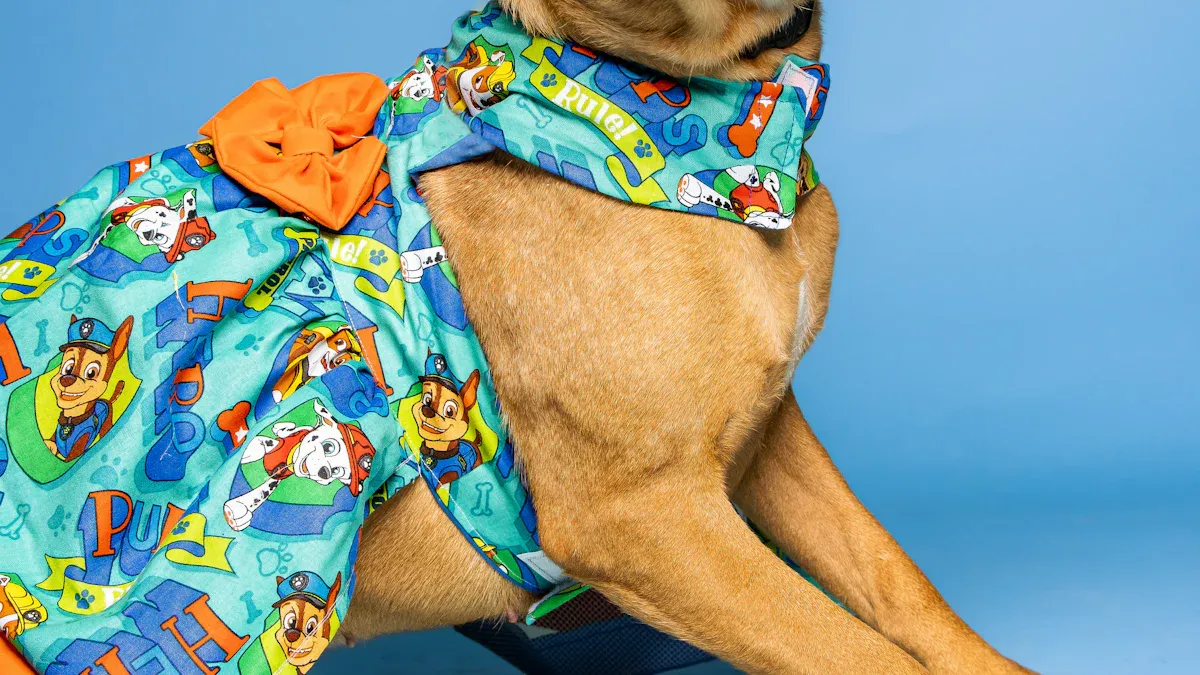
Customization and Styles
Collar Types and Sizes
Flat, Martingale, Buckle, Quick-Release
You can offer many collar styles to your buyers. Each style helps different customers and stores. Flat collars are used most for daily wear. Martingale collars give more control for training and walks. Buckle collars look classic and fasten securely. Quick-release collars are easy to take off, which is safer and faster.
Collar Type | Description |
|---|---|
Flat | Simple design for daily use and most dogs. |
Martingale | Tightens when pulled, good for training and escape artists. |
Buckle | Has a classic buckle, strong and looks nice. |
Quick-Release | Has a side clasp, comes off quickly in emergencies. |
Options for Small and Large Dogs
You should have collars in all sizes for every breed. This helps stores serve more customers. More sizes mean happier buyers and more sales.
Small collars fit tiny and toy breeds.
Medium collars work for most family dogs.
Large and extra-large collars fit big and working breeds.
Tip: A wide size range makes your brand a top choice for stores.
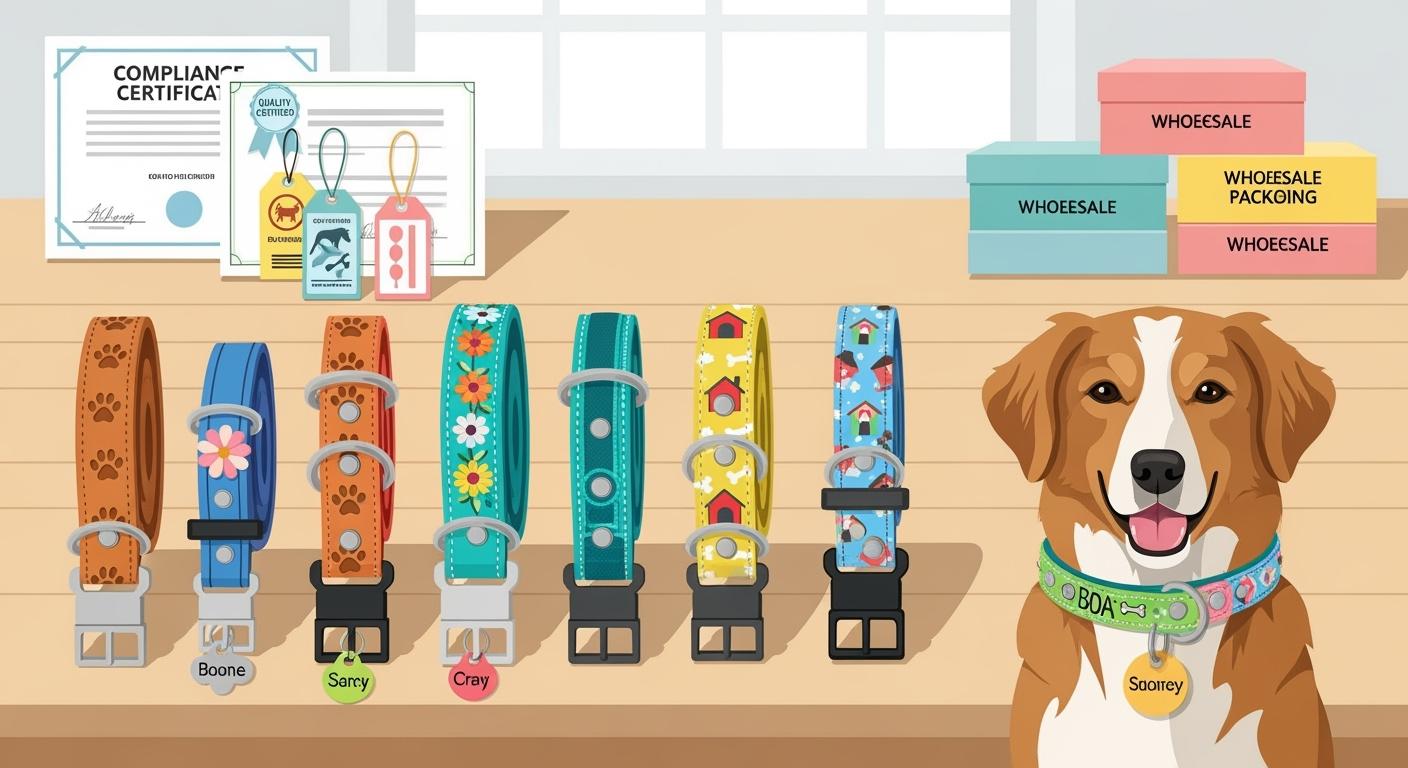
Personalization Features
Embroidery and Engraving
Adding names or contact info makes collars special. Many buyers want embroidery or engraving for safety. These features help owners find lost dogs.
Personalization Feature | Description |
|---|---|
Name Engraving or Embroidery | Shows the dog’s name clearly, helps return lost pets. |
Contact Information | Adds a phone number or address on a tag or collar. |
Custom Charms and Beads | Adds fun decorations to show the dog’s style. |
Unique Patterns | Offers special prints, colors, or monograms for a cool look. |
You can add these options to your private label or OEM/ODM program. This helps your buyers stand out from other brands.
Nameplates and Contact Info
Nameplates show important info in a strong way. You can pick metal or plastic plates that stay on the collar. Many buyers like engraving for a lasting choice. These features help keep pets safe and follow US and EU rules.
Matching Sets and Accessories
Coordinated Leash Sets
Selling collars with matching leashes makes bigger sales. Stores often bundle sets or give discounts. This helps customers buy more and keeps stock balanced.
Strategy | Description |
|---|---|
Bundled Sales | Give set discounts to raise order value. |
Limited-Time Promotions | Use deals to get more purchases. |
Inventory Management | Bundling keeps stock even and sales steady. |
Seasonal and Trend Designs
You can get repeat buyers by changing designs for holidays or trends. Special prints and limited editions keep your collars new. Stores like these for gifts and promotions.
Sell holiday collars for busy seasons.
Add new colors or patterns to get new buyers.
Offer matching accessories to finish the set.
Note: Matching sets and cool designs help your brand stand out. They also help you earn more and keep customers coming back.
Compliance and Safety
Mechanical Safety
Strength and Fit
Custom dog collars must be safe and strong. In the US and EU, you have to test collars for strength and fit. These tests help stop collars from breaking or hurting dogs. You should check a few things:
Pull tests show if small parts can take strong force.
Check for sharp edges so dogs do not get cut.
Make sure collars do not break if dogs chew them.
Ask labs to run flammability tests so collar materials meet local fabric safety rules.
Standard Type | Key Requirements |
|---|---|
ASTM Standards | Collars must be strong and buckles must work well. |
EU General Product Safety | Requires a safe design with no sharp edges, weak parts, or unsafe materials. |
Crash-test protocols | Labs test collars in crash situations and give reports. |
Pick the right collar size and strength for each dog. A good fit keeps dogs safe and stops choking or escapes. Give stores easy-to-read size charts and tips.
Breakaway Options
Breakaway collars can open if they get stuck. This helps stop choking for small dogs, puppies, or active pets. You can add breakaway buckles to make collars safer. Some stores may need this feature for their customers.
Note: Following safety rules shows you care about pets and owners. If you do not follow the rules, you may lose trust and get more checks from officials.
Chemical Safety
Regulatory Standards (CPSIA, REACH)
You must follow chemical safety rules in every market you ship to. In the US, many brands use CPSIA limits for lead and phthalates as a reference, especially when pet products may be sold in family or children’s areas. In the EU, REACH controls which chemicals and heavy metals can be used above certain levels. These rules help you avoid harmful substances and meet buyer requirements.
Region | Regulation | Description |
|---|---|---|
EU | REACH | Makes sure products are safe from harmful chemicals. |
US | CPSIA | Sets safety rules for pet and kids’ products. |
Global | OEKO-TEX® | Checks that fabrics are safe and non-toxic. |
Some states, like California, have extra rules for chemical safety.
Avoiding Harmful Substances
You should not use materials that can hurt pets. Some dangers are:
PVC with phthalates, which can cause health problems.
Chrome-tanned leather, which can have bad chromium.
Synthetic fabrics with unsafe chemicals.
Cheap metal parts with lead or cadmium.
To keep pets safe, you should:
Use outside labs to test for chemical safety.
Check all materials before making collars.
Ask suppliers for reports on what is in their materials.
Tip: There is no single global rule for pet products. Use US and EU limits as a guide, follow your buyers’ requirements, and always keep lab reports on file. This information is for general safety only and is not legal advice.
Testing and Certification
Lab Testing
You should test collars for both physical and chemical safety. Important tests are:
XRF checks for heavy metals.
Salt spray tests see if metal rusts.
Breaking strength tests check how much weight a collar holds.
Paint and coating tests make sure they are safe.
Physical tests also check if colors last and if collars wear out fast. Flammability tests help meet fabric safety rules.
Documentation
You need to keep all test and safety papers. These records show you follow the rules if someone asks. You should save:
Reports on chemical tests.
Results from physical tests.
Certificates from outside labs.
Good records protect your business and help stores trust you. Update your papers if you change suppliers or materials.
Labeling and Packaging
Required Labels
You need to pay attention to labeling when buying wholesale custom dog collars. Labels do more than show your brand. They help you follow laws and build trust. In the US, the Fair Packaging and Labeling Act sets label rules. Many states have similar laws for pet products. In the EU, labels must follow safety and consumer rules.
Your label should have:
Product name and description
Material composition (like nylon, leather, or eco-friendly fibers)
Country of origin
Manufacturer or distributor contact information
Size and weight recommendations
Care instructions
Safety warnings (for example, choking hazard for small parts)
Clear labels help customers pick the right collar. They show your brand cares about safety and honesty. If you sell private label or OEM/ODM custom dog collars, work with your supplier. Make sure all needed info is on the package. Missing or wrong labels can cause fines or stop shipments, especially to the US or EU.
Tip: Always ask for sample packaging before big orders. Check the label for correct info and local rules.
Bulk and Retail Packaging
Packaging is important for following rules and selling well. You need to plan for both bulk and retail packaging. Bulk packaging keeps collars safe during shipping and storage. Retail packaging helps your product look good in stores and online.
Bulk Packaging:
Use strong boxes or bags to stop damage.
Group collars by size, color, or style for easy sorting.
Add packing slips with product details and batch numbers.
Retail Packaging:
Design packaging to show your brand and features.
Use clear windows or pictures to show color and style.
Add easy-to-read labels with all needed info.
Think about eco-friendly packaging for buyers who care about the planet.
Packaging Type | Purpose | Key Features |
|---|---|---|
Bulk | Shipping, storage | Durable, organized, traceable |
Retail | Shelf display, consumer | Attractive, informative, compliant |
Good labeling and packaging help you follow the law and sell more. Clear labels and nice packaging make buyers trust your brand. They also make your custom dog collars look better to stores and customers. When you do these things, you lower the risk of problems and get more repeat buyers.
Note: Rules can change in different places. Always check local laws before shipping big orders. Good labeling and packaging keep your brand safe and help your wholesale custom dog collar business grow.
Sourcing and Supplier Evaluation
Picking the right supplier helps your business do well. It also keeps your customers happy. You should check each manufacturer before you buy a lot. This part gives you easy steps to pick suppliers, manage orders, and keep quality good.
Vetting Manufacturers
Quality and Compliance Checks
You need to use clear rules when you pick a manufacturer. Good suppliers meet your quality needs and follow safety laws. The table below shows what you should check:
Criteria | Description |
|---|---|
Production Capabilities | Can they make enough collars for you? |
Customization Services | Do they offer embroidery or special designs? |
Lead Times | Can they deliver on time? |
Certifications | Look for BSCI, ISO, or other safety papers. |
Communication | Do they answer your questions quickly? |
Ask for papers that show certifications and safety. Request samples to see if the collars are good before you order a lot.
Factory Audits
Factory audits let you see how a supplier works. You can visit the factory or hire someone to check it for you. Audits look for clean work areas, safe tools, and good materials. They also check if workers are treated fairly and if the factory follows green rules. You should read audit reports before you sign any deals.
Tip: Doing audits often helps you avoid problems and keeps your brand strong.
Bulk Ordering Tips
MOQs and Lead Times
Minimum order quantities (MOQs) and lead times change your costs and delivery times. You need to balance how much you order with what you need in stock. The table below shows two ways to order in bulk:
Strategy | Pros | Cons |
|---|---|---|
Annual Mega-Order | Best price for shipping; less paperwork; lower cost per collar. | Needs lots of money; risk of extra collars you cannot sell. |
Frequent Smaller Orders | Better for cash; only buy what you need soon; easy to test products. | Shipping costs more per collar; more work to manage orders. |
You can change how often you order to get ready for busy times. Order more before holidays. Use past sales to guess what you will need. Keep extra collars of top sellers so you do not run out.
Negotiation Strategies
You should talk with suppliers to get better deals. Ask for lower prices on big orders or long contracts. Request payment plans that help you pay over time. Build good relationships so you hear about delays or changes early.
Note: Good deals help you save money and lower risks in your supply chain.
Quality Control
Sample Inspection
Checking samples is important before you order a lot. Look at stitching, hardware strength, and color. If samples are good, you can order with confidence.
Ongoing QA Practices
Regular quality checks help lower returns and keep customers happy. Set up checks during making and before shipping. Use clear lists for every batch. Catching problems early saves money and keeps your brand safe.
Doing sample checks and regular QA helps you avoid problems with custom dog collars. You can give good quality and build trust with stores.
Tip: Keep notes of all checks and test results. Change your QA steps when you add new products or suppliers.
You can help your business grow by picking strong materials. Use safe hardware and styles that your customers like. Always think about safety, your brand, and checking quality. This keeps your good name and makes buyers come back.
Try selling new pet accessories to get more sales.
Work with pet stores and groomers to reach more people.
Use machines to make production faster and easier.
Choose suppliers you can trust to make your supply chain strong.
“After I started using audit service, I made over $100,000 in profits. It was easy, nice, and not stressful at all! I use audit service a lot.” – Wayland O., Purchasing Manager
FAQ
What materials work best for wholesale custom dog collars?
Pick nylon, polyester, leather, or Biothane for collars. These materials last long and are easy to clean. They also look good and sell well. If you want eco-friendly choices, try hemp or recycled fibers. These help your brand show you care about the planet.
How do you ensure compliance with US and EU safety standards?
Ask outside labs to test both mechanical and chemical safety. Use US CPSIA and EU REACH limits as key references, and follow any extra rules from your major retailers or distributors. Always keep updated test reports and certificates on file in case customs or buyers ask for proof.
What is the difference between OEM/ODM and private label for custom dog collars?
OEM/ODM lets you make new collars with special features. Private label means you put your brand on collars that already exist. Both ways help you grow your brand and offer more products.
How do you manage quality control for bulk orders?
Check samples before you buy a lot of collars. Do regular checks while making and before shipping. Keep notes of every check and test you do.
What personalization features can you offer your customers?
You can add embroidery, engraving, nameplates, and cool patterns. These options help stores stand out and get more repeat buyers.
How do you select the right sizes for your product line?
Offer collars in many sizes for all dog breeds. Use clear charts and guides to help buyers pick the best size.
What packaging options work best for wholesale custom dog collars?
Bulk packaging keeps collars safe when shipping. Retail packaging shows off your brand and product details. Eco-friendly packaging is good for stores that care about the environment.
How do you avoid harmful substances in your custom dog collars?
Buy materials only from suppliers who give safety papers. Stay away from PVC with phthalates, unsafe metals, and untested fabrics. Always ask for lab reports to check for chemical safety.