You can keep your customers safe and lower returns by using a simple checklist when fitting collars for little dogs. First, measure the dog’s neck with a soft tape. Always check these measurements with the dog collar sizing chart. Pick adjustable collars if you need to. Do not guess the size or skip trying the collar on. Choose collars that spread pressure out evenly. Studies show that too much pressure in one spot can hurt tissue. This is a bigger problem in small dog collar designs. Check collars often for damage to keep dogs safe.
Quick Checklist for Retailers:
Measure neck with tape, not by estimation
Use brand-specific sizing charts
Choose adjustable collars for in-between sizes
Inspect collar width for even pressure distribution
Check for padding and flexible materials
Key Takeaways
Use a soft tape measure to check a dog’s neck size. This helps the collar fit well and stops choking or escaping.
Pick adjustable collars for dogs that are still growing. These collars can change size and keep pets comfy.
Get collars with the right width to spread pressure. Wider collars protect small dogs’ necks better.
Check collars often to see if they are damaged. This keeps pets safe and stops injuries from old collars.
Teach customers how to fit collars the right way. Staff who know a lot can lower returns and keep pets safe.
Why Collars for Little Dogs Matter
Small Dog Market Trends
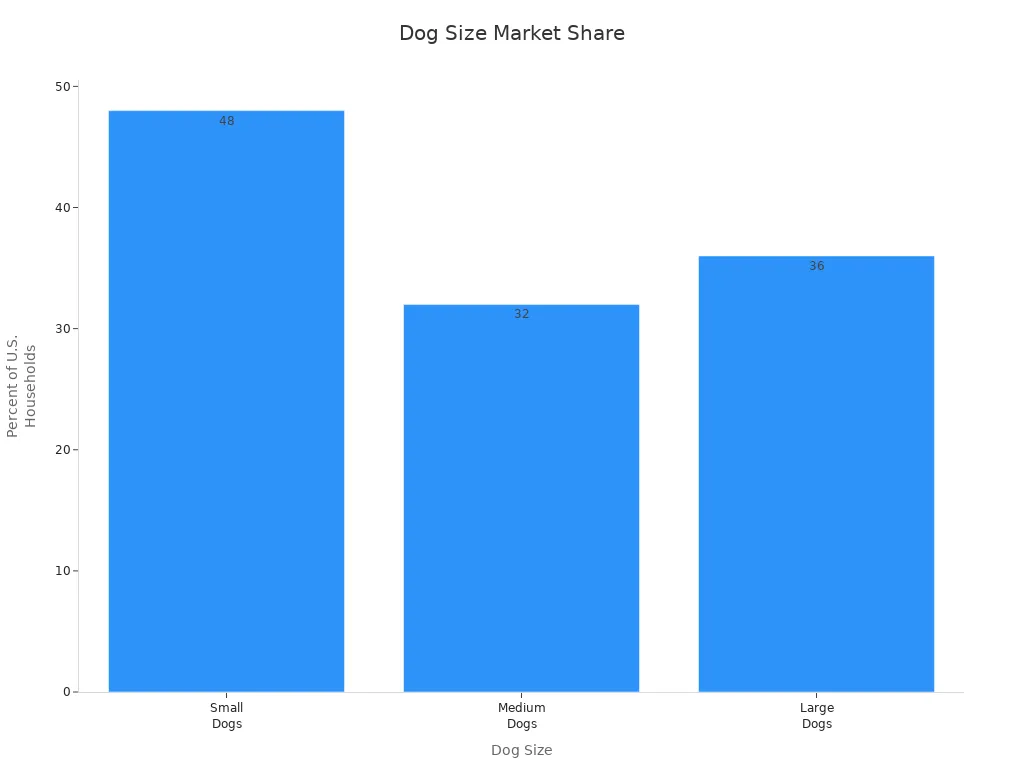
There are more small dogs in homes now. Almost half of U.S. families have small dogs. Medium dogs live in about one-third of homes. Large dogs are in a little more than one-third of homes.
Dog Size | Percentage of U.S. Households |
|---|---|
Small Dogs | 48% |
Medium Dogs | 32% |
Large Dogs | 36% |
Living in cities makes people want smaller pets. More people are adopting pets now. People treat small dogs like family. Shopping online helps customers buy cool collars for little dogs.
Trend | Impact on Demand for Small Dog Collars |
|---|---|
Rising Pet Adoption | More families get dogs, so they buy more stylish and smart collars. |
Pet Humanization Trend | People want cute and special collars for their pets. |
Rapid Growth of Online Retail | Online stores make it easy to find many collars and pick favorites. |
Anatomy and Safety Risks
Small dogs have soft necks and thin skin. You need to make sure collars fit right. Small breeds can get hurt if collars do not fit well. Some problems are:
Skin gets sore or loses hair
Breathing is hard if the collar is tight
Trachea can get hurt in small breeds
Dogs can slip out if the collar is loose
Heavy tags can strain the neck
Collars should not press too much on the throat. Pressure needs to be spread out to keep the airway and skin safe. Small dogs need more care because their necks are fragile.
Key Concerns for Retailers
Retailers need to think about three big things for little dog collars:
Sizing: Measuring right stops choking and escape.
Collar width: The right width spreads pressure and keeps dogs safe.
Pressure distribution: Even pressure helps dogs breathe and keeps their necks healthy.
Safety Concern | Description |
|---|---|
Pesticide Exposure | Some collars have propoxur, which can leave residue and harm kids. |
Poisoning Symptoms | Too much exposure can cause nausea, vomiting, or trouble breathing. |
Handling Precautions | Careful use keeps pets and people, especially kids, safe. |
Tip: Always look for safe materials and a good fit. This keeps pressure off the throat and helps dogs breathe well.
Dog Collar Sizing for Little Dogs
Measuring Neck Size
Accurate measuring is the first step to finding the perfect fit for collars for little dogs. You need to measure your dog’s neck size with care. Use a soft fabric tape measure. Follow these steps for proper sizing:
Find the base of your dog’s neck, just below the head and above the shoulders.
Wrap the tape measure around the neck. Make sure it lies flat and does not squeeze the skin.
Slide two fingers under the tape. This checks for comfort and prevents a collar from being too tight.
Record the measurement. Double-check for accuracy.
Add up to two inches for adjustment, especially for growing puppies or dogs with thick fur.
Consider the collar type. Some collars, like martingale or padded styles, may need extra room.
Tip: Always measure high on the neck for small breeds. This helps you avoid collars that slip off or cause pressure on the throat.
Measuring your dog correctly helps you avoid common sizing mistakes. You ensure the best fit and keep your pet safe.
Dog Collar Sizing Chart
A dog collar sizing chart helps you match neck size to collar size. Use the chart below to guide your selection for small dogs. Always compare your measurements with the size chart before choosing a collar.
Dog Breed | Neck Circumference (inches) | Recommended Collar Size (inches) |
|---|---|---|
Chihuahua Mixes | 7″-10″ | 8″-12″ |
Italian Greyhounds | 8.5″-11″ | 9″-13″ |
Pugs | 12″-14.5″ | 13″-15″ |
French Bull Dogs | 13.5″-16.5″ | 14″-17″ |
Australian Cattle Dogs | 15.5″-17″ | 16″-18″ |
You can use this size chart to find the perfect fit for toy breeds and small dogs. For example, a Chihuahua with a neck size of 8 inches will need a collar size between 8 and 12 inches. A lightweight nylon collar with 0.5 inch width and padded edges works well for comfort and safety.
Note: Always check the dog collar sizing chart for each product. Sizing can vary by manufacturer and collar style.
Sizing Mistakes to Avoid
Proper sizing prevents injuries and keeps dogs secure. Retailers can follow these standard operating procedures to reduce errors:
Measure the thickest part of the neck, not just the narrowest spot.
Never guess collar size based on breed alone. Individual neck size can vary.
Always compare your measurements with the retail size chart.
Use adjustable collars for puppies or dogs between sizes.
Avoid collars that are too tight or too loose. Both can cause problems.
Consider special collar types for breeds with slender necks, such as martingale collars for Italian Greyhounds.
Re-measure your dog regularly, especially if weight or coat changes.
Record measurements for future reference and customer support.
Checklist for Retailers:
Measure every dog before recommending a collar size.
Use the two-finger rule for comfort.
Add extra length for adjustment if needed.
Choose collars with flexible materials and rounded hardware.
Educate staff and customers about proper sizing and fit.
Finding the perfect fit means you protect your customer’s pets and reduce returns. Sizing your dog with care leads to the best fit and keeps collars for little dogs safe and comfortable.
Choosing Collar Width for Small Dogs
Collar Width and Pressure
It is important to think about collar width for little dogs. Studies show that collar width changes how pressure spreads on a dog’s neck. Narrow collars put force on a small spot. This can make the neck sore or even cause injury. Small dogs have soft necks, so they get hurt more easily. Wider collars, like rope or flat ones, spread pressure out better. This helps keep the neck and trachea safe.
A science lab found that flat collars can press harder on the neck than wide rope collars. For example, a flat collar can push over 12 pounds per square inch when a dog pulls. A wide rope collar only pushes about 4 pounds per square inch. This shows why picking the right collar width matters for safety. The right width can stop injuries and help small dogs stay healthy.
Tip: Pick collars that spread pressure over a big area. This helps protect small dogs from neck injuries.
Recommended Widths
The right collar width keeps small dogs safe and comfy. You should match the collar width to the dog’s size and how active they are. Use this checklist to help you choose:
For very small dogs under 10 pounds, like Chihuahuas or Dachshunds, use collars that are 1/2 inch wide. These are light and fit tiny necks well.
For small dogs up to 20 pounds, pick collars that are 5/8 inch or 3/4 inch wide. These sizes give comfort and control.
For active or strong small breeds, 3/4 inch wide collars work best. They are tough but not too heavy.
Narrow collars between 2 and 3 centimeters (0.79-1.18 inches) are good for most small and medium dogs. These let dogs move easily and help them breathe well.
Light collars stop strain and let dogs move naturally.
Checklist for Recommended Collar Widths:
1/2 inch: Good for toy breeds and very small dogs
5/8 inch: Works for most small dogs
3/4 inch: Best for strong or active small breeds
2-3 cm (0.79-1.18 inch): Safe for spreading pressure
Always measure the dog’s neck and think about the breed before you choose. The right collar width stops escapes and injuries.
Materials and Construction
The material and how a collar is made are important for safety and comfort. Look for collars made from soft and bendy materials that do not hurt the skin. Here is a table that compares common materials:
Material | Benefits | Notes |
|---|---|---|
Nylon | Strong, light, comfy, shock-resistant, and can look cool | Pick good nylon for strength and long use |
Hemp | Good for the planet, fights mold, soft, strong, and comfy | Gentle on skin, green, and good for sensitive dogs |
Biothane | Waterproof, easy to clean, strong, and bendy | Great for active dogs and wet places |
Do not use collars that are hard or have rough edges. These can rub the skin, make breathing hard, or press on the windpipe. A collar that is too tight can hurt or cause health problems. A loose collar can fall off or get stuck, which is not safe.
Key Features to Look For:
Soft, padded edges to stop rubbing
Rounded hardware so nothing pokes the dog
Light weight for comfort
Adjustable size for a good fit
Strong stitching and buckles for safety
Always check the collar to make sure it is made well. The stitching should be tight and the hardware should be smooth. Pick collars that have the right width and are made from safe, comfy materials. This helps you give the best collars for little dogs and keeps customers happy.
Collars vs. Harnesses for Little Dogs
Collars for ID and Light Use
You should use collars for little dogs mainly for identification and short, low-risk outings. A dog collar holds ID tags, which help return lost pets to their owners. Calm small breeds that do not pull or have neck issues can wear collars for brief walks or quick trips outside. Collars also work for attaching medical tags or for use during grooming. For growing dogs, adjustable collars allow you to keep up with changes in neck size. Always check that the collar fits well and does not put pressure on the throat.
Collars are best for:
ID and safety tags
Calm dogs with no neck or breathing problems
Short, supervised outings
Growing dogs needing frequent size checks
Harnesses for Walks and Training
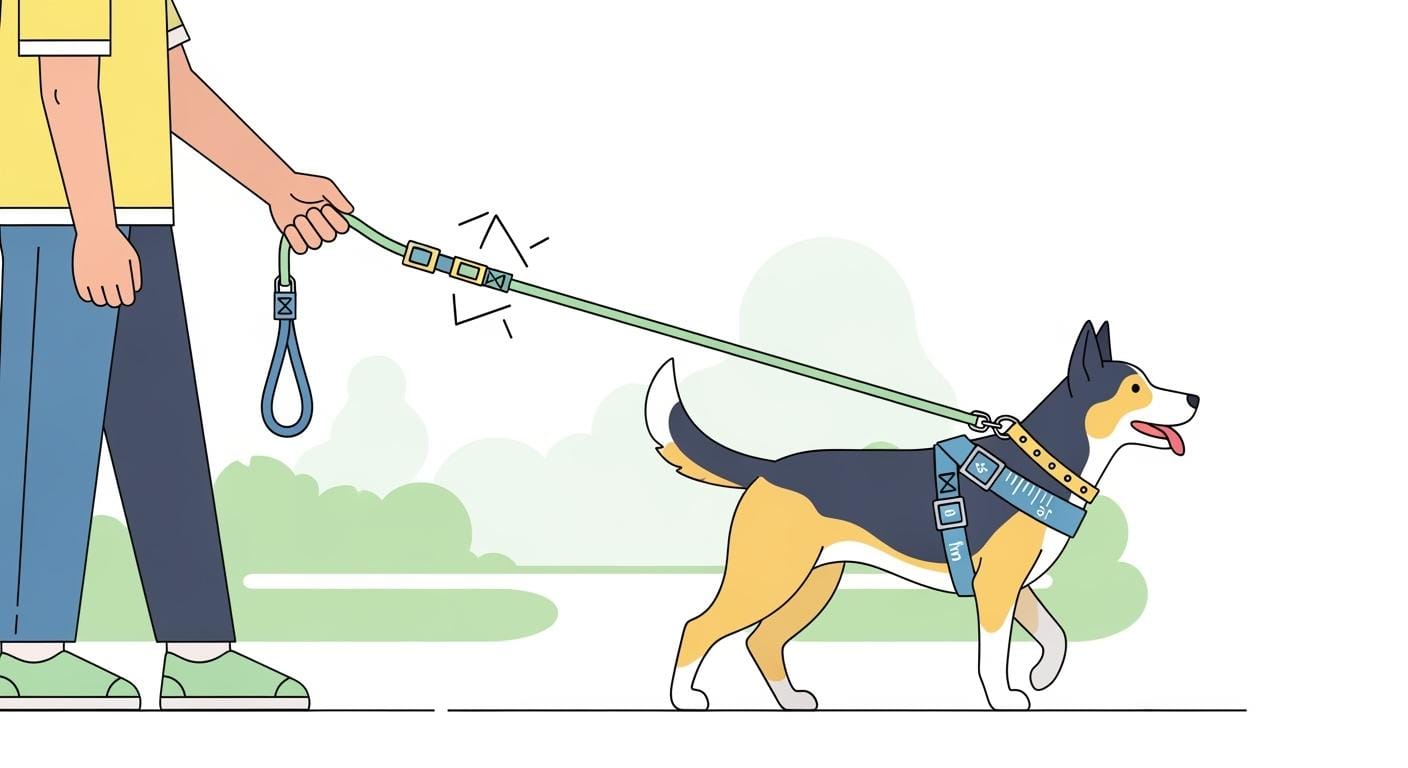
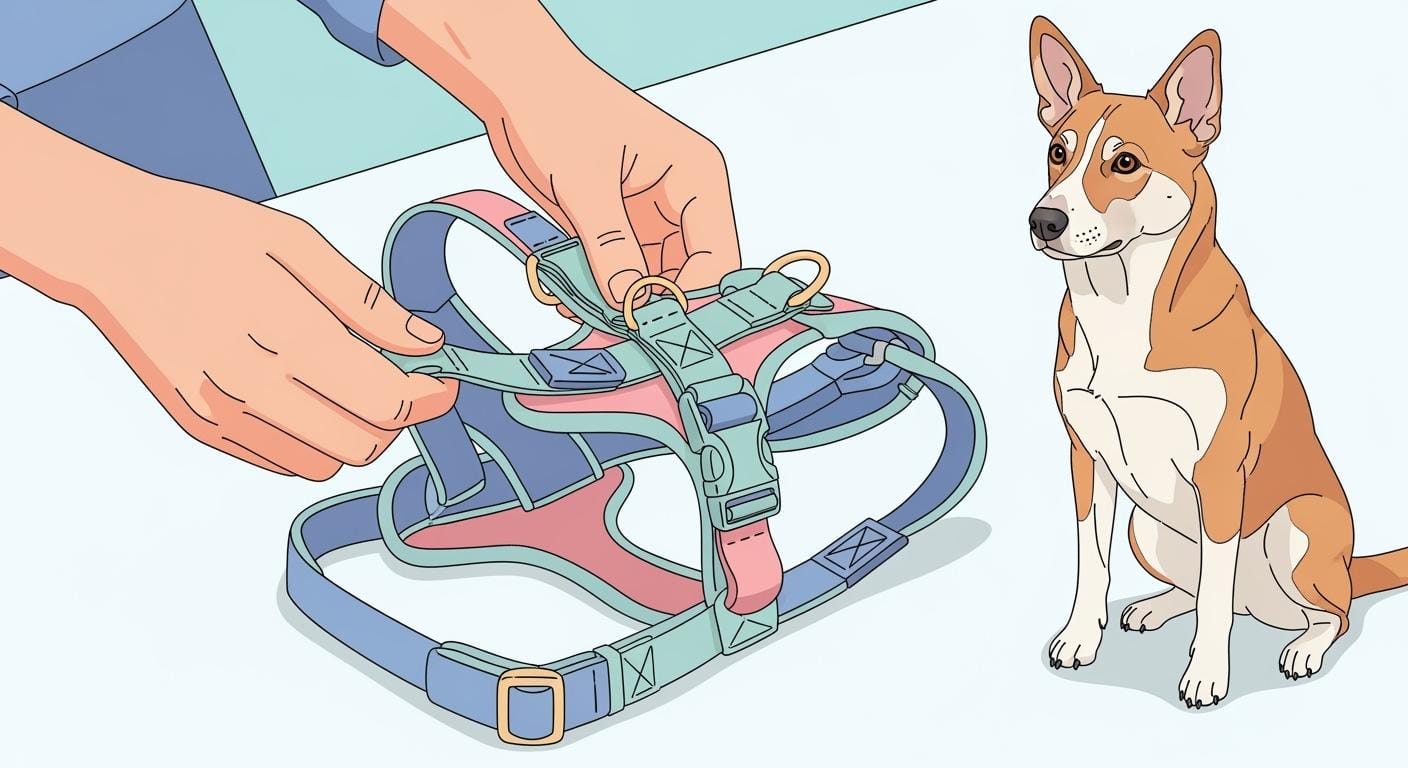
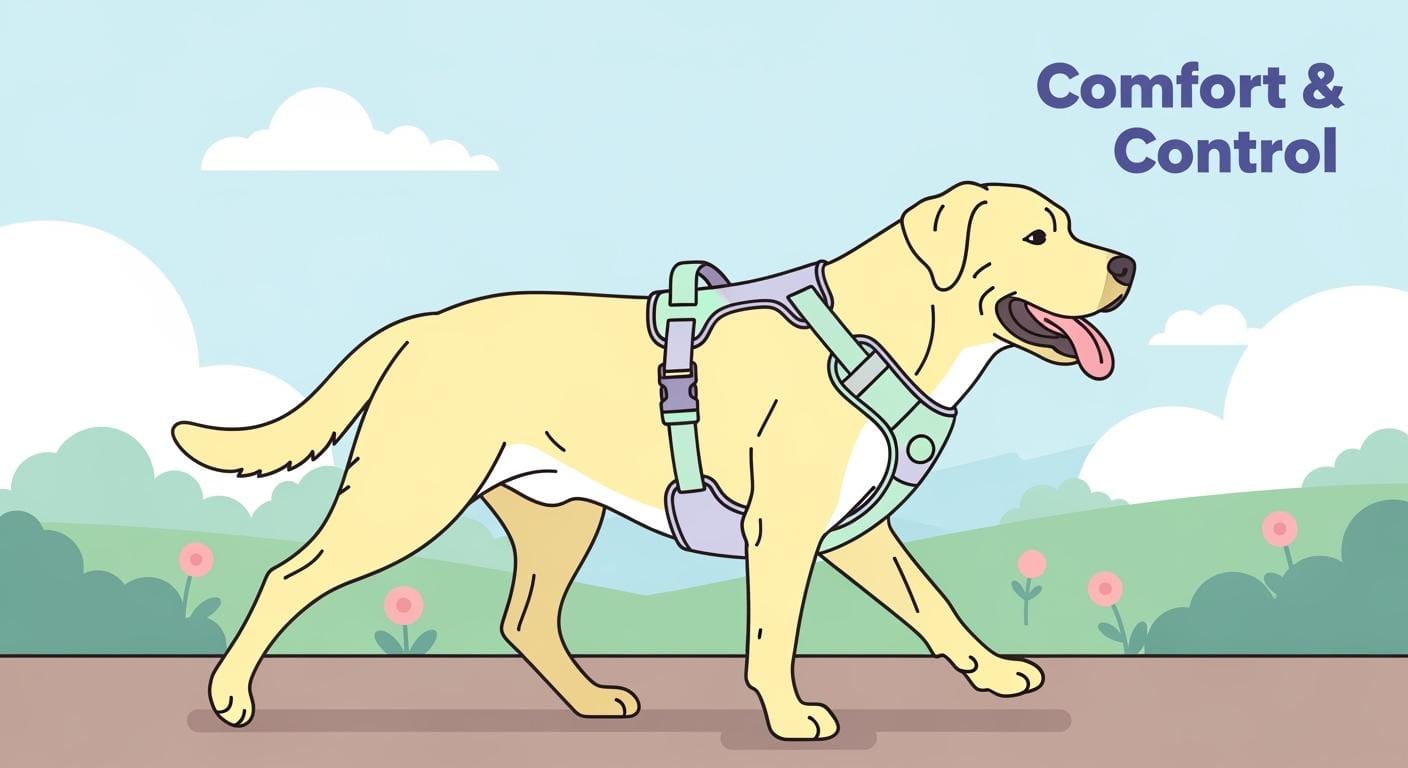
Harnesses offer better safety for small breeds, especially those with delicate necks or breathing concerns. When you walk a dog that pulls or reacts to distractions, a harness helps distribute pressure across the chest and shoulders. This reduces the risk of injury. Harnesses give you more control during training and busy walks. For growing dogs, adjustable harnesses can adapt as they change size. Measuring your dog for a harness ensures a secure and comfortable fit. No-pull harnesses can help teach better leash manners and protect dogs prone to tracheal collapse.
Harnesses are best for:
Walks and training sessions
Dogs that pull, lunge, or have sudden movements
Small breeds with fragile necks or health issues
Growing dogs needing frequent adjustments
Retailer Guidance Checklist
When making recommendations, ask these questions to guide customers to the safest choice:
Is the dog calm or does it pull on the leash?
Does the dog have a delicate neck or any breathing problems?
What is the main use—ID, walking, or training?
Are you measuring your dog for a harness or collar today?
Is the dog still growing and will need size changes soon?
Will the collar or harness be used daily or just for special occasions?
Have you checked the fit and comfort for your dog?
Tip: Measuring your dog for a harness or collar before purchase helps prevent injuries and ensures the best fit for growing dogs.
Small Dog Collar Safety Features
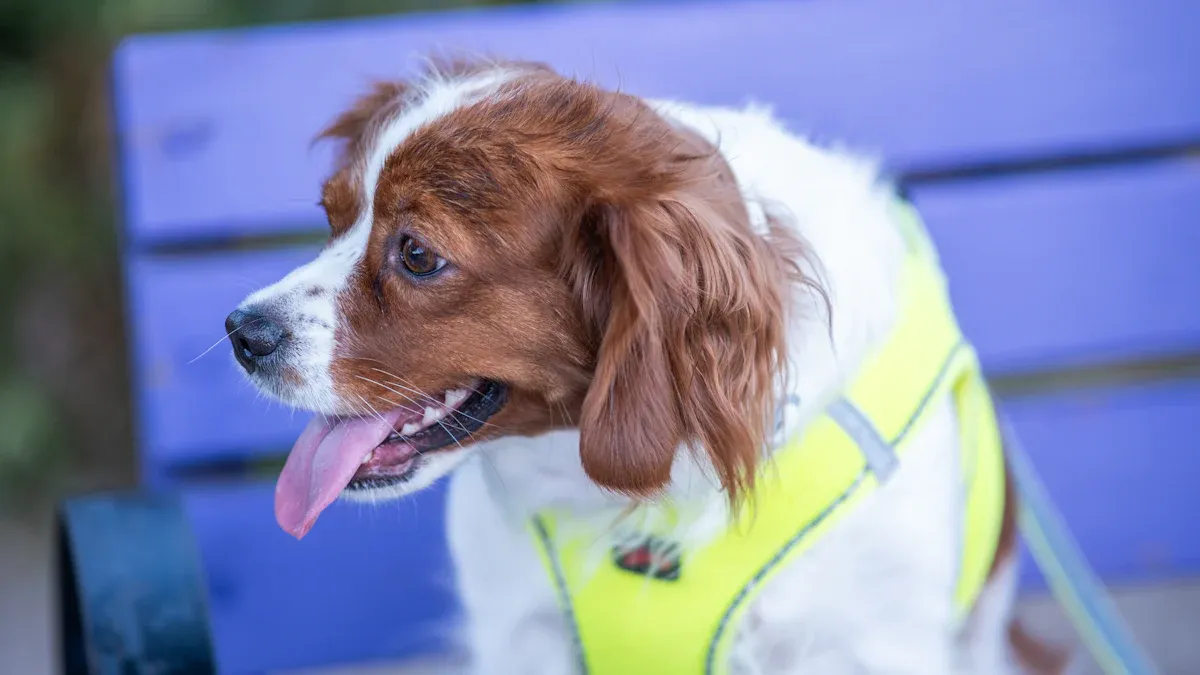
Fit and Adjustment
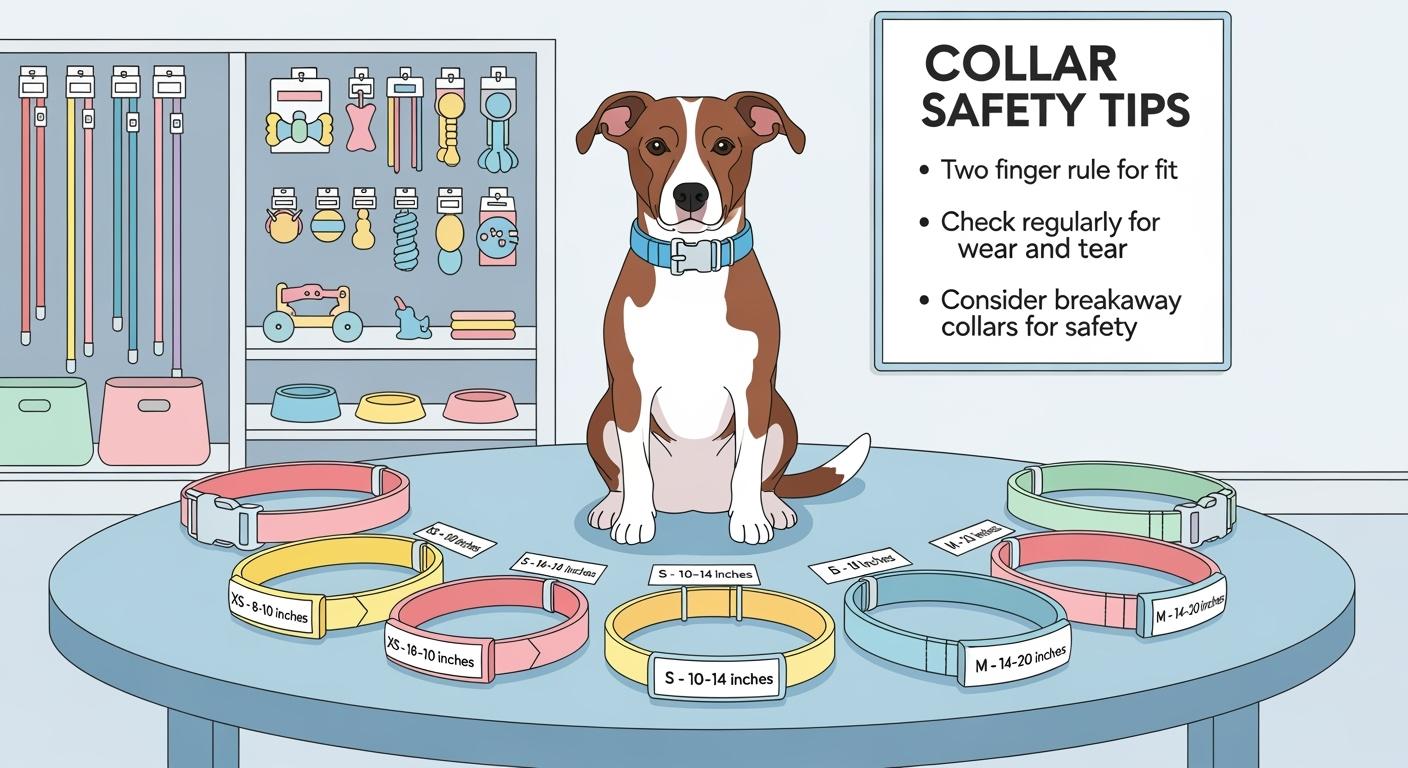
Check the collar fit on little dogs every day. A good fit keeps pets safe and happy. Use a soft tape measure to get the right size. Always use the two-finger rule. You should fit two fingers under the collar. This stops the collar from being too tight. It helps prevent choking or skin problems. Change the collar size if your dog grows or gains weight. Padding inside the collar keeps it comfy and stops rubbing. Here is a table with important features to look for:
Feature | Description |
|---|---|
Adjustable size range | Lets you change the fit as your dog grows or changes weight |
Padding | Soft lining protects sensitive skin |
Breakaway clips | Release under force to prevent snagging |
Durable hardware | Rust-resistant D-rings and strong buckles for safety |
Reflective stitching | Improves visibility in low light |
Tip: Check the collar fit every day and make sure it is comfy and snug. Show pictures or videos to help people learn how to measure and adjust the collar on a small dog.
Hardware and Breakaway
Pick hardware that keeps the collar safe and comfy. Breakaway collars open if pulled hard, so small dogs do not choke. Safety clips give extra help during training. Strong buckles and rust-proof D-rings stop the collar from breaking. These keep the collar safe for your dog. Small dogs with weak necks need breakaway features. These collars open at lower pressure and protect dogs with throat problems.
Use breakaway clips for quick release in emergencies.
Choose strong, rust-proof hardware for safety.
Look at the hardware every day for damage.
Reflective and Visibility Options
Reflective collars help small dogs be seen in the dark. Collars with shiny stitching or beads glow when lights hit them. This helps drivers see dogs from far away. Most pet accidents with cars happen early or late in the day. A good fit and reflective parts help stop these accidents. Cyclists and runners can also see your dog better. Show pictures or videos to explain how reflective collars work in different light.
Reflective collars help dogs be seen and stay safe.
They let drivers spot dogs sooner.
They lower the risk of accidents during walks at dawn or dusk.
Note: Always pick a collar with reflective parts for a good fit and better safety.
Assortment and QC for Small Dog Collars
Assortment Planning
You need to offer many types of collars for little dogs. Most sales are XS and S sizes. Stock collars for necks from 7 to 14 inches. Pick widths between 0.5 and 0.75 inches. Have nylon, padded, and waterproof collars. Offer both flat and martingale styles for toy breeds. Martingale collars are good for dogs with thin necks. Adjustable collars fit puppies and dogs with thick fur. Show collars with reflective stitching and breakaway features for safety.
Tip: Show collars on small dog models. This helps customers see how they fit and look.
Quality Control Checklist
A good QC process keeps small dog collars safe and strong. Use this checklist before putting collars on shelves:
Make sure labels show size and care instructions.
Check that stitching is tight and has no loose threads.
Test hardware to see if it is strong and rust-proof.
Pick strong nylon or soft leather for the material.
Make sure the collar fits the two-finger comfort rule.
Check that the collar is light for small dogs.
Look for reflective parts for better visibility.
Make sure padding and round edges stop skin rubbing.
Note: Collars for little dogs should be comfy, safe, and last a long time.
Staff and Customer Education
Train staff to help customers pick the right collar size and width. Teach these things in training:
How to measure a dog’s neck and pick the right size.
Why collar width matters for spreading pressure.
How to use collars and harnesses safely for toy breeds.
Use kind training with rewards, not punishment.
Know signs that a collar does not fit or hurts.
Give customers easy tips:
Pick no-pull collars instead of choke collars.
A bad fit can hurt a dog’s neck or trachea.
Use collars for ID and short trips, harnesses for walks.
Check collar fit often as dogs grow or gain weight.
Reminder: When staff and customers know more, pets are safer and there are fewer returns.
You can keep collars for little dogs safe by following these best practices:
Measure the dog’s neck with a flexible tape.
Check the dog’s build and choose the right width for comfort.
Pick the dog collar width based on daily use or training needs.
Test the fit and adjust as needed.
Focus on accurate measurement, safe materials, and even pressure. Use checklists and train your staff to lower risks. Plan your assortment and keep learning about new safety features.
FAQ
How do you measure a small dog’s neck for a collar?
Use a soft tape measure. Wrap it around the base of the neck. Make sure you can fit two fingers between the tape and the skin. Record the measurement. Add up to two inches for comfort.
What collar width is best for toy breeds?
Choose small dog collars with a width of 0.5 to 0.75 inches. Wider collars help spread pressure and protect delicate necks. Always match collar width to the dog’s size and activity level.
How often should you check the fit of collars for little dogs?
Check the fit daily. Dogs grow and change weight. A collar that fit last month may be too tight or loose now. Regular checks help prevent injuries and escapes.
Are harnesses safer than collars for small dogs?
Harnesses distribute pressure across the chest. They reduce risk for dogs with fragile necks. Use collars for ID tags and short outings. Use harnesses for walks and training.
What safety features should you look for in small dog collars?
Look for adjustable sizing, padded edges, breakaway clips, and reflective stitching. These features improve comfort and visibility. They help prevent choking and keep dogs safe during walks.