You help keep pets safe by picking the right collars for dogs. These collars should fit how dogs walk in real life. Harnesses are now more popular, but collars are still used a lot. Collars make up almost 40% of walking gear sales. They help owners identify their dogs and keep them safe in many situations. Smart pet collars and GPS collars have special features. These features give health and location information right away. This helps keep dogs safer during walks. If you choose the best collars to sell, people will return fewer items. Customers will also be happier with what they buy.
Key Takeaways
Pick collars with GPS tracking. This helps owners find pets fast. This feature makes walks safer.
Choose reflective collars to help dogs be seen at night. These collars lower the chance of accidents when it is dark.
Go for breakaway and quick-release collars to stop choking. These collars add more safety for dogs that move a lot.
Focus on comfort and strength when picking collar materials. Soft and strong collars keep dogs happy and last longer outside.
Teach staff about collar features and safety. Staff who know more can help customers make better choices.
Safety Features in Collars for Dogs
GPS Collars and Real-Time Tracking
You can help customers keep pets safe with gps collars. These collars show where pets are right now. They use smart technology to send location and alerts. Many gps collars have geo-fencing. Owners set safe zones for their pets. If a pet leaves, they get a notification. This helps keep pets safe. Retailers can earn trust by selling reliable collars.
Case Study | Description |
|---|---|
Basil’s Fate | A cat named Basil wore a GPS collar but was found dead. This shows the tech has limits. |
Moving Collar Mystery | A cat’s GPS collar moved after being eaten by a rat. This made people worry about the collar. |
Coco’s Story | Coco had a GPS tracker but went missing and was found dead. This shows the tech is not perfect. |
Most gps collars are waterproof. This means they work in rain or snow. Pets can play outside and the collar still works. Reviews say Fi Series 3 and Tractive track pets well. They give updates often. But tracking may be less accurate in woods or with bad cell service. These collars lower risk but do not stop all problems.
Reflective Materials for Visibility
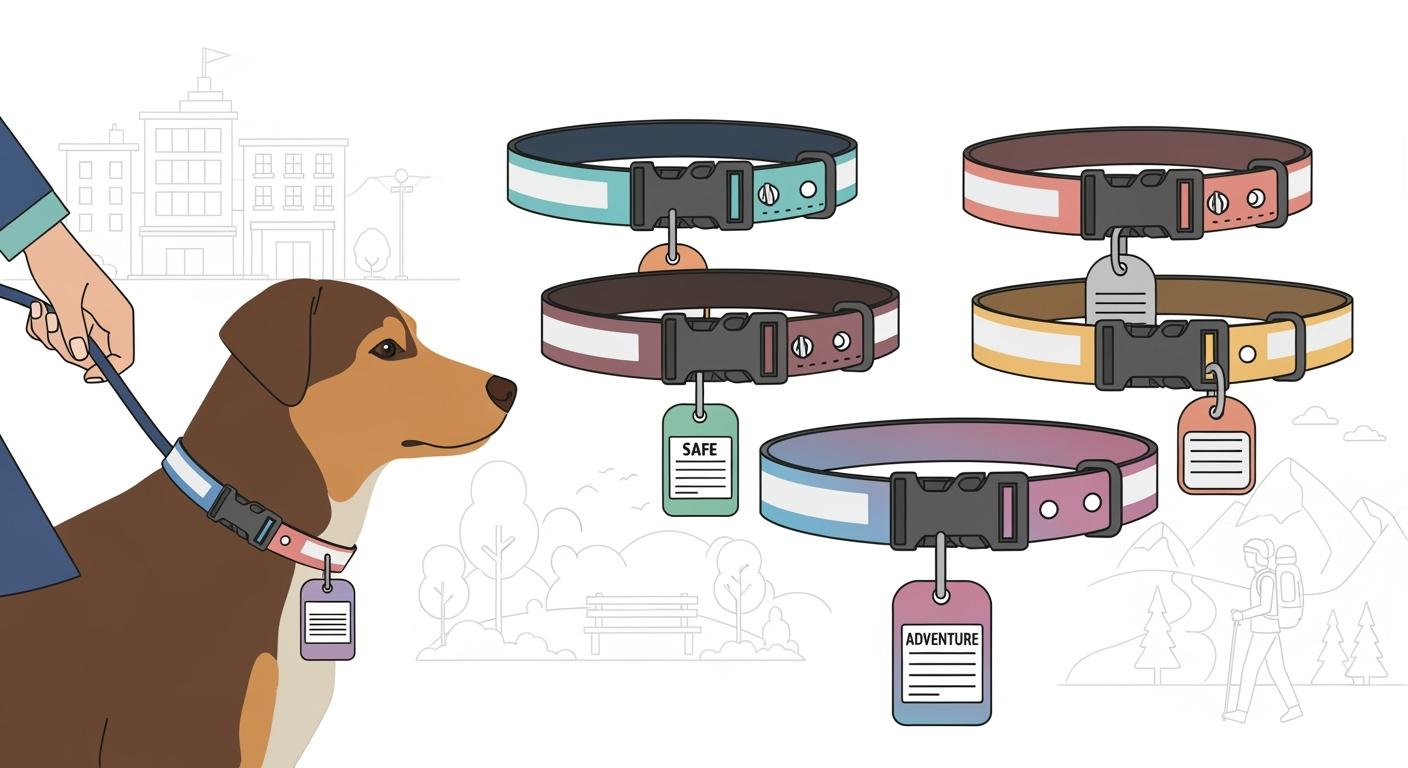
Reflective collars help people see dogs at night. This can stop accidents when it is dark. Choose collars made from strong fabrics like nylon or polyester. These materials last a long time. They have shiny strips that make dogs easy to spot. This helps drivers, bikers, and walkers see dogs better.
Reflective collars help in low light.
They lower accident risks at night.
More visibility means safer walks for pets and owners.
Material | Reflectivity Level |
|---|---|
Durable, tear-resistant fabrics (nylon, polyester) | Shiny strips help people see dogs in the dark |
Varies among collars | Some collars are tested to be even brighter |
Breakaway and Quick-Release Collar Designs
Breakaway and quick-release collars help keep pets safe. These collars open if pulled hard. This stops choking or getting stuck. Retailers should tell buyers about this safety feature.
Breakaway collars stop choking.
Quick-release collars make walks safer.
Many owners want these collars to lower risks.
Comfort and Durability for Pets
Collars should be soft and bend easily. This keeps dogs comfortable and stops skin problems. Strong collars last longer and work for outdoor play. Smart pet collars can track health and activity. This gives owners more info about their pets. These features help retailers get fewer returns and happier customers.
Tip: Pick collars with safety, comfort, and smart features. This helps keep pets safe and makes pet owners happy.
Scenario-Based Collar Selection
Picking the right collars depends on where dogs go. You should match collar safety features to each place. This helps lower risks and makes customers happy. Pictures of collars that fit well can help people learn. Videos can show how reflective collars work at night. Diagrams can explain how GPS collars connect to smart devices. These tools help staff and buyers use collars the right way.
Urban Walks—Visibility and Control
Walking in cities is not always easy for dogs. There are busy streets and lots of people. Cars and crowds make accidents more likely. Dogs need collars that help people see them. Bright colors and reflective collars help a lot. Strong buckles and D-rings keep collars from breaking. GPS collars help owners find pets if they run away.
Seeing dogs and knowing who they are stops accidents.
Strong parts keep collars on dogs.
GPS collars help owners find lost pets fast.
You can show pictures of dogs with reflective collars on city sidewalks. Videos can show how much better reflective collars work at dusk.
Off-Leash and Parks—GPS Collars and Alerts
Dogs in parks or off-leash areas need extra care. GPS collars with alerts help owners watch their pets. These collars let owners set safe zones. If a dog leaves, the collar sends a message. Halo Collar and SpotOn Fence let owners make custom safe areas. Many people say these collars work well, even with lots of trees.
Feature | Halo Collar | SpotOn Fence |
|---|---|---|
GPS Tracking | Real-time GPS tracking with 20 updates/second | Consistent alerts with 3rd party testing |
Customizable Boundaries | Virtual fences of any size and shape | Custom fences from ½ acre to 100,000 acres |
Reliability | Nonstop GPS containment and tracking | Near-perfect success rate of 99.3% for boundary adherence |
Battery Life | Up to 48 hours | Not specified |
Waterproof | IP67 rated | Not specified |
A dog named Fozzie liked to run away in parks. His owner used a GPS collar to find him fast. This kept Fozzie safe from cars and other dogs. Videos can show how GPS collars send alerts when pets leave safe zones. Diagrams can help staff explain how to set up virtual fences.
Hiking and Outdoor—Durable and Smart Collars
Hiking and outdoor trips need tough collars. Look for collars that meet rules from groups like the American Kennel Club and ISO. These collars are tested to be strong and safe. GPS collars show where pets are in real time. Smart pet collars can track health and activity. Alerts tell owners if pets leave safe zones. This helps owners find pets quickly.
GPS collars stop pets from getting lost.
Health tracking shows how active pets are.
Certified collars work well outside.
Pictures of dogs with strong collars on trails can help show these features. Videos can show how smart collars work with phone apps.
Nighttime—Reflective and LED Safety
Walking at night means dogs need to be seen. Reflective collars and LED collars help a lot. Reflective collars shine when light hits them. LED collars glow all the time. Some owners like LED collars for dark places, but they need batteries. Reflective collars are easy to use and work with streetlights or headlights.
Reflective and LED collars help stop accidents.
LED collars help in total darkness.
Reflective collars work with outside lights.
A driver once thanked a dog owner for making their pet easy to see at night. This shows why these collars are important. You can use pictures to compare reflective and LED collars in different lights. Videos can show how LED collars work during night walks.
Hunting—Tracking and Electronic Training Devices
Hunting dogs need special collars for safety. GPS collars show where dogs are right away. This helps hunters find their dogs faster. Electronic training devices send signals to guide dogs. These tools help keep dogs safe from wild animals.
Tracking systems keep hunting dogs safer.
GPS collars help hunters find dogs quickly.
Training devices help teach dogs during hunts.
Pictures of hunting dogs with GPS collars and training devices can help show how to use them. Videos can show how training signals and GPS data work together.
Tip: Pick collar features that fit each walking place. Use pictures and videos to teach staff and buyers how to use collars the right way.
Retailer Tips for Pet Collar Assortment
Assessing Pet Owner Needs
You can make your collar choices better by knowing what pet owners want. Look at what people are buying and see which collars for dogs are safe and comfy. Pick brands that make good collars with smart features. Choose strong materials and cool designs that people like. Build a brand that pet owners trust. Ask for feedback and change your choices often.
Best Practice | Description |
|---|---|
Understand market demand | Find out what pet owners want in collars to help them. |
Determine product positioning | Figure out how your collar is different and why people will like it. |
Choose the right manufacturer | Pick brands that make safe and good collars. |
Material and design selection | Use strong materials and designs that look good and work well. |
Marketing and branding | Make a brand that pet owners remember and trust. |
Customer feedback and iteration | Keep asking customers for ideas to make collars better. |
Make sure collars fit so dogs do not choke.
Use breakaway collars to keep dogs safe if they get stuck.
Check that tags have the right info and are attached well.
Staff Training for Safety and Product Knowledge
You help customers more by teaching staff about collar safety and smart pet collars. Show your team how gps collars work and how they track health. Staff who know about collars can answer questions and help people buy the right one. Watch how training helps by looking at customer feedback and store data.
Benefit | Description |
|---|---|
Consistent Service Quality Improvements | Training staff often makes service better and customers happier. |
Alignment with Customer Experience Goals | Training helps staff meet what customers want, so they are more satisfied. |
Monitoring Training Effectiveness | Check store numbers and feedback to see if training works. |
Tip: Have training often and use demos to help staff show smart features and health tracking.
Merchandising Collars by Scenario
You can sell more by showing collars for dogs by how they are used. Put gps collars, reflective collars, and smart pet collars together so people can find them easily. Use stands and displays to show what collars can do. Sell collars with leashes and harnesses to give more value. Set up your store so pet owners find what they need fast.
Give advice for each pet.
Have sales during holidays to get more buyers.
Put best sellers near checkout so people buy them quickly.
Integrating Collars with Harnesses and Leashes
You help pet owners by selling collars, harnesses, and leashes together. Put these items close to each other so people buy more. Show smart features like health tracking and activity checks. Use tall displays to show small items and save space.
Checklist Item | Description |
|---|---|
Regulatory Coverage | Follow all rules for pet products in your area and other places. |
Traceability | Keep records so you know where products come from and go. |
Third-party Test Reports | Get outside labs to check if products are safe. |
Supplier Vetting Process | Ask suppliers questions about safety and past problems. |
Quality Audits and Random Lab Tests | Check and test products often to make sure they are safe. |
Assign a Compliance Officer | Pick someone to watch over safety and rules. |
Quarterly Supplier Reviews | Check suppliers every few months to make sure they follow safety rules. |
Note: Look at your collar choices every few months and change them if customers want something new, if safety rules change, or if there are new smart features.
Picking the right collars for dogs for each walk helps keep pets safe. It also makes customers happier. Collars with smart features, health tracking, and gps data make walks safer. Make sure collars fit well and pets have up-to-date ID tags. Watch out for problems like short battery life, missing activity data, and weak collars. Use this checklist to help you choose better collars:
Have collars and harnesses for every walking situation
Pick top-selling collars with safety and smart health features
Teach staff how to use collar data and connect devices
Put collars where people can see and pick them easily
Doing these things helps people trust you and complain less.
FAQ
How do smart collars improve safety in the field for dogs?
Smart collars show where dogs are right now. They use geo-fencing to set safe areas. If a dog leaves, you get an alert. These alerts help keep dogs safe during walks.
What is geo-fencing and how does it work with GPS collars?
Geo-fencing makes a virtual fence for dogs. If a dog crosses the fence, the collar sends an alert. GPS collars use this to track dogs closely. This helps keep dogs safe and makes tracking better.
How does health and activity monitoring benefit retailers and buyers?
Health and activity tracking shows how much dogs move. It gives info about their health. Retailers use this data to lower returns. Buyers trust collars that help keep dogs safe. Health tracking also helps with training and safer walks.
What should retailers know about how GPS collars work?
GPS collars use satellites to find a dog’s location. You get updates about where the dog is. This helps you act fast if there is a problem. GPS collars make walks safer and help pick the best collars.
How can retailers use data and integration to improve assortment planning?
Retailers use data from smart collars and geo-fencing. This helps them know what customers want. Using these features makes collars safer. It lowers risks and builds trust with buyers.