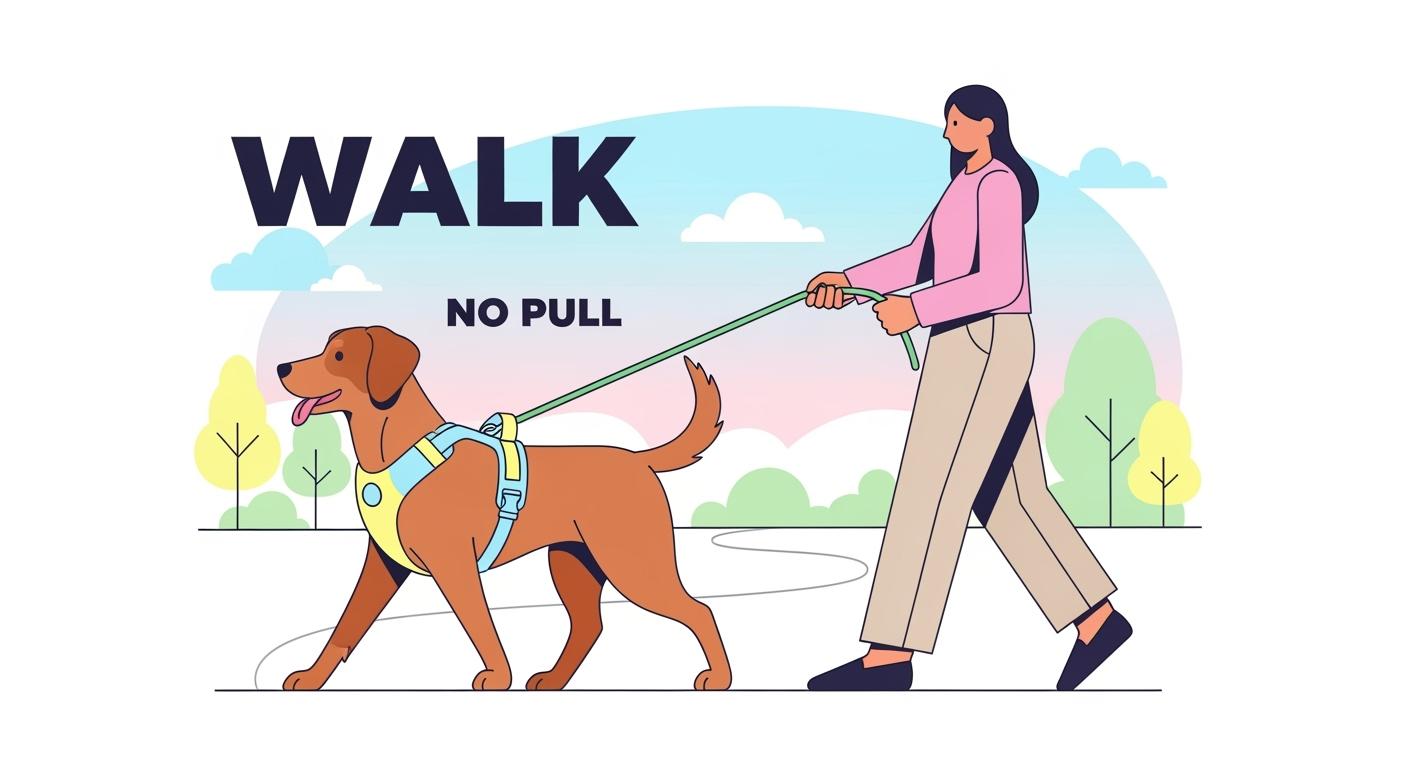
A chest harness helps your dog by wrapping around the chest and shoulders, not just the neck. Many dog owners choose a harness instead of a collar. This is because it can be more comfortable and safer. It is good for dogs that pull or have sensitive necks. You may see these common benefits of dog harnesses:
There is less strain on your dog’s neck and throat.
The pressure spreads out across the chest for a comfy fit.
You get more control on walks, especially with energetic dogs.
Chest strap harnesses let your dog move freely. They can make walks easier for you and your dog.
Key Takeaways
A chest harness is safer than a collar. It spreads pressure across the chest, reducing the risk of neck injuries.
Use a front-clip harness for better control. It helps redirect your dog’s focus and makes pulling harder.
Always check the fit of the harness. It should be snug but not tight, allowing two fingers to fit between the harness and your dog.
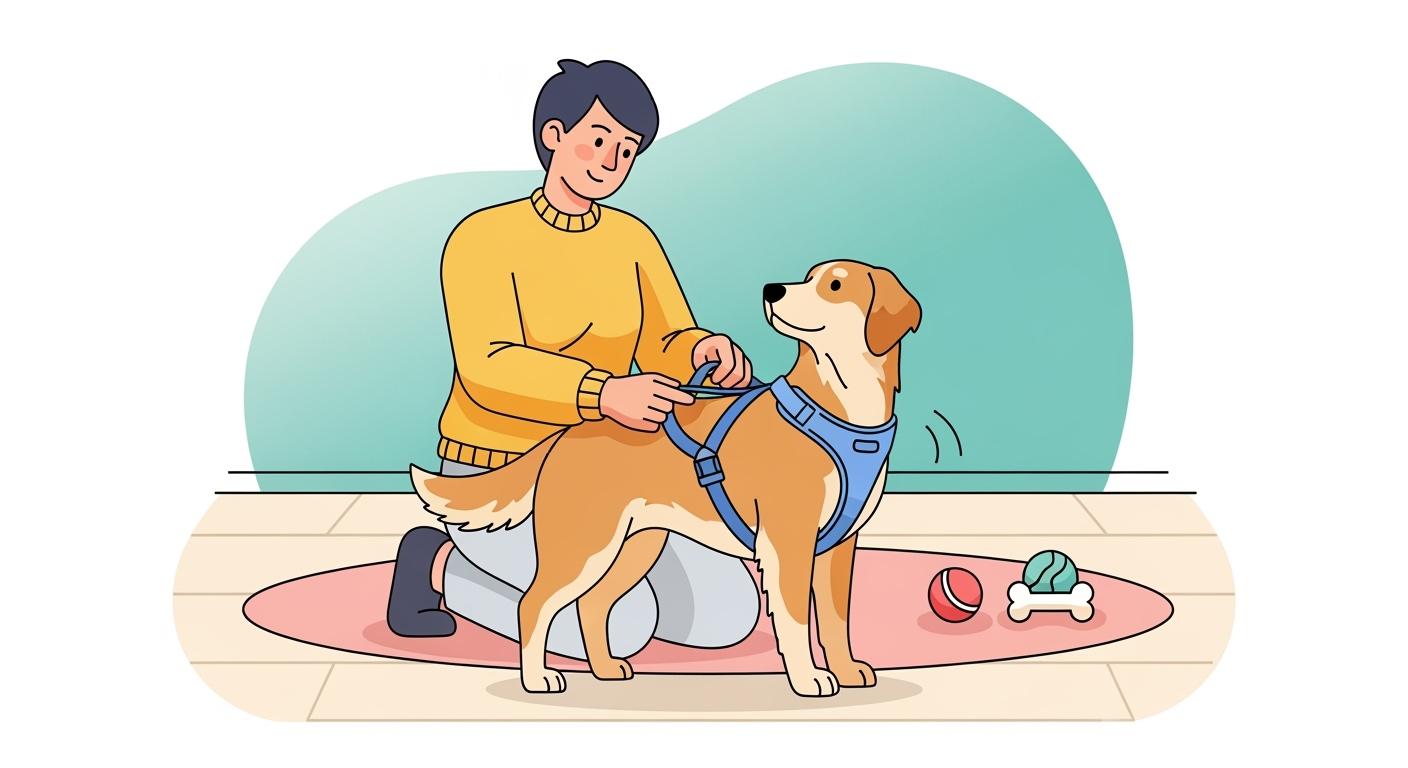
Introduce the harness slowly. Use treats and praise to create a positive experience for your dog.
Choose a harness for dogs that pull, have sensitive necks, or are small breeds. It helps prevent choking and discomfort.
Combine harness use with training. Teach your dog to walk nicely on a leash for the best results.
Inspect the harness regularly for wear and tear. Replace it if you notice any damage to keep your dog safe.
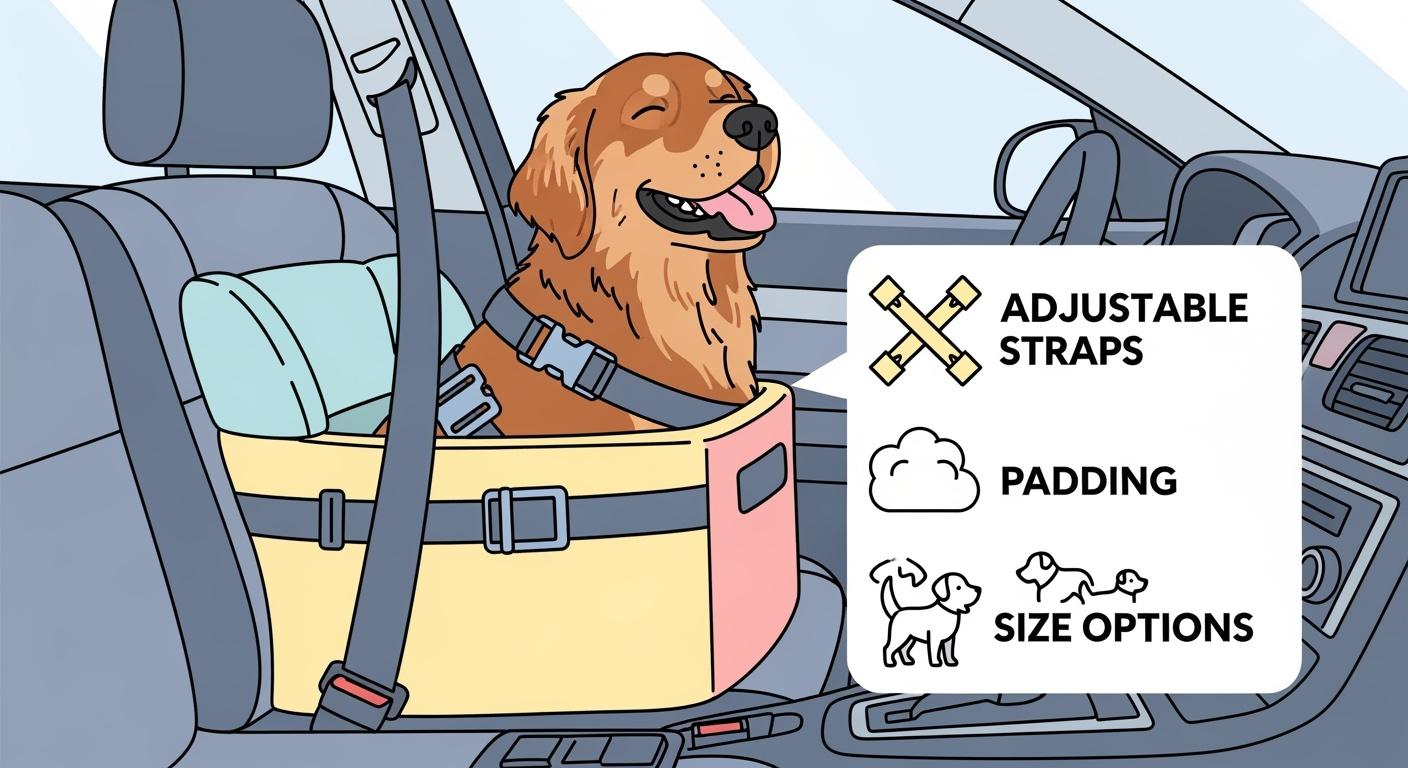
Consider your dog’s needs when choosing a harness. Look for features like padding and reflective strips for added comfort and safety.
What Is a Chest Harness?

A chest harness is a kind of dog harness. It wraps around your dog’s chest and shoulders, not just the neck. It looks different from a regular collar or other harness types. This design helps you guide your dog safely and comfortably. It works well if your dog pulls or has a sensitive neck. Most veterinarians and trainers say a chest harness can lower the chance of neck injuries. It also makes walks better for you and your dog. The American Kennel Club suggests harnesses for young, small, or flat-faced breeds.
Chest harness vs. dog collar
You might wonder how a chest harness compares to a collar. Here’s a simple chart:
Feature | Chest Harness | Traditional Collar |
|---|---|---|
Design | Wraps around the chest and shoulders | Fits around the neck |
Pressure Distribution | Spreads force across the chest | Puts pressure on the neck |
Comfort | More comfy, good for sensitive dogs | Can hurt or cause injury if pulled |
Safety | Lowers risk of neck injuries and choking | Higher risk of throat damage |
Control of Pulling | Helps control pulling better | May make pulling worse because of discomfort |
Tip: If your dog pulls or coughs with a collar, try a harness. It can stop wheezing or skin problems.
Key parts of a dog harness
A dog harness has a few main parts that keep your dog safe and comfy:
Chest Strap: This goes across your dog’s chest. It spreads out pressure.
Shoulder Straps: These go over your dog’s shoulders. They hold the harness in place.
D-Rings: These metal rings are on the back or front. You clip the leash here.
Adjustment Points: These let you make the harness tighter or looser.
Some harnesses have extra padding, quick-release buckles, or shiny strips for outdoor walks. Always check the fit before you go out. If you have questions about your dog’s health or actions, ask your veterinarian or a certified trainer. This article gives general tips and does not replace expert advice.
Pressure distribution and safety
When you use a dog harness, you help protect your dog’s neck and throat. Unlike a collar, a harness spreads the force across your dog’s chest and shoulders. This design lowers the risk of injury, especially if your dog pulls or lunges. Veterinarians and professional dog trainers generally agree that a chest harness is a safer choice for many dogs, especially those with delicate necks or breathing issues.
Here’s what research and experts have found about harness safety:
Using a collar can raise pressure inside the eyes of flat-faced breeds, which may harm their health.
A harness does not increase this pressure, making it safer for dogs with sensitive eyes or breathing problems.
Harnesses spread out the force, so there is less chance of hurting your dog’s neck or spine.
You might wonder if a harness changes how your dog moves. Studies show that a well-fitted harness lets your dog walk and run in a normal way. It does not force your dog to move in an unnatural pattern. Some research even shows that harnesses can help prevent injuries by reducing pressure on one spot.
Study Focus | Findings |
|---|---|
Influence of harnesses on movement | Harnesses help dogs keep normal movement, which lowers the risk of injury. |
Pressure distribution | Harnesses put less pressure on the neck than collars, which helps prevent injuries. |
Restraint methods | Harnesses spread force over a larger area, reducing the risk of neck injuries. |
Note: Always check with your veterinarian if your dog has health problems or if you notice any changes in how your dog moves. This article does not replace professional veterinary advice.
Front-clip dog harness mechanics
A front-clip dog harness gives you more control during walks. The leash attaches at your dog’s chest, not the back. This small change makes a big difference. When your dog tries to pull, the harness gently turns your dog toward you. This redirection makes it harder for your dog to pull straight ahead.
Let’s compare how front-clip and back-clip harnesses work:
Harness Type | Mechanism of Action | Effect on Pulling Behavior |
|---|---|---|
Front-Clip | Leash attaches at the chest, steering your dog toward you when they pull | Makes it harder for your dog to pull forward |
Back-Clip | Leash attaches at the back, which matches your dog’s natural urge to pull | Gives you less control and may encourage pulling |
Many owners notice that their dog pays more attention to them when using a front-clip harness. This style helps you guide your dog and can make walks calmer. The American Kennel Club and many trainers recommend front-clip harnesses for dogs that pull or lunge. Still, you need to use the harness correctly and make sure it fits well.
Front-clip harnesses help you redirect your dog’s focus.
They can lower pulling by making it harder for your dog to move forward.
For best results, use training along with the harness.
Why harnesses don’t fix pulling alone
You might hope that a no-pull harness will solve all your leash problems. The truth is, a harness is just one part of the solution. Dogs can get used to the harness and start pulling again if you do not train them. Some studies show that dogs wearing a standard padded back-clip dog harness may even pull harder than those with a collar.
Here are some important points to remember:
No-pull harnesses do not teach your dog to walk nicely on a leash by themselves.
Many dogs stop pulling only when wearing a front-clip harness, but this change is often temporary.
If you switch back to a collar or a different harness, your dog may start pulling again.
Training is key. You need to teach your dog what you want during walks.
Tip: Combine your dog harness with positive training. Reward your dog for walking beside you. If you have trouble, ask a certified trainer or your veterinarian for help.
Veterinarians and professional trainers agree that a chest harness can make walks safer and more comfortable. Still, you need to teach your dog good leash manners for the best results. Always consult your veterinarian or a behavior expert if you have concerns about your dog’s health or behavior. This article does not replace professional advice.
Chest Harness vs Other Styles
Safety and comfort comparison
When you look at harnesses and collars, you want your dog safe and comfy. Most veterinarians and trainers say a dog harness is safer than a collar. This is true for dogs that pull or have sensitive necks. A harness spreads pressure over the chest and shoulders. This helps stop choking or hurting your dog’s neck. That is why many experts, like the American Kennel Club, suggest harnesses for dogs with breathing problems or breeds like pugs and bulldogs.
Here’s a quick way to see how harnesses and collars are different:
Feature | Harnesses | Collars |
|---|---|---|
Pressure Distribution | Spreads pressure on the chest and shoulders for safety. | Puts pressure on the neck, which can cause injuries. |
Control | Gives better control, good for active or pulling dogs. | Not as good for pullers, can make pulling worse. |
Safety for Sensitive Dogs | Safer for dogs with breathing or neck problems. | Can be risky for dogs with neck issues, especially flat-faced breeds. |
Training Benefits | Great for leash training and stopping pulling. | Can make pulling worse because of neck pressure. |
Ease of Use | Can be tricky to put on excited dogs. | Easier to put on and take off quickly. |
Suitability for Breeds | Good for big, strong, or small dogs with breathing issues. | Best for calm dogs or those that do not pull. |
Most chest harnesses have padding to stop rubbing and make them comfy. Some other harnesses do not have padding. This can cause skin problems if your dog pulls a lot. If your dog pulls, a padded chest harness is usually the best pick.
Tip: Always check if your dog’s harness fits before walks. A good fit keeps your dog safe and happy.
Front-clip, back-clip, and dual-clip harnesses
There are a few main types of harnesses. The main ones are front-clip, back-clip, and dual-clip harnesses. Each type works in its own way and is good for different dogs.
Harness Type | Pros | Cons |
|---|---|---|
Front-Clip | Best for training, stops lunging | Can tangle, some dogs dislike pressure |
Back-Clip | Comfortable, less neck strain | Can make pulling worse, less control |
Dual-Clip | Has both front and back clips | Can be bulky, sometimes costs more |
Front-clip harnesses give you the most control. They help turn your dog if they pull or jump. Many trainers like this style for leash training.
Back-clip harnesses are easy to use and feel good for most dogs. They are best for calm dogs or slow walks.
Dual-clip harnesses let you use both front and back clips. This gives you choices as your dog learns to walk better.
If you want to know if a dog harness or collar is better, think about your dog’s habits and how you walk. For dogs that pull, a front-clip or dual-clip harness is usually best.
When a chest harness isn’t ideal
A chest harness works for most dogs, but not every dog. Some dogs, like those with skinny hips or very heavy bodies, may need more support than a chest harness gives. In these cases, a full-body harness or special support harness is safer. If your dog climbs or needs help getting up, a chest harness might not be enough.
Here are some times you might need a different harness:
Your dog slips out of a chest harness easily.
Your dog needs extra help for climbing or moving.
You have a very big or heavy dog that needs more control.
Your dog has a health problem and needs a special fit.
Note: Always ask your veterinarian or a certified trainer if you are not sure which harness to use. This article does not replace expert advice.
Trying different harnesses can help you find the best one for your dog. The right harness keeps your dog safe, comfy, and ready for fun.
When to Use a Chest Harness
For dogs that pull or lunge
If your dog pulls hard or lunges on walks, you know how tough it can be to keep control. A dog harness with a front-clip design can help you guide your dog and make walks less stressful. When you choose a harness for a strong puller, you shift the pressure from the neck to the chest. This makes your dog feel more relaxed and confident. Many veterinarians and professional dog trainers agree that a chest harness is safer than a collar for dogs that pull. You get better control, and your dog feels less strain.
Here’s a quick look at which dogs benefit most from a chest harness:
Type of Dog | Reason for Using a Chest Harness |
|---|---|
Dogs that like to pull | Harness changes the dog’s center of gravity, making them feel more confident and relaxed. |
Dogs post-neck surgery | Necessary for recovery from conditions like intervertebral disc disease. |
If you want to know when to choose a harness, think about your dog’s walking habits. Does your dog pull ahead or lunge at distractions? If yes, it’s time to choose a harness that gives you more control and keeps your dog safe.
For small, flat-faced, or sensitive-neck dogs
Small breeds, flat-faced dogs, and those with sensitive necks need extra care. Collars can put too much pressure on their necks and cause harm. When to choose a harness for these dogs? If your dog is a Yorkshire terrier, pug, or bulldog, a chest harness is a smart pick. It helps prevent tracheal collapse and reduces the risk of eye or breathing problems.
Type of Dog | Reason for Using a Chest Harness |
|---|---|
Small dogs (e.g., Yorkshire terriers) | At risk of tracheal collapse; collars can cause harm if they pull. |
Brachycephalic dogs (e.g., pugs) | Risk of eyeball prolapse; harnesses reduce pressure on the neck. |
Dogs at risk of increased intraocular pressure | Harnesses help prevent exacerbation of this condition. |
Veterinarians and the American Kennel Club recommend a dog harness for these breeds. When you choose the right harness, you protect your dog’s health and make walks more comfortable.
Tip: Always check that the harness sits below the neck but above the ribs. Double-adjustable models help you choose a harness that fits unique body shapes.
For active, outdoor, or senior dogs
Active dogs love to explore, and seniors need extra support. When to choose a harness for these dogs? If you hike, run, or spend time outdoors, a dog harness with handles or extra padding can help. For older dogs, a harness makes it easier to help them up stairs or into the car. You get more control, and your dog gets comfort and safety.
Harnesses distribute pressure across the body, not just the neck.
Handles let you assist your dog without bending or lifting awkwardly.
A dog harness reduces the risk of slipping out and running away.
If you want to choose the right harness for your dog’s lifestyle, look for features like padded straps, sturdy handles, and reflective strips. When you choose a harness that matches your dog’s needs, you make every walk safer and more enjoyable.
Note: This article shares general tips and does not replace veterinary advice. Always talk to your veterinarian or a certified trainer if you have questions about your dog’s health or behavior.
Quick checklist: is a chest harness right?
Not sure if a chest harness is the best choice for your dog? Use this quick checklist to help you decide. Just answer “yes” or “no” to each question. If you say “yes” to one or more, a chest harness could be a great fit for your pup.
Does your dog pull or lunge on walks?
Does your dog cough, wheeze, or gag when wearing a collar?
Is your dog a small breed, like a Yorkshire terrier or Chihuahua?
Does your dog have a flat face, like a pug or bulldog?
Has your veterinarian warned you about neck or trachea problems?
Do you want more control during walks, especially in busy areas?
Does your dog slip out of regular collars?
Do you go on hikes, runs, or outdoor adventures with your dog?
Is your dog a senior who needs extra support getting up or moving around?
Are you training your dog to walk nicely on a leash?
If you answered “yes” to any of these, you might want to try a chest harness. Many veterinarians and professional dog trainers agree that harnesses offer better safety and comfort for dogs with these needs. The American Kennel Club (AKC) and organizations like Zoetis often recommend harnesses for dogs with sensitive necks, breathing issues, or those who pull.
Tip: Always check the fit of your dog’s harness before every walk. A harness that is too loose or too tight can cause rubbing or let your dog slip out. Look for adjustable straps and soft padding for the best comfort.
Here’s a simple table to help you see if a chest harness is right for your dog:
Dog’s Situation | Chest Harness Recommended? |
|---|---|
Pulls or lunges on leash | ✅ |
Small or flat-faced breed | ✅ |
Sensitive neck or trachea issues | ✅ |
Needs extra support (senior/active) | ✅ |
Calm walker, no health concerns | ❓ |
Remember, every dog is different. What works for one may not work for another. If you have questions about your dog’s health or behavior, always talk to your veterinarian or a certified dog trainer. This article gives general tips and does not replace professional advice.
A chest harness can make walks safer and more enjoyable for both you and your dog. Take a few minutes to check your dog’s needs, and you’ll feel more confident choosing the right gear for your next adventure together! 🐾
Dog Harness Sizing & Fit

How to measure a dog for a harness
Getting the right size and fit for your dog harness starts with measuring your dog the right way. If you want to know how to measure a dog for a harness, you need to focus on three main areas: weight, chest, and neck. Here’s a simple step-by-step guide:
Weigh your dog. Use a scale at home or ask your vet for help, especially with big breeds.
Measure the chest. Wrap a soft tape measure around the thickest part of your dog’s chest, just behind the front legs. Make sure the tape is snug but not tight.
Measure the neck. Place the tape a few inches down from the base of your dog’s head and measure around the neck where the harness will sit.
For the best fit, you can also:
Measure from the shoulder blades to the sternum (the bony bump on the chest).
Measure around the chest just behind the front legs.
Find the spot before your dog’s belly softens and measure there.
Tip: Always measure your dog while they are standing. If your dog is sitting or wiggling, you might not get the right numbers.
Fit check: snug but comfortable
Once you have your dog harness sizing numbers, you want to make sure the harness fits just right. A proper fit means the harness is snug but not too tight. You should be able to slide two fingers between the harness and your dog’s body. If you can fit more than two fingers, the harness is too loose. If you can’t fit two fingers, it’s too tight.
Here are some features to look for in a quality dog harness:
Fit Feature | Why It Matters |
|---|---|
Wide chest plates | Spread out pressure for comfort and safety |
Rounded strap edges | Prevent rubbing and chafing |
Multi-point adjusters | Let you fine-tune the fit for your dog |
Quick-release buckles | Make it easy to put on and take off |
Durable hardware | Keeps your dog safe during walks |
Adjustable on multiple axes | Helps you get the right size and fit everywhere |
Note: Veterinarians and professional dog trainers generally agree that a harness with the right size and fit helps prevent injuries and keeps your dog happy. Always check the harness before every walk.
Design features for outdoor use
If you and your dog love outdoor adventures, you want a dog harness with special features for safety and comfort. Look for these design details:
Ergonomic shape that spreads pressure across the body and avoids chafing.
Breathable fabric to keep your dog cool during hikes or runs.
Soft padding, like neoprene or memory foam, for extra comfort.
Secure buckling systems that keep your dog safe, even if they pull.
Reflective strips for better visibility at night or in low light.
Safety tip: A harness with the right size and fit can help prevent injuries like chafing or slipping out. Always check for signs of rubbing or discomfort after walks.
If you ever feel unsure about measuring your dog or choosing the best fit, ask your veterinarian or a certified dog trainer for help. This article gives general tips and does not replace professional advice. Always put your dog’s safety and comfort first!
Red flags to avoid
You want your dog to feel safe and comfortable in their harness. But sometimes, mistakes happen. If you know what to watch for, you can avoid problems before they start. Here are some red flags you should never ignore when it comes to harness fit and safety:
Harness is too tight or too loose
If you see red marks, hair loss, or your dog seems uncomfortable, the harness might be too tight. If your dog can wiggle out or the harness shifts around, it’s too loose. Always check the fit with the two-finger rule.Chafing or rubbing
Look for signs of skin irritation, especially under the arms or around the chest. If you notice redness or your dog scratches at the harness, it may not fit right or the material could be rough.Wrong harness size
Using the wrong size can cause pain or let your dog escape. Always measure your dog and check a dog harness size chart before buying. If you’re between sizes, most experts say to size up and adjust for a snug fit.Broken or weak hardware
Check the buckles, D-rings, and straps before every walk. If you see cracks, rust, or loose stitching, replace the harness. Weak hardware can break and put your dog at risk.Harness slips over the head or legs
If your dog can back out of the harness or it slides off easily, it’s not safe. Some dogs are escape artists! Make sure the harness stays in place when your dog moves.Restricted movement
Your dog should walk, run, and play without trouble. If the harness limits leg or shoulder movement, it’s not the right style or fit. Veterinarians and professional dog trainers generally agree that a good harness should never change how your dog moves.No reflective features for night walks
If you walk your dog at night or in low light, a harness without reflective strips can be dangerous. Choose one that helps drivers and cyclists see your dog.
Tip: If you notice any of these red flags, stop using the harness and talk to your veterinarian or a certified dog trainer. The American Kennel Club and Zoetis both recommend checking your dog’s harness often for safety and comfort.
Here’s a quick table to help you spot trouble:
Red Flag | What to Do |
|---|---|
Red marks or chafing | Adjust fit or try a new harness |
Loose or broken parts | Replace the harness right away |
Dog escapes easily | Check size and fit, try new style |
Restricted movement | Choose a different harness |
Remember, this article gives general tips and does not replace veterinary advice. If you have any doubts about your dog’s health or harness fit, always ask a professional. Keeping your dog safe and happy starts with the right harness and a careful eye for warning signs! 🐶
Fitting & Introducing a Chest Harness
Getting your dog comfortable
Introducing a new dog harness can feel like a big change for your pup. You want your dog to feel safe and happy, not stressed. Start slow and make the harness a positive experience. Here’s how you can help your dog get used to it:
Let your dog sniff and explore the harness before you try to put it on. Place it on the floor and let them check it out.
Use treats or gentle praise when your dog shows interest. This helps your dog connect the harness with good things.
Try putting the harness on for short periods indoors. Keep these sessions calm and relaxed.
Practice when your dog is already calm, like after a walk or playtime.
Once your dog seems comfortable, take a few steps inside with the harness on. Reward them for staying calm.
Move to short, low-pressure walks outside. Let your dog set the pace and keep things positive.
If your dog pulls or resists, stop and wait for them to relax before moving again.
Repeat these steps with short, frequent walks. Consistency helps your dog adapt.
Tip: Patience pays off. Most dogs adjust quickly when you use treats, praise, and gentle handling.
Step-by-step fitting guide
A good harness fitting guide makes the process simple. You want the harness to fit snug but not tight. Follow these steps for the best results:
Measure your dog’s chest at the widest part, just behind the front legs. Use a soft tape measure for accuracy.
Check your dog’s weight. This helps you pick the right size and strength for your dog harness.
Measure your dog’s neck if the harness design needs it. Wrap the tape around the thickest part of the neck.
Put the harness on your dog. Adjust the straps so you can slide two fingers between the harness and your dog’s body. This ensures a secure fit without discomfort.
Watch for signs that the harness doesn’t fit right. If your dog can wiggle out or seems uncomfortable, adjust the straps or try a different size.
Veterinarians and professional dog trainers generally agree that a proper fit keeps your dog safe and happy. If you need help, ask your vet or a certified trainer for advice.
Quick fit check before walks
Before every walk, do a quick check to make sure your dog harness is secure and comfortable:
Make sure the large opening goes over your dog’s head and the belly strap clips on both sides. The strap should not twist.
Look for adjustment points. Many harnesses, like the Freedom No-Pull Harness, have four adjustment spots for a custom fit.
Check that the belly strap is easy to spot—some harnesses use a different color for this part.
Use a soft tape measure to double-check the girth and chest if you’re unsure about the size.
Confirm that nothing restricts your dog’s movement and that the harness sits flat against the body.
Note: Always check for broken parts or signs of wear. If you see any problems, replace the harness before your next walk.
A well-fitted harness means more comfort and safety for your dog. If you ever feel unsure, consult your veterinarian or a professional trainer. This article gives general tips and does not replace expert advice.
Choosing a chest harness can make walks safer, more comfortable, and easier to manage. Here’s a quick look at the main benefits:
Benefit | Why It Matters |
|---|---|
Comfort | Keeps your dog happy, especially if they pull. |
Safety | Protects the neck and spreads pressure evenly. |
Control | Helps prevent lunging and gives you better control. |
Make sure you measure your dog and introduce the harness slowly. If your dog keeps pulling or the fit seems off, reach out to a veterinarian or a certified trainer. Try a chest harness and enjoy more relaxed, fun walks together! 🐾
FAQ
How do I know if a chest harness fits my dog?
Check the fit by sliding two fingers under the straps. The harness should feel snug but not tight. Your dog should move freely. If you see rubbing or slipping, adjust the straps or try a different size.
Can puppies wear chest harnesses?
Yes, puppies can wear chest harnesses. Veterinarians and professional dog trainers generally agree harnesses help protect young dogs’ necks. Choose a lightweight, adjustable model. Always supervise your puppy and check the fit as they grow.
Will a chest harness stop my dog from pulling?
A chest harness helps you control pulling, especially with a front-clip design. You still need to train your dog to walk calmly. Experts like the AKC recommend combining harness use with positive reinforcement for best results.
Is a chest harness safe for all breeds?
Most breeds do well with chest harnesses. Flat-faced and small dogs benefit most. Some dogs with special needs may require a different style. Always ask your veterinarian if you have concerns about your dog’s health or comfort.
How often should I check my dog’s harness for wear?
Check your dog’s harness before every walk. Look for frayed straps, broken buckles, or loose stitching. Replace the harness if you see damage. Zoetis and the AKC recommend regular inspections to keep your dog safe.
Can my dog wear a chest harness all day?
Your dog can wear a harness for walks and outings. Remove it at home to prevent skin irritation or rubbing. If you notice discomfort, take off the harness right away. Always prioritize your dog’s comfort and safety.
What should I do if my dog hates wearing a harness?
Introduce the harness slowly. Use treats and praise to build positive associations. Start with short sessions indoors. If your dog still resists, consult a certified trainer or veterinarian for advice.
Does this article replace veterinary advice?
No, this article gives general tips. Always talk to your veterinarian or a certified behavior expert for health or training concerns. Your dog’s safety and well-being come first.