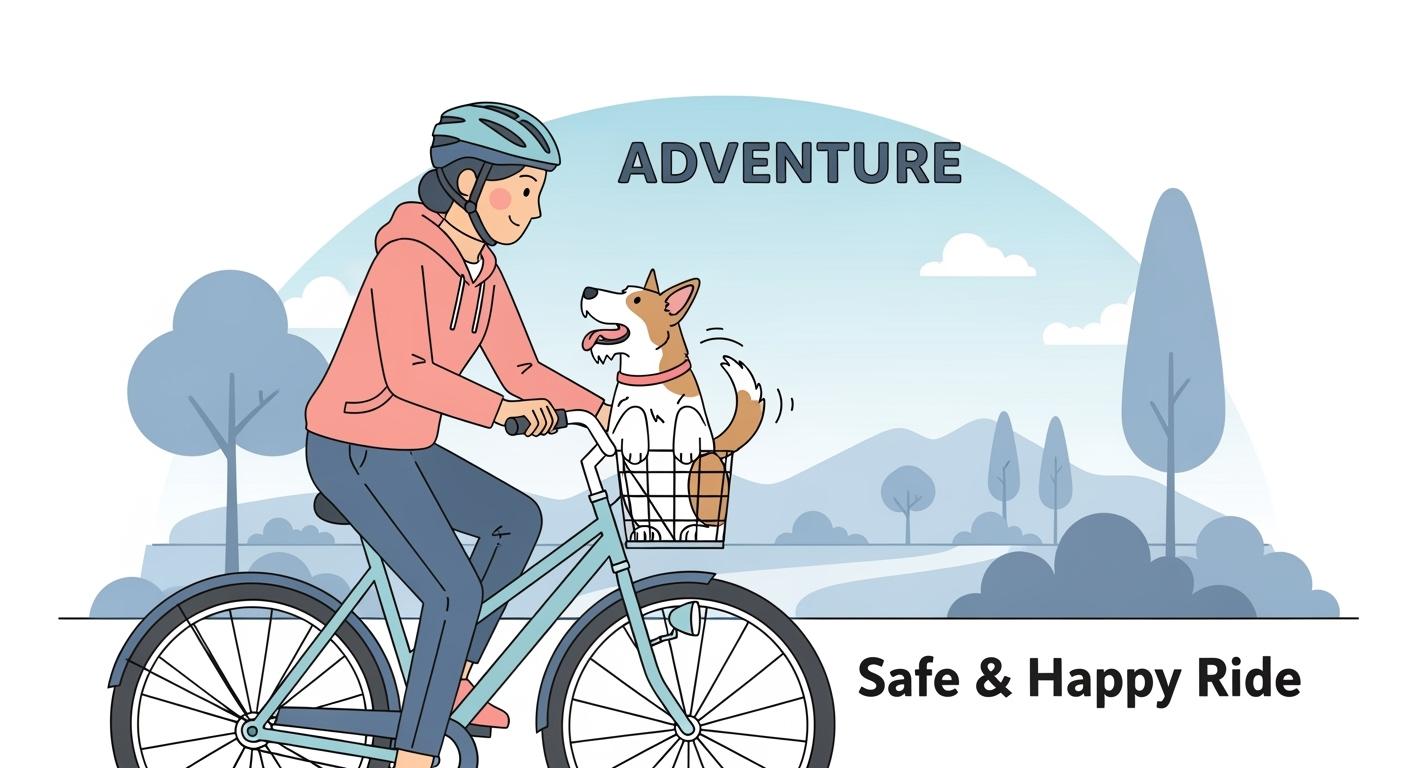
Carrying your dog on a bicycle introduces new sights, sounds, and motion. That can be fun, but it also adds safety risks if your dog becomes frightened, overheated, or unsteady.
Always watch for early signs of stress or discomfort when carrying a dog on a bicycle, and stop immediately if you notice any issues. The goal is to help you recognize stress and safety signals before any problems arise. These tips offer general guidance and do not replace professional medical advice. If your dog has health or behavioral concerns, consult your veterinarian or a professional trainer.
Quick verdict: when a bike ride is safe for your dog
If your dog can settle, breathe normally, and stays steady in the carrier, the ride is usually safe to continue. If you see panic, repeated escape attempts, or heat-warning signs, stop right away and switch to walking.
| Green light | Stop-now |
|---|---|
| Relaxed posture, soft eyes, settles within 1-2 minutes | Scrambling to escape, continuous trembling, collapse, or glazed eyes |
Key Takeaways
- Always watch for signs of stress in your dog while riding. Signs include a tucked tail, stiff posture, or heavy panting.
- If your dog shows panic or attempts to escape, stop the ride immediately. Offer water and a calm environment.
- Use a secure harness tether in the carrier to prevent your dog from escaping. Always check the carrier setup before each ride.
- Train your dog gradually for bike rides. Start with short, stationary sessions to help them feel safe.
- Keep an eye on the weather. Avoid riding in extreme heat and provide shade and water to keep your dog cool.
Quick check: is your ride with a dog safe?
When you ride with a dog, you must check for safety at every stage. Dogs can react differently to the wind, noise, and movement of a bike ride. Use this quick to spot trouble early and keep your dog safe.
Stress or excitement: how to spot the difference
Excitement often looks like wagging tails, alert ears, and eager eyes. Your dog may pant lightly or shift in the carrier but still seem happy. Stress, on the other hand, shows up as:
- Tucked tail or pinned ears
- Stiff or frozen posture
- Whale eye (showing the whites of the eyes)
- Heavy panting or drooling
- Refusing to enter the carrier
Tip: If you see more than one stress sign, pause the ride and check your dog. Safety comes first.
Stop now signals: when to end the ride
Some signals mean you must stop the ride right away. Watch for:
- Panic or attempts to escape
- Sudden weakness or collapse
- Severe panting with drooling and glazed eyes
- Continuous trembling or freezing
If you notice any of these, pull over and help your dog calm down. Never push through these signs. Your dog’s health depends on quick action.
Action Prompt: If you see a stop signal, end the ride and offer water and shade. Prepare to walk your dog home if needed.
When to seek help from a vet or trainer
Sometimes, stress does not go away with rest. If your dog keeps showing signs of fear or discomfort, or refuses to ride again, reach out for help. A veterinarian can check for health issues. A trainer can help your dog get used to riding safely.
Action Prompt: Write down your dog’s behavior and riding habits. Share these details with your vet or trainer for better advice.
Split Guidance Tip: Pet owners should watch for stress and act fast. Businesses offering dog bike rides must train staff to spot these signs and respond quickly.
Signs your dog is stressed or uncomfortable in a bike carrier
When you carry a dog on a bicycle, watch for stress every time. Dogs can show stress in many ways. You can see these signs in your dog’s body, movement, breathing, and voice. Noticing these signs early helps keep your dog safe in the bike carrier.
Body language: freezing, tucked tail, whale eye
Dogs use their bodies to show how they feel. If you see a tucked tail or pinned-back ears, your dog may not feel safe. Whale eye is when you see the whites of your dog’s eyes. This means your dog feels worried. Freezing or standing stiff means your dog is not comfortable in the bike carrier. Some dogs lower their head or body, lick their lips, or yawn when stressed. Your dog might shift weight back or turn away from the front of the carrier.
| Stress Indicator | Description |
|---|---|
| Tucked tail | Held low or between the legs, signaling discomfort |
| Flattened ears | Ears pinned back against the head, showing fear or stress |
| Whale eye | Whites of the eyes visible, a sign of anxiety |
| Lowered body | Dog appears smaller, indicating stress |
| Lip licking | Repeated licking with no food present, early sign of stress |
| Yawning | Not tired, but stressed |
| Brief freezing | Moments of complete stillness |
Action Prompt: If you see these body signs, stop the ride and let your dog rest. Give your dog time to feel better before you start again.
Motion and balance: scrambling, shifting, bracing
How your dog moves in the bike carrier can show stress. Scrambling, bracing, or moving around a lot means your dog feels unsafe. Some dogs try to climb out of the carrier or crouch low like they want to escape. Raised hackles or shaking off can also mean stress. If your dog cannot settle or keeps moving, check for safety.
| Motion Sign | Description |
|---|---|
| Scrambling | Trying to climb or escape, showing discomfort |
| Shifting | Repeatedly changing position, unable to relax |
| Bracing | Stiffening legs to hold steady, sign of stress |
| Raised hackles | Fur standing up along the back, often fear or stress |
| Shaking off | Quick shake, not related to water, sign of stress |
| Crouched body | Ready to retreat, showing significant stress |
Action Prompt: If your dog scrambles or braces in the bike carrier, pull over and check for safety. Walk your dog home if you need to.
Breathing and heat: panting, drooling, glazed eyes
Dogs show stress by how they breathe and handle heat. Heavy panting, drooling, or shallow breaths can mean your dog is anxious or too hot. Glazed eyes or bright red gums are warning signs. A fast heart rate and weakness can happen if your dog stays stressed too long. These signs are common in loud or hot places.
| Common Signs of Stress in Dogs | Description |
|---|---|
| Excessive Panting | Anxiety and stress during travel situations |
| Drooling | Often with panting, shows discomfort |
| Faster Heart Rate | Body reacts to stress |
| Shallow Breathing | Indicates stress levels |
| Glazed eyes | Eyes look unfocused, sign of overheating or stress |
| Bright red gums | May signal heat stress |
Action Prompt: If you see heavy panting, drooling, or glazed eyes while carrying a dog on a bicycle, end the ride and move your dog to a cool, quiet place. Give water and shade right away.
Vocal and avoidance: whining, barking, refusing carrier
Dogs use their voice and actions to show they are not okay. Whining, barking, or yelping can mean your dog feels unsafe in the bike carrier. Some dogs do not want to get in the carrier or try to avoid the ride. Sniffing, scratching, or shaking off can also show stress. If your dog trembles or avoids the carrier, stop and check for safety.
- Whining or yelping means your dog feels scared or uncomfortable.
- Loud barking shows your dog does not feel safe.
- Refusing to enter the bike carrier means your dog is anxious.
- Sniffing or scratching for no reason can mean stress.
Split Guidance Tip: Pet owners should watch for these sounds and actions and act fast. Businesses with dog carriers on bikes must teach staff to spot these signs and keep dogs safe.
Environmental factors that increase stress
Many things around you can make carrying a dog on a bicycle harder for your pet. New places, loud traffic, and crowds can make your dog anxious. Slippery floors or small spaces in the bike carrier can make your dog feel unsteady. Too much activity and no quiet place to rest can stop your dog from calming down.
- New places
- Loud sounds like traffic or building work
- Crowded areas with lots of people
- Slippery floors in the bike carrier
- Small spaces that feel tight
- No quiet spot to relax
Action Prompt: Make a list of your dog’s stress signs and riding habits. Share this with your vet or trainer if you need help with dog carriers on bikes.
Knowing the signs of discomfort when helps you protect your pet. Always check your bike carrier before each ride. If you see stress signs, stop and help your dog feel safe. Spotting these signals early keeps every ride safe and fun.
What to do if your dog shows stress while riding
Slow down, change route, reduce vibration
If you notice your dog showing stress while riding with a dog, act quickly. Slow your speed. Choose a smoother path to reduce bumps and noise. Avoid busy streets and rough surfaces. These changes can help your dog feel safer. Always check your essential safety gear before you continue.
Action Prompt: If your dog still looks worried, stop and check for injuries or overheating. Make sure your pre-ride preparation included a secure carrier and water.
Pull over, offer a break, calm cues
When stress signs appear, pull over to a safe spot. Let your dog rest outside the carrier. Use calm cues to help your dog relax. You can try scent work games or short, fun training sessions. Play soothing music or use a calming pheromone diffuser if you have one. These steps can lower anxiety during emergencies.
- Scent work games
- Short, positive training sessions
- Calming pheromone diffusers
- Soothing music or white noise
Action Prompt: Write down what happened and how your dog reacted. This record helps you adjust your riding with a dog plan next time.
End the ride, walk or carry off bike
If your dog continues to show stress, end the ride. Walk your dog home or carry them off the bike. Do not force your dog to continue riding with a dog if they freeze, shake, or try to escape. Go back to a simpler stage, like sitting still in the carrier. Try again later when your dog feels calm.
Action Prompt: If your dog cannot settle, contact your vet or a trainer for advice. Bring your notes about your dog’s stress signs and riding habits.
Training basics: short sessions, gradual exposure
Training helps your dog feel safe when riding with a dog. Start with short sessions. Let your dog sit in the carrier while the bike stays still. Gradually add tiny rollouts. Make each step easy and positive. If your dog looks scared, stop and try again later. Training should always move at your dog’s pace. This approach builds trust and supports safety measures. For a deeper walkthrough, see more training and riding tips.
Split Guidance Tip: Pet owners should watch for stress and adjust training steps. Businesses must train staff to spot stress and respond quickly.
Bike safety tips and common mistakes
To keep your dog safe on a bike ride, you need to know what to do and what not to do. These bike safety tips help stop accidents and make rides fun.
Panic and escape risks
Dogs can get scared if they do not feel safe. Always use a harness tether inside the carrier. Never let your dog ride without it. Make sure the carrier is closed tight. Watch for signs like scrambling or trying to jump out. These actions can cause falls or injuries.
Common mistakes:
- Not using a harness tether in the carrier
- Leaving the carrier open or unzipped
- Not paying attention to escape tries
- Riding before your dog feels ready
- Putting the carrier where you cannot see well
- Not checking if the carrier is attached right
Action Prompt: If your dog tries to get out, stop the ride right away. Let your dog calm down before you start again.
Overheating and sun exposure
Getting too hot can be very dangerous for your dog on a bike ride. Dogs cannot cool off as well as people. Heat problems can happen fast, especially in the sun or on hot days.
Warning signs of overheating:
- Panting a lot
- Slowing down or looking for shade
- Drooling too much
- Eyes look big and wide
- Bright red tear ducts, ears, or gums
- Tongue looks scooped
- Mouth looks gray
Pick shady paths and ride when it is cooler. Always bring water for your dog. Use carriers with mesh sides for air flow.
Action Prompt: If you see any heat signs, stop and move your dog to a cool, shady place. Give water and let your dog rest.
Carrier setup and restraint do nots
A safe carrier setup is very important. Always use a good carrier that fits your dog’s weight. Make sure the carrier is tight on your bike. Do not use baskets or bags that are not made for dogs. Check all straps and clamps before every ride.
Use a purpose-built bicycle carrier bag (or an equivalent carrier designed for dogs), then double-check the mount, zippers, and tether before you roll.
| Factor | Description |
|---|---|
| Safety | well-fitted carriers and harness tethers keep your dog safe. |
| Stability | A tight mount stops tipping and moving. |
| Comfort | Soft insides and air vents help your dog relax. |
| Weight Capacity | The carrier must fit your dog’s weight. |
| Mounting System | Make sure the carrier works with your bike. |
| Ventilation | Mesh sides let air in and stop overheating. |
| Security Features | Tethers and locks keep your dog from escaping. |
| Weather Resistance | Water-resistant carriers keep your dog dry. |
| Visibility | Reflective strips or lights help in low light. |
Split Guidance Tip: Pet owners should check the carrier before every ride. Businesses must teach staff to secure carriers and watch for escape risks.
Gear checks and replacement signals
You need to check your gear often. Look for straps that are worn, loose stitches, or weak clamps. Check your carrier and harness every month. Replace anything that looks broken. Do not wait for something to break during a ride.
If you are upgrading your setup, browse bike and travel gear and choose items that match your dog’s weight and your bike’s mounting points.
Bike safety tips for gear:
- Check straps, stitches, and clamps every month
- Replace worn or broken parts right away
- Test if the carrier is attached before each ride
- Only use carriers made for dogs
- Do not put too much weight in the carrier
- Keep all gear clean and dry
Action Prompt: Make a checklist for your dog’s gear and riding habits. Look at it before each ride to avoid mistakes.
Common mistakes to avoid
- Using the wrong carrier for your dog’s size
- Skipping safety checks before riding
- Riding in very hot weather or strong sun
- Not watching for early stress signs
- Forgetting water or shade breaks
- Letting your dog ride without a harness
- Not fixing the carrier for balance
- Not noticing worn out gear
These bike safety tips help you avoid mistakes and keep your dog safe on every ride.
You can create a safer, more enjoyable ride by watching for early discomfort and using the same quick checks every time.
- Choose good weather and provide shade or waterproof covers.
- Use well-fitted harnesses and padded baskets.
- Start with short, stationary sessions to help your dog adjust.
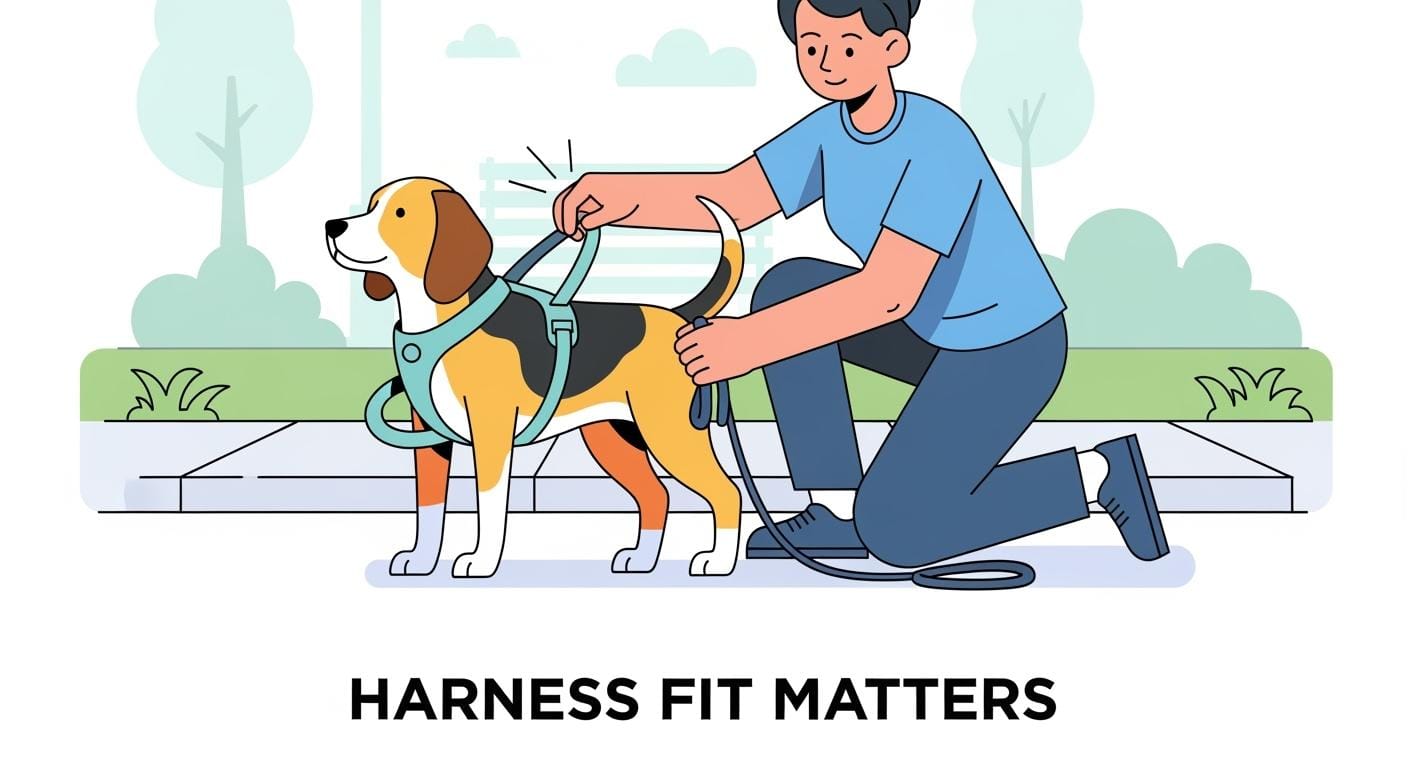
- Check your harness before each ride.
A happy dog will show these signs:
| Signs of a Happy Dog |
|---|
| Relaxed facial expressions |
| Relaxed body language |
| Fulfillment of basic needs |
If you ever feel unsure, stop the ride. Your dog’s comfort and safety always come first.
FAQ
Action Prompt: If you have questions about your dog’s safety or comfort, write them down and discuss them with your veterinarian or a professional trainer.
How do I choose the right dog carrier for bike rides?
You should pick a dog carrier for bike that matches your dog’s size and weight. Check for secure straps and good ventilation. Make sure the carrier attaches firmly to your bike and keeps your dog safe during every ride.
What are the first steps for getting your dog comfortable with bike rides?
Start by letting your dog explore the carrier at home. Use treats and praise. Try short, slow rides in a quiet area. Watch your dog’s body language for signs of stress or excitement.
How can I tell if my dog is too hot during a ride?
Look for heavy panting, drooling, or bright red gums. If your dog seems weak or has glazed eyes, stop right away. Move your dog to a cool place and offer water.
What should I do for keeping your dog comfortable on longer rides?
Plan for breaks every 15 to 20 minutes. Offer water and let your dog stretch. Choose shaded routes and avoid riding in the hottest part of the day.
Can all dogs ride safely in a bike carrier?
Not every dog enjoys bike rides. Puppies, senior dogs, or those with health issues may not be safe. Always check with your vet before starting new activities.