Car tether for dogs: harness vs collar and how it affects safety every trip

Car tether for dogs: harness vs collar and how it affects safety every trip

You want to keep your dog safe every time you drive. Always use a harness, not a collar, for your car tether. A harness helps you safely secure your dog and protects the neck from sudden force. Simple steps like checking the fit and setup before each trip increase safety for both you and your pet. Make sure you create a routine that puts your dog’s comfort first.

Key Takeaways

  • Always use a harness, not a collar, to secure your dog in the car. Harnesses spread force across the chest, reducing the risk of neck injuries during sudden stops.

  • Check the fit of your dog’s harness before every trip. Use the two-finger rule to ensure it is snug but not too tight, allowing for comfort and movement.

  • Choose a crash-tested harness for maximum safety. These harnesses have passed tests for strength and can better protect your dog in case of an accident.

  • Adjust the tether length so your dog cannot reach the front seat or footwell. This prevents distractions and keeps your dog secure during travel.

  • Inspect your dog’s harness and tether regularly for signs of wear or damage. Replace any equipment that shows fraying or broken parts to ensure safety.

Car tether: harness or collar for safety?

Why collars risk neck injury in sudden stops

When you attach a car tether to your dog’s collar, you put all restraint force on the neck. In a sudden stop, the collar can press into the throat and cervical spine. This pressure can cause pain, airway problems, or even injury. Small dogs and those with short noses face even higher risks. Their necks are delicate, and a collar does not protect them from sudden movement.

Tip: Always use a collar for ID tags, not for restraint in the car.

Table A: Collar vs Harness Attachment Comparison

Feature

Collar Attachment

Harness Attachment

Force Location

Neck and throat

Chest and shoulders

Injury Risk

High in sudden stops

Lower, force spread out

Comfort

Can choke or strain

More comfortable, less pressure

Escape Risk

Can slip off or break

Less likely if fitted correctly

Best Use

ID tags only

Car tether, restraint to a harness

Harnesses spread force and protect your dog

A harness changes how a car tether works. When you use a harness, the restraint force spreads across your dog’s chest and shoulders. These areas are stronger and can handle sudden stops better. You help your dog avoid neck injuries and keep them more comfortable during the ride.

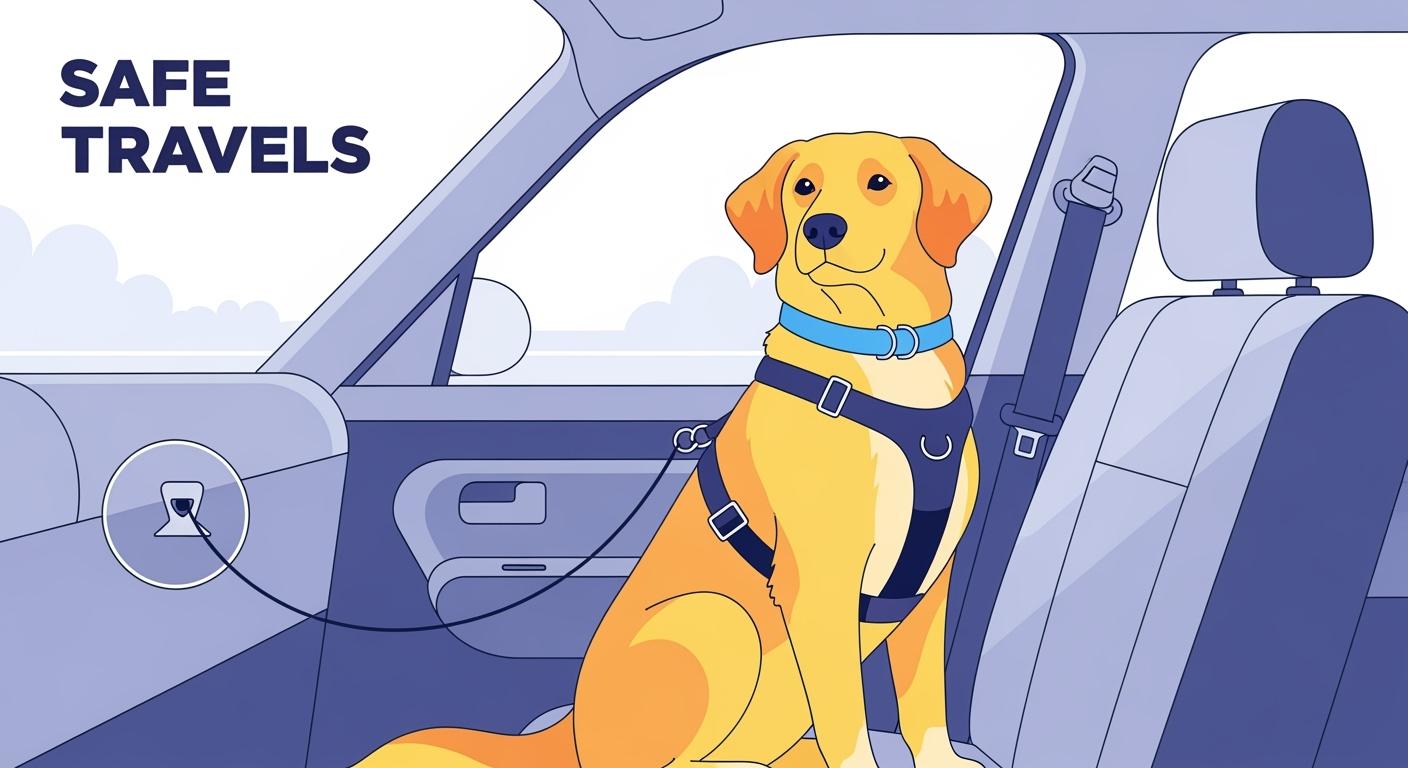
You should always attach the car tether to the back point of the harness unless the harness instructions say otherwise. This setup keeps your dog facing forward and reduces twisting. A crash tested harness gives you extra peace of mind because it has passed independent tests for restraint strength.

Table B: Tether Setup Decision Table

Dog Type

Best Attachment

Tether Length (in/cm)

Harness Fit Check

Calm Small Dog

Harness, back point

12-18 in / 30-45 cm

Snug, two fingers under straps

Strong Puller

Crash tested harness, back point

8-14 in / 20-35 cm

No slack, cannot reach front seat

Anxious Dog

Crash tested harness, back point

10-16 in / 25-40 cm

Check for rubbing or twisting

Distraction control vs crash-tested protection

Not every car tether or harness is crash tested. Many products help control distraction but do not protect your dog in a crash. You should look for a crash tested harness if you want the highest level of safety. Always read the product label and instructions. If you use a car tether for restraint to a harness, make sure the harness is strong and fits well.

Scenario 1: Calm Small Dog

You have a small, calm dog who likes to lie down during car rides. If you attach the car tether to the collar, a sudden stop could hurt your dog’s neck. Instead, choose a harness that fits snugly around the chest. Set the tether length to about 14 in / 35 cm. Your dog can sit or lie down comfortably, but cannot reach the front seat. After a short drive, check that the harness stays in place and does not twist.

Scenario 2: Strong Puller or Anxious Dog

Your dog pulls hard or gets anxious in the car. Use a crash tested harness with a sturdy back attachment. Set the car tether to a shorter length, such as 10 in / 25 cm. This keeps your dog in the safe zone and prevents jumping forward. Make sure the harness fits tightly but does not rub. After a test drive, check for signs of chewing, twisting, or panic. Adjust the fit if needed.

Note: Always check your dog’s harness and car tether before every trip. Look for signs of wear, chewing, or loose hardware.

Collar risks: why buckle up your dog with care

Neck pressure and airway dangers

When you attach a car tether to a collar, you place restraint force directly on your dog’s neck. Sudden stops can cause the collar to press into the throat. This pressure may lead to discomfort or breathing problems. You might notice your dog coughing or pulling against the collar. The neck and airway are sensitive areas. You want to avoid loading these parts with force during travel.

Tip: Always check your dog’s collar fit before each trip. Make sure you can slip two fingers under the strap.

Extra caution for small and short-nosed dogs

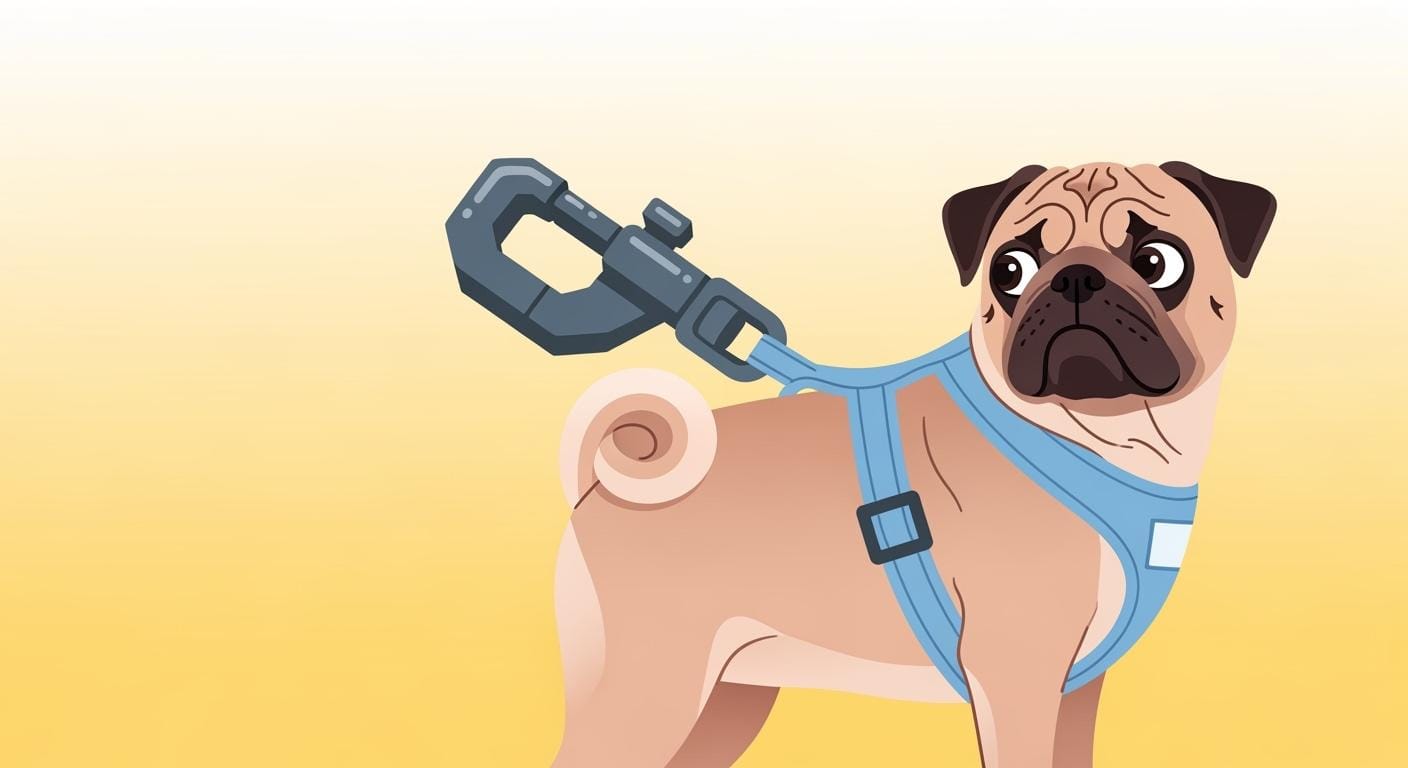
Small dogs and breeds with short noses need extra care in the car. Their necks are more delicate than those of larger dogs. A collar can increase the risk of injury if your dog moves suddenly or if you brake hard. Short-nosed dogs, such as pugs or bulldogs, may have breathing challenges even without restraint. You help protect your dog by choosing a harness for car travel.

Here is a quick comparison:

Dog Type

Collar Risk Level

Safer Alternative

Small breed

High

Well-fitted harness

Short-nosed breed

High

Harness, back attachment

Large breed

Moderate

Harness recommended

When collars are for ID, not restraint

You should use a collar for identification tags only. The collar holds your dog’s name and contact information. It does not provide safe restraint in the car. If you want to keep your dog secure, attach the car tether to a harness. This choice helps you avoid neck injuries and keeps your dog comfortable. Always check that the harness fits well and the tether is the right length for your dog’s size.

Note: If your dog wears a collar, make sure it is not too tight or too loose. The collar should stay on for ID but not for car restraint.

Harness basics: safely secure your dog

Back vs front attachment points

You want your dog to stay safe and comfortable during every car ride. When you use a dog safety harness, always attach the car tether to the back point unless the harness instructions say otherwise. The back attachment helps keep your dog facing forward and reduces twisting. Front points are usually for walking, not for car travel. This setup spreads force across the chest and shoulders, which protects your dog better in sudden stops.

Fit checks to prevent twisting and escape

A good fit is key for any dog car harness. You should check the fit after your dog wears the harness a few times, after grooming, or if your dog gains or loses weight. Use these steps to make sure the harness fits well:

  • Try the slip test. Gently pull backward on the harness. It should stay secure and not slip off.

  • Use the two-finger rule. You should fit two fingers under each strap. This keeps the harness snug but not too tight.

  • Check that straps sit behind the front legs and do not rub the armpit area.

  • Make sure your dog can move its shoulders freely. The harness should not restrict natural movement.

  • Watch for signs of discomfort, slipping, or twisting. Adjust the harness size as needed.

Tip: Always check the harness fit before each trip to prevent escape or injury.

Signs of durable hardware and webbing

You want a harness that lasts and keeps your dog safe. Look for these features when choosing a harness:

Feature

Description

Metal hardware

Strong, smooth edges help prevent breakage

Reinforced stitching

Extra stitching at stress points adds strength

Swivel action

Reduces tangling and lets your dog move naturally

Webbing quality

Thick, tightly woven straps resist wear and chewing

Maintenance

Spot clean to keep hardware and webbing in good shape

If your dog chews on straps, consider a harness with chew-resistant materials. Always check for signs of wear, such as fraying or bent clips. Replace the harness if you see damage. A well-chosen dog car harness gives you peace of mind and helps keep your dog secure every trip.

Car tether types and setup steps

Car tether types and setup steps

Buckle, headrest, and anchor styles

You have several options when choosing car restraints for your pet. Buckle tethers clip directly into the seat belt receiver. Headrest tethers loop around the headrest posts and secure with a clip. Anchor tethers attach to built-in anchors in your car, often found in the back seat. Each style helps keep your pet safe during travel. Buckle tethers work well for quick setups. Headrest tethers fit cars with adjustable headrests. Anchor tethers offer a strong connection for larger pets. Always check your car manual to find anchor points before you install any restraint.

Tether Style

Best Use

Setup Location

Buckle

Quick trips, small pets

Seat belt receiver

Headrest

Adjustable headrests, medium pets

Back seat

Anchor

Large pets, extra security

Car anchor points

Adjustable vs fixed length tethers

You can choose between adjustable and fixed length tethers for dog travel. Adjustable tethers let you change the length to fit your pet’s size and seat position. Fixed length tethers stay the same and work best if you always use the same seat. Adjustable tethers help you set the correct way to buckle up for each trip. You want your pet to sit or lie down naturally, but not reach the front seat or footwell. Fixed length tethers offer simplicity, but you must check that the length matches your pet and car setup.

Tip: If your pet changes seats or grows, adjustable tethers give you more flexibility for proper restraints.

Avoiding failure with proper length

Setting the correct way to buckle up your pet prevents problems during travel and reduces accident risk. Follow these steps for safe tether setup:

  1. Clip the tether to the back attachment point of your pet’s harness.

  2. Place your pet in the intended seat.

  3. Adjust the tether so your pet cannot reach the front seat or step into the footwell.

  4. Check that your pet can sit, stand, and lie down without pulling the harness upward.

  5. Take a short test ride. Watch for twisting, rubbing, or panic. If you see any issues, adjust the tether length.

  6. Inspect clips and webbing for signs of wear after each trip.

Note: A tether that is too long can let your pet move into unsafe areas. A tether that is too short may cause discomfort or stress. Always check both comfort and safety before every trip.

You help prevent accident injuries by using proper restraints and checking your setup each time you travel. This routine keeps your pet secure and makes dog travel safer for everyone.

Tether length: comfort and safety for your dog

Measuring for sitting and lying positions

You want your dog to ride comfortably and safely in your vehicle. Start by measuring your dog when it is relaxed. Use a tape measure to check your dog’s length from nose to tail and width across the shoulders. Add 4-8 inches (10-20 cm) to the length so your dog can stretch and shift positions. Add 2-4 inches (5-10 cm) to the width for turning and sitting. Make sure the tether allows your dog to sit upright and lie down without pulling the harness upward. This helps you balance car safety with comfort.

Tip: Always measure your dog in the position it prefers during rides. Adjust the tether if your dog grows or changes habits.

Preventing tangling and front seat reach

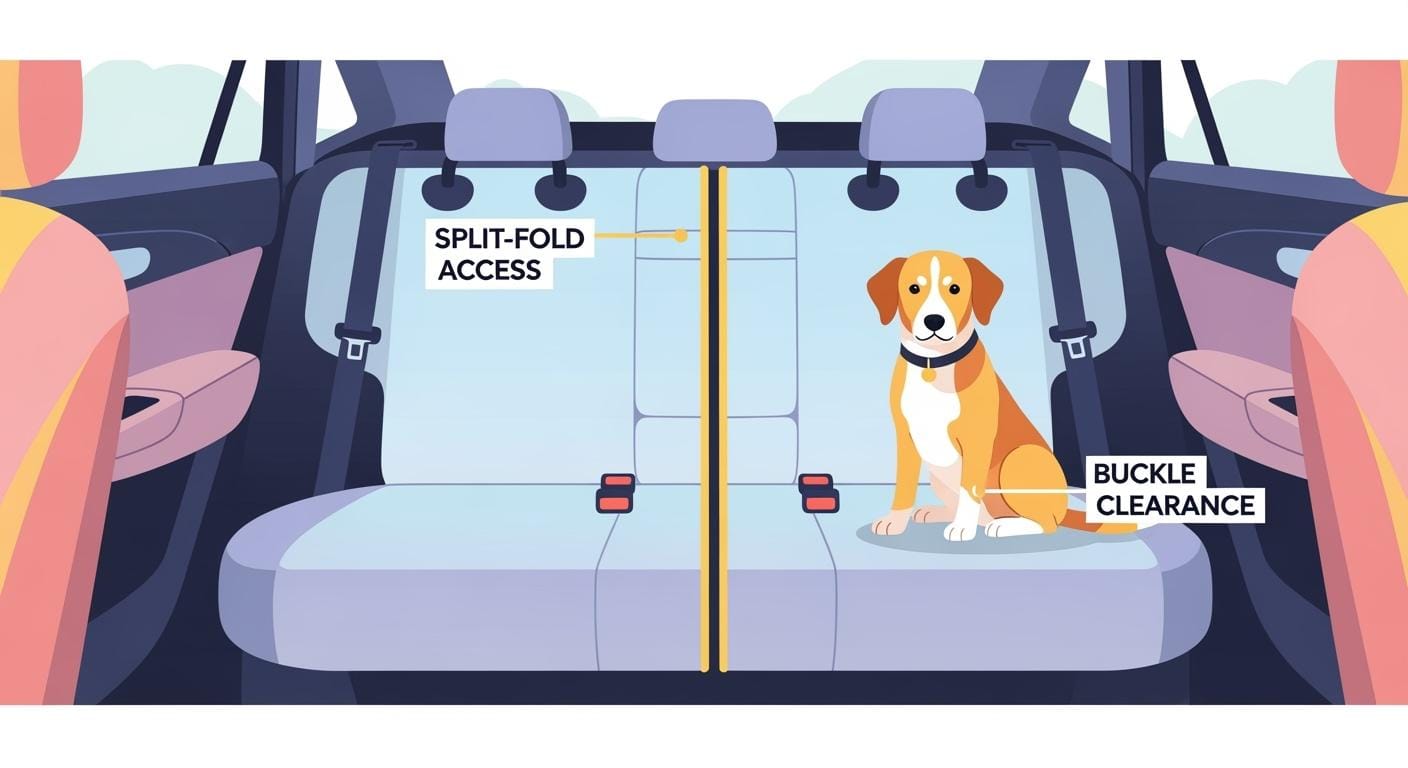
A proper tether length keeps your dog secure and prevents distractions. You should keep the tether short enough so your dog cannot climb into the front seat or step into the footwell. Attach the tether to the harness back point and route it away from the seatbelt path. If you notice tangling, adjust the tether’s position or length. Make sure the tether does not wrap around your dog’s legs or get caught in the seatbelt. Your dog should have enough room to sit, lie down, and turn, but not enough to reach the driver area.

  • Check that the tether does not cross over the seatbelt.

  • Confirm your dog cannot reach the front seat edge.

  • Adjust the tether if you see tangling or rubbing.

Red flags after a test drive

After a short drive, look for signs that the tether setup needs improvement. Watch for these red flags:

Red Flag

What It Means

Harness rotates or rides up

Tether may be too short or twisted

Dog reaches front seat area

Tether is too long

Tether tangles around a leg

Routing needs adjustment

Clips bend or do not close well

Hardware may need replacement

Webbing shows fresh abrasion

Check for wear and replace if needed

If you spot any of these issues, adjust the tether length or setup before your next trip. Regular checks help you maintain car safety for your dog and keep your vehicle free from distractions.

Note: Always inspect the harness and tether after wet rides to prevent odor and hardware corrosion.

Common mistakes when you buckle up your dog

Wrong attachment points and fit issues

When you buckle up your dog, you want to keep them safe and comfortable. Many owners make mistakes with harness attachment and fit. If you strap your dog in using the wrong point or a loose harness, you risk injury. Always use the back attachment point unless the harness instructions say otherwise. Check that straps do not cross over the shoulders or rub the armpits. A harness that is too tight or too loose can cause discomfort and restrict movement.

Here is a table showing how common fit mistakes can affect your dog:

Issue

Consequence

Incorrect adjustment

Can cause pressure points and restrict movement

Straps crossing shoulders

Blocks movement and creates pressure points

Tight harness

Stops dog from moving well and causes rubbing

Pressure points

Can lead to discomfort and injuries

Tip: Always check the harness fit before you buckle up your dog for every trip.

Size labels vs actual fit and car match

Size labels on harnesses and tethers can be confusing. You might pick a size that matches your dog’s weight, but the fit could still be wrong. Before you buckle up your dog, try the harness on and adjust the straps. Make sure your dog can sit, stand, and lie down naturally. The harness should not ride up toward the neck or twist to the side. Test the fit in your car to confirm your dog cannot reach the front seat or step into the footwell. If you strap your dog in and notice slipping or twisting, adjust the harness or try a different size.

Note: Always measure your dog and check the fit in the car, not just by the label.

Chew risk, wear, and cleaning habits

Dogs sometimes chew on their gear, especially during long rides. If you buckle up your dog with a tether that shows signs of chewing or wear, you risk failure. Choose tethers with strong stitching and durable hardware. Inspect the webbing, buckles, and clips before each trip. Clean the gear after wet rides to prevent odor and corrosion. Replace any harness or tether that shows fraying, bent clips, or loose stitches.

Here is a practical inspection checklist:

  • Check stitching for loose threads or gaps.

  • Inspect webbing for fraying or cuts.

  • Test buckles and clips for bending or poor closure.

  • Clean gear with mild soap (nylon) or proper cleaner (leather).

  • Replace gear if you see damage or if the harness does not fit after adjustment.

Tip: Regular checks help you buckle up your dog safely every time.

Buyer tips: choosing the right car tether and harness

Assortment by dog size and car anchor

You want to match your dog’s size and travel style with the right car tether and harness. Small, calm dogs do best with a harness tether that has short slack. Large, active dogs need a harness tether with swivel action to prevent tangling. If you travel with more than one pet, look for harness tethers with a universal fit. Always check your car for anchor points before you buy. Some tethers clip into seat belt receivers, while others loop around headrests or attach to built-in anchors. Measure your dog’s body and the seat space. Add 2-4 inches (5-10 cm) to your dog’s width and 4-8 inches (10-20 cm) to their lying length. This gives your dog enough room to sit, turn, and lie down comfortably.

Tip: Adjust the tether slack if your dog seems cramped or tangled during rides.

Feature

Description

Swivel action

Prevents tangling, allows greater mobility

Tether length

15-22 in / 38-56 cm supports a range of movement

Universal fit

Works with most vehicles

Safety note

Designed to prevent distracted driving

Packaging and instructions for safety

You should always read the packaging and instructions before using a new car tether or harness. Look for clear diagrams and step-by-step guides. Good instructions show you where to attach the tether and how to adjust the harness for a snug fit. Some products include safety notes about proper use and maintenance. If the instructions mention a specific anchor point or setup, follow those details. Check for labels that list the recommended dog size and car compatibility. Well-marked packaging helps you avoid mistakes and keeps your dog safer on every trip.

Note: Save the instructions for future reference. You may need them if you change cars or adjust the harness as your dog grows.

Key questions for customer service

Before you buy, ask customer service a few key questions. These help you choose the best product for your needs:

  • Does this tether fit my car’s anchor points or seat belt receiver?

  • What harness size matches my dog’s weight and body shape?

  • Is the tether adjustable for different seat positions?

  • Does the harness have chew-resistant materials or reinforced stitching?

  • Are there instructions for cleaning and maintaining the gear?

If you get clear answers, you can feel confident about your purchase. Good customer support helps you set up your dog’s car safety gear the right way.

Tip: Write down your dog’s measurements and car anchor type before you contact customer service. This makes the process faster and easier.

Harnesses keep your dog safer than collars with a car tether. You help your pet by checking the harness fit before each drive. Make sure the tether is the right length for your dog. Always look at the gear to see if it is worn or broken. Do these checks every time you travel with your dog. Tell your friends these safety tips if they take dogs in the car.

Safety Note: This blog shares general safety advice. If your dog has neck or airway problems, talk to your veterinarian for help.

FAQ

Can I use my dog’s regular harness for car travel?

You should use a harness designed for car safety. Regular walking harnesses may not spread force well during sudden stops in a car. Look for harnesses with strong webbing and metal hardware. Always check the fit before traveling in cars.

How do I measure tether length for my dog in the car?

Measure your dog’s length from nose to tail and add 4-8 inches (10-20 cm). Your dog should sit and lie down naturally in the car. Adjust the tether so your dog cannot reach the front seat or step into the footwell.

What is the safest place for my dog in the car?

The back seat is usually the safest spot for your dog in the car. This area keeps your dog away from airbags and reduces distraction. You can use crash tested crates or a harness with a car tether for extra protection when traveling in cars.

How often should I check my dog’s car harness and tether?

Check your dog’s car harness and tether before every trip. Look for fraying, bent clips, or loose stitching. Clean gear after wet rides to prevent odor and corrosion. Replace any damaged equipment to keep your dog safe in the car.

Can my dog ride in the front seat of the car?

You should avoid letting your dog ride in the front seat of the car. Airbags can injure pets during sudden stops. The back seat keeps your dog safer and helps prevent distraction when traveling in cars.

Get A Free Quote Now !

Table of Contents

Blog

Canine Pulling Harness How to Spot Wear Before a Hard Pull Turns Risky

Spot wear on your canine pulling harness by checking stitching and hardware before each hard pull to ensure durability and keep your dog safe.

Puppy Collars Custom: How to Check Tightness and Prevent Slipping Safely

Puppy collars custom should fit snugly with two fingers under the collar. Use the slip test to prevent loss and keep your puppy safe and comfortable.

Dog Running Leash: How to Select Hands-free or Standard Based on Real Pulling Patterns

Choose the right dog running leash by matching hands-free or standard setups to your dog's pulling and walking style for safety and control.

Dog Carry Bike Risk Checklist: Body Language Warnings and When to Stop Immediately

Spot stress or danger in your dog during dog carry bike rides. Learn body language warnings and when to stop for your dog's safety on hikes or rainy walks.

Which Waterproof Dog Bed Stays Dry on Wet Ground?

A waterproof dog bed with sealed seams, strong base, and high hydrostatic head value keeps your dog dry on wet ground during outdoor use.

Dog Leashes: How to Spot Wear Before a Leash Fails on a Walk

Check dog leashes for fraying, weak stitching, and hardware issues before walks. Spot stress points early to prevent leash failure and keep your dog safe.
Scroll to Top

If You Have Any Questions, Please Do Not Hesitate To Contatct With Us.

Get A Free Quote Now !

Welsh corgi wearing a dog harness on a walk outdoors