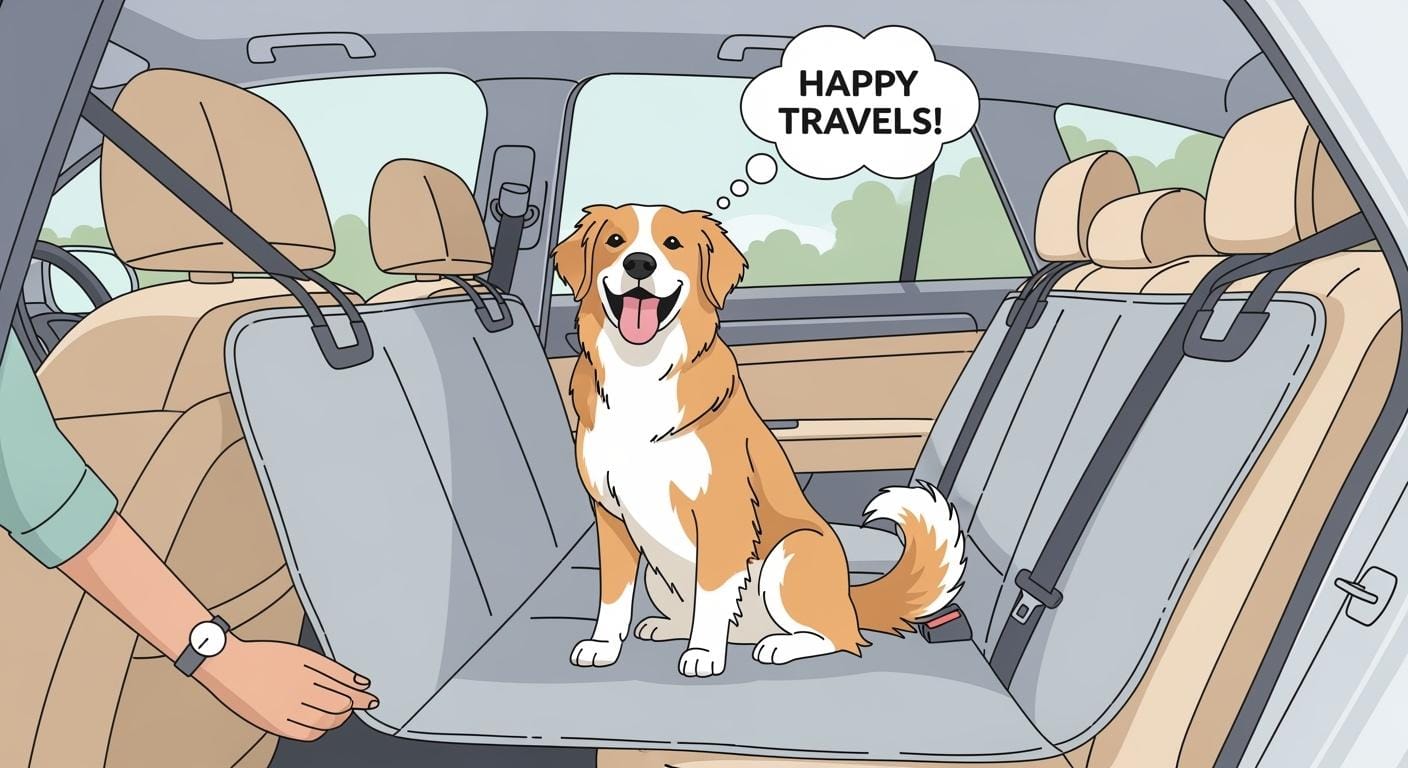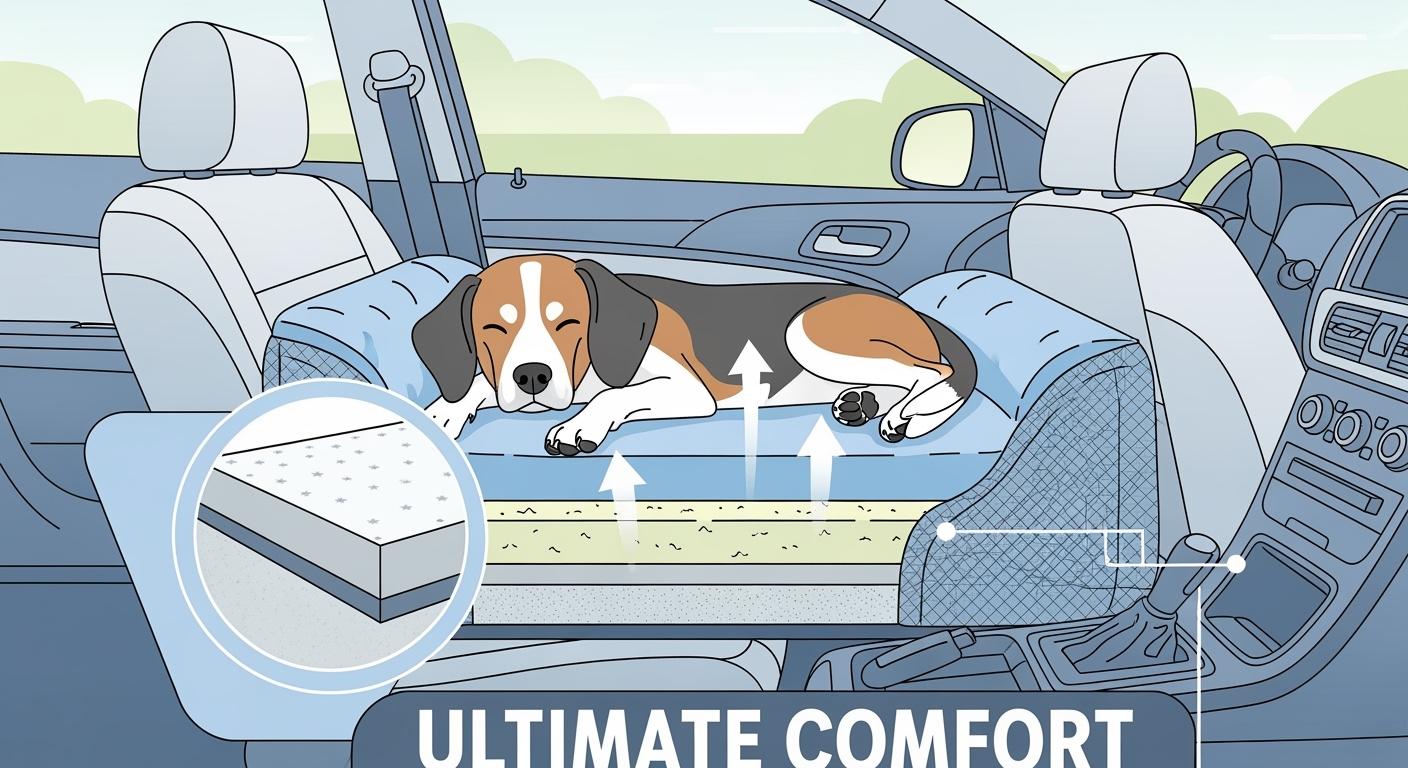
A car bed dog setup works best when the materials match how your dog actually rides. Surface feel, foam support, side shape, and clean-up effort all affect whether your dog settles or keeps shifting. A soft look alone does not mean better comfort. What matters is whether the bed supports your dog’s body, stays stable on the seat, and can be cleaned without trapping odor or moisture. Comfort can improve the ride experience, but a soft car bed is not the same as crash protection. Choose the bed by your dog’s size, posture, heat tolerance, and how messy your typical trips are.
Key Takeaways
- Choose a car bed by fit and body support first, then by softness. A bed that stays flat and supports your dog is usually more useful than one that only looks plush.
- Measure both your dog and the usable rear-seat area before you buy. Good fit reduces tipping, sliding, and awkward posture during the ride.
- Look for removable covers, durable seams, and materials that dry fully after cleaning. Easy care matters if your dog sheds, tracks mud, or rides often.
Car Bed Dog Fit Checks
Body Position & Side Support
You want your dog to feel supported every time they ride in your car. Start by checking how your dog sits and lies in the car bed dog. Look for a bed that lets your dog stretch out or curl up without crowding. Your dog should not tilt or slide. Side support matters for comfort and safety. Bolsters or raised edges help your dog lean and rest their head. If your dog likes to curl against the sides, measure the widest point when they curl up. This helps you choose the right size for your pet.
Tip: Watch your dog settle in the travel bed. If your dog looks relaxed and stays in place, you have good side support. If your dog slides or bunches the surface, try a bed with firmer bolsters or adjustable straps.
Seat Footprint & Bed Depth
Check the usable seat footprint before you buy a car bed dog. Measure the rear-seat width and depth. Make sure you account for seat buckles and contours. Place the bed on the seat and see if it fits flat. Your dog needs enough space to sit, lie down, and turn. Measure your dog’s relaxed body length from nose to tail base. Also, measure their curled width. Compare these measurements to the bed’s size.
Here is a quick guide for measuring:
| Measurement Type | Description |
|---|---|
| Curled Width | Measure the widest point when your dog curls up, especially if they lean against bolsters. |
| Seat Footprint | Measure the usable rear-seat width and depth, accounting for buckles and seat contours. |
| Dog Resting Position | Measure relaxed body length from nose to tail base and curled width when the dog tucks in. |
| Usable Area Measurement | Identify the flat area where the bed will sit, considering seat contour and buckle positions. |
Larger car bed options need extra depth and width. Small pets need less space but still need room to turn and settle. Adjustable straps help secure the bed and keep it from sliding.
Stable Settling & No Tipping
Your dog should settle in the car bed dog without tipping or bunching the surface. Place the bed on the seat and secure it with adjustable straps. Watch your dog get in and move around. The bed should stay flat and not tip when your dog shifts. If your dog slides or the bed moves, check the straps and base grip. Comfort depends on stable settling. Your pet should not feel unstable during the ride.
Note: Stable settling prevents your dog from feeling anxious or uncomfortable. If your dog seems nervous or keeps shifting, check the bed’s position and adjust the straps.
Pass/Fail Checklist Table
Use this checklist to quickly assess fit and comfort for your dog in the car bed dog. Each item helps you spot problems and fix them before your next road ride.
| Check Item | Pass Signal | Fail Signal | Fix |
|---|---|---|---|
| Usable Seat Footprint | Bed fits flat, covers seat area | Bed hangs off, blocks buckles | Adjust bed size or seat placement |
| Body Position in Bed | Dog sits, lies, turns easily | Dog crowded, tilted, forced posture | Choose larger bed or adjust bolsters |
| Stable Settling | Bed stays flat, no tipping or sliding | Bed tips, slides, bunches surface | Secure with adjustable straps, check base grip |
| Side Support | Dog leans, rests head comfortably | Dog slides off, no support | Add bolsters or firmer sides |
| Comfort Level | Dog relaxes, settles quickly | Dog anxious, keeps shifting | Adjust bed, check fit and support |
Check each item before every road ride. Larger bed setups need extra attention to footprint and depth. Small pets may need extra bolsters for comfort. Adjustable straps help keep the bed secure. Comfort and support matter for every pet, every ride.
Reminder: Car bed dog is for comfort and positioning. It does not provide crash protection. Always use proper restraints for your dog and never leave pets unattended in the car.
Car Bed Dog Materials and Cleaning
Soft-Touch vs Easy-Clean Surfaces
Surface feel changes how quickly your dog settles. Plush or brushed fabrics can feel warmer and softer, while smoother easy-clean fabrics are simpler to wipe after muddy or wet trips. Neither surface is automatically better. The better choice depends on whether your dog values soft contact, runs hot, sheds heavily, or rides after outdoor activity. For many owners, the best setup balances touch comfort with realistic cleanup.
Tip: Pick a car bed dog with a machine washable cover. Removable covers help control smells, allergens, and hair. Beds without removable covers get dirty and smelly quickly.
Padding, Airflow & Heat Balance
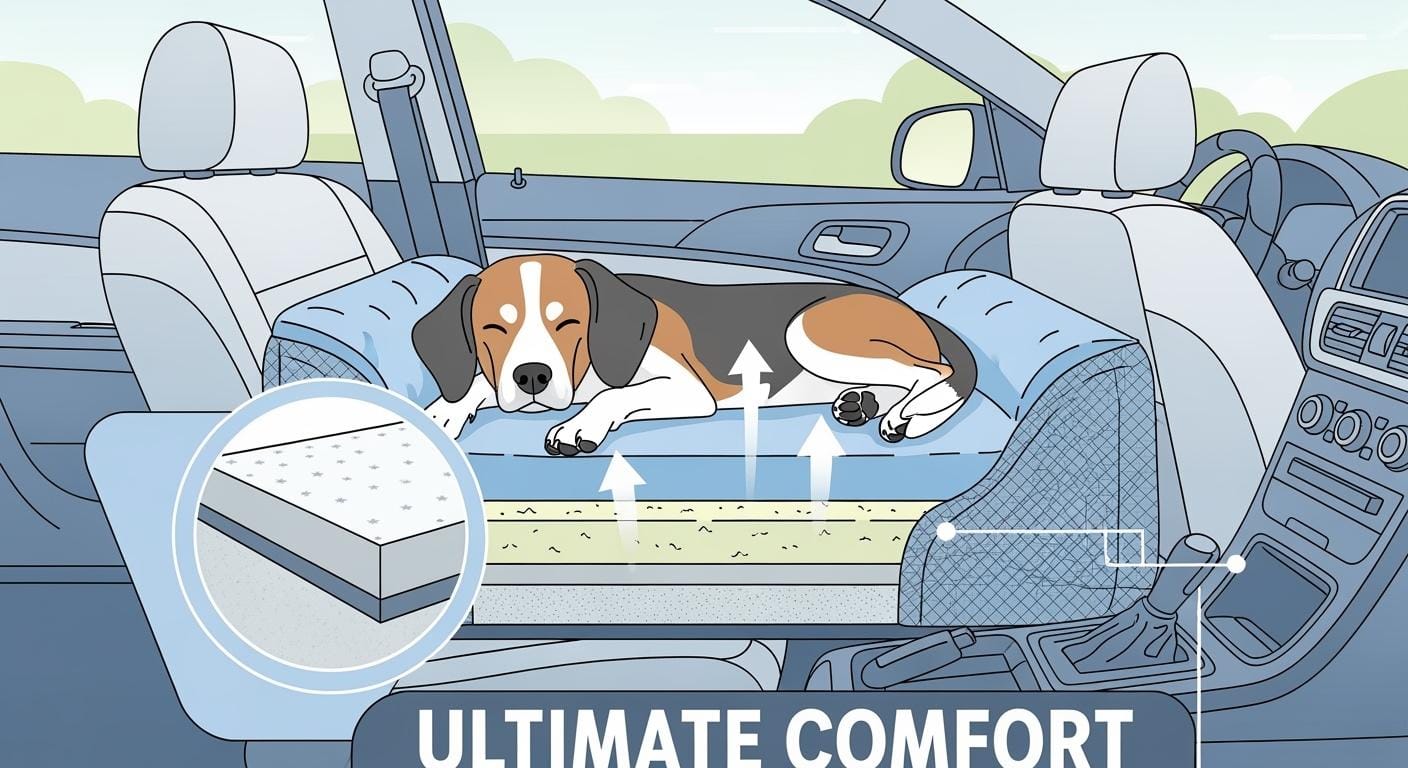
Padding affects both comfort and posture. Softer foam can feel cozy at first, but if the bed compresses too much your dog may lean, bunch the surface, or keep repositioning. Firmer foam or better side structure can help heavier dogs stay more level. Airflow matters too. Dense plush fabrics may feel comfortable in cool weather but trap more heat on longer rides, while breathable panels or lighter covers can help dogs that run warm. Choose the balance your dog actually needs rather than assuming more padding is always better.
Note: Comfort is about more than just soft filling. Surface grip, side support, and heat control all matter for your dog. Foam padding helps your pet relax, but airflow and heat balance keep them happy on long trips.
Removable Covers & Seam Zones
Removable covers make routine care much easier, especially if your dog sheds, drools, or rides after wet walks. Seam zones matter because repeated entry, turning, and scratching often show wear there first. Look for stitching that stays even and flat instead of puckering or separating at the corners. A moisture-resistant layer can help delay liquid from reaching the fill, but seams, zipper areas, and strap openings still deserve extra checking after spills. Easy cleaning is useful only when the bed can also dry fully before the next ride.
Cleaning Checklist:
- Removable, washable covers
- Mild pet-safe cleaner or gentle soap
- Soft cloth or brush for seams and corners
- Drying time long enough for the cover and inner fill
Hygiene Reminder: Removable covers make it easier to manage hair, odor, and routine dirt. Beds without removable covers usually take more effort to keep fresh between rides.
Comparison Table
You need to look at different car bed dog materials and designs. This table helps you pick what works best for your pet and your cleaning routine.
| Feature | Plush Interior | Easy-Clean Interior | Bolstered Bed | Flat Pad Style |
|---|---|---|---|---|
| Comfort Level | High | Moderate | High for dogs that like side support | High for dogs that prefer to stretch out |
| Cleaning Ease | Moderate | High | Moderate | Moderate |
| Machine Washable Design | Sometimes | Usually | Varies by cover design | Varies by cover design |
| Durability | Moderate | High | Depends on bolster seams | Depends on base fabric and fill |
| Heat Balance | Warm | Cool | Cool | Depends on fill depth |
| Airflow | Low | High | Moderate | High |
| Adjustable Straps | Sometimes | Usually | Sometimes | Sometimes |
| Best For | Calm pets | Active pets | Dogs that lean into sides | Dogs that sprawl flat |
Troubleshooting Table
You might notice cleaning or material problems with your car bed. Use this table to find and fix issues quickly.
| Symptom | Likely Cause | Fast Check | Fix |
|---|---|---|---|
| Odor persists | Cover not washed enough | Smell cover and foam | Wash cover, air out foam |
| Stains remain | Weak cleaner or old stain | Inspect stain after cleaning | Repeat spot cleaning with a pet-safe cleaner |
| Fur buildup | Not vacuumed regularly | Check seams and corners | Vacuum weekly, use microfiber cloth |
| Bed feels damp | Wet cover or foam | Touch surface and foam | Dry fully before reuse |
| Bed tears | Weak seams or rough use | Inspect stitching | Choose durable materials, reinforce seams |
| Bed slides in car | Loose adjustable straps | Tug bed after placement | Tighten straps, check base grip |
| Dog overheats | Poor airflow or thick padding | Feel bed after ride | Choose bed with mesh or ventilated sides |
| Dog anxious | Unstable bed or poor comfort | Watch dog settle | Adjust straps, add foam or bolsters |
Cleaning Baseline: Wash covers as often as your dog’s riding routine requires. Follow care labels and make sure both the cover and inner layers are fully dry before reuse.
Quick Cleaning Tips:
- Machine washable covers make cleaning easy after messy trips.
- Spot clean beds without removable covers using pet-safe cleaners.
- Vacuum often to stop fur and dirt from building up.
- Quick-dry covers and wipeable outer panels can make routine cleanup easier.
- Good materials do not tear easily and have waterproof layers for accidents.
- Keep pet wipes nearby for quick clean-ups during long trips.
Using a waterproof liner or seat cover underneath can help protect your vehicle upholstery from mud, moisture, and routine cleanup wear.
Comfort, strength, and easy cleaning all matter for your dog’s ride. You want your pet to feel safe and happy every time they travel. Larger dogs often need a deeper base and stronger materials. Adjustable straps keep the bed in place. Machine washable covers help you keep things clean. You keep your car neat and your dog comfortable on every trip.
Car Bed Dog Use Cases and Common Mistakes
Local Drives, Anxious Dogs, Older Dogs
You want the bed setup to match the kind of trips your dog actually takes. For short local drives, a stable bed with enough side support can help many dogs settle faster. Nervous dogs often do better when the surface feels familiar and does not slide under them. Older dogs may need easier entry, firmer support, and less climbing or bunching. Keep the cabin ventilated, reduce sudden noise when possible, and give your dog time to settle before a longer trip. Practical comfort usually comes from steady placement, familiar bedding feel, and support that matches the dog’s posture.
Common Mistakes with Car Bed Dog
Many owners make the same mistakes when choosing a car bed dog setup. These are the ones that usually cause the most trouble:
- Picking a bed for softness alone and ignoring body support.
- Expecting side walls or thick foam to act like a restraint.
- Believing a calm dog does not need a separate travel restraint when one is appropriate.
- Trusting travel-ready claims without checking real fit and stability.
- Skipping cleanup or not drying out the bed, which leads to odors and discomfort.
- Overlooking seat fit, which causes tipping or sliding during the ride.
- Relying on a setup that still shifts after installation instead of checking real seat stability.
Tip: Always check that the bed fits both your car and your dog. Secure it before the trip, then clean and dry it based on how often your dog rides and how messy those rides are.
When Carrier or Restraint Is Better
Sometimes a soft car bed is not the best match. If your dog keeps pacing, tries to climb out, or cannot settle, a carrier, crate, or another travel setup may suit the trip better. Some dogs prefer more enclosure, while others settle better with more open visibility. If you need more containment than a soft bed can provide, choose a setup designed for that job and follow its instructions carefully. Keep pets out of the front seat because airbag deployment can be dangerous. For longer or messier rides, focus on stable placement, realistic containment limits, and materials you can clean thoroughly afterward.
Note: A soft car bed is for support and ride comfort, not guaranteed crash protection. Never leave pets unattended in the car, and check for wobble, overheating, or repeated discomfort signals on every ride.
Choosing the right car bed dog materials is mostly about matching support, surface feel, and cleanup needs to your dog’s habits. Use this table as a simple starting point:
| Dog Type | Best Bed Type | Why It Works |
|---|---|---|
| Senior dogs | Firmer, supportive foam bed | Helps reduce sinking and awkward posture |
| Large breeds | Deeper base with stronger side structure | Improves support and keeps the bed more stable |
Pick a car bed with a washable cover, a base that stays stable on the seat, and materials your dog can actually rest on for the length of your typical trip. For many dogs, the best results come from a practical mix of support, breathable surface feel, and easy cleanup. Recheck fit, surface condition, and dryness before the next ride.
- Ripstop resists rough use.
- Sherpa adds warmth.
- Cotton canvas balances softness and durability.
Tip: Assess your dog’s travel habits, resting style, and body size before you buy. The right bed is the one that fits your seat well and helps your dog stay settled without sliding or overheating.
FAQ
How do you check if your dog fits in a car bed?
Measure your dog’s resting length and curled width, then compare them with the flat usable area of the seat and bed. Your dog should be able to settle without crowding, tipping, or hanging over the edge.
What should you do if your dog gets anxious in the car?
Start with shorter rides, keep the cabin calm, and check whether the bed feels stable under your dog. Some dogs relax better with firmer side support or a more familiar surface.
How often should you clean a car bed dog setup?
Clean it as often as your dog’s rides require. Wash the cover after muddy, wet, or high-shed trips, and make sure the cover and inner layers are fully dry before reuse.
Note: Ask your veterinarian if your dog shows signs of illness, pain, or extreme travel anxiety. This FAQ does not replace medical advice.