You might hear the term canine bag and wonder what it means. It does not refer to a single product. You use a canine bag to carry your dog, organize your dog’s gear, or make training easier during travel. Each job needs a different style. Think about your main goal before you pick a bag. The right choice for your trip and your dog’s profile can improve comfort and safety. If your dog pulls hard or reacts strongly, bags are not a substitute for training or control gear. Seek professional help if needed.
Key Takeaways
Pick a canine bag that matches your main need. It could be for carrying, storage, or training. This helps keep your dog safe and comfortable.
Do not use one bag for everything. Each job needs special features. This stops stress and makes things easier to reach.
Let your dog get used to the bag slowly. Give treats and keep things calm. This helps your dog feel good and less worried.
Check if the bag fits your dog often. Make sure your dog can move easily. Watch for any signs of stress or being uncomfortable.
Safety is always most important. If your dog reacts strongly, get help from a professional. Do not just use the bag by itself.
What is a Canine Bag for Outdoor Trips
Three Main Uses: Carrying, Storage, Training
You use a canine bag on outdoor trips for three main reasons. You might want to carry your dog, store gear, or support training routines. Each purpose needs a different design. If you plan a hiking excursion, you may need to carry your dog for short distances. For travel, you might want a bag that organizes food, water, and toys. Training bags help you deliver treats quickly and keep them clean.
Tip: Before you choose a bag, decide which job matters most for your outing.
Why One Bag Rarely Does It All
Trying to use one bag for every purpose often leads to problems. Imagine you pack your dog’s gear and try to carry your dog in the same bag during a hiking excursion. The bag swings and makes your dog nervous. You struggle to reach treats or water. Your dog may refuse to enter the bag or show stress signs.
Use the three-purpose framework to diagnose this issue:
Carrying: Needs stability and comfort for your dog.
Storage: Needs easy access and organization.
Training: Needs quick treat delivery and cleanliness.
Pick one primary purpose first. Add secondary features only if they do not reduce stability or access.
Note: The right bag and training can improve your experience, but they cannot guarantee behavioral outcomes.
When Not to Use a Canine Bag
You should avoid using a canine bag if your dog pulls hard or reacts strongly to new environments. Bags do not replace training or control gear. If your dog shows intense reactions or refuses to enter the bag, seek professional help.
Safety comes first.
Watch for stress signs like freezing, panting, or trying to escape.
If you notice these, stop and reset your approach.
A canine bag helps you carry, store, or train, but you must match the bag to your dog’s needs and your trip plan.
Dog Backpack and Dog Travel Bag: Carrying Your Dog
Short Breaks vs Full Transport
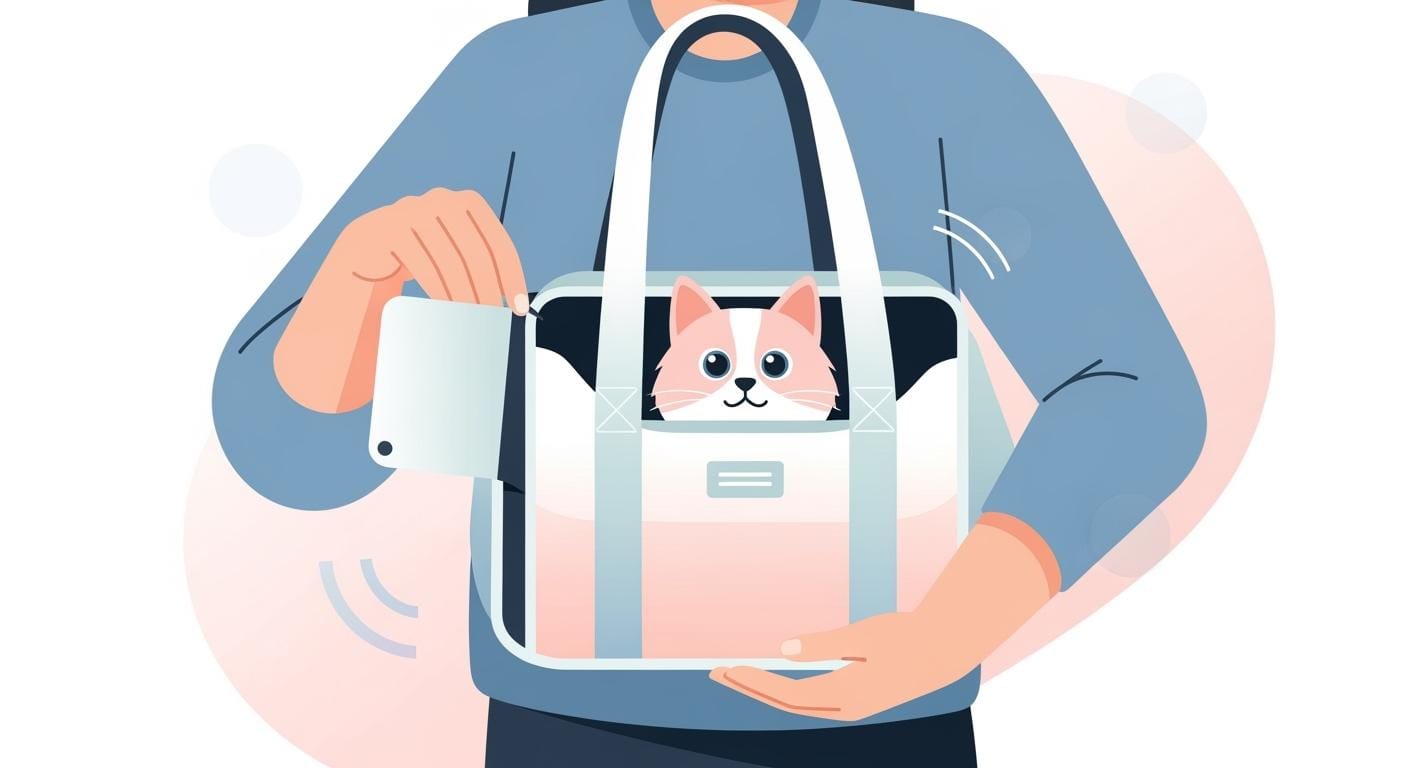
Sometimes you need a dog backpack for short rests. Other times, you use it for longer trips. If your dog gets tired or the ground is rough, let your dog rest in the bag. For long walks, you might carry your dog for miles. Always check how much weight the backpack can hold. Some bags hold dogs up to 20 pounds. Others can carry bigger dogs up to 35 pounds. The carrying cue means the bag supports your dog’s body. It keeps your dog steady while you move. Stability is very important when you walk or hike. Less swinging and bouncing helps your dog stay calm. If your dog looks uncomfortable, stop and check the fit.
Comfort: Ventilation and Stability
Your dog feels better with good airflow and stability. Airflow keeps your dog cool and relaxed. Look for mesh all around, panels that breathe, and straps with tiny holes. These features let air move through the backpack. They help stop your dog from getting too hot. A base that hangs also lets air flow and keeps your dog cooler. If air cannot move, your dog may breathe fast and get stressed. Stability means the bag should not swing or bounce much. A steady backpack helps your dog feel safe. Always adjust the straps and check the fit before you travel.
Tip: Pick a dog backpack with straps you can adjust and a strong base. This helps your dog stay safe and comfy.
Preventing Escape and Anxiety
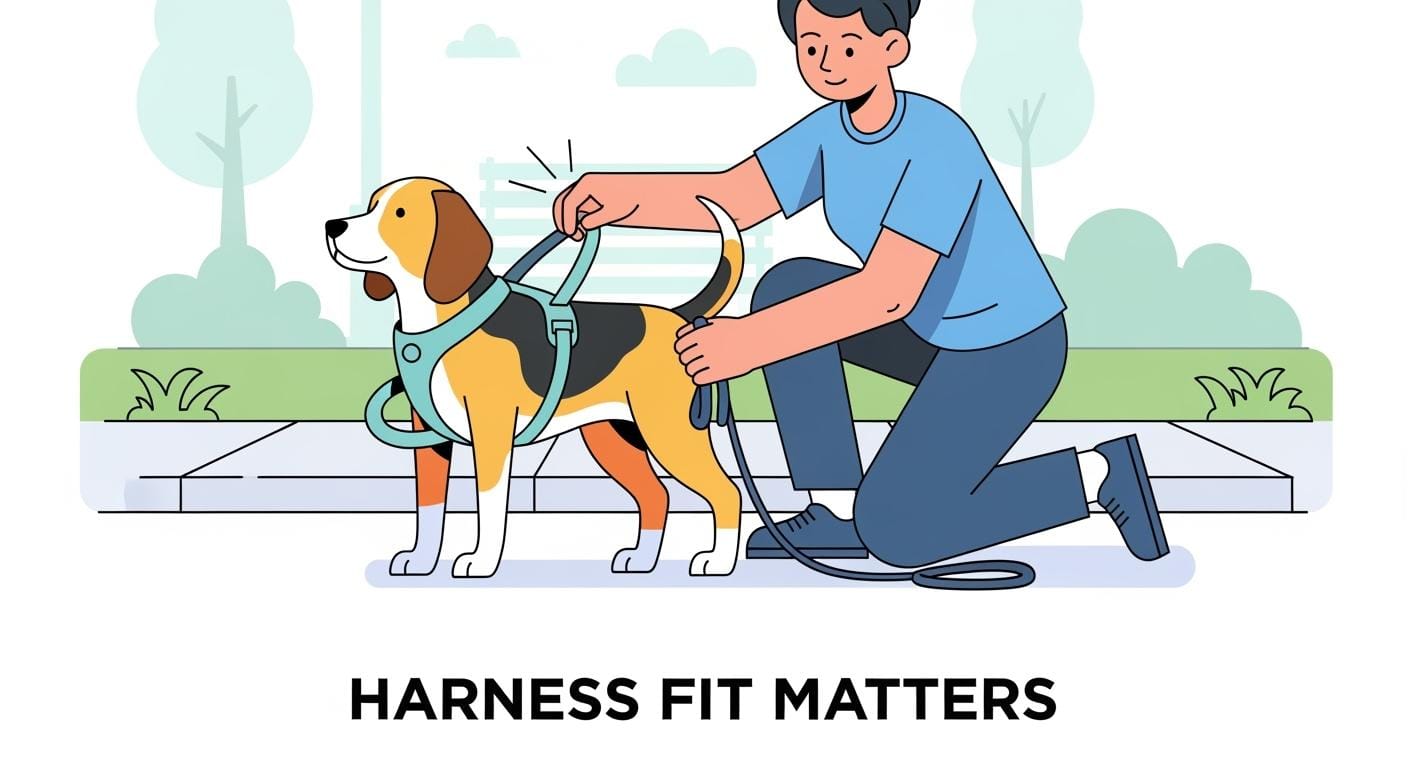
Dogs sometimes try to escape or get nervous when traveling. You can stop this by choosing the right backpack and smart features. Loud sounds, weak zippers, no tether, tight space, and bad airflow can cause problems. You can play soft music, cover the bag, or add a blanket with your smell to help your dog relax. Always clip the tether to your dog’s harness and set the right length. Choose a backpack with zippers that lock, strong seams, and a waterproof bottom. Make sure the inside fits your dog and lets them sit or lie down naturally. Good airflow also helps your dog feel less stressed.
Common Cause | What It Leads To | What To Do Next |
|---|---|---|
Loud noises or busy places | Anxiety, escape tries | Play music, cover bag, keep routines |
Weak zippers or seams | Bag opens, dog escapes | Use locking zippers, strong seams |
No tether or loose tether | Dog jumps out | Clip tether to harness, set length |
Tight space | Stress, escape tries | Check fit, add padding, pick right size |
No familiar smell or comfort | Restless, anxious | Add blanket or item with your smell |
No waterproof bottom | Messes, discomfort, bag damage | Pick bag with waterproof bottom |
Not enough airflow | Overheating, stress | Pick bag with panels that breathe |
Carry Style Comparison Table
You can pick different ways to carry your dog. Each way has good and bad points for comfort and stability. Use this table to compare choices:
Carry Style | Stability | Comfort | Best For |
|---|---|---|---|
Backpack | High | Good airflow, hands-free | Hiking, long trips |
Sling | Medium | Easy to reach, less steady | Short rests, errands |
Front carrier | Medium | Dog faces you, easy to check | Nervous dogs, short trips |
Rolling carrier | High | No lifting, steady on flat ground | Airports, smooth paths |
Note: The right backpack and training can make travel better. Results are different for each dog. If your dog pulls hard or reacts strongly, bags do not replace training or control gear. Ask a pro for help if needed.
Dog Travel Bag: Storing Gear and Essentials
What to Pack and Why Access Matters
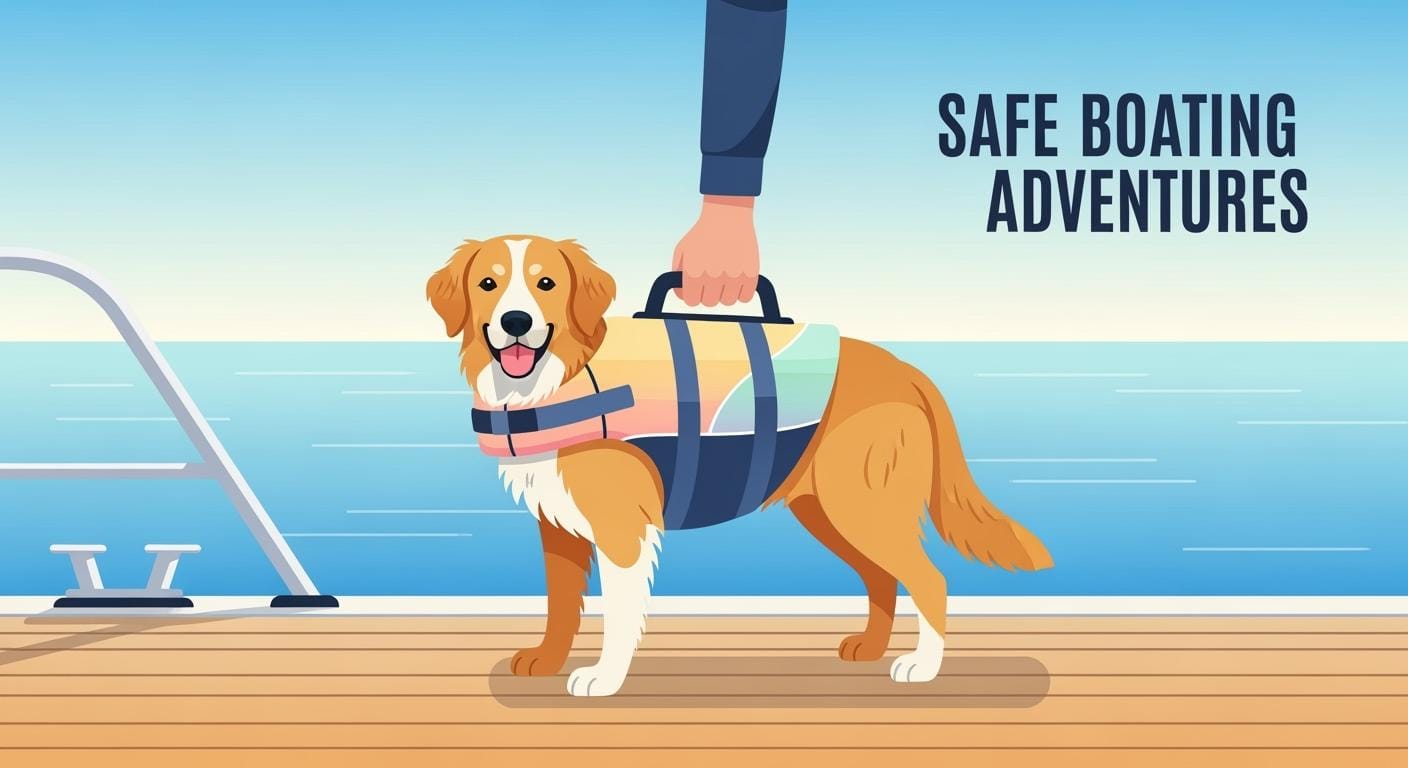
When you prepare for an outdoor trip, you need a dog travel bag that helps you carry essentials and keep everything organized. Packing the right items keeps your dog safe and comfortable. You should include food, a travel water bottle, a leash, waste bags, and a dog sleeping bag. Add dog boots for rough ground, a coat for cold weather, and a life jacket for water activities. Quick access to these items matters. The storage cue means your dog travel bag should organize essentials so you can reach them fast. The access cue reminds you that wide openings and one-hand access help you keep routines smooth.
Organization Features for Less Mess
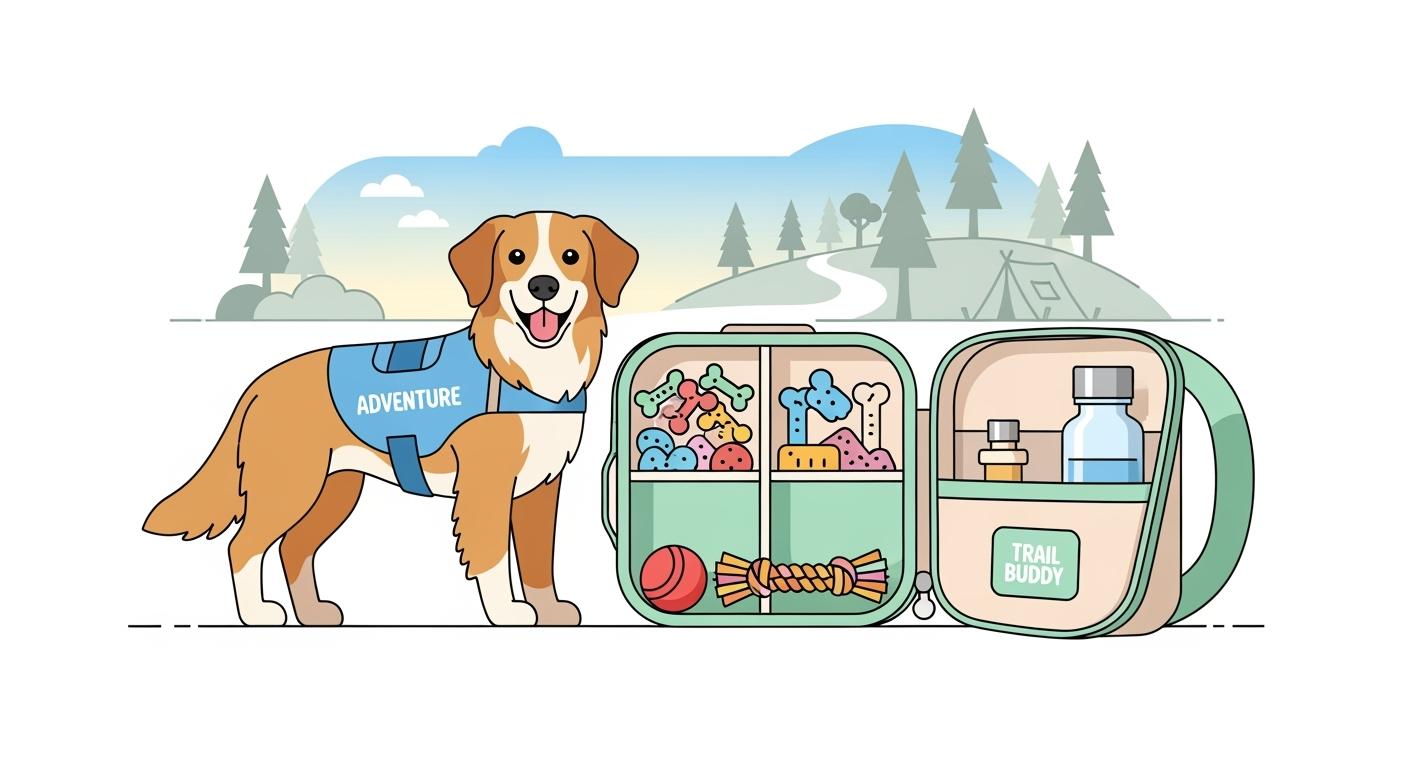
A good dog travel bag uses smart compartments to keep your gear tidy. Separate pockets for treats, toys, and water bowls prevent mix-ups. Some bags have a special area for a dog travel kit or a divider for wet and dry items. This setup helps you avoid spills and keeps treats clean. Look for bags with easy-to-clean linings and removable dividers. These features make it simple to keep your bag neat, even after a long travel day.
Tip: Choose a bag with labeled pockets or color-coded sections. This helps you find what you need quickly and reduces stress during your trip.
Cleaning After Wet or Muddy Trips
Outdoor trips often mean mud, water, and mess. The cleaning cue means your dog travel bag should have wipe-down surfaces and washable parts. After each trip, remove all items and shake out crumbs. Wipe the inside with a damp cloth and mild soap. Clean the outside weekly, especially if it is water-resistant. Air-dry the bag before you pack it again. For deep cleaning, take out dividers and wash them in lukewarm water. Let everything dry for 24 hours. Check straps for loose threads and store your bag in a cool, dry place.
Packing Checklist Table
Item | Why Pack It | Where to Store |
|---|---|---|
Food | Keeps your dog fed | Main compartment |
Travel water bottle | Prevents dehydration | Side pocket |
Leash | For safe walks | Quick-access pocket |
Waste bags | For clean-up | Small outer pocket |
Dog sleeping bag | Comfort during rest | Bottom compartment |
Dog boots | Protects paws | Mesh pouch |
Dog coat | Warmth in cold weather | Top pocket |
Dog life jacket | Safety near water | Large compartment |
Dog travel kit | Holds small essentials | Zippered section |
Note: The best dog travel bag matches your trip needs and your dog’s profile. The right bag and training can improve your experience, but they cannot guarantee results. If your dog pulls hard or reacts strongly, seek professional help.
Canine Bag for Training and Rewards

Treat Access and Timing
You want your dog to learn fast outside. The training cue means your canine bag should help you give treats at the right time. If you wait too long, your dog might not know why it got a treat. Bags with easy openings let you grab treats quickly. Fast rewards keep your dog interested. Give treats when your dog sits or stays. Waiting too long can confuse your dog and slow learning.
Tip: Use the bag as a normal object first. Pair it with calm times and short practice. This helps your dog get used to the bag and pay attention during training.
Feature | Benefit |
|---|---|
One-handed access | Lets you get treats fast with one hand. |
Wide, round opening | Makes grabbing treats easy and quick. |
Multiple wear styles | Gives you choices for how to wear the bag. |
Secure closures | Stops treats from spilling when you move. |
Hands-Free vs Clip-On Carry
You can pick hands-free or clip-on styles for your canine bag. Hands-free bags go on your belt or across your body. This keeps your hands open for commands and leash. Clip-on bags hook to your belt or pocket. This makes treats easy to reach. Different styles let you choose what feels best. Pick a style that does not swing or bounce much. Less movement helps your dog stay calm and focused.
Keeping Treats Clean
Clean treats help your dog stay healthy and learn better. Bags with quick closures and easy-to-clean liners keep treats fresh. Look for ripstop nylon, TPU, PEVA, or polyester liners. Do not pick bags with fabric that soaks up crumbs or smells. Magnetic tops or open tops help you give treats fast. Good closures and water-resistant linings stop spills when you travel.
Feature | Why It Matters | What to Look For | What to Avoid |
|---|---|---|---|
Quick-access closure | Helps you give treats fast | Magnetic or open top | Slow zippers, tight strings |
Easy-to-clean liner | Stops crumbs and smells | Ripstop nylon, TPU, PEVA, polyester | Soaking fabric, deep seams |
Leak-proof design | Stops spills when moving | Good closure, water-resistant lining | Loose flaps, weak magnets |
Training Function Table
Function | How the Bag Helps | What to Check |
|---|---|---|
Fast treat delivery | Keeps your dog interested | Wide opening, easy access |
Clean treat storage | Stops mess and smells | Washable liner, leak-proof |
Flexible carry options | Fits different training styles | Belt, clip, crossbody |
Stable fit | Stops distractions | Less sway, good closure |
Scenario B:
Think about using a canine bag for training while traveling. You try to get a treat, but the opening is small and the zipper gets stuck. Treats fall out of a loose pocket. Your dog gets distracted and walks away. To fix this, pick a bag with a wide opening and a safe treat pocket. Change how you carry the bag so it does not swing. Practice short training times with calm routines. Watch for relaxed body signs and quick recovery after changes. If your dog gets stressed, make things easier and go back a step.
Emma’s story with her Border Collie, Max, shows a good bag can help training. Max carried 5 lb (2.3 kg) easily on hikes after Emma picked a better backpack. The right bag and training can help you, but cannot promise results. If your dog pulls hard or reacts strongly, bags do not replace training or control gear. Ask a pro for help if needed.
Choosing the Right Canine Bag for Your Trip
Trip Type and Dog Profile
Think about your trip first. Are you going hiking, to the park, or training? Each trip needs a different canine bag. Look at your dog’s profile. Is your dog calm, sensitive, or gets distracted? Calm dogs get used to new bags faster. Sensitive or distractible dogs need more time and practice. If your dog pulls hard or reacts strongly, bags do not replace training or control gear. Get help from a professional if you need it.
Human Preferences: Minimal vs Organized Carry
You might like a simple bag with only the basics. Or you may want a bag with lots of pockets. Minimal carry means you pack fewer things and do it quickly. Organized carry helps you find things fast and keeps treats clean. Pick what matches your travel style and your dog’s needs. The one primary purpose rule says pick the main job first—carrying, storage, or training. Add extra features only if they do not make the bag less stable or harder to use.
Decision Table: Purpose, Features, What to Avoid
Purpose | Key Features | What to Avoid |
|---|---|---|
Carrying | Stable base, adjustable straps, ventilation | Loose fit, weak zippers |
Storage | Compartments, easy access, washable lining | Deep seams, hard-to-clean areas |
Training | Wide opening, quick access, secure closure | Tight pockets, slow zippers |
Tip: The right canine bag and training can make your trip better, but cannot promise results.
Parameter and Value Table
Parameter | Target Range or Option | Why it Matters |
|---|---|---|
Primary purpose | carrying, storage, training | Helps you pick the best bag |
Trip type | hike, park, errands, training | Shows what you need for access and stability |
Dog profile | calm, sensitive, distractible | Tells how easy your dog accepts the bag |
Carry stability | minimal sway preferred | Helps your dog feel less stressed |
Access style | wide opening, one-hand access | Makes routines easier and faster |
Organization | compartments, separate treat area | Keeps things neat and stops mix-ups |
Cleaning effort | wipe-down, washable parts | Helps keep smells and stains away |
Attachment options | clip, belt, crossbody, mounting | Changes comfort and bounce |
Test routine | short trial then re-check | Finds problems early |
Five-Step Process for Choosing and Testing
Clarify Main Purpose
Decide if you want the bag for carrying, storage, or training.
Success sign: You know your main goal.Choose Bag Type
Pick a bag that fits your trip and your dog.
Success sign: The bag matches your trip and dog.Organize Items and Secure Them
Put things in the right pockets and check the closures.
Success sign: Items stay put and are easy to grab.Short Trip Testing
Try the bag on a short walk or outing.
Success sign: Your dog looks relaxed and recovers quickly after changes.Review and Iterate
Change the fit, pockets, or features if needed.
What to change: If your dog gets more stressed, make things simpler and go back a step next time.
Note: Always check for comfort and safety. Bags help you carry, store, or train, but do not replace training or control gear.
Fit, Setup, and Training Before Your First Outing
Fit Checks to Prevent Rubbing
You want your dog to feel comfortable in the bag. Start by placing your dog inside and checking posture. Make sure your dog can turn and stretch. Look at the head position and see if your dog can move freely. Watch for signs of stress or overheating, such as heavy panting or restlessness. Adjust the straps so the bag sits snug but not tight. Repeat these checks until your dog looks relaxed. If you notice pain, skin irritation, or fear, stop and consult your vet.
Fit Check Steps:
Place your dog in the bag.
Check posture and head position.
Make sure your dog can turn and stretch.
Watch for stress or overheating.
Adjust straps and repeat as needed.
Safety tip: If your dog shows pain, skin irritation, or vomiting, stop using the bag and seek help.
Gradual Introduction Steps
Introduce the bag slowly. Let your dog sniff and explore the bag as a neutral object. Pair the bag with calm routines and short practice sessions. Use treats to create positive associations. Start with a few minutes in the bag, then increase time as your dog relaxes. Watch for success signs like relaxed body language, normal breathing, and quick recovery after small changes. If your dog gets anxious, simplify the setup and return to an easier step next time.
Short Test Routine and Re-Check
Test the bag on a short walk or outing. Keep the first trip brief, such as 10-15 minutes. Observe your dog’s comfort and behavior. Look for relaxed posture and normal breathing. If your dog freezes or shows stress, reset the routine and try again later. Always check the fit and adjust straps before each use.
Step Table: Success Signs and Adjustments
Step | Success Signs | What to Adjust if Needed |
|---|---|---|
Initial fit check | Relaxed posture, normal breathing | Loosen straps, check padding |
First introduction | Willing approach, sniffing, calm body | Shorten session, add treats |
Short test outing | Quick recovery after changes, no freezing | Reduce time, simplify environment |
Ongoing use | Consistent comfort, no rubbing or irritation | Re-check fit, consult vet if needed |
Note: The right bag and training can improve your experience, but cannot guarantee behavioral outcomes. Bags do not replace training or control gear for strong-pulling or reactive dogs. Seek professional help if your dog shows intense reactions.
Troubleshooting Common Canine Bag Problems
Refusal or Freezing
Sometimes your dog will not go in the bag. Your dog might freeze inside the bag. This can happen if the bag feels wobbly or new. Put the bag on the ground first. Let your dog sniff and check it out. Use calm routines and short practice times. If your dog looks stressed, make things easier and try again later. Change the straps and add padding for more comfort. Watch for relaxed body and normal breathing to see progress.
Treats Get Messy
Treats can spill or get dirty outside. Pick bags with fast closures and washable liners. These help keep treats clean. Put food in insulated pouches and use it soon. This stops treats from getting old. Use separate pockets for treats to avoid mix-ups. After each trip, wipe the inside and take out crumbs. Removable dividers help you clean and keep things neat.
Bag Swings or Tangles
A swinging bag can bother you and your dog. Adjust padded straps to stop pinching. Move things inside to balance the weight. Put heavy stuff at the bottom to keep the bag steady. Use outside clips to add gear without crowding. If you fly, check the bag size and test it in airline bins.
Troubleshooting Table
Problem | Practical Fixes | What to Watch For |
|---|---|---|
Refusal/Freezing | Slow intro, change fit, short practice | Relaxed body, normal breathing |
Treats Get Messy | Washable liners, insulated pouches, separate pockets | Clean treats, no spills |
Bag Swings/Tangles | Adjust straps, balance load, use outside clips | Steady bag, less pinching |
Muddy Gear | Water-resistant nylon, removable dividers | Clean gear, easy cleaning |
Insufficient Space | Outside clips, heavy stuff at bottom | Neat gear, balanced bag |
Tip: The right bag and good training can help your trip. Bags do not fix strong pulling or big reactions. Ask a pro for help if you need it.
Retail and Wholesale Notes for Canine Bag Products
Writing Listings to Clarify Use
When you write about a canine bag, help buyers know how to use it. Say if the bag is for carrying a dog, holding gear, or helping with training. Use clear words to show the main job. Add details about how stable the bag is, how easy it is to open, and how to clean it. Give tips for matching the bag to the trip and the dog’s needs. This helps buyers choose the right bag and stops confusion.
Tip: Use easy words and short sentences in your listing. Show how the bag fits into daily life.
Spec Checklist: Carry, Openings, Compartments
You should add a checklist of important features in your product description. This helps buyers compare bags.
Feature | What to List |
|---|---|
Carry style | Backpack, sling, crossbody |
Openings | Wide, zippered, magnetic |
Compartments | Main, treat, water, gear |
Cleaning | Wipe-down, washable liner |
Attachment | Clip, belt, mounting options |
Capacity | Weight limit in lb (kg) |
A clear checklist helps buyers see if the bag works for carrying a dog or holding gear.
Support Script: Purpose, Pack, Fit, Test
You can make a support script for buyers. This script shows them how to use the bag safely.
Say the main job: carrying, storage, or training.
Show how to pack things in the right spots.
Explain how to check the fit for comfort and safety.
Suggest a short test before longer trips.
Note: Remind buyers that the right bag and training can help, but cannot promise results. For dogs that pull hard or react a lot, bags do not replace training or control gear. They may need help from a pro.
OEM and ODM Explained
When you look for canine bag makers, you may see OEM and ODM.
OEM (Original Equipment Manufacturing) lets you make a bag from your own idea. You get to choose the design and keep your brand safe. This is good if you want a special bag and plan to sell it for a long time.
ODM (Original Design Manufacturing) gives you ready-made designs to change. You can start selling fast and see if people like it. ODM is good for new styles or short-term products.
Both ways help you sell dog bags, but they give different choices for design and speed.
You use a canine bag to carry, store, and train your dog while traveling. Pick a bag that fits your trip and your dog’s needs. This helps your dog feel safe and comfortable. Start slow when you introduce the bag. Check the fit often to make sure it is right. Look for signs like relaxed body and normal breathing. Use smart steps to make travel easier. A canine bag and training can help, but they do not promise perfect results. If your dog pulls hard or reacts a lot, ask an expert for help.
Tip: Always keep safety in mind when you travel with your canine bag.
FAQ
How do you choose the right canine bag size for your dog?
Check your dog’s weight and length. Use product specs with dual units, like 20 lb (9 kg) and 16 in (41 cm). Pick a bag that lets your dog sit or lie down naturally. Always test the fit before your trip.
Can you use one bag for carrying, storage, and training?
You should pick one main purpose first. Bags with too many jobs may lose stability or access. The right bag and training can improve your experience, but cannot guarantee results. For strong-pulling or reactive dogs, seek professional help.
What should you do if your dog refuses to enter the bag?
Start with short, calm practice sessions. Let your dog sniff and explore the bag. Use treats and praise for relaxed behavior. If stress signs increase, simplify the setup and try again later. Bags do not replace training or control gear.
How do you keep treats clean during outdoor trips?
Use bags with washable liners and secure closures. Store treats in separate pockets or pouches. Wipe down the inside after each trip. Quick-access closures help you deliver rewards fast and keep treats fresh.
Is a canine bag safe for dogs with strong pulling or intense reactions?
A canine bag does not replace training or control gear. If your dog pulls hard or reacts strongly, seek help from a professional. Safety comes first. The right bag and training can help, but cannot guarantee behavioral outcomes.