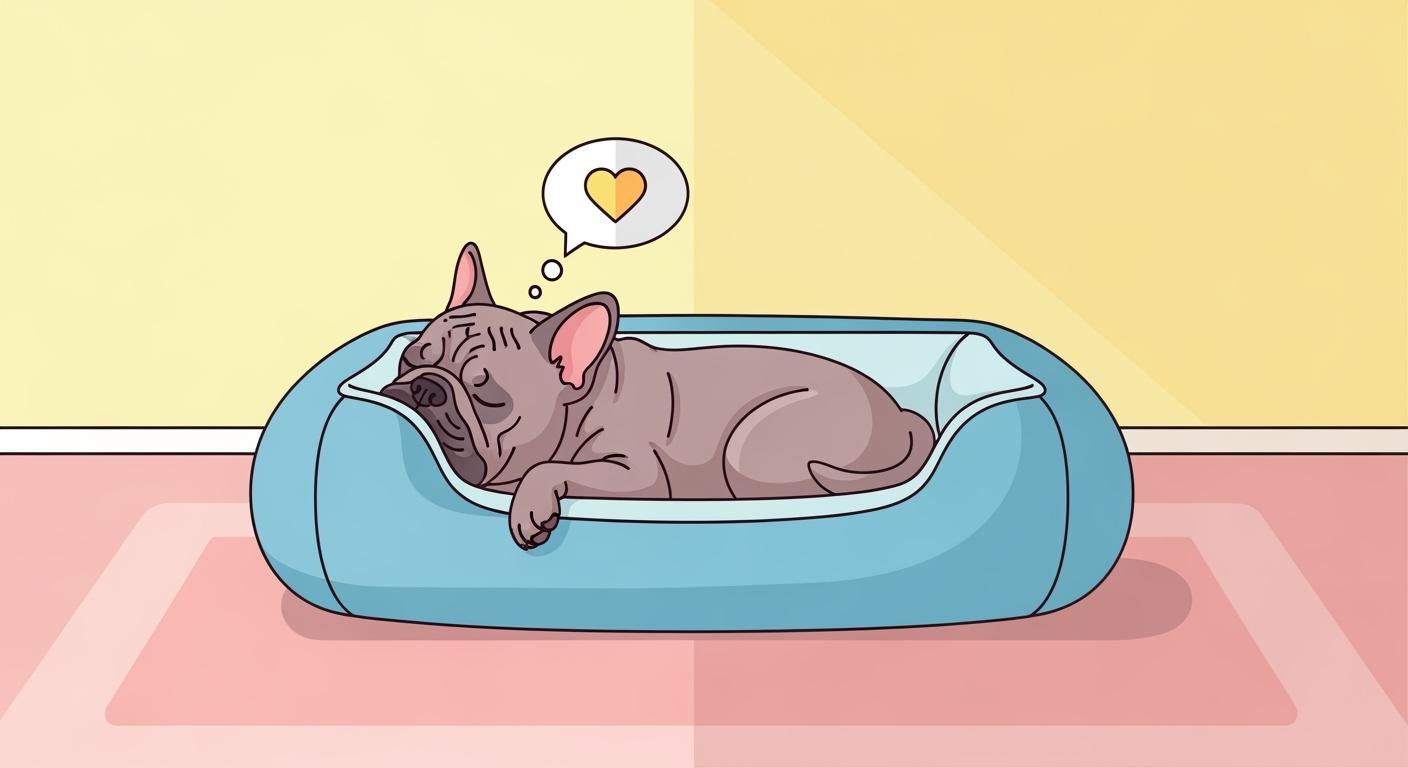
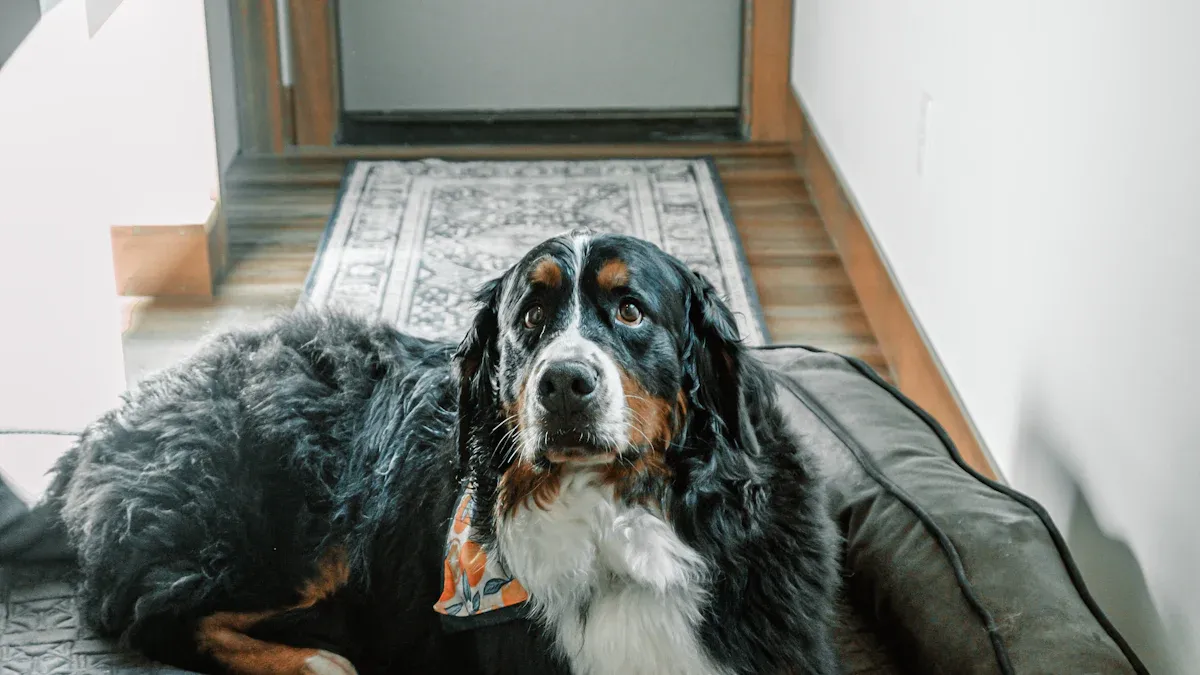
Imagine your dog walking around the room, looking for a soft place. Your dog might curl up next to the side of your couch. Many dogs feel safe when they snuggle into edges or put their heads on firm spots. A bolster dog bed helps your pet feel cozy and safe. It has raised sides that work as a pillow and a soft wall. You can help your dog sleep better by picking beds with strong bolsters. These beds make a safe and comfy spot for your dog to rest.
Key Takeaways
Bolster dog beds give dogs a warm and safe place. They help dogs feel protected and relaxed when they sleep. Raised edges on these beds make clear borders. They support the head and neck. This can help lower stress on joints and muscles. Picking the right bolster height is important. Dogs who curl up like higher bolsters. Dogs who stretch out need lower or partial edges. Things like loud sounds and cold air can bother your dog’s sleep. Put the bed in a quiet spot with no drafts for better sleep. Check the bed often for damage. Replace it if the bolsters lose their shape or if you see any safety problems.
Why Bolster Dog Beds Feel Safe and Comfortable
Raised Edges as Boundaries
You see your dog looking for a safe spot. Raised edges on bolster dog beds make a clear border. These edges help your dog feel calm and safe. Dogs relax faster when they lean on a steady edge. This is true in busy rooms or when they are excited. The tall sides help your dog feel safe from quick moves or loud sounds.
Here is a table showing how raised edges work in bolster dog beds:
Feature | Function |
|---|---|
Raised Edges | Work as barriers that give dogs comfort and security. |
Heat Retention | Keep warmth inside, making the bed cozy for resting. |
Head Resting | Give dogs a spot to rest their heads, matching natural habits. |
Raised edges also keep heat inside the bed. This makes it warmer on cold nights. Your dog can curl up next to the sides and feel cozy. You notice your dog using the edge like a pillow. This fits their need for a safe boundary.
Head and Neck Support for Better Sleep
Bolster dog beds support your dog’s head and neck. When your dog rests their chin or leans on the edge, it eases pressure. This helps lower stress on joints and muscles. Dogs who like pillows or headrests enjoy firm edges that stay strong. You see your dog sleep longer and wake up happy.
Bolster beds with orthopedic features help older dogs or those with joint pain. The edges keep your dog’s back straight and lessen aches. You can pick beds with foam or mixed fills for more comfort. Fiberfill feels soft, and foam gives steady support. Both help your dog find a comfy spot and sleep better.
Tip: If your dog likes to stretch out, choose a bed with lower bolsters or only some edges. This lets them move without feeling trapped.
Which Dogs Benefit Most
Bolster dog beds work for many dogs. Dogs who curl up or lean like higher edges for comfort. Dogs who stretch out may want lower or fewer bolsters. Dogs who need head and neck support like firmer edges. Puppies, older dogs, and nervous dogs all feel safe with strong edges.
You notice your dog relaxes faster in a bolster dog bed, especially during loud times or busy days. Bolster beds help dogs feel safe, but they may not fix anxiety or guarding. You can help by putting the bed in a quiet place and picking the right style for your dog’s sleep.
StridePaw has many bolster dog beds with orthopedic support and strong edges. You can choose a bed that fits your dog’s sleep style and comfort. Remember to measure your dog and think about how they like to sleep before you buy a bed.
Security Needs and Sleep Quality at Home
Signs Your Dog Wants More Boundaries
You may notice your dog acting differently when they want more boundaries during rest. Dogs often show clear signals when they feel uncomfortable or need extra security. Watch for these common signs:
Growling or low vocal sounds can mean your dog feels worried about their surroundings.
Stiffening or freezing in place shows your dog wants personal space.
Hovering near the edge of their bed or choosing tight corners may signal a need for more boundaries.
If you see these behaviors, your dog may benefit from a bolster dog bed. Raised edges create a safe zone and promote better sleep by helping your dog relax.
Impact of Noise and Drafts on Sleep
Environmental factors can affect your dog’s sleep quality. Dogs react strongly to loud or sudden noises. You might see your dog become anxious during thunderstorms, fireworks, or when household appliances run. These sounds can disrupt sleep and cause stress.
Sudden noises often lead to anxiety and discomfort.
Chronic noise stress can change sleep patterns and lower quality of life.
Drafts from windows or doors can make your dog seek warmer, more secure spots.
Placing the bed away from noisy areas and drafts helps promote better sleep. You can move the bed to a quiet corner or use a bolster bed with higher sides for extra warmth and security.
Tip: If your dog still seems restless, try adding a soft blanket or moving the bed to a different room.
When a Bolster Bed Isn’t Enough
Sometimes, a bolster dog bed alone does not solve all sleep problems. If your dog continues to avoid the bed or cannot settle, look for other causes. Check for changes in the home, new noises, or drafts. You may need to adjust the bed’s location or add comfort items.
StridePaw offers beds with different edge heights and fill types. You can choose a style that matches your dog’s needs. If your dog needs more help, talk to your vet for advice on how to promote better sleep and security.
Types of Bolster Dog Beds

Choosing the right bolster dog bed helps your dog feel secure and comfortable. You can find many styles that match how your dog likes to sleep. Each type offers unique benefits for curlers, leaners, and sprawlers.
Full, Partial, and Corner Bolsters
You see full bolsters on beds with raised edges all around. These work best for dogs who curl up or lean against something. Partial bolsters cover only part of the bed, giving space for dogs who stretch out or sprawl. Corner bolsters fit in one or two corners, letting your dog choose how much support they want.
Here is a table showing how sleep style matches bolster layout and common mismatches:
Sleep Style | Ideal Bolster Layout | Common Mismatch |
|---|---|---|
Curler | Full or donut-style | Low or missing edges leave dog exposed |
Leaner | High, firm bolsters | Soft edges collapse, no support |
Sprawler | Partial or low bolsters | High edges feel confining |
Beds with donut or nest shapes create a deep, cozy spot for curlers. Sofa-style beds with bolsters on one side suit sprawlers who want a backrest but also need space.
Raised Cot vs Floor Bed
Raised cot beds lift your dog off the ground. These beds help with airflow and keep your dog cool. Floor beds sit flat and offer more warmth. You may choose a raised cot for outdoor use or for dogs who get hot easily. Floor beds work well for dogs who want to burrow or need extra softness.
Tip: Measure your dog from nose to tail base (16-32 in / 40-80 cm for medium breeds) and shoulder width to pick the right size.
Removable and Modular Designs
Removable covers make cleaning easy. You can wash them often to keep odors away. Modular beds let you change the bolster layout or add extra support. You may adjust the bed as your dog grows or changes sleep habits. StridePaw offers beds with flexible designs so you can find the best fit for your pet.
You help your dog sleep better by matching their style to the right bolster bed. Look for features that suit their habits and make rest more secure.
Sizing Guide for Bolster Dog Beds
Measuring Your Dog for the Right Fit
You want your dog to feel comfortable in their bed. Start by measuring your dog from the tip of the nose to the base of the tail. Write down this length in inches and centimeters. Next, measure the widest part of the shoulders. These numbers help you choose a bed that fits your dog’s body. Add a small allowance, usually 4-8 inches (10-20 cm), so your dog can stretch or curl up as they like. If your dog likes to sprawl, pick a bed with a larger inner sleep surface. For curlers, a snugger fit works well.
Tip: Use a soft tape measure for accuracy. If your dog moves a lot, ask someone to help hold them still.
Matching Sleep Style to Bolster Height
Dogs have different sleep styles. Some curl up tightly, while others stretch out or lean against edges. You should match the bolster height to your dog’s habits. Curlers and leaners often prefer higher bolsters for more contact and security. Sprawlers may feel boxed in by tall sides, so lower or partial bolsters suit them better. If your dog likes to rest their chin, look for a bolster dog bed with a firm edge that does not collapse.
Here is a table to help you match sleep style to bolster height:
Sleep Style | Recommended Bolster Height |
|---|---|
Curler | High (6-10 in / 15-25 cm) |
Leaner | Medium to High (5-10 in / 13-25 cm) |
Sprawler | Low or Partial (2-5 in / 5-13 cm) |
StridePaw offers beds with different bolster heights, so you can find one that matches your dog’s favorite way to sleep.
Common Sizing Mistakes
You might make mistakes when choosing a bed size. Some people pick beds that are too small, so the dog cannot stretch or turn. Others choose beds that are too large, which can make some dogs feel less secure. Avoid guessing your dog’s size. Always measure and consider your dog’s sleep style. If your dog is between sizes, use the sleep style rule: curlers can size down a bit, while sprawlers should size up.
Note: If your dog avoids the bed or cannot settle, check the size and bolster height. Adjust as needed for better comfort.
Comfort and Support: Fill and Firmness Choices
Foam, Fiberfill, and Mixed Fills
You want your dog to have comfort every time they rest. The fill inside a bolster dog bed shapes how much cushioning and support your dog feels. Foam gives steady cushioning and holds its shape, so your dog gets extra cushioning for enhanced comfort and support. Fiberfill feels soft and light, offering extra cushioning that is easy to fluff. Mixed fills combine foam and fiberfill, giving your dog both extra cushioning and support. You can choose a fill based on your dog’s need for comfort, joint relief, and pressure relief. Dogs who need more joint relief often do better with foam or mixed fills because these provide extra cushioning and pressure relief for dogs who need it most.
Pressure Relief and Joint Support
Dogs need pressure relief to protect their joints. When your dog lies down, the bed should give extra cushioning under their body. This extra cushioning helps spread out the pressure, so no single spot gets sore. Foam beds offer the most pressure relief and joint support. Fiberfill beds give soft cushioning, but may flatten over time. Mixed fills balance both, giving your dog enhanced comfort and support with steady cushioning and joint relief. If your dog has joint pain or is older, look for beds that promise extra cushioning and pressure relief. You will see your dog rest easier and move better after sleep.
Heat Retention and Breathability
The material inside the bed affects how warm or cool your dog feels. Some fills hold heat, while others let air move through for breathability. Here are some facts about heat retention and breathability:
Memory foam keeps heat, making the bed cozy in cool weather but possibly too warm in hot climates.
Dogs with thick fur or those who get hot may prefer cooling or elevated beds.
Cooling beds use gel or special fabrics to move heat away, while elevated beds let air flow underneath for a cooler rest.
You should think about your dog’s coat and the room temperature when picking a bed. The right fill gives comfort, joint relief, and pressure relief, along with extra cushioning for every season.
Fabric and Cleaning for Ultimate Comfort Solution
Removable vs Integrated Covers
You want your dog’s bed to stay fresh and comfortable. Removable covers make cleaning much easier. You can unzip the cover and wash it in your machine. This helps control odors and keeps the bed looking new. Integrated covers stay attached to the bed. You clean these by spot-washing or using a vacuum. Beds with removable covers often use high-quality materials that stand up to frequent washing. If your dog sheds a lot or gets dirty, removable covers save you time.
Tip: Wash removable covers every week or two. Use gentle detergent and cold water to protect the high-quality materials.
Water and Stain Resistance
Water and stain resistance help you keep the bed clean. Some beds use high-quality materials with a special coating that blocks spills and dirt. If your dog likes to play outside or comes in wet, water-resistant fabric protects the bed. Stain-resistant beds make it easier to wipe away mud or food. You can use a damp cloth for quick cleanups. Always check the care label before using cleaning sprays.
Here is a table showing cleaning methods for different fabrics:
Fabric Type | Cleaning Method | Drying Advice |
|---|---|---|
Water-resistant | Wipe with damp cloth | Air dry, avoid heat |
Stain-resistant | Spot clean, gentle soap | Hang dry, no direct sun |
Cotton blends | Machine wash, gentle | Tumble dry low (max 30°C/86°F) |
Inspecting Zippers and Seams
You should inspect the bed every week. Look at the seams, zippers, foam, and threads. Check for loose stitching or broken zippers. If you see exposed foam or small parts, remove the bed until you fix it. Dogs may chew or swallow loose pieces, which can be dangerous. Smell the bed for odors. If you notice a strong smell, wash the cover and let it dry fully. High-quality materials help the bed last longer, but regular checks keep your dog safe.
Safety Reminder: Never let your dog use a bed with exposed foam or swallowable parts. Replace damaged beds right away.
StridePaw offers beds with sturdy seams and easy-to-clean covers. You can choose a bed that fits your cleaning routine and keeps your dog comfortable.
Durability and Daily Use
Reinforced Edges and Stitching
You want your dog’s bed to last through daily use. Reinforced edges and strong stitching help keep the bed in good shape. Look for beds with double-stitched seams. These seams hold the bolsters in place and stop the edges from flattening. Thick thread and tight stitches add strength. You can check the seams by pressing along the edges. If the stitching feels loose or gaps appear, the bed may not last long.
A table can help you spot key features:
Feature | Benefit |
|---|---|
Double-stitched seams | Prevents tearing and edge collapse |
Thick thread | Adds strength to high-stress areas |
Dense fabric | Resists daily wear and scratching |
Tip: Beds with reinforced corners and hidden seams often last longer, especially if your dog likes to dig or scratch before lying down.
Chewers and Diggers: What to Watch For
Some dogs chew or dig at their beds. You should watch for signs of damage, such as loose threads, holes, or exposed foam. Dogs who chew may pull at seams or corners. Diggers often scratch at the fabric, which can wear it down. If you see your dog chewing or digging, check the bed daily. Remove any loose pieces right away.
You can choose beds with tougher fabrics and extra stitching for these dogs. StridePaw offers options with reinforced edges that help resist chewing and digging. Always supervise your dog if they tend to chew, especially with new beds.
When to Replace the Bed
You should replace your dog’s bed when you see certain signs. If the bolsters collapse and do not spring back, your dog loses support. Exposed foam or stuffing can be unsafe. Strong odors that do not go away after washing mean the bed may hold bacteria. If your dog avoids the bed or cannot get comfortable, it may be time for a new one.
A quick checklist for replacement:
Bolsters stay flat or lose shape
Seams split or fabric tears
Foam or fill becomes lumpy or exposed
Persistent odors remain after cleaning
Note: Regular checks help you keep your dog’s bed safe and comfortable. A durable bed supports your dog’s health and daily comfort.
Placement and Setup for Better Sleep
Best Locations for Calm Rest
You help your dog relax by choosing the right spot for their bed. Place the bed away from busy walkways and loud appliances. Dogs rest better in corners or beside furniture where they feel protected. Avoid putting the bed near doors or windows with drafts. You can measure the space to make sure the bed fits well. For example, a medium bed may need a space about 32 in (80 cm) wide. If you have more than one dog, give each pet a separate area to prevent crowding.
Tip: Try placing the bed in a quiet room during noisy events, like thunderstorms or parties.
Introducing the Bed Without Guarding
You want your dog to accept the new bed without guarding it. Let your dog explore the bed at their own pace. Place a favorite toy or blanket on the bed to make it familiar. Sit nearby and praise your dog when they lie down. If your dog shows guarding behavior, calmly redirect them with treats or gentle commands. Avoid forcing your dog onto the bed. You can move the bed to different spots until your dog feels safe. StridePaw beds offer flexible designs that fit many rooms and help your dog settle.
Step | Action |
|---|---|
Place familiar item | Add toy or blanket |
Stay close | Offer praise and treats |
Watch behavior | Redirect if guarding starts |
Travel and Outdoor Use
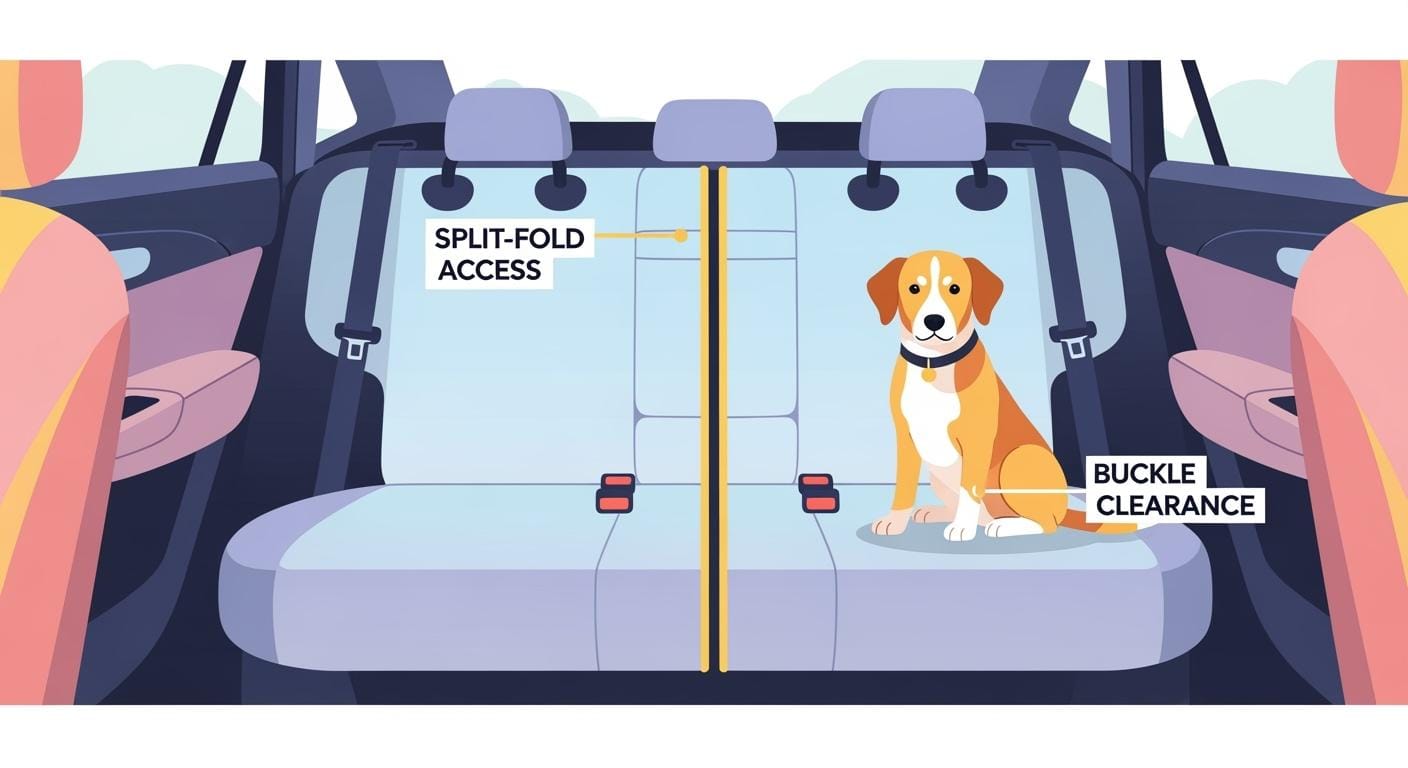
You can use bolster dog beds for travel and outdoor activities. Choose a bed with a removable cover for easy cleaning after trips. Lightweight beds work well for car rides or camping. Measure your travel space to ensure the bed fits, such as 24 in (60 cm) for small breeds. Place the bed in a shaded area outdoors to protect your dog from heat. Portable beds help your dog feel secure and encourage restful sleep in new places. StridePaw offers options that suit both indoor and outdoor use.
Note: Always check the bed for dirt or moisture after outdoor use. Clean and dry the bed before bringing it back inside.
Buyer Checklist for Bolster Dog Beds
Features by Dog Profile
You want your dog to feel safe every night. Match the bed’s features to your dog’s needs. Dogs with anxiety relax faster in beds with high bolsters and orthopedic foam. Older dogs need orthopedic support and covers that are easy to clean. Dogs that shed a lot do best with covers you can remove and wash in a machine. Chewers need beds with strong seams and thick fabric. Dogs who get hot like beds with breathable materials and raised cot styles.
Here is a table to help you pick features for different dogs:
Dog Profile | Key Features | Measurement Tip |
|---|---|---|
Anxious | High bolsters, orthopedic foam, luxury cover | Add 15-20 cm (6-8 in) |
Senior | Orthopedic support, luxury foam, easy entry | Measure shoulder width |
Heavy Shedder | Removable luxury cover, stain resistance | Check for machine wash label |
Chewer | Reinforced seams, dense luxury fabric | Inspect stitching |
Hot Sleeper | Breathable luxury fabric, raised cot design | Allow extra airflow space |
StridePaw has beds with these features, so you can find a luxury dog bed that fits your dog.
Size Assortment Guidance
Pick the right size so your dog enjoys their luxury dog bed. Measure your dog from nose to tail base, then add 15-20 cm (6-8 in). Also measure the widest part of the shoulders. Choose a bed that lets your dog stretch or curl up. Dogs who curl up like round orthopedic beds. Dogs who sprawl out like flat mats with side support. If your dog is between sizes, pick a bigger bed for sprawlers and a smaller one for curlers.
Tip: Always check the inside sleep area size, not just the outside. This helps your dog get the best orthopedic support and luxury comfort.
You give your dog security and comfort when you choose bolster beds. These beds help dogs with joint and muscle issues find joint relief and canine comfort. You see better sleep and well-being when you match the bed to your dog’s habits. Watch how your dog rests and pick the ultimate comfort solution for their needs. StridePaw offers options that support every dog’s sleep style.
FAQ
How do I know if my dog needs a bolster bed?
You notice your dog curling up against furniture or seeking head support. Dogs who lean, burrow, or seem anxious often benefit from raised edges. Observe your dog’s sleep habits to decide if a bolster bed suits their needs.
What size bolster bed should I choose?
Measure your dog from nose to tail base and shoulder width. Add 4-8 in (10-20 cm) for comfort. Curlers prefer snug beds, sprawlers need extra space. Always check the inner sleep area size for the best fit.
Can I wash the cover of a bolster dog bed?
Most beds have removable covers you can machine wash. Use cold water and gentle detergent. Air dry or tumble dry low (max 30°C/86°F). Regular cleaning keeps the bed fresh and odor-free.
Are bolster beds good for older dogs?
Bolster beds with orthopedic foam support joints and relieve pressure. Older dogs often sleep better with firm edges and extra cushioning. You help your senior dog rest comfortably by choosing a supportive bed.
Where should I place my dog’s bolster bed?
Put the bed in a quiet spot away from drafts and loud appliances. Corners or beside furniture work well. You create a calm space for your dog to relax and sleep soundly.