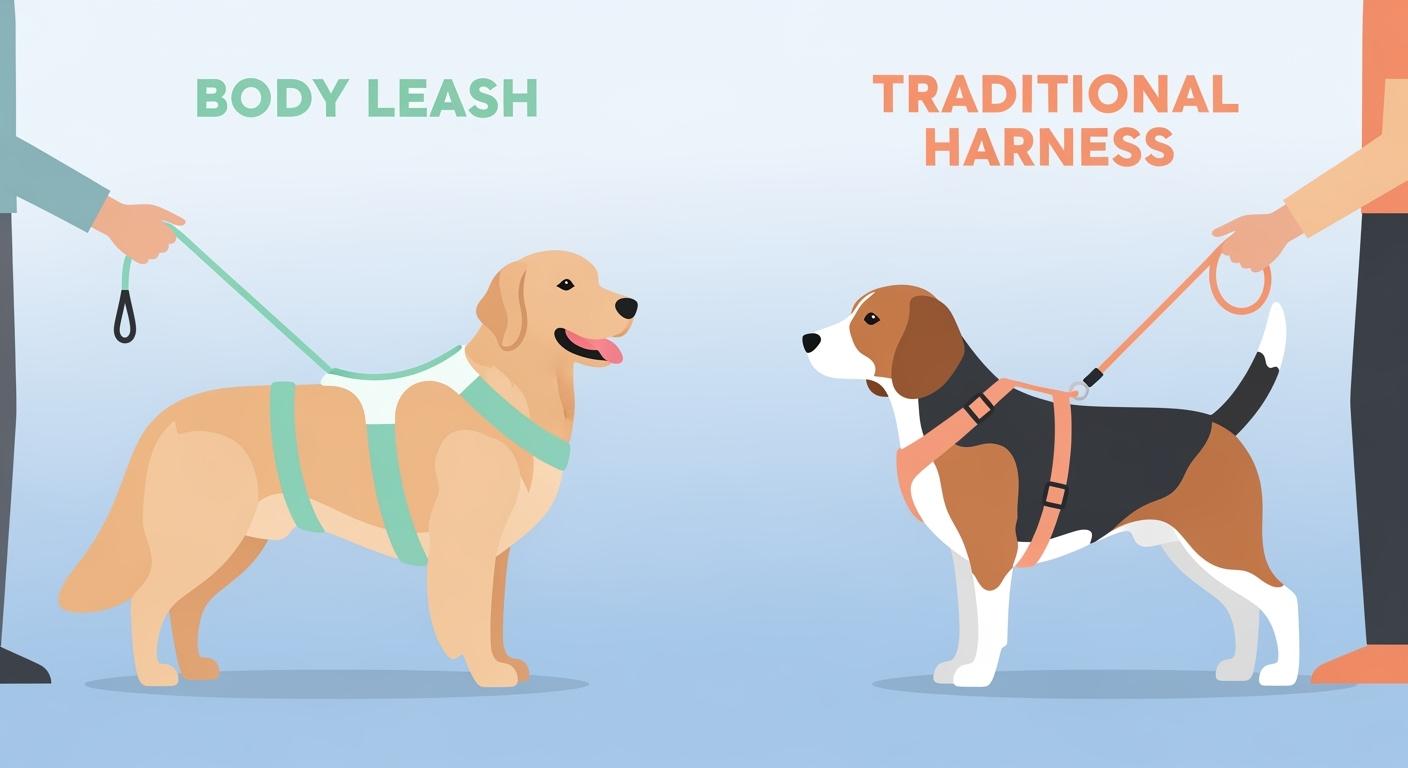
If you need the fastest, most precise control (busy sidewalks, traffic, reactive moments), a traditional harness + handheld leash usually wins. If you want hands-free stability for steady pacing (jogging, hiking, open trails), a body leash system is often more comfortable while still giving solid control—when you practice close control first.
Need a travel-friendly setup? Explore walking + travel options that fit your routine.
Key Takeaways
- Hands-free control: Body leash systems help you keep rhythm and reduce arm fatigue for running/hiking.
- Micro-control: Handheld leashes let you shorten distance instantly—useful in crowds, crossings, and around triggers.
- Attachment matters: Front-clip harness points usually reduce pulling better than back-clip points.
- Fit is non-negotiable: A secure, rub-free fit prevents slip-outs and improves control.
- Training is the multiplier: Gear supports your cues; it does not replace leash-manner training.
What “Better Control” Means in Real Walks
On a leash, “control” usually comes down to three things: (1) stopping forward momentum, (2) steering direction, and (3) reacting quickly if your dog lunges, freezes, or bolts. Your best option depends on your environment (crowds vs. open space), your dog’s behavior (steady vs. impulsive), and your own posture and strength.
| Situation | Body Leash System (Waist Belt + Leash) | Traditional Harness + Handheld Leash |
|---|---|---|
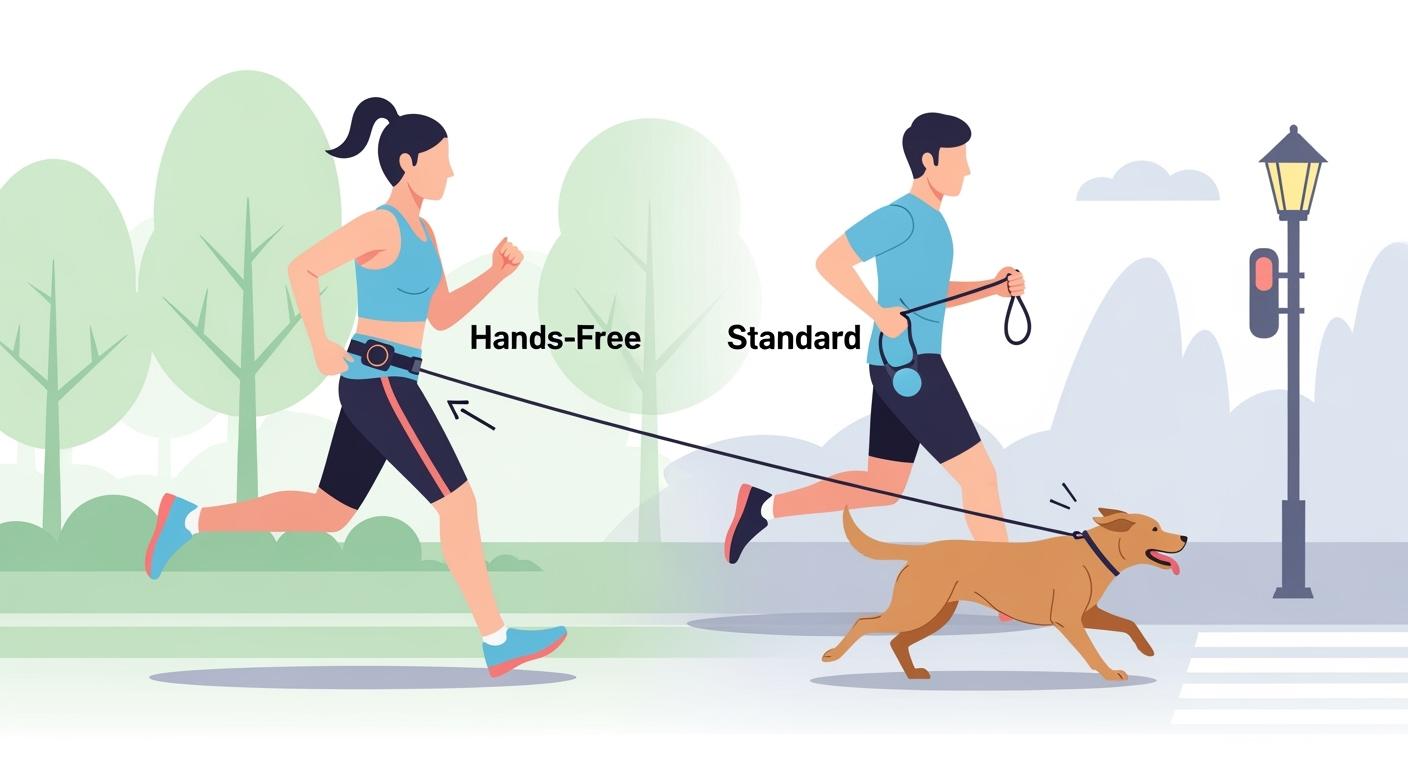
| Running / hiking | Hands-free pacing; steadier stride; good for open areas | Works, but arm fatigue can build; less convenient |
| Crowds / traffic | Harder to shorten distance instantly if dog surges | Best quick reaction; easy to shorten leash for safety |
| Strong pullers | Body weight can help—only if you stay balanced | Good control; front-clip options often reduce pulling |
| Training leash manners | Can work, but cues may be less precise at first | Great for short, clear feedback and controlled distance |
Tip: Whatever you choose, start in a low-distraction area and build up to busier spaces once your dog stays responsive.
How Each System Works
Body leash system (hands-free)
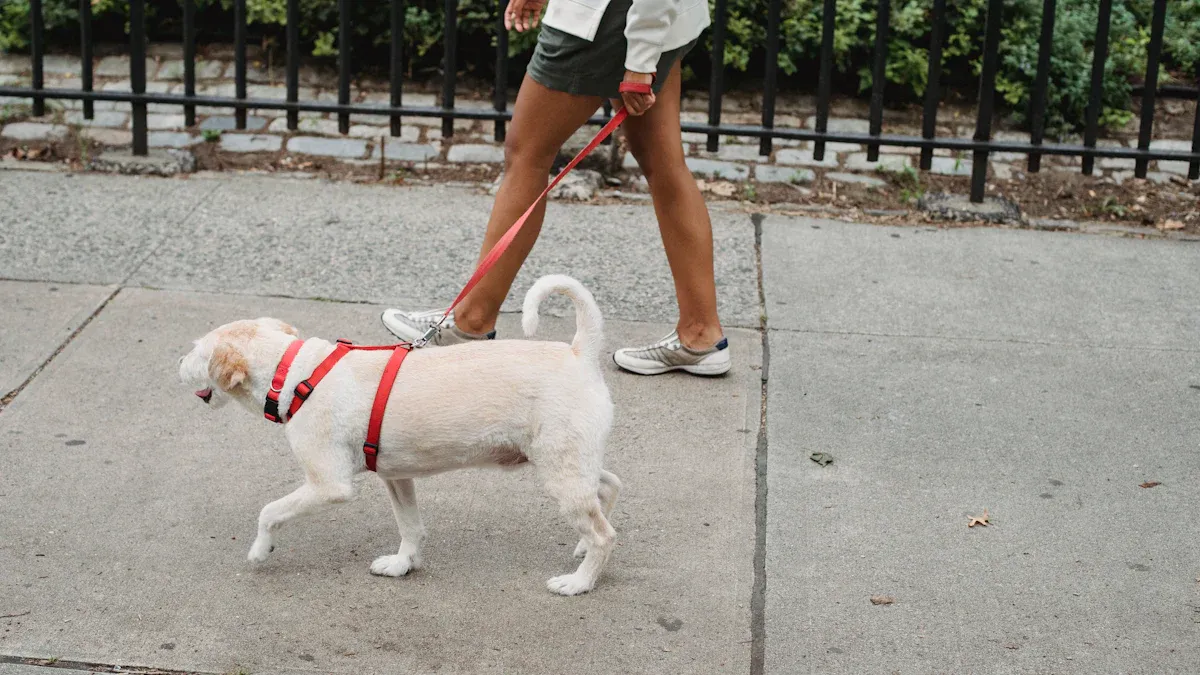
A body leash system typically uses a waist belt plus a leash connected to your dog’s harness. The big benefit is freeing your hands while using your core and body position to steady sudden movement. It shines on long walks, jogs, and trails where you want consistent rhythm.
| Component | Why it matters for control |
|---|---|
| Harness | Spreads force across the torso and reduces neck strain. |
| Waist belt | Transfers pull to your center of mass instead of your wrist. |
| Leash | May include shock absorption; length influences how quickly you can “close distance.” |
| Top handle / close-grip | Provides a backup grab point for tight control moments. |
Traditional harness + handheld leash
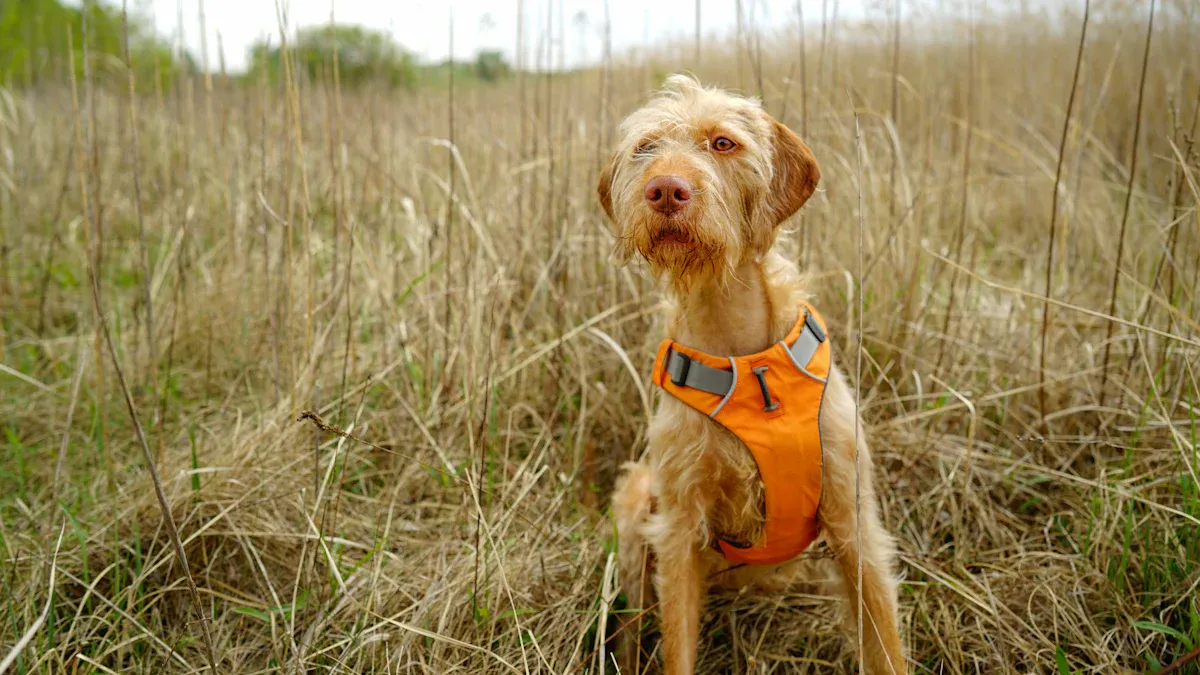
A traditional setup uses a harness plus a leash you hold in your hand. It’s the go-to option when you need immediate distance control—for example, shortening the leash at a crosswalk, guiding around distractions, or preventing a sudden lunge in tight spaces.
If your main problem is pulling, consider a front-attachment approach. This article references body leashes for dogs that pair hands-free walking with training-focused harness design.
Control & Safety Checklist
Attachment point: front-clip vs. back-clip
Attachment location changes leverage. Front-clip points usually provide more steering and reduce pulling by redirecting forward motion. Back-clip points can feel smoother for calm walkers but typically offer less pull control for dogs who surge ahead.
Fit and stability (the “two-finger” rule)
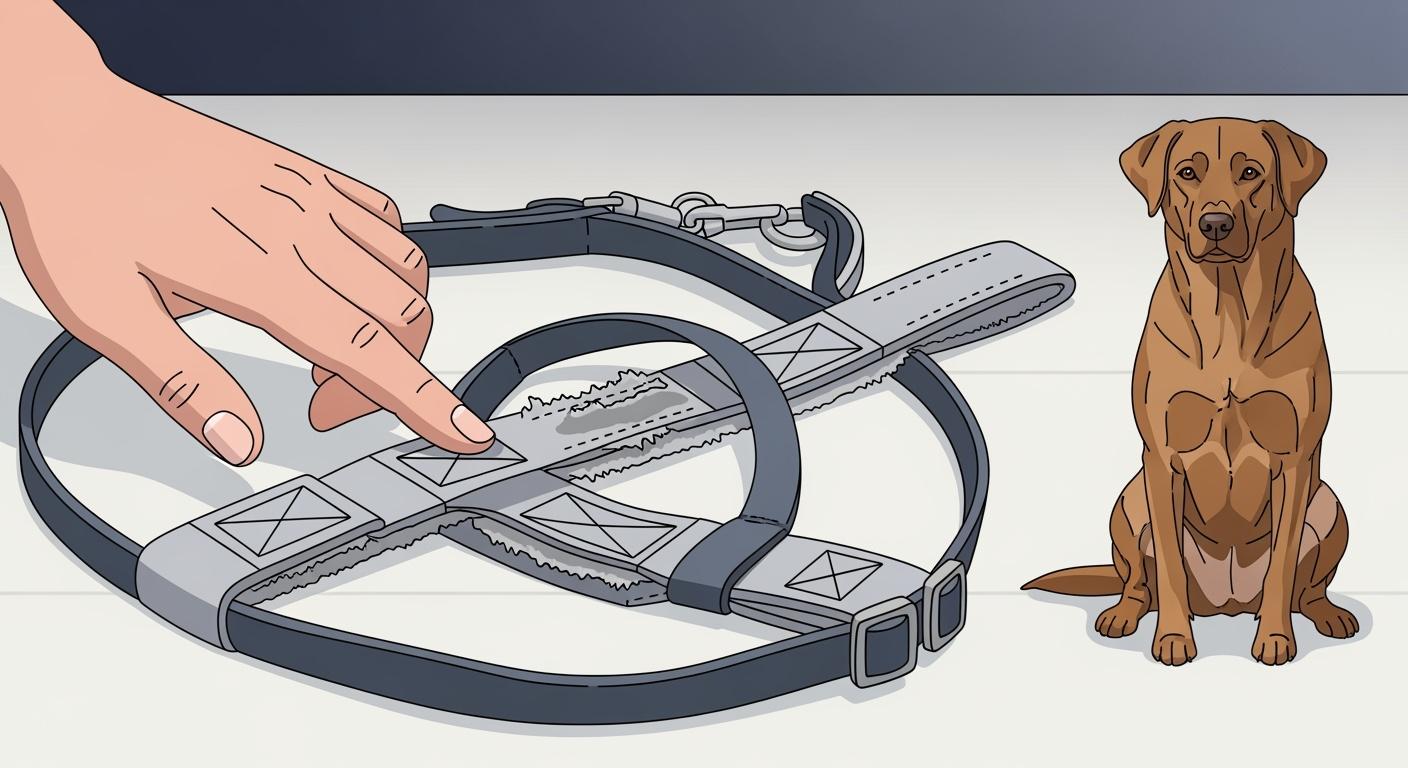
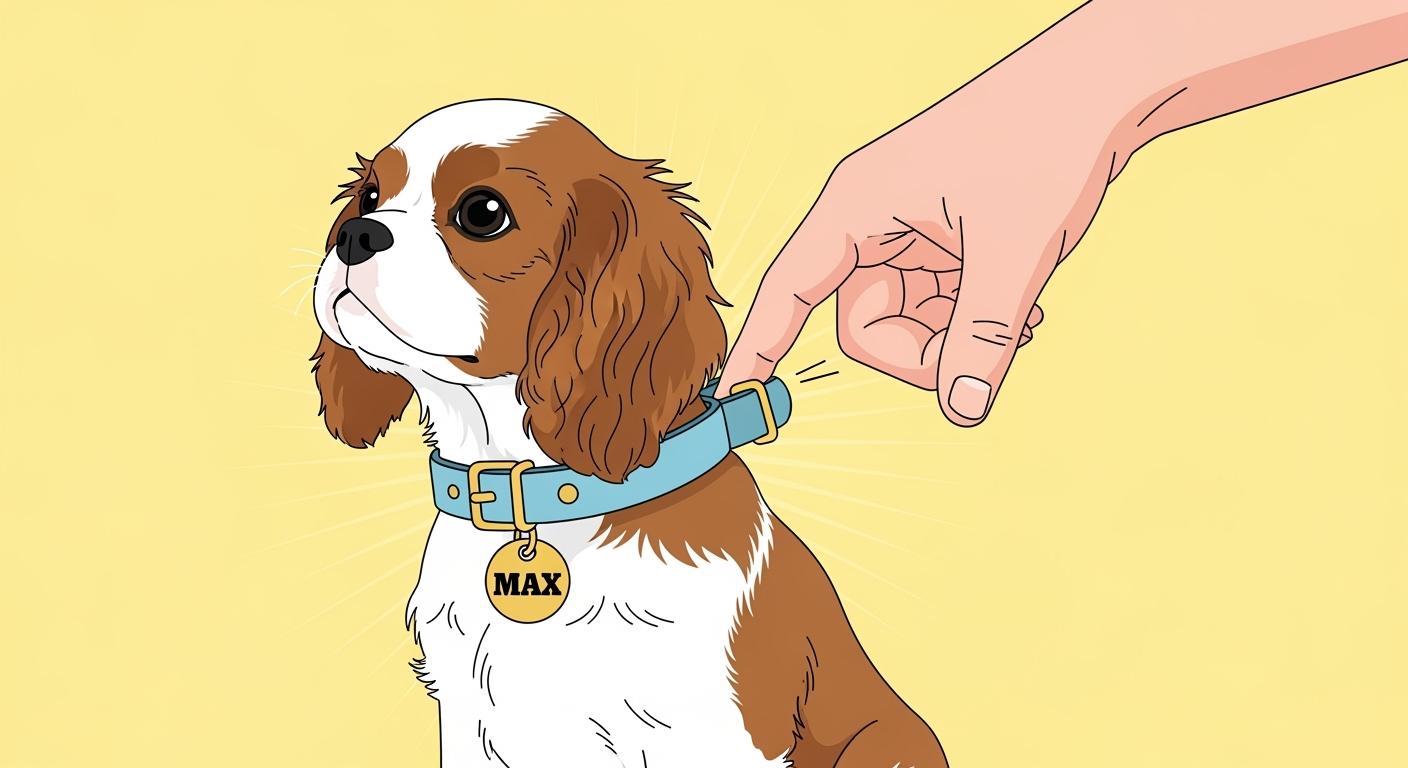
A harness should be snug but not restrictive. Aim to slide two fingers under the straps. Check that straps don’t rub the armpits, and that the harness doesn’t twist or ride up when your dog turns.
Close-control plan for busy moments
Before you enter crowds or cross streets, rehearse your “close control” routine: shorten the leash (handheld) or grab the top handle / move your dog to heel position (hands-free). For step-by-step training ideas, see the Guide section and practice in calm areas first.
Don’t ignore stress signals
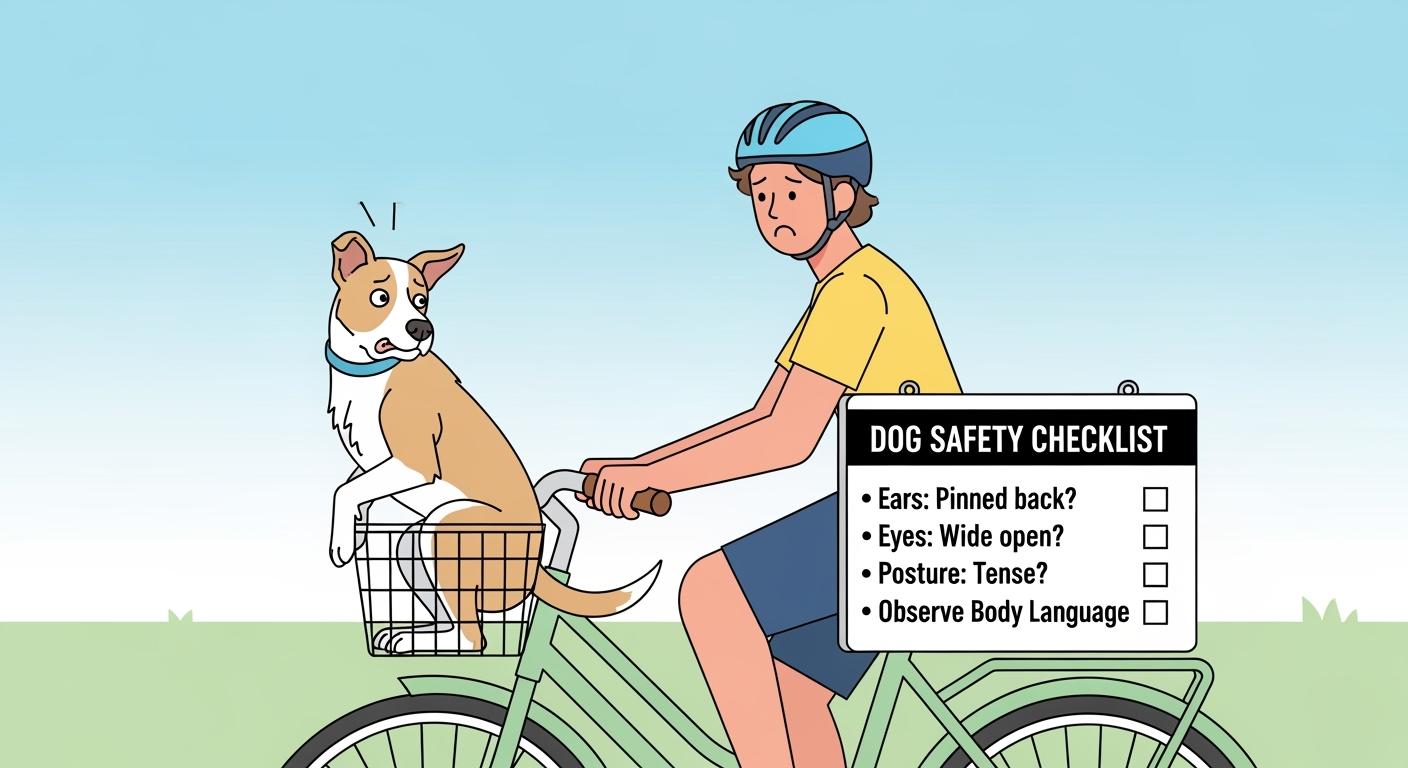
Lip licking, yawning, freezing, avoidance, and growling can signal stress. Stop, create distance, and reassess the environment and fit. If pulling or reactivity persists despite practice, a certified trainer can help you build safer habits.
Common Mistakes and Fixes
- Choosing size by weight only: measure chest girth and neck circumference; re-check as coat/weight changes.
- Using hands-free in high-risk areas: keep hands-free for open spaces; switch to handheld (or close-control handle) in crowds.
- Over-relying on bungee: shock absorption can reduce strain, but training still drives results.
- No emergency grab option: pick gear with a top handle or keep a short lead available.
Reminder: Gear is a tool. Consistent cues + good fit are what make control reliable.
FAQ
Are body leashes for dogs safe for strong pullers?
They can be safe if you pair them with a well-fitted harness and practice in low-distraction areas first. Strong pullers often improve faster with a front-clip setup and structured training.
Does hands-free reduce pulling?
Hands-free can reduce arm strain and help you provide steadier cues, but it does not replace training. Pulling usually improves when you reward loose-leash walking and use the right attachment point.
Which attachment point gives more control?
A front-clip attachment usually offers more steering control and discourages pulling. Back-clip attachments allow more freedom but can make pulling easier.
How tight should a harness be?
Use the two-finger rule and confirm that straps lie flat without rubbing. If you see redness, hair loss, or restricted shoulder movement, re-fit or change styles.
When should I talk to a trainer or vet?
Talk to a professional if pulling and lunging continue, your dog repeatedly escapes, or you notice sudden changes in behavior or health. Early help prevents bad habits and keeps walks safer.