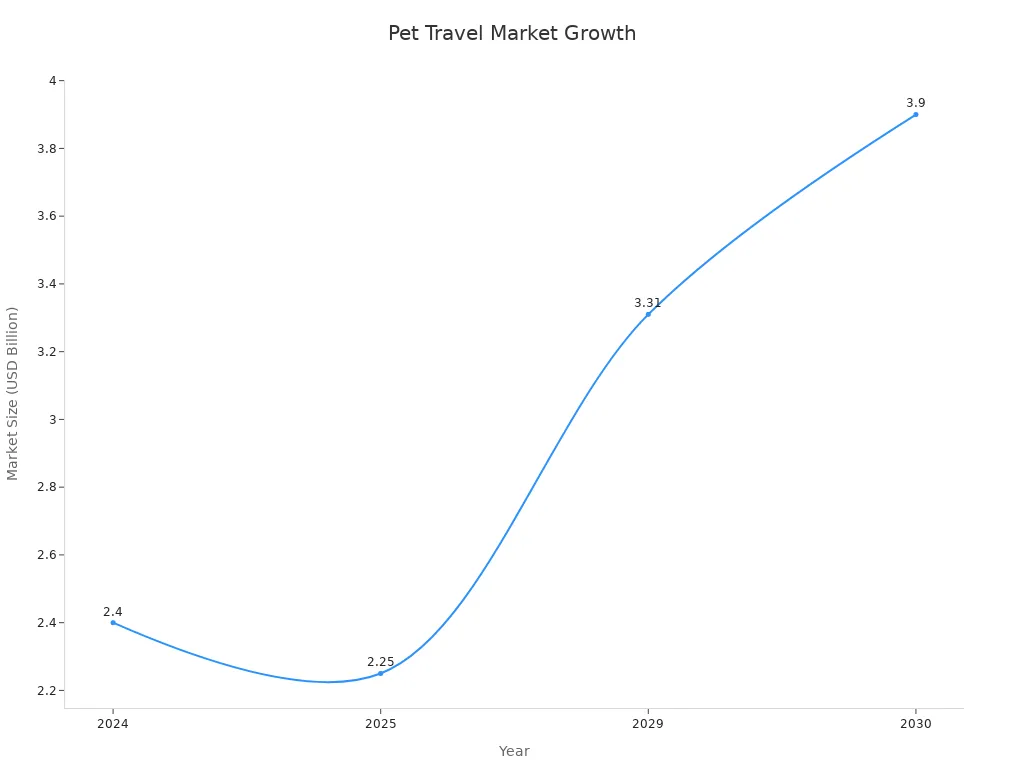
More and more people now treat their dogs as full family members and expect to bring them along on trips. That shift is driving steady growth in the pet travel accessories category. Independent market research estimates that the global pet travel accessories market was worth around USD 6.5 billion in 2023 and could reach roughly USD 10.7 billion by 2032, implying a mid–single-digit annual growth rate rather than an overnight boom.
You can summarize this trend for buyers and internal teams with simple, rounded numbers:
Year | Estimated global pet travel accessories market size (USD, billions) |
|---|---|
2023 | 6.5 |
2032 (forecast) | 10.7 |
Implied CAGR 2024–2032 | approximately 5.7% |
Recent insight reports from the American Pet Products Association (APPA) show that, in the last year, 88% of dog owners have taken their dogs on car trips and about 68% have flown with their dogs at least once.
These numbers explain why dog travel gear and safety guidance are no longer niche topics for pet businesses.
Who this guide is for
This guide is written for pet brands, retailers, and logistics partners who use Stridepaw to plan, list, and manage pet travel products. It is not a generic consumer blog post. The content is designed to help B2B teams turn complex regulations and safety expectations into practical product, merchandising, and operations decisions.
Who created this guide
The guide was prepared by the Stridepaw pet travel product research team, which specializes in the carrier and travel accessories category rather than general ERP topics. Our researchers continuously review airline pet policies, IATA-style container requirements, national and state regulations, and independent crash-test data. We translate those primary sources into B2B-ready checklists and decision templates for our customers.
Key Takeaways
The global pet travel accessories market is estimated at about USD 6.5 billion in 2023 and is forecast to reach roughly USD 10.7 billion by 2032, according to independent market research.Pet brands and retailers can ride this steady growth by treating travel gear as a planned, curated category rather than a small add-on.
Safety is very important when traveling with dogs. Teach customers why they need to use the right restraints and carriers. This keeps their pets safe in cars and on planes.
Give customers helpful travel tips and checklists. This helps build trust with them. It also helps lower returns because customers are ready for trips with their dogs.
Share useful content with customers, like guides and social media posts. This makes shopping better for them. It also makes them want to pick your brand for dog travel gear.
Always focus on teaching customers about travel safety and gear choices. Clear messages help customers feel sure and happy with what they buy.
About the data in this guide
This guide is written for pet brands, retailers, and B2B partners using Stridepaw. All statistics and regulations referenced here come from external sources such as global pet travel accessories market reports, APPA’s National Pet Owners Survey, AAA and American Humane summaries on car safety, and public guidance from USDA-APHIS and the U.S. Department of Transportation.
Where different analysts give slightly different market sizes, we standardize on a consistent range (for example, around USD 6.5 billion in 2023 and about USD 10–11 billion by the early 2030s) and round the numbers so B2B teams can focus on direction rather than debating small decimal differences. All figures are researched and cross-checked by the Stridepaw content team and are not generated by AI tools.
Dog Travel Trends and Business Impact
Why Traveling with Your Dog Is Mainstream (Key Statistics)
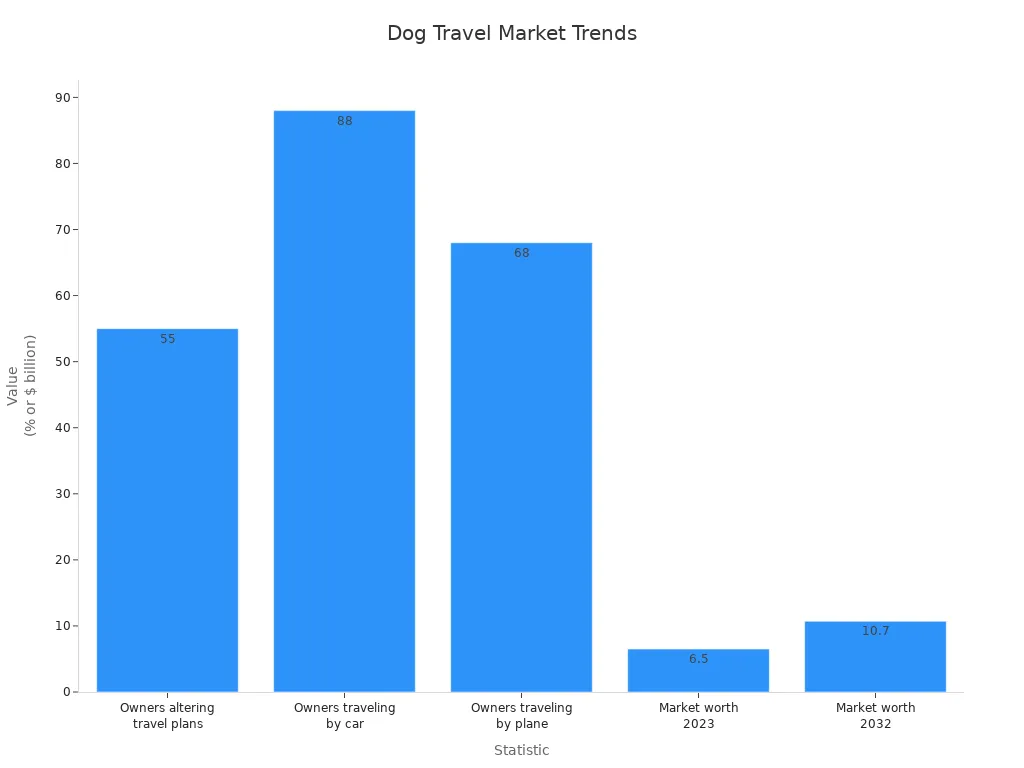
More people now take their dogs everywhere they go. Independent analysts estimate that the global pet travel accessories market was around USD 6.5 billion in 2023 and could approach USD 10.7 billion by 2032.APPA’s latest dog-and-cat owner insight report shows that 55% of dog owners adjust their travel plans to include their pets, 88% have taken their dog on a car trip in the last year, and about 68% have flown with their dogs.Together, these numbers confirm that dog-inclusive travel is now mainstream, not a niche hobby.
Statistic | Value |
|---|---|
Percentage of dog owners altering travel plans for pets | 55% |
Percentage of dog owners traveling by car | 88% |
Percentage of dog owners traveling by plane | 68% |
Estimated worth of pet travel accessories market in 2023 | $6.5 billion |
Projected worth of pet travel accessories market in 2032 | $10.7 billion |
Now, more hotels, airlines, and parks let dogs visit. This makes it easier for people to travel with their pets. Pet owners have more choices in travel guides than before.
Opportunities for Pet Businesses
Your business can grow by helping dog owners travel. More people want products and services for dog travel. Some companies now offer pet-friendly rides and easy ways to move pets. Your business can help by giving safe rides, comfy carriers, and gear for trips. You can also share travel tips and checklists for dog owners. When you help people get ready for trips, they trust your business more.
Safety and Compliance Responsibilities
Pet businesses that move dogs or advise customers about travel need to anchor their operations in clear regulatory frameworks, especially in the United States. Commercial transporters may fall under the federal Animal Welfare Act and related USDA-APHIS regulations for transporting animals in commerce, while states and municipalities add their own rules on animal care, vehicle standards, and business licensing.On top of this, airlines and foreign destinations publish their own pet-travel policies. Your role is not to give legal advice, but to understand which rules apply to your services and to build internal checklists, training, and insurance coverage around them.
Responsibility Type | Description |
|---|---|
Commercial Vehicle Licenses | Commercial Vehicle Licenses |
Animal Transportation Regulations | Animal Transportation Regulations |
Health and Safety Regulations | Health and Safety Regulations |
Insurance Requirements | Insurance Requirements |
Space and Sanitation Standards | Space and Sanitation Standards |
When you follow these rules, you show you care about safety. This helps customers trust your travel guide and your business.
Dog Travel Scenarios
Car Travel Essentials
Most people like to drive with their dogs. APPA’s 2024 Dog and Cat Owner Insight Report finds that about 88% of dog owners have taken their dogs on car trips in the last year, making road travel a core use case for your assortment planning and safety education.
Factor | Description |
|---|---|
Prevalence of Dog Ownership | Dogs are the most popular pet species in North America, leading to a larger market for travel gear. |
Active Lifestyles | Many dog owners engage in outdoor activities and travel, requiring diverse travel gear options. |
Diverse Travel Needs | Dogs need specialized travel solutions, such as larger crates and secure restraints for safety. |
Advancements in Gear | Innovations focus on safety, durability, and ergonomic designs, driving demand in the market. |
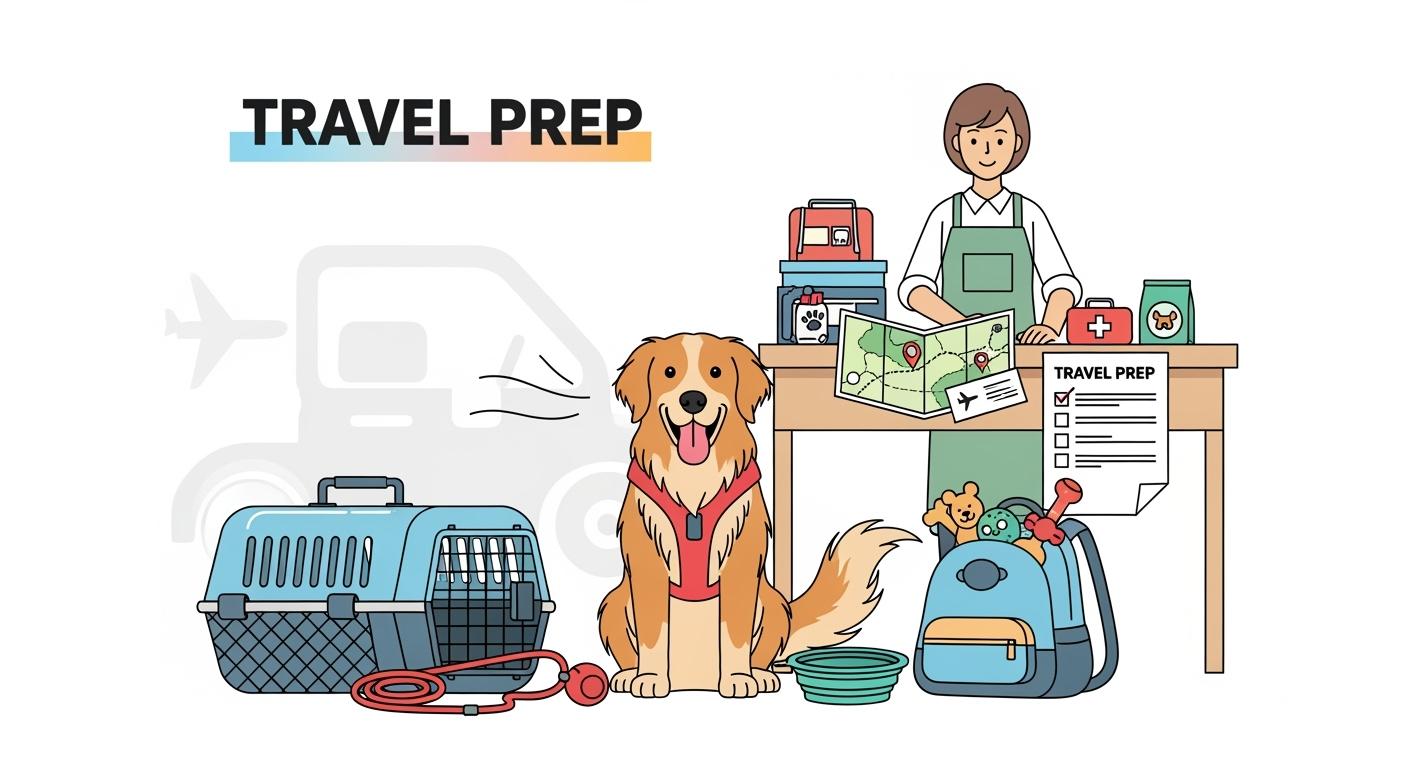
To help your customers get ready for car trips, suggest these items: – Safety restraints like harnesses and seat barriers – Travel beds and seat covers for comfort – Pet first aid kit – Water and snacks – Poop bags and towels – GPS tracker – Long leash – Roadside emergency kit
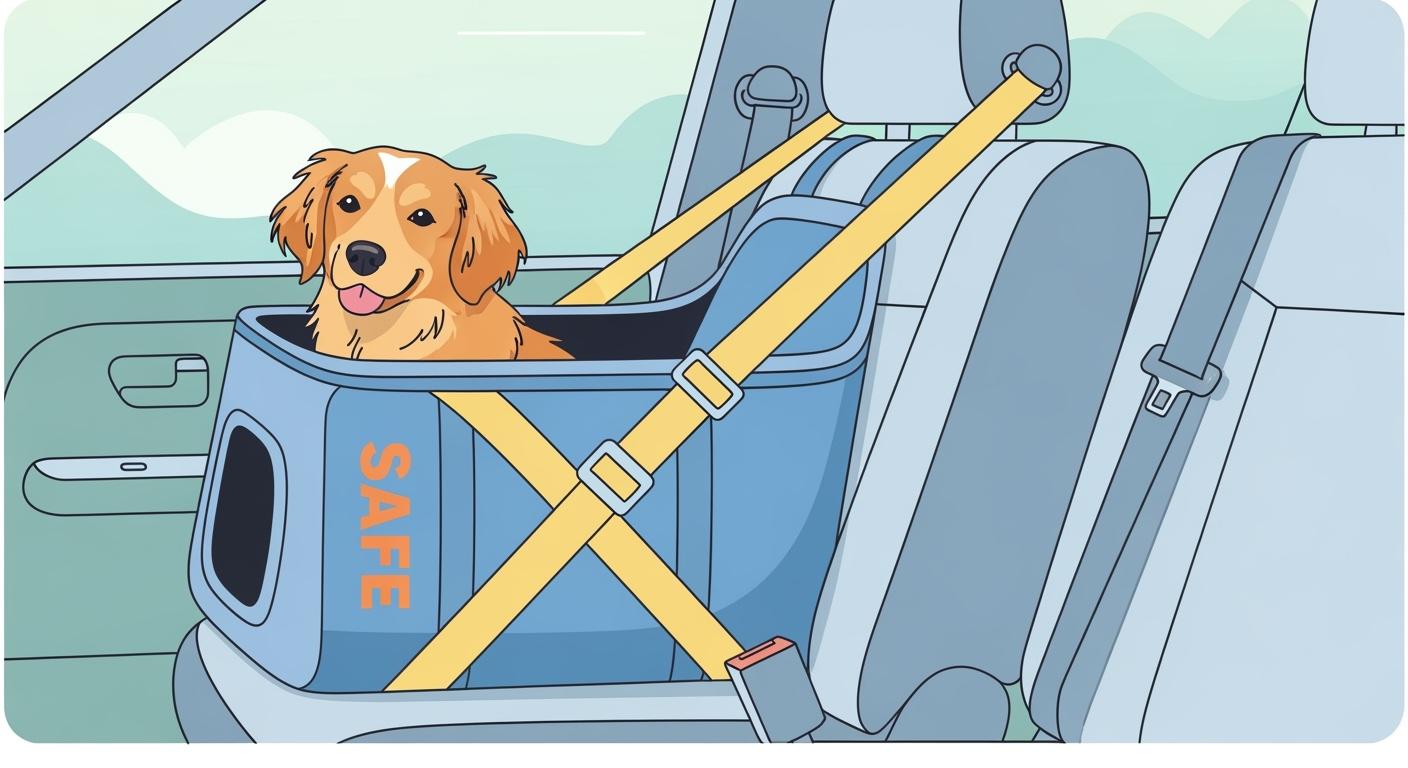
Dogs without restraints can get hurt in a crash or sudden stop. Your team should tell buyers why secure restraints and comfort gear are important.
Air Travel Considerations
Flying with dogs means following stricter airline rules and preparing owners carefully. APPA’s pet owner insight data indicate that around 68% of dog owners have flown with their dogs at least once, which is a smaller group than car travelers but still a meaningful share of the market.For these customers, clear guidance on carrier selection, health certificates, and airline check-in procedures can make the difference between a smooth trip and a stressful one.
Consideration/Regulation | Details |
|---|---|
Carrier Requirements | Soft-sided, well-ventilated, leak-proof, fits under seat (approx. 18” x 11” x 11”). |
Health Certificate | Recent certificate from a licensed vet stating the dog is fit to fly. |
Breed Restrictions | Some breeds, especially brachycephalic, may face restrictions. |
Temperature Restrictions | Airlines may deny boarding if temperatures fall outside safe ranges. |
Check-in and Security | Early arrival and removal of the dog from the carrier during security checks. |
Cargo Transportation | Temperature-controlled areas and trained staff for pets traveling in cargo. |
Your store should have these items, and your staff should help buyers get ready to fly with their dogs.
Urban and Public Transport Tips
Traveling in cities is different for dogs and owners. You can help by suggesting: – A strong 46-inch leash and a good harness for busy places – Do not use retractable leashes in crowded areas – Bring water and booties to protect paws
Tip: Tell buyers to train their dogs for elevators, stairs, and public transit. Calm and confident dogs make city trips safer and more fun for everyone.
If you know about these travel situations, you can give better advice. This helps your customers and keeps dogs safe and happy on every trip.
Dog Travel Gear Checklist
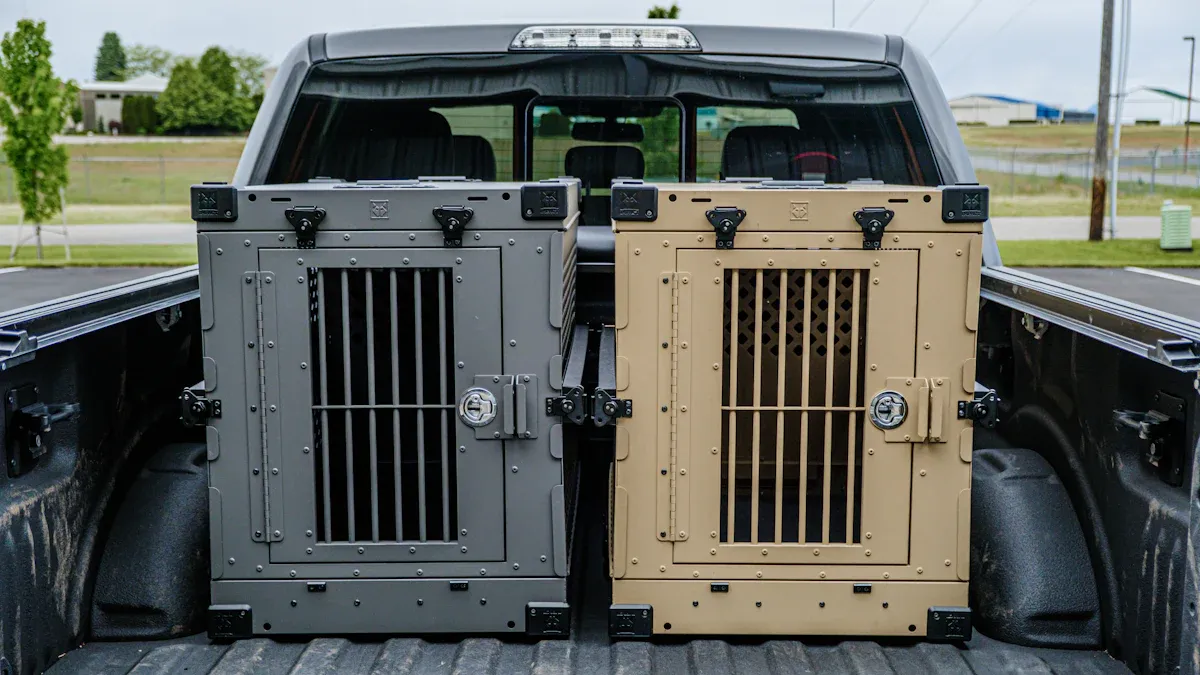
The pet gear market for travel is getting bigger. People want good gear that keeps dogs safe and comfy. Your pet business can help by selling many types of dog travel gear. This checklist shows the main things to pack for your dog. It also gives tips to help your brand stand out.
Restraint Systems and Carriers
You should have restraint systems and carriers to keep dogs safe. These products need to follow airline rules and road safety standards. When you help buyers pick the right restraint, you show you care about safety.
Aspect | Description |
|---|---|
Safety Testing | Crash testing at normal road speeds |
Evaluation Criteria | Products must keep dogs safe and stop them from moving in a crash |
Rating System | 5-Star (Great), 4-Star (Good), Not Recommended (Fails basic rules) |
Importance | Keeps dogs safe in sudden stops or accidents |
Recommended restraint systems and carriers for your assortment:
Airline-approved dog carrier (soft-sided, ventilated, leak-proof)
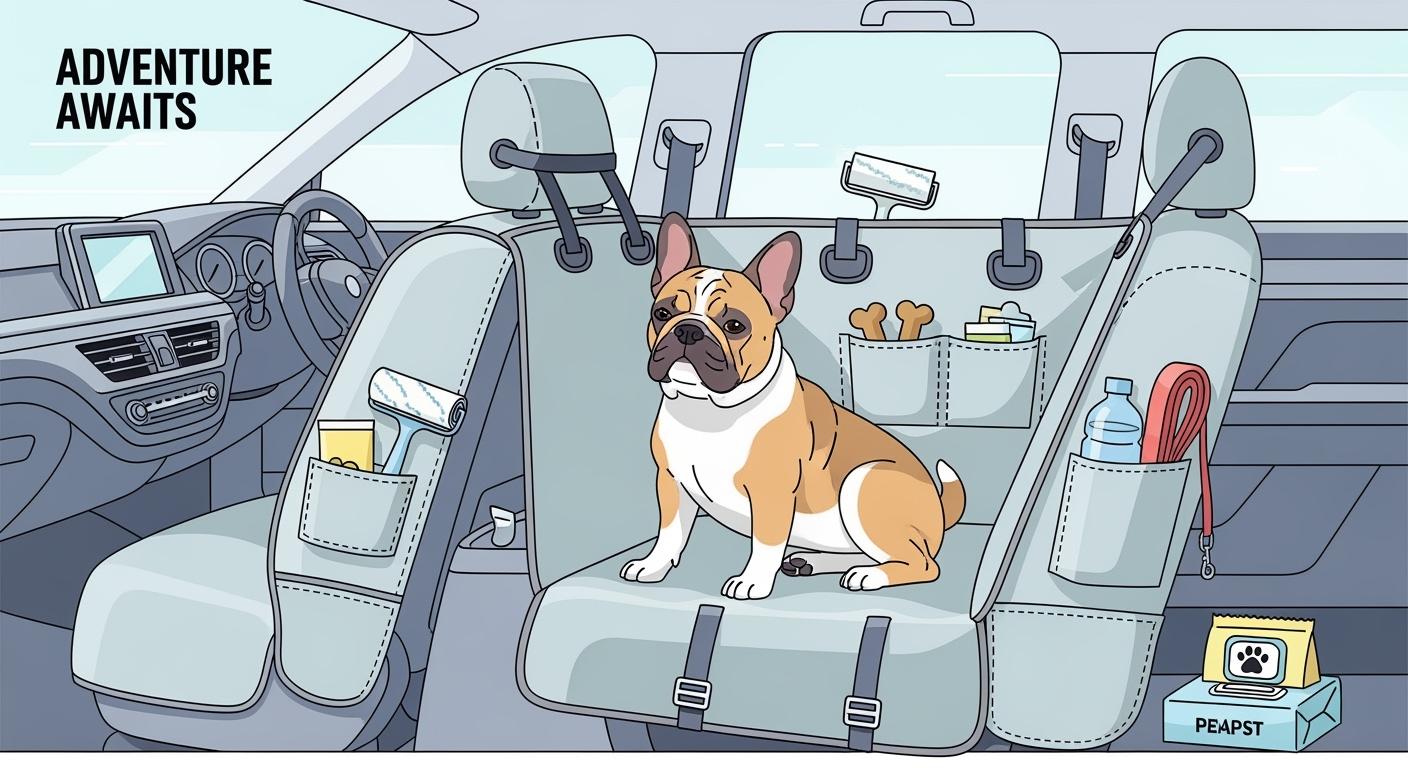
Dog barrier or back seat cover for vehicles
Secure harnesses and seatbelt attachments
Tip: Always tell your customers why restraints matter, especially for road trips.
Hydration and Feeding Gear
Dogs need water and food when they travel. You can help by selling gear that makes feeding and watering easy.
Collapsible food and water bowls: Light, steady, and easy to carry
Portable water bottle: Can use with one hand and does not spill
Dehydrated or freeze-dried diets: Small, healthy, and help with hydration
When you pack for your dog, bring a water bowl and enough food. This keeps your dog’s routine and lowers stress.
Comfort Items and Bedding
Comfort items help dogs feel calm in new places. You can suggest these products to your buyers:
Travel crate or small pet carrier for safety
Bedding or favorite toys for comfort
Calming chews or natural remedies (like chamomile)
Treats to make travel gear feel good
Tell your customers to let dogs try these items before the trip. This helps dogs get used to them and makes travel easier.
Identification and Tracking
Losing a pet is a big worry when traveling. You can offer ID and tracking tools to help your customers feel safe.
Collars and harnesses with ID tags
GPS trackers for real-time location
Microchips for permanent ID
Geo-fencing alerts and movement history
GPS helps keep pets safe. Real-time tracking helps owners find lost dogs fast, especially in the first 12 hours.
Emergency and First-Aid Kits
Every trip needs a dog first-aid kit. You can help by selling kits with:
Gauze, bandages, and vet wrap
Tweezers and tick remover
Saline, wipes, and antibiotic ointment
Styptic powder for small cuts
Dog-safe medicine
Honey or corn syrup for low blood sugar
Emergency contact card and dog first aid guide
Scissors and latex gloves
Note: Remind buyers to check and refill their kits before each trip.
Weather Protection
Dogs need to stay safe from bad weather when traveling. Your store should have:
Dog jackets for warmth and rain (fleece, waterproof, or layered)
Sleeping bags for dogs, with adjustable parts and many sizes
Bug protection gear, like jackets, blankets, or bug suits
These items help dogs stay comfy and healthy in any weather.
Sizing and Fit Tips
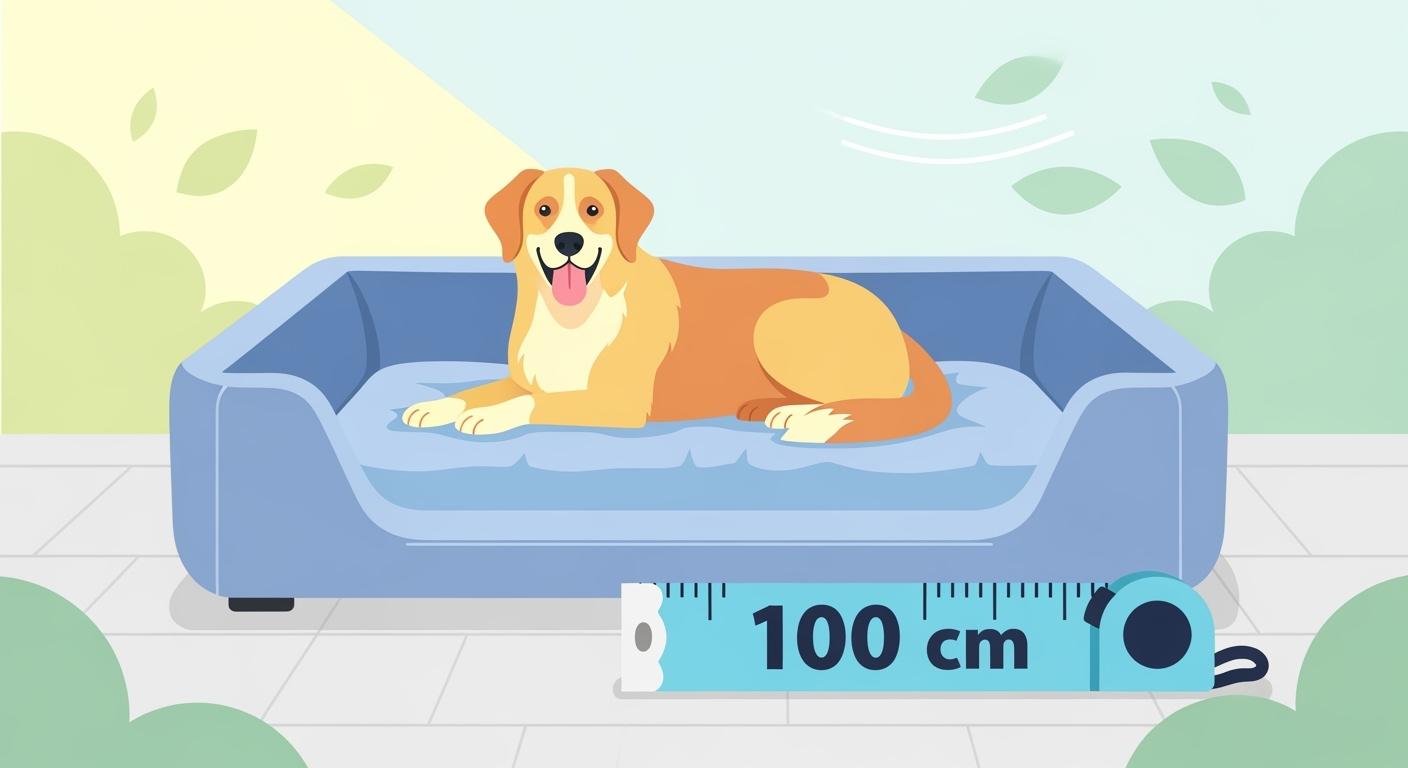
Getting the right size keeps dogs safe and comfy. You can help your customers with these tips:
Scenario | Measurement Focus | Recommended Bag Type | Why It Works |
|---|---|---|---|
Flying with a small dog | Length and height | Soft-sided carrier with ventilation | Fits under the seat, cozy, and breathable |
Road trips with a medium dog | Width and length | Hard-sided crate with padding | Secure, protects during motion |
Outdoor adventures with large dogs | Height and width | Extra roomy travel bag with strong frame | Lets dogs stretch and get air on long trips |
Measure after a walk when the dog is calm
Give treats for being patient
Keep measuring short and fun
Use toys or gentle petting to distract
Once you have the right size, help your customers pick travel bags with clear inside sizes. A padded, airy inside helps your dog feel better.
By selling all the dog travel gear and sharing tips for traveling with your dog, your business can make customers happy and lower returns. Make sure your team knows what to pack for your dog and how to pack a travel kit for your dog, so every trip is safe and fun.
Dog Travel Safety Tips
Car Safety Protocols and Restraints
Keeping your dog safe in the car is critical. Surveys summarized by AAA and American Humane show that more than 80% of drivers recognize that an unrestrained dog in a moving car is dangerous, yet only around 16% actually use a pet restraint.Safety advocates such as BarkBuckleUp estimate that in a 35-mph collision a 60-pound dog can hit with roughly 2,700 pounds of force, turning into a serious projectile for everyone in the vehicle.When your team explains these numbers to customers, it becomes easier to position crash-tested harnesses, crates, and barriers as essential safety equipment rather than optional extras.
Your business can help by selling different restraint systems. Some good choices are:
Seat belt tethers that clip to a harness and connect to the car’s seat belt or LATCH system.
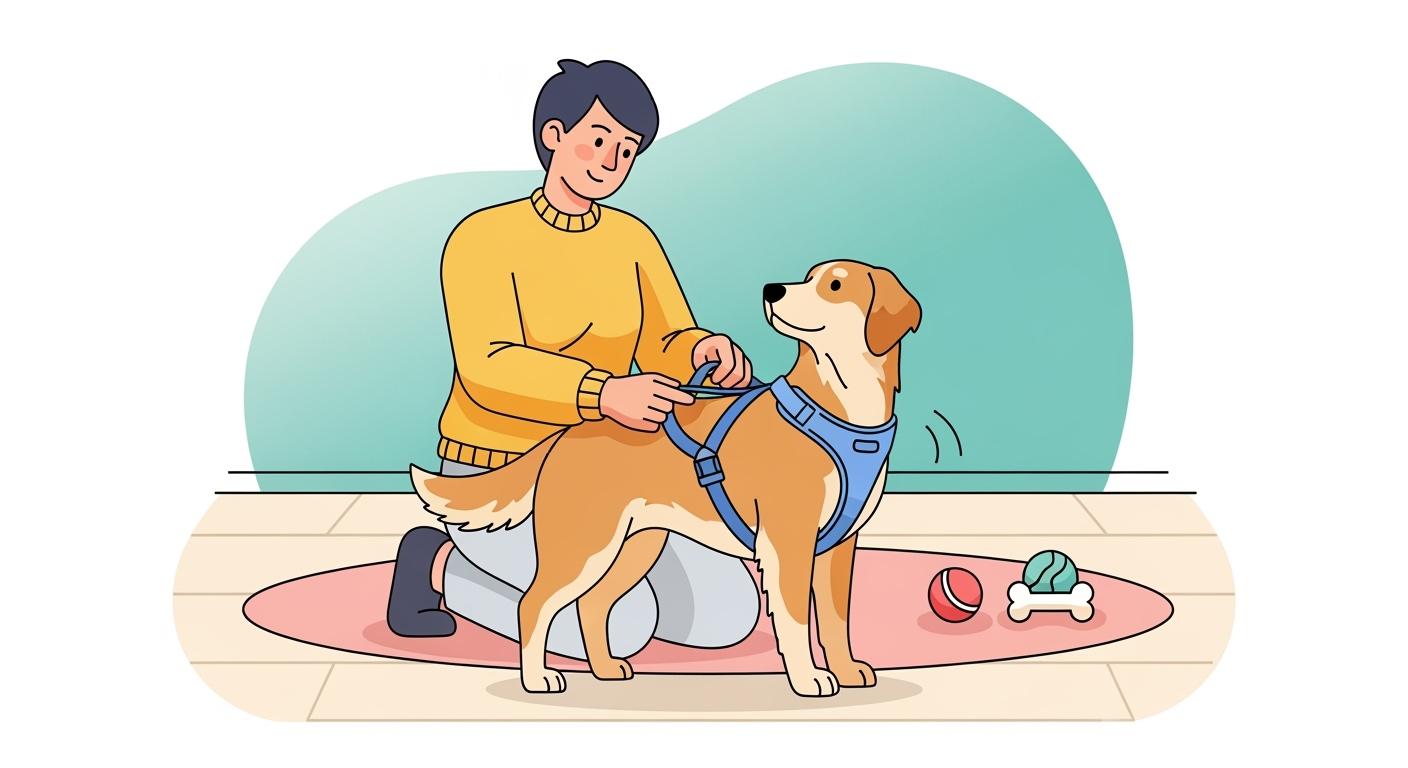
Crash-tested safety harnesses that protect dogs in accidents.
Vehicle zip lines that let dogs move a little but keep them safe.
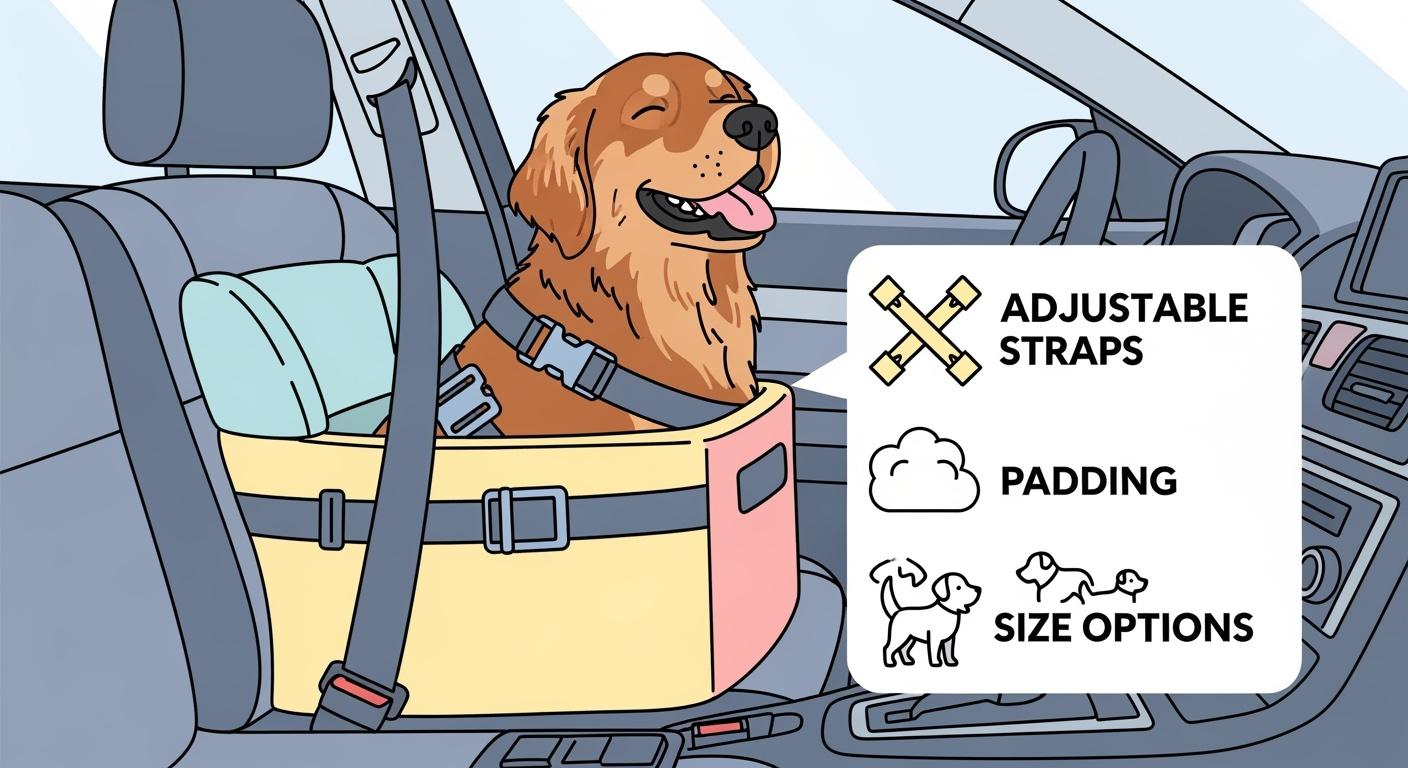
Car seats with restraints for small dogs, so they are comfy and safe.
Tip: Always tell customers to use a harness with a restraint, not a collar. Collars can hurt a dog’s neck in a crash.
When you help customers pick restraints, remind them to:
Choose strong restraints that last through many trips.
Make sure the fit is right for comfort and safety.
Put dogs in the back seat to avoid distractions.
Never let dogs stick their heads out the window. Things can fly in and hurt them.
Never leave dogs alone in the car.
Sharing these tips shows your team cares about dog travel safety.
Air Travel Safety
Flying with dogs is safer than many think. Problems are rare if owners follow airline and travel rules. Buyers need to know how to get ready for a good flight.
U.S. Department of Transportation reporting shows that serious incidents involving pets on commercial flights are rare relative to the total number of animals transported—recent figures indicate only a handful of reportable incidents among more than 160,000 animals in a year, or well under 0.01%.That does not remove the risk, but it supports a data-driven message: when owners follow airline policies and use appropriate carriers, air travel can be a low-incident option for many pets.
Help customers pick carriers that fit airline rules. The carrier should be the right size, have good air flow, and not leak. Tell buyers to crate train their dogs before flying. Dogs who feel safe in crates do better on planes. Practice short rides in the crate to help dogs get used to noise and movement.
Key air travel safety tips:
Make sure the crate is the right size and locks well.
Label the crate with food and water info, live animal stickers, and arrows.
Check health certificate rules with the airline.
Bring a copy of the dog’s shot records.
Do not use sedatives. Airlines do not allow them, and they can make it hard for dogs to stay cool.
Keep feeding, play, and potty times the same to lower stress.
Note: Remind buyers to check airline and travel rules before each trip. This helps avoid problems and keeps dogs safe.
Public Transport Safety
Traveling in cities often means using public transport. Your store can help customers get ready for these trips by focusing on safety and comfort.
Check the dog’s behavior, health, and needs before the trip.
Use a strong harness and leash to keep the dog close in crowds.
Keep dogs in the back seat or pet areas on buses and trains.
Never let dogs put their heads out of windows.
Never leave dogs alone on public transport or in cars.
Tip: Tell buyers to train dogs for elevators, stairs, and busy places. Calm and confident dogs make trips safer.
Preparing Dogs for Travel
Getting ready is important for a safe and happy trip. Your store should offer products and advice to help buyers prepare their dogs for travel.
Socialize dogs by taking them out around people.
Practice putting dogs in crates in cars to help them get used to it.
Start with short car rides and slowly make them longer.
Ask friends to help dogs get used to new places and cars.
Give dogs exercise before travel to help them relax.
Crate training helps dogs see the crate as a safe spot. Slowly increase crate time and give treats as rewards. Bring favorite bedding and toys to make the crate feel like home.
Note: Tell buyers to start using travel gear early. Practice leash walking, crate time, and car rides before the big trip.
By following these tips, your business can help customers keep their dogs safe when traveling. This builds trust and shows you care about every dog’s safety.
Educating Clients with “Blog the Dog” Style Content
Communication Strategies
You can make customers happier by using blog the dog style content. Share this content on your website and social media. Give clear facts and easy tips about dog travel gear. This helps buyers pick the right gear for their dogs. Real stories and advice help people trust your brand. Your team should answer questions fast and use simple words. Show buyers how to use gear with pictures, FAQs, and quick tips. Use tables to compare gear features. This makes it easier for buyers to choose what they need.
Creating Educational Materials
Your brand can make guides that help buyers with dog travel. Blog the dog content works well in emails, social posts, and store signs. Use checklists, how-to videos, and print guides to show how to get dogs ready for trips. Share safety tips, packing lists, and advice for picking gear. These materials help buyers feel sure and less confused. Your retail partners can use these guides to train workers and answer questions.
Tip: Use real stories and easy steps to make your guides simple to follow.
Reducing Returns with Clear Tips
You can lower returns and complaints by giving clear travel tips. Blog the dog style content helps buyers avoid mistakes and pick the best gear. New research shows you can share these steps: 1. Learn your airline’s pet rules so you don’t get surprised. 2. Pick the right carrier so your dog is safe and comfy. This helps stop returns from bad fits. 3. Get your dog ready for travel to lower stress and problems. 4. Pack well for your dog so you don’t forget things or need to buy last minute. 5. Use services that make travel easier for you and your dog.
When you give clear steps and safety tips, buyers feel ready. This makes customers happier and helps your brand look professional.
To help your customers travel safely with dogs, remember these basics: Pack enough food and water for each dog. Bring grooming gear for every trip. Use a crate or harness to keep dogs safe in the car. Always bring waste bags for clean-up. Use seat covers to protect your car seats. Pack an emergency kit for each dog. Plan to stop often for breaks. Ask your vet about any dog medicines you need.
Teaching customers ahead of time helps them trust you. Blog the dog style content lets your brand talk to dog owners. Improve your dog travel gear and give easy tips. This makes customers happier and helps you sell more.
Content Type | Benefit for Your Business |
|---|---|
Engaging dog travel guides | Builds trust and gets customers interested |
Social media dog content | Brings in new buyers and grows your brand |
FAQ
What dog travel gear should your brand always stock?
You need to sell restraint systems and travel carriers. Hydration gear is important too. Comfort items help dogs feel safe. Emergency kits are needed for every trip. These things help buyers get ready for travel. They also make customers happier.
How can your customer service team educate buyers about travel safety?
Give quick tips and easy checklists. Use how-to guides with pictures. Share real travel stories with buyers. Answer questions in simple words. This helps buyers trust your team. It also makes things less confusing.
Which features matter most when choosing dog carriers for air travel?
Feature | Benefit |
|---|---|
Ventilation | Helps dogs stay cool |
Leak-proof design | Stops messes |
Size alignment | Fits airline rules |
Pick carriers that match airline size rules.
How do you reduce returns on dog travel gear?
Give clear sizing charts to buyers. Share packing lists and easy steps. Teach buyers before they buy gear. This helps lower complaints. It also helps customers come back.
What is the best way to prepare dogs for travel?
Start with short trips to practice. Use travel gear at home first. Give treats for calm behavior. Retail partners can share these tips. This helps buyers feel ready and sure.