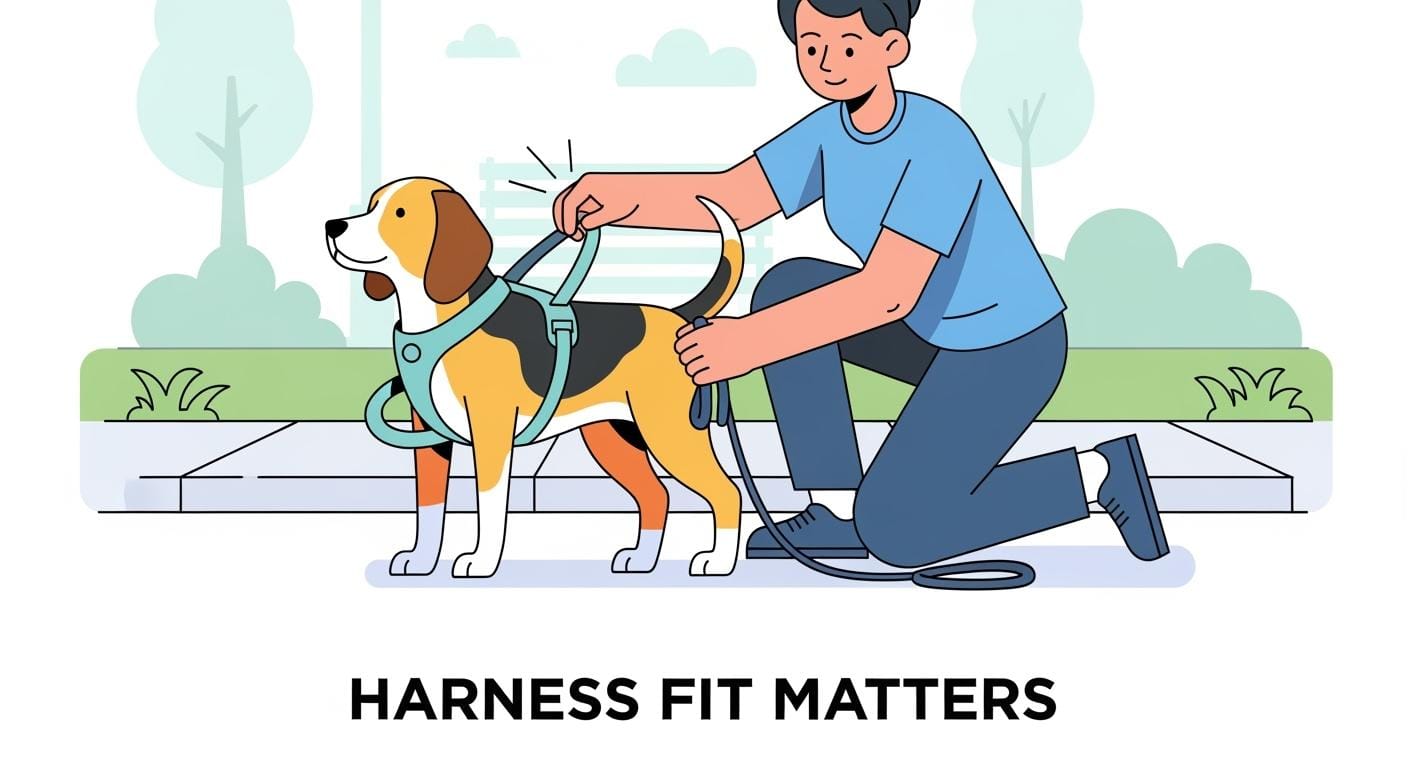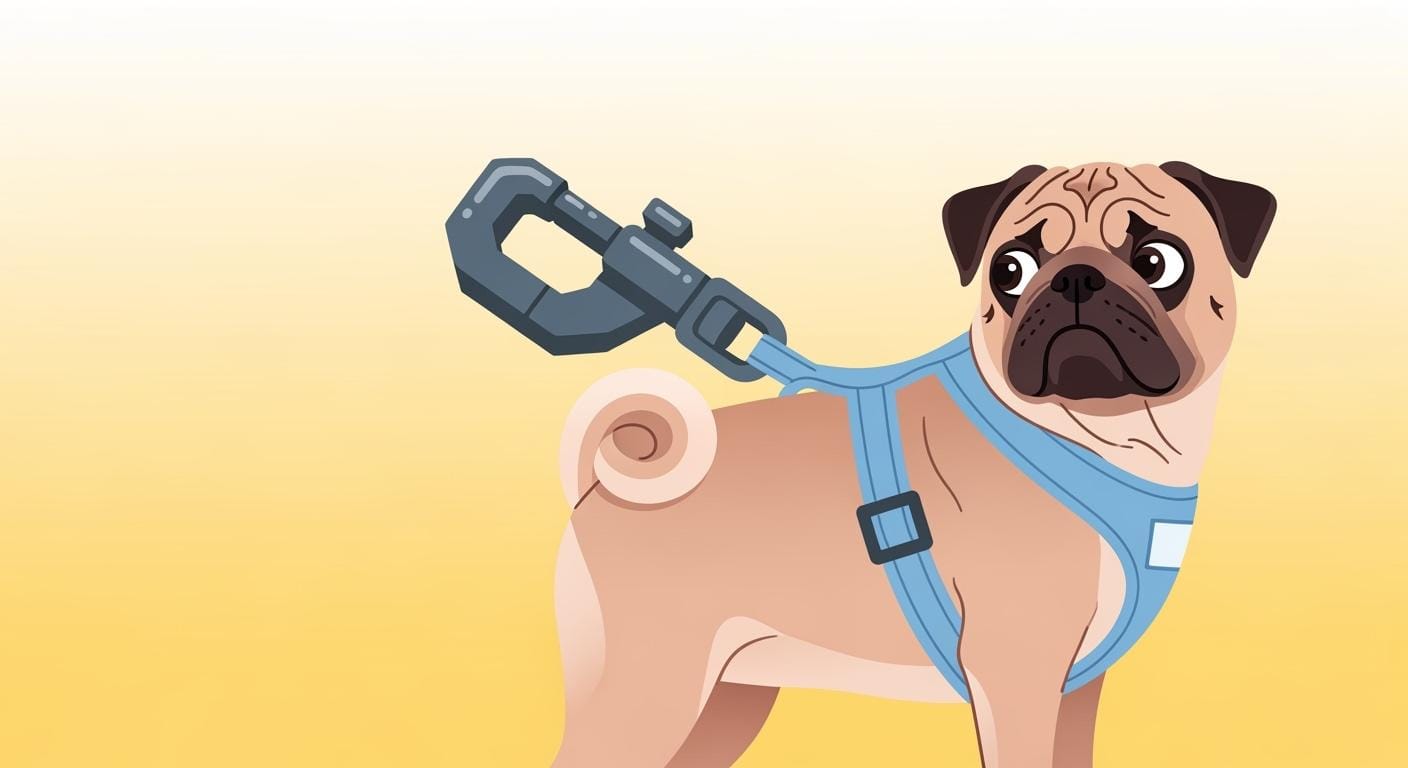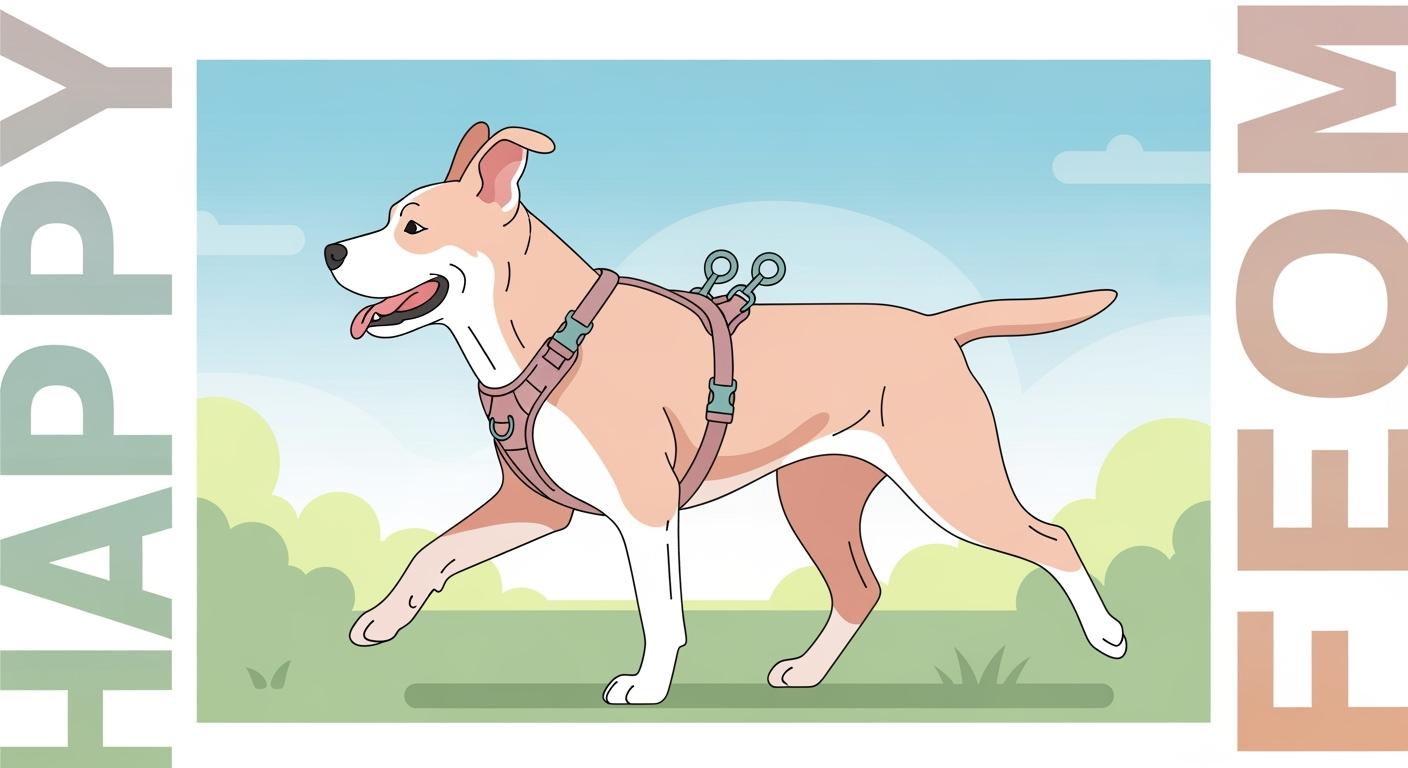
Strong dogs show harness problems fast. You need the right harness and good training. A big harness for dog with a front or dual clip can help stop pulling. It does not limit movement if you measure your dog’s chest and neck. Check the fit with two fingers. Studies say front-clip harnesses change movement and lower pulling more than martingale collars. Always keep control and comfort balanced. No-pull results depend on fit, how you handle, and training. If your dog reacts or seems hurt, ask a trainer or vet for help.
Harness Type | Effect on Pulling Behavior | Notes |
|---|---|---|
Front-Clip Harness | Reduces pulling | Changes movement, does not tighten, helps strong pullers. |
Martingale Collar | Increases pulling | Dogs pull more than with a front-clip harness. |
Prong Collars | Varies | Used to check if dogs dislike it, not good for movement. |
Key Takeaways
Pick a no-pull harness that fits your dog well. This helps stop pulling and helps with training. Front-clip harnesses help stop pulling by turning your dog. Back-clip harnesses are comfy for calm dogs. Always use the two-finger rule to check the fit. This keeps your dog safe and comfortable. Think about your dog’s behavior and body shape when you pick a harness. You can choose front, back, or dual-clip harnesses. Change the harness as your dog grows or changes. This keeps your dog comfortable and under control.
What No-Pull Means for a Big Harness for Dog
Control vs Training Progress
You want your big harness for dog to help you stop pulling. You also need it to help with training. Experts say a no-pull harness uses gentle pressure on your dog’s body. This happens when your dog pulls on the leash. The harness helps turn your dog back toward you. This makes your dog walk closer to you. The harness spreads pressure over the chest and shoulders. This is safer and more comfy than a collar. A front clip can turn your dog’s chest toward you. This helps stop pulling and teaches good walking.
Tip: Always check if the harness fits before every walk. A bad fit can make control harder and slow training.
Harness Help vs Training Needs
A harness helps you with strong pullers. But you still need to train your dog. Studies show harness design changes how much control you have. It also affects how fast your dog learns. Dogs with back-connection harnesses pull harder and longer than with neck collars. Comfort is important too. Dogs feel better in a harness. This can make training more fun.
Study | Equipment Compared | Findings |
|---|---|---|
Shih et al. (2020) | Front-connection harness vs. neck collar | Dog size and weight change leash tension; harness helps measure how dogs act. |
Shih et al. (2021) | Neck collar vs. back-connection harness | Dogs pull harder and longer with harness; comfort may matter. |
Grainger, Wills & Montrose (2016) | Various collars | No big change in stress; harness lets dogs walk more comfortably. |
Safety Note: No-pull results depend on fit, how you handle, and training. Not every harness works for every dog. If your dog gets scared, acts out, or feels pain, ask a trainer or vet for help.
Common Pulling Mistakes
Many owners make easy mistakes with no-pull harnesses. You can stop problems by checking fit and setup often. Here are the most common causes and fixes:
Common Cause | What It Leads To | What To Do Next |
|---|---|---|
Size too large | Harness moves, rubs under arms | Measure chest and neck, adjust or get smaller size |
Size too small | Stops movement, feels bad | Get bigger size, check two-finger fit |
Straps over shoulder blade | Stops shoulder from moving | Move straps behind shoulder point |
Twisted straps | Pressure is not even, feels bad | Fix straps before using |
Wrong clip for body type | Bad steering, less comfort | Try front or dual clip |
Worn hardware/stitching | Harness can break | Check and change old parts |
Ignoring coat changes | Bad fit in different seasons | Check fit as coat changes |
Overlooking body changes | Fit problems over time | Measure and adjust harness often |
You can pick a no-pull harness with more clip choices and a top handle for more control. Always check the hardware and stitching before walks. If you feel unsafe or your dog seems hurt, get help from a pro.
No-Pull Harness Options: Front, Back, Dual Clip
Choosing the right no-pull harness for your dog can feel confusing. You want control, but you also want your dog to move freely. Each harness type offers different benefits and risks. You need to match your dog’s pulling style and body shape to the right option.
Front Clip: Redirection and Fit Risks
A front-clip harness attaches the leash at the chest. You get better control because the leash turns your dog toward you when they pull. Many trainers recommend front-clip harnesses for strong pullers. Dog parents often see less pulling with this design. The front clip makes pulling uncomfortable and less effective for your dog.
You must check the fit every time. If the harness twists or sits wrong, your dog may dislike the pressure. Straps should not cross the shoulder point. If the chest panel slides off center, adjust the fit or try a different style.
Tip: Always use the two-finger fit check at contact points. If your dog forges ahead, use slack leash handling and reward calm walking.
Scenario A:
Your strong puller keeps forging ahead. You use a front or dual clip harness. You check the fit behind the front legs and make sure the chest panel stays centered. You hold the leash with slack and reward your dog for walking beside you. If your dog lunges, you stop, reset, and continue.
Back Clip: Comfort and Pulling Leverage
A back-clip harness attaches the leash on your dog’s back. This style feels comfortable and easy to use. Many dogs like the freedom it gives. The back clip reduces neck strain and works well for calm dogs.
If your dog pulls hard, the back clip gives them more leverage. You get less control because the leash does not redirect their motion. For big harness for dog, you need to check that the straps sit behind the front legs and do not cut into the armpit area.
Scenario B:
Your big dog needs shoulder freedom. You choose a harness with a Y-shaped strap layout. You measure the chest behind the front legs and check armpit clearance. You make sure the straps do not cross the shoulder point. You use the two-finger fit check and test for rotation during a short walk.
Dual Clip: Steering and Versatility
A dual-clip harness gives you leash attachment points at both the front and back. You get flexibility for different walking styles. The front hook helps prevent pulling and gives you better guidance. The back hook works for relaxed walks and basic training. You can use both clips with a double-ended lead for more control and communication.
Dual-clip harnesses work well for dogs that switch between pulling and calm walking. You can adjust your control strategy for busy areas or outdoor walks.
Note: No-pull harness results depend on fit, handling, and training. No harness is right for every dog. If you feel unsafe or your dog panics, consult a qualified trainer. If your dog shows pain, limping, or skin injury, ask a veterinarian for help.
Comparison Table: Pros, Cons, Best Use
Option | Pros | Cons | Best For |
|---|---|---|---|
Front Clip | Discourages pulling, better steering, ideal for training | Can tangle, some dogs dislike chest pressure | Strong pullers, leash training, busy areas |
Back Clip | Comfortable, easy to use, reduces neck strain | Encourages pulling, less control | Calm dogs, basic walks, sensitive necks |
Dual Clip | Versatile, adjustable for training and walks | May cost more, needs correct fit | Dogs needing both control and comfort |
You can use this table to match your dog’s needs to the right harness. Always check the fit and adjust for comfort and movement. If your dog pulls hard or reacts suddenly, try a front or dual clip. For relaxed walks, a back clip may work better.
Fit Points for Movement and Control
Shoulder Freedom: Strap Layout
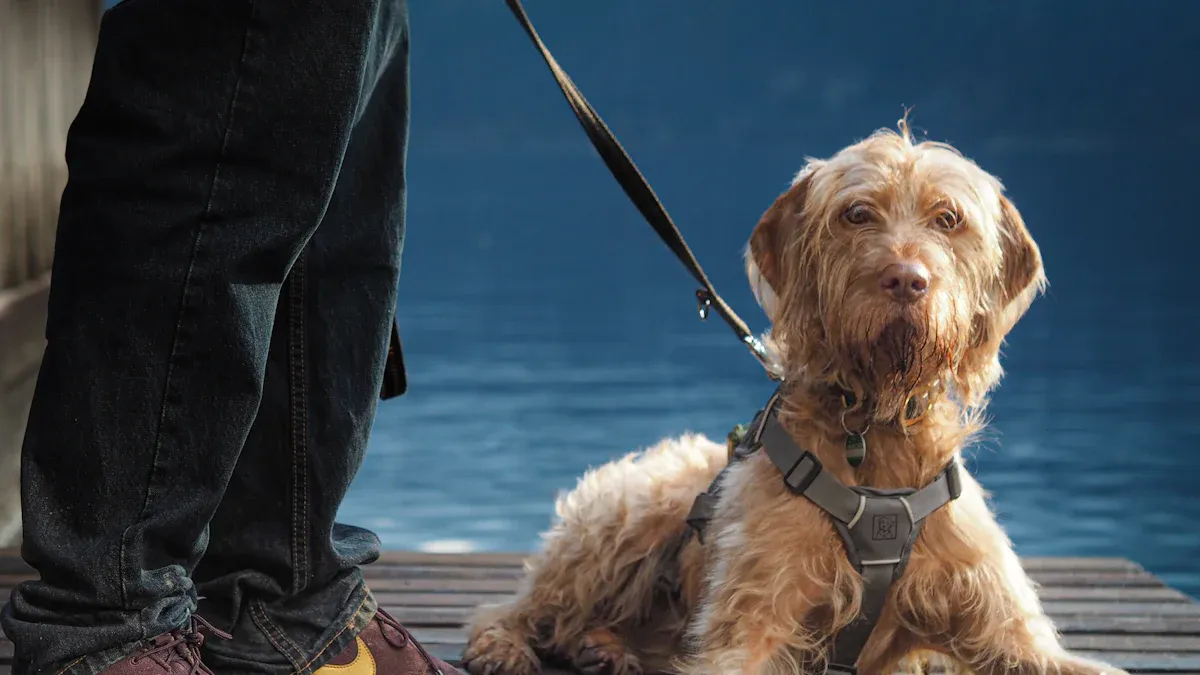
You want your dog to move freely when wearing a harness. Strap layout plays a big role in shoulder freedom. If the straps cross the point where your dog’s front legs swing forward, movement can become restricted. Studies show that both restrictive and non-restrictive harnesses can decrease shoulder extension, but the way the straps sit matters most. Choose a harness with straps that stay clear of the shoulder joint. This helps your dog walk naturally and keeps their stride comfortable.
Armpit Clearance and Rubbing
Check the area behind your dog’s front legs every time you use a harness. Chafing often happens if the harness is too tight or too loose. You might see hair loss, red spots, or irritation in the armpits. To prevent rubbing, make sure the straps sit behind the front legs and do not cut into the soft armpit area. If you notice any skin problems, clean the area gently and let it heal before using the harness again. Try a different harness if rubbing continues.
Signs of armpit rubbing:
Hair loss or red spots
Irritated skin
Dog scratching or licking the area
How to prevent rubbing:
Check fit before each walk
Use the two-finger rule at contact points
Adjust or change harness if discomfort appears
Rotation and Slip Checks
A harness should stay centered on your dog’s chest. If it rotates or slips to one side, you need to adjust the fit. Use a gentle backward pull to see if the harness slips off. If your dog can back out, try a different style or size instead of overtightening. Watch the harness during walks. If the chest panel moves off center, adjust the straps or switch to a better-fitting harness.
Fit checks for movement and control:
Measure chest girth behind the front legs
Measure neck girth where a collar sits
Use the two-finger fit check at all contact points
If between sizes, choose the larger and adjust down
Safety Note: No-pull results depend on fit, handling, and training. No harness is right for every dog. If you feel unsafe or your dog panics, consult a trainer. If your dog shows pain or injury, ask a veterinarian for help.
Fit Point Table: Good vs Bad Fit
Fit Point | What Good Looks Like | What Failure Looks Like | What to Adjust |
|---|---|---|---|
Chest Girth | Snug, two fingers fit, straps behind legs | Too tight, too loose, straps rub armpit | Adjust straps or size |
Neck Girth | Sits where collar sits, no pressure on throat | Rides up, restricts breathing | Loosen or reposition straps |
Shoulder Freedom | Straps clear shoulder joint, free movement | Straps cross shoulder, stride shortened | Change layout or harness style |
Armpit Clearance | Straps behind front legs, no chafing | Straps cut into armpit, skin irritation | Adjust fit or try new harness |
Rotation Check | Chest panel stays centered | Panel shifts to side, harness rotates | Tighten straps or change style |
Slip Test | Harness stays on with gentle pull | Dog backs out easily | Choose larger size, adjust fit |
Choosing a big harness for dog means you need to measure carefully and check fit often. Look for adjustability and ergonomic design to keep your dog comfortable and safe.
Feature Checklist for Strong Pullers
When you shop for a harness for a strong-pulling dog, you need to look at several key features. These features help you keep control and protect your dog’s movement.
Strap Layout: Y vs H Style
You want to choose the right strap layout for your dog’s body and activity level.
The Y-style harness lets your dog move freely. It keeps the front legs clear and helps prevent injuries. You get better control over the shoulders, which is important for training and energetic dogs.
The H-style harness may restrict movement, especially for bigger dogs. It works best for calm dogs that do not pull much.
The Y-style design allows your dog to twist and turn without feeling trapped.
Strap Width, Hardware, Stitching
Look for wide straps and strong hardware.
For large dogs, straps should measure 1.0-1.5 in (2.5-3.8 cm) wide.
You need an adjustability buffer of 2-4 in (5-10 cm) on the chest to fit your dog as their coat changes.
Check the stitching for reinforcement. Strong stitching keeps the harness safe during sudden pulls.
Handles and Padding Placement
Handles give you extra control in busy places or when your dog reacts.
Padding helps prevent skin irritation and keeps your dog comfortable, especially if they have a thin coat.
Padded chest panels spread out pressure and make walks safer for strong pullers.
Some harnesses use an X-backed design to distribute force evenly.
Safety Note: No-pull results depend on fit, handling, and training. No harness works for every dog. If you feel unsafe or your dog panics, ask a trainer. If your dog shows pain or injury, consult a veterinarian.
Parameter and Value Table
Parameter | Target range or option | Why it matters |
|---|---|---|
Chest measurement | widest chest, behind front legs | Sizing accuracy and stability |
Neck measurement | where collar sits | Comfort and reduced throat pressure |
Fit check | two fingers at contact points | Avoids tight spots and rubbing |
Strap width cue | 1.0-1.5 in (2.5-3.8 cm) | Comfort feel and durability cue |
Adjustability buffer | 2-4 in (5-10 cm) on chest | Fine tuning and coat changes |
Clip style | front, back, dual | Control strategy and training plan |
Shoulder freedom | avoid crossing shoulder point | Reduces restriction risk |
Armpit clearance | straps sit behind front leg | Prevents chafing |
Rotation check | chest panel stays centered | Flags poor fit or layout |
Slip test cue | fails gentle backward pressure | Signals style or fit change needed |
Handling routine | slack and reset plan | Prevents pull escalation |
You can use this checklist to compare harness options and find the best fit for your strong-pulling dog.
Decision Guide: Choosing the Right No-Pull Setup
New Pullers and Busy Areas
You want to help your dog learn good leash manners, especially in crowded places. A no-pull harness with a front clip works well for new pullers. This setup redirects your dog’s body when they pull, making it easier for you to keep control. You should measure your dog’s chest and neck before buying. Always use the two-finger test to check the fit. Make sure the chest ring sits high on the sternum and the straps do not cut into the armpits. This harness style keeps your dog close and safe in busy areas.
Tip: Watch for chafing or escape attempts. If your dog tries to back out, adjust the fit or try a different harness style.
Reactive Dogs and Sudden Changes
If your dog reacts quickly to sounds or other dogs, you need a harness that helps you steer without causing stress. A front-clip no-pull harness gently redirects your dog and avoids choking. This style gives you better control during sudden changes. You should pair your leash with a harness that fits well and does not restrict movement. Always check for signs of discomfort or escape attempts.
Outdoor Walks and Long Sessions
For outdoor adventures and long walks, you need comfort and control. Experts recommend a front-clip harness for strong pullers. This type helps you guide your dog and teaches better leash manners. Choose a harness with wide straps and padding for longer sessions. Make sure the harness stays centered and does not rotate or slip.
Safety Note: No-pull results depend on fit, handling, and training. No harness is right for every dog. If you feel unsafe or your dog panics, consult a trainer. If your dog shows pain or injury, ask a veterinarian for help.
Decision Table: Dog Profile, Best Setup, What to Avoid
Dog Profile / Context | Best Harness Setup | What to Avoid |
|---|---|---|
New Puller, Busy Area | Front-clip no-pull harness, snug fit | Loose fit, back-clip only |
Reactive or Sudden Changes | Front-clip harness, easy adjust | Tight neck, restrictive straps |
Outdoor/Long Walks, Strong Puller | Wide, padded front-clip harness | Thin straps, poor adjustability |
Small Breed | Lightweight, padded harness | Heavy, bulky hardware |
Flat-Faced Breed | Soft harness, wide chest padding | Narrow straps, chest pressure |
You can use this table to match your dog’s needs to the right harness setup. Always measure before buying and check fit often.
Setup and Training Routine for Harness Choice
Fit, Adjust, and Movement Test
Start by measuring your dog’s chest at the widest point, just behind the front legs. Measure the neck where a collar sits. Choose a harness size that matches these measurements. If your dog falls between sizes, pick the larger and adjust down. Use the two-finger fit check at all contact points. Make sure the straps sit behind the front legs and do not cross the shoulder point. Test the harness by walking your dog in a quiet area. Watch for free movement and check that the chest panel stays centered.
Tip: Turn harness fitting into a fun game. Give treats and praise as you put the harness on. This helps your dog feel relaxed and happy.
Slack Walking and Reward Timing
Hold the leash with slack. Avoid constant tension. Reward your dog when they walk calmly beside you. Give treats near your feet to encourage your dog to stay close. Keep training sessions short, about 5–10 minutes. Use a treat pouch for quick rewards. Your body language guides your dog, so face the direction you want to go.
Reset Plan for Lunges
If your dog lunges or pulls hard, stop walking. Wait for your dog to settle. Reorient your dog using gentle guidance, then continue. Do not yank the leash. Use a reset cue to break the pulling cycle. Practice this routine in a controlled space before moving to busy areas.
Training Checklist
Here is a step-by-step checklist for setting up and training with your harness:
Measure chest and neck girth.
Choose the right harness size and clip style.
Fit the harness using the two-finger check.
Test movement and adjust straps.
Start training in a quiet area.
Use slack leash handling and reward calm walking.
Practice the reset plan for lunges.
Re-check fit often, especially after coat or body changes.
Safety Note: No-pull results depend on fit, handling, and training. No harness works for every dog. If you feel unsafe or your dog panics, consult a qualified trainer. If your dog shows pain or injury, ask a veterinarian.
Retail and Wholesale Notes for Big Harness Selection
Assortment Planning: Clip Type and Adjustability
When you pick harnesses, think about what strong-pulling dogs need. Function is most important. You should have harnesses with front, back, and dual clip choices. This lets customers pick what works for their dog. Four-point adjustments help the harness fit many body types. Padded chest straps and mesh linings make the harness more comfortable. These features help stop rubbing and keep dogs cool. You can also offer harnesses with cool patterns and fun designs. This makes your products look good and safe.
Have front, back, and dual clip harnesses in your store
Pick harnesses with four-point adjustments for a better fit
Choose padded chest straps for more comfort
Use mesh lining to help dogs stay cool and comfy
Offer custom or stylish patterns to attract more buyers
Product Page Language: Avoid Overclaims
Your product descriptions should be honest and easy to understand. Do not say things like “no-pull guarantee” or make big promises. Instead, talk about what the harness does and how it helps. Tell buyers the harness supports training and comfort. Remind them that results depend on fit, handling, and training. This helps buyers trust you and know what to expect.
Note: No-pull results depend on fit, handling, and training. Not every harness works for every dog. If you feel unsafe or your dog panics, ask a trainer. If your dog shows pain or injury, see a vet.
Supplier Specs: Strap Widths, Hardware, Adjustability, Stitching
You need to check some important details when picking harnesses for your store. Look for strap widths between 1.0 and 1.5 inches (2.5-3.8 cm) for big dogs. Make sure the hardware is strong and does not rust. The harness should have a chest adjustability buffer of 2-4 inches (5-10 cm). Reinforced stitching keeps the harness safe during hard pulls. Materials are important too. Many people like eco-friendly or hypoallergenic fabrics for their pets.
Strap width: 1.0-1.5 in (2.5-3.8 cm)
Hardware: strong and rust-proof
Adjustability: 2-4 in (5-10 cm) buffer on chest
Stitching: reinforced at stress points
Materials: try eco-friendly or hypoallergenic options
You can use this checklist to compare harnesses and build a good selection. This helps you meet the needs of pet owners and their dogs.
Choosing the best big harness for dog means you balance control and movement. You want a no-pull harness that fits well and feels comfortable. Use these tips to help your decision:
A no-pull harness discourages pulling and helps with loose lead training.
Front clips redirect pulling, while back clips offer comfort for calm walks.
A harness gives you control without hurting your dog’s neck.
Good fit prevents escapes and keeps your dog safe.
Harnesses work gently for puppies and sensitive dogs.
Measure your dog, check fit with two fingers, and adjust as needed. Try different harness types and follow a setup and training routine. If you feel unsafe or your dog reacts or shows pain, consult a trainer or veterinarian. No-pull results depend on fit, handling, and training. With the right approach, you can find a harness that works for you and your dog.
FAQ
How do you measure your dog for a harness?
Measure your dog’s chest at the widest part, just behind the front legs. Measure the neck where a collar sits. If your dog falls between sizes, choose the larger size and adjust down for a safe fit.
What is the two-finger fit check?
You should fit two fingers between the harness and your dog’s body at all contact points. This check helps prevent rubbing and keeps your dog comfortable during walks.
Can a front-clip harness stop all pulling?
A front-clip harness helps redirect pulling, but you need to train your dog for best results. No harness guarantees no-pull. Results depend on fit, handling, and training.
What should you do if your dog tries to escape the harness?
Check the fit and adjust the straps. Make sure the chest panel stays centered. If your dog can back out with gentle pressure, try a different harness style or size.
Is a harness safe for all dogs?
Most dogs can wear a harness safely if you check fit and comfort. If your dog shows pain, limping, or skin injury, stop using the harness and ask a veterinarian for advice.
Safety Note: No-pull results depend on fit, handling, and training. No harness is right for every dog. Consult a trainer if you feel unsafe or your dog panics.