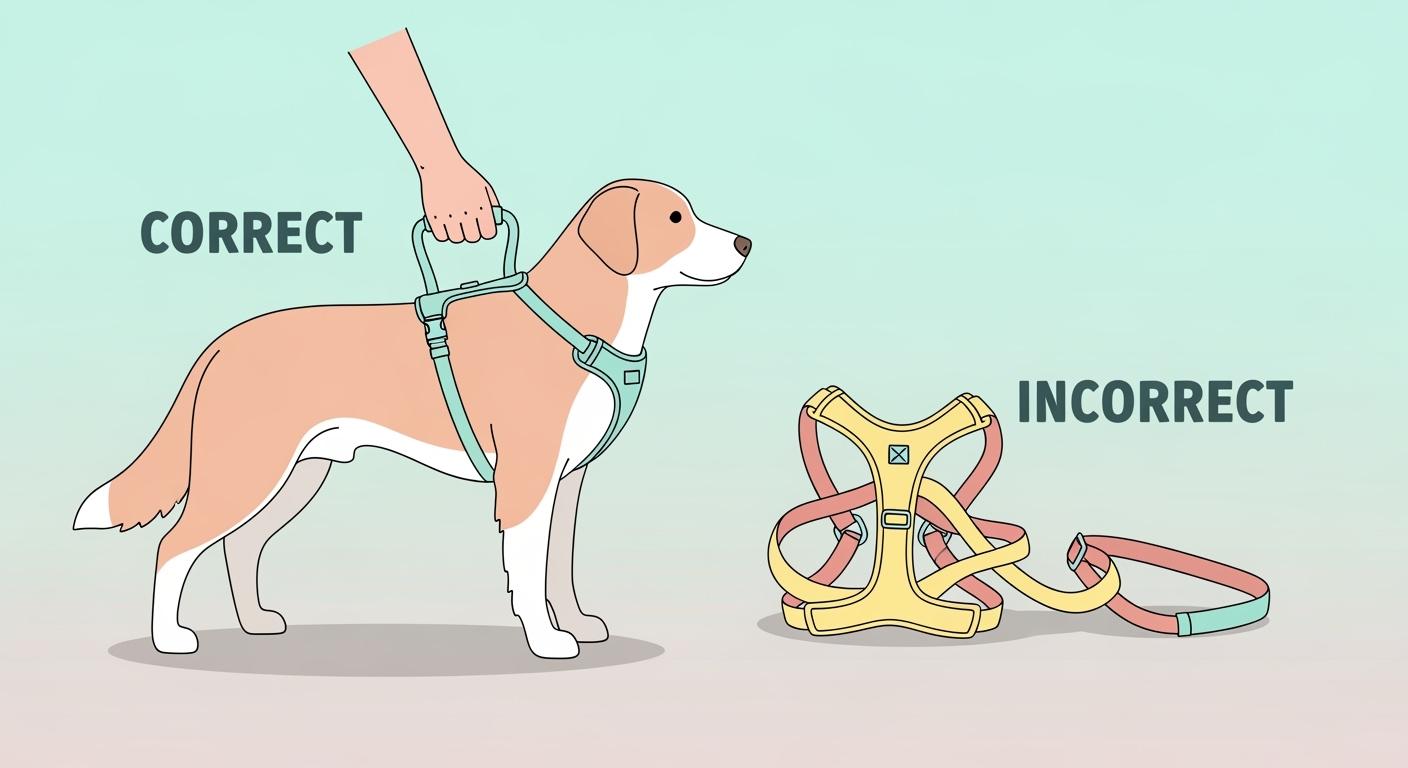
Safety frameworks behind this guide
This Stridepaw guide is written for B2B readers who manage boarding facilities, day-care centres, grooming salons and veterinary clinics. The safety recommendations are aligned with published guidance from veterinary and shelter organisations such as the Association of Shelter Veterinarians, the American Animal Hospital Association, and national occupational-safety agencies. These bodies emphasise humane restraint, written workplace-safety programs, and the use of handling equipment that protects both animals and staff. This article does not speak on behalf of those organisations. Instead, it translates their public guidance into practical harness-selection and training steps for pet businesses.

You know safety and reputation matter in your pet business. Picking the right harness helps stop injuries. It shows you care about pets. The big harness for dog spreads pressure across the body. This lowers the chance of injury. Many pet owners want harnesses instead of collars. They think harnesses are safer. Pet businesses that care about fit, safety, comfort, and durability gain trust. They can also do better in the market.
Choosing the right harness keeps dogs and handlers safe.
Good safety harnesses help your reputation and meet customer needs.
Key Takeaways
Selecting the right harness improves safety for both dogs and handlers. Compared with flat collars, well-fitted harnesses usually reduce direct pressure on the neck, but they do not replace good leash training. Adjustable straps and clear sizing guidance help you avoid escapes and rubbing. Durable materials, reinforced stitching and secure hardware extend service life in busy operations. Reflective elements improve visibility in low light. Optional technology features, such as built-in lights or GPS modules, can support safety and appeal to tech-savvy clients, as long as they comply with regional safety and data-privacy rules. Regular inspections and maintenance keep harnesses safe and comfortable over time.
Why the Right Big Dog Harness Matters for Pet Businesses
Neck Protection vs. Collars
Pressure Reduction Benefits
Protecting the neck is critical with large and giant breeds, especially in professional settings where dogs may lunge without warning. Studies using model necks have shown that common flat collars can create very high local pressure on the trachea when a dog pulls or when a handler jerks the leash, even at moderate lead forces. That concentrated pressure is high enough to risk soft-tissue injury over time in susceptible dogs. By contrast, chest- and back-clip harnesses redistribute load across the sternum, shoulders and thorax and are generally preferred for dogs with existing airway, cervical spine or eye disease.
At the same time, experimental work comparing neck collars with back-connection harnesses has found that some dogs can pull harder and for longer when restrained by a comfortable harness. A harness therefore does not automatically “fix” pulling behaviour, and the total force felt by the handler can still be high if leash skills are poor.
For big dogs in B2B environments, you can treat harnesses as protective equipment for the dog’s neck rather than as a stand-alone behaviour solution. Combine well-fitted harnesses with structured leash-training protocols and clear guidance on when a flat collar may still be appropriate, such as for dogs that already walk politely on leash and have no neck or airway problems.
Prefer Y-shaped back-clip or dual-clip harnesses for dogs that pull or have any history of neck, airway or eye problems.
Use front-clip or dual-clip harnesses together with training plans for strong pullers instead of relying on equipment alone.
Record veterinary notes and any equipment restrictions in each dog’s file so staff can make consistent, risk-aware choices.
You should look at what each dog needs. The big harness for dog can give better protection. This is important for dogs that have neck problems.
Handler Safety and Control in Pet Operations
Injury Risk Data
Keeping handlers safe is critical for kennels, day-care centres and veterinary hospitals that work with large dogs. Recent reviews of almost half a million dog-walking injuries show that being pulled or yanked by a dog on a leash is the most common mechanism of non-bite, dog-related injury, especially for women and people over 65. Finger and wrist fractures, shoulder sprains and even head injuries are frequent, and one recent analysis estimated that dog-walking-related hand and wrist injuries alone may cost the UK health service more than £23 million per year.
For B2B operations, this means leash handling and equipment choices are occupational-safety issues, not just convenience. Harnesses with sturdy back handles, dual leash attachment points and non-stretch webbing can give staff better control over big dogs than collars alone. However, they only reduce risk when combined with training that discourages wrapping leads around hands or hooking fingers under collars, clear rules on maximum dog-to-handler ratios, and written incident-reporting procedures.
Leash-related injury pathway | Typical scenario in pet operations | Control measures for pet businesses |
|---|---|---|
Sudden pull or change of direction | A large dog lunges towards another dog or stimulus, forcing the handler’s arm or shoulder into an extreme position. | Use well-fitted harnesses with back handles, non-stretch leads of appropriate length, and two-point attachment (front + back or harness + fixed tether) for dogs over a defined weight. Train staff to keep elbows close to the body and avoid over-reaching. |
Trips and falls over dogs or leads | Leads cross in front of staff or clients during hand-over at reception, in corridors or on stairs. | Mark “no-overtake” and waiting zones, keep leads short in transition areas, and stagger entry/exit times for large dogs. |
Hand and finger injuries from the lead or collar | Handler wraps the lead around their wrist or fingers, or hooks a finger under the collar or harness ring just as the dog surges forward. | Prohibit wrapping leads around hands in SOPs, provide gloves where appropriate, and train staff to hold the lead with an open hand and secure grip. Use harness attachment points instead of hooking fingers under collars. |
Business Impact for Pet Businesses and Facilities
Liability and Reputation
Picking the right big harness for dog does more than protect pets and handlers. It also affects your business reputation and legal risk. Customers trust you to keep their pets safe. If you use bad harnesses or the wrong size, dogs can get hurt. This can lead to returns and complaints. Your reputation can suffer and your legal risk can go up.
Note: Picking the right harness helps customers feel happy and makes your business run better. The right harness can mean fewer returns, lower costs, and more trust from clients.
Recommendation | Impact on Customer Satisfaction | Impact on Operational Efficiency |
|---|---|---|
Enhance durability | Fewer returns and more trust | Lowers costs from returns |
Improve escape-proofing | Makes customers happier | Lowers product failure rates |
Provide clearer sizing info | Better fit and comfort | Fewer returns from sizing problems |
You can make customers happier by offering harnesses with new features. GPS tracking and health tools are good for tech-loving customers. Custom and breed-specific harnesses help you reach special groups. Knowing these trends helps you meet what people want and grow your business.
Dog harnesses do more than keep pets safe. They help your brand, lower risks, and protect both pets and handlers.
Key Criteria for Choosing a Big Dog Harness in Pet Operations
Fit and Adjustability
Chest Girth Importance
You should measure each dog’s chest girth and neck before picking a harness. Chest girth is the most important size to check. If the harness is too loose, a big dog might slip out and run away. If it is too tight, the harness can rub and hurt the dog. Always make sure you can fit two fingers between the harness and the dog’s body. This helps you know the harness is not too tight or too loose. Pet businesses should use a sizing chart and measuring tape for every dog. This helps keep sizing the same and lowers returns.
Measure chest girth behind the front legs at the widest part.
Check neck size for dogs with thick necks or deep chests.
Use the sizing chart from the harness company.
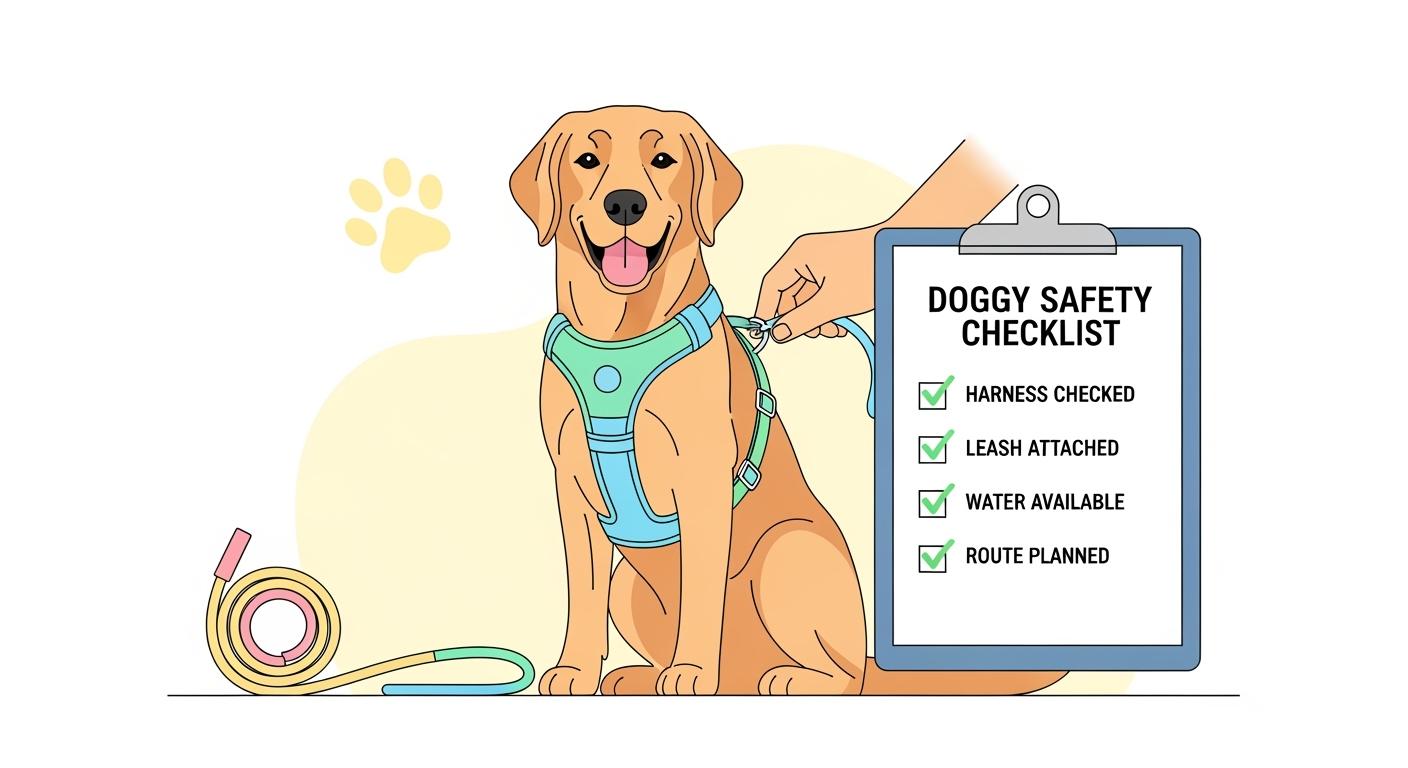
Always do the two-finger check after putting on the harness.
Adjustable Straps
Adjustable straps let you change the fit for each dog. You can make the harness tighter or looser to fit the dog’s body. This is important for pet businesses with many breeds and sizes. Adjustable straps also help stop dogs from escaping, which is a common problem with big harness for dog. Look for harnesses with more than one place to adjust. This helps fit dogs with wide shoulders, deep chests, or special shapes.
Pick harnesses with at least three places to adjust.
Make sure buckles and sliders stay tight after you adjust them.
Change the straps if the dog grows or its fur changes.
Safety Features
Secure Buckles
For business use, buckles and adjusters are part of your safety system. Hardware should close with a clear click, resist accidental opening under multi-directional load and remain functional after repeated cleaning and disinfection. Quick-release mechanisms are useful for emergencies, but they must still meet tensile strength requirements appropriate to the dog’s size. When you work with suppliers, ask for test reports on buckle strength and environmental durability (for example, after repeated flexing, temperature cycling or salt-spray exposure for outdoor use).
Scope / region | What the framework covers for big-dog harnesses | How pet businesses should use it |
|---|---|---|
EU – everyday pet harnesses sold as consumer products | General Product Safety Regulation (EU) 2023/988 requires that consumer products placed on the EU market are safe and supported by a documented risk assessment. REACH (EC 1907/2006) restricts certain chemicals in textiles, plastics, coatings and metal parts that could harm people or the environment. | Request written confirmation that harnesses have been assessed under the EU general product-safety framework and that all materials comply with REACH restrictions for substances of very high concern. For harnesses with electronics (LED strips, GPS modules, Bluetooth), verify that any CE marking is based on the relevant electrical and radio directives, not just marketing claims. |
UK – pet accessories as consumer products | The General Product Safety Regulations 2005 apply to most consumer goods, including pet accessories. UK REACH and related rules mirror many EU chemical-safety requirements. UKCA marking is relevant mainly where harnesses include regulated electrical or electronic components. | Ask suppliers for UK product-safety and chemical-compliance statements when stocking harnesses for the GB market. Ensure labels and documentation clearly identify the responsible UK economic operator. |
US / Canada – general consumer-product and chemical rules | Everyday dog harnesses are treated as consumer products and must comply with federal and state requirements. In some US states, such as California, Proposition 65 may require warnings if listed substances are present above defined thresholds. | Request third-party lab reports for heavy metals, azo dyes, plasticisers and other restricted chemicals when selecting private-label or high-volume harness lines. For multi-region supply, use test plans that cover the strictest applicable limits. |
Global – car-safety harnesses for vehicle travel | Independent organisations have developed dynamic crash-test protocols for car-safety harnesses, such as the CPS-001-014.01 Companion Animal Safety Harness Restraint System standard used by the Center for Pet Safety. Certification under these programmes is voluntary and currently limited to selected models and sizes. | For harnesses advertised for in-vehicle restraint, prioritise products that have been tested to recognised dynamic protocols and, where available, carry independent crash-test certification. Make it clear in your SOPs and client-facing materials that these certifications relate specifically to car travel, not to every use case or every harness on the market. |
Reinforced Stitching
Reinforced stitching makes the harness stronger. Look for double or triple stitching where the harness gets pulled the most, like the chest plate and where straps connect. This helps stop the harness from ripping if a dog pulls hard. For pet businesses, strong stitching means the harness is less likely to break and hurt the dog. Check the seams and stitches often to keep harnesses safe.
Comfort and Padding
Breathable Materials
Dogs need harnesses made from materials that let air through, especially if they are active or there are lots of dogs. Breathable fabrics help stop dogs from getting too hot or getting skin problems. Pick harnesses with mesh panels or linings that pull sweat away. These things help dogs stay cool and comfy during walks, training, or play. Harnesses like the Kurgo Tru-Fit and Hurtta Weekend Warrior use strong, airy materials and padded chest plates for more comfort.
Find harnesses with mesh or sweat-wicking linings.
Do not use harnesses with rough or stiff fabric.
Pick materials that dry fast after washing.
Snug, Rub-Free Fit
A snug, rub-free fit stops chafing and pain. Make sure the harness sits flat on the dog’s body and does not pinch or twist. Padding at the chest and shoulders helps stop rubbing. Harnesses like the Ruffwear Web Master have padded handles and many places to adjust for a safe, comfy fit. For pet businesses, a rub-free fit helps dogs feel better and keeps clients happy.
Check harnesses for soft, padded spots that touch the dog.
Try the harness on each dog before using it.
Watch for rubbing or hair loss when you check harnesses.
Tip: You can lower returns and make customers happier by picking dog harness for large dogs with adjustable straps, safe buckles, and soft, airy materials. These things help keep dogs safe, comfy, and make harnesses last longer in busy pet businesses.
Durability
Heavy-Duty Fabrics
Big dogs need harnesses that last a long time. Strong fabrics stop the harness from tearing or wearing out. Nylon is a great choice for big dog harnesses. It is tough and does not break when dogs pull. Polyester is also good for harnesses. It stands up to chemicals and works well for walks and training. Leather is soft and strong but needs care often. Neoprene gives more padding and helps control dogs that are hard to handle.
Material | Durability Traits | Construction Methods |
|---|---|---|
Nylon | Tough, handles daily use and pulling without damage | Lots of stitches, extra strong seams |
Polyester | Stays strong with chemicals, good for leashes and walks | Strong metal parts |
Leather | Known for lasting long and being made well, feels nice | Good quality build |
Neoprene | Does not let water in, soft and padded to stop rubbing, helps control | Good for big dogs that are hard to handle |
Look for harnesses with extra stitching. More stitches make the harness last longer. Strong seams help stop the harness from breaking if a big dog pulls. Metal D-rings and buckles make the harness even stronger. Picking harnesses made this way can save you money because you will not need to buy new ones as often.
Tip: Check harnesses often for damage. Replace any harness that is fraying, has broken parts, or loose stitches. This keeps dogs safe and helps your business look good.
Weather Resistance
Big dog harnesses should work in all kinds of weather. Rain can make some fabrics weak and cause mold. Nylon and neoprene do not soak up water and dry fast. Polyester stays dry and keeps its shape. Leather can last in rain, but you need to use waterproof spray on it.
Pick harnesses with metal parts that do not rust. Rain and snow can make metal rust. Stainless steel and coated metal are best. Find harnesses with water-repellent covers or fast-drying linings. These things keep dogs comfy and help the harness last longer.
Choose harnesses with waterproof or water-resistant fabric.
Use harnesses with buckles and D-rings that do not rust.
Keep harnesses in a dry place when you are not using them.
Harnesses that resist weather help you serve customers all year. They lower the chance of harnesses breaking and keep dogs safe in any weather. You can make customers happy and get fewer returns by selling harnesses that work well in every season.
Dog Harness Sizing for Large and Giant Breeds
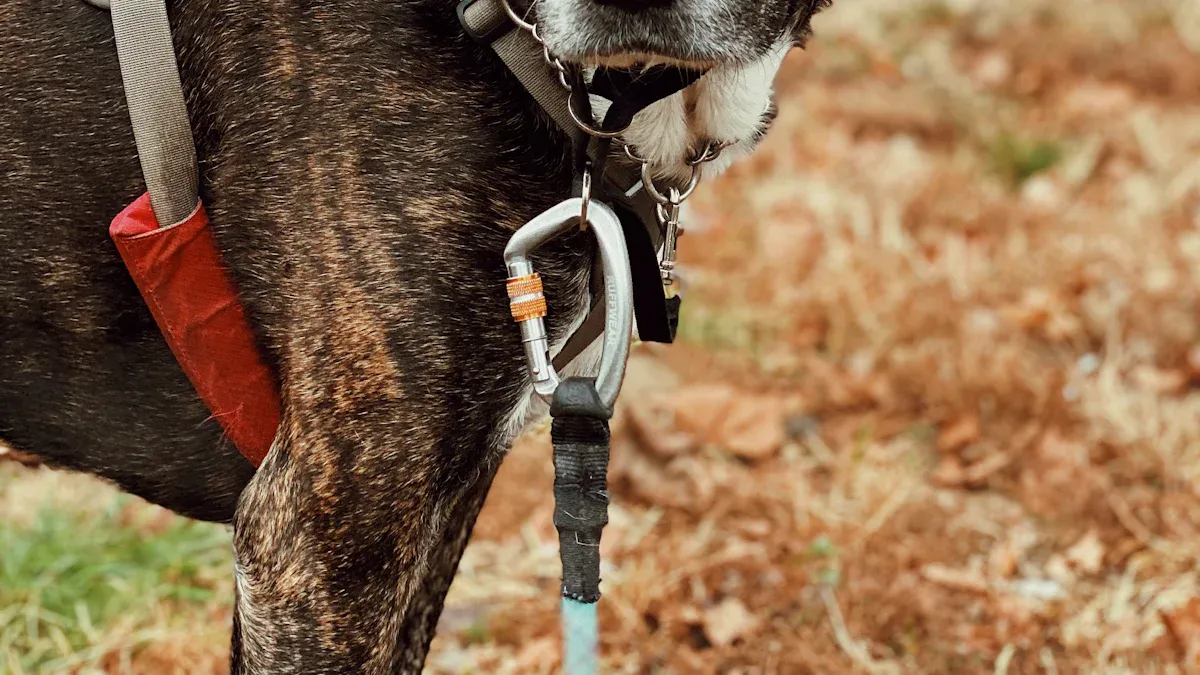
Measuring Guide
Chest and Neck Sizing
Accurate dog harness sizing is essential for large and giant breeds. You need to measure each dog carefully to ensure a safe and comfortable fit. Follow these steps to get the best results:
Gather a soft measuring tape. Make sure the dog stands upright and relaxed.
Measure the neck circumference. Wrap the tape around the widest part of the neck. Leave enough space for comfort.
Measure the chest girth. Place the tape just behind the front legs at the widest part of the chest. This is the most important measurement for a dog harness for large dogs.
Measure the body length if the harness design requires it. Start at the base of the neck and end at the base of the tail.
Check the dog harness size chart from the manufacturer. Match your measurements to the chart to select the correct size.
Tip: Always double-check your measurements before choosing a harness. A small mistake can lead to discomfort or escape.
Sizing Mistakes
Too Tight or Loose
Many pet businesses see problems when harnesses do not fit well. A harness that is too tight can cause friction, rubbing, and even skin injuries. Dogs may show signs of discomfort or try to remove the harness. On the other hand, a loose harness can slip down and allow the dog to escape. This creates safety risks for both the dog and the handler.
Do not ignore changes in the dog’s size. Dogs grow or gain weight, so you must adjust or replace the harness as needed.
Always check the fit with the two-finger rule. You should fit two fingers between the harness and the dog’s body.
Misreading Charts
Another common mistake is misreading the dog harness size chart. Some staff rely only on the neck measurement and skip the chest girth. This leads to poor fit, especially for breeds with unique body shapes. Adjustable straps help, but you must understand their purpose and use them correctly.
Review the chart for each harness brand. Sizes can differ between manufacturers.
Train your team to measure both neck and chest girth every time.
Remind staff that adjustable straps fine-tune the fit but do not replace proper sizing.
Note: Consistent measuring and chart reading reduce returns and improve customer satisfaction.
Breed-Specific Tips
Giant and Deep-Chested Breeds
Giant breeds and deep-chested dogs, like Great Danes, Dobermans, and Greyhounds, need special attention. Their long rib cages and narrow waists make standard harnesses less effective. You should look for a dog harness for large dogs with multiple adjustment points and a Y-shaped design. These features help the harness stay secure and comfortable, reducing the risk of slippage or pressure points.
Choose harnesses with extra adjustment options for these breeds.
Test the fit by moving the harness and checking for gaps or tight spots.
Watch for signs of discomfort, such as chafing or shifting during movement.
Adjusting for Growth
Large and giant breeds can grow quickly. You must monitor their size and adjust the harness as needed. Not buying a larger harness in time can cause discomfort and safety issues. Schedule regular checks, especially for young or active dogs.
Set reminders to measure each dog every few months.
Keep records of each dog’s measurements and harness size.
Replace harnesses that no longer fit, even if they look new.
Tip: Regular measuring and proper adjustment help you maintain safety and comfort for all dogs in your care.
Dog harness sizing plays a key role in safety, comfort, and operational efficiency. By following these steps and avoiding common mistakes, you can ensure the best fit for every large or giant breed in your facility.
Safety Features in Big Dog Harnesses
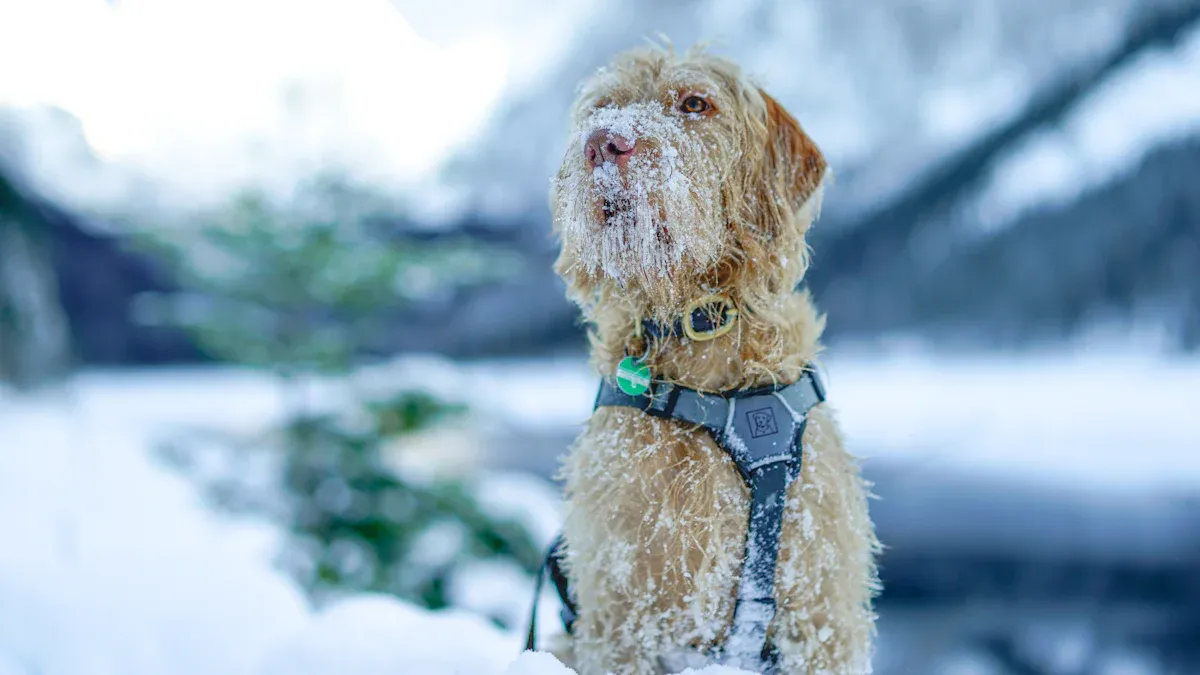
Buckles and Fasteners
Quick-Release Options
You need strong buckles and fasteners for big dog harnesses. Quick-release buckles help staff put harnesses on and take them off fast. This is important when things get busy. These buckles must lock tight but open quickly if needed. They should not pop open if a big dog pulls hard. Most harnesses use side-release buckles made from tough plastic or metal. These materials last long and keep the harness safe every day.
Tip: Test quick-release buckles often. Make sure they close tight and do not get loose. Train staff so they know how to fit harnesses the right way.
Stitching and Structure
Double-Stitching
Double-stitching makes big dog harnesses stronger. Look for harnesses with extra stitches at places that get pulled a lot. These spots are the chest plate and where straps connect. Double-stitching helps stop rips and makes harnesses last longer. Pet businesses save money because they do not need to replace harnesses as much. Check the stitching often and change any harness with loose threads or fraying.
Stitching Type | Benefit for Pet Businesses |
|---|---|
Single Stitch | Basic strength, may wear quickly |
Double Stitch | Extra durability, resists pulling |
Triple Stitch | Maximum strength, heavy-duty use |
Note: Strong stitching keeps handlers and dogs safe. It also helps your business look good to customers.
Reflective Elements
Visibility Benefits
Reflective parts are important for big dog harness safety. They help people see dogs better when it is dark or foggy. This makes it easier for drivers and walkers to spot big dogs. Better visibility lowers the chance of accidents, especially in the country. High-visibility gear is needed to keep everyone safe.
Reflective harnesses and vests help keep dogs safe from cars and bikes at night or early morning.
Outdoor businesses get safer when they use reflective gear for dogs and handlers.
Reflective harnesses help stop accidents by making dogs easy to see in many places.
Visibility features make staff and clients feel better about safety.
This guide gives general tips and does not replace advice from a pro.
You should pick harnesses with reflective stitching, patches, or strips. These features help your team stay safe and show clients you care about their pets.
Escape Prevention
Anti-Slip Design
Stopping escapes is very important for pet businesses with big dogs. If a big dog slips out of a harness, it can be dangerous. The dog could get lost or hurt. Your business could also get in trouble. Many big dog harnesses now have anti-slip designs. These help keep dogs safe during walks, training, or play.
Anti-slip harnesses have special features to stop escapes:
Multiple Adjustment Points: You can change the fit at the neck, chest, or belly. This helps the harness fit each dog’s body better.
Y-Shaped or H-Shaped Structures: These shapes spread pressure and make it hard for dogs to slip out.
Non-Stretch Materials: Strong webbing and tough fabric keep the harness tight. It does not get loose if a dog pulls or twists.
Extra Belly Straps: Some harnesses have a third strap behind the ribs. This extra strap helps stop escapes, especially for deep-chested dogs.
Tip: Always check the harness fit before using it. Dogs can change shape if they get groomed, gain weight, or grow. A harness that fit last month might not fit now.
Train your staff to look for bad fits. If a harness moves, has gaps, or twists, it might not stop escapes. Staff should fix straps and check buckles every time. You can lower escape risk by using harnesses with clear size tags and easy sliders.
Anti-Slip Feature | Benefit for Pet Businesses |
|---|---|
Extra belly strap | Helps stop escapes for deep-chested dogs |
Y-shaped design | Makes backing out harder |
Non-stretch webbing | Keeps harness tight and secure |
Multiple adjustments | Fits many different dog shapes |
You might want to use tactical or special harnesses for dogs that escape a lot. These harnesses have padded handles, extra clips, and strong panels. They help your staff control strong or nervous dogs.
Note: No harness can stop all escapes. Always watch dogs and use leashes with strong clips. Checking harnesses and training staff are the best ways to stay safe.
By picking anti-slip big dog harnesses, you help keep dogs and handlers safe. You also show clients that you care about safety and their pets’ well-being.
Types of Big Dog Harnesses and When to Use Them
Front-Clip Harnesses
Training Benefits
Front-clip harnesses help you guide large dogs during walks and training. You attach the leash to a ring on the chest. This design lets you steer the dog’s head and body. You gain more control, especially with energetic breeds that pull hard. Many trainers recommend front-clip harnesses for teaching leash manners. These harnesses work well for big dogs that need extra guidance.
Front-clip harnesses support corrective training. When a dog pulls, the harness gently redirects its movement. You lower the risk of sudden lunges and accidents. This feature is important for pet businesses that handle strong or reactive dogs. You can use front-clip harnesses for group walks, training sessions, or busy facility settings.
Tip: Front-clip harnesses are a top choice for no-pull harnesses. You help dogs learn better leash habits and keep handlers safer.
Feature | Back Clip | Front Clip |
|---|---|---|
Control | Medium | Peak |
Best For | Chilled Walks | Training |
Curbing Pulling | Minimal | Maximum |
Flexibility | High | High |
Pressure Spread | Uniform | Targeted |
Back-Clip Harnesses
Everyday Use
Back-clip harnesses offer a simple solution for daily walks. You attach the leash to a ring on the dog’s back. This style suits calm, well-trained dogs. You get a comfortable fit and easy handling. Back-clip harnesses work best for less active dogs or those who do not pull much.
You can use back-clip harnesses for routine outings, daycare, or boarding. Staff can put them on quickly, especially with step-in designs. Step-in harnesses let you place the harness on the ground, have the dog step in, and then secure it. This method saves time and lowers stress for both dogs and handlers. Many pet businesses prefer step-in harnesses for busy operations.
Back-clip harnesses spread pressure evenly. You reduce the chance of neck injuries. These harnesses work well for small breeds, but you can use them for large dogs with good leash manners.
Note: Step-in padded harness models add comfort for long walks or sensitive dogs. You keep dogs happy and lower the risk of rubbing.
Dual-Clip Harnesses
Versatility
Dual-clip harnesses give you options for different situations. You find both front and back leash rings on these harnesses. You can switch between training and relaxed walks. This flexibility helps pet businesses manage a wide range of dogs.
You use the front clip for training or controlling pulling. You switch to the back clip for casual walks or when the dog behaves well. Dual-clip harnesses suit facilities with many breeds and temperaments. You can adjust your approach based on each dog’s needs.
Step-in dual-clip harnesses make fitting easy. Staff can use the step-in method for quick changes. You save time and keep dogs comfortable. These harnesses work for large breeds, deep-chested dogs, and growing puppies.
Tip: Dual-clip harnesses help you adapt to changing needs. You improve safety and comfort for both dogs and handlers.
You should review the types of dog harnesses available for your business. Step-in harnesses, including step-in padded harness options, support efficient operations and better dog welfare.
Specialty and Tactical Harnesses
Specialty and tactical harnesses give extra help for pet businesses with working or active dogs. Sometimes, regular harnesses do not give enough control or safety. These harnesses for big dogs are made for tough jobs and special needs.
Car Safety and Service Support
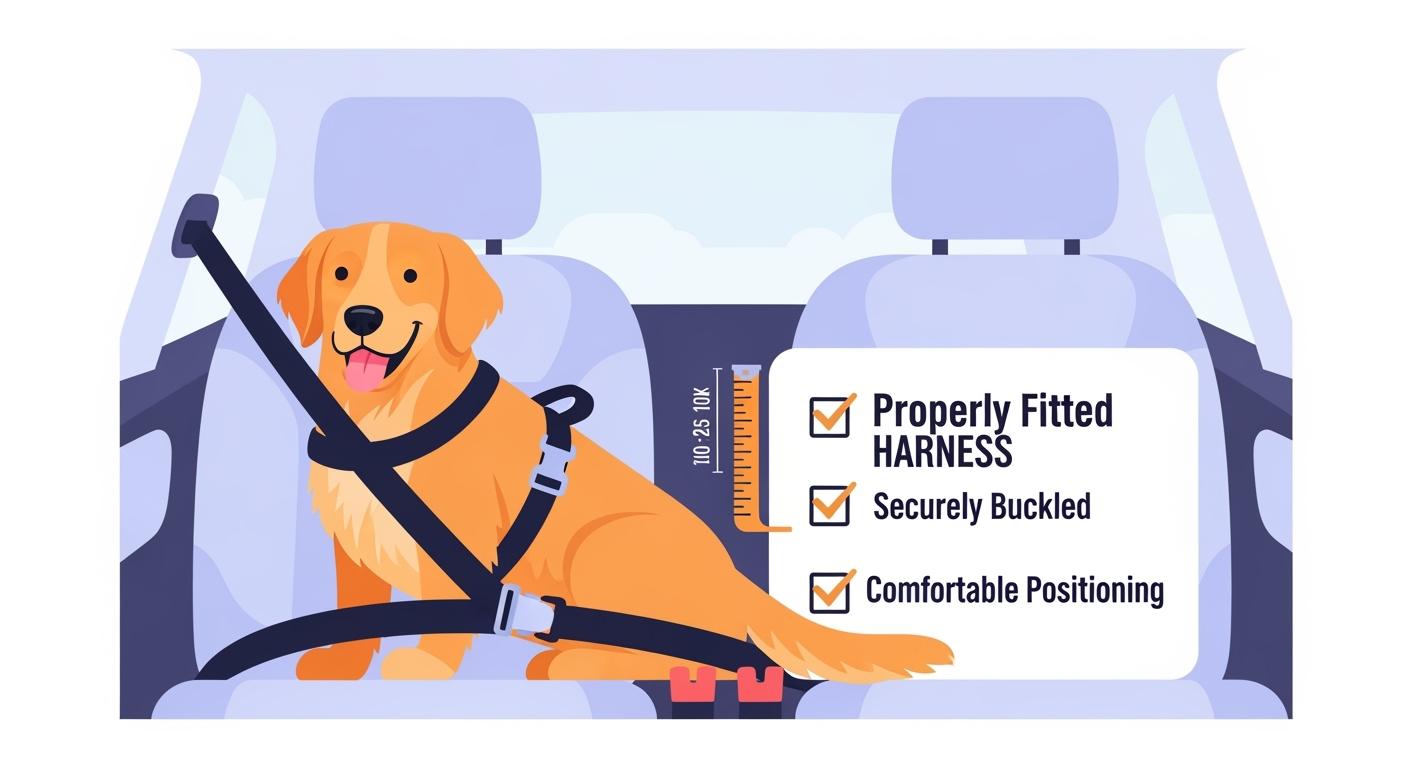
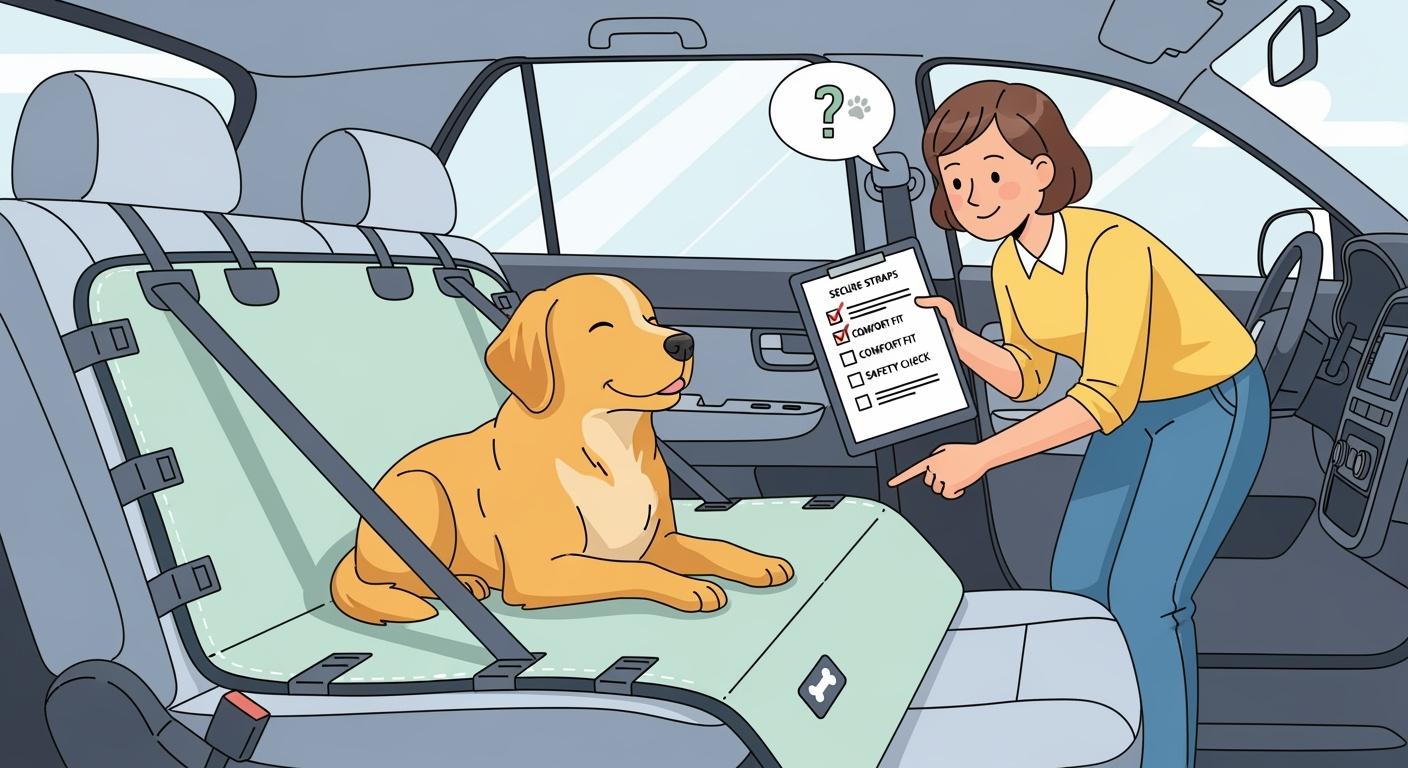
You want dogs to be safe when riding in cars or doing service work. Car safety harnesses for large dogs have strong straps and crash-tested buckles. These harnesses keep dogs safe in cars and lower injury risk if there is a sudden stop or crash. Many harnesses clip right to seat belts. This keeps dogs steady and helps handlers and clients feel calm.
Service support harnesses are important for working dogs like guide or therapy dogs. These harnesses have strong handles, shiny patches, and spots for ID tags or gear. You use them to help dogs move or to keep handlers in control in busy places. The best big dog harness for service work should be comfy, tough, and easy to see.
Note: Always make sure car safety harnesses pass crash tests before using them. Check service harnesses often for damage to keep dogs safe.
Heavy-Duty Options
Tactical harnesses are best when you need strong control for big or working dogs. Police, rescue, and adventure dogs use these harnesses. They give handlers strong control, even in hard places. Tactical harnesses for big dogs spread weight and have many spots for gear, leashes, or lifting.
Here is a quick look at when specialty and tactical harnesses work best:
Ideal For | Control Level | Comfort | Drawback |
|---|---|---|---|
Police, rescue, or adventure dogs | Very High | High | Weight and bulk for small breeds |
Heavy-duty harnesses have these features:
They give handlers strong control and help with lifting.
They are made to last in rough places and bad weather.
You can add things like ID patches, pockets, or lights.
They are heavier, so they may not be good for everyday use.
Some dogs need time to get used to the weight and feel.
Tactical harnesses are needed for big and working dogs. They give strength, control, and safe spots for gear or lifting. You can trust these harnesses when you need safety and strong performance.
Tip: Let dogs try tactical harnesses slowly if they are new. Watch for signs of stress or discomfort and change the fit if needed.
When you pick specialty and tactical harnesses for your pet business, you make things safer and better. These harnesses help working dogs, support handlers, and show you care about safety and quality as a pet business.
How to Evaluate and Compare Big Dog Harness Options
Example Profiles of Big Dog Harness Designs for Large Dogs
Features Overview
When you look at harnesses for big dogs, focus on safety, comfort, and control. Tre Ponti harnesses fit well and have padded chests. They use light but strong materials. Dogs can move easily, and handlers stay in control. Handles help staff manage strong dogs in busy places. Straps can be adjusted for different breeds and shapes. The no-pull design spreads force on the chest. This helps stop neck strain. These features make Tre Ponti harnesses good for pet businesses.
You can also pick harnesses with reflective stitching and quick-release buckles. Reinforced seams make harnesses safer and easier to use every day. Find models that are both comfy and tough. This is important if you care for many big dogs.
Pros and Cons
Comfort vs. Durability
You must think about comfort and durability when picking harnesses. Harnesses that spread force on the chest stop choking. They make walks safer for dogs. Many harnesses have padded panels and soft, airy fabric. These keep dogs comfy. Some harnesses feel big or are hard to put on. This can be tough for new staff.
Feature | Harness Pros | Harness Cons |
|---|---|---|
Comfort | Spreads force, stops choking | Can be big, hard to fit |
Durability | Good for outside, resists damage | May be heavy for some dogs |
Ease of Use | Helps dogs with health problems | Some are tricky to adjust |
Wilderdog harnesses are easy to adjust and built strong. The handle on the back gives more control. Some people say the fit is not perfect. The material can get dirty or wet. You should try different harnesses with your team and dogs. This helps you find what works best.
Tip: Pick harnesses your team can fit fast and clean easily. This saves time and keeps dogs happy.
Stridepaw facility checklist for evaluating big-dog harnesses
For B2B buyers, a structured checklist makes it easier to compare harnesses from different suppliers. You can use the following scoring framework during product trials. Rate each harness from 0 to 3 in every dimension, then prioritise models that consistently score 2 or higher across all rows.
Dimension | What to check in a big-dog harness | Quick scoring guide (0–3) |
|---|---|---|
Load distribution and fit | Does the harness keep hardware away from the trachea, with a Y-shaped or H-shaped design that clears the shoulders? Can staff achieve a two-finger fit on neck and chest for different body types? | 0 = cannot be adjusted to a safe fit; 1 = acceptable for limited use; 2 = good everyday fit for most large breeds; 3 = consistently stable fit across sizes and body shapes. |
Materials and chemical safety | Are textiles, foams and coatings abrasion-resistant and tested for restricted substances in your target markets? Are labels and MSDS or test reports available on request? | 0 = no documentation; 1 = supplier self-declaration only; 2 = recent third-party testing for key markets; 3 = structured, regularly updated compliance files that cover multi-region sales. |
Hardware and stitching reliability | Are buckles, D-rings and sliders metal or high-grade engineering plastics sized for large dogs, with double or triple bar-tacked stitching at high-load points? | 0 = visible weak points or thin hardware; 1 = basic construction for light use; 2 = reinforced load paths and bar-tacks at key joints; 3 = documented strength testing and low failure rates in your own operations. |
Handler safety and ergonomics | Do handles, leash attachment points and strap routing help staff maintain safe body posture and avoid lead tangles in busy spaces? | 0 = increases risk of tangling or sudden pulls; 1 = neutral; 2 = clearly improves control compared with a simple collar; 3 = supports formal SOPs for handling reactive or heavy dogs. |
Documentation and traceability | Are size charts, fitting instructions, batch codes and contact details for the responsible manufacturer or importer clearly provided? | 0 = missing critical information; 1 = basic hang tag only; 2 = clear printed or digital instructions plus batch identification; 3 = full documentation set suitable for audits and incident investigations. |
Price and Value
Cost Analysis
You want good value when buying big dog harnesses. Expensive harnesses use better materials and last longer. They may have handles or shiny strips. You pay more at first, but you save money later. You do not need to buy new ones as often.
Cheap harnesses may look good, but they wear out fast. They can break when dogs pull hard. This means you spend more on replacements. Bad harnesses can also be unsafe. Think about how often you need new harnesses. Also, think about how much time staff spend fixing or cleaning them.
Buy harnesses that last for busy pet businesses.
Check warranty and help from sellers.
Keep track of harness use and how often you replace them.
Note: Picking the right harness makes dogs safer, lowers returns, and helps your business look good.
Reducing Returns
Clear Sizing and Instructions
You want fewer returns in your pet business. Giving clear sizing and instructions helps a lot. When you use good sizing charts for big dog harnesses, customers pick the right size the first time. This means fewer problems and more trust from your clients.
Many pet businesses get fewer returns with easy sizing guides. You can put charts in your store, on your website, or in the box. Charts should show chest girth, neck size, and weight for each harness. Staff and customers make fewer mistakes when these details are easy to see.
Tip: Use bright colors and big letters for sizing charts. This makes them simple to read and understand.
Train your team to measure each dog before picking a harness. Staff can use a soft tape to check chest and neck size. Keep measuring tapes at every fitting spot. When staff follow steps, they make fewer mistakes. This also helps customers pick the right harness for large dogs.
Here is a checklist for staff:
Measure chest girth behind the front legs.
Check neck size at the widest part.
Match the numbers to the sizing chart.
Use the two-finger rule to check the fit.
Adjust straps for comfort and safety.
You can put these steps in your training book. Staff who know how to fit harnesses for big dogs help your business avoid returns and keep dogs safe.
Sizing Step | Why It Matters | Impact on Returns |
|---|---|---|
Chest measurement | Makes sure harness fits right | Stops escapes |
Neck measurement | Stops choking or rubbing | Fewer complaints |
Chart comparison | Finds the right size | Less wrong buys |
Fit check | Checks comfort and safety | Fewer returns needed |
You can also add clear instructions to the box. Simple pictures and short steps help customers fit harnesses at home. You can add QR codes that link to videos. These tools help customers who buy online or need more help.
Many pet businesses see that clear sizing helps people buy again. Customers trust your brand when you care about their pets’ comfort and safety. This builds loyalty and makes your business look better.
Note: No sizing system is perfect. Dogs can grow, gain weight, or change shape. You should check sizing guides often and update them when needed. Staff should check harness fit often, especially for growing or active dogs.
You can lower returns and make customers happy by using clear sizing and instructions. This helps you save money and keeps big dog harnesses working well for every client.
Fitting, Adjustment, and Care Tips for Big Dog Harnesses
Initial Fitting Steps
Proper fitting of big dog harnesses starts with trained staff. You help dogs feel safe and comfortable when you follow a clear process. Staff training ensures every harness fits well and reduces risks in your facility.
Staff Training
You can use these steps to fit a large dog harness correctly:
Position yourself with the dog’s back to your left side, both facing forward.
Open the harness. Place the neck loop on top and the body loop underneath.
Let the dog sniff the harness. This builds comfort and trust.
Slip the neck hole over the dog’s head. Make sure the leash attachment sits between the shoulder blades.
Guide the left leg through the chest strap. Fasten the belly strap so the leg loops rest behind the front legs.
Adjust the neck and body straps for a snug fit. You should fit two fingers between the harness and the dog’s skin.
Fasten the chest buckles behind the front legs. Check all straps for security.
Tip: Staff should always use the two-finger rule. This prevents harnesses from being too tight or too loose.
Build simple case reviews into your training so staff can learn from near-miss events instead of only from serious incidents. For example, imagine a dog that backs out of a loosely fitted harness in your reception area, but is caught before reaching the street. A short written review might record the harness size and brand, how long it had been in use, which checks were skipped during a busy hand-over, and what changes you agreed afterwards. Those changes could include adding a second handler at peak times, tightening weight-limit rules for certain harness models, or introducing a pre-shift harness-fit checklist. Over time, a small set of these internal case examples becomes one of your strongest “real-world evidence” sources for improving safety.
Regular Checks
Routine checks keep harnesses for big dogs safe and comfortable. You need to monitor fit and condition as dogs grow or change.
Signs of Poor Fit
Check Type | Description |
|---|---|
Improper Fit | Check fit often. Dog weight and hair growth can change harness size. |
Wear and Tear | Look for weak buckles or frayed straps. Replace damaged harnesses. |
Comfort | Watch for skin chafing or discomfort during use. |
Make sure the harness fits snugly. Two fingers should fit between the harness and the dog.
Loose harnesses may cause escape attempts. Tight harnesses can lead to discomfort.
Use the manufacturer’s sizing chart and consider the dog’s weight.
Note: Staff should check harnesses before each use. Quick checks prevent accidents and keep dogs safe.
Cleaning and Maintenance
Clean and well-maintained big dog harnesses last longer and protect dogs’ skin. You help your business by following a regular cleaning schedule.
Care Methods
Usage Frequency | Recommended Cleaning Frequency |
|---|---|
Daily Use | Weekly |
2–3 Times a Week | Every Two Weeks |
Once a Week | Monthly |
Inspect harnesses for frays or weak spots during cleaning.
Store harnesses away from sharp objects to prevent damage.
Use the right harness for each activity.
Follow the manufacturer’s cleaning instructions for best results.
Regular cleaning prevents bacteria growth and keeps harnesses for big dogs performing well. You protect dogs’ skin and extend product lifespan.
Replacement Guidelines
You should replace harnesses if you see fraying, broken buckles, or loose stitching. Do not wait for a harness to fail during use. Staff should keep records of harness inspections and replacements. This helps you maintain safety standards and customer satisfaction.
Tip: Set reminders for staff to inspect and clean harnesses on schedule. Well-maintained harnesses support your business reputation and dog welfare.
Picking a big dog harness for your pet business means you care about safety and comfort. You measure each dog to find the right size. You think about the dog’s breed and how it acts. Adjustable harnesses help you fit many dogs. Padding keeps dogs comfortable and helps you control them. Reflective parts make dogs easier to see. Handles give extra help for dogs that need support.
Getting the right size stops escapes and keeps dogs safe.
Straps you can adjust fit lots of dog shapes.
Padding keeps skin safe and spreads out pressure.
Reflective parts help people see dogs better.
Handles help dogs move if they need it.
Training staff often and checking harness choices helps build trust with clients. You make your business safer and improve your reputation.
Scope and limitations of this guide
This guide is written for pet businesses such as boarding facilities, day-care centres, grooming salons and veterinary practices. It summarises current evidence and regulatory frameworks available up to late 2025, but it is not legal, regulatory or veterinary advice. Product-safety laws, certification schemes and test methods continue to evolve, and requirements differ between markets.
Harness examples in this article illustrate design features only and are not endorsements of specific brands or models. Always verify compliance claims and test reports with your suppliers and your own legal or compliance team before updating purchasing policies or standard operating procedures. If a dog in your care shows coughing, breathing changes, neck pain or gait abnormalities, stop using the equipment and refer the animal to a veterinarian for individual assessment.
FAQ
What is the best way to measure a dog for a big dog harness?
You should use a soft tape to measure the chest girth behind the front legs. Check the neck size at the widest part. Always compare your numbers to the manufacturer’s chart for large dog harnesses.
How often should you check harness fit for big dogs?
You should check the fit before each use. Dogs can gain or lose weight. Regular checks help you prevent escapes and discomfort. Staff training on fit checks supports safety in pet facilities.
Can one harness fit all large breeds in a facility?
Most big dog harnesses offer adjustable straps, but one harness rarely fits all breeds. You should stock multiple sizes and styles. This approach helps you serve deep-chested, broad-shouldered, and growing dogs.
What features improve handler safety with harnesses for big dogs?
Look for harnesses with padded handles, reinforced stitching, and secure buckles. These features give you better control and reduce injury risks. Reflective elements also help in low-light conditions.
How do you clean and maintain large dog harnesses?
You should follow the manufacturer’s cleaning instructions. Most harnesses for big dogs need regular washing and air drying. Inspect for fraying or damage during cleaning. Replace harnesses that show wear.
Are escape-proof harnesses always necessary for big dogs?
Escape-proof designs help with deep-chested or anxious dogs. Not every dog needs them. You should assess each dog’s behavior and body shape. Staff should monitor fit and adjust as needed.
What is the main benefit of using a big dog harness in pet businesses?
A big dog harness spreads pressure across the chest and shoulders. This reduces neck strain and improves safety for both dogs and handlers. You also lower your business risk and improve customer satisfaction.