You want the best small dog harness to feel light, secure, and easy for your dog to wear on everyday walks. Many harnesses look cute, but real performance depends on fit, shoulder clearance, and material comfort. A well-fitted harness helps reduce rubbing, lowers escape risk, and lets small dogs move more naturally.
Key Takeaways
- Always measure your dog’s neck and chest first. Size labels may not be correct. A good fit is important for comfort and safety.
- Check if your dog can move shoulders and elbows easily. The harness should not rub or stop your dog from walking normally.
- Watch for signs that the harness does not fit well, like rubbing or coughing. If you see these signs, change the harness or try another style to keep your dog comfortable.
Best Small Dog Harness Fit Checks
Many small dog harnesses look soft or stylish, but real performance depends on proper fit, low neck pressure, shoulder freedom, and material behavior. You need to check if the harness matches your dog’s body shape, walking style, and comfort needs. Safety comes first. You want to prevent discomfort, chafing, and escape.
Neck and Chest Fit
You must check the neck and chest fit before buying the best small dog harness. Small dogs often have delicate necks and sensitive chests. If the harness crowds the neck or sits too low, your dog may feel pressure, cough, or resist wearing it. This matters even more for short-nosed dogs or any dog that already seems sensitive around the throat or airway.
You should measure your dog’s neck base and chest girth with a soft tape. Always check the harness adjustability. The harness should sit below the throat, not press on it. You must avoid harnesses that squeeze the chest or restrict movement. Lightweight harnesses often suit breeds like Yorkshire Terriers and Chihuahuas because they feel less bulky and are easier to fine-tune.
Tip: Always measure your dog, even if the harness label says “small.” Size labels can mislead you. Dogs of the same breed may need different harness sizes.
Shoulder and Elbow Clearance
Shoulder and elbow clearance matters for proper fit and comfort. You want the harness to allow free movement. If the harness sits across the front of the shoulder or rubs behind the elbows, your dog may feel restricted. This can cause chafing or change how your dog walks. You must check adjustability at the shoulder straps. The harness should not crowd the shoulder joints or pinch behind the elbows.
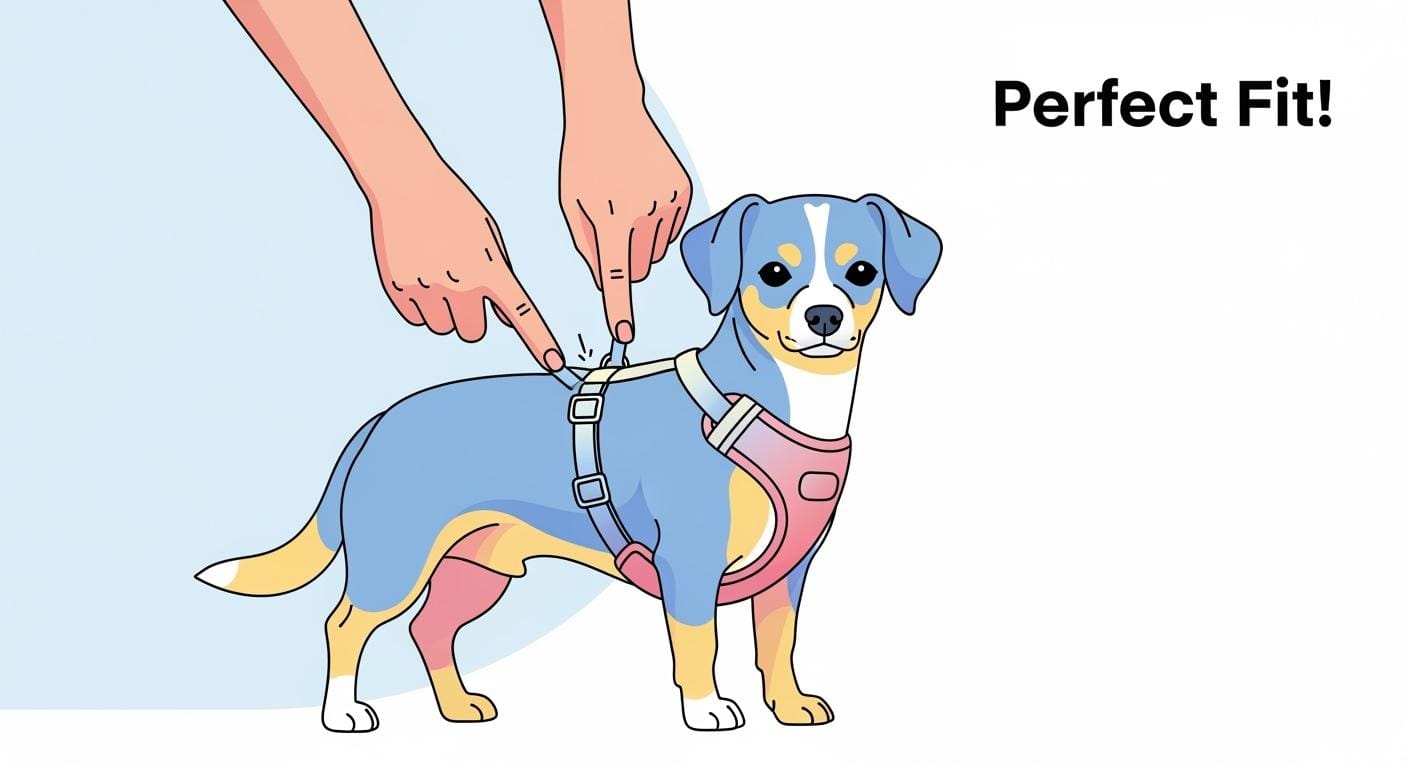
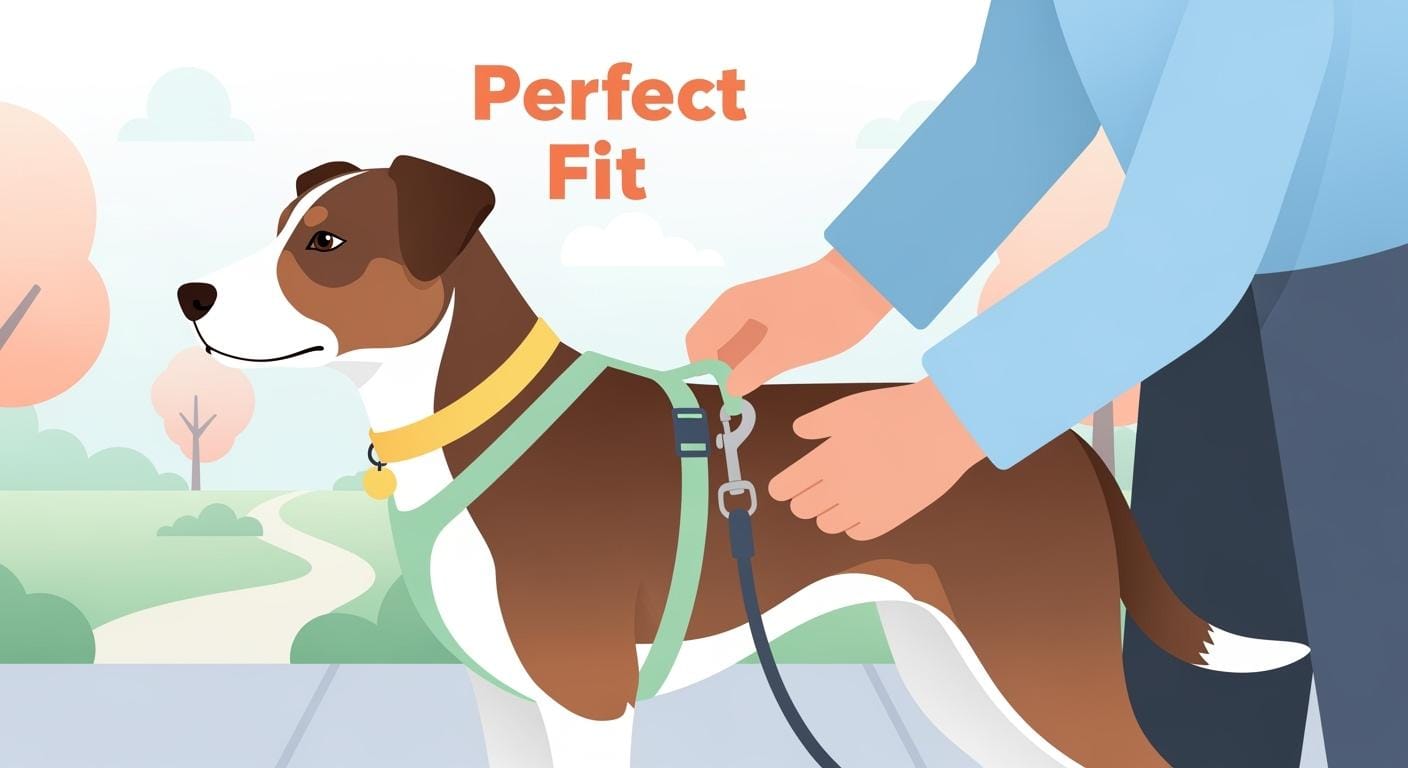
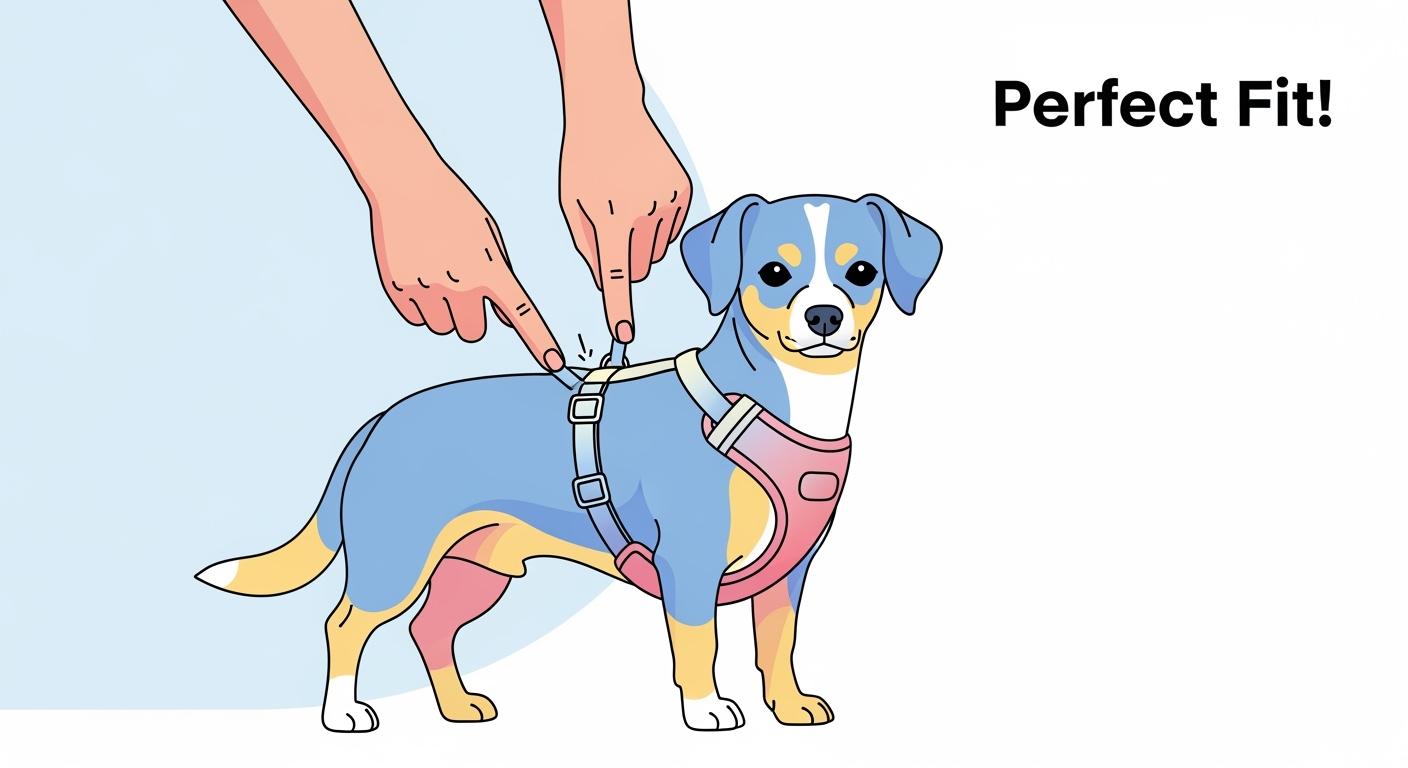
Quick Fit Screen: Place one finger under the harness at the neck and chest. If you can slide your finger easily, the harness fits. Walk your dog and watch for smooth movement. Ask your dog to back up. If the harness stays secure and your dog moves freely, you have a proper fit.
Signs of Poor Fit
You need to spot signs of poor fit quickly. Look for rubbing, hair loss, or red skin where the harness touches. If your dog coughs, pants, or tries to escape, the harness may press too hard or restrict movement. Watch for limping or stiff walking. These signs mean the harness does not fit or lacks adjustability.
Many buyers make mistakes when choosing a harness. Some pick by cute design alone. Others rely on size labels without measuring. Some ignore shoulder restriction or choose thick padding that traps heat. You must not assume every small dog needs the same harness style. Each dog has unique needs.
Pass/Fail Fit & Comfort Checklist Table
| Check Item | Pass Signal | Fail Signal | Fix |
|---|---|---|---|
| Neck-base fit | 1 finger slides under harness | Harness presses on throat | Adjust straps or choose larger size |
| Chest fit | Harness sits snug, not tight | Harness squeezes chest or gaps | Adjust chest straps or try new harness |
| Shoulder/elbow clearance | Dog moves freely, no rubbing | Harness restricts movement or rubs | Adjust shoulder straps or try new style |
| Neck pressure | Dog breathes easily, no coughing | Dog coughs or pants | Loosen neck straps or switch harness |
| Chafe risk | Skin stays smooth, no redness | Red skin, hair loss, discomfort | Adjust fit or choose softer material |
| Heat/weight balance | Dog stays cool, harness feels light | Dog overheats or harness feels heavy | Choose lighter, breathable harness |
Step-by-Step Guidance for Fit Checks
- Measure your dog’s neck base and chest girth with a soft tape.
- Check harness adjustability at neck, chest, and shoulders.
- Place harness on your dog. Slide one finger under neck and chest straps.
- Walk your dog. Watch for smooth movement and shoulder freedom.
- Ask your dog to back up. Check for secure fit and back-out resistance.
- Inspect skin for signs of chafing or redness after use.
- Adjust harness or try a new style if you see signs of poor fit.
Common Mistakes in Measuring and Fitting
- Choosing by cute design alone, not fit or safety.
- Relying on size label without measuring your dog.
- Ignoring shoulder restriction or elbow clearance.
- Picking thick padding that traps heat and causes discomfort.
- Assuming every small dog needs the same harness style.
Note: The best small dog harness matches your dog’s body shape, walking style, and comfort needs. You must check fit, adjustability, and material before every walk.
Breed-Specific Harness Requirements Table
| Dog Breed | Harness Requirement |
|---|---|
| Yorkshire Terriers | Low-bulk, lightweight harnesses with gentle neck clearance |
| Chihuahuas | Lightweight, adjustable harnesses that do not feel bulky |
You must focus on proper fit, adjustability, and comfort. The best small dog harness supports everyday safety and comfort. You reduce discomfort and escape risk by checking fit and adjustability every time.
Best Dog Harnesses: Materials and Comfort
Many small dog harnesses look cute or soft. You need to focus on how well they work. The best dog harnesses depend on fit, comfort, and quality. Pick harness materials and features that match your dog’s body shape. Think about how your dog walks and what makes them comfortable. Safety and quality are more important than looks.
Mesh, Nylon, and Padded Builds
There are many harness types for small dogs. Mesh, nylon, and padded builds each have special features. Mesh harnesses feel light and let air flow. Nylon harnesses are strong and last a long time. Padded harnesses feel soft and help stop chafing. Check which materials are best for your dog.
Here is a comparison table to help you choose:
| Harness Material | Comfort-Touch Features | Structural Features | Quality and Durability | Cleaning Ease | Practical Decision |
|---|---|---|---|---|---|
| Mesh | Soft, breathable | Lightweight straps | Moderate | Easy | Best for hot weather and sensitive skin |
| Nylon | Smooth edges | Durable webbing | High | Very easy | Best for frequent walks and easy cleaning |
| Padded (Neoprene) | Cushioned, soft | Bulkier body | High | Moderate | Best for dogs needing extra comfort or long walks |
Mesh harnesses help keep your small dog cool. Nylon harnesses last longer and are easy to clean. Padded harnesses make your dog feel comfortable and stop rubbing. Check the harness for smooth edges and soft padding. These features help prevent soreness and irritation.
Tip: Pick harness materials that match your dog’s activity level and skin sensitivity. Smooth edges and soft padding help stop chafing.
Breathability and Weight
Breathability and weight affect your dog’s comfort. Small dogs need harnesses that feel light and let air flow. Mesh harnesses can feel cooler in warm weather. Lightweight materials help your dog move easily. Padded neoprene harnesses may feel softer on longer walks, but they can also feel warmer if the design is bulky.
Here is a table showing how features affect comfort:
| Feature | Description |
|---|---|
| Breathable Mesh | Stops overheating in warm weather |
| Lightweight Build | Lets air flow and feels comfortable |
| Padded Neoprene | Feels soft for long use in many conditions |
Check harness weight and breathability before every walk. Small dogs can get hot fast. Lightweight harnesses help your dog stay cool and comfortable. Padded harnesses work well for dogs with sensitive skin or those who walk a lot.
Note: Material alone does not make a harness safe. You still need to check neck pressure, shoulder clearance, buckle placement, and overall fit after your dog starts moving.
Chafing and Buckle Placement
Chafing and buckle placement matter for your dog’s comfort and safety. Check harness materials for smooth edges and soft padding. Nylon is strong and easy to clean, but rough edges can rub skin. Mesh harnesses feel light, but rough seams may bother your dog. Padded materials like neoprene help stop rubbing and pressure.
Check where the buckles sit. Buckles should not press on your dog’s skin or block movement. Pick harnesses with buckles away from sensitive spots. Smooth edges and soft padding help stop soreness.
- Nylon harnesses are strong and last long but may not stop chafing.
- Mesh harnesses feel light and let air flow, but rough edges can rub skin.
- Padded harnesses, especially neoprene, feel soft and comfortable, stopping irritation.
- Breathable mesh with soft padding spreads pressure and lets air flow.
- Smooth edges on harness materials help stop soreness and irritation.
Alert: Always check harness fit and buckle placement before every walk. Bad placement can cause discomfort or injury.
Cleaning and Material Behavior
Cleaning your harness keeps your small dog safe and comfortable. Follow label directions for cleaning. Removable parts make washing easier. Always dry the harness fully before using it again. Nylon harnesses clean easily and dry fast. Mesh harnesses need gentle washing. Padded harnesses may take longer to dry.
- Check harness labels for cleaning instructions.
- Remove washable parts if allowed.
- Dry harness fully before next use.
Tip: Clean your harness often to stop skin irritation and keep it in good shape.
Pick the best dog harnesses based on fit, comfort, materials, and quality. Safety comes first. Check harness features, material behavior, and cleaning ease. The right harness keeps your small dog safe and happy.
Great Harness for Small Dogs: Use Cases & Mistakes
Small dog harnesses may look cute or feel soft. You need to focus on how well they work. The best harness depends on fit, comfort, and how your dog walks. You want a harness that keeps your dog safe. It should control the leash and match your dog’s body shape.
Daily Walks and Special Needs
You use a harness for daily walks or training. Some small dogs do best in lightweight, low-bulk harnesses that feel easy to wear and simple to adjust. If your dog is cautious, sensitive, or still learning leash manners, a light harness can feel less overwhelming than a thick vest-style design. Always check that the harness fits well and does not cause rubbing or overheating.
- Tiny or cautious dogs often do better in harnesses that feel light and easy to step into.
- Lightweight harnesses help stop overheating.
- Adjustable harnesses help when your dog is between sizes or still growing.
Clip Types for Small Dogs
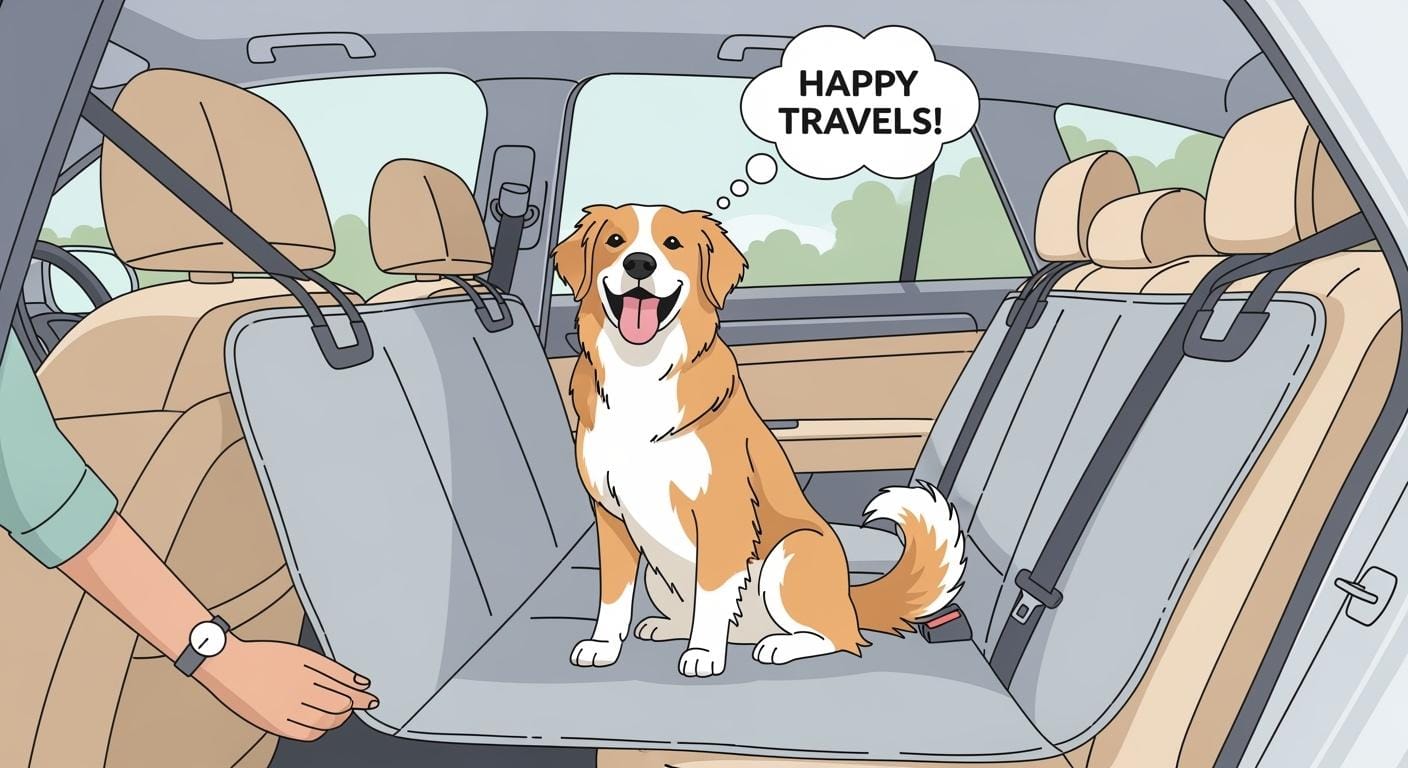
You can pick from different clip types for your harness. Front-clip harnesses help with leash training. Back-clip harnesses work well for calm dogs. Some harnesses have both clips for more control. Always check that the clip type fits your dog’s walking style. For car trips, use a harness tested for restraint.
| Harness Type | Best For | Fit and Comfort Requirements |
|---|---|---|
| Step-In Harness | Dogs that dislike overhead harnesses | Easy to put on, no overhead entry, gentle on sensitive dogs |
| No-Pull Harness | Pullers, leash training | Front-clip design, more steering control, and enough adjustment for small frames |
| Adjustable Walking Harness | Long walks, hiking, puppies | Multiple adjustments, ergonomic fit, adapts to changes |
| All-in-One Ideal Harness | Daily use, comfort and control | Vest design, secure and comfortable fit |
Common Harness Mistakes
Many owners make mistakes with harnesses. You might pick a harness by style, not fit. You might use a walking harness for the wrong situation, or miss signs of poor fit such as rubbing, slipping, or heat buildup. Always check for back-out risk, leash tangling, and whether the harness is simple to clean and dry between uses.
Here is a troubleshooting table to help you fix problems:
| Symptom | Likely Cause | Fast Check | Fix |
|---|---|---|---|
| Harness rotates or slips | Straps uneven or loose | Check balance during short walk | Re-even straps or change style |
| Dog backs out easily | Loose fit or wrong shape | Try backing up with leash attached | Tighten straps or choose secure shape |
| Chafing or redness | Rough edges or poor fit | Inspect skin after walk | Adjust fit or switch to softer material |
| Overheating | Heavy or non-breathable | Feel harness after walk | Choose mesh or lighter harness |
| Hard to clean | Non-removable parts | Check label for cleaning steps | Pick harness with removable parts |
| Entanglement risk | Loose leash or unsupervised | Watch during walk | Supervise and use proper leash length |
Note: Use a walking harness for walks and everyday handling. For car trips, use only gear specifically designed for that purpose. Never leave a harness on your dog when you are not watching. If your dog seems uncomfortable, adjust the fit or try a different harness shape.
A great harness for small dogs fits your dog’s body and walking style. You keep your dog safe by checking fit, leash control, and cleaning after every use.
| Material | Best For |
|---|---|
| Breathable air-mesh | Warm weather, active dogs |
| Soft padded polyester | Everyday walks, all seasons |
| Cozy knit | Cool weather, extra warmth |
Movement checks matter. Watch your dog walk, turn, and sniff with the harness on. Do not rely only on static fit.
You want the best harness for your small dog. Always check fit, comfort, and material before every walk. Use the checklist and tables for quick checks. Focus on safety and comfort. Try different harness styles, watch your dog move, and adjust the fit until the harness stays centered and easy to wear.
FAQ
How do you check if a harness fits your small dog?
Place one finger under the harness at the neck and chest. Watch your dog walk and back up. Adjust straps if you see rubbing or slipping.
What signs show your dog feels uncomfortable in a harness?
| Sign | What to Do |
|---|---|
| Red skin | Adjust or change harness |
| Coughing | Loosen neck straps |
| Limping | Check shoulder clearance |
Which harness material works best for sensitive skin?
Soft mesh or padded neoprene can feel gentler on sensitive skin. Always check for smooth edges, breathable fabric, and buckle placement that does not rub.