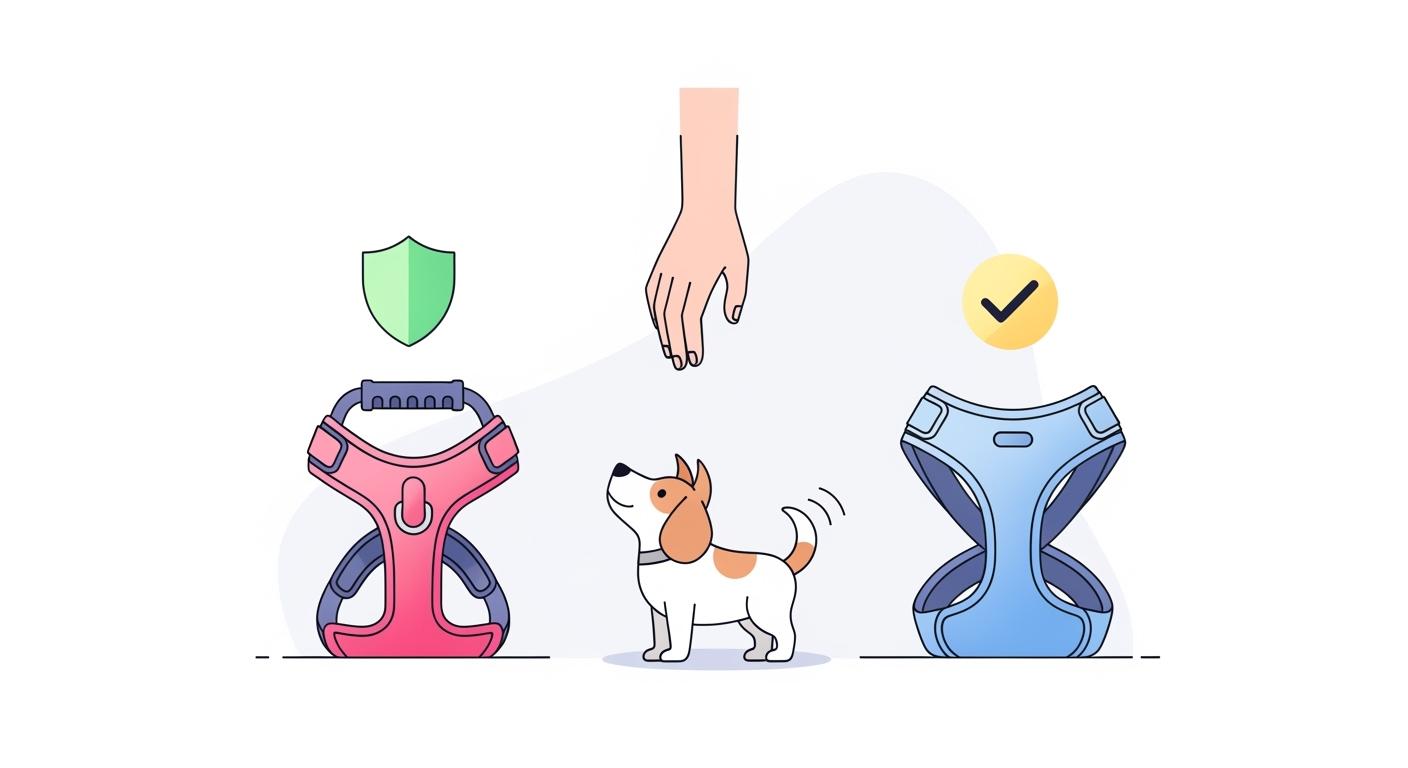
When you choose the best harness for small dogs, you want to know if a handle makes your dog safer or just adds risk. The answer depends on how you use the handle. You can use a handle for brief steadying, like helping your dog over a curb or through a crowd, but you should not use it for carrying. The handle gives you quick control without lifting your dog off the ground. This helps prevent twist or ride up, which can cause discomfort. For safety, always support your dog’s body with your hands for any assist lift. Remember, this is general guidance, not medical advice. If your dog has pain, spinal issues, breathing problems, or is nervous, consult a vet or trainer. The best harness for small dogs should fit well and feel comfortable.
Key Takeaways
Use the harness handle only for brief steadying, not for lifting your dog. This keeps your dog safe and comfortable.
Choose a harness that fits snugly to prevent slipping or twisting. A good fit is essential for your dog’s safety.
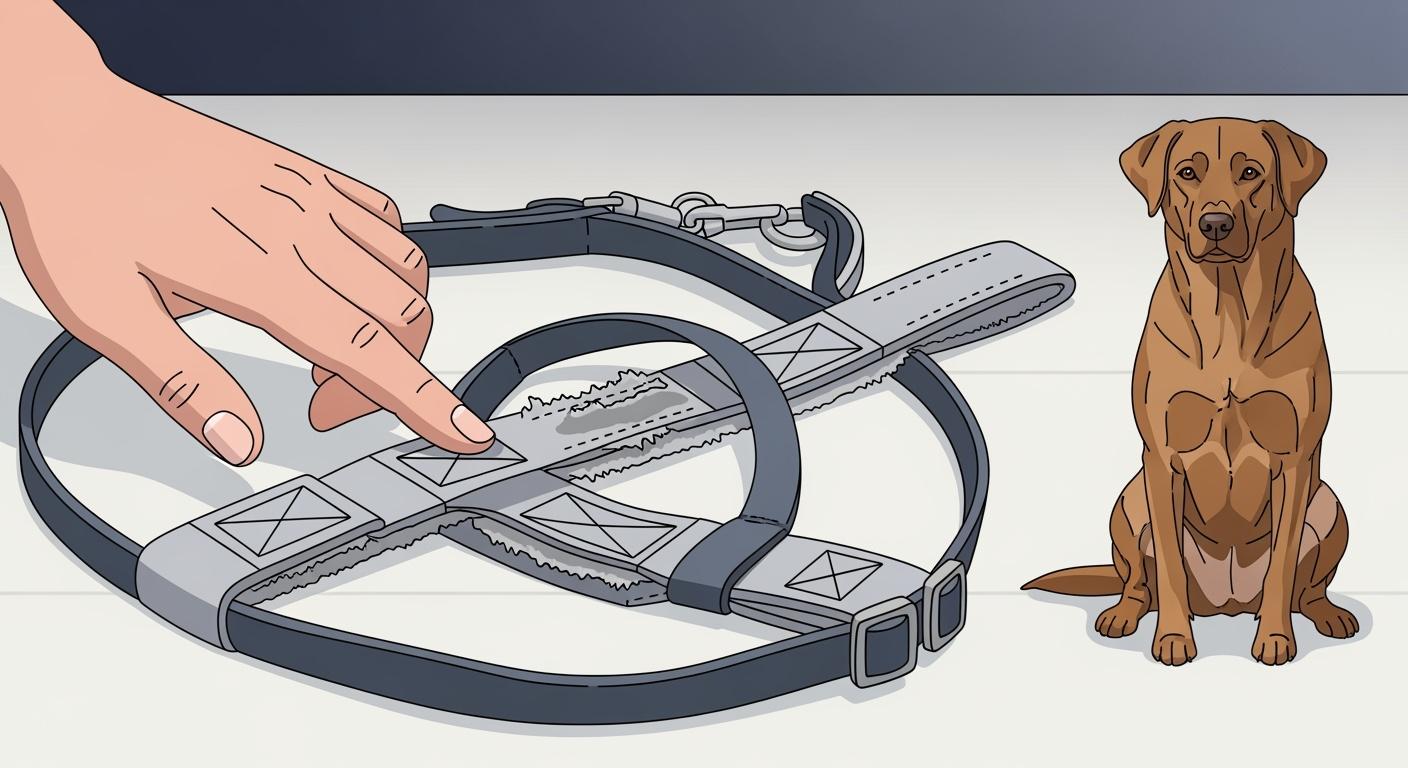
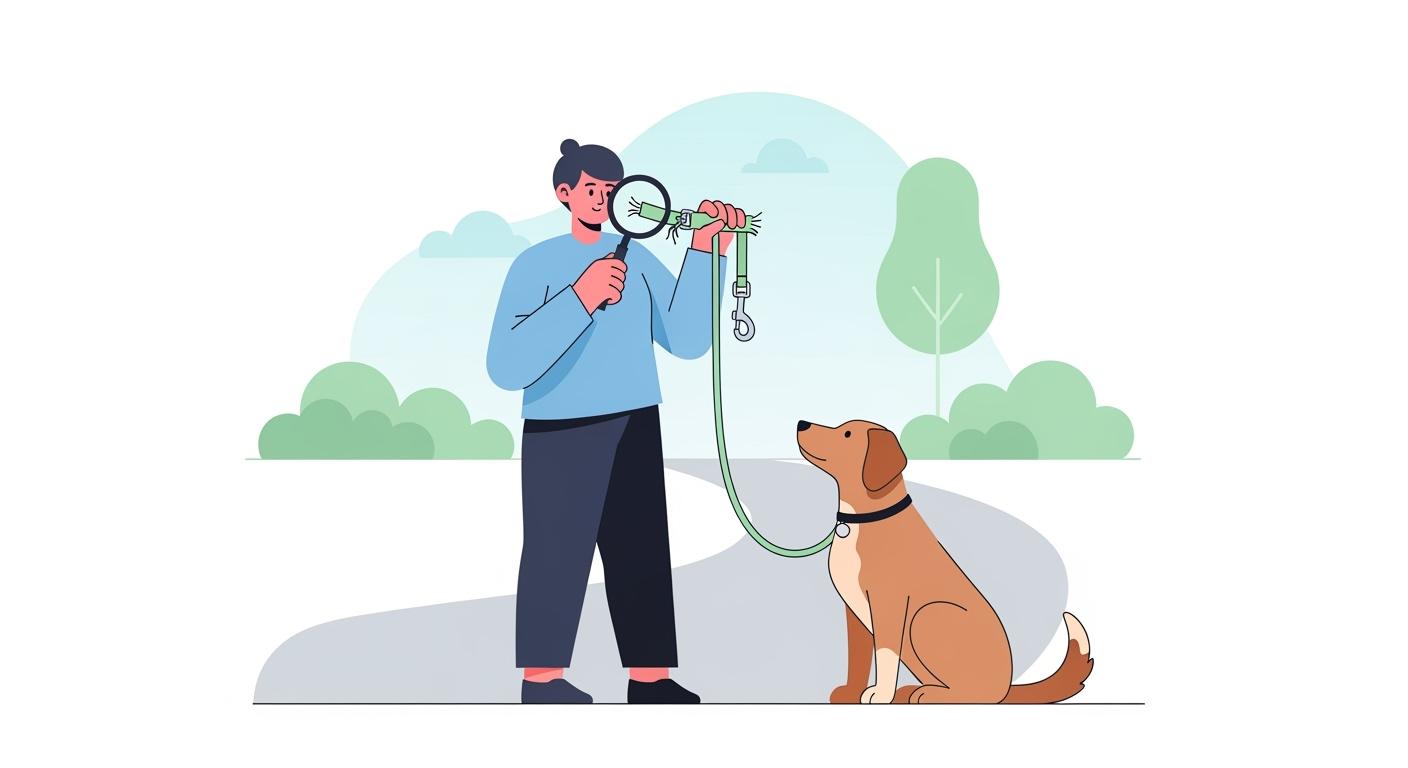
Inspect the harness regularly for signs of wear, like loose threads or frayed straps. Replace it if you notice any damage.
Train your dog to walk calmly on a leash. This reduces pulling and makes walks more enjoyable for both of you.
Always support your dog’s body with both hands if you need to lift them. Avoid using the handle for lifting to prevent injury.
Handle vs No Handle: Quick Safety Decision
One-Sentence Rule for Small Dogs
Only use the handle on your small dog’s harness for short steadying and control. Do not use it to lift or carry your dog. If you need to pick up your dog a lot, try a pet backpack or a special assist device. Always talk to your veterinarian if your dog has trouble moving or needs help often. This easy rule keeps your dog safe and comfortable every day.
Tip: Before you pick a harness, ask yourself if you need a handle for quick control or if a harness without a handle works better for you.
Everyday Scenarios: Stairs, Curbs, Crowds
There are many times when a handle can help you guide your small dog safely. Busy sidewalks, crowded parks, and steep stairs can be scary for a little dog. In these moments, the handle lets you steady your dog fast without pulling on the leash. You can help your dog step over a curb or move through a crowd with gentle support. For older dogs or those with arthritis, a handle can make walks easier. Dr. Lena Torres, a veterinarian, says, “I suggest handled harnesses for senior dogs with arthritis. Lifting under the belly with the harness handle lowers joint stress and helps stop falls.”
A dog lift harness can also help your small dog go up stairs or cross slippery floors. You give your dog confidence and help stop slips or falls. Always remember, the handle is for short support, not for lifting your dog off the ground. If you need to lift your dog, use both hands to hold the chest and back legs.
Here is a quick chart to help you decide which harness style fits your needs:
Feature | With Handle | No Handle |
|---|---|---|
Control Level | High – you can steady your dog right away | Standard – you use leash tension |
Best For | Reactive dogs, seniors, training, city walks | Calm dogs, easy walks, hot weather |
Comfort | Changes – depends on fit and design | Usually lighter and less tight |
Durability | More stress at the handle spot | Fewer weak spots; simpler build |
Weight & Breathability | Heavier; may block airflow | Lighter; more air can pass through |
If you want to know if a handle is good for your small dog, think about your daily walks and how your dog acts in busy places.
When Not to Lift Without Vet Advice
Do not lift your small dog by the harness handle unless your veterinarian says it is okay. Lifting too much can hurt your dog’s neck, spine, and joints. This is a bigger risk for small breeds with fragile bodies. Use the handle only for short steadying or to help your dog over something. For lifting, always use both hands to hold your dog’s body. If your dog has trouble with stairs, gets tired fast, or seems to be in pain, talk to your vet before using the handle for more than a quick help.
Note: The best harness for small dogs should fit your dog’s size, how active they are, and your daily routine for the best safety and comfort.
Best Harness for Small Dogs: Safety and Control
Control: Steadying vs Jerks
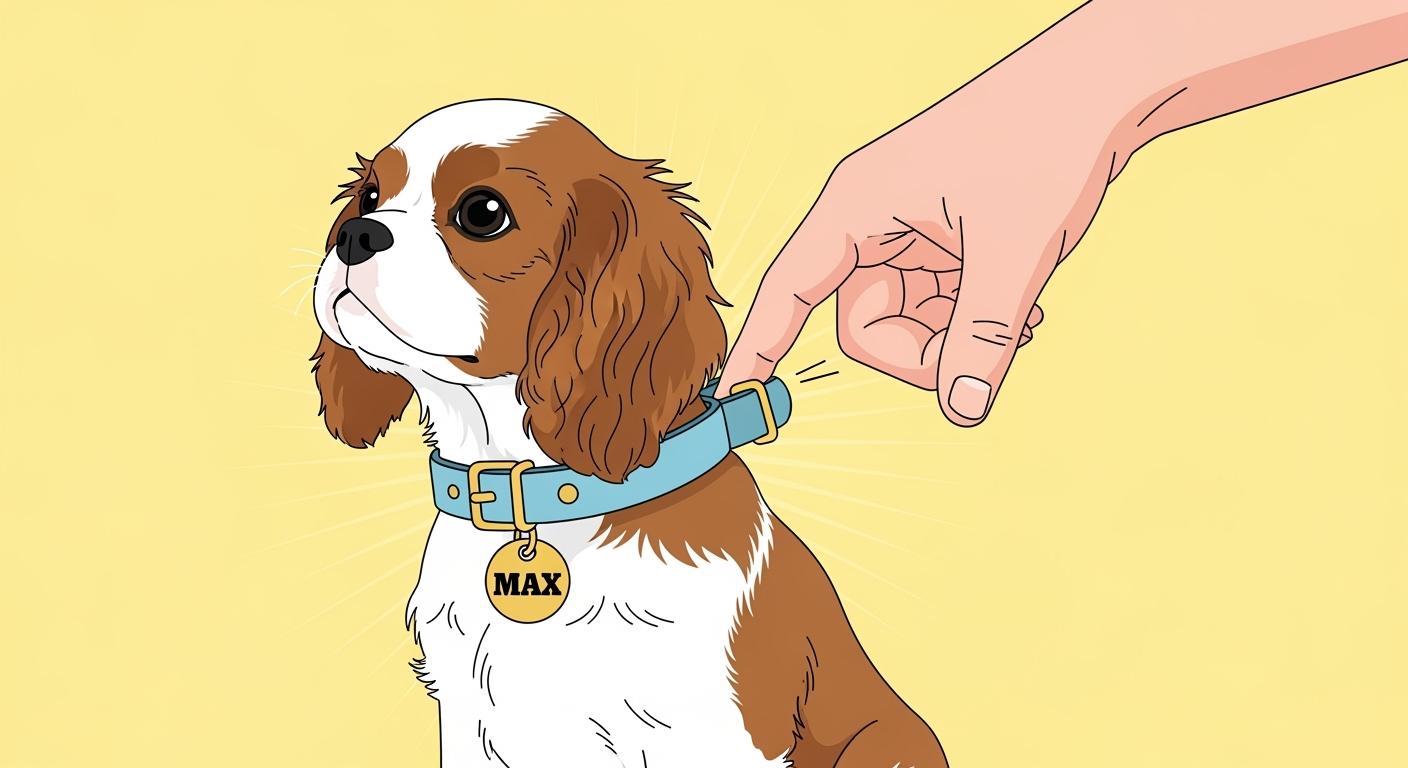
You want the best harness for small dogs to give you control without causing harm. A handle helps you steady your dog in busy places, at curbs, or on stairs. You can guide your dog gently with a quick grab. This keeps your dog safe from sudden jerks that might happen with a leash or collar. Collars can put pressure on the neck, which is risky for small breeds. Harnesses spread force across the body, lowering the chance of injury. Secure closures and double-locking buckles make it harder for your dog to escape. You should use the handle for short moments, not for lifting or carrying your dog for long periods.
Harnesses distribute force evenly, reducing injury from sudden jerks.
Collars can cause neck injuries, especially in small dogs.
Escape-proof harnesses use secure closures and double-locking buckles.
If you need help choosing, check if you often walk in crowds or need to steady your dog at obstacles. The handle is useful for quick control, not for lifting.
Stability: Twist, Ride Up, Slip Out
Stability matters when you look for the best harness for small dogs. You want a harness that stays in place and does not twist or ride up. If the harness moves too much, your dog can slip out or get hurt. Both handle and no-handle harnesses can have stability problems. The table below shows common issues.
Stability Issue | Description |
|---|---|
Harness slides backward | Neck opening too big or belly strap too loose. Less protection in a crash. |
Straps loosen mid-ride | Stretchy materials or worn buckles. Can fail during sudden stops. |
Dog hunches shoulders | Short back panel or stiff hardware. May strain the spine. |
A good fit prevents twisting and slipping. Always check the harness before walks. The best harness for small dogs should fit snugly but not tightly. If you notice the harness twisting when you use the handle, adjust the straps or try a different size.
Tip: Check your dog’s harness for loose straps or worn buckles every week. This helps keep your dog safe and comfortable.
Comfort: Pressure Points, Rubbing
Comfort is key when you pick the best harness for small dogs. You want your dog to enjoy walks without pain. Handles can add weight and change how the harness sits. If the harness rubs under the arms or presses on the chest, your dog may get sore spots or lose hair. No-handle harnesses are often lighter and may feel better for calm dogs. Always look for soft padding and smooth seams. Make sure the harness does not restrict movement. If your dog scratches at the harness or seems uncomfortable, check for rubbing or pressure points.
You should watch for signs like redness or hair loss. Adjust the fit or try a different style if you see these problems. Comfort helps your dog stay happy and safe.
Misuse: Panic Grabbing Risks
You must use the handle the right way to keep your dog safe. Panic grabbing can hurt your dog or make them afraid of the harness. Children may grab the handle too hard or try lifting the dog, which is not safe. Handles are for brief steadying, not for carrying or lifting your dog for long periods. If you grab the handle suddenly, you may twist the harness or scare your dog. Always use two hands to support your dog if you need to lift them. Never use the handle as the only support.
Use the handle for quick control in crowds or at obstacles.
Do not use the handle for lifting or carrying your dog.
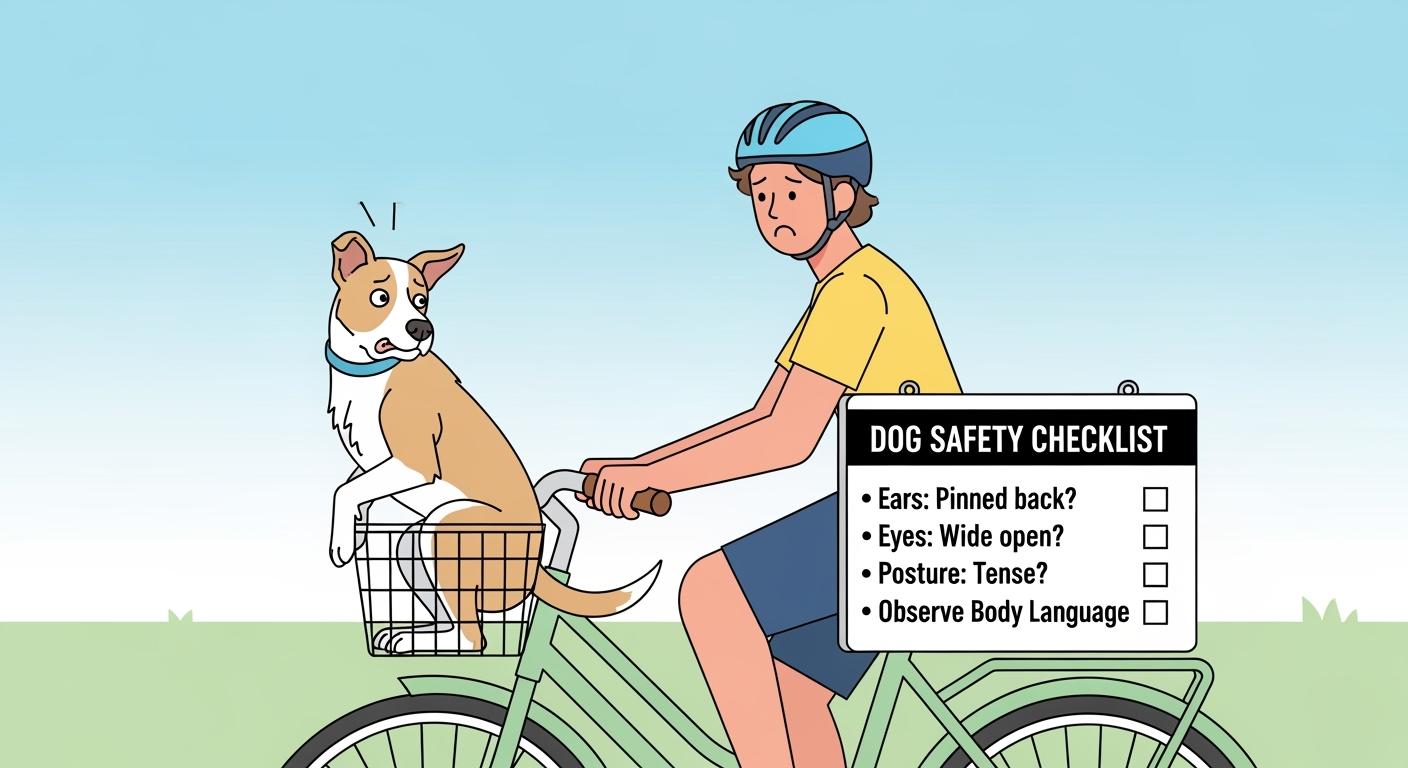
Watch for signs of discomfort or fear when using the handle.
If you want the best harness for small dogs, focus on fit and stability first. The handle is a tool for emergencies, not for regular lifting. You should check the harness often and make sure it meets your dog’s needs.
Need help? Check your dog’s harness for fit, comfort, and real need for a handle before every walk.
Dog Harness with Handle: Design Checks
Handle Placement and Profile
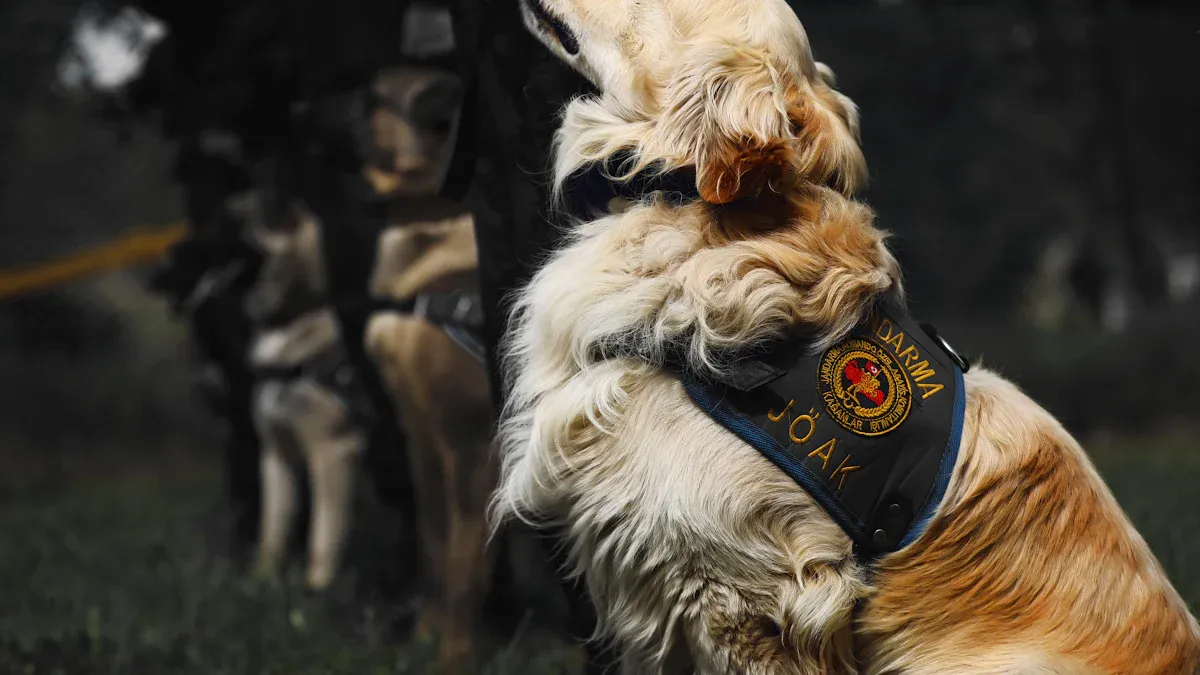
When you choose a dog harness with handle, check the placement first. The handle should sit centered on your dog’s back. This helps you use quick control without twisting the harness or causing neck torque. A low profile handle works best for small or toy breeds because it stays out of the way during play or training and behavior management. Avoid handles that stick up too high or shift to one side. These can make your dog uncomfortable or cause the harness to ride up. Always use the handle as a stabilizer, not for carrying your dog.
Reinforcement and Stitching
Look closely at the stitching around the handle. Reinforced, dense stitching keeps the handle secure during emergency restraint or steadying. Loose threads or uneven seams can weaken the harness and increase risk. Supportive harnesses for small dogs need strong construction, especially if you use the handle for brief assists. If you see gaps or fraying, replace the harness right away. A dedicated mobility harness often features extra reinforcement, but always check the product details.
Home Test: Grab and Release
Test the harness at home before heading outside. Gently grab the handle and release it several times. The harness should stay in place and not twist or ride up. Your dog should move freely, and the straps should not rub or restrict movement. If your dog shows discomfort or the harness shifts, adjust the fit or try a different style. This simple test helps you spot problems early and supports a fair safety comparison between harness types.
Leash Pairing: Main Attachment First
Pair your harness with a sturdy leash for the best results. Choose a padded chest harness and a matching 6-foot leash for comfort and control. Reflective details help during nighttime walks. Always attach the leash to the main harness ring, not the handle. This setup gives you better control and reduces strain on your dog. A standalone harness with a separate leash works well for dogs that pull or need extra training support. This combination improves safety and enjoyment for both you and your dog.
If you are a business reader, you can contact us for wholesale, OEM, or ODM support. Prepare details like your dog’s size, age, main walking environment, lifting needs, current harness issues, and comfort concerns to get the best advice.
Handle Harness Mistakes, Safety List, and FAQs
Common Mistakes: Lifting, Sudden Grabs, Kids Using Handle
People use a handle harness for fast control. But some mistakes can make things unsafe for your small dog. Here are errors you should not make:
Carrying your dog by the handle for a long time
Pulling the handle fast in scary moments
Letting kids use the handle without an adult
Not fixing the harness if it twists or rides up
Making the straps too tight for extra safety
Picking a harness with weak stitching or bad support
The handle is only for short steadying, not lifting or carrying. If you need to help your dog in an emergency, stay calm and use both hands to support their body.
Safety Do-Not List: Carrying by Handle, Damaged Gear, Unattended Tethering
Keep these safety tips in mind to stop injuries and help your dog move:
Never carry your dog by the handle harness
Do not use gear with broken parts or loose threads
Never leave your dog alone with a handle harness on
Do not use the handle for rough play or lunging
Stop using the harness if your dog coughs or seems hurt
Ask your vet if your dog has pain or trouble walking
Do not trust the handle harness to stop escapes
Check for twisting or riding up after every use
Get a new harness if you see fading, fraying, or broken parts
Make sure the adjusters stay in place and do not slip
Look at the webbing for cuts, burns, or fuzzy spots
Watch for swelling, redness, or wet spots under the harness
Need help picking safe gear? Ask your vet or trainer about The best harness for small dogs for your dog’s size and how active they are.
Replace Signals: Threads, Seams, Buckles, Hardware
Check your handle harness often for signs it needs to be replaced. Get a new one if you see:
Cuts, tears, or fuzzy spots on the webbing
Faded color or worn straps
Bent or cracked places where you attach the leash
Sharp or rusty spots on the hardware
Loose threads or weak seams where straps meet
Adjusters that move or do not stay tight
Deep cuts or fuzzy spots in places that rub a lot
Most harnesses last up to two years for calm dogs. For active dogs, get a new harness every six to twelve months.
If you see any warning signs, switch to a new harness to keep your dog safe and under control.
Choosing the best harness for your small dog means focusing on fit, stability, and safe use of the handle. You should always match the harness to your dog’s size and temperament. Remember these key points:
A snug fit keeps your dog safe and prevents escapes.
Training helps your dog walk calmly and reduces pulling.
Handles offer quick control but should not replace proper support.
Continuous pulling can harm your dog’s movement over time.
Prioritize comfort and safety every walk. You can help your dog stay happy and secure with the right harness and good habits.
FAQ
How do you use the handle on a small dog harness safely?
You should use the handle for brief steadying only. Always support your dog’s body with both hands if you need to lift. Never carry your dog by the handle.
What signs show your harness needs replacing?
Look for loose threads, faded straps, bent hardware, or sticky buckles. If you see any damage, get a new harness to keep your dog safe.
Can a handle harness prevent your dog from escaping?
A handle does not stop escapes. You need a snug fit and stable harness design. Always check that the harness does not twist or ride up during walks.
Should kids use the handle on a dog harness?
Kids should not use the handle without adult supervision. Sudden grabs or lifting can hurt your dog. Teach children to use gentle control and ask for help.
How do you check if the handle stitching is strong?
Inspect the stitching around the handle. You should see tight, even lines with no loose threads. Gently pull the handle to test for movement or weakness.