Best Dog Treat Training Pouch: Simple or Versatile for Faster Rewards
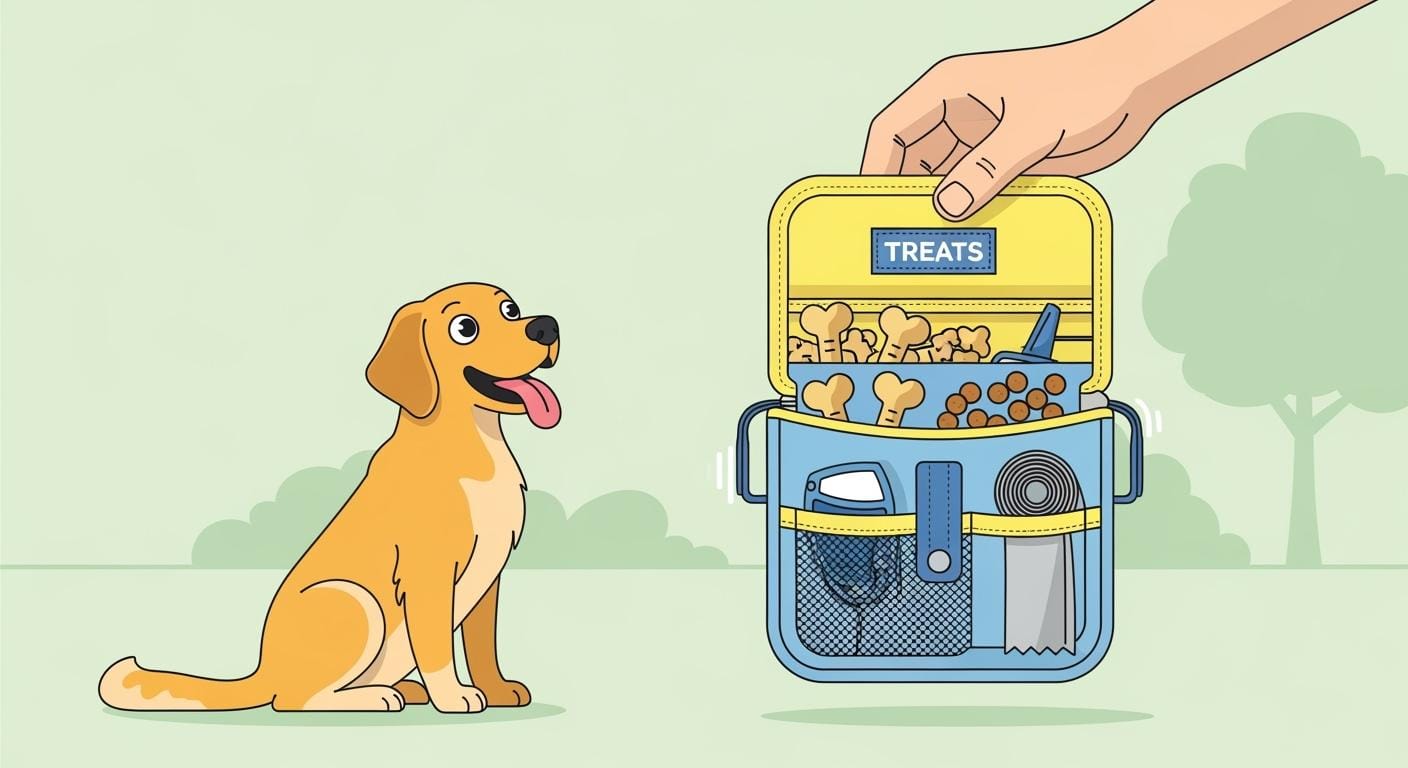
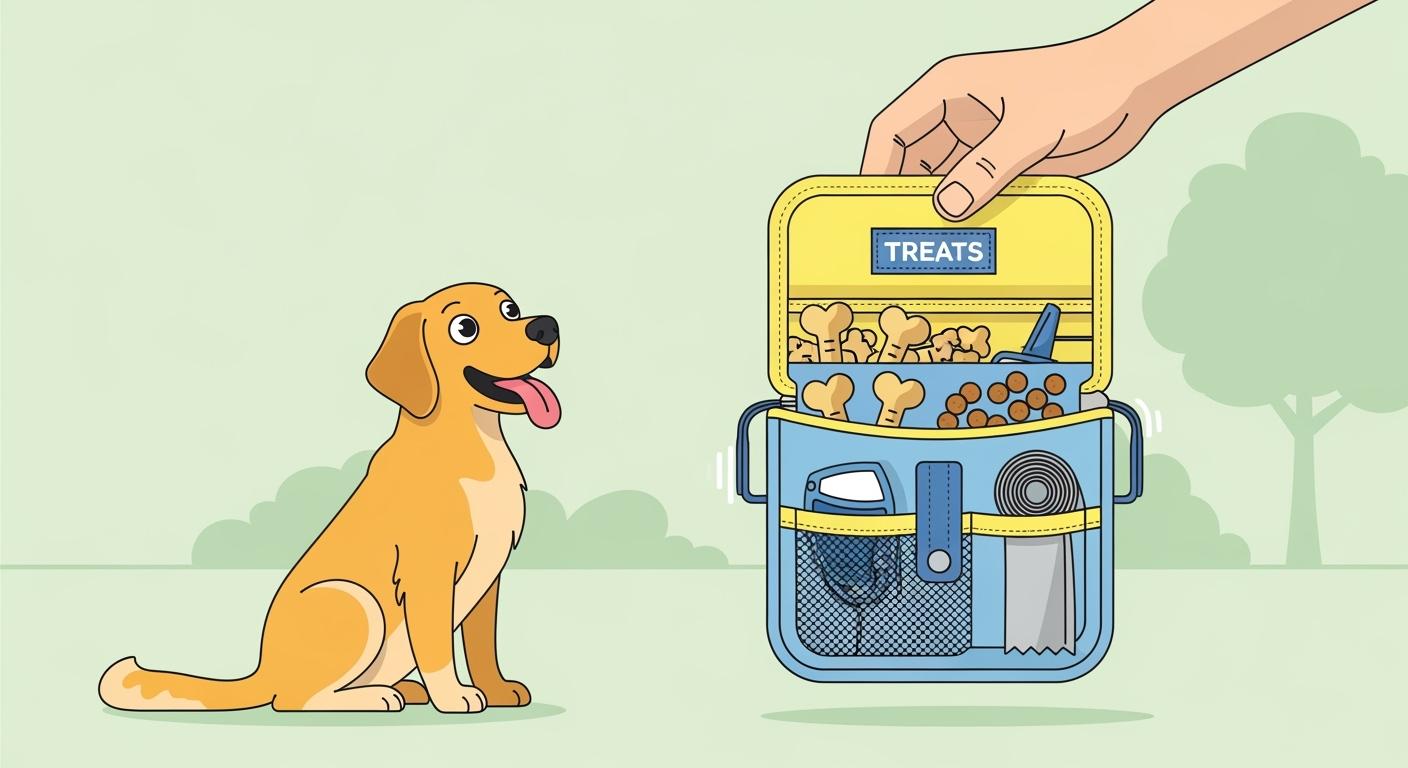
The right treat pouch is the one that lets you deliver a reward in under a second without looking down. More pockets sound useful, but every extra item between your hand and the next treat costs you reward timing — and reward timing is the part that actually changes how fast your dog learns.
Note: A pouch helps with timing and clean access, but it only earns its place when its layout matches the kind of training session you actually run.
Key Takeaways
Pick a simple treat-only pouch when sessions are focused and short, and reward speed is everything. Pick a multi-pocket pouch when you also need to carry waste bags, a clicker, keys, or a phone on longer walks. In both cases, the test that matters is whether you can grab a treat in one motion without looking.
How This Guide Was Written
The recommendations below come from hands-on use of treat pouches in real training sessions and observation of common failure modes — slow access, swing, crumb spread. This guide does not cover specific brand picks, prices, or treat recipes; it focuses on layout and access trade-offs you can verify in your own routine.
When Simple Wins and When Extra Storage Earns Its Place
Why Reward Timing Drives the Choice
Reward timing matters because positive reinforcement works best when the treat lands within about a second of the behavior you want to mark. Anything that adds friction — a deep pocket, a magnetic closure that needs two hands, a tool layer covering the treats — pushes that window wider and weakens the link your dog is forming.
A simple treat-only pouch wins for focused sessions: teaching a new cue, working on duration, drilling recalls. A multi-pocket pouch wins when you are walking and training at the same time, because juggling waste bags and a leash one-handed is the friction in that scenario, not the treat grab itself.
Simple vs Multi-Pocket vs Pouch-Plus-Waist-Bag
| Type | Best Use Case | Why It Helps | What to Watch |
|---|---|---|---|
| Simple Treat-Only Pouch | Focused sessions, new cue work | Fastest grab, no clutter, hard to fumble | No room for waste bags or phone on real walks |
| Multi-Pocket Training Pouch | Walks and park sessions with multitasking | Treats stay separate from tools and keys | Layout can slow access if treats sit behind a divider |
| Pouch Plus Waist Bag | Long outings with extras | Most carry capacity, treats compartmentalized | Extra weight swings and tilts more under movement |
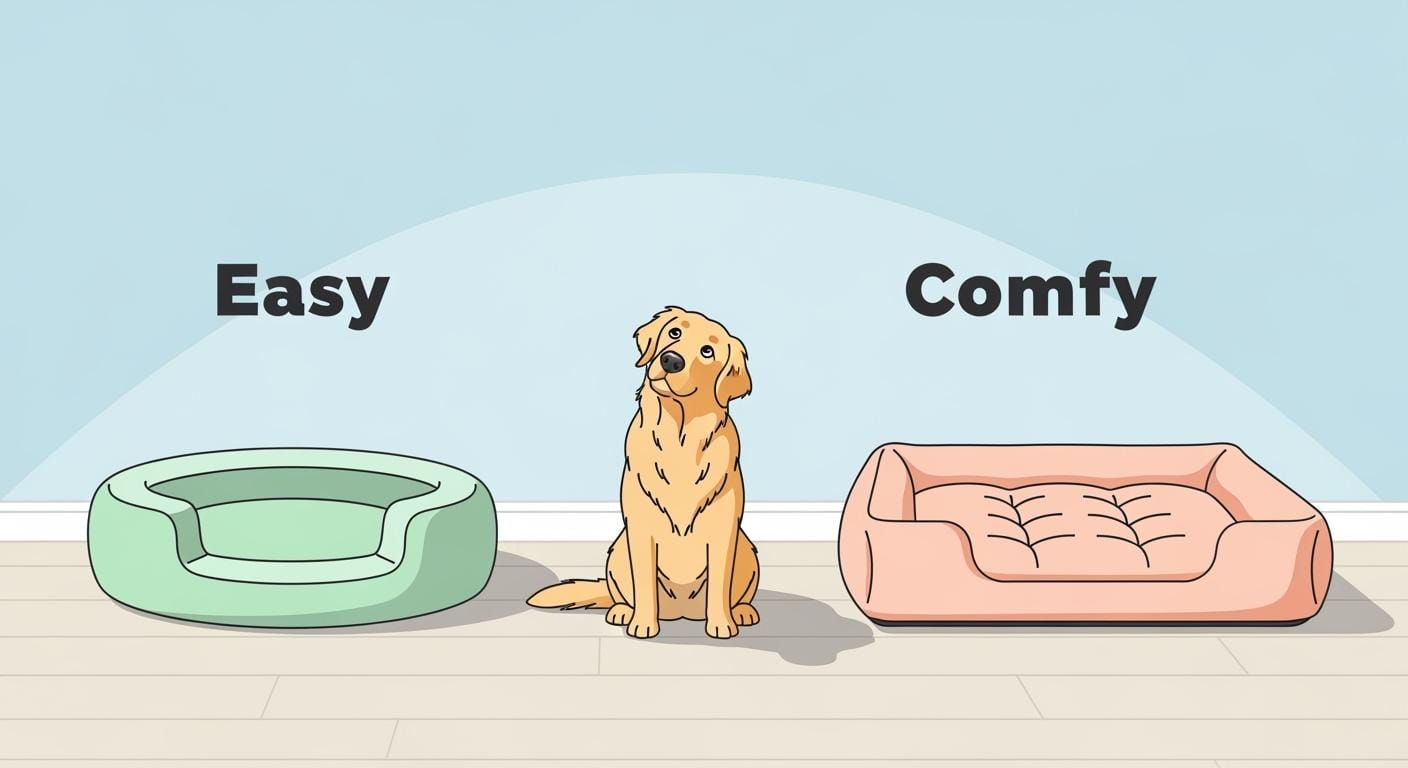
For most everyday training, a simple pouch is the right starting point and a multi-pocket model is the right upgrade once your walks involve more than just treats.
Common Mistakes That Cause Real Problems
- Choosing by feature count instead of by how the pouch loads for your actual sessions.
- Burying treats under tools or phone, which adds a hidden second to every reward.
- Skipping the loaded walk test before relying on the pouch in a real session.
- Using oily or wet treats in a pouch without a wipe-clean liner.
Tip: The most common mistake is buying the pouch with the most pockets — extra storage only helps if treats still sit in the fastest spot when everything else is loaded.
What Extra Pockets Actually Change
Speed, Swing, and Cleanliness Trade-Offs
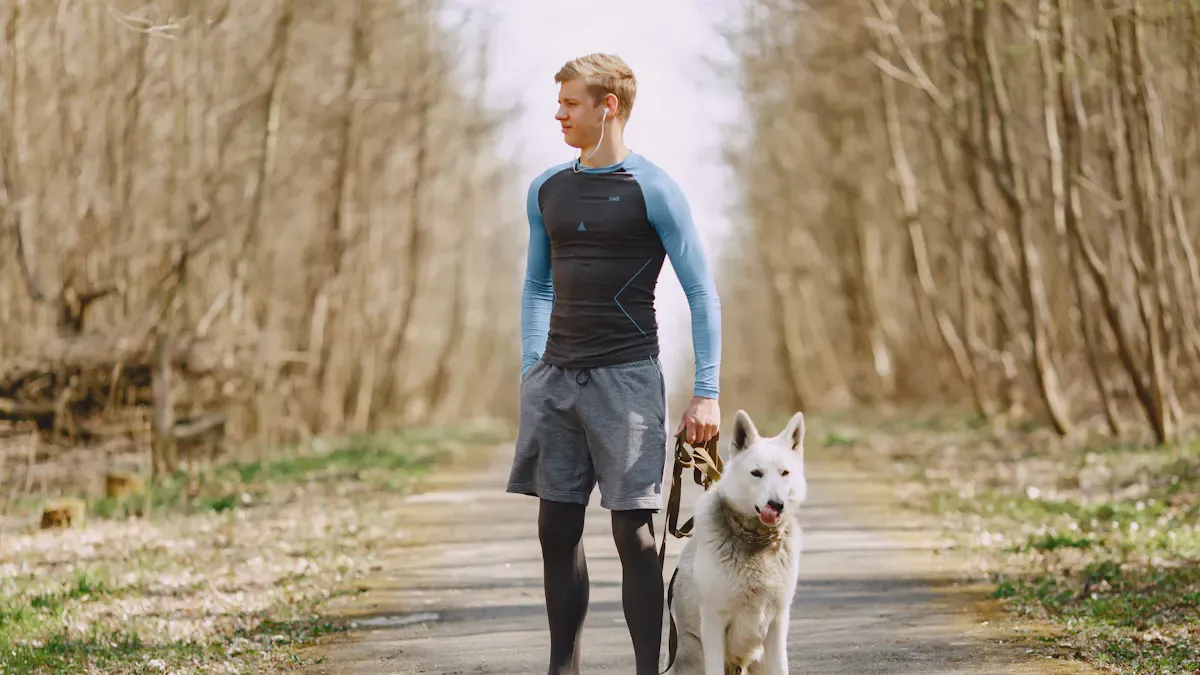
Extra pockets help organization but they also change how the pouch hangs. Adding a phone shifts the center of gravity to one side, which makes the pouch tilt as you walk. Adding waste bags raises the load and can pull the belt off your hip line. Both effects slow you down in a way you usually do not notice until your dog stops responding to the cue.
Crumb control is the other quiet trade-off. The moment treats share a compartment with anything else, oils and crumbs spread. A wipe-clean liner or a dedicated treat compartment is what keeps a multi-pocket pouch usable past the first week.
A Simple 3-Step Test Protocol
- Loaded grab test: Fill the pouch the way you actually carry it on a walk. Without looking down, grab a treat ten times in a row. Count any fumble.
- Walk and bend test: Walk for 2 minutes including one squat to pick something up. Watch whether the pouch stays on your hip or swings around.
- Real session test: Run a short training session with your dog. Notice whether your reward delivery feels late or smooth, and whether your dog’s response sharpens or drifts.
Observation Log Template
Record these five fields after each test session, so you have something concrete to compare across pouches:
- Pouch contents at start of session
- Fumble count out of ten grabs
- Swing or tilt while walking — none, slight, or noticeable
- Crumb spread to other pockets after the session
- Your dog’s response sharpness — sharper, same, or slower
Pass / Fail Fit Check
| Check Item | Pass Signal | Fail Signal | Improvement Plan |
|---|---|---|---|
| Treat access speed | One-motion grab without looking | Fumble or visible search | Move treats to the front pocket or simplify load |
| Reward timing | Treat lands right after the marker | Visible delay between marker and treat | Pre-portion treats and remove buried items |
| Pouch stability | Stays on the hip when walking and bending | Swings forward or rotates around the belt | Tighten belt or move heavy items closer to the body |
| Cleanliness | Treats stay in their compartment | Crumbs reach phone, keys, or tools | Add a liner or switch to a dedicated treat-only model |
| Closure | Opens one-handed, closes on its own | Needs two hands or stays open | Switch to a magnetic or hinged-frame closure |
Disclaimer: If your dog shows food guarding, sudden stress around the pouch, or any food-related health concern, pause training and consult a certified trainer or veterinarian before continuing.
Failure Signs in Use: Slow Grabs, Swing, and Mixed Crumbs
Troubleshooting Common Symptoms
| Symptom | Likely Cause | Fast Check | Improvement Plan |
|---|---|---|---|
| Treats hard to grab | Pouch overloaded or treats buried | Try the same grab with only treats inside | Move treats to the top compartment or simplify load |
| Crumbs on phone or keys | No divider or shared compartment | Inspect other pockets after one walk | Add a liner or use a separate small pouch for tools |
| Pouch swings while walking | Heavy items off-center or loose belt | Walk a short loop and feel for sway | Tighten belt and place heavier items closest to the spine |
| Dog response drifts | Reward timing slipping past the one-second window | Have someone watch one short session | Pre-load treats at the front and rehearse grab timing |
Tip: Run the first loaded test at home with no dog present, so you can fix layout problems before they cost you a real training session.
When to Switch Style
If the same fumble or swing problem returns after two or three layout changes, the pouch shape probably does not match how you carry it. Belt-clip and waist-strap designs sit differently on different bodies, and a model that works for one trainer can ride wrong on another. Treat persistent fumbles as a signal to switch style, not as a problem to drill through.
Quick Recommendation by Training Style
| Training Style | Recommended Setup | Key Consideration |
|---|---|---|
| Focused indoor sessions | Simple treat-only pouch with magnetic closure | Speed and clean access matter most |
| Walk-and-train combo | Multi-pocket pouch with front treat compartment | Treats must stay in the fastest spot |
| Long park or hike days | Pouch plus small waist bag for extras | Keep treat compartment separate from tools |
| Wet or oily treats | Any pouch with a wipe-clean or removable liner | Cleaning frequency drives pouch lifespan |
FAQ
How do I know if my pouch has too many pockets?
If your reward timing slips or you have to look down to find a treat, the layout is too busy for your sessions.
Can I use wet or oily treats in any pouch?
Only in pouches with a wipe-clean or removable liner — otherwise oils soak into the fabric and odors set in fast.
What is the best way to carry a treat pouch during training?
A waist belt usually wins because it keeps both hands free and the treats stay at hip level for the fastest grab.
Is a more expensive pouch always better?
Not always — a simple pouch with fast access often outperforms a feature-loaded one if your sessions are short and focused.
Disclaimer: This FAQ covers pouch choice and setup only. Consult a certified trainer if your dog shows food guarding, sudden stress around treats, or any food-related health concern.