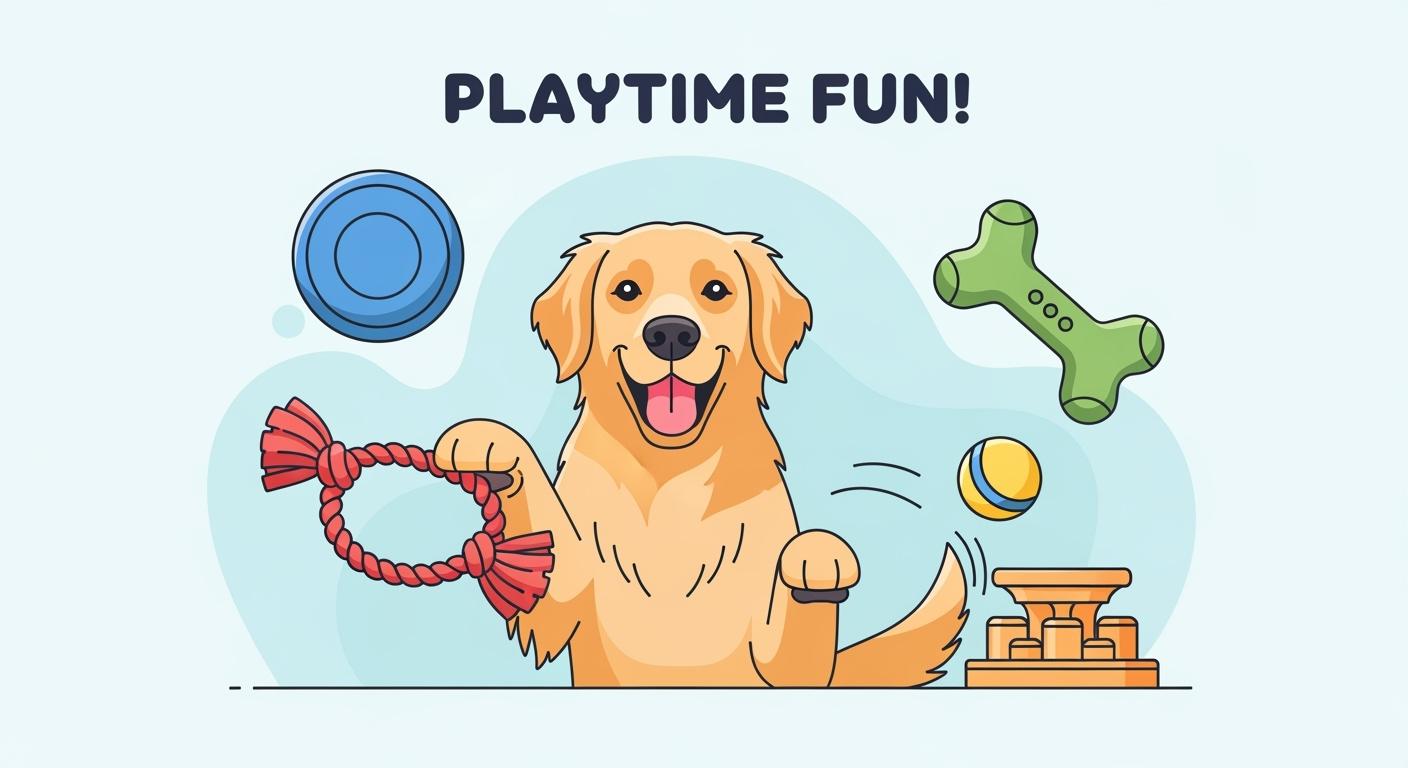
Looking for the best dog toys in 2025? You’ll want options that match your dog’s play style and support their health. Here’s a quick guide experts recommend:
Play Style | Recommended Toys |
|---|---|
Power Chewers | Durable chew toys made from industrial-grade rubber or high-density nylon. |
Mental Stimulation | Interactive puzzles and brain-boosting toys that dispense treats. |
Eco-Friendly | Toys made from hemp and recycled rubber materials. |
Puppies | Soft plush toys and rubber rings designed for teething and cognitive development. |
Small Dogs | Mini puzzle cubes and soft plush squeakers with secure seams. |
Pet ownership keeps rising, with the global pet toys market expected to hit US$ 9.1 billion in 2025. The dog segment holds a major share. Choosing the best dog toys matters for safety, durability, and interactive features. Studies show the right toys help your dog avoid stress and stay happy. This guide helps you pick toys that fit your dog’s age, size, and play habits.
Key Takeaways
Pick toys that match how your dog likes to play. This helps your dog stay healthy and happy.
Find toys made from strong materials like solid rubber. Reinforced nylon is also a good choice for safety.
Choose interactive toys to help your dog think more. These toys can stop your dog from getting bored.
Check your dog’s toys often for damage. Replace broken toys so your dog does not choke.
Try eco-friendly toys made from natural or recycled stuff. These toys are better for the planet.
Switch out your dog’s toys sometimes. This makes playtime fun and new.
Watch your dog when they play, especially with new toys. This helps keep your dog safe.
Ask a vet or trainer for help if your dog seems stressed. Get advice if your dog acts mean with toys.
Why Best Dog Toys Matter in 2025
Picking toys for your dog in 2025 is important. It is not just about fun. The right toys help your dog stay healthy and safe. They also make your dog happy. The pet toy market is getting bigger every year. New trends help you find toys that fit your dog’s needs. Let’s see why these choices are important.
Dog Toy Market Growth
Recent reports say people spend more money on dog toys. More pet owners buy toys online now. Online shopping for dog toys grew by 20% from last year. You can find many kinds of toys online. Interactive toys are very popular. They keep dogs busy and moving. Personalization is a new trend. You can pick toys that match your dog’s personality. Portable toys are easy to take on trips. They help your dog have fun anywhere.
Personalization helps you pick toys your dog likes.
Portable toys are good for travel.
Mental stimulation toys stop boredom and bad habits.
In 2025, interactive puzzle toys will be the most popular. They use smart designs that make dogs solve problems and move through mazes. These toys keep dogs busy and happy.
Toys and Canine Well-Being
You want your dog to feel good and stay healthy. Toys help with this. Studies show new toys, especially tricky ones, can help dogs feel better. The benefits may be small for dogs at home. But toys still stop boredom and lower anxiety. Puzzle feeder lick mats calm nervous dogs. Sniffing mats let dogs use their natural skills. Toys that are safe and easy to clean make playtime better for you and your dog.
Complex toys can help your dog feel better.
Puzzle feeders and sniffing mats help your dog’s mind.
Safe, easy-to-clean toys make things easier for you.
What Makes Toys Stand Out
Not all toys are the same. You should pick toys that are safe, strong, and fun. Brands that test toys for safety are best. Toys made from good materials last longer. Premium toys use solid rubber, strong nylon, or natural stuff. Toys should be thick enough to not break. They should pass the ‘fist test’ so they are not too small. Non-toxic and BPA-free toys are very important.
Material | Durability | Safety Level | Best For |
|---|---|---|---|
Solid Rubber | High | Excellent | Heavy chewers, water play |
Reinforced Nylon | Maximum | Good | Extreme chewers, training |
Plush/Fabric | Low | Moderate | Gentle play, seniors |
Rope Core | Variable | Needs monitoring | Tug games, supervised play |
Durable toys last longer and keep dogs safe.
Non-toxic toys protect your dog’s health.
Toys that are easy to clean save you time.
Every dog is different. You should always think about your dog’s needs. No toy is perfect for every dog. Watch your dog when they play.
Dog Toy Safety Essentials
Choosing safe toys for your dog means looking at size, materials, and wear. You want to avoid choking hazards, toxic chemicals, and broken pieces. Regular checks and smart choices help keep playtime safe and fun. Here’s what you need to know.
Size and Choking Hazards
You want toys that fit your dog’s mouth but are too big to swallow. Small toys or loose parts can get stuck in the throat. Always check the toy’s size before giving it to your dog. If you have a puppy or a small breed, pick toys made for their size. For larger breeds, choose sturdy toys that won’t break apart.
Safety Checklist for Toy Size:
Make sure toys are larger than your dog’s mouth.
Avoid toys with small, detachable pieces.
Test plush toys for strong seams.
Supervise play with edible chews like rawhide.
Replace toys that show signs of breaking or unraveling.
Tip: If a toy fits inside a toilet paper roll, it may be too small for most adult dogs.
Common hazards include toys that break into small pieces, edible chews that splinter, and plush toys with weak seams. You should always watch your dog during play, especially with new toys.
Toxic Materials to Avoid
Materials matter when it comes to safety. Some toys contain chemicals that can harm your dog over time. You want to look for toys labeled as non-toxic and BPA-free. Third-party testing groups found that many toys still have dangerous substances.
Materials to Watch Out For:
Phthalates
Lead
Heavy metals (like arsenic)
Bromine
Chlorine
Formaldehyde
Recent studies show that nearly half of tested pet products had at least one hazardous chemical. Tennis balls often contain lead, and some dog balls had high levels of arsenic. You should avoid toys with strong chemical smells or unknown origins. Always check for safety certifications.
Note: Safer toys use solid rubber, reinforced nylon, or natural fibers. These materials are less likely to contain harmful chemicals.
When to Replace Toys
Toys don’t last forever. You need to check them often for damage. Worn-out toys can break apart and become dangerous. Plush toys may tear at the seams, and chew toys can get too soft or start to unravel.
When to Replace:
Discard toys that break, unravel, or become too soft.
Replace chew toys after heavy use, usually within a month.
Remove any pieces of rawhide or edible chews that look worn.
Make sure toys are still the right size for your dog.
Regular toy audits help you spot problems early. If you see loose threads, cracks, or missing pieces, it’s time for a new toy. Supervise play and adjust your choices as your dog grows or changes habits.
Reminder: Every dog is different. Use these tips as a guide, but always adapt to your dog’s needs.
Types of Dog Toys for Every Need
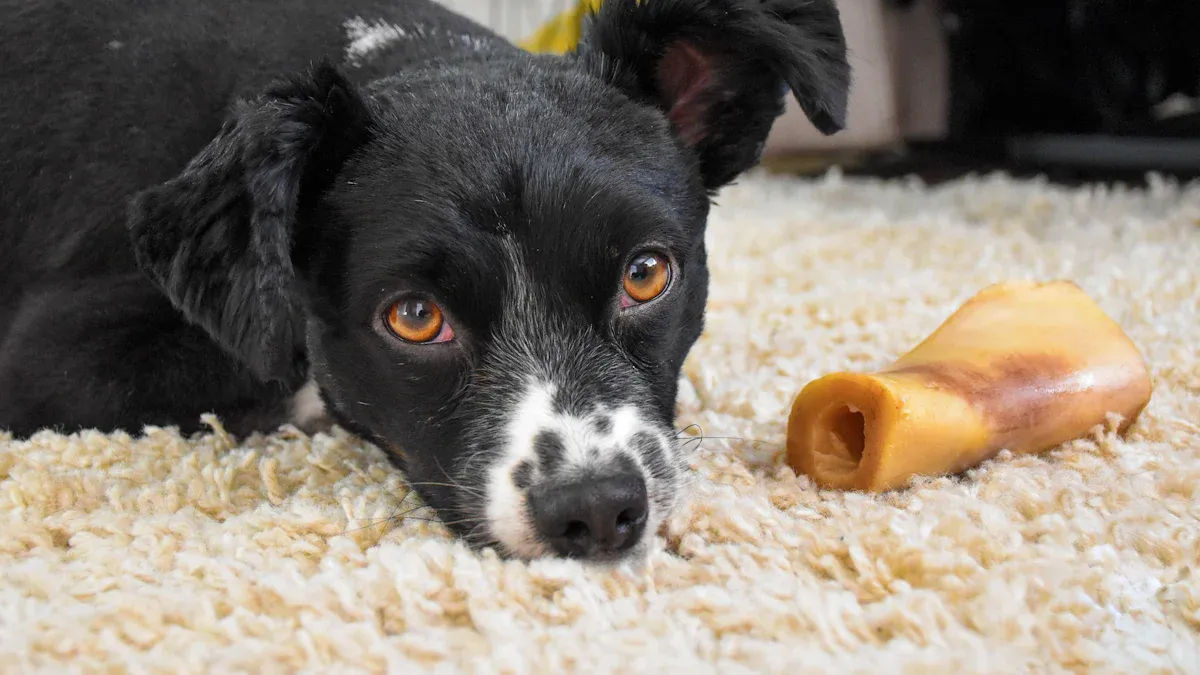
Choosing the right toys for your dog means thinking about their age, breed, and play style. You want toys that match your dog’s energy, chewing habits, and need for mental stimulation. This section covers chew toys, interactive puzzle toys, and fetch toys. Each type supports different needs and helps keep your dog healthy and happy.
Chew Toys for Strong Chewers
If your dog loves to chew, you know regular toys do not last long. Chew toys made for strong chewers use dense rubber or thick rope. These toys stand up to tough jaws and help keep teeth clean. You want a chew toy that is long-lasting and safe.
Chew toys work best for power chewers and adult dogs with strong jaws.
Puppies and seniors may need softer options to avoid hurting their teeth.
Avoid toys with small parts that can break off and become choking hazards.
Always check for wear and replace damaged toys quickly.
Selection Tips:
Pick toys that are larger than your dog’s mouth.
Look for non-toxic materials and easy-to-clean surfaces.
Supervise play, especially with new chew toys.
Dogs who destroy toys quickly need extra-durable options. If your dog gets bored with a toy, try switching to a new texture or shape.
Interactive and Puzzle Toys
Interactive toys and puzzle toys challenge your dog’s mind. These toys make your dog solve problems, find treats, or move pieces. You help your dog stay sharp and avoid boredom.
Puzzle toys suit dogs who enjoy sniffing, searching, or learning new tricks.
These toys help reduce anxiety and keep your dog busy when you are away.
Some puzzle toys offer different levels of difficulty, so you can adjust as your dog learns.
Dogs who do not like working for treats may lose interest quickly.
Selection Tips:
Choose toys with adjustable difficulty for long-term use.
Make sure all parts are sturdy and safe for chewing.
Clean puzzle toys often to prevent bacteria buildup.
Interactive toys are great for rainy days or when your dog needs extra mental stimulation.
Fetch and Tug Toys
Fetch toys and tug toys give your dog a way to burn energy and bond with you. Fetch toys like high-bounce balls or discs work for dogs who love to chase. Tug toys use thick rope or sturdy fabric for pulling games.
Fetch toys help puppies learn coordination and teach adult dogs obedience.
Tug toys support exercise and can redirect mouthing habits in young dogs.
Both types help strengthen your relationship with your dog through play.
Senior dogs may prefer lightweight fetch toys or gentle tug games.
Selection Tips:
Pick fetch toys that are easy to spot and too large to swallow.
Use tug toys with strong seams and monitor for fraying.
Always supervise tug games to prevent rough play.
You can use fetch toys to teach commands and impulse control. Tug toys can boost confidence in shy dogs.
Dog Type | Recommended Toy Types |
|---|---|
Puppies | Softer rubber chews (can be chilled), shallow puzzle trays |
Power Chewers | Dense rubber chews (no small parts), thick rope tugs |
Nose-work Lovers | Snuffle mats, treat balls, hide-and-seek plush toys |
Fetch Fanatics | Oversized, high-bounce balls or discs |
Seniors | Lightweight plush or foam fetchers, gentle rubber chews |
Remember, every dog is different. Watch how your dog reacts to new toys and adjust your choices as needed. Safety, durability, and engagement matter most.
Comfort Toys for Puppies
Comfort toys play a big role in helping puppies feel safe and relaxed. You want to give your puppy a toy that supports their natural instincts, reduces stress, and helps them adjust to new places. These toys can make crate training easier and help your puppy sleep through the night. When you choose comfort toys, you should focus on safety, durability, and how well the toy calms your puppy.
Puppies often feel anxious when they leave their mother or move to a new home. Comfort toys can help with this transition. Many toys use soft materials and gentle sounds to mimic the feeling of being with another dog. Some toys even have a heartbeat feature that gives your puppy a sense of security. You may notice your puppy cuddling with these toys during naps or bedtime.
Here are some features that make comfort toys suitable for puppies:
Feature | Description |
|---|---|
Natural Instinct Support | Provides an extra source of comfort for pets, aiding in crate-training and sleeping through the night. |
Real-Feel Heartbeat® | Offers a calming effect similar to a hug or the presence of another heartbeat. |
Stress and Anxiety Reduction | Helps puppies sleep through the night, reduces stress, and assists in transitioning to a new home. |
You should look for toys that use non-toxic fabrics and strong stitching. Soft plush toys work well, but you need to check them often for loose threads or stuffing. Some comfort toys include a pouch for a heat pack or a device that mimics a heartbeat. These features can help your puppy relax and feel less lonely.
Tips for Choosing Comfort Toys:
Pick toys made from safe, washable materials.
Choose toys with reinforced seams to prevent tearing.
Avoid toys with small parts or plastic eyes that could become choking hazards.
Look for toys that offer extra calming features, like gentle vibrations or warmth.
Note: Always supervise your puppy during play, especially with new toys. Replace comfort toys if you see damage or loose stuffing.
Comfort toys are not just for bedtime. You can use them during crate training or when your puppy feels nervous. If your puppy chews on the toy, make sure it is sturdy enough to handle gentle biting. Wash comfort toys regularly to keep them clean and safe.
You should remember that every puppy is different. Some puppies love to snuggle with plush toys, while others prefer a toy with a heartbeat or warmth. Watch how your puppy reacts and adjust your choices as needed. Comfort toys can help your puppy feel secure, but you should always match the toy to your puppy’s age, size, and habits.
Quick Checklist for Comfort Toy Safety:
Check for non-toxic labels.
Inspect seams and stuffing.
Wash toys often.
Replace damaged toys.
Comfort toys can make a big difference in your puppy’s life. They help with sleep, reduce anxiety, and support healthy development. You can use comfort toys as part of your puppy’s daily routine to build trust and confidence.
Choosing the Best Dog Toys
Selecting the right toys for your dog can feel overwhelming, but you can make smart choices by focusing on age, breed, and play habits. This section guides you through the process, helping you match toys to your dog’s needs while keeping safety and engagement in mind. Remember, every dog is unique, so always observe how your dog interacts with new toys.
Toys for Puppies, Adults, Seniors
Dogs at different life stages need different types of toys. Puppies often need soft toys for teething and comfort. Adult dogs usually benefit from tougher toys that support active play and chewing. Senior dogs may prefer gentle toys that are easy on their teeth and joints.
Criteria | Details |
|---|---|
Age | Puppies: Soft, plush, or rubber toys for teething and comfort. |
Size | Match toy size to your dog’s mouth to prevent choking. |
Texture | Puppies and seniors may like softer textures. Adults often enjoy tougher materials. |
Play Style | Observe if your dog likes to chew, fetch, or solve puzzles. |
Material | Choose materials like rubber, rope, or plush based on your dog’s needs. |
Tip: Always supervise your dog with new toys, especially if they are young or have dental issues.
Breed and Jaw Strength
Breed and jaw strength play a big role in toy selection. Some breeds, like Bulldogs, have powerful jaws and need sturdy toys. Smaller breeds or puppies need gentler options to avoid injury.
Extra Small: Best for dogs under 5 lbs, such as tiny breeds or young puppies.
Small: For dogs 5–20 lbs, soft-to-medium chew toys work well.
Medium: Dogs 20–50 lbs often need tougher toys for energetic play.
Large: Over 50 lbs, choose durable toys that withstand heavy chewing.
You should always consider your dog’s breed and jaw strength before buying toys. Strong chewers need toys made from dense rubber or reinforced materials. Smaller dogs do better with lightweight, soft toys that are easy to carry.
Solo vs. Interactive Play
Understanding your dog’s play preferences helps you choose the right toys. Some dogs love interactive play with you, while others enjoy solo play when alone.
Interactive play, like tug or fetch, builds trust and keeps your dog engaged. It also helps shy dogs gain confidence.
Solo play, using chew toys or puzzle feeders, encourages independence and mental stimulation. This is especially helpful for high-energy dogs or when you are busy.
Note: Rotate toys regularly to keep your dog interested and to extend the life of each toy.
To assess your dog’s play style, watch how they interact with different toys. Do they bring toys to you for a game, or do they prefer to chew alone? Adjust your choices as your dog’s preferences change over time.
Choosing toys based on age, breed, and play habits ensures your dog stays safe, happy, and mentally stimulated. Always adapt general advice to your dog’s specific needs and consult your veterinarian if you have concerns about toy safety or suitability.
Expert Picks: Best Dog Toys by Category
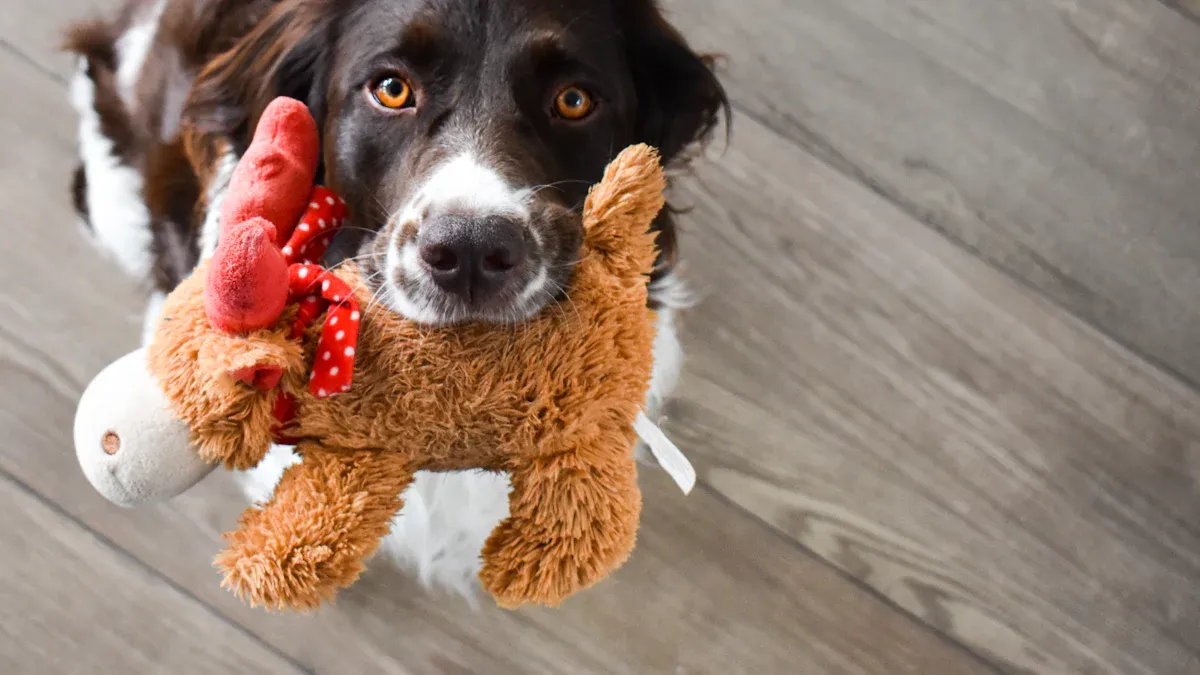
Picking the right toys for your dog is important. The right toy can help your dog feel happy every day. You should think about your dog’s age and how strong they chew. Toys should also help your dog use their brain. Experts say you need to check toys for safety and strength. Toys should be fun and easy to clean. Watch your dog when they play. Change toys if your dog’s habits change.
Toys for Aggressive Chewers
Some dogs break toys very fast. These dogs need toys that are very strong. Experts say toys made from tough rubber or nylon work best. These toys have extra layers to make them safer. Some toys show marks when they get worn out. This helps you know when to get a new toy. Stay away from toys with small parts or weak seams.
Top Features to Look For:
Strong rubber or nylon
Double layers for safety
No small pieces
Easy to wash
Marks that show wear
Selection Logic:
Pick toys bigger than your dog’s mouth.
Choose toys that last a long time.
Try toys with different textures to keep your dog interested.
Testing Experience:
A group of strong chewers tried a ring toy made of tough rubber. After a few days, the toy only had small marks. The double layers stopped the toy from breaking. The toy stayed safe for more play.
Tip: Watch your dog when they play with tough toys. Get a new toy if you see damage.
Toys for Puppies
Puppies need toys that help with teething and comfort. Experts say soft rubber rings and plush toys are good. Toys should have strong seams and be safe to chew. Puppies need toys that are light and easy to hold.
Key Features:
Soft and bendy materials
Safe and BPA-free
Strong stitching
Light weight
Easy to wash
Selection Logic:
Pick toys that help with sore gums.
Choose plush toys for comfort.
Try toys with squeaks or crinkles to keep puppies busy.
Usage Method:
Give your puppy different toys to keep them happy. Use a rubber ring in the morning for teething. Give a soft plush toy at night for comfort. Wash toys often to keep them clean.
Note: Check toys for loose threads or stuffing. Replace toys if they break.
Toys for Mental Stimulation
Dogs need toys that make them think. These toys help dogs stay busy and not get bored. Experts say puzzle toys and slow-feeder toys are good. These toys make dogs solve problems and look for treats.
Recommended Types:
Slow-feeder toys for treats
Puzzle toys with levels
Challenge toys for training
Plush toys to tear apart
Snuffle mats for sniffing
Selection Logic:
Pick toys that match your dog’s skills.
Choose sturdy toys with no small parts.
Make sure toys are easy to clean after treats.
Usage Method:
Start with easy puzzles and make them harder as your dog learns. Use snuffle mats at mealtime to slow eating and help your dog think. Change puzzle toys often to keep playtime fun.
Callout: Toys that make dogs think help lower stress. They also stop bad habits. Watch your dog with new toys. Make puzzles harder as your dog gets better.
Table: Evaluation Criteria for Expert Picks
Category | Safety | Durability | Engagement | Ease of Cleaning |
|---|---|---|---|---|
Aggressive Chewers | High | Maximum | Moderate-High | Easy |
Puppies | High | Moderate | High | Easy |
Mental Stimulation | High | Moderate-High | Maximum | Moderate |
Remember, every dog is different. The best toy depends on your dog’s age and how they play. Always pick toys that fit your dog’s needs. Ask your vet if you are not sure about toy safety.
Toys for All Sizes
You want toys that work for every dog, no matter their size or breed. This section helps you find options that fit small pups, big dogs, and everyone in between. You’ll learn how to pick toys that are safe, durable, and easy to clean. You’ll also see why regular checks and smart choices matter for your dog’s health.
Key Points to Remember:
Choose toys that match your dog’s size and jaw strength.
Look for durable materials and non-toxic labels.
Make sure toys are easy to clean and inspect them often.
Why Size Matters
Dogs come in all shapes and sizes. A toy that works for a Chihuahua may not suit a Great Dane. You need to pick toys that your dog can carry, chew, and play with safely. Small breeds prefer lightweight toys they can hold easily. Large breeds need bigger toys to avoid choking hazards.
What to Look For:
Toys sized for your dog’s mouth and jaw strength.
No small parts that could break off and cause choking.
Durable construction for strong chewers.
Safety and Durability
Safety comes first when you choose toys for all sizes. You want toys made from high-quality, non-toxic materials. Durable toys last longer and keep your dog safe during play. Always check toys for wear and tear. Replace any toy that looks damaged or worn out.
Checklist for Safe Toys:
Non-toxic materials (BPA-free, phthalate-free)
Strong seams and reinforced stitching
No loose or detachable parts
Easy to clean surfaces
Tip: If you can squeeze or bend a toy and it feels weak, it may not be safe for strong chewers.
Cleaning and Hygiene
Clean toys help prevent bacteria and keep your dog healthy. Toys with smooth surfaces are easier to wash. Plush toys need regular cleaning to stay fresh. Avoid toys with porous surfaces that trap dirt and germs.
Cleaning Tips:
Wash toys weekly with mild soap and water.
Disinfect hard toys regularly.
Check plush toys for stuffing leaks before washing.
Selection Logic
You want toys that fit your dog’s play style and age. Puppies need soft toys for teething. Adult dogs enjoy tougher toys for chewing and fetch. Seniors may prefer lightweight toys that are gentle on teeth.
Selection Steps:
Match toy size to your dog’s breed and age.
Pick materials based on chewing strength.
Choose interactive toys for mental stimulation.
Rotate toys to keep playtime interesting.
Usage Methods
You can use toys for solo play or interactive games. Fetch toys work well for outdoor fun. Puzzle toys challenge your dog’s mind indoors. Tug toys help build trust and exercise.
Usage Ideas:
Give your dog a mix of toys for different activities.
Supervise play with new toys.
Replace toys as your dog grows or changes habits.
Table: Toy Features for All Sizes
Feature | Small Breeds | Medium Breeds | Large Breeds |
|---|---|---|---|
Size | Easy to carry | Fits mouth comfortably | Too big to swallow |
Durability | Moderate | High | Maximum |
Safety | No small parts | Reinforced seams | Thick, solid materials |
Cleaning | Machine washable | Easy to disinfect | Smooth, non-porous |
Note: Always adapt toy choices to your dog’s specific needs. No toy is perfect for every dog. Regular checks and cleaning help keep playtime safe.
Toys for all sizes help every dog stay happy and healthy. You can use these tips to build a safe and fun toy collection for your pet.
Training With Dog Toys
You can use toys to help train your dog. Toys make learning fun and keep your dog busy. The right toys teach new skills and good behavior. They also help your dog think and stay sharp. This section explains how tug toys and treat balls help with training. These toys can stop problems like resource guarding.
Tug and Fetch for Training
Tug and fetch games are more than fun. You can use these games to teach commands. They help your dog learn to listen and wait. Tug toys help your dog practice patience. Fetch games teach your dog to come when called. You can also use fetch to teach “drop it” or “leave it.”
Technique | Purpose |
|---|---|
Adding Commands | Helps your dog follow instructions while playing. |
Tug Play as a Reward | Shows your dog that good behavior leads to playtime. |
Controlled Release | Teaches your dog to wait for your signal. |
Interval Training | Helps your dog switch between excitement and calm. |
Hide and Seek Tug | Lets your dog use their nose and get a tug reward. |
Tug toys that are strong work best for tough dogs.
Fetch games help teach your dog to come back.
Tug play with rules helps your dog learn to wait.
Tip: Watch your dog during tug and fetch. Stop if your dog gets too rough or upset.
Food-Dispensing Toys
Food-dispensing toys do more than give snacks. These toys make your dog work for treats. They help slow down eating and keep your dog busy. Dogs like to use their natural skills to get food.
Treat balls and food puzzles make your dog move more.
These toys help your dog feel calm and happy.
They may not make your dog more active, but they lower stress.
You can fill a treat ball with kibble or snacks. Your dog will push and roll the ball to get treats out. This keeps your dog busy and stops boredom.
Note: Wash food-dispensing toys often. Pick toys that are safe and easy to clean.
Preventing Resource Guarding
Resource guarding can make dogs and owners stressed. You can use toys and training to stop this problem. These steps help your dog feel safe and learn to share.
Give your dog a quiet spot to eat or play.
Use gates to keep feeding and play areas separate.
Teach your dog to trade toys for better rewards.
Make sure everyone follows the same rules at home.
Use training to help your dog feel safe when people come near their toys.
Practice “drop it” and “leave it” with treats.
Do not punish your dog for guarding. It can make things worse.
Feed dogs in different spots to stop fights.
Play games that teach your dog to share.
Reminder: Every dog is different. Change these tips to fit your dog. Ask a trainer if guarding does not get better.
Training with toys helps your dog learn and stay healthy. Tug toys, treat balls, and playtime teach good habits and keep your dog happy.
Smart Shopping: Materials and Sustainability
When you shop for new toys, you want to make smart choices. You need to think about the materials, how long the toys last, and how they affect the planet. This section helps you compare popular materials, spot eco-friendly trends, and decide how many toys your dog really needs.
Toy Materials Pros and Cons
You see many types of materials when you look for toys. Each one has good points and some drawbacks. Picking the right material helps you keep playtime safe and fun.
Material | Pros | Cons |
|---|---|---|
Nylon | Very durable, safe (no harmful substances) | Hard material can hurt teeth, may be a choking risk |
Natural Rubber | Non-toxic, flexible, biodegradable | Medium durability, making it can cause emissions |
TPR | Non-toxic, flexible, recyclable | Not biodegradable, fewer interactive features |
ETPU | Safe, hypoallergenic, high tear resistance | Medium durability, not for heavy chewers |
Tip: Always check the toy for damage, no matter what material you choose. Replace it if you see cracks or loose parts.
Eco-Friendly Toy Trends
You might notice more eco-friendly toys in stores this year. In 2025, many companies use natural rubber, hemp, and recycled cotton. These materials are safe, non-toxic, and break down over time. The goal is to make toys that last, keep your dog happy, and protect the environment.
Natural rubber and hemp are popular because they are biodegradable.
Recycled cotton gives old materials a new life.
Many new toys focus on safety and durability, not just looks.
Some toys use food-grade ingredients or carbon-neutral processes.
You help the planet when you pick toys made from these materials. You also give your dog a safe and fun play experience.
Note: Eco-friendly toys often cost a bit more, but they last longer and are safer for your pet.
How Many Toys Does a Dog Need
You might wonder how many toys your dog really needs. The answer depends on your dog’s age, play style, and how fast they wear out toys. Most dogs do well with four to six toys at a time. You can rotate them every week to keep things fresh.
Smart Toy Shopping Tips:
Start with a mix of chew, fetch, and comfort toys.
Watch which toys your dog likes best.
Replace toys when they get worn or broken.
Set a budget for new toys each month.
Clean toys often to keep them safe.
Callout: Rotating toys keeps your dog interested and helps you spot damage early.
You do not need to buy every new toy you see. Focus on quality, safety, and what your dog enjoys most. This way, you save money and keep your pet happy.
Building a Dog Toy Rotation
You want your dog to be happy and safe. Rotating toys keeps playtime fun and helps your dog stay healthy. This section gives you a starter kit list, tips for checking toys each month, and advice on asking experts for help. You will learn how to pick, care for, and swap toys based on safety and how fun they are.
Starter Toy Kit Checklist
Having the right toys at first is important. Give your dog different toys to see what they like best. Here is a list to help you start:
Rubber toys are good for chewing and teething.
Squeaky or crinkly toys make play more exciting.
Puzzle toys help your dog think and solve problems.
Treat puzzles give rewards and keep your dog busy.
Rope toys are great for tug games with you.
Tough rubber chew toys work for dogs with strong jaws.
Natural chews like antlers or bones are another choice.
Try a few toys and chews to see what your dog likes.
Tip: Watch your dog when they play, especially with new toys. Change toys often to keep your dog interested and check for damage.
Monthly Toy Audit
Checking toys every month keeps them safe and clean. Look at each toy for damage or dirt. Follow these steps each month:
Wash all toys your dog uses a lot.
Clean outdoor balls and tug toys with vinegar and water.
Vacuum and clean where your dog plays.
Throw away toys with rips, cracks, or bad smells.
Watch your dog with new toys to make sure they are safe.
Keep indoor and outdoor toys in separate places.
Audit Step | Purpose |
|---|---|
Deep Clean | Gets rid of dirt and germs |
Disinfect Outdoor Toys | Stops outside germs |
Replace Damaged Toys | Lowers choking risks |
Supervise New Toys | Makes sure toys are safe |
Note: Change how often you check toys based on your dog’s age and how they play. Some dogs need checks more often.
Consulting Vets or Trainers
Sometimes your dog acts different when playing. If you see biting, stress, or chewing problems, talk to a vet or trainer. These experts can help you pick safe toys and fix tough problems.
Ask for help if your dog guards toys or seems stressed.
Get advice on special toys if your dog has unique needs.
Talk to an expert if your dog suddenly chews or plays differently.
Reminder: This guide gives general tips. Change advice to fit your dog’s needs. Experts can give you special help for your dog’s safety and happiness.
Rotating toys keeps playtime safe and fun. You help your dog stay healthy by picking, checking, and changing toys often.
You have many choices when picking toys for your dog. Experts suggest matching toys to your dog’s age and play style. Focus on safety and durability. Rotate toys often to keep play fresh and fun. If you have questions, ask a vet or trainer for advice.
Remember, every dog is different. Adjust your choices to fit your dog’s needs.
FAQ
Here are answers to common questions about dog toys in 2025. You’ll find tips on safety, selection, and care. Always adjust advice to fit your dog’s unique needs.
What is the safest material for dog toys?
You should look for toys made from solid rubber, reinforced nylon, or natural fibers. These materials are usually non-toxic and durable. Always check for safety labels and avoid toys with strong chemical smells.
How often should I replace my dog’s toys?
Check toys every week. Replace any toy that shows cracks, loose parts, or stuffing coming out. Worn toys can become choking hazards or cause injury.
How many toys does my dog need?
Most dogs do well with four to six toys at a time. Rotate them weekly to keep playtime interesting. Watch which toys your dog enjoys most and adjust your collection as needed.
Can puppies use adult dog toys?
Puppies need softer, smaller toys designed for teething and comfort. Adult toys may be too hard or large and could hurt your puppy’s mouth. Always choose toys that match your dog’s age and size.
What should I do if my dog destroys toys quickly?
Pick extra-durable toys made for strong chewers. Look for thick rubber or double-layered nylon. Supervise play and remove damaged toys right away. Try different shapes and textures to keep your dog interested.
Are puzzle toys good for all dogs?
Puzzle toys help most dogs stay busy and think. Some dogs may lose interest if the puzzle is too hard or too easy. Start with simple puzzles and increase the challenge as your dog learns.
How do I clean dog toys safely?
Wash hard toys with mild soap and water. Machine-wash plush toys if the label allows. Rinse all toys well and let them dry completely before giving them back to your dog.
What if my dog guards toys or gets aggressive?
If your dog guards toys, give them space and avoid taking toys away suddenly. Practice “drop it” with treats. If guarding continues, consult a trainer or veterinarian for help.