Small dogs can show harness fit problems fast because their bodies are compact and sensitive. You want to find the best dog harness for small dogs that protects comfort and gives you control. Start with accurate chest and neck measurements, then learn about harness types. Always check for safe fit and watch your dog for signs of distress, limping, or skin injury. Stop using the harness if you see pain or repeated escape attempts. Ask a veterinarian or trainer for advice if needed.
Key Takeaways
Accurate measurements are crucial. Measure your dog’s chest and neck to find the right harness size.
Check the fit regularly. Use the two-finger rule to ensure the harness is snug but not too tight.
Watch for signs of discomfort. Look for rubbing, redness, or reluctance to wear the harness after walks.
Choose the right harness type. Step-in harnesses are great for nervous dogs, while front-clip harnesses help with pulling.
Recheck fit often. Small dogs can change shape quickly, so measure every two weeks or after grooming.
What Makes the Best Dog Harness for Small Dogs
Harness Benefits and Limits
You want a harness that keeps your small dog safe and comfortable. The best dog harness for small dogs gives you control without hurting your pet. Harnesses help reduce neck strain, which collars can cause, especially if your dog pulls. Studies show harnesses can change how your dog walks, so you need to check fit and watch for movement changes. Some harnesses may restrict shoulder or elbow movement. You should look for designs that allow freedom in the front legs and avoid pressing into the throat.
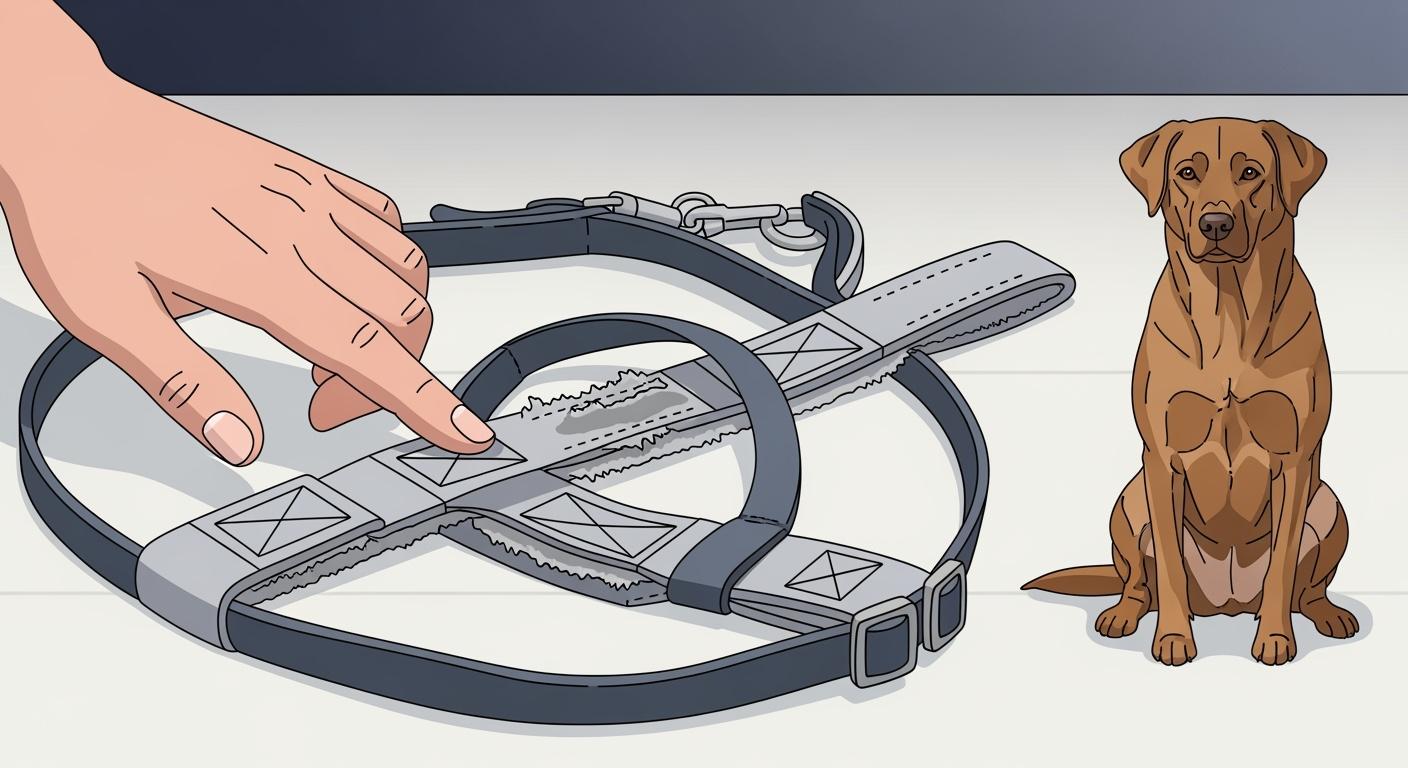
Safety Tip: Always check for signs of rubbing or limping after walks. If you see red skin or your dog licks one spot often, stop using the harness and check fit.
Benefit/Limitations | Why It Matters |
|---|---|
Reduces neck strain | Protects against musculoskeletal injuries |
Improves control | Helps guide your dog safely |
Potential gait issues | Poor fit can restrict movement and cause discomfort |
Dependency on harness | Training is still important for behavior |
Why Small Dogs Experience Rubbing and Twisting
Small dogs have compact bodies, so harnesses can rub or twist more easily. Common causes include a harness that is too tight or too loose, straps sitting in the armpits, or your dog pulling hard. Dirt or sand trapped under the harness can also lead to skin problems. If the harness shifts or rotates, it may not be centered or adjusted correctly. You should always check that straps sit behind the front legs and do not cross the shoulder points.
A harness that sits in the armpits can cause chafing.
Loose harnesses may twist and let your dog slip out.
Pulling or running increases the risk of rubbing.
Trapped dirt acts like sandpaper on sensitive skin.
When to Change Walking Setup Instead of Tightness
If your dog keeps pulling or the harness rotates, tightening the straps may not solve the problem. Instead, you might need to change the walking setup. Try a harness with a back clip for steady walkers or a dual clip for more control. Make sure the harness fits with two fingers between the straps and your dog’s body. If problems continue, consider leash training or ask a professional for advice.
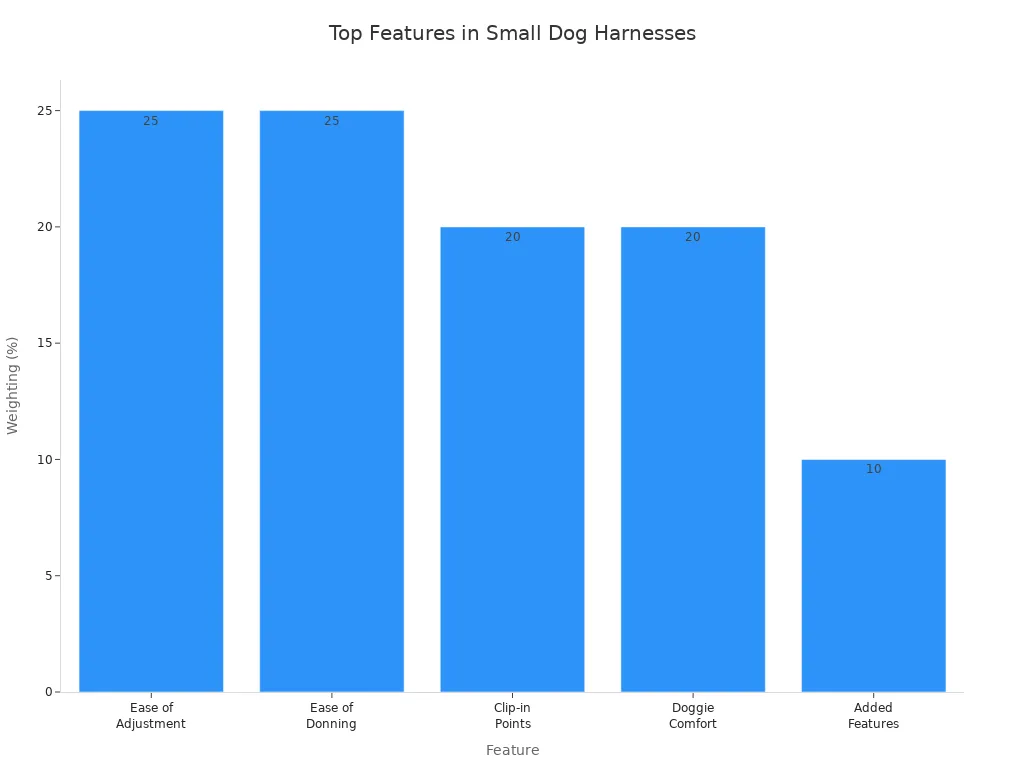
Feature | Weighting (%) |
|---|---|
Ease of Adjustment | 25 |
Ease of Donning | 25 |
Clip-in Points | 20 |
Doggie Comfort | 20 |
Added Features | 10 |
You should choose the best dog harness for small dogs by checking adjustment options, comfort, and clip-in points. Always focus on safety and fit before every walk.
Sizing Steps to Prevent Returns
Choosing the right size harness helps you avoid returns and keeps your small dog safe. You need to measure your dog carefully and check the fit before every walk. Many pet owners skip steps and end up with harnesses that rub, twist, or slip off. You can prevent these problems by following a clear sizing process.
Chest and Neck Measurement Points
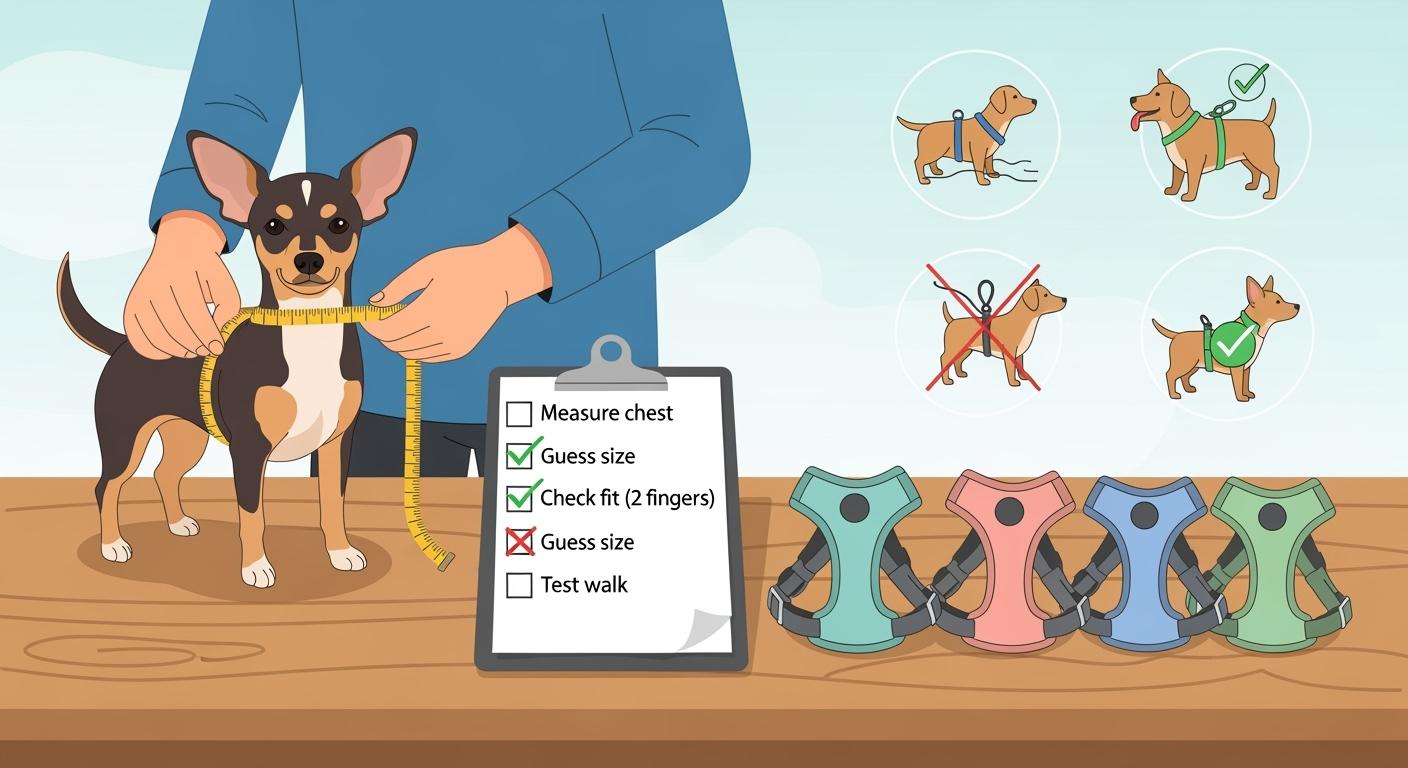
Start by measuring your dog’s chest and neck. Use a soft tape measure. Ask your dog to stand up straight. Find the widest part of the chest, just behind the front legs. Wrap the tape around this spot. The tape should be snug against the fur but not compress it. Record the chest measurement in both inches and centimeters.
Next, measure the neck where a collar would sit. Keep the tape snug but gentle. Write down this number. These two measurements help you choose the right harness size. You should also note your dog’s weight, as some harnesses use weight as a guide for support and visibility.
Safety Tip: Always double-check your measurements before buying. A harness that is too tight can cause pain or injury.
Between Sizes Rule and Overtightening Risks
If your dog’s measurements fall between two sizes, pick the larger size. You can adjust the straps for a better fit. Choosing a smaller size may lead to overtightening. Tight harnesses can cause tracheal irritation, skin lesions, fur loss, and even nerve damage. Your dog may show stress or try to escape if the harness feels uncomfortable.
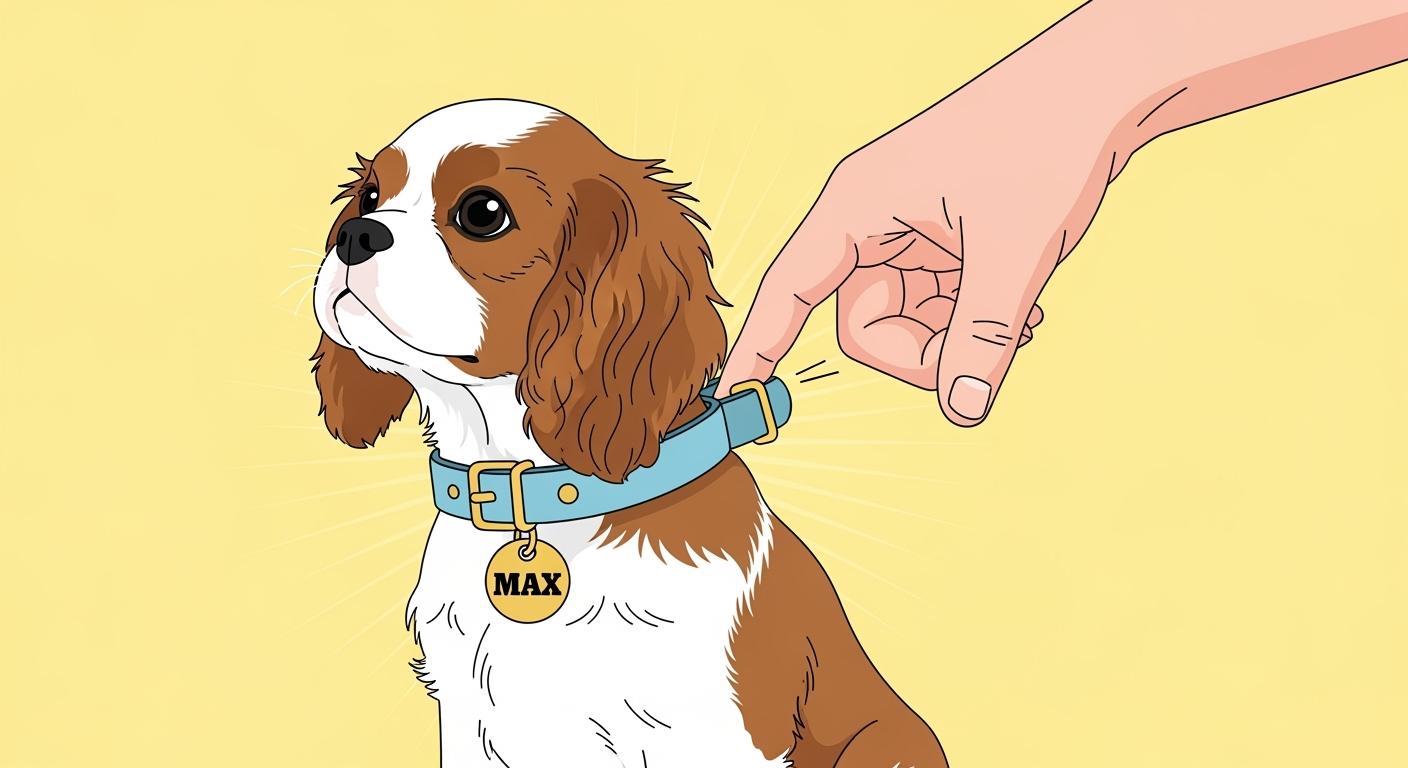
After you put the harness on, use the two-finger fit check. Slide two fingers under the straps at key contact points. The harness should feel secure but not dig into the skin. If you cannot fit two fingers, loosen the straps. If the harness slides off easily, tighten it slightly.
Safety Disclaimer: Never overtighten the harness. Watch for signs of discomfort, redness, or fur loss. Stop using the harness if you see these problems.
Coat Changes and Re-check Timing
Small dogs can change body shape quickly. Puppies grow fast, and adult dogs may lose or gain weight. Their coats can also change with grooming or seasons. You should recheck the harness fit every two weeks for the first two months, especially if your dog is losing weight or changing coat. Look for signs like redness, fur loss, or reluctance to wear the harness. These signs mean you need to measure again and adjust the fit.
Note: Regular fit checks help you catch problems early and keep your dog comfortable.
Measurement Table: What, How, Why
Use this table to guide your sizing process. Follow each step to find the best dog harness for small dogs and reduce the risk of returns.
What to Measure | How to Measure | Why It Matters |
|---|---|---|
Chest Girth | Wrap soft tape around widest part behind front legs, snug but not tight | Main sizing baseline for harness selection |
Neck Girth | Measure where collar sits, snug but gentle | Ensures comfort and prevents choking |
Weight | Use a scale or vet record | Some harnesses use weight for support and fit |
Tape Snug Rule | Tape touches fur, does not compress | Prevents false small readings |
Two-Finger Fit Check | Slide two fingers under straps at contact points | Reduces risk of rubbing and pinching |
Between Sizes Rule | If between sizes, choose larger and adjust down | Avoids overtightening and discomfort |
Re-check Timing | Re-measure every 2 weeks after coat or weight changes | Maintains safe and comfortable fit |
You can use these steps to make sure your harness fits well. Adjustable straps, breathable materials, and padded contact zones add comfort and reduce chafing. Always check the harness after walks for signs of rubbing or slipping. If you see problems, measure again and adjust the fit.
Reminder: A well-fitted harness protects your dog’s comfort and safety. Take time to measure and check fit before every walk.
Harness Types and Fit Differences
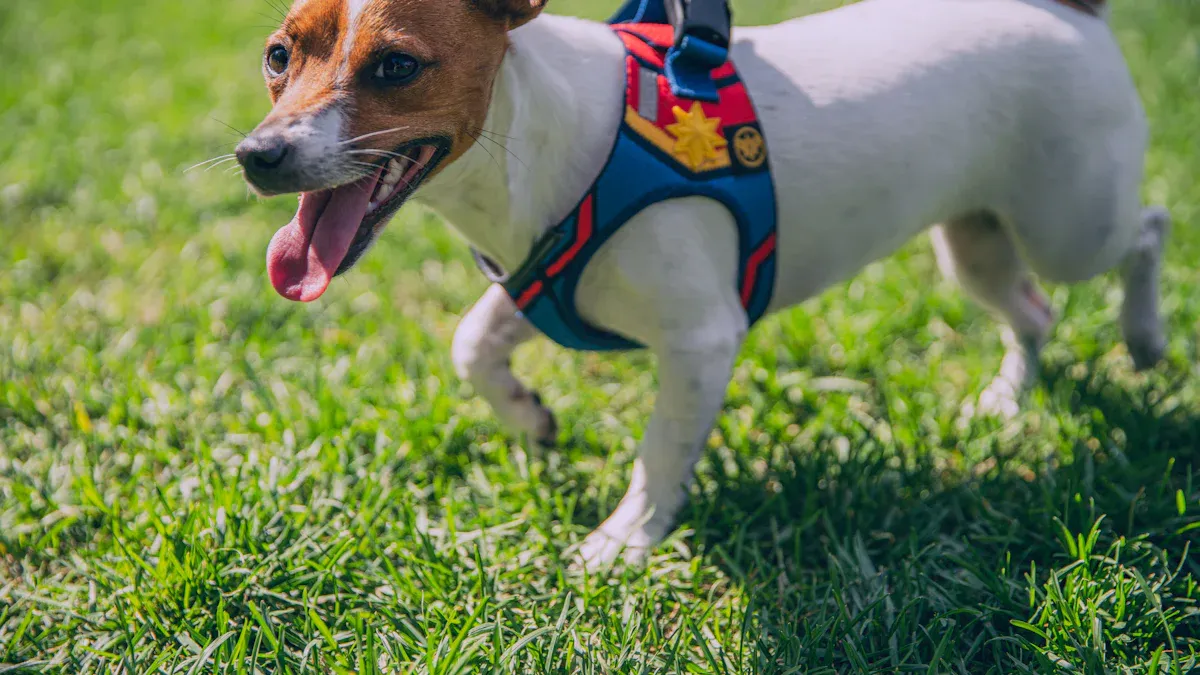
Step-In vs Overhead for Nervous Dogs
Some small dogs get nervous when you put on a harness. Step-in harnesses can help with this problem. You put your dog’s legs through the holes and fasten it on the back. This style is good for dogs who do not like things over their heads. Overhead harnesses go over your dog’s head, which can make some dogs stressed. Step-in harnesses are usually looser around the neck. You must fasten them well so your dog cannot escape. Overhead harnesses give you more control and have more places to adjust for a better fit.
Feature | Step-In Harness | Overhead Harness |
|---|---|---|
Ease of Use | Easier to put on, especially for sensitive dogs. | Can be challenging to fit over the head. |
Comfort | Less constricting around the neck. | Can put pressure on the neck if not fitted properly. |
Control | Offers less control for active dogs. | Provides better control, ideal for training. |
Security | May allow escape if not fastened correctly. | More secure fit with multiple adjustment points. |
Suitability for Small | Popular for smaller breeds, comfortable fit. | Versatile but may not be as comfortable for small dogs. |
Tip: Always use the two-finger rule to check the fit. Make sure the harness does not press into the throat or armpits.
Y Front vs Straight Chest Strap for Shoulder Freedom
You want your small dog to walk easily. Y front harnesses do not touch the shoulders. This lets your dog move in a normal way. Straight chest straps can block the shoulders and change how your dog walks. For small dogs, Y front harnesses are often more comfortable. They also lower the chance of rubbing or tight spots. Look for harnesses with straps about 0.6-0.8 inches wide. Padding should cover the parts that touch your dog but not be too thick.
Clip Options and Twisting
Harnesses have different leash clips. Front-clip harnesses help stop pulling. But they can twist if the fit is wrong or you pull unevenly. Back-clip harnesses feel nice for calm dogs but can let them pull more. Dual-clip harnesses have both options. You can switch between control and comfort. Always check that the leash clip stays in the middle during walks.
Safety Note: If the harness turns or the leash moves off center, stop and fix the fit before you keep walking.
Comparison Table: Options, Pros, Cons
Use this table to compare harness types. It can help you pick the best one for your small dog.
Option | Pros | Cons | Best For |
|---|---|---|---|
Front-Clip Harness | Redirects pulling, better steering control | Can cause twisting, less comfortable for some | Dogs learning to stop pulling; training |
Dual-Clip Harness | Versatile, great for mixed-behavior outings | Slightly more complex to adjust | Owners who switch between training and walks |
Step-In Harness | Quick to put on, great for squirmy pups | Can be easier to back out of | Puppies or dogs who dislike overhead buckles |
No-Pull Harness | Reduces pulling, helps with training | Fit is crucial, can cause anxiety if misused | Strong pullers, training phase |
Vest Harness | Comfortable, insulated, good for small dogs | Can be hot, bulkier | Small breeds, cold weather, snug feel |
Reflective Harness | Improves safety in low light | Does not replace a light | Early-morning or late-evening walkers |
Padded Harness | Reduces chafing, comfortable for long wear | Heavier, takes longer to dry | Long walks, dogs with sensitive skin |
Hiking/Adventure Harness | Durable, multiple attachments, rescue handle | Bulkier, more expensive | Hikers, long outdoor trips |
Car Safety Harness | Improves car safety, often crash-tested | Not all are crash-tested, check specs | Frequent travelers, safety-conscious owners |
Reminder: Always check the harness fit and comfort before every walk. A good fit keeps your dog safe and happy.
Fit Points to Protect Movement
Throat Pressure and Chest Strap Height
You want your dog’s harness to protect the neck and chest. Place the chest strap so it sits below the throat, not across it. This helps your dog breathe and move without pressure on the airway. A harness that spreads pressure across the chest and shoulders reduces strain on the neck and spine. Always check that the chest strap does not ride up when your dog pulls forward.
Safety Tip: If your dog coughs or pants heavily, check the chest strap height and adjust right away.
Armpit Clearance and Chafing
Armpit chafing is common in small dogs. Make sure the harness gives at least one inch (2.5 cm) of space behind the front legs. Straps should never dig into the soft area under the armpit. Padding can help, but bulky padding may shift and cause new hotspots. After walks, check for red marks or fur loss near the armpits.
Look for adjustable straps around the neck, chest, and belly.
A snug, even fit prevents rubbing and slipping.
If you see chafing, loosen the harness and check strap angles.
Centering and Rotation Checks
A well-fitted harness stays centered on your dog’s chest and back. Buckles and straps should look even on both sides. The leash clip should sit on the chest bone or back, not off to one side. Use the two-finger rule for snugness. Walk your dog and watch for slipping or pinching. Adjust from the largest strap to the smallest for best results.
Best Practice | Description |
|---|---|
Check for symmetry in buckles/straps | Keeps harness from rotating and causing discomfort |
Position front clip correctly | Helps steer and avoids pulling the leg to the side |
Adjust harness to prevent slipping | Use two-finger rule and re-check after a few minutes of walking |
Fit Point Table: Good Fit, Warning Signs, Adjustments
Fit Point | What Good Looks Like | Warning Signs | What to Adjust |
|---|---|---|---|
Chest Strap Height | Below throat, across chest | Coughing, panting, strap rides up | Lower strap, check snugness |
Armpit Clearance | At least 1 in (2.5 cm) behind front legs | Red marks, fur loss, licking armpit | Loosen, adjust angle, repad |
Shoulder Freedom | Straps do not cross shoulder point | Stiff walk, reluctance to move | Refit, try Y front style |
Centering | Harness stays centered during walk | Harness shifts, leash clip off center | Adjust straps, check symmetry |
Rotation | Leash point stays in place | Back piece rotates to side, dog escapes | Tighten, check fit, retest |
Scenario A: Rubbing After a Walk
You notice your dog has a red spot under the armpit after a walk. The harness straps may angle too high or sit too close to the leg. First, loosen the harness and adjust the angle so straps clear the armpit by at least one inch (2.5 cm). Start adjustments with the largest strap, then fine-tune the smaller ones. Add or adjust padding if needed. Check again after your next walk.
Scenario B: Harness Shifts When Dog Backs Up
Your dog backs up and the harness slides to one side. This means the fit is too loose or the style does not suit your dog’s shape. Choose a harness with more adjustment points and a Y front design for better centering. Use the two-finger rule and walk your dog to test for slipping. If the harness still shifts, try a different size or style.
Common Cause Table
Common Cause | What It Leads To | What to Do Next |
|---|---|---|
Straps too tight | Chafing, restricted movement | Loosen, check fit points |
Straps too loose | Harness shifts, escape risk | Tighten, retest fit |
Poor armpit clearance | Redness, fur loss | Adjust angle, add padding |
Harness not centered | Rotation, leash pulls to side | Re-center, adjust straps |
Wrong harness style | Ongoing fit issues | Try different harness design |
Safety Reminder: Always check your dog’s skin and movement after walks. Adjust the harness if you see any warning signs.
Decision Guide for Small Dog Profiles
Tiny Body and Slip Risk
Tiny dogs can slip out if the harness does not fit right. Look for harnesses with many places to adjust. Step-in and vest harnesses are good for wiggly dogs. These types are light and have extra soft padding. Make sure the harness is snug but not too tight. Soft and airy materials help stop skin problems. If your dog is very small, avoid harnesses with big buckles or wide straps.
Safety Tip: Gently pull the harness backward to test it. If your dog slips out, change the fit or try another harness.
Harness Type | Features and Benefits |
|---|---|
Step-In Harnesses | Easy to put on, light, great for tiny dogs |
Vest Harnesses | Extra soft padding, comfy for sensitive dogs |
No-Pull Harnesses | Front-clip stops pulling, gives more control |
Adjustability | Many adjustment spots, keeps harness snug, stops slipping |
Comfort | Soft, airy materials protect your dog’s skin |
Proper Fit | Snug but not tight, lowers slip risk |
Pulling and Busy Walks
If your small dog pulls or you walk in crowds, you need a harness that gives control and keeps your dog safe. Front-clip and no-pull harnesses help stop pulling and turn your dog toward you. Vest harnesses spread pressure, which helps dogs with wide chests or short legs. Harnesses with both front and back clips let you pick between control and comfort.
Harness Type | Description |
|---|---|
Easy Walk Harness | Front-clip stops pulling, helps your dog face you |
No Pull Harness | Vest style spreads pressure, good for wide chests and short legs |
Freedom No Pull Harness | Two clip spots, gentle turning, comfy for nervous dogs |
Safety Reminder: Make sure the harness does not press on the throat or block movement when walking.
Sensitive Skin and Rubbing
Dogs with sensitive skin need harnesses made from soft, gentle materials. Leather, cotton, hemp, silicone, and biothane are good picks. Mesh or fabrics with holes help keep your dog cool and dry. Adjustable harnesses stop rashes and rubbing. Padding spreads pressure, but do not use thick padding that can move around.
Pick gentle materials like leather, neoprene, silk, or hemp.
Choose mesh that is light and lets air through.
Make sure the harness is soft on the skin and easy to adjust.
Padding should be soft and not thick.
Tip: Check your dog’s skin after every walk for red spots or sores. Change the harness if you see any skin problems.
Decision Table: Profile, Features, What to Avoid
Dog Profile or Context | Best Harness Features | What to Avoid |
|---|---|---|
Tiny body, slip risk | Step-in or vest, many adjustments, soft mesh | Big buckles, wide straps |
Pulling, busy walks | Front-clip, two clips, vest, spreads pressure | Thin straps, only overhead styles |
Sensitive skin, rubbing | Gentle, airy, soft padding, adjustable | Hard, rough, or stuffy materials |
Flat-faced breeds | Padded vest, step-in, easy to use | Tight neck straps, heavy parts |
Broad chest, short legs | Vest style, lots of ways to adjust | Thin straps, hard to adjust |
Safety Disclaimer: Always measure your dog well and check the fit often. Picking the right harness keeps your dog safe and comfy.
Quick Setup and Fit Check Routine
Adjustment Order for Even Tension
You want your small dog’s harness to fit evenly and stay secure. Start by measuring your dog’s chest and neck girth. Pick a harness style that matches your dog’s body and activity level. Use the size chart to select the right size. Place the harness on your dog and adjust the largest straps first. Work down to the smaller straps for a balanced fit. Make sure the harness sits below the throat and behind the front legs. Check that the leash clips and attachment points feel secure.
Safety Tip: Always use the two-finger rule at each contact point. If you cannot fit two fingers under the strap, loosen it.
Fit Tests in Motion
After you adjust the harness, test the fit while your dog moves. Ask your dog to walk, sit, lie down, and turn. Watch for any strap drift or rubbing. Gently pull backward on the harness to see if your dog can slip out. If the harness shifts or rotates, adjust the straps again. Make sure the chest area stays centered and the leash clip does not move off to one side.
Walk your dog for a few minutes.
Check for harness movement or rotation.
Test backward pressure for slip risk.
Re-check fit after grooming or coat changes.
Hotspot Scan After Practice Walk
After a short walk, scan your dog’s skin for hotspots. Look at the throat, armpits, shoulders, and near buckles. Check for flattened fur, pink skin, or licking. These signs mean you need to adjust the harness or try a different style. Repeat the scan after every walk, especially if your dog has sensitive skin.
Note: Regular hotspot scans help you catch rubbing or pressure early. Change the fit or harness style if you see problems.
Parameter and Value Table
Use this table to guide your setup and fit checks. Each parameter helps you keep your small dog safe and comfortable.
Parameter | Target range or option | Why it matters |
|---|---|---|
Chest measurement | widest chest, behind front legs | Primary sizing baseline |
Neck measurement | where collar sits | Comfort and stability cue |
Tape snug rule | snug, no fur compression | Prevents false small readings |
Between sizes rule | choose larger, adjust down | Avoids overtightening |
Fit check | two finger rule | Reduces pinch and rub risk |
Chest strap height | avoid throat pressure | Comfort and safer posture |
Armpit clearance | straps behind front leg | Helps prevent chafing |
Shoulder freedom | avoid crossing shoulder point | Reduces restriction risk |
Centering rule | chest stays centered | Flags poor adjustment |
Rotation cue | leash point drifts off center | Flags layout or fit issue |
Strap width cue | 0.6-0.8 in (1.5-2.0 cm) | Comfort feel and bulk control |
Movement test | walk, sit, down, turn | Confirms fit in motion |
Backward pressure test | light test for slip risk | Identifies backing-out issues |
Hotspot scan | throat, armpit, shoulder, buckles | Catches rubbing early |
Safety Reminder: Always re-check the harness fit after grooming, growth, or weight changes. A good routine keeps your dog safe and happy.
Retail and Wholesale Notes for Small Dog Harnesses
Assortment Planning and Adjustability
If you run a store or website, you want to help small dog owners. Offer many harness sizes and styles. Pick harnesses with lots of ways to adjust them. This helps people find a good fit for all kinds of dogs. Use size charts that show chest and neck sizes in inches and centimeters. Learn which sizes sell the most in your area. This helps you keep the right stock and not buy too much.
Strategy | Description |
|---|---|
Comprehensive Size Range | Stock a variety of sizes (S, M, L, XL) for different breeds and body types. |
Adjustability | Select harnesses with several adjustment points for a better fit. |
Size Charts | Provide clear, breed-specific sizing guides for customers. |
Target Market Consideration | Know which sizes are most popular in your area to optimize inventory. |
Tip: Harnesses that are easy to adjust get returned less and make customers happy.
Product Page Language for Fit Checks
You can help shoppers pick the right harness by using simple words on your product pages. List where to measure the chest and neck. Explain the tape snug rule and the two-finger check. Remind buyers to check the fit after grooming or if their dog gains or loses weight. Use short sentences and easy words. Show pictures or drawings of how to measure a dog. This makes buyers feel sure and helps them avoid mistakes.
Show chest and neck girth in inches and centimeters.
Remind buyers to use the two-finger rule.
Suggest checking the fit again after coat or weight changes.
Safety Disclaimer: Tell buyers to stop using the harness if they see red skin, fur loss, or if the dog seems uncomfortable.
Supplier Spec Checklist
When picking a harness supplier, check if they can make enough harnesses during busy times. Make sure the harnesses are strong and safe. Many people want eco-friendly choices. Ask about how easy it is to adjust, the padding, and the hardware. Think about how much money each harness style could make. Strong and popular harnesses can help your business do better.
Check if the supplier can make enough harnesses for busy seasons.
Ask about strong materials and eco-friendly choices.
Look at how easy it is to adjust and the hardware.
Think about how the harness looks and works.
OEM and ODM Explainer
You might see OEM and ODM when talking to suppliers. OEM means you can put your brand on a harness the supplier makes. ODM means you can order harnesses with your own designs, colors, or patterns. Both choices let you sell special harnesses in your store.
Note: Harnesses with custom patterns are great for buyers who want style and function.
You can find the best dog harness for small dogs by following a clear checklist. Measure your dog’s chest and neck. Check the fit with the two-finger rule. Watch for rubbing or slipping after walks. Use the sizing steps to avoid common mistakes. Re-check the harness fit as your dog grows or changes coat. Choose comfort and safety every time you walk your dog.
FAQ
How do you measure your small dog for a harness?
Use a soft tape measure. Measure the widest part of the chest behind the front legs. Measure the neck where a collar sits. Keep the tape snug but not tight. Record both measurements in inches and centimeters.
What should you do if your dog is between harness sizes?
Pick the larger size. Adjust the straps for a snug fit. Use the two-finger rule at contact points. Avoid overtightening. Check for comfort and movement.
Safety Tip: Always watch for signs of rubbing or slipping.
How often should you check harness fit?
Check the fit every two weeks, especially after grooming or weight changes. Look for red skin, fur loss, or discomfort.
Note: Regular checks help prevent injury and keep your dog comfortable.
Which harness type works best for nervous small dogs?
Step-in harnesses work well for nervous dogs. You avoid putting anything over your dog’s head. These harnesses are easy to use and adjust.
Tip: Always check for escape risk with a gentle backward pull.
What signs show a harness does not fit correctly?
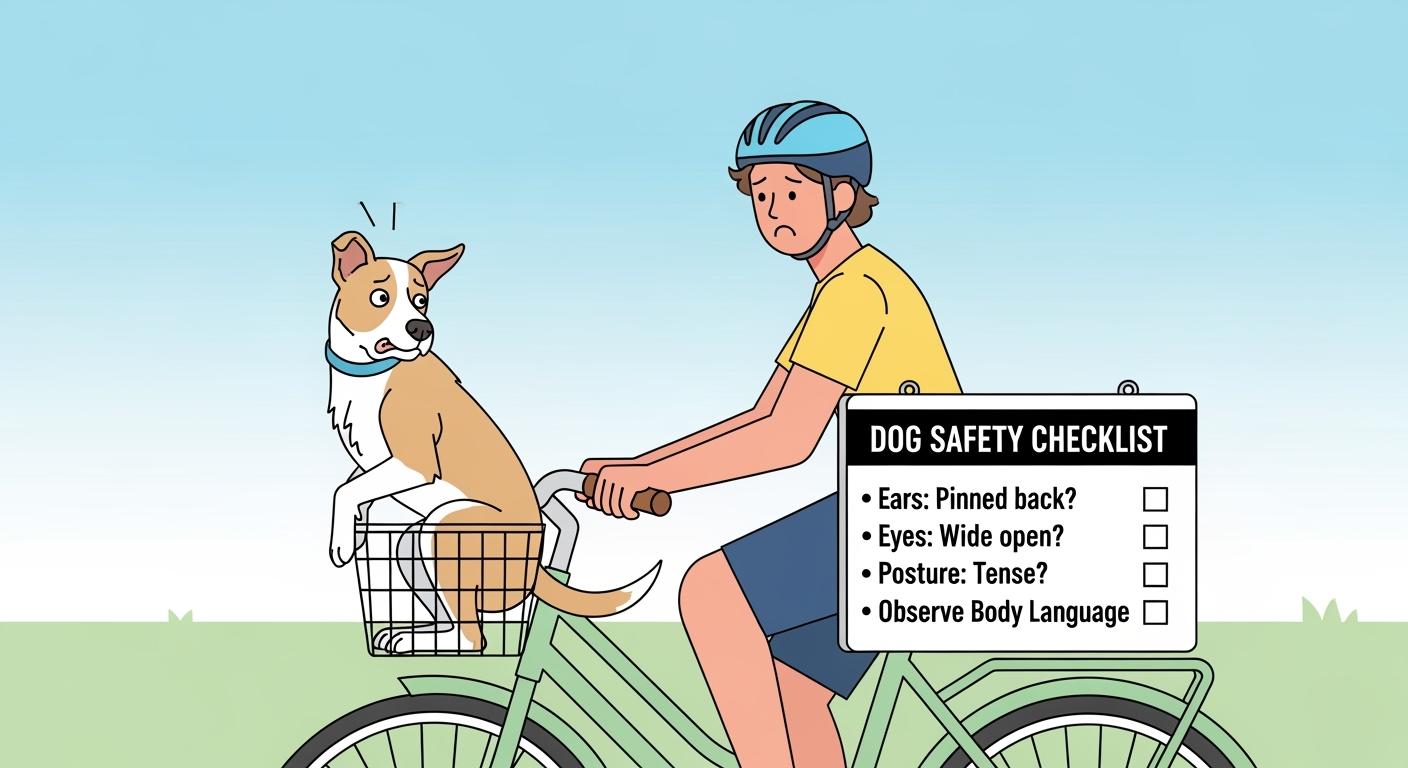
Watch for coughing, heavy panting, red marks, fur loss, or harness rotation. Your dog may lick one spot or try to escape.
Adjust the fit or try another style if you see these signs.
Safety Disclaimer: Stop using the harness if you see pain or injury.