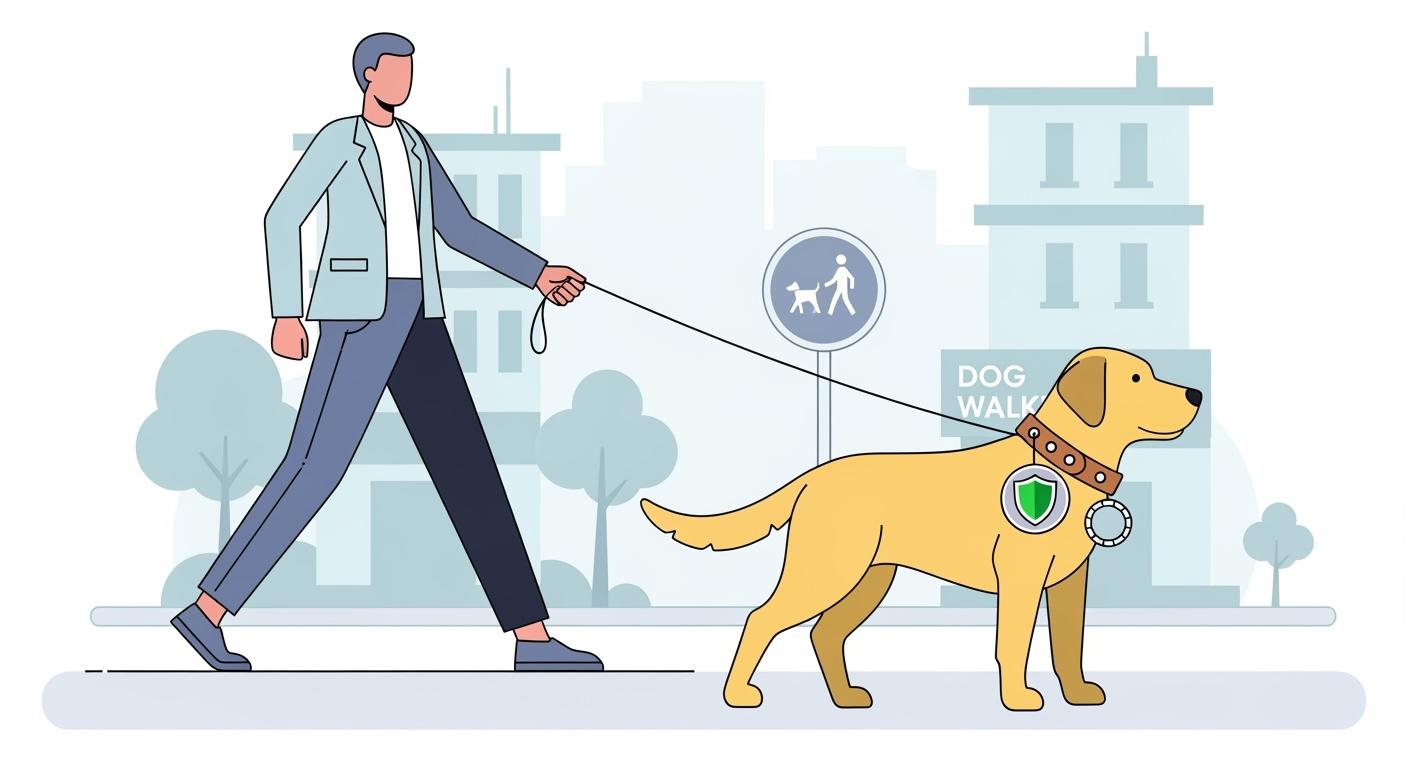
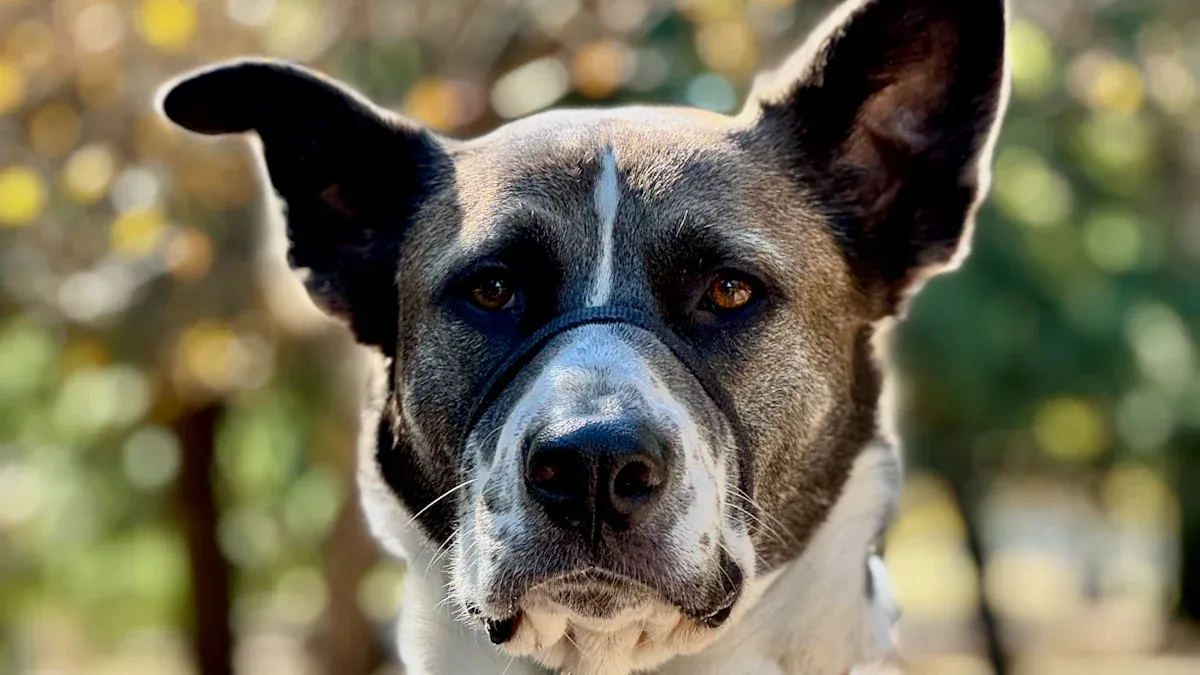
Imagine a busy street where a dog gets loose. This can cause trouble and people might get hurt. In cities, you need collars that keep dogs safe and easy to see. These collars also help protect your business from problems. The best dog collars for city walks are flat collars for every day, breakaway collars for more safety, martingale collars for control, harnesses for comfort, and halters to stop pulling. Good fit and strong materials help you handle dogs safely and follow rules for your job.
Professional Scope and Intended Readers
This guide is written for professional dog walkers, pet-care operators, and operations managers working in dense urban environments. It focuses on how collar and equipment choices support safety protocols, liability control, and regulatory compliance, rather than on consumer product promotion. Recommendations are aligned with current best practices in veterinary behavior, professional dog training standards, pet-care insurance underwriting, and common urban animal-control rules.
Key Takeaways
Pick flat collars for everyday walks. They feel good and are simple to use.
Use reflective or LED collars to help people see dogs at night.
Always check collar fit with the two-finger rule before walks. This keeps dogs safe.
Choose adjustable collars for mixed breeds. These collars fit as dogs grow and change.
Look at collars often for damage or wear. This helps stop accidents.
Put the dog’s name and your phone number on each collar. This helps people find you fast.
Teach workers how to fit collars and what to do in emergencies. This makes things safer.
Use waterproof collars when it rains. This keeps dogs dry and comfy.
Urban Dog Walking Risks and Liability
Collar Choice and City Hazards
Urban Density and Traffic
City streets stay busy. You face crowded sidewalks, fast cars, and sudden noises. Dogs can get startled or distracted. If you use the wrong collar, you might lose control. The best dog collars can help you keep dogs safe in these situations. You want collars that stay secure and help you see dogs in low light. Here is a quick look at how collar types affect safety in the city:
Collar Type | Visibility in Darkness | Maintenance | Best Use Case |
|---|---|---|---|
LED Light-Up Collar | High (independent) | Requires charging | Low-light or dark environments |
Reflective Collar | Moderate (dependent) | Low maintenance | Well-lit urban settings |
A collar with good visibility helps drivers and cyclists see dogs at night. This can help reduce the risk of accidents.
Injury and Emergency Data
Recent national injury-surveillance data suggest that dogs bite around 4–5 million people each year in the United States. Roughly 800,000–900,000 of those people require medical care, and several hundred thousand are treated in hospital emergency departments. Children and workers who regularly encounter unfamiliar dogs make up a large share of the most serious cases.
While most bites are minor, the financial impact is significant. Liability claims related to dog bites and other dog-related injuries now routinely cost insurers more than one billion dollars per year, and average claim values often fall in the USD 50,000–70,000 range. For an urban dog-walking operator, a single preventable incident can become a material business-risk event.
To manage this risk, collar choice should be integrated into a broader safety protocol that includes behavior screening, handler training, incident and near-miss documentation, and clear client communication about equipment policies.
Incidents from Poor Collar Selection
Escape and Pulling Risks
Many incidents happen when collars do not fit right or cannot stop dogs pulling. Surveys report that leash-pulling is a concern for over 80% of dog walkers. Some dogs pull with force close to their own body weight. This can cause falls or strains for you. If a collar slips off, a dog can run into traffic or get lost. Using the right collar and leash can help you keep control and stop dogs pulling.
Equipment Failure
Collars that break or do not hold up in city conditions can lead to serious problems. Pressure from tight collars can hurt a dog’s neck. Double weave collars can put too much force on a small area, raising the risk of injury. All collars should be checked for wear and replaced if needed. This helps you avoid accidents and keeps dogs comfortable.
Liability for Dog Walking Services
Contracts and Insurance
For a professional dog-walking service, insurance is not optional risk transfer—it is part of your core safety system. Written contracts should clearly allocate responsibility for equipment selection, collar condition, and disclosure of any known behavior issues.
Typical coverages to discuss with an insurance professional include:
- Commercial general liability – protects your business if a dog injures a person or damages property while in your care.
- Care, custody and control coverage – addresses injury or loss to the dogs themselves while you are responsible for them.
- Professional liability (errors and omissions) – responds if a client alleges that your handling practices or advice caused a loss.
- Workers’ compensation – protects employees who are injured while handling dogs, where required.
- Commercial auto coverage – applies if you transport dogs in company vehicles.
Your collar and equipment policies should be documented in your contracts and staff handbook. Keeping written records of collar sizing, equipment changes, incident reports, and client authorizations helps demonstrate reasonable care if a claim is filed.
Legal Compliance
Urban dog-walking businesses operate inside a dense web of local rules. Many cities require a general business license plus a specific permit for animal-related services, and they may also regulate how many dogs one handler can walk, when dogs must be leashed, and which parks or areas are off-limits.
Regulators increasingly expect professional walkers to maintain proof of up-to-date vaccinations, identification tags or microchips, and written client consent forms. Some jurisdictions also require animal-handling or first-aid training for staff, and may inspect your records after an incident.
Because requirements differ by city and even by neighborhood, build a simple compliance matrix that lists the licenses, permits, insurance certificates, and animal-health documentation needed in every area where you operate. Review this matrix at least annually with legal or compliance advisors and update your operating procedures, contracts, and staff training when rules change.
Professional Disclaimer
This guide provides general risk-management information for professional dog-walking and pet-care businesses. It is not a substitute for legal, insurance, or veterinary advice. Always confirm your obligations with local regulators and your insurers, and consult a licensed veterinarian regarding any dog’s individual health or behavior before changing equipment or handling practices.
Best Dog Collars and Gear for Urban Safety
Fit and Sizing Standards
Two-Finger Rule
Check the collar fit before every walk. Use the two-finger rule to test tightness. Put two fingers between the collar and the dog’s neck. Your fingers should fit snug but not squeeze. This keeps the collar secure and not too tight. It helps stop escapes and lowers choking or skin problems. Loose collars can catch on things. Tight collars can make it hard for dogs to breathe. Following this rule helps keep dogs safe and stops injuries.
Tip: Always check each dog’s collar fit before you leave. Puppies and growing dogs need their collars adjusted often.
Sizing for Mixed Breeds
Mixed breed dogs have many shapes and sizes. Measure the dog’s neck and look at its body type. Use a soft tape measure to check neck size. Add one or two inches for comfort. Pick adjustable collars so they fit as dogs grow or their fur changes. Good sizing stops matted fur and skin problems. Each breed is different, so notice each dog’s special needs.
The right collar size helps stop escapes and injuries.
Adjustable collars are best for mixed breeds and growing dogs.
Always look for signs of rubbing or discomfort.
Collar Materials and Hardware
Nylon, Leather, Waterproof Options
The collar material affects safety and how long it lasts. Choose strong materials that work well in the city. Nylon collars are tough and easy to clean. Leather collars look nice and feel soft but need care. Waterproof collars like coated polyester or PVC-coated webbing stay dry and clean after rain. These collars last longer and keep their shape even when wet.
Recommended collar materials for urban operations
| Material | Typical waterproof performance | Durability in urban use | Dog comfort (daily use) | Cleaning / sanitation notes |
|---|---|---|---|---|
| Standard nylon webbing | Water-resistant but absorbs water and odour when heavily soaked | Good, but edges can fray with heavy or abrasive use | Soft and flexible for most dogs | Hand-wash with mild detergent; allow to dry fully between walks. |
| Coated webbing (biothane-type) | Fully waterproof under normal walking conditions, similar to IPX7-style performance | Very high; resists abrasion, dirt and road grime | Initially firm but smooth against the skin | Wipe or rinse after use; easy to disinfect between dogs. |
| Full-grain leather | Tolerates light rain but not prolonged saturation | High if conditioned regularly; may crack if left wet | Very comfortable once broken in | Wipe clean; dry slowly; use leather conditioner when needed. |
| Fabric with padded lining | Usually water-resistant but not fully waterproof | Moderate; stitching and padding may wear over time | Very comfortable, especially for thin-coated dogs | Follow manufacturer’s washing instructions; dry padding thoroughly. |
Waterproof collars keep their look and shape over time. Nylon gets weak when wet. Leather cracks if you do not care for it. Pick high-quality collars for active city dogs.
Durable Buckles and D-Rings
Collar hardware is important for safety. Buckles and D-rings should not rust and must be strong. Quick-release buckles help you take collars off fast in emergencies. Metal clips and buckles last longer than plastic ones. Rust-resistant hardware works well in rain and wet weather. Check for damage and replace worn parts. Strong hardware keeps dogs safe and stops gear from breaking.
Quick-release buckles make collars safer.
Metal clips and D-rings that resist rust last longer.
Check hardware often for cracks or weak spots.
Visibility and Identification
Reflective and High-Visibility Collars
Visibility matters for city walks, especially at night. Reflective collars and bright colors help drivers and bikers see dogs. This lowers the chance of accidents. Collars with shiny strips or bold colors make dogs easier to spot. Surveys show 65% of owners have lost sight of their dogs during walks. Using reflective collars helps keep dogs and walkers safe.
Bright collars help you see dogs in low light.
Reflective materials make walks safer for everyone.
Use strong leashes with bright collars for best results.
Traffic-safety tests consistently show that reflective and fluorescent surfaces are detected much earlier than dark materials in low-light conditions. For moving vehicles, that additional detection distance translates into more reaction time for drivers and cyclists when a dog or handler steps into their path.
As a practical rule, any dog walked near roads, parking lots, or shared cycle lanes after dusk should wear either a reflective collar, a high-visibility harness, or an LED attachment. Build this requirement into your booking terms and into your pre-walk equipment checklist, especially during winter months when most walks take place in the dark.
ID Tags and Contact Info
ID tags help you find lost dogs fast. Put tags with your contact info on every collar. Digital ID tags let people get owner details with their phones. GPS collars show where dogs are in real time, which helps in busy cities. Microchips give permanent ID, but tags help people call you quickly.
Feature | Description |
|---|---|
GPS Tracking | Shows where dogs are right now, so you can find them fast in the city. |
Microchips | Permanent ID that can be scanned to get owner info. |
Digital ID Tags | Lets people get contact info with their phones, making it easier to return lost dogs. |
Note: Keep ID tags updated. Check them for damage and make sure they are easy to read. Microchips help, but visible tags make it easier for people to reach you if a dog is lost.
Recommended Collar Types for Urban Safety
You have many choices for city dog collars. Experts suggest several types for safety in cities:
Flat Collar: Good for daily use. Easy to attach ID and leash.
Martingale Collar: Stops escapes for nervous or narrow-headed dogs.
GPS Collar: Tracks where dogs are, helpful for lost pets.
Reflective Collar: Makes dogs easier to see at night.
Using the best collars and leads gives you more safety and control. Look for comfort, adjustability, and visibility in every collar you pick.
Disclaimer: This guide gives general tips only. Ask a professional for health or training advice. No collar or gear can keep dogs safe all the time.
Comfort and Long-Term Wear
Padding and Edge Design
You want every dog to feel comfortable during walks. Padding and edge design play a big role in this. Collars with soft padding help prevent rubbing and pressure marks. Smooth edges stop the collar from cutting into the skin. Many pet professionals choose collars with rounded edges and extra lining for sensitive dogs. You should look for collars made from materials like nylon or leather. These materials last longer and feel gentle against the skin. Nylon collars offer shock resistance and stay comfortable even with heavy use. Leather collars provide a soft touch but need regular care to stay flexible.
Padded collars reduce the risk of skin irritation.
Rounded edges help prevent chafing and discomfort.
Durable materials like nylon and leather support safety and longevity, especially for active dogs in busy cities.
Adjustable collars and ergonomic designs make walks easier for you and more pleasant for dogs.
Tip: Choose collars with breathable padding for hot weather. This helps keep dogs cool and comfortable during long walks.
Skin Health Checks
You need to check each dog’s neck and skin before and after walks. Look for signs of redness, hair loss, or sores. These problems can develop if a collar fits poorly or rubs too much. Regular checks help you spot issues early and prevent long-term damage. If you see any irritation, switch to a softer or wider collar. You should also clean collars often to remove dirt and bacteria. This keeps the collar fresh and reduces the risk of infection.
Inspect the neck area for swelling or wounds.
Rotate collars to avoid pressure on the same spot every day.
Wash collars regularly to keep them clean and safe.
Use adjustable collars to change fit as needed for growing or shedding dogs.
Note: Dogs with thick fur or sensitive skin need extra attention. Always adjust the collar for comfort and check for hidden problems under the fur.
Comfort and long-term wear matter for every dog in your care. When you choose the best dog collars for urban dog walking services, you protect both the dogs and your business. Comfortable collars help dogs stay happy and healthy, and they lower the risk of injury or liability for you.
Matching Collars to Dogs and Urban Scenarios

Collars for Strong Pullers
Tactical and Martingale Collars
Some dogs pull hard when you walk them in the city. Picking the right collar helps you keep control. It also lowers the risk of problems. Martingale collars are good for dogs that slip out of regular collars. These collars get tighter when a dog pulls. They do not choke the dog. Tactical collars are strong and last long. They work well for big or strong dogs. Both collars help stop pulling and make escapes less likely.
Here is a quick comparison of popular options for strong pullers:
Collar Type | Pros | Cons |
|---|---|---|
Front-Clip Harnesses | Stops dogs from pulling. Great for leash training. Good for strong breeds. | Takes time to adjust. Needs to fit right. Not best for every dog. |
Head Halters | Gives lots of control. Helps guide dogs gently. | Needs slow introduction. Not good for dogs with neck problems. |
Martingale Collars | Stops dogs from slipping out. Safer than slip leads. | Must fit right to work well. |
Note: Always check if the collar fits well on dogs that pull. The right size helps stop injuries and escapes. Ask a pro if you worry about safety or training.
Harness Integration
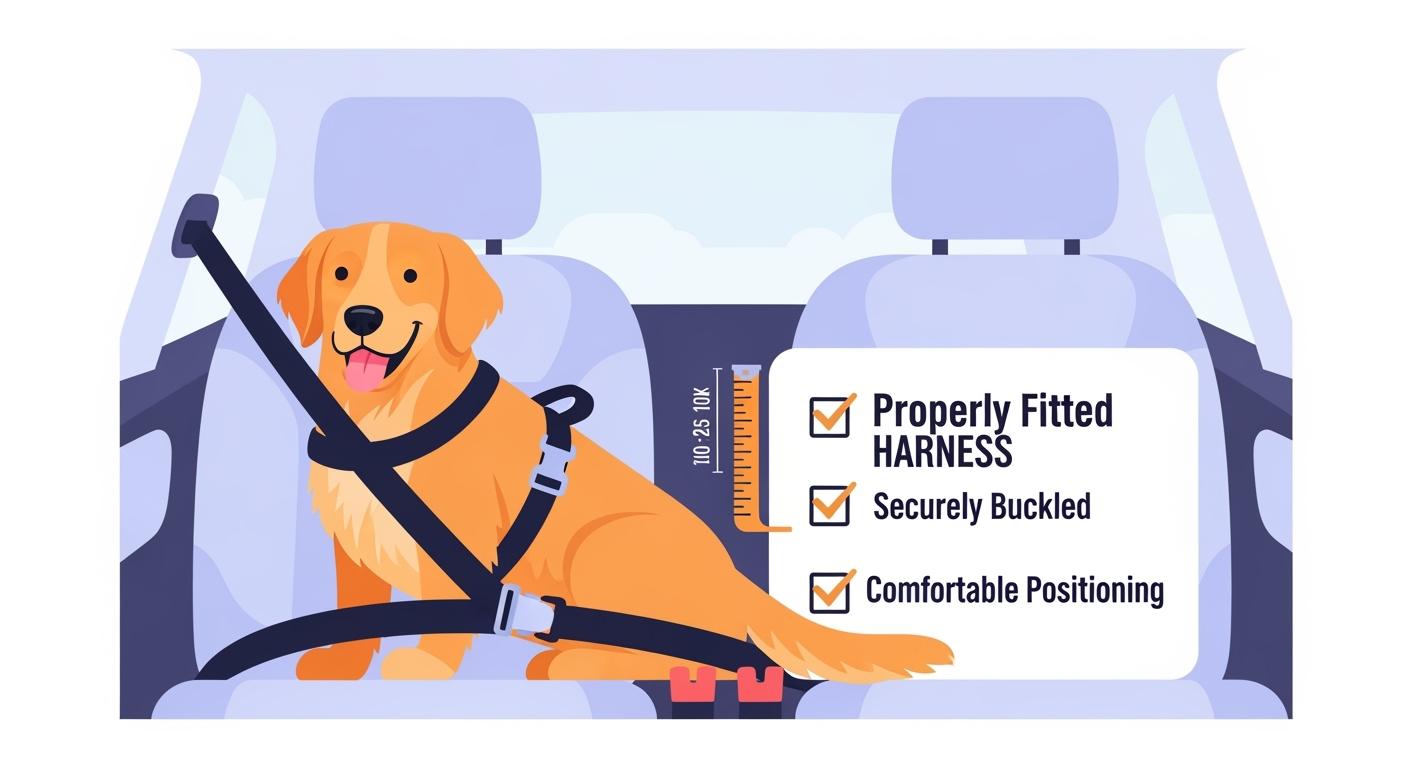
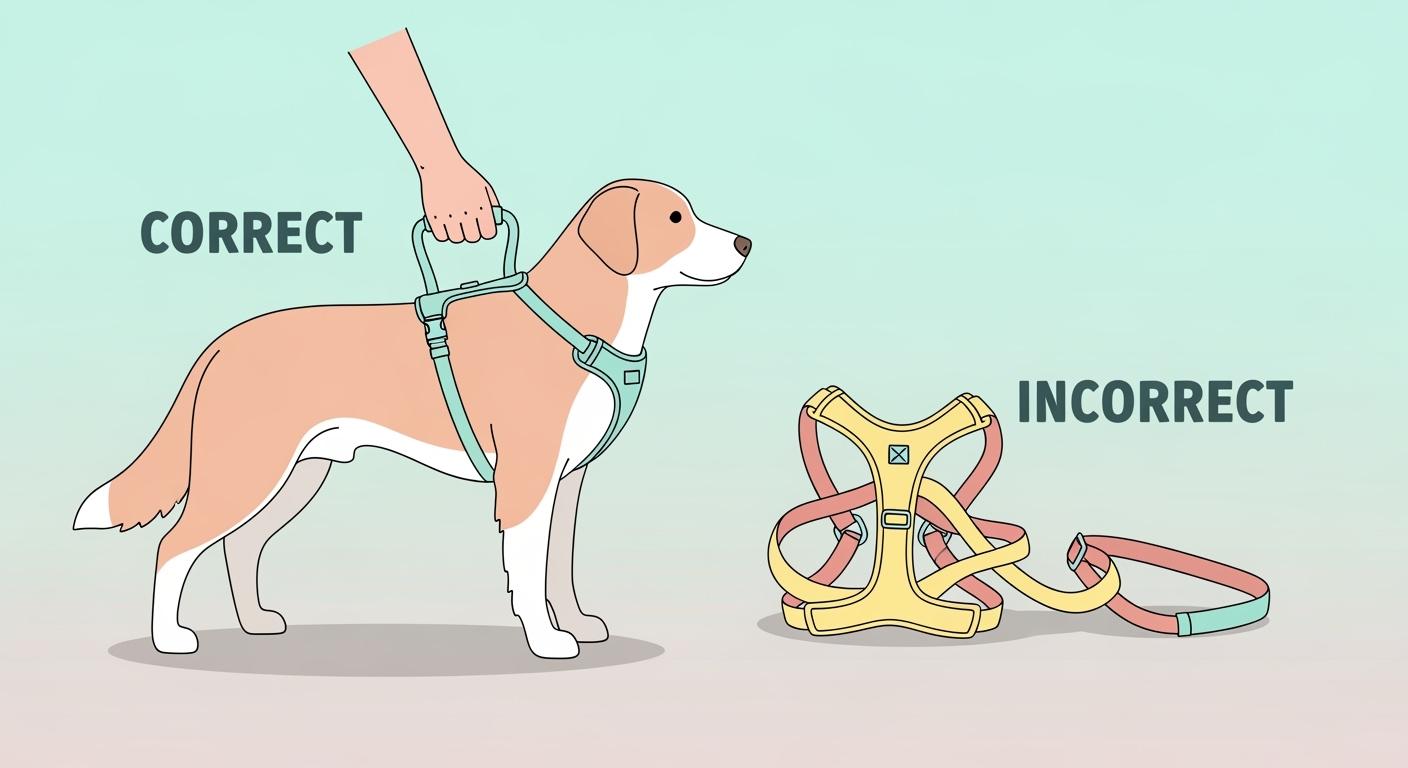
You can use both a collar and harness for better control. Many people attach the leash to the front of the harness. This helps stop pulling and lets you steer the dog. Light collars work best with harnesses. Make sure the collar does not hurt or squeeze the dog. Lighter collars help you watch the dog’s movement better. This is important in busy city places.
Tip: Always check that the collar and harness fit before each walk. Bad fits can hurt dogs or cause safety problems.
Collars for Small and Sensitive Dogs
Lightweight and Padded Options
Small or sensitive dogs need gentle collars. Pick a light collar made from nylon or reflective nylon. These are comfy and safe. Wide collars spread pressure and help stop pulling. Adjustable collars make sure the fit is snug. Hypoallergenic collars lower the chance of skin problems. Reflective collars help you see small dogs at night.
Nylon or reflective nylon collars are soft and safe.
Wide collars protect the neck by spreading pressure.
Adjustable collars fit growing or sensitive dogs.
Hypoallergenic collars help stop allergies.
Reflective strips help you see dogs in the dark.
Harnesses are good for small dogs, especially if they pull. Soft harnesses protect the neck and chest. Many harnesses have spots to adjust for a good fit.
Pressure and Comfort
Do not put too much pressure on a small dog’s neck. Light, padded collars and harnesses keep dogs comfy. Always look for rubbing or sore spots. Change the fit if needed. Switch between collars and harnesses to stop pressure sores.
Disclaimer: Watch small or sensitive dogs for signs of pain. If you see redness or irritation, use a softer or wider collar. Ask a pet expert if problems do not go away.
Multi-Dog and Group Walks
Color Coding and Labeling
Walking many dogs at once is hard. Use different colored collars and leashes for each dog. Labels with names or numbers help you know which dog is which. This makes group walks safer and easier.
Give each dog a different collar color.
Use matching leashes for easy pairing.
Add name tags or labels for quick ID.
Control in Tight Spaces
City sidewalks can be crowded. You need to keep all dogs close and safe. Use front-clip harnesses or no-pull tools to stop pulling. Give treats for calm behavior to keep the group focused. Watch for distractions and be ready to hold each leash tight.
Note: Walking many dogs takes patience and practice. Always use safe gear that fits well. Reward good behavior. Ask a trainer for help with group walks.
Picking the right collar or harness for each dog and situation helps you stop pulling, keep dogs safe, and make city walks easier. Always check gear before walks and adjust as needed. No collar or harness can remove all risks, so stay alert and use smart steps every time.
Weather and Time Factors
Waterproof and Seasonal Gear
Urban dog walking means you face all kinds of weather. You need to choose gear that keeps dogs safe and comfortable, no matter the season. Waterproof collars and leashes work best in rainy weather. These materials do not soak up water, so they help prevent skin irritation and keep dogs dry. If you walk dogs in the rain, you should also use a waterproof raincoat for each dog. This protects their fur and skin.
Cold weather brings new challenges. Dogs can get cold quickly, especially small or short-haired breeds. Insulated coats or sweaters help keep them warm. Paw protectors stop ice and salt from hurting their feet. You should check the fit of every collar and leash before heading out, since thick coats or layers can change how gear sits on the dog.
Hot weather can be dangerous, too. Dogs can overheat on sunny days. Cooling vests or bandanas help lower their body temperature. Always check the pavement with your hand before you walk. If it feels hot, use paw protectors to keep dogs safe.
Here is a quick guide for choosing gear by weather:
Weather Condition | Recommended Gear | Purpose |
|---|---|---|
Rainy Weather | Waterproof collar, leash, raincoat | Protect against skin irritation |
Cold Weather | Insulated coat, paw protectors | Vital for warmth and protection |
Hot Weather | Cooling vest, bandana | Prevent overheating |
Tip: Always dry collars and leashes after wet walks. This helps them last longer and keeps dogs comfortable.
Nighttime Visibility
Many city walks happen early in the morning or after sunset. Low light makes it hard for drivers and cyclists to see you and the dogs. You need to use gear that helps everyone stay visible. Reflective collars, leashes, and harnesses shine when light hits them. This makes dogs easier to spot from far away.
You can add reflective tags or bands to any collar. LED collars or clip-on lights give even more visibility. These tools help you see each dog and help others see you. When you walk several dogs, reflective gear helps you keep track of everyone and stop dogs pulling into unsafe areas.
Use reflective collars and leashes for every walk in low light.
Add LED lights or reflective bands for extra safety.
Check that all gear fits well and does not slip, even with extra layers.
Note: Reflective and light-up gear does not replace good training. Always use a strong leash and the right collar to stop dogs pulling and keep control in busy city streets.
Choosing the right gear for weather and time of day helps you protect dogs and your business. You lower the risk of accidents and make every walk safer.
Operational Standards for Dog Walking Gear
Intake and Collar Checks
Pre-Walk Inspection
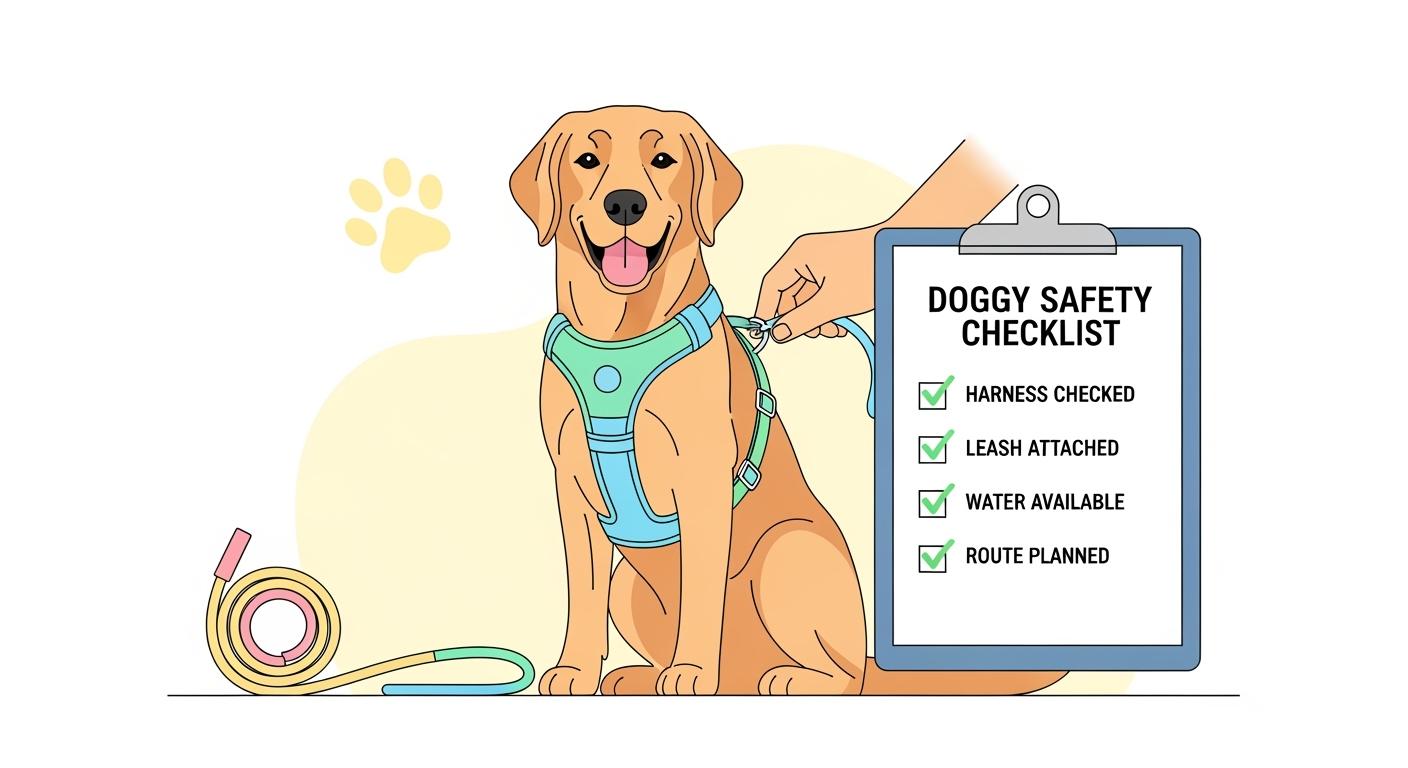
You must check every collar and harness before each walk. Look for damage like frayed edges, broken buckles, or rusted D-rings. Make sure the collar fits by using the two-finger rule. Check that reflective strips and ID tags are safe and easy to read. If you walk more than one dog, make sure each collar fits the dog’s size and personality. Test quick-release buckles to see if they work in emergencies.
Tip: Take a few minutes before every walk to check gear. This habit helps stop escapes and injuries.
Record-Keeping
Keep a simple record for each dog. Write down the collar type, size, and any changes you make. Note any damage or problems you find during checks. Update the record when you get new gear or change the fit. Good records help you see patterns, find problems, and show clients you care about safety.
Dog Name | Collar Type | Size | Last Inspection | Notes |
|---|---|---|---|---|
Max | Martingale | Medium | 06/01/2024 | Adjusted for comfort |
Bella | Flat Nylon | Small | 06/01/2024 | Tag replaced |
Note: Good records help protect your business and let you act fast if something goes wrong.
Daily Gear Protocols
Wear and Fit Checklist
Follow a checklist every day to keep gear safe and comfy. Make sure each collar and harness fits right. Check that reflective gear and LED collars work for dark walks. Make sure all ID tags are easy to read and attached well. Test quick-release buckles and leash clips. Change gear for weather, like using waterproof collars when it rains.
Use the two-finger rule to check collar fit.
Look for damage or wear.
Make sure gear is easy to see for early or late walks.
Attach readable ID tags.
Change gear for weather or coat changes.
Replacement and Communication
Replace any gear that is damaged or does not fit right. Tell clients when you change a collar or harness. Explain why you made the change and how it helps safety. Keep extra collars and leashes ready for emergencies. Share your gear rules in your client agreement so everyone knows your standards.
Tip: Changing old gear often lowers risk and helps clients trust you.
Staff Training and Incident Response
Fitting and Adjustment
Train your staff to fit collars and harnesses the right way. Teach them to use the two-finger rule and adjust for each dog’s body. Show them how to check for skin problems or sore spots. Tell staff to ask questions if they are not sure about fit. Good training helps stop escapes and injuries.
Training Topic | Key Points |
|---|---|
Collar Fitting | Two-finger rule, adjustable design |
Comfort Checks | Look for redness, swelling, sores |
Visibility Gear | Use reflective and LED collars |
Note: Staff who know how to fit gear well help keep dogs safe and make your business look good.
Emergency Procedures
Get your team ready for emergencies. Teach them how to use quick-release buckles and what to do if a leash breaks. Make sure everyone knows where the canine first aid kit is. Practice what to do if a dog gets loose or hurt. Go over emergency contacts and steps often.
Bring a canine first aid kit on every walk.
Practice taking off collars fast in emergencies.
Review what to do if a dog escapes and who to call.
Tell staff about new safety steps.
Disclaimer: This section gives general tips only. Always ask a pro for legal, health, or training advice. Follow local laws and industry rules for best results.
You make things safer and lower risks when you follow these rules for dog walking gear. Regular checks, clear talk, and good staff training help protect dogs and your business.
Policies and Client Agreements
Having clear rules and strong client agreements helps you lower risk. It also sets clear expectations for your dog walking business. When you write down your service rules and check the law, you protect your clients and your company. These steps help build trust and stop confusion.
Service Terms
Write your service terms in easy words. List what you do, like daily walks, group walks, or special care for some breeds. Explain your rules for using dog walking gear. Say what collars and leashes you need. Make sure you tell clients you check gear before every walk and replace old items.
Include details about:
How you handle emergencies or injuries
What you do if a dog escapes or breaks something
Your rules for canceling or changing walks
How you talk to clients about their pets
A sample checklist for your service terms might look like this:
Policy Area | Example Statement |
|---|---|
Gear Requirements | All dogs must wear a secure, well-fitted collar. |
Emergency Response | Staff will contact owners and seek vet care. |
Cancellations | Please give 24 hours’ notice for changes. |
Tip: Go over your service terms with each client before you start. This helps everyone know what to do.
Legal Review
You need to make sure your agreements follow local laws and rules. Talk to a lawyer who knows about pet services in your city. Laws can change, so update your papers often. Your agreements should cover liability, insurance, and following animal control rules.
Key points to review:
Waivers for injuries or escapes
Proof of insurance for your business
Following leash laws and pet licenses
Permission to use certain training methods
Disclaimer: This section gives general information only. Always ask a lawyer in your area to check your contracts and rules.
By making clear rules and checking your agreements, you help keep your business and clients safe. Good communication and up-to-date papers help you give safe, professional dog walking services.
Recommended Dog Collar Assortments
Everyday Safety Collars
Reflective Nylon Sets
You need strong collars for city walks. Reflective nylon sets work for most dogs. These collars use tough nylon that lasts and cleans fast. Reflective strips help cars and bikes see dogs in the dark. This makes walks safer in the morning or at night. Many dog walkers pick these sets for comfort, strength, and easy spotting.
Here is a simple guide to everyday safety collars and what they do:
Collar Type | Features |
|---|---|
Flat Collars | Soft, adjustable, made from nylon or leather. Comfortable and strong. |
Martingale Collars | Stops escapes, good for dogs with slim necks. |
Rolled Leather Collars | Keeps long hair neat, looks nice, costs more. |
Reflective and LED Collars | Easy to see at night, keeps dogs safer in the dark. |
Smart Collars | Tracks location and activity, good for active or wandering dogs. |
Tip: Pick collars with shiny stitching or LED lights for better safety on busy streets.
Standard Sizing and Labeling
Standard sizes help you fit collars fast and safely. Adjustable collars let you change the fit for each dog. Always use the two-finger rule to check tightness. Put the dog’s name and your contact info on every collar. This helps you find dogs quickly and helps lost pets get home.
Specialized Collars for Edge Cases
Martingale and Tactical Options
Some dogs need special collars for more control. Martingale collars are good for dogs that slip out of normal collars. Tactical collars are strong and work for big or strong dogs. Smart collars with GPS help you track dogs that wander.
Padded and Lightweight Collars
Small or sensitive dogs need soft collars. Light collars with padding protect the neck and lower pressure. For training, use collars with remote controls. These use sound or vibration for gentle correction. Big dogs may need collars with stronger signals and waterproof features for outside use.
Small dog training collars use sound and vibration to keep them safe.
Big dog collars have more correction choices and last longer.
Note: Always pick the collar that fits the dog’s size, breed, and how they act for best results.
Color Coding and ID Strategy
Group Management
Color coding helps you walk many dogs at once. Give each dog a different collar color. This makes it easy to spot and control each dog in busy places. Use matching leashes for quick pairing. Add name tags or labels for fast ID.
Lost Pet Recovery
Bright colors and clear labels help if a dog gets lost. Neon collars or tags make dogs easy to see. Mark your car with big, colorful letters when searching for a lost pet. Make fliers with bold colors to get people’s attention. These steps help you find lost dogs faster.
Use bright colors in fliers and signs so people notice.
Neon posters and marked cars help more during searches.
Tip: Keep ID tags up to date and easy to read. Fast ID helps you get lost pets back sooner.
By picking the right collars, you make walks safer and easier. Choose collars for each dog’s needs and your business goals for the best results.
You should pick collars and gear that fit each dog well. Make sure the gear is easy to see, especially in the city. This helps keep dogs safe on walks. Check collars and leashes often to catch problems early. Put ID tags on every collar so lost dogs can get home. Having clear gear rules and training your staff helps stop accidents. This protects you and your team from dogs slipping away or getting hurt.
Good routines and teaching dogs help keep everyone safe.
Quick-reference list for urban dog walking:
Use flat collars for daily walks.
Choose limited slip collars for escape risks.
Check collar fit before every walk.
Label collars with contact info.
Train staff on fitting and emergency steps.
Data and methodology (summary)
Incident rates, claim values, and risk trends mentioned in this article are derived primarily from large national injury-surveillance datasets and insurance-industry loss reports in North America, together with guidance from urban animal-control agencies. Figures are rounded and expressed as ranges so they can be applied consistently across different cities and insurance markets.
FAQ
What is the best collar for daily urban dog walking?
Pick a flat nylon or leather collar with reflective parts. These collars are comfy and last a long time. They help drivers and people see dogs better. Most city dogs do well with these collars. They also help you follow safety rules for your job.
How do I check if a collar fits correctly?
Try the two-finger rule. Put two fingers between the collar and the dog’s neck. The collar should feel close but not squeeze. This keeps the collar safe and stops escapes. It also helps prevent injuries during walks.
Which collar type helps control strong pullers?
Martingale collars and tactical collars give you more control. You can also use a front-clip harness for extra safety. These choices help you handle dogs that pull hard. They lower the chance of accidents on busy streets.
What features improve visibility during nighttime walks?
Get collars with reflective strips or LED lights. Bright colors work well too. These features make dogs stand out in the dark. They help keep both dogs and people safer during night walks.
How often should I inspect and replace dog collars?
Look at collars before every walk. Check for fraying, broken buckles, or faded shiny parts. Change collars right away if you see damage. Checking often helps you keep dogs safe and avoid problems.
What information should ID tags include?
ID tags need the dog’s name and your phone number. You can add your business name too. Clear tags help people return lost dogs faster. This also helps clients trust you more.
Are waterproof collars necessary for urban walking?
Waterproof collars keep dogs comfy when it rains. They do not smell bad or grow bacteria. Use these collars in wet weather or places with lots of water.
How do I manage multiple dogs on a group walk?
Use different colored collars and leashes for each dog. Put each dog’s name on their collar. This helps you tell dogs apart and keep control in busy places.