As a professional pet-care business, you are responsible for choosing collars and harnesses that keep clients’ dogs safe, comfortable, and compliant with local rules. This guide explains how to select and fit equipment in line with current animal-welfare standards and best practice in major markets, so your staff can make consistent decisions for every dog you handle.
The information in this article is general guidance for boarding, daycare, grooming, and training teams. It does not replace legal, veterinary, or insurance advice. Always check the latest regulations and professional requirements in the country, state, or city where your business operates.
Key Takeaways
Use the two-finger rule and breed-appropriate equipment to keep collars snug but not tight.
Prefer flat collars or well-fitted harnesses for everyday management, and avoid aversive tools such as prong or shock collars in routine services.
Build written protocols for measuring, fitting, recording, and re-checking collars for every dog, especially puppies and dogs in long-term boarding.
– Check local laws for ID tags, microchipping, and licensing, and make sure your internal records match what is on each dog’s collar.
Train staff to spot early warning signs of discomfort or injury and to report and document any incidents immediately.
Safety, Fit, and Welfare for Pet Businesses
Business Risks of Poor Fit
Liability Issues
When collar fit is wrong, problems show up quickly in a business setting. Collars that are too tight can cause hair loss, skin sores, coughing, or pressure on the airway. Collars that are too loose let dogs back out, become tangled in crates, fences, or play equipment, or slip free during hand-overs. Any of these incidents can lead to emergency vet visits, complaints, insurance claims, or reputational damage for your company.
Tip: Always check the collar size before you use it. You should be able to fit your thumb between the collar and the dog’s neck. This helps keep dogs safe and stops injuries.
Customer Trust
Customers want you to keep their pets safe. Picking the right dog collars and making sure they fit shows you care. If a dog gets hurt from a bad collar, customers may stop trusting you. They might write bad reviews or ask for their money back. You can earn trust by teaching your staff how to measure and fit collars. Use the Two-Finger Rule and check the collar when dogs move, like when they sit or roll over.
Animal Welfare Standards
Avoiding Punitive Collars
Most animal-welfare regulations take the same basic position: dogs in your care must not be put at unnecessary risk of pain, injury, or distress. For collars and harnesses, that means choosing equipment that distributes pressure safely, avoiding devices that deliberately cause pain, and checking every dog regularly for rubbing, swelling, hair loss, or breathing changes.
Across Europe and North America, welfare codes and veterinary guidelines generally recommend flat collars or well-fitted harnesses for everyday management. Devices such as choke, prong, or electronic shock collars are increasingly restricted or discouraged, especially for routine boarding or daycare, because of the risk of physical injury and stress.
Laws and enforcement vary between countries, states, and cities. Instead of assuming one global rule, build an internal checklist that maps the legal requirements in each region where you operate. Update this checklist at least once a year and whenever local authorities or industry bodies publish changes.
Clear records and repeatable processes are part of welfare compliance. Keep logs of collar types approved for use, any restrictions on aversive tools, and the results of your regular equipment checks. This documentation shows inspectors, clients, and insurers that you take animal welfare seriously and act quickly on issues.
Regulatory Compliance
You must follow the rules for dog collars in your area. Many places say collars cannot cause pain or stress. Bad collar fit can break animal welfare laws and lead to fines. Staff should know how to measure and adjust collars for each dog. Using the same steps every time helps you follow the rules and avoid problems.
Collar Type | Risk Level | Recommended Use |
|---|---|---|
Flat Collar | Low | Everyday, ID tags |
Martingale | Medium | Escape prevention |
Prong/E-collar | High | Only with professionals |
You can lower returns and complaints by teaching customers about collar fit. Training your staff and checking collars often helps you keep dogs safe and your standards high.
Main Types of Dog Collars and Harnesses
Flat Collars
Everyday Use
Flat collars are the collars most pet businesses use. You can put these collars on dogs every day. They are made from nylon or leather. Flat collars fit many dog breeds and sizes. You can make them tighter or looser for each dog. This helps stop accidents and keeps your clients pleased.
Tip: Flat collars are easy to wash and take care of. This makes them a good choice for busy pet stores and boarding places.
Here is a simple table to compare dog collars and harnesses you might use:
Type of Collar/Harness | Description | Recommended For |
|---|---|---|
Standard Traditional Collars | Used every day, made from nylon or leather | All breeds, daily walks |
Training Collars | Used for training, includes choke and electric | Dogs that need help with behavior |
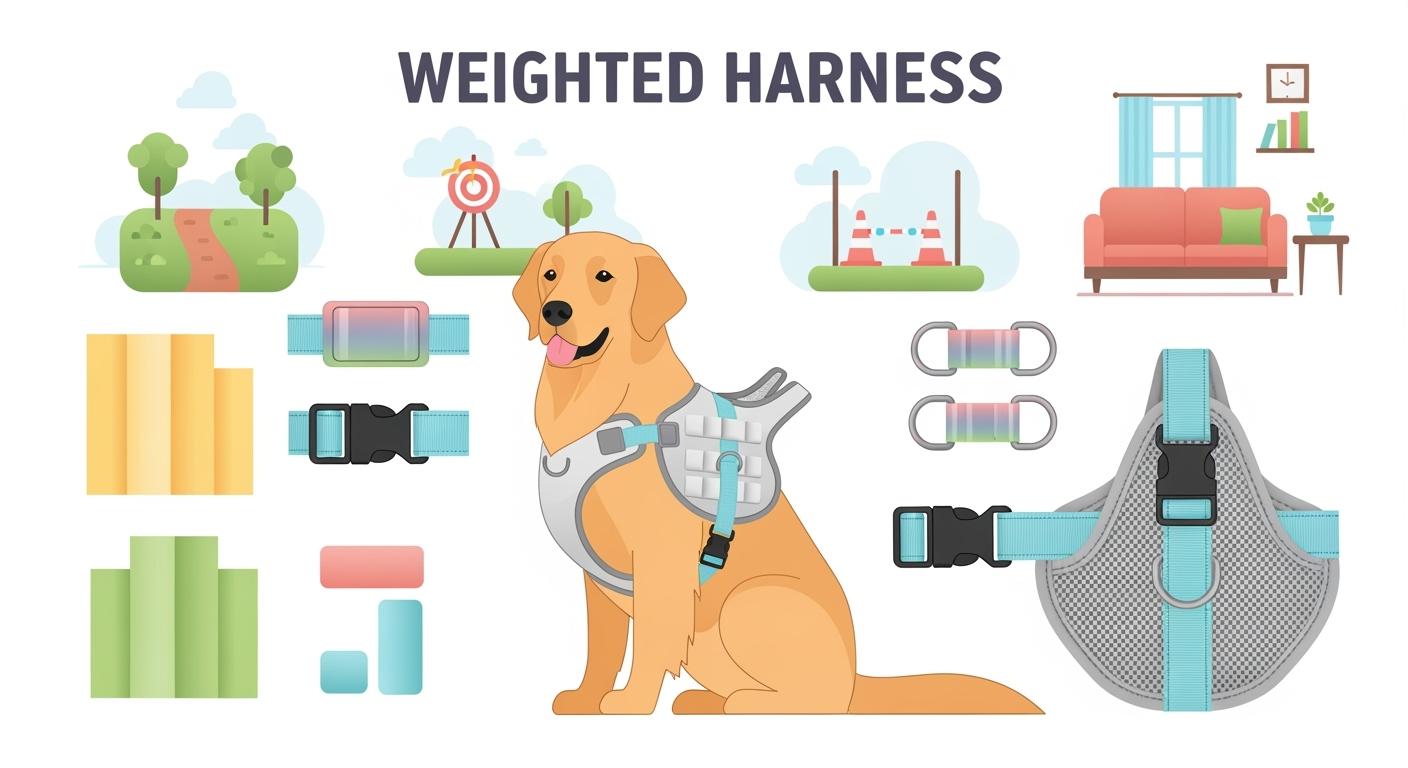
Dog Harnesses | Goes around neck and shoulders, spreads pressure | Dogs with breathing problems, big dogs |
Halter-Type Harnesses | Controls the head, stops pulling | Large and working breeds in training |
ID Tag Attachment
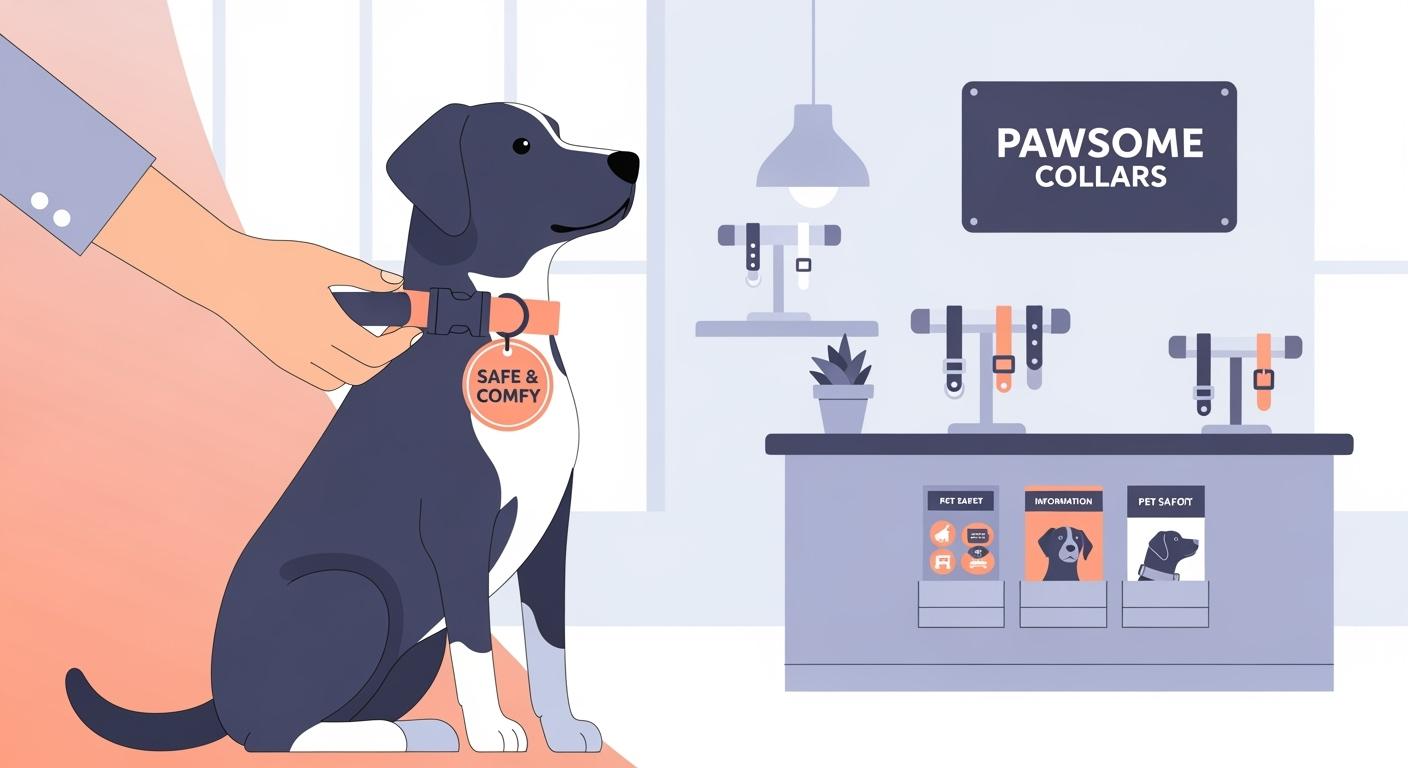
Dogs need a safe spot for their ID tags. Flat collars have a strong D-ring for this job. This helps you follow rules that say dogs must have ID. Flat collars make it easy for staff to check tags and return lost dogs fast. This helps customers trust you and shows you care about safety.
Martingale Collars
Escape Prevention
Martingale collars are great for dogs that slip out of normal collars. These collars have two loops in their design. When a dog pulls, the small loop gets tighter. This keeps the collar close but does not choke the dog. Martingale collars are good for dogs with thin heads, like greyhounds. This design stops escapes and keeps dogs safe on walks.
Martingale collars have a fixed part and a loop you can adjust.
They get tighter when a dog pulls, so dogs cannot escape but are not hurt.
Feature | Description |
|---|---|
Control Loop | Gets tighter when pulled, spreads pressure around the neck |
Escape Prevention | Dogs cannot slip out because of the tightening part |
Safety | Does not choke the dog, keeps dogs safe while stopping escapes |
Sighthound Suitability
Martingale collars are best for sighthounds. These dogs have thin necks and wide heads. Regular collars can fall off. Martingale collars fix this problem. They keep the collar on and protect the dog. This lowers the chance of lost dogs and unhappy customers.
Head Collars
Managing Pullers
Head collars help control strong or excited dogs. These collars go around the dog’s nose and neck. When a dog pulls, the head collar turns its head. This makes walks safer and easier for staff and clients. Head collars are good for training big dogs or dogs that pull a lot.
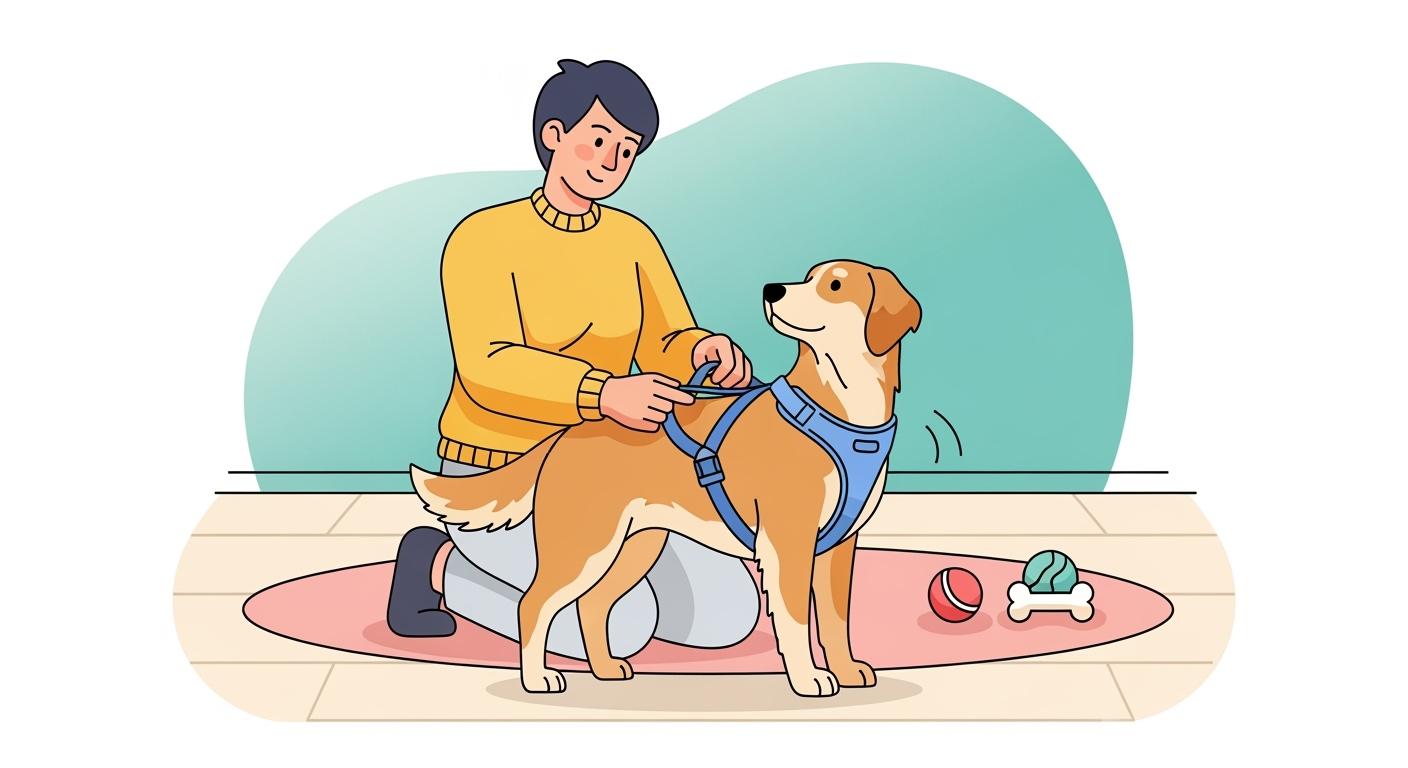
Harnesses also help with pulling by moving pressure off the neck.
Front-clip harnesses can help turn a dog toward the person walking them.
Staff Training
Staff must learn how to use head collars the right way. Using them right stops pain and injury. Staff should let dogs get used to head collars slowly and give treats for calm actions. This helps dogs feel good about the collar and keeps them calm. Well-trained staff can tell customers about the good things different collars do, which helps your business look good.
Note: Always watch dogs when they wear head collars for the first time. This keeps dogs safe and lets staff see problems early.
When you know about the main types of dog collars and harnesses, you can pick the best one for each dog. This means fewer returns, happier customers, and better care for animals in your business.
Harnesses
Neck Protection
Harnesses let you walk dogs without hurting their necks. The harness spreads the force over the chest and shoulders. This keeps the neck safe, especially for dogs with weak throats. Some dogs can have tracheal collapse, so harnesses help them. If a dog pulls or has trouble breathing, a harness is safer. Pet businesses often use harnesses for pugs and bulldogs. These breeds have soft airways and need special care.
Tip: Try harnesses for dogs that cough or gag with collars. This can stop health problems and shows you care about pets.
Puppies and Seniors
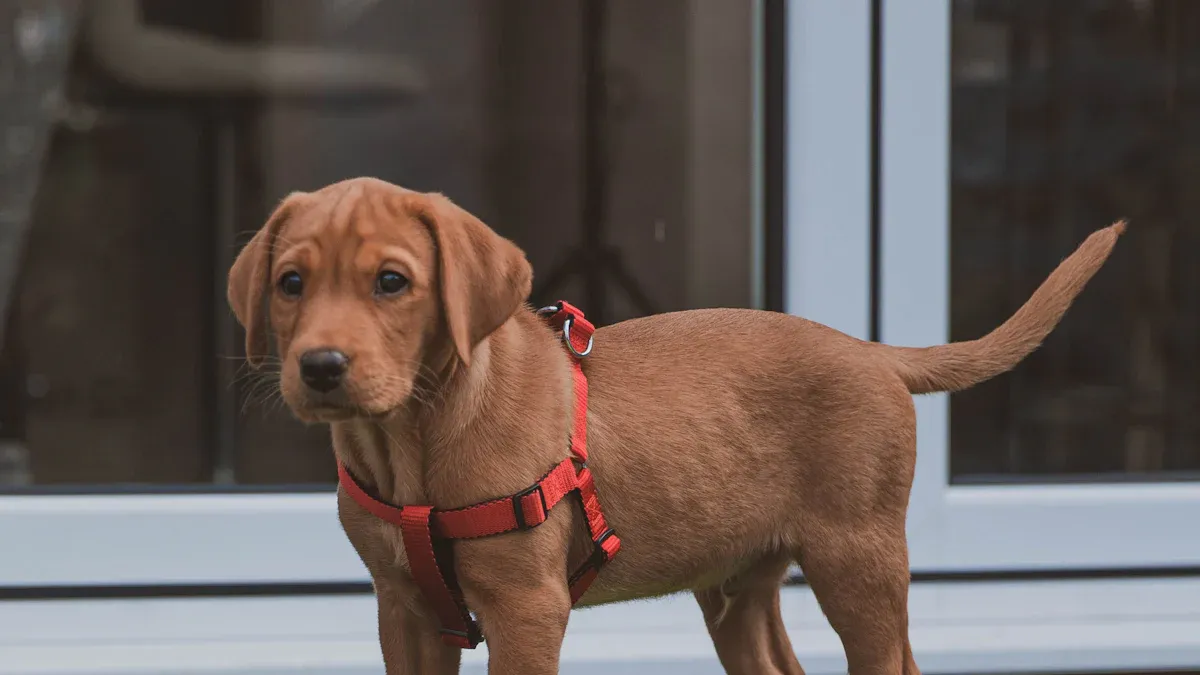
Puppies and old dogs need gentle care. Their bodies are growing or can be weak. Harnesses help you walk and play with them safely. Puppies can hurt their necks with collars, but harnesses protect them. Old dogs can stand or move easier with harnesses. Most harnesses can be made bigger or smaller as dogs grow. This means you do not need to buy new ones often, and customers are happy.
Age Group | Why Use a Harness? | Business Benefit |
|---|---|---|
Puppies | Keeps neck and bones safe | Fewer injuries, happy clients |
Seniors | Helps them move, stops pain | Less complaints, more trust |
Specialty Collars
GPS and Smart Collars
GPS and smart collars help you track and watch dogs. You can find lost dogs fast with these collars. Many smart collars show how active a dog is. This helps you check their health and behavior. Tech-loving customers like these features. You can suggest GPS collars for dogs that run away or play in big yards.
Medical Collars
Medical collars, like soft or blow-up ones, protect dogs after surgery. These collars stop dogs from licking or biting wounds. You should have many types of medical collars ready for different dogs. Soft and blow-up collars are nicer than hard plastic cones. They help dogs heal better and make pets and owners less stressed.
Eco-Friendly Options
Eco-friendly collars use things like recycled plastic, hemp, or bamboo. You can get more customers who care about the earth with these collars. They often have cool colors and designs, which makes your business stand out. Using green products also shows you care about animals and the planet.
Aversive Collars and When to Avoid Them
Prong and Shock Collars
Some trainers still use prong, choke, or electronic collars as specialised tools, but they are not appropriate for routine use in most pet-care businesses. Research and welfare guidance link these devices to an increased risk of pain, fear, anxiety, and behaviour problems when they are used incorrectly or without close professional oversight.
Potential risks include:
– bruising, hair loss, and skin wounds around the neck;
– pressure on the trachea, thyroid, and cervical spine;
– coughing, gagging, or breathing changes;
– increased fear, stress signals, and defensive aggression;
– damage to the dog’s trust in handlers and in your business.
Several countries and regions now restrict or ban certain types of aversive collars, particularly electronic shock collars, for welfare reasons. Even where they remain legal, using them on client dogs without clear written consent and professional supervision can expose your business to complaints, reputational harm, and insurance disputes. For day-to-day operations, it is safer to exclude these products from your standard service offering.
As an alternative, focus your inventory and staff training on flat collars, harnesses, and head collars that follow positive-reinforcement training principles. Partner with qualified trainers who can support your clients with behaviour issues using humane methods, and refer any complex cases to them instead of attempting corrections with aversive tools in your facility.
Legal Risks
Many places have strict rules about these collars. Using them can get you fined or in trouble with the law. Always check the rules before selling or using these collars. Most animal groups say to use kind training instead. Not using aversive collars keeps your business safe and shows you care about dogs.
Note: Teach your staff and customers about all dog collars. This helps everyone make good choices and keeps dogs safe.
You can make your business better and get fewer returns by offering many collar types. Knowing about collars helps you give good advice and service.
Choosing the Right Dog Collar for Breed, Size, and Behavior
Selecting the right collar for each dog is a key responsibility for pet businesses. You need to match the collar to the dog’s breed, size, and behavior. This helps you keep dogs safe, reduce returns, and build trust with your customers. When you focus on choosing the right dog collar, you show that your business values animal welfare and professionalism.
Breed and Size Considerations
Large Breeds
Large breeds need strong and reliable dog collars. You must check the collar width, material, and buckle strength. A collar that is too wide can make breathing and movement hard for big dogs. You should choose durable materials like leather for these breeds. A sturdy buckle keeps the collar secure, even if the dog pulls hard. Always make sure the collar fits snugly but allows two fingers to slip underneath. This keeps the dog comfortable and safe.
Factor | Description |
|---|---|
Collar Width | Make sure the collar is not too wide. This helps large dogs breathe and move easily. |
Material | Use durable materials like leather. These last longer and handle strong dogs. |
Buckle Sturdiness | Pick a sturdy buckle. This prevents the collar from breaking if the dog pulls. |
Proper Fit | The collar should fit snugly but not tightly. You should fit two fingers under the collar. |
Small Breeds
Small breeds have different needs. They often face problems like collapsed trachea or hypoglycemia. You should use a harness instead of a collar for these dogs. A harness keeps pressure off the neck and protects their airway. This choice helps you avoid injuries and complaints from customers.
Dog Size | Common Issues | Collar Recommendations |
|---|---|---|
Small | Collapsed trachea, hypoglycemia | Use a harness to prevent pressure on the trachea |
Large | Hip dysplasia, ligament tears, bloat | Use strong collars to support weight and prevent injuries |
Tip: Always check the dog’s size and breed before recommending a collar. This helps you choose the right collar and keeps your clients happy.
Behavioral Needs
Active Dogs
Active dogs need collars that stay secure during play and exercise. You should look for collars with strong buckles and durable materials. Martingale collars or harnesses work well for dogs that pull or move a lot. These collars keep the dog safe and prevent escapes. You also need to check the fit often, as active dogs can loosen their collars during activity.
Safety, fit, and function matter most for active dogs.
Martingale collars and harnesses help manage pulling and keep dogs secure.
Choose hypoallergenic materials for dogs with sensitive skin.
Escape Artists
Some dogs try to slip out of their collars. You need to use collars designed to prevent escapes. Martingale collars are a good choice for these dogs. The design tightens when the dog pulls, but it does not choke the dog. Always check the fit and adjust as needed. For dogs with a history of escaping, you can also consider GPS collars to help track them if they get loose.
Martingale collars prevent escapes for dogs with narrow heads.
GPS collars help you find lost dogs quickly.
Consult a professional trainer if you need to use specialized collars.
Age and Health Factors
Puppies
Puppies grow fast. You need adjustable collars that can change size as the puppy grows. This helps you avoid buying new collars every few weeks. Always check the fit often, as puppies can outgrow their collars quickly. A comfortable dog collar supports healthy growth and keeps puppies safe.
Seniors
Senior dogs often have weak neck muscles and sensitive skin. You should use soft, padded collars for these dogs. This keeps them comfortable and prevents skin problems. Check the collar fit often, as older dogs may lose weight or muscle. A gentle collar helps you care for senior dogs and reduces the risk of injury.
Note: Always match the collar to the dog’s age, health, and behavior. This shows your business cares about each dog’s needs and helps you avoid returns and complaints.
When you focus on choosing the right dog collar for each breed, size, and behavior, you improve safety and customer satisfaction. You also show that your business follows high standards and values animal welfare. Staff training and clear guidelines help you make the best choices for every dog in your care.
How to Measure and Fit Dogs for a New Collar

Choosing the right collar size is essential for pet businesses. You want every dog to have a perfect fit. This keeps dogs safe and helps your business avoid returns and complaints. When you know how to fit your dog for a new collar, you show customers that you care about animal welfare and professionalism.
Measuring for Fit
Step-by-Step Guide
You need to follow a clear process when measuring dogs for collars. This helps you get accurate results and ensures a proper fit. Here is how to fit your dog for a new collar:
Gather your tools. Use a soft measuring tape or a piece of string and a ruler.
Make sure the dog is calm. Brush the fur so it is smooth and free from tangles.
Place the tape at the base of the neck. Hold it snug but not tight. You should be able to slip two fingers between the tape and the neck.
Write down the measurement. Use this number to choose the right collar size.
Put the collar on the dog. Check the fit again using the two-finger rule.
Tip: Always measure at the base of the neck. This spot gives you the most accurate size for collars.
Breed-Specific Tips
Different breeds need special attention when you measure for collars. You must adjust your approach for each type of dog.
For sighthounds, measure both the neck and the widest part of the head. These breeds can slip out of collars easily.
For small breeds, use a harness if the neck is very thin or fragile.
For long-haired breeds, press the fur down gently when measuring. This helps you avoid a collar that is too tight.
For brachycephalic breeds, like pugs, measure the neck and check for breathing issues. Harnesses may work better for these dogs.
Breed Type | Measuring Tip | Collar Recommendation |
|---|---|---|
Sighthound | Measure neck and head | Martingale collar |
Small breed | Gentle pressure, consider harness | Soft collar or harness |
Long-haired breed | Press fur down, measure at skin | Adjustable collar |
Brachycephalic | Check airway, measure neck | Harness preferred |
Adjusting and Checking Fit
Two-Finger Rule
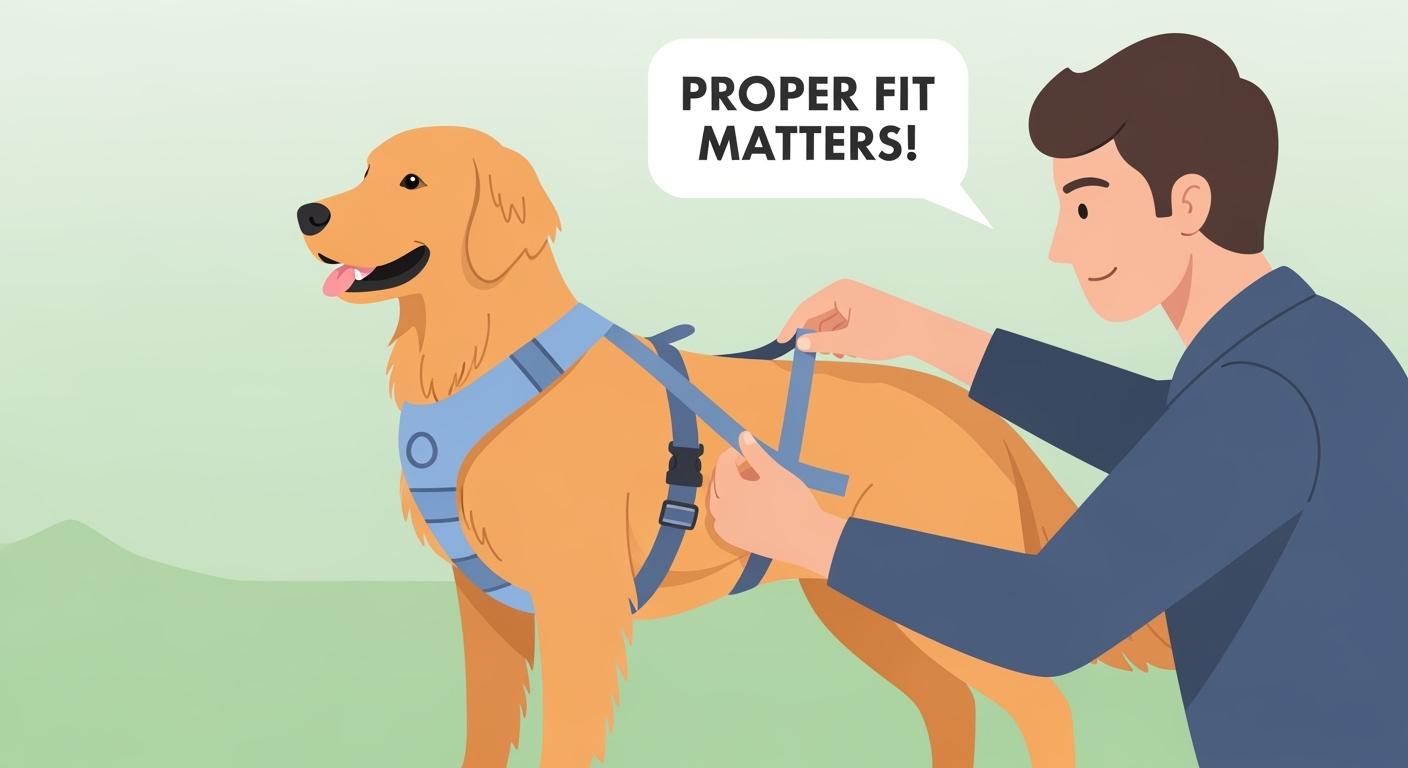
The two-finger rule helps you get a perfect fit every time. You should always use this method when fitting collars.
Place the collar around the dog’s neck.
Slide two fingers between the collar and the neck.
The collar should feel snug but not tight. If you cannot fit two fingers, the collar is too tight. If you can fit more than two fingers, the collar is too loose.
Note: The two-finger rule works for all breeds and sizes. It helps you avoid injuries and keeps dogs comfortable.
Signs of Poor Fit
You must watch for signs that a collar does not fit well. These signs help you prevent accidents and keep dogs safe.
Red marks or hair loss around the neck.
Dogs scratching or pawing at the collar.
Difficulty breathing or coughing.
Collar slips off or rotates around the neck.
Dogs escape from the collar during walks.
If you see any of these signs, adjust the collar or choose a different size. Teaching your staff how to fit your dog for a new collar reduces complaints and builds customer trust.
Fit for Growing Dogs
Adjustable Collars
Puppies and young dogs grow quickly. You need adjustable collars to keep up with their changing size. These collars let you change the fit as the dog grows. You save money and avoid frequent returns.
Choose collars with multiple holes or sliding adjusters.
Check the fit every week for puppies.
Use the two-finger rule each time you adjust the collar.
Collar Feature | Benefit for Growing Dogs |
|---|---|
Multiple holes | Easy to adjust as dog grows |
Sliding adjuster | Quick changes for perfect fit |
Soft material | Gentle on sensitive skin |
Regular Checks
You must check the collar fit often, especially for growing dogs. This keeps dogs safe and helps your business avoid liability.
Inspect the collar during grooming or playtime.
Ask staff to check the fit at drop-off and pick-up.
Record collar size changes in your system.
Tip: Regular checks help you catch problems early. You show customers that you care about their pets and keep your standards high.
Knowing how to fit your dog for a new collar is a key skill for pet businesses. You protect dogs, reduce returns, and build trust with every customer. Standardized measuring and fitting processes help your staff deliver consistent service and keep your business professional.
Materials and Hardware in High-Quality Dog Collars
Picking the right collars for your pet business means looking at what they are made of and how they work. Good choices help keep dogs safe, make cleaning simple, and stop complaints or returns. If you know the good and bad things about each type, you can teach your staff better and help customers trust you.
Collar Materials
Nylon
Nylon collars are used a lot in pet businesses. They are light and do not cost much. You can wash them easily, so your place stays clean. Nylon fits most dogs. But nylon can wear out if used a lot and can soak up water. This means you need to clean them more to stop smells or germs.
Leather
Leather collars look nice and feel soft. Many people like how they look. Leather can last a long time if you take care of it. You have to clean and treat leather often. If you do not, it can crack or break. Leather can also get moldy if it stays wet. You need to check leather collars often, especially if you are busy.
Biothane
Biothane collars are tough and last a long time. They do not crack or break, even if used every day. You can clean biothane with just water. These collars do not get moldy and keep looking good. Biothane is great for dogs that go outside a lot or for busy places. You will spend less time cleaning or buying new collars.
Here is a quick table to compare collar materials:
Material | Durability | Hygiene |
|---|---|---|
Biothane | Very strong, does not crack or break. | Does not get moldy, easy to clean, looks good for a long time. |
Leather | Can crack or break if not cared for. | Needs more care, can get moldy if not cleaned. |
Nylon | Strong but not as tough as biothane, can wear out. | Can soak up water, needs more cleaning to stay fresh. |
Hardware Features
Buckles
Buckles keep collars on dogs. You want buckles that are strong and do not break. Metal buckles last longer than plastic ones. Staff can use them fast, which helps when it is busy.
Quick-Release
Quick-release buckles help staff put collars on or take them off fast. This is good for safety. If a dog gets stuck, you can take the collar off quickly. Quick-release buckles also help you change the fit fast, which is good for puppies or busy groups.
D-Rings
D-rings are strong places to clip leashes or ID tags. A good D-ring keeps dogs safe on walks and helps staff hold dogs well. You should check D-rings to make sure they do not bend or break.
D-rings are strong spots for leashes and tags.
Quick-release buckles help staff change collars fast and safely.
Staff-Friendly Designs
Easy Adjustment
Staff need collars that are easy to change. Adjustable collars save time and fit many dogs. This helps stop mistakes and keeps dogs happy. Collars with sliders or lots of holes work best for busy teams.
Color Coding
Color coding helps staff find the right collar quickly. You can use colors for sizes or special needs. This makes training easier and helps new staff not mix things up.
Here is a table about staff-friendly collar designs:
Collar Type | Key Features | Staff-Friendly Aspects |
|---|---|---|
Nylon | Easy to clean, light, cheap, adjustable | Needs little care, fits many dogs |
Biothane | Waterproof, easy to clean, strong | Great for outside, easy to clean |
Martingale | Gives control, tightens when pulled, does not hurt the dog | Helps with pulling, safer for staff |
Harness | Spreads pressure, safer for dogs with weak necks | Less neck strain, good for dogs that pull |
Tip: Check your collars and hardware every season. This keeps your business safe, running well, and ready for any dog.
Safety Protocols for Dog Collars in Pet Businesses
Effective collar safety in a pet business is a process, not a one-off check. Build routines that include a pre-check when dogs arrive, visual checks during play or boarding, and a final inspection before dogs go home. Combine this with safe leash handling so staff avoid wrapping leads around their hands or grabbing dogs directly by the collar, which research has linked to hand and wrist injuries in humans. Well-designed protocols reduce accidents, product returns, and client complaints while protecting your team.
Regular Checks
Inspection Schedules
You should look at every collar before and after using it. Check for frayed edges, broken buckles, or loose D-rings. Make a weekly plan for deeper checks. Give your team a checklist to use. This helps you find problems early and keeps dogs safe.
Look for damage every week.
Change broken collars right away.
Write down inspection dates in your records.
Cleaning Procedures
Clean collars often so dirt and germs do not build up. Use gentle soap and warm water for nylon or biothane collars. For leather collars, use a special cleaner and conditioner. Dry collars all the way before putting them back on dogs. Clean collars help stop skin problems and show customers you care about cleanliness.
Tip: Give cleaning jobs to certain staff members. This makes sure every collar gets cleaned when it should.
Staff Training
Fitting Techniques
Teach your staff to fit collars with the two-finger rule. Show them how to adjust collars for different breeds and sizes. Practice fitting collars on real dogs during training. Staff should know how to spot bad fits, like red marks or loose collars.
Safety Awareness
Teach your team to look for dangers. Remind them to take off collars during group play or grooming to stop accidents. Staff should know how to use quick-release buckles if there is an emergency. Training often keeps everyone ready to act quickly.
Compliance
ID Tag Requirements
Regulations around collars, ID tags, and licensing are local, not global. Start by confirming the current rules with your municipal authority, veterinary licensing body, or legal counsel. Many jurisdictions require dogs in public spaces or transport to wear a collar with an identification tag, and some also ask for proof of rabies vaccination or a valid licence number.
For most client dogs, a practical ID tag for business use will include:
the dog’s call name;
the owner’s surname;
at least one phone number that can be reached during your opening hours;
your business name or emergency contact line (where allowed);
a note such as “microchipped” if applicable.
Where dog licences are used, record licence numbers, expiry dates, and issuing authorities inside your booking or CRM system instead of relying only on the physical tag. Keep digital copies of paperwork so you can show inspectors or insurers that every dog in your care is properly registered.
Finally, maintain a simple log of collar and tag checks for each dog: when equipment was inspected, adjusted, replaced, or removed and why. Consistent records help you demonstrate due diligence if there is ever an incident or legal claim.
Record-Keeping
Keep good records of all collars, ID tags, and inspection dates. Use a computer system or a notebook. Track which collar goes with each dog and update records after every check or cleaning. Good records help you show you follow the rules and fix problems fast if they happen.
Note: Using the same steps for collars and ID helps your business look good and lowers risks.
Best Dog Collars for Business Scenarios
Boarding Facilities
Safety and Durability
If you run a boarding place, you need tough dog collars. Dogs might play rough or chew on their collars. Pick collars made from strong stuff like biothane or thick nylon. These materials do not tear or break easily. Metal buckles and strong D-rings make collars safer. You want collars that stay on, even if a dog pulls hard.
Check every collar before and after you use it. Look for loose stitches or broken parts. Replace any collar that looks damaged right away. This keeps dogs safe and stops accidents. Strong collars mean fewer returns and complaints from customers. Using the best collars shows clients you care about their pets.
Tip: Use color-coded collars so staff can spot dogs and their needs fast. This makes daily work easier and safer.
Daycare and Playgroups
Quick-Release Collars
Daycare and playgroups are busy places. Dogs play together, and staff must act fast if something goes wrong. Quick-release collars are best for these places. You can open them with one hand. This helps when you need to separate dogs or take off a collar quickly.
Here is a table that shows why quick-release collars are smart for daycare and playgroups:
Feature | Benefit |
|---|---|
Ease of use | You can open with one hand, which helps busy daycare workers. |
Speed of operation | Opens and closes faster than traditional buckles, which is crucial in emergencies. |
Accessibility for hand strength | Needs less hand strength, so it works well for staff with dexterity issues. |
Quick-release collars keep dogs safe and lower the chance of injury. They help your team manage big groups of dogs. Using the best collars for daycare makes things safer and builds trust with clients.
Grooming and Training
Removable Collars
Grooming means you take collars off and put them back on a lot. Removable collars with quick-release buckles save time and stress. These collars stop fur from getting tangled or dogs from feeling uncomfortable. Always check the collar fits well after grooming.
Training-Friendly Designs
Dog training needs collars that are safe and easy to change. Pick collars with smooth edges and soft padding. These features stop skin problems and make training better. Martingale collars are good for dogs that pull or slip out. They tighten gently but do not choke the dog.
Train your staff to use these collars the right way. Good training stops accidents and keeps your business looking professional. Picking the best collars for training helps animal welfare and lowers risks.
Note: Use the same collar types and fitting steps every time. This helps your team work well and keeps dogs safe in all situations.
Quick-Reference Lists
Breed Recommendations
Picking the right dog collars for each breed keeps pets safe. It also makes customers happy. Staff can use this table to match collars to common breeds. This helps them choose the best collar and explain choices to clients.
Breed Type | Recommended Collar Type | Why It Works |
|---|---|---|
Labrador Retriever | Flat or Biothane Collar | Durable, easy to clean, secure fit |
Greyhound | Martingale Collar | Prevents slipping, gentle control |
Pug | Harness | Protects airway, avoids neck strain |
German Shepherd | Leather or Biothane Collar | Strong, handles pulling |
Chihuahua | Soft Nylon Collar or Harness | Lightweight, gentle on neck |
Bulldog | Harness | Supports chest, avoids choking |
Golden Retriever | Flat Collar | Everyday use, holds ID tags |
Tip: Always check how collars fit each breed. Some breeds need special care. Staff should adjust collars when needed.
Material Matrix
You need to know which collar materials work best for your business. This table helps you compare the main types of collars. Use it to help you buy collars and explain choices to customers.
Material | Best For | Key Benefits | Drawbacks |
|---|---|---|---|
Nylon | Daycare, small breeds | Light, easy to clean | Wears out, absorbs odor |
Leather | Training, large breeds | Strong, classic look | Needs care, can crack |
Biothane | Boarding, active dogs | Waterproof, durable | Fewer color choices |
Fabric | Puppies, seniors | Soft, gentle on skin | Less durable, stains |
You can lower returns by picking high-quality dog collars. Match collars to what your clients need. Focus on safety and durability. Listen to what customers say about collars. Do not stock collars that do not fit pets or their lifestyles. Always give clear tips about collar care and features. This helps customers choose better and keeps your business running well.
Note: Using quick-reference lists helps staff give the same advice every time. This builds trust and lowers mistakes.
Picking the best dog collar for each dog helps keep dogs safe. It also helps customers trust your business. Make sure the collar matches the dog’s breed, size, and how it acts. Always use the two-finger rule when you put on a collar. Put the collar high up on the dog’s neck. Check collars often to see if they are broken or do not fit well. Add ID tags so you can find dogs quickly. Teach your staff to use collars that are kind to dogs. Go over your safety steps with your team often. Using gentle training keeps dogs safe and helps your business. Look at your collar choices to stop returns and keep pets safe.
FAQ
What is the Two-Finger Rule for dog collars?
You put two fingers between the collar and the dog’s neck. This helps you see if the collar fits just right. It should not be too tight or too loose. This stops choking and keeps the collar from slipping off. Staff should always use this rule when fitting collars.
How often should you inspect dog collars in your business?
Check collars before and after each time you use them. Do a deep check every week to find damage or dirt. Looking at collars often helps stop accidents. It also makes customers trust your business more.
Which collar type works best for escape-prone breeds?
Martingale collars are best for dogs that slip out of collars. These collars get tighter if the dog pulls, but do not hurt the dog. This keeps dogs like greyhounds safe on walks and when playing.
How do you reduce returns and complaints about collars?
Teach your staff how to measure and fit collars the right way. Give clear size charts and product details to customers. Check collar fit often and tell customers how to use collars safely.
What materials offer the best durability for busy pet businesses?
Biothane and thick nylon are the strongest materials for collars. They do not wear out fast and can handle water and smells. Using these means you do not have to buy new collars as often.
Why should you avoid prong and shock collars in your store?
Do not use prong or shock collars because they can hurt dogs. Some places do not allow these collars. Using safe collars helps dogs and keeps your business out of trouble.
How do you ensure staff fit collars correctly every time?
Train your staff with hands-on lessons and easy-to-read guides. Use the same steps each time, like the Two-Finger Rule. Watch staff work and answer their questions to help them get better.
What information must dog ID tags include for compliance?
In many regions, the law requires that a dog’s ID tag shows at least the owner’s name and physical address. Some areas also expect a phone number, licence details, or rabies vaccination information. Because rules vary by country, state, and city, always confirm the exact wording with your local authority before ordering tags in bulk.
From a business-operations view, the most useful tags combine legal requirements with fast contact options. At minimum, include the owner’s surname, one or two phone numbers, and—where permitted—your business name or emergency number. Keep sensitive information, such as full addresses or licence paperwork, in your internal system rather than printing everything on the tag.