Dog Training Leash: What Length Works Best for Loose-Leash Walking Outside

Dog Training Leash: What Length Works Best for Loose-Leash Walking Outside

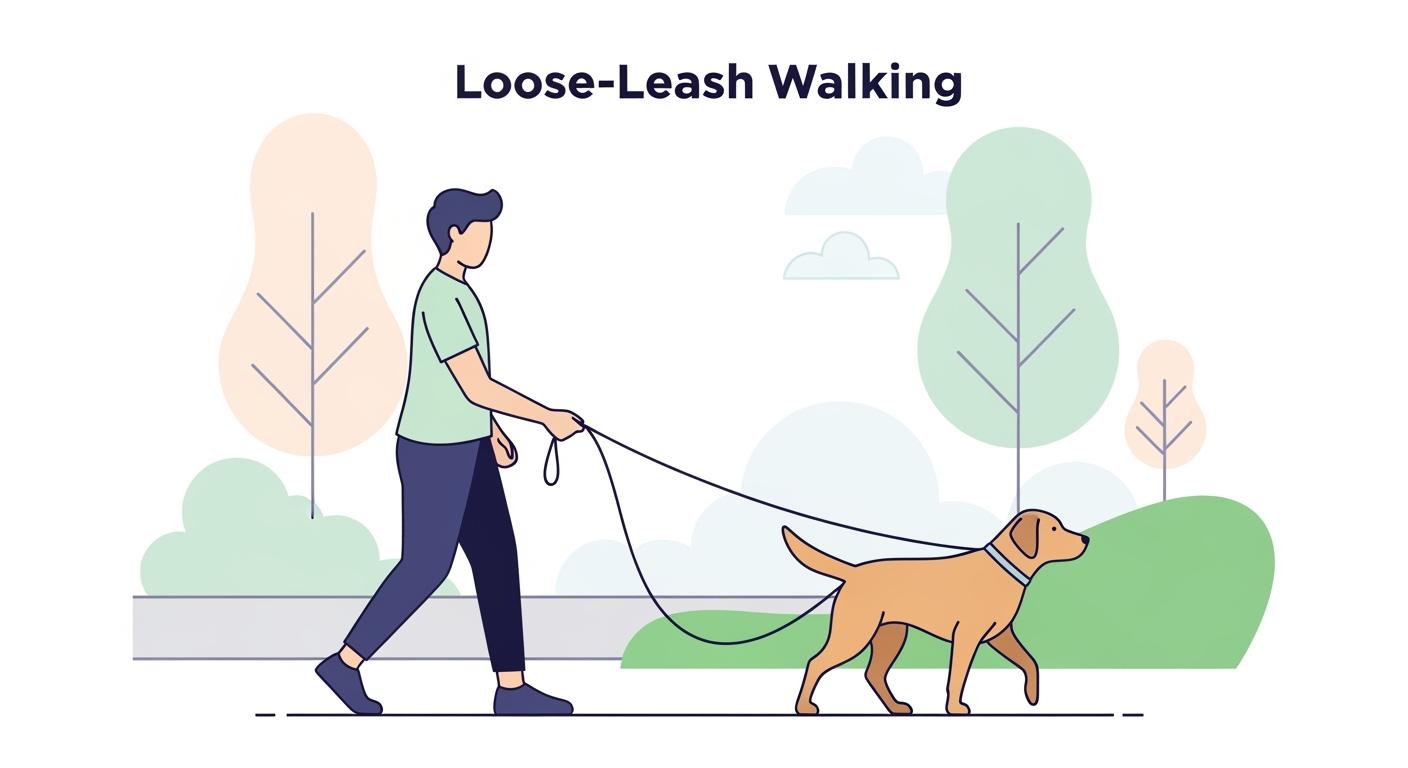
For loose-leash walking outdoors, the goal is simple: teach your dog to walk with slack-not constant tension. A standard 4-6 foot leash gives you enough control to guide position in busy areas while still allowing safe sniff time. Choosing the right dog training leash makes training clearer, reduces pulling, and keeps both of you safer around distractions.

Key Takeaways

  • Use a leash length of 4 to 6 feet for most outdoor walks. This length balances control and freedom for your dog.
  • Avoid retractable leashes in crowded areas. They can lead to injuries and make it hard to control your dog.
  • Match leash length to your environment. Shorter leashes work best in busy areas, while longer leashes are suitable for open spaces.
  • Practice loose-leash walking with rewards. Use treats and praise to encourage your dog to walk calmly beside you.
  • Check your leash for fit and safety. Ensure it is durable, comfortable, and appropriate for your dog’s size and behavior.

Best Dog Training Leash Length for Outdoors

Quick Answer: 4-6 Feet for Most Dogs

You want a leash that gives you control and keeps your dog safe. The best length for most outdoor walks is between 4 and 6 feet. This range lets you guide your dog while still giving them room to sniff and explore. A 6-foot leash is ideal because it balances safety and freedom. Many local rules also require leashes not to exceed six feet in public spaces. You can check the Quick Reference Card for these standards.

A standard dog training leash in this range helps you prevent accidents and keeps your dog from running into traffic. It also makes it easier to reinforce good walking habits. You can use this length for most dogs, whether you are in a busy area or a quiet neighborhood.

Tip: Use a 6-foot leash in crowded places for extra control. Use a 4-foot leash if you need your dog close by.

How Leash Length Affects Training

The length of your leash changes how you train your dog. A leash that is too short can make your dog feel trapped. A leash that is too long can give your dog too much freedom before they learn to walk on a leash. The right length helps you teach your dog to keep slack in the leash. This means your dog learns to stay close without pulling.

A standard-length leash supports safety, control, and training. You can stop and turn smoothly. Your dog can check in with you and return to position without being pulled. You can also add structured sniff breaks without creating pulling habits.

Here are some benefits of using a standard-length leash for outdoor training:

BenefitDescription
SafetyPrevents accidents and stops pets from running into traffic.
ControlProvides owners with control while allowing dogs to explore safely.
Training ReinforcementHelps reinforce obedience and proper walking manners through consistent use.
Ideal LengthStandard leashes (4-6 feet) are perfect for everyday use with all dogs.

If you use the wrong leash length, you may face these risks:

Risk TypeDescription
Leash BurnInjuries from the fast-moving cord can cause burns.
Finger AmputationsHandlers may lose grip, leading to severe injuries.
Trauma from LungingDogs can lunge unexpectedly, causing severe trauma.
Cord SnappingThin cords can snap under sudden force, especially with strong dogs.
Behavioral IssuesDogs learn to pull on retractable leashes, undermining training efforts.

Why Avoid Retractable and Long Lines in Crowded Areas

You should avoid retractable leashes and long lines in busy places. These leashes can cause injuries and make it hard to control your dog. Experts and veterinarians warn about these risks:

  • Retractable leashes can lead to serious injuries, especially with cord leashes, in crowded areas.
  • Tape leashes reduce friction burns but still require caution in busy environments.
  • Trainers and veterinarians advise against retractable leashes for larger dogs or in crowded settings due to control and entanglement concerns.

Long lines can tangle around people or objects. They also make it harder to stop your dog quickly. You should only use long lines (10 feet or more) in safe, open spaces where you can prevent your dog from running at full speed to the end.

A standard dog training leash gives you the best mix of safety and control for outdoor walks. You can focus on training your dog and enjoy your time together.

Choosing Leash Length by Environment

Choosing Leash Length by Environment

Focused Training vs Explore Time

You need to match leash length to your environment and your dog’s behavior. In busy urban areas, a shorter leash (4-6 feet) gives you better control near traffic and crowds. In parks or open spaces, you can use a longer leash (10 feet or more) for recall training and safe exploration. If your dog pulls or lunges, a moderate-length leash helps you redirect and teach them to walk on a leash without tension.

Tip: Adjust leash length based on your surroundings and your dog’s needs. Short leashes work best for focused training. Long lines suit open, safe areas.

Switching Modes Without Pulling

Switching between training and explore time helps your dog learn when to stay close and when to sniff. Use a standard leash for regular walks. Add a traffic handle for instant control in tight spots. Adjustable leashes let you change length quickly, so you do not need to swap gear. This keeps your dog from pulling when you switch modes.

Common challenges include pulling, barking, lunging, and jumping. You can reduce these by choosing the right leash and teaching your dog clear rules.

Leash Type Comparison

Here is a quick comparison of leash types:

OptionBest forProsConsNotes
Standard Flat LeashEveryday walks, trainingGood control, easy to useModerate wrist strain4-6 ft ideal for most dogs
Traffic Handle LeashCrowded or high-traffic areasExcellent close control, safeLimited freedom for the dog1-2 ft, use for busy crossings
Adjustable LeashSwitching modes, flexibilityVersatile, quick length changesMay have more hardware to manageUseful for training your dog
Long Line LeashOpen space, recall trainingGreat for distance work, exploringTripping risk, less control in crowdsUse only in safe, open environments

Sourcing and Listing Checklist

When you source a dog training leash, check these items:

  1. Labeling: Clear length and use instructions.
  2. Durability: Strong materials and stitching.
  3. Safety: Secure hardware, no sharp edges.
  4. Comfort: Padded handles, easy grip.
  5. Reflectivity: Visible in low light.
  6. Cleaning: Easy to wash and dry.
  7. Instructions: Include care and training tips.
  8. Replacement: Clear policy for wear and tear.
  9. Warranty: Reasonable coverage for defects.
  10. Claim-risk checks: Review for common issues.

You can select the best leash by considering your environment, your dog’s behavior, and the features above. This helps you make safe, informed choices for every walk.

Loose-Leash Walking Lesson Plan

Setup and Rewards

Start your loose-leash walking lesson in a quiet area with few distractions. Use a standard dog training leash between 4 and 6 feet. Bring small, high-value treats to reward your dog for good behavior. Mark and reward every time your dog checks in with you or keeps the leash slack. You can also use gentle praise or a favorite toy. Try the U-turn method: change direction and reward your dog when they catch up. This keeps your dog focused and helps them learn to walk on a leash without pulling.

Tip: Plan short sniff breaks as rewards. Let your dog explore for a few seconds when they walk nicely beside you.

Handling Techniques for Slack

Hold the leash with both hands for better control. Keep your arms relaxed and your leash hand close to your body. If the leash gets tight, stop walking. Wait for your dog to return to your side or look at you. Reward them when the leash becomes slack again. Practice the “watch me” command to build attention. Use a gentle tactile signal if your dog gets distracted. Teach your dog to stop and wait when you pause. This helps your dog understand that walking continues only when the leash stays loose.

Proofing with Distractions

Gradually increase distractions as your dog improves. Move to busier sidewalks, parks, or areas with joggers and cyclists. Use the engage-disengage game: reward your dog for checking in after noticing a distraction. Arrange controlled meetups with calm dogs to build social skills. Practice recall with a long line in safe, open spaces. Always reward your dog for staying focused and responding to commands. This step strengthens loose-leash training in real-world situations.

Common Mistakes

Many handlers face similar challenges during training your dog. Here are common mistakes and how to fix them:

MistakeSolution
Pulling on the leashStop moving and wait for slack before walking
Inconsistent rewardsAlways reward slack leash and check-ins
Ignoring distractionsPractice in new places with more distractions
Skipping sniff breaksAdd planned sniff breaks to prevent frustration
Using the wrong leash lengthStick to 4-6 feet for most outdoor training

Stay patient and consistent. You will see progress as your dog learns to walk with a loose leash.

Fit, Not a Fit, and Next Steps

Fit Checklist by Scenario

You want to make sure your leash works for safe loose-leash walking. Use this checklist to see if your leash length and type are right for you:

ScenarioFit Criteria
Busy sidewalksLeash stays loose, dog walks calmly, handler can stop or turn easily
Open parksDog checks in often, leash hardware lets you control quickly
Training with distractionsDog comes back without pulling, leash allows planned sniff time
Hardware and comfortHandles feel safe, leash does not tangle or wear out fast

If you keep the leash loose, stay in control, and help your dog walk nicely in these places, your leash setup is a good fit.

Not a Fit Checklist

Sometimes your leash may not work well. Watch for these signs:

  • Dog pulls hard or hits the end of the leash
  • Leash gets tangled around people or things
  • Handler cannot control the dog in busy places
  • Hardware feels unsafe or hurts your hand

If you see these problems, your leash may not be right for you.

Alternatives and Adjustments

You have choices if your leash does not work. Try these options:

Leash TypeFeatures and Benefits
Adjustable leashChanges from short to long for different places
Leash with traffic handleGives quick control in crowded or risky spots
Long line (10+ ft)Lets your dog explore safely in open areas, not for crowds
Durable coated leashStands up to chewing, water, and lots of use

Switching to an adjustable leash or adding a traffic handle can help in different places. Use a long line only in safe, open spots where you can stop your dog from running fast.

Note: Most problems come from unclear leash length, handles that hurt, or promises that are not true. Always read the product details and instructions before you buy.

🐾 Tip: Pick a leash that fits your dog’s size, where you walk, and your training goals. This helps you build safe habits every time you walk.

Next Steps for Buyers

Check your leash with the fit checklist. If you see any “Not a Fit” signs, try one of the other leash types above. Look at product details for clear length, strong parts, and comfort. Teach your dog to walk with a loose leash and give rewards for good walking. This way, you can have safe and happy walks together.

You get the best results with a 4-6 foot leash for outdoor loose-leash walking. This length supports safety and helps your dog learn good habits. Matching leash type and length to your environment improves both safety and training. Here’s why the right leash length matters:

Key PointDescription
Proper fit enhances safetyA well-chosen leash length is safer and more effective.
Fit prevents injuryThe right length helps prevent frustration, tangles, and sudden jerks during walks.
Fit is crucial for safetyA leash setup that matches your environment lowers the chance of injury.

To start strong, follow these steps:

  1. Introduce the leash and harness to your dog.
  2. Practice walking together indoors with treats.
  3. Pick a side for your dog and reward them for staying close.
  4. Begin short outdoor walks, rewarding calm walking.

Try the recommended leash, use the lesson plan, and reach out for more guidance.

FAQ

How do I measure leash length for training?

You measure leash length from the end of the clip to the end of the handle. Standard training leashes usually range from 4 to 6 feet. Always check the product label for exact measurements before you buy.

Can I use a long line for daily walks?

You should not use a long line for daily walks in busy areas. Long lines work best in open, safe spaces. They can cause tangles or loss of control in crowded places.

What is a traffic handle, and when should I use it?

A traffic handle is a short, extra loop near the leash clip. You use it for quick, close control in crowded or high-traffic spots. It helps you keep your dog safe during sudden stops.

How do I switch between training and explore time?

You can use an adjustable leash or a leash with multiple handles. Shorten the leash for training. Lengthen it for controlled sniff breaks. This helps your dog learn when to stay close and when to explore.

What features should I look for in a training leash?

FeatureWhy It Matters
Clear labelingEnsures correct length
Strong hardwareImproves safety and control
Comfortable gripReduces hand fatigue

🐶 Tip: Choose a leash that matches your walking environment and training goals.

Get A Free Quote Now !

Table of Contents

Blog

Canine Pulling Harness How to Spot Wear Before a Hard Pull Turns Risky

Spot wear on your canine pulling harness by checking stitching and hardware before each hard pull to ensure durability and keep your dog safe.

Puppy Collars Custom: How to Check Tightness and Prevent Slipping Safely

Puppy collars custom should fit snugly with two fingers under the collar. Use the slip test to prevent loss and keep your puppy safe and comfortable.

Dog Running Leash: How to Select Hands-free or Standard Based on Real Pulling Patterns

Choose the right dog running leash by matching hands-free or standard setups to your dog's pulling and walking style for safety and control.

Dog Carry Bike Risk Checklist: Body Language Warnings and When to Stop Immediately

Spot stress or danger in your dog during dog carry bike rides. Learn body language warnings and when to stop for your dog's safety on hikes or rainy walks.

Which Waterproof Dog Bed Stays Dry on Wet Ground?

A waterproof dog bed with sealed seams, strong base, and high hydrostatic head value keeps your dog dry on wet ground during outdoor use.

Dog Leashes: How to Spot Wear Before a Leash Fails on a Walk

Check dog leashes for fraying, weak stitching, and hardware issues before walks. Spot stress points early to prevent leash failure and keep your dog safe.
Scroll to Top

If You Have Any Questions, Please Do Not Hesitate To Contatct With Us.

Get A Free Quote Now !

Welsh corgi wearing a dog harness on a walk outdoors