
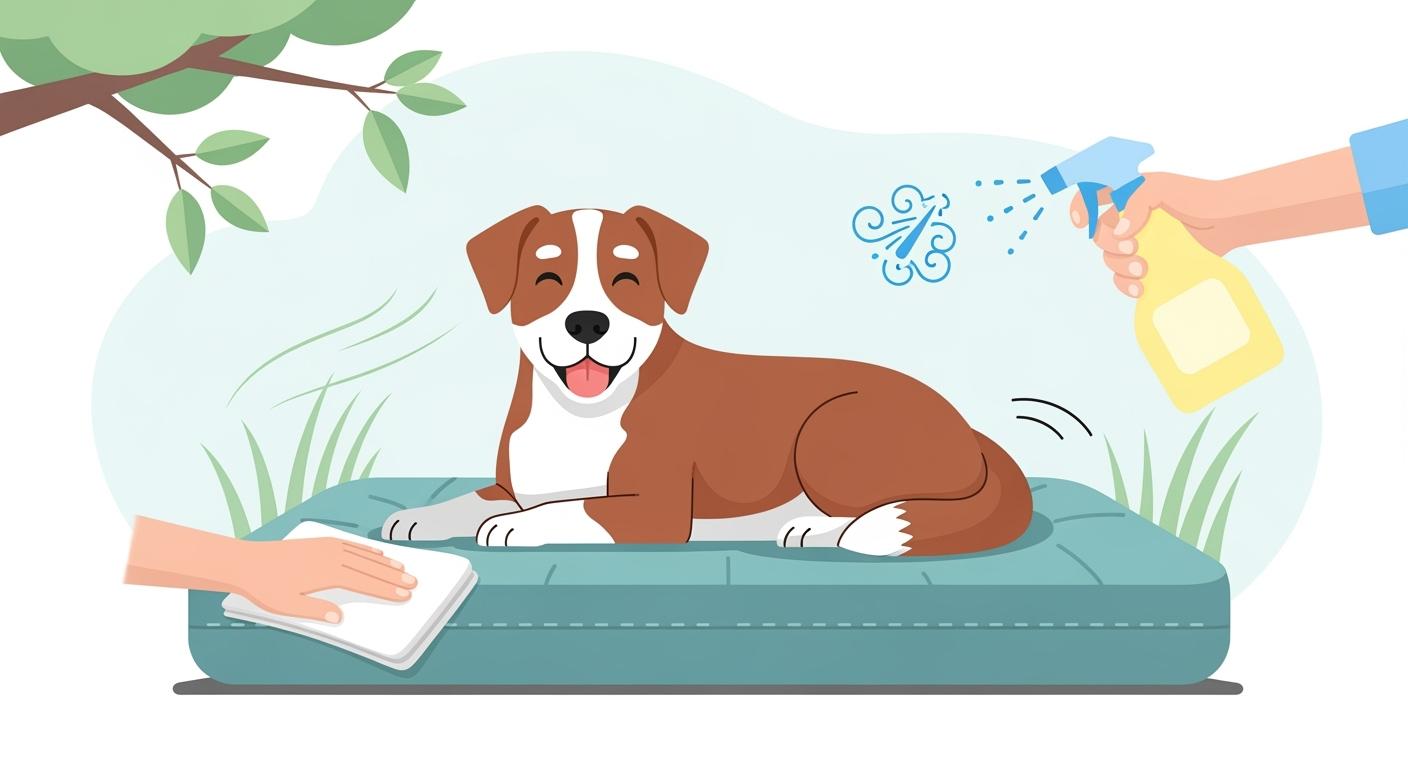
Outdoor dog bed fabrics such as solution-dyed outdoor textiles, coated synthetics, and treated canvas are easy to clean. They do not let stains stick and stop water from getting inside. You should pick these because they keep your pet comfy. They also help stop dog odor and make cleaning simple after being outside. Many people have trouble with bad smells, hard stains, and cleaning when picking a bed for outside.
Key Takeaways
Pick solution-dyed outdoor textiles for simple cleaning and bright colors. These fabrics fight stains and odors, so your pet’s bed stays fresh.
Choose beds with covers you can remove. Removable covers make washing easy. You can find hidden messes before they smell bad.
Use enzyme cleaners for hard stains like urine and drool. These cleaners break down organic stuff and remove odors well.
Clean your dog’s bed often, about once a week. Regular cleaning stops odors and helps the fabric last longer.
Always look at care labels before you clean. If you follow the instructions, you keep the bed nice and avoid damage.
Outdoor Dog Bed Odor and Stain Sources
Featured Answer:
The best fabrics for fast cleaning and odor control in outdoor dog beds are solution-dyed outdoor textiles, coated synthetic shells, and treated canvas. These materials resist stains, block moisture, and allow for easy odor removal with routine cleaning.
Common Causes of Odor in Outdoor Dog Beds
When your dog comes inside, the bed can start to smell. Mud, drool, and urine are the main reasons. These things can get into the fabric or padding. When they dry, they leave stuff behind that smells bad. If you do not clean it soon, the smell can get worse and harder to fix.
Dried urine is usually the hardest stain to fully remove. It sinks deep, can crystallize as it dries, and releases a sharp ammonia scent whenever warmth or humidity rise. Because that odor lives below the surface, it often requires enzyme-based cleaners, long ‘soak’ times, and sometimes professional extraction to stop both the smell and the repeat accidents.
Why Waterproof Beds Can Still Smell
Waterproof beds stop water from getting inside, but smells can stay. If the cover holds in wetness or mess, bacteria and mold can grow. This makes the bed smell even if it looks clean. You need a fabric that dries fast and keeps water out to help stop this.
Stain Types: Mud, Drool, Urine, and More
Mud and dirt can stick to the top and stain if not cleaned. Drool and saliva have protein and mix with food bits. These can make the fabric turn yellow and leave tough stains.
Pet saliva and drool come next. They are protein-based and often mixed with tiny food particles, so they cling to fibers and can yellow collars and cushion edges over time. Saliva stains are stubborn enough that many pet-focused upholstery guides group mud, dirt, and saliva together as stains that can turn permanent if you wait too long to treat them.
Urine is the hardest to clean. It can go deep and make strong smells. Clean up all these messes fast for best results.
Quick Symptom-to-Cause Guide
Symptom | Likely Cause | Cleaning Priority |
|---|---|---|
Sharp ammonia smell | Dried urine | Enzyme cleaner, soak |
Musty or mildew odor | Trapped moisture | Deep clean, dry fully |
Yellowed edges | Drool, saliva | Soap, rinse, repeat |
Mud stains | Outdoor dirt | Soap, scrub, rinse |
Best Fabrics for Odor and Stain Control
Pick solution-dyed outdoor textiles for easy cleaning and bright color. Coated synthetic shells keep water out and make smells easy to remove. Treated canvas is strong and stops most stains. Always choose covers you can take off and wash, and check the care label.
For pet owners:
Wash covers often and let them dry in the sun to keep smells away.
For pet owners:
Use enzyme cleaners for urine and drool stains. Follow the label for best results.
B2B takeaway:
Choosing fast-clean, odor-resistant fabrics means fewer returns and complaints, and helps you give clear care tips.
Choosing Fast-Clean Fabrics and Constructions
Fast-Clean Outdoor Upholstery Fabrics
You want a fabric that stands up to weather, dirt, and repeated cleaning. Solution-dyed outdoor textiles work well for this. These fabrics resist fading and stains. They keep their color even after many washes. You can clean them with soap and water. They dry quickly, so you do not have to wait long before your dog uses the bed again. Marine-grade vinyl and ripstop nylon also offer strong protection. They do not tear easily and block water from soaking in.
For pet owners:
If you see a stain, clean it right away. This stops it from setting and keeps the cover looking new.
Coated Synthetic Shells and Moisture Barriers
A coated synthetic shell adds another layer of defense. This shell uses a tight weave and a special coating. It blocks water and dirt from reaching the inside. Moisture barriers help air flow but stop puddles from forming under the bed. This keeps the sleeping area dry and fresh. You can wipe these shells clean with a damp cloth. They do not hold onto odors. Many outdoor dog bed makers use these shells to reduce cleaning time and odor complaints.
Removable Covers and Return-Risk Reducers
A removable cover makes cleaning much easier. You can take it off, wash it, and put it back on. This helps you reach every part of the bed. It also means you can clean up after accidents or spills fast. Look for beds with a removable cover system. Make sure the care label is clear. This reduces the risk of returns because buyers know how to care for the product. Removable covers also help you spot hidden messes before they cause odors.
For pet owners:
Wash the removable cover often. Let it dry fully before putting it back on the bed.
Evaluating Durability, Washability, and Odor Resistance
You need a bed that lasts through sun, rain, and many washes. Weather-resistant fabrics like solution-dyed polyester and marine-grade vinyl resist fading and tearing. They do not soak up water. A waterproof yet breathable base keeps the bed dry but lets air move through. This stops heat from building up. High-density foam inside supports your pet and does not flatten over time. Removable, washable covers make deep cleaning simple. UV inhibitors protect the bed from sun damage. These features help you avoid odor buildup and keep the bed looking new.
Stain-Resistant Treatments: What Works
Some covers use stain-resistant treatments. These treatments help block mud, drool, and food from sticking. You can wipe off most messes with a damp cloth. For tougher stains, use mild soap and rinse well. Always check if the cover can handle bleach or strong cleaners. Some treatments wear off after many washes. Choose a cover that lists care instructions clearly. This helps you avoid damage and keeps the bed safe for your dog.
Decision Matrix: Fabric Comparison for Cleaning and Odor Control
Here is a quick guide to help you compare fabric options for your outdoor dog bed:
Fabric Type | Cleaning Ease | Odor Resistance | Durability | Washability | Removable Cover Compatible |
|---|---|---|---|---|---|
Solution-dyed Outdoor Textiles | High | High | High | High | Yes |
Coated Synthetic Shells | Very High | Very High | High | Medium | Yes |
Treated Canvas | Medium | Medium | High | High | Yes |
Untreated Cotton | Low | Low | Low | High | Yes |
Marine-grade Vinyl | Very High | High | Very High | Medium | Yes |
Comparison Table: Fabric Performance vs. Common Messes
This table shows how each fabric handles the most common messes:
Fabric Type | Mud Stains | Drool Stains | Urine Odor | Quick Dry | Deep Clean Safe |
|---|---|---|---|---|---|
Solution-dyed Outdoor Textiles | Excellent | Excellent | Excellent | Yes | Yes |
Coated Synthetic Shells | Excellent | Excellent | Excellent | Yes | Yes |
Treated Canvas | Good | Good | Good | Yes | Yes |
Untreated Cotton | Poor | Poor | Poor | No | Yes |
Marine-grade Vinyl | Excellent | Good | Excellent | Yes | Yes |
Objection Handling: What Would Change My Mind?
You may worry about price, durability, or how often you need to wash the cover. Some buyers think stain-resistant fabrics cost too much. Others doubt if the removable cover will last. You might wonder if odors will come back or if the bed will fit your space. Some worry about chemical claims or switching brands.
If you see a cover that resists stains and lasts through many washes, the higher price often pays off in fewer returns.
If you find a removable cover that does not pill or crack, you will spend less time on cleaning and more time with your pet.
If you follow the care label and use the right cleaning workflow, odors should not return.
If you check the size and fit before buying, you can avoid most return risks.
If you need proof of safety or compliance, ask for a spec sheet or test results.
Step-by-Step Cleaning Workflow
Identify the mess type and pick the right cleaning method.
Remove solids and rinse the cover in one direction to avoid spreading the stain.
Clean using soap, enzyme cleaner, or bleach as needed for the mess type.
Disinfect only for high-risk messes, following the bleach baseline from the Quick Reference Card.
Rinse and dry the cover fully before letting your dog use the bed again.
For pet owners:
Always spot-test cleaners on a small area of the cover first.
B2B takeaway:
Choosing the right fabric and removable cover system reduces returns, lowers odor complaints, and helps you meet customer care expectations.
How to Clean a Dog Bed: Step-by-Step Workflow
Cleaning vs Disinfecting: What to Do First
Start by removing loose dirt and fur from your outdoor dog bed. Always clean before you disinfect. Cleaning removes soil, stains, and bacteria. Use soap or detergent and water to clean a dog bed. Only disinfect after you finish cleaning, especially if you see high-risk messes. Disinfecting targets bacteria and viruses but does not work well if dirt remains.
For pet owners:
Always check the care label before you clean a dog bed or use any stain and odor remover.
Routine Cleaning for Mud and Drool
You can keep your bed hygienic by following a simple routine. Vacuum the surface to remove fur and dust. Shake the bed outside to get rid of loose debris. Use a washable cover to make cleaning pet beds easier. Spot clean fresh stains with mild soap and water. Dry the area fully to prevent bacteria buildup.
Regular vacuuming controls visible mess.
Shaking and airing out reduce mild odors.
Spot cleaning helps with fresh stains.
Washable covers protect the bed and simplify cleaning.
Disinfecting After High-Risk Messes
If your dog has an accident, you need to disinfect after cleaning. Use a bleach solution or an EPA-registered disinfectant. Always follow the label and spot-test first. Rinse the bed well and let it dry before your pet uses it again. Never mix bleach with vinegar or other cleaners.
Drying and Storage to Prevent Mildew
Dry your bed completely to prevent odors and bacteria. Use a shammy towel to absorb water. Air dry for at least four hours after every five uses. Store the bed in a ventilated area or a breathable bag. Roll, do not fold, to keep fibers aligned and avoid creasing.
Mistakes to Avoid When Cleaning Pet Beds
Do not skip cleaning before disinfecting.
Never use fabric softener, as it reduces absorption.
Avoid leaving the bed damp, which can cause bacteria and mildew.
Do not use vinegar and bleach together.
Always let the bed dry fully before storage.
B2B takeaway:
A clear cleaning workflow reduces odor complaints, supports durability claims, and lowers return risk.
Fit vs Not a Fit: Making the Right Choice
Fit Checklist for Outdoor Dog Beds
Use this checklist to see if an outdoor dog bed matches your needs:
You can choose a fabric or construction that resists water and does not trap moisture.
The cover removes easily and has a clear care label.
The material supports your cleaning and disinfection plan.
The design helps reduce odor complaints and lowers return risk.
The bed fits your space and matches your dog’s size and habits.
You can verify the material type and assembly steps before buying.
The seller offers a clear return policy and proof for claims.
For pet owners:
Measure your space and your dog before you buy. This helps you avoid sizing mistakes.
Not a Fit Checklist: Red Flags
Watch for these warning signs before you buy:
The bed traps moisture or has a non-removable cover.
The fabric pills, absorbs grease, or holds stains after cleaning.
The coating cracks or peels after washing.
The product description is vague or lacks reviews.
The price seems too low for the features offered.
For pet owners:
Avoid beds that feel damp or have a strong chemical smell out of the box.
Alternatives for Challenging Use Cases
If your situation is tough-like high humidity, heavy soiling, or a drool-prone dog-consider these options:
Feature | Benefit |
|---|---|
Fully machine-washable | Makes cleaning easy in wet or dirty environments. |
Removable covers | Lets you wash covers often to control odor and stains. |
Durable synthetic fabrics | Resists moisture and wear, perfect for outdoor use. |
Water-resistant liners | Keeps the inside dry and extends the life of the bed. |
Non-toxic fillings | Keeps your dog safe and comfortable. |
Zip-off cover | Helps you clean up after accidents or drool quickly. |
Size matches resting style | Supports dogs with joint issues or special needs. |
FAQ: Cleaning Pet Beds and Odor Control
Question | Answer |
|---|---|
How fast should I clean spills? | Clean spills right away to stop bacteria and odor. |
What water temperature is best? | Use cool water for protein stains to avoid setting them. |
How do I remove strong odors? | Use baking soda or enzyme cleaners to break down odor-causing bacteria. |
How long should I dry the bed? | Dry with active airflow and never cover a damp bed. |
How do I prevent future stains? | Use a waterproof liner to block spills from reaching the filling. |
Next Steps for Buyers and Pet Owners
Request a sample or spec sheet before you decide.
Review the Quick Reference Card for cleaning and care rules.
Contact the supplier for details on return policy and material specs.
Upgrade your outdoor dog bed system if you see repeated odor or cleaning issues.
B2B takeaway:
Using a fit checklist and clear alternatives reduces returns, supports durability claims, and helps you meet customer expectations.
Choosing the right outdoor dog bed means you get a tough fabric, strong seams, and a removable cover that dries fast. You keep odors away and make cleaning simple when you use decision tools and checklists. Look for beds with waterproof bottoms and easy-to-wash covers. Regular washing and drying help prevent mildew. Request a sample, review care labels, or upgrade your system for better results.
FAQ
How often should you clean an outdoor dog bed?
You should clean the bed every week or after any visible mess. Regular cleaning keeps odors away and helps the fabric last longer. Always follow the care label for best results.
What is the best way to remove strong odors?
Use an enzyme cleaner for organic smells. Let it soak as the label suggests. Rinse well and dry the bed fully. This method works for most outdoor fabrics.
Can you use bleach on all outdoor dog beds?
Not all covers are bleach-safe. Always check the care label first. If bleach is not safe, use an EPA-registered disinfectant. Spot-test any cleaner before full use.
How do you dry a bed quickly after washing?
Air dry the bed in a sunny, breezy spot. Use a towel to remove extra water. Make sure the bed is fully dry before letting your dog use it again.
For pet owners:
Store the bed in a dry place to stop mildew and keep your dog comfortable.
B2B takeaway:
Clear care instructions and easy-clean fabrics reduce returns and support your product claims.






