Dog Carrier Cycling: What to Check Before You Buy and Before Every Ride

Dog Carrier Cycling: What to Check Before You Buy and Before Every Ride

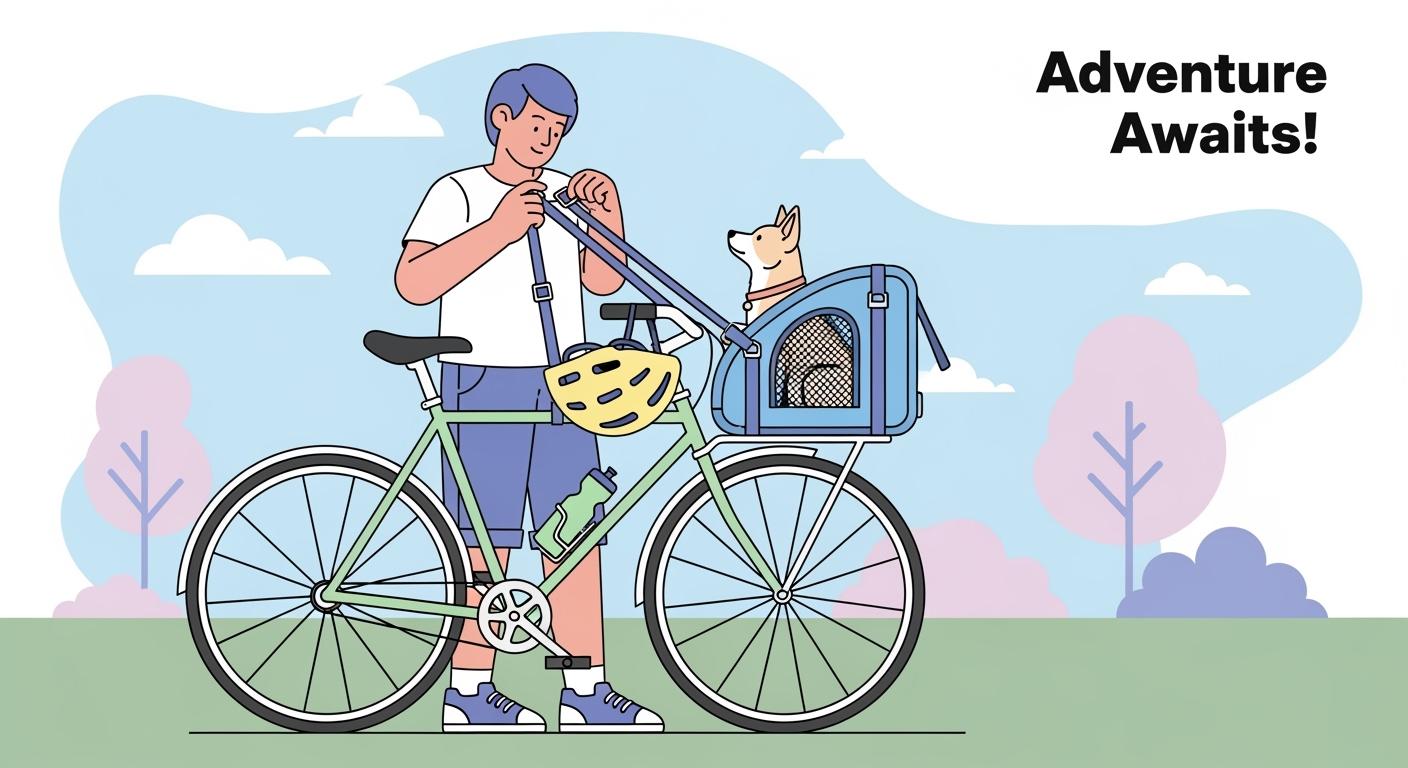
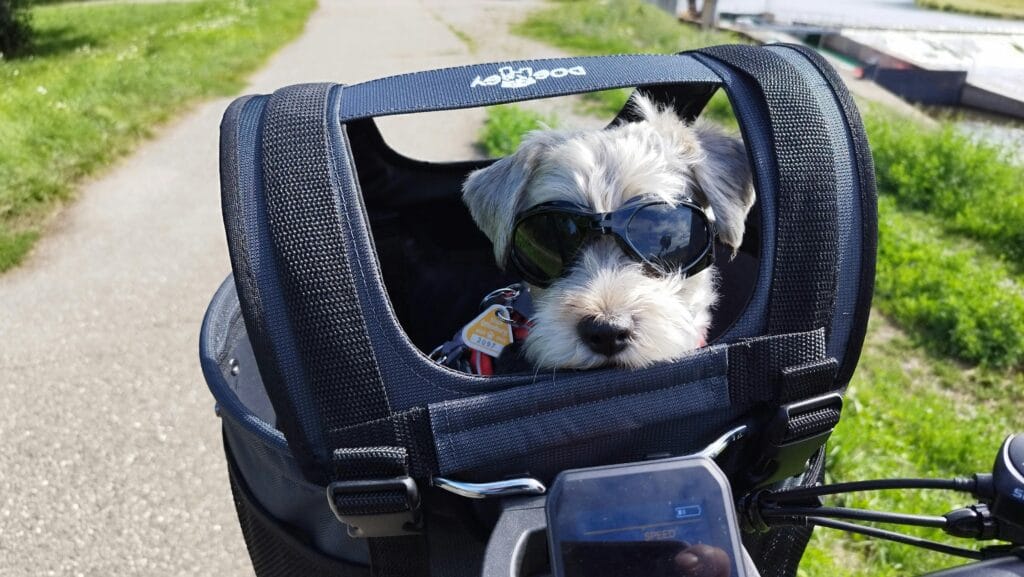
Dog carrier cycling is fun and helps you bond with your dog, but safety and stability are most important for both of you. Many people buy the wrong dog bike carrier because they pick what looks nice or is easy to use, instead of choosing one that is stable, has good airflow, and keeps their dog safe. You must make sure the basket fits your dog and your bike, not just your style. Some baskets look strong, but if they do not fit well or have weak straps, your dog could be unsafe or uncomfortable. Always check the basket’s frame, how it closes, and if it has enough air before every ride. Go slow at first, keep the basket low, and watch your dog for any signs of stress. This guide will help you avoid common mistakes and show you how to do quick safety checks. This is just general advice; ask your vet about health problems or a trainer about behavior issues.

Key Takeaways

  • Prioritize stability: low center of gravity, tight anchors, and minimal sway.
  • Use a harness tether, not a collar, and keep slack short enough to prevent climbing out.
  • Ventilation must stay open during motion; stop sooner in warm weather or direct sun.
  • Do a 2-minute curbside test before every ride and a stop-check at each break.
  • Skip the ride if your dog is injured, exhausted, panicking, or showing heat stress signs.

About this guide

This checklist focuses on widely used safety basics for riding with a dog in a bike carrier: secure mounting, low and centered load, harness-based restraint, clear ventilation, and frequent check-ins. It is general information, not a substitute for veterinary care.

Safety limits

  • Do not attach any tether to a collar. Use a properly fitted harness.
  • Stop immediately for heavy panting that worsens, thick drool, vomiting, weakness, collapse, or frantic escape attempts.
  • Some dogs may overheat faster (for example, short-muzzled, overweight, senior, or anxious dogs). Keep rides short and avoid warm, humid conditions.
  • Never leave your dog unattended in a carrier or in direct sun.

Dog Carrier Cycling Safety: What to Prevent

Real Risks: Instability, Falls, and Escape

You want every ride with your dog to be safe and smooth. The biggest risks in dog carrier cycling are instability, falls, and escape. Instability happens when the basket wobbles, tips, or shifts on the bike. This can make you lose control or cause your dog to panic. A basket that does not stay steady can lead to falls, which may hurt both you and your dog. Escape is another danger. If the basket does not close well or the internal tether is too loose, your dog might jump or climb out. Always check the basket’s straps, anchors, and closures before every ride. Make sure the basket keeps its shape and does not collapse onto your dog. Good ventilation is also important. Without enough airflow, your dog can get too hot, especially on sunny days. Stress is a real risk too. Some dogs feel anxious in a moving basket. Watch for signs like shaking, drooling, or trying to get out. If you see these, stop and check your dog’s comfort. Safety features like secure closures, strong anchors, and harness tethers help prevent these problems. Remember, safety first means checking for stability, structure, and escape risks every time you ride.

When to Skip the Ride for Your Dog’s Safety

Sometimes, the best choice is to leave your dog at home. You should skip a ride if your dog shows signs of overheating, dehydration, joint pain, fatigue, or anxiety. These problems can get worse during a bike ride. Look for these signs before you start:

  • Heavy panting or drooling, even in cool air
  • Weakness or trouble standing up
  • Limping or stiff joints, especially in older dogs
  • Refusing water or showing signs of dehydration
  • Shaking, whining, or trying to escape the basket

Hot weather makes heat risk go up fast. Shorten rides, rest in the shade, and check your dog often. Bring water and offer it at every stop. If your dog seems tired or stressed, end the ride early. Your dog’s comfort and safety matter more than finishing your planned route.

Professional red flags

Stop riding and seek professional help if your dog has breathing trouble, vomiting, collapse, repeated panic, or new/worsening lameness. If your dog cannot settle in the carrier, a reward-based training plan can make future rides safer.

  • Labored breathing, vomiting, or collapse during or after a ride
  • Repeated escape attempts or panic in the basket
  • New or worsening joint pain, limping, or weakness
  • Signs of severe anxiety, like trembling or barking non-stop
  • Any injury or illness that makes travel unsafe

If you see these red flags, stop riding and call your vet or trainer for advice. They can help you decide when it is safe to try again. Always put your dog’s safety and comfort first. A calm, happy dog makes every ride better.

Common Dog Carrier for Bikes Mistakes

Wrong Position and Center of Gravity

You want your dog bike basket to stay steady on every ride. Placing the basket too high or too far from the bike frame can cause wobble and poor handling. If the basket sits off-center, your bike may tip or pull to one side. Always check that the basket fits close to the bike’s center and sits low for the best stability. A basket that shifts during turns or bumps can scare your dog and make you lose control. Test the basket’s position before every ride to keep your dog safe and secure.

Poor Mounting and Attachment Stability

Many riders forget to check the basket’s anchors and straps. Loose or twisted straps lead to wobble and sudden shifts. If you do not secure the basket tightly, it may slide or even detach from the bike. Always follow the mounting instructions and double-check each anchor. Walk your bike and do gentle turns to see if the basket stays stable. Secure all closures and make sure the harness tether connects to a strong anchor point inside the carrier.

Ignoring Structure, Ventilation, and Weight Limits

A flimsy carrier can collapse or lose shape, putting your dog at risk. Good structure keeps the basket upright and comfortable. Ventilation matters, too. Without enough airflow, your dog can overheat quickly. Always check for mesh panels or vents. Never overload the basket. For example:

  • Exceeding this weight can lead to structural failure or discomfort.

Check your dog’s weight and size before every ride. Make sure the carrier fits your dog and your bike for the best stability and comfort.

Unsafe Dog Restraint Choices

Use a well-fitted harness and clip the tether to a strong internal anchor point. Keep slack short enough that your dog cannot climb out or reach moving bike parts, but long enough for sitting and lying down. Check that the tether cannot wrap around legs or the neck.

Common Mistakes to Avoid:

  • Mounting the basket too high or off-center
  • Using a basket that wobbles or shifts
  • Ignoring weight limits
  • Choosing a carrier with poor ventilation
  • Forgetting to check anchors and closures
  • Using a collar instead of a harness
  • Allowing too much slack in the harness tether
  • Not checking the basket’s structure
  • Letting the basket collapse onto your dog
  • Overloading the basket with gear or supplies
  • Skipping the pre-ride stability test
  • Ignoring your dog’s stress signals

Tip: Before every ride, confirm that your carrier fits your dog and bike, has good ventilation, and stays stable. Check the harness tether and all anchors. Avoid these common errors to keep your dog safe and comfortable on every outing.

Pre-Buy and Pre-Ride Stability Checklist

Pre-Buy and Pre-Ride Stability Checklist

Picking the right carrier and using a consistent routine keeps rides safer. Use this checklist for dog bicycle carrier bag to cover fit, mounting stability, ventilation, and restraint before you buy and before every ride.

Fit for Dog and Bike

You want your dog to be stable and comfortable. First, check if the basket fits your dog and your bike. Your dog should sit or lie down without being squished. The basket must match your dog’s size and weight. Always look at the weight limit from the maker. Make sure your bike can hold the extra weight. Pick a basket with a low center of gravity. Wide tires help your bike stay steady and not wobble.

Here are important things to check:

  • Weight limit fits your dog and gear
  • Basket size matches your dog’s length and height
  • Bike frame holds the basket without tipping
  • Mounting system stays tight and does not loosen
  • Mesh panels let air in and keep your dog cool
  • Strong materials protect your dog
  • Works with an internal harness tether and secure anchor point
  • Mounting can adjust or come off easily
  • Brakes and handling feel controlled with the added weight

A good fit for your dog and bike stops most problems. Always measure your dog and your bike before you buy a basket.

2-Minute Curbside Safety Test

Before each ride, do a quick safety check. This helps you find problems before they get bad. Follow these steps:

  1. Anchor Check: Make sure all straps and anchors are tight and not twisted.
  2. Closure Check: Check that all basket openings are closed and locked. Use extra closures if you have them.
  3. Sway Check: Walk your bike and turn slowly. Watch for any basket wobble or shifting.
  4. Dog Posture Check: Your dog should sit or lie down naturally. Do not let your dog get squished.
  5. Heat and Stress Check: Look for panting, drooling, shaking, or escape tries. Stop if you see these signs.

Tip: Do this test every time you use a new basket or change your setup. This helps you catch problems early.

Stop Check Routine

Take breaks during every ride and do a stop check. This keeps your dog safe and comfy. It also helps you find problems before they get worse.

  • Tighten straps and anchors if they are loose
  • Check all zippers and closures to make sure they are locked
  • Make sure the harness tether is not wrapped around your dog’s legs or chest
  • Look for dirt, wet spots, or red skin on your dog
  • Give your dog water and shade at every stop
  • Watch for stress or signs your dog is too hot

Stop checks help you keep your dog safe the whole ride. Checking often stops small problems from getting big.

Acclimating Your Dog

Some dogs do not like baskets right away. Getting used to the basket takes time and patience. Start with short, quiet times. Let your dog sniff and explore the basket on the ground. Give treats and praise to make it fun. Attach the harness tether and let your dog practice sitting or lying down. Slowly make the time longer and add gentle movement. Walk your bike slowly before you ride.

If your dog shakes, whines, or tries to get out, stop and give a break. Never force your dog to stay in the basket. Some dogs need more training or help from a pro. Always use a harness, not a collar, to keep your dog safe. The harness tether should be short so your dog cannot jump out, but long enough to move a little.

Note: If your dog keeps panicking or tries to escape, stop training and talk to a vet or trainer. Your dog’s comfort and safety are most important.

Pre-Buy Comfort and Safety Checklist Table

StepWhat to CheckWhy It Matters
Dog fitDog can sit or lie down naturallyPrevents stress and injury
Weight capacityBasket and bike can handle your dog’s weightEnsures stability and safety
Secure mountingAnchors and straps hold basket firmlyReduces wobble and shifting
VentilationMesh panels or vents for airflowPrevents overheating
Escape preventionSecure closures and short harness tetherStops jumping or falling
Structure and durabilityBasket keeps shape and does not collapseProtects your dog
Harness compatibilityBasket works with a 5-point harnessSafer restraint
Handling and balanceLow center of gravity and wide tiresImproves ride stability

This checklist and routine help you keep every ride safe, steady, and fun for you and your dog. Use these tips and checks every time you ride. Your dog’s safety and comfort always come first.

Mistakes Recap, Safety Do-Not List

Top Mistakes and Quick Fixes

You want every ride with your dog to be safe and smooth. Many owners make costly mistakes with a dog carrier for bikes. The most dangerous errors include using a basket that does not fit your dog, mounting the basket too high, or ignoring weight limits. Some people trust slings because they look cozy, but dogs do not have the same body shape as babies. A sling can put your dog in an awkward position and cause stress. Dogs may seem happy in a sling, but they often stay still just to please you. You should always use a basket that supports your dog’s body and keeps them secure.

Other common mistakes include loose anchors, poor ventilation, and using a collar instead of a harness. You can avoid these problems by following a checklist before every ride. Always test the basket for stability, check the harness, and make sure your dog can sit or lie down naturally. If you see wobble or your dog tries to escape, stop and adjust the basket right away.

Safety Do-Not List

Follow these rules to keep your dog safe in a dog bike basket:

  • Do not use a basket that does not fit your dog or bike.
  • Do not ignore the weight limit.
  • Do not mount the basket too high or off-center.
  • Do not skip the anchor and closure test.
  • Do not use a collar for restraint.
  • Do not allow the harness tether to wrap around your dog’s legs or neck.
  • Do not use a basket with poor ventilation.
  • Do not ride if your dog shows stress or tries to escape.
  • Do not overload the basket with gear.
  • Do not ride in extreme heat or cold.
  • Do not skip stop checks during your ride.
  • Do not force your dog to stay in the basket if they panic.

When to Consult a Vet or Trainer

If your dog shows signs of severe stress, panic, or illness, stop using the basket. Contact your vet or a trainer if your dog refuses to settle, tries to escape, or shows new health problems. Always put safety first. A calm, healthy dog enjoys the ride more.

If your dog keeps panicking, tries to escape, or shows ongoing discomfort, stop using the carrier and ask a qualified professional for help.

For more riding checklists and training tips, see our blog.

FAQ

How do you choose the right basket for your dog?

You should measure your dog before you buy a basket. The basket must let your dog sit or lie down naturally. Check the weight limit for the carrier. Make sure the basket fits your bike and stays stable when you ride.

What is the safest way to secure your dog in the basket?

You should use a harness, not a collar, to secure your dog inside the basket. Attach the harness to the carrier’s anchor point. This setup helps keep your dog safe if the basket moves or stops suddenly.

How often should you check the basket and carrier during a ride?

You need to check the basket and carrier before every ride. At each stop, look at the anchors, closures, and your dog’s comfort. Tighten straps if needed. Offer water and shade to your dog during breaks.

What signs show your dog needs a break from the basket?

Watch for heavy panting, drooling, shaking, or escape attempts. If your dog seems stressed or tries to leave the basket, stop right away. Give your dog water and rest in the shade before you continue.

Can you use any basket as a dog carrier on your bike?

Not every basket works as a dog carrier. You need a basket with strong structure, good ventilation, and secure closures. The carrier must fit your dog’s size and weight. Always check the basket’s features before you ride.

Get A Free Quote Now !

Table of Contents

Blog

Canine Pulling Harness How to Spot Wear Before a Hard Pull Turns Risky

Spot wear on your canine pulling harness by checking stitching and hardware before each hard pull to ensure durability and keep your dog safe.

Puppy Collars Custom: How to Check Tightness and Prevent Slipping Safely

Puppy collars custom should fit snugly with two fingers under the collar. Use the slip test to prevent loss and keep your puppy safe and comfortable.

Dog Running Leash: How to Select Hands-free or Standard Based on Real Pulling Patterns

Choose the right dog running leash by matching hands-free or standard setups to your dog's pulling and walking style for safety and control.

Dog Carry Bike Risk Checklist: Body Language Warnings and When to Stop Immediately

Spot stress or danger in your dog during dog carry bike rides. Learn body language warnings and when to stop for your dog's safety on hikes or rainy walks.

Which Waterproof Dog Bed Stays Dry on Wet Ground?

A waterproof dog bed with sealed seams, strong base, and high hydrostatic head value keeps your dog dry on wet ground during outdoor use.

Dog Leashes: How to Spot Wear Before a Leash Fails on a Walk

Check dog leashes for fraying, weak stitching, and hardware issues before walks. Spot stress points early to prevent leash failure and keep your dog safe.
Scroll to Top

If You Have Any Questions, Please Do Not Hesitate To Contatct With Us.

Get A Free Quote Now !

Welsh corgi wearing a dog harness on a walk outdoors