
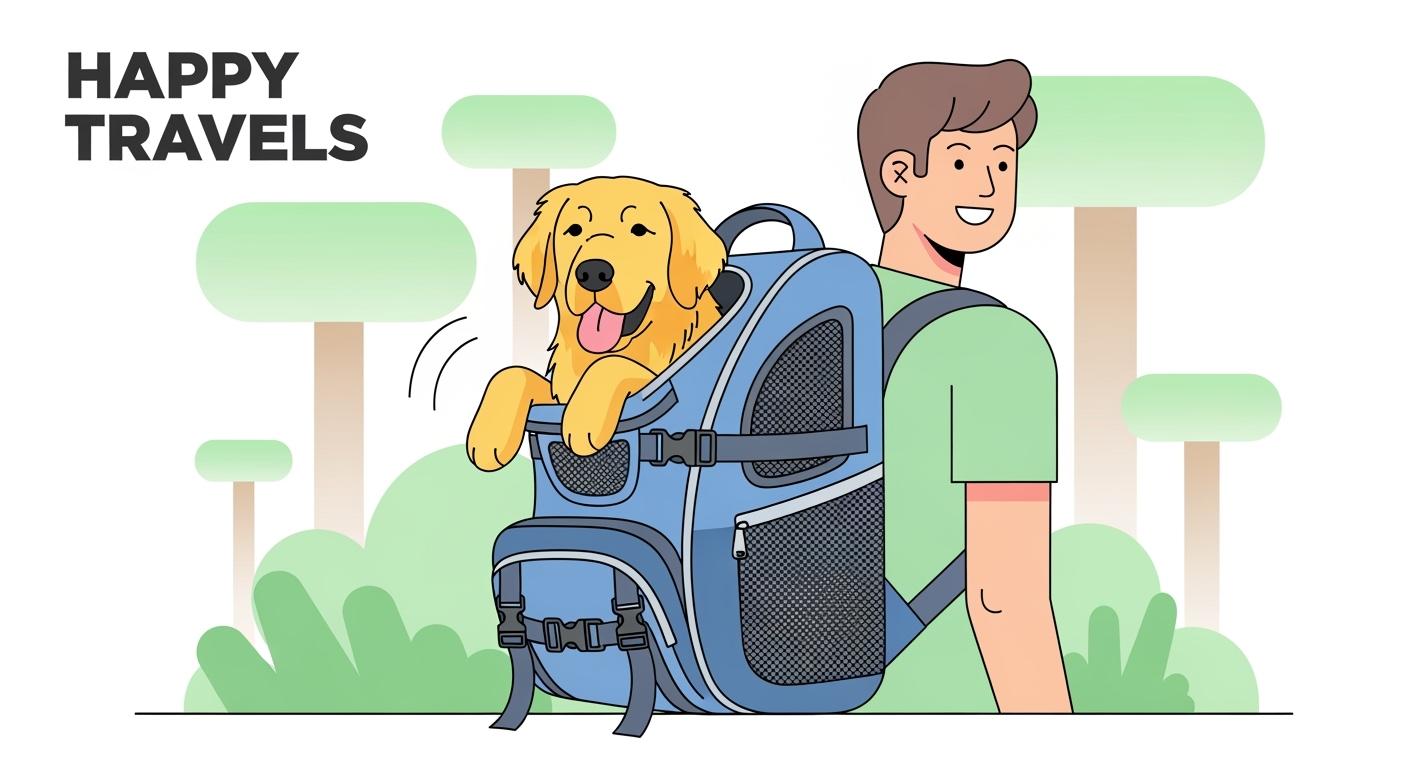
Choosing a pet carrier backpack for bigger dogs is primarily a safety decision. Prioritize stable support, secure closures, and airflow that helps your dog stay calm and cool.

Choosing a pet carrier backpack for bigger dogs is about safety. Style is not the most important thing. The right pet backpack gives your dog support and keeps them steady. Dogs need to feel comfortable and safe inside. The closures should be strong and stay shut. Internal restraints must be strong too. Good ventilation helps keep your dog cool and safe. Dogs that get nervous feel better in a steady backpack. The backpack should sit in the middle of your back. Always check your dog’s size and weight before you buy. Make sure your dog feels comfortable in the backpack. If the fit is bad or support is weak, your dog can get stressed. Your dog could also get too hot.
Disclaimer: General education only. Dogs that are brachycephalic (short-muzzled), senior, overweight, injured, or anxious are at higher risk of breathing difficulty and heat stress. Ask your veterinarian before using a carrier backpack if your dog has any health concerns.
Key Takeaways
- Match the carrier to your dog’s weight and body size, not appearance.
- For bigger dogs, a firm base and stable frame reduce sag and sway.
- Ventilation must stay open during use; blocked mesh can trap heat.
- Use an internal safety tether clipped to a harness, and verify zippers and buckles are locked.
- Do a 2-minute test walk and a heat check before longer trips, then take breaks.
About this guide
This guide summarizes widely used carrier safety checks: the dog should be able to sit, stand, turn around, and lie down naturally; the carrier should be escape-resistant and leak resistant; and ventilation should remain open during use. For air travel, international guidance notes that ventilation openings can be reduced if a soft carrier is compressed under a seat, which can increase heat buildup. This is general information, not medical advice.
Safety limits
- Do not use a backpack carrier for long periods without breaks. Stop sooner in warm weather.
- Stop immediately if you see heavy panting, drooling, weakness, vomiting, collapse, or frantic escape attempts.
- Avoid carrier backpacks for dogs with breathing disease unless your veterinarian approves.
- Never leave a dog in any carrier in a parked vehicle.
When to Use a Dog Backpack
Best Uses for Dog Backpack Carriers
A dog backpack carrier is good for travel. It helps keep your dog safe and close to you. Medium and large dogs need strong support and good airflow. Strong closures and inside straps stop your dog from getting out. The best carrier holds your dog’s weight and keeps them steady. Always look for a strong bottom and places for air to flow.
Here is a quick reference for common situations and which carrier style tends to work better. Always confirm the brand’s instructions and your dog’s comfort.
| Scenario | Recommended Carrier Type | Avoid Carrier Type |
|---|---|---|
| Short urban walks with frequent stops | Structured backpack with firm base and harness clip | Unstructured bag that sags or blocks airflow |
| Hiking uneven terrain | High-stability pack with chest/hip straps and non-slip base | Carriers that bounce, twist, or place weight on dog joints |
| Air travel (in-cabin) | Follow airline rules; most in-cabin carriers must fit under the seat and keep ventilation openings clear | Assuming a backpack is allowed or that ventilation stays open when compressed |
| Dog has arthritis or hip issues | Easy-entry carrier with strong base and minimal leg splay | Carriers that force awkward leg positions or pressure on hips |
Start with short sessions and build up gradually. Always watch your dog for stress and overheating.
When Not to Use a Dog Carrier Backpack
Do not use a dog backpack carrier if your dog is upset, pants a lot, or tries to get out. Do not use a backpack for long trips without stopping. If your dog has health problems, like trouble breathing or sore joints, ask your vet before using any dog travel carrier. Airlines have rules for pet carriers. Some let you use backpacks if they are the right size and have good airflow. Many airlines do not let you use backpacks that cannot lay flat under the seat. Always check airline rules before you travel.
Health and Behavior Checks for Dogs
Before you use a dog backpack carrier, do these things:
- Take your dog to the vet before you travel to make sure they are healthy.
- Ask your vet about risks for your dog’s breed, especially if your dog is brachycephalic.
- Make sure your dog’s microchip info is up to date.
- Watch for signs of stress, like heavy panting, drooling, shaking, or trying to get out.
- Stop using the backpack if your dog cannot calm down or seems upset.
Tip: Keep trips short and check on your dog often. This helps keep your dog safe in a wearable dog carrier. Always think about your dog’s comfort and safety first.
Pet Carrier Backpack Features for Bigger Dogs
Picking the right pet backpack means looking at structure, bottom support, stability, ventilation, and internal restraint. These things help keep your dog safe and comfy. Bigger dogs need a carrier that stays firm and holds their weight. It should not wobble when you walk. Good ventilation is very important. It keeps your dog cool and safe. Strong closures and tethers stop your dog from escaping. Overheating can happen fast in dog carriers for big dogs. Always check your dog for heavy panting or escape tries.
Disclaimer: This section gives general tips only. If your dog is old, a puppy, brachycephalic, anxious, or has health problems, ask your vet or trainer before using a dog carrier backpack for long times.
Feature Checklist for Medium and Large Dogs
- Structure: Carrier does not collapse and keeps its shape.
- Bottom support: Base stays flat and holds your dog’s weight.
- Stability: Little sway, bounce, or tilt when walking.
- Ventilation: Air zones help lower heat.
- Internal restraint: Safety tether lowers escape risk.
- Secure closures: Zippers and buckles stay closed.
- Adjustable fit: Straps change for your body and dog.
- Padded shoulder straps: Make shoulders feel less pressure.
- Adjustable hip, chest, and shoulder straps: Spread weight better.
- Breathable mesh: Lets air in and adds comfort.
- Easy-clean surfaces: Wipe off dirt and water fast.
- Comfort edges: Smooth spots where your dog touches most.
- Measurements: Check your dog’s size for a good fit.
- Anti-escape design: Stops your dog from slipping out.
Structure and Bottom Support
Look for a carrier with a stable frame and a firm base that stays level under your dog’s weight. Adjustable shoulder, chest, and hip straps help balance load and reduce sway. If you want a structured option designed for medium to large dogs, consider this pet carrier backpack. Always confirm your dog’s measurements and the carrier’s weight rating, and make sure your dog can sit and lie down comfortably.
Ventilation and Heat Management
For air travel, international guidance suggests containers should have meaningful ventilation on all sides (one benchmark is at least 16% of the area of the four vertical sides as ventilation openings), and the pet should be able to sit, stand, turn around, and lie down naturally.
Ventilation is needed for all dog carriers, especially for big dogs. Without enough air, your dog can get too hot. Look for mesh on at least three sides. Multi-panel mesh helps air flow and lowers heat. The table below shows key ventilation features:
| Feature | Description |
|---|---|
| Multi-panel mesh | Needed for airflow, lowers heat for bigger dogs. |
| Ventilation zones | Mesh on three sides helps air move better. |
Heat stress can become a medical emergency. Short-muzzled dogs and overweight, senior, or anxious dogs are at higher risk. If a soft carrier is compressed (for example, under an airline seat), ventilation openings can be reduced, increasing heat buildup.
- Always put the carrier so the mesh faces out, not against your back.
- Do not wear thick coats over the mesh in warm weather.
Remember: Always do the 2-minute pre-ride test. Check your dog’s posture, center, sway, contact spots, closures, and stress signs. Stop if you see distress or overheating.
Best Dog Carrier Fit and Comfort Test

Disclaimer: This section offers general guidance only. If your dog is a senior, a puppy, brachycephalic, anxious, or has health concerns, consult a vet or trainer before using a backpack for extended periods.
A proper fit test for your dog in a backpack helps prevent stress and injury. Stability, structure, and ventilation are essential for larger dogs. Secure closures and internal restraints keep your dog safe. Overheating is a real risk. Always stop if you see distress signs.
Size and Posture Check
Start by placing your dog in the backpack. Make sure your dog can stand, turn around, and lie down naturally. Your dog should sit upright without hunching. A well-fitted backpack supports your dog’s posture and reduces stress during travel.
- Your dog should not fold or twist to fit inside.
- The backpack must allow your dog to settle comfortably.
- Check that your dog’s back stays straight and level.
Stability and Sway Test
Walk a short loop with your dog in the backpack. The backpack should stay close to your body and not swing or tilt. Adjust the straps so the backpack sits high and stable. This helps distribute your dog’s weight evenly and keeps both you and your dog comfortable.
- The backpack should not bounce or sway as you move.
- Wide, padded straps help spread weight and reduce discomfort.
- Adjust straps to avoid digging into your skin.
Pressure and Contact Points
Check all areas where your dog touches the backpack. Look for rubbing or pinching at leg openings and edges. Make sure the straps sit flat and do not create pressure points. Regularly check the fit and adjust as needed.
- Smooth edges prevent irritation.
- Breathable surfaces help reduce heat and sweat.
- Clean grit and moisture quickly to avoid friction.
Stress and Stop Cues in Dogs
Watch your dog for signs of stress or discomfort during the fit test and while using the backpack. Common cues include:
- Freezing or shaking
- Frantic pawing or escape attempts
- Hard staring or refusal to take treats
Stop using the backpack if your dog cannot settle or shows any of these signs. Heavy panting, drooling, or trembling may signal overheating. Always prioritize your dog’s safety and comfort.
Before every trip, confirm the backpack’s fit, closures, and your dog’s comfort. Frequent checks help prevent problems and keep your dog safe.
Dog Backpack Carrier Mistakes, Safety, and FAQs
Disclaimer: This section offers general guidance only. If your dog is a senior, a puppy, brachycephalic, anxious, or has health concerns, consult a vet or trainer before using a pet backpack for extended periods.
For more travel fit checks and safety tips, see our blog.
Common Mistakes with Dog Backpack Carriers
Many owners make mistakes when using a dog carrier backpack. These errors can cause heat stress, rubbing, or refusal to use the carrier. Here are the most common mistakes:
| Mistake | Description |
|---|---|
| Using a dog backpack for a dog that shouldn’t carry weight | Some breeds, like Bulldogs or dogs with breathing problems, should not use a backpack. |
| Overpacking a carrier | Too many items block airflow and make it hard for your dog to breathe. |
| Ignoring ergonomics for the owner | A poorly balanced carrier can hurt your back. |
| Forgetting hydration and breaks | Dogs need regular stops for air and bathroom breaks. |
| Not securing the dog inside | Without a safety tether, your dog could fall out. |
| Choosing the wrong size | A carrier that is too small or too big causes discomfort. |
| Not checking closures | Unzipped or loose closures let your dog escape. |
| Skipping the fit test | Not testing the carrier before a trip leads to problems. |
Safety Do-Not List for Dog Backpacks
Follow these safety tips to protect your dog and yourself:
- Do not use a carrier without a safety tether.
- Do not ignore signs of stress, heavy panting, or drooling.
- Do not use a backpack for long periods without breaks.
- Do not block ventilation panels with clothing or gear.
- Do not let your dog ride in a carrier on a bike without checking all straps and closures.
- Do not use a carrier that sags or collapses.
- Do not let your dog hang out of the carrier.
- Do not use a carrier with sharp or rough edges.
- Do not skip cleaning the carrier after each use.
- Do not use a carrier if your dog refuses to settle.
- Do not overload the carrier with supplies.
- Do not forget to check the fit and comfort before every trip.
If you need more help or your dog shows any distress, ask a vet or trainer for advice.
When to Consult a Vet or Trainer
You should talk to a vet or trainer if your dog has health problems, is a senior, a puppy, a brachycephalic breed, or seems anxious in the carrier. Always ask for help if your dog pants heavily, drools, shakes, or tries to escape. Stop using the backpack if your dog cannot settle or shows signs of overheating.
When you choose a backpack for your dog, focus on these essentials:
- Structure keeps your dog safe.
- Bottom support helps your dog stay comfortable.
- Stability prevents your dog from swaying.
- Ventilation protects your dog from overheating.
- Internal restraint stops your dog from escaping.
Always test the fit and comfort before each trip. Watch your dog for stress. Stop if your dog shows distress. Ask a vet or trainer if you have questions about your dog.
FAQ
How do you know if your dog is too big for a backpack carrier?
Measure your dog’s length and weight. Check the carrier’s size and weight limits. Your dog should fit inside without bending or twisting. If your dog cannot settle or looks cramped, choose a larger carrier or another travel method.
What signs show your dog is overheating in a carrier?
Watch for heavy panting, drooling, or frantic movement. If your dog trembles or tries to escape, stop and remove them from the carrier. Overheating can happen quickly, especially in warm weather or with poor ventilation.
How often should you check your dog during a trip?
Check your dog frequently, especially in warm weather or if your dog is anxious. During the first uses, stop often to confirm breathing, comfort, and temperature. Always stop immediately if you see heavy panting, drooling, weakness, or panic.
Can you use a dog carrier backpack for bike rides?
You can use a backpack for short bike rides if the carrier is stable and secure. Always check all straps and closures before riding. Never use a carrier that sways or sags. Stop if your dog shows any stress.
What is the purpose of a safety tether in a carrier?
A safety tether attaches to your dog’s harness. It prevents your dog from jumping or falling out. Always use the tether and check that it is secure before each trip.





