Dog Harness Big: How to Spot Bad Strap Angles Before They Turn Into Sore Spots

If your large dog scratches at their harness, slows down, or licks at an armpit area, the strap angles or tension may be off. Even small fit errors can cause rubbing and hot spots. Use this checklist after each walk and adjust before irritation becomes a skin problem.

Dog Harness Big: How to Spot Bad Strap Angles Before They Turn Into Sore Spots

You notice your big dog scratching at their harness or slowing down during a walk. These small signs can mean the strap angle on your dog harness big is off. With large breeds, even a slight fit error can cause a hotspot in as little as 10 minutes. Watch for red marks, hair loss, or scratching. Check your dog’s harness after every walk to catch problems early and keep your dog safe and comfortable.

About this guide

This guide focuses on widely recommended harness-fitting checks: measuring chest and neck, using the two-finger rule at contact points, keeping straps clear of the armpits and throat, and confirming free shoulder movement. It is general education, not medical advice.

Safety limits

  • Remove harnesses during unsupervised crate time and rough play to reduce snag risk.
  • Stop using the harness and consult a veterinarian if you see open sores, swelling, persistent coughing, breathing changes, or a sudden change in gait.
  • If your dog pulls hard, a harness can reduce pressure on the neck and throat compared with collar tension, but correct fit still matters.

Quick verdict: what good strap angles look like

For most big dogs, the best strap angles keep the chest panel below the throat, leave the shoulder joint free to move, and keep side straps away from the armpits. The harness should sit centered, resist twisting, and feel snug with the two-finger check.

Key Takeaways

  • Measure chest girth and neck circumference, then follow the brand sizing chart.
  • Use the two-finger rule at all contact points (snug, not tight).
  • Confirm shoulder freedom: straps should not cross the front of the shoulder joint.
  • Keep straps clear of the armpits and behind the elbows to reduce chafing.
  • Check skin after walks for warmth, redness, broken hair, or damp grit.
  • Clean and dry the harness after wet or dusty walks to reduce friction.

Big Dog Harness Fit: Quick Rules

Secure but not restrictive fit

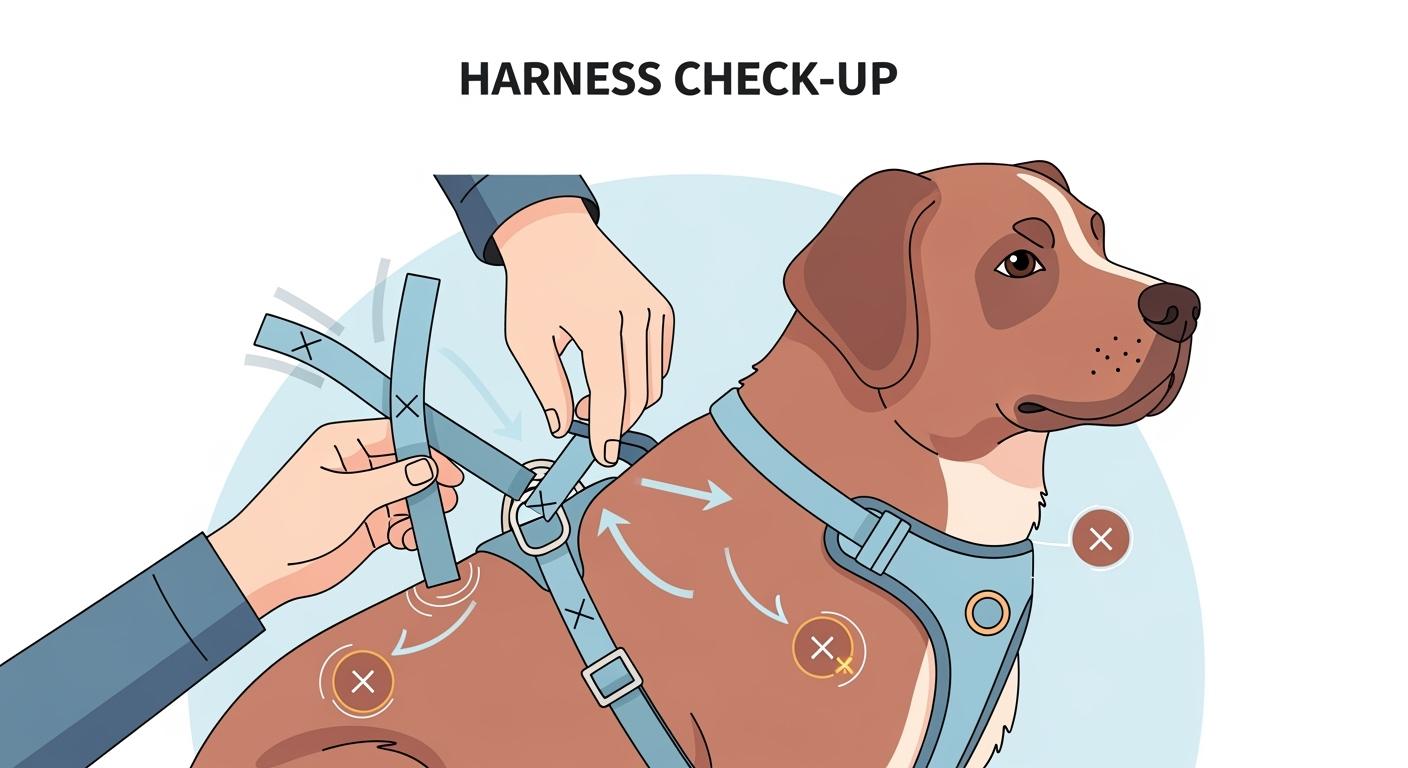
When you fit a big dog harness, always check for a secure but not restrictive feel. A proper fit keeps the harness stable and prevents twist or ride-up. You should slide two fingers under each strap. If you cannot, the harness is too tight. If you can fit more than two fingers, the harness is too loose. The belly strap should sit with about one hand’s width between it and the front leg. This keeps the strap away from the elbow and reduces the risk of a hotspot. The chest strap must allow your dog’s shoulder blades to move freely. This prevents rubbing and lets your dog walk with a natural stride. After every walk, check for skin irritation, redness, or hair breakage under the big dog harness. Clean and dry the harness to reduce friction and keep grit away from sensitive areas.

Why strap angle matters for big dogs

Strap angle plays a key role in comfort and safety. Big dogs magnify small fit errors. If the strap angle is wrong, the big dog harness can press into the armpit or ride up toward the throat. This can cause coughing, limping, or hotspots. The chest strap should sit below the throat, not across it. Side straps should not cross the armpits. Always center the harness and tighten both sides evenly. Watch your dog walk. The front legs should move forward without a strap blocking the shoulder joint. A stable fit helps prevent twist and ride-up, which can lead to pressure points and discomfort.

When to consult a vet or trainer

Dog Harness Big: Strap Angles and Hotspots

Stop using the harness and contact a veterinarian if you see open sores, swelling, persistent redness, hair loss, a sudden limp, coughing, or breathing changes. If pulling or reactivity makes walks unsafe, a qualified reward-based trainer can help you build calmer leash skills and reduce sudden surges that worsen rubbing.

Shoulder zone: avoid joint pressure

The shoulder area is sensitive. If the large-dog harness sits too high or the strap angle points into the joint, your dog may lose freedom of movement. You might see redness or hair breakage. Always check that the straps run parallel to the shoulder and do not block the joint. Watch your dog walk. The front legs should stretch forward without resistance. If you notice limping or stiffness, stop using the harness and consult a professional.

Elbow and armpit: prevent chafing

Straps that drift behind the elbow or into the armpit can cause chafing. Moisture and grit trapped under the large-dog harness make this worse. After each walk, check for redness, damp fur, or grit in these areas. Straps should clear the elbow and not point into the armpit. If you see early signs of irritation, shorten walks and adjust the fit. Clean and dry the harness before each use.

Chest panel: keep off the throat

The chest panel must sit below the throat. If the large-dog harness rides up, it can press on the neck and cause coughing or discomfort. Make sure the front panel stays centered and does not slide upward when your dog pulls. Even tension on both sides helps prevent ride-up. If you notice breathing changes or coughing, stop using the harness and seek help.

Belly strap: proper placement

The belly strap should sit behind the ribcage, not too close to the front legs. A loose or twisted belly strap can tilt the harness and create pressure points. Check that the strap lies flat and does not shift during walks. Proper placement reduces the risk of hotspots and keeps your dog comfortable.

Tip: After every walk, run your fingers under each strap. Look for warmth, redness, or broken hair. Early detection helps prevent sore spots.

Common Pressure Hotspots and Causes:

  • Shoulder joint: wrong strap angle, harness too high
  • Behind elbow/armpit: strap drift, loose fit, debris
  • Sternum: chest panel too high, uneven tension
  • Ribcage: uneven tightening, harness tilt
  • Buckle points: hardware contact, trapped grit
  • Neck/throat: front panel ride-up

Materials That Reduce Hotspots:

Material TypeBenefits
Mesh PanelsAllows airflow, helps heat and sweat escape
Spacer MeshAdds cushioning, enhances airflow
Moisture-wicking LinersPulls sweat off the skin, reduces irritation

If you see persistent redness, swelling, hair loss, open sores, lameness, coughing, breathing changes, or pain, stop using the tactical harness for dogs for outdoor sports and consult a veterinarian or qualified professional.

Dog Harness Fit Test: 2 Minute Check

Dog Harness Fit Test: 2 Minute Check

A proper big dog harness fit keeps your dog safe and comfortable. You can spot problems early with a quick two-minute check. This guide helps you find the right fit, prevent sore spots, and improve comfort and durability for every walk. Remember, a harness should never rub behind the elbows, restrict front leg movement, or twist or ride up. Strap position and fit checks are crucial, especially for designs that cross the shoulder joint. Friction, moisture, debris, and pulling increase the risk of skin problems. Clean, dry gear and a good fit reduce hotspots. If you see redness, hair loss, swelling, open sores, lameness, cough, breathing changes, or pain, stop use and seek professional help.

Center and even tension

Start your fit test by opening all straps to their largest setting. Slip the harness over your dog’s head or guide their legs into the loops, depending on the style. Buckle all straps. Tighten each strap so you can fit two fingers between the strap and your dog’s body. The harness should feel snug but not restrictive. Walk your fingers around the harness to check for tight spots or twisted straps. Make sure the harness sits flat against the chest and back. The D-ring should be in the correct spot for leash attachment. Center the chest area. If the harness slides toward one shoulder during a short walk, adjust the straps for even tension. This step helps prevent twist and keeps the fit stable during pull.

Tip: Always use the two-finger rule at key contact points. If you can fit three or more fingers, the harness is too loose. If you cannot fit two fingers, loosen the strap.

Shoulder and armpit clearance

Check that the straps do not block the shoulder joint. Watch your dog take a few steps. The front legs should move forward without resistance. The harness should not rub behind the elbows or point into the armpit. If the strap angle is wrong, you may see rubbing or chafing. Make sure the belly strap sits behind the ribcage and does not cut into the armpit. This step improves comfort and durability and helps your dog walk with a natural stride.

  • Look for these signs of poor fit:
    • Rubbing at the armpits, behind the elbows, or along the chest edges
    • Shortened stride or stiff posture
    • Harness rotation or shifting

Twist and ride-up test

Attach the leash and walk your dog a few steps. Watch for harness rotation. If the leash point drifts off center quickly, the fit or strap layout needs fixing. Apply gentle backward pressure as if your dog tries to pull. Your dog should not be able to slip their shoulders through the harness. The front panel should not ride up toward the throat. If you see the neckline riding up or the back strap moving forward, adjust the straps. Stable fit prevents hotspots and keeps your dog safe during pull.

Note: If your dog tries to back out of the harness or wiggle free, the fit is not secure. Adjust the straps and repeat the test.

After-walk skin check

After each walk, run your fingers under every strap. Check for redness, hair breakage, damp fur, or grit under the harness. Look for signs like shortened stride, stiff posture, or reluctance to move. If you find any of these, shorten the next walk and fix the fit before returning to longer outings. Clean and dry the harness after every use to reduce friction and improve comfort and durability. Remove sand and grit from seams and padded areas.

  • Common signs of poor fit after a walk:
    • Redness or warmth under straps
    • Hair loss or broken hair
    • Damp fur or trapped grit
    • Dog slowing down or stopping

A quick fit check makes a big difference. Use this two-minute test to keep your big dog harness safe, comfortable, and durable. If you have questions about fit or need help, reach out to a professional or your local pet store.

Harness Fit Mistakes, Safety List, and FAQs

Common mistakes with big dog harness

Do not choose a harness size by weight alone. Measure chest girth (the widest part of the ribcage) and neck circumference, then use the manufacturer sizing chart. Re-measure after growth spurts or weight changes.

  1. Uneven tightening of straps
  2. Straps too loose or too tight
  3. Bulky buckles pressing into the skin
  4. Only using the back clip for control
  5. Harness sitting too high on the chest
  6. Straps crossing or blocking the shoulder joint
  7. Ignoring after-walk checks for redness or hair loss

A proper harness should not rub behind the elbows, restrict front leg movement, or twist or ride up. Strap position and fit checks are crucial, especially for designs crossing the shoulder joint. Friction, moisture, debris, and pulling increase skin risk. Proper fit and clean, dry gear reduce hotspots.

Safety do-not list

Stay alert to these safety rules for your dog’s durability and comfort:

  • Do not skip measuring chest and neck
  • Do not use a harness with worn or frayed straps
  • Do not ignore signs of discomfort or limping
  • Do not leave grit or moisture under straps
  • Do not let straps ride up toward the throat
  • Do not allow bulky buckles to press on skin
  • Do not use only the back clip if your dog pulls hard
  • Do not walk if you see redness, swelling, or hair loss
  • Do not use a dirty or wet harness
  • Do not tighten straps unevenly
  • Do not let the harness twist or rotate during walks
  • Do not ignore changes in your dog’s stride or breathing

Replace or adjust signals

You should replace or adjust the harness if you notice:

  • Persistent redness or swelling
  • Hair loss or broken hair under straps
  • Open sores or damp fur
  • Harness slipping, twisting, or riding up
  • Buckles or straps showing wear
  • Your dog slowing down, limping, or coughing
  • Difficulty moving front legs freely

If the harness keeps rubbing after adjustments, stop using it and ask a veterinarian, groomer, or qualified trainer for a fit check.

Resources: https://www.stridepaw.com/blog/

FAQ

How often should you check your dog’s harness fit?

You should check harness fit before and after every walk. Look for signs of redness, hair loss, or shifting. Early checks help you spot problems and keep your dog comfortable. If you see any issues, adjust the harness right away.

What is the best way to measure for a dog harness?

Do not choose a harness size by weight alone. Measure chest girth (the widest part of the ribcage) and neck circumference, then use the manufacturer sizing chart. Re-measure after growth spurts or weight changes.

Why does strap angle matter for big dogs?

Strap angle affects harness fit and comfort. If the angle is wrong, the harness can block the shoulder or rub behind the elbows. This can cause pain or limit movement. Always check strap position and adjust for even force distribution.

What are common measurement mistakes with a dog harness?

Many people guess size by weight or breed. This leads to poor harness fit. Always measure your dog for best results. Common measurement mistakes include skipping chest girth or using old measurements. Measurement accuracy keeps your dog safe.

How do you know if your harness needs replacing?

If the harness keeps rubbing after adjustments, stop using it and ask a veterinarian, groomer, or qualified trainer for a fit check.

Get A Free Quote Now !

Table of Contents

Blog

Canine Pulling Harness How to Spot Wear Before a Hard Pull Turns Risky

Spot wear on your canine pulling harness by checking stitching and hardware before each hard pull to ensure durability and keep your dog safe.

Puppy Collars Custom: How to Check Tightness and Prevent Slipping Safely

Puppy collars custom should fit snugly with two fingers under the collar. Use the slip test to prevent loss and keep your puppy safe and comfortable.

Dog Running Leash: How to Select Hands-free or Standard Based on Real Pulling Patterns

Choose the right dog running leash by matching hands-free or standard setups to your dog's pulling and walking style for safety and control.

Dog Carry Bike Risk Checklist: Body Language Warnings and When to Stop Immediately

Spot stress or danger in your dog during dog carry bike rides. Learn body language warnings and when to stop for your dog's safety on hikes or rainy walks.

Which Waterproof Dog Bed Stays Dry on Wet Ground?

A waterproof dog bed with sealed seams, strong base, and high hydrostatic head value keeps your dog dry on wet ground during outdoor use.

Dog Leashes: How to Spot Wear Before a Leash Fails on a Walk

Check dog leashes for fraying, weak stitching, and hardware issues before walks. Spot stress points early to prevent leash failure and keep your dog safe.
Scroll to Top

If You Have Any Questions, Please Do Not Hesitate To Contatct With Us.

Get A Free Quote Now !

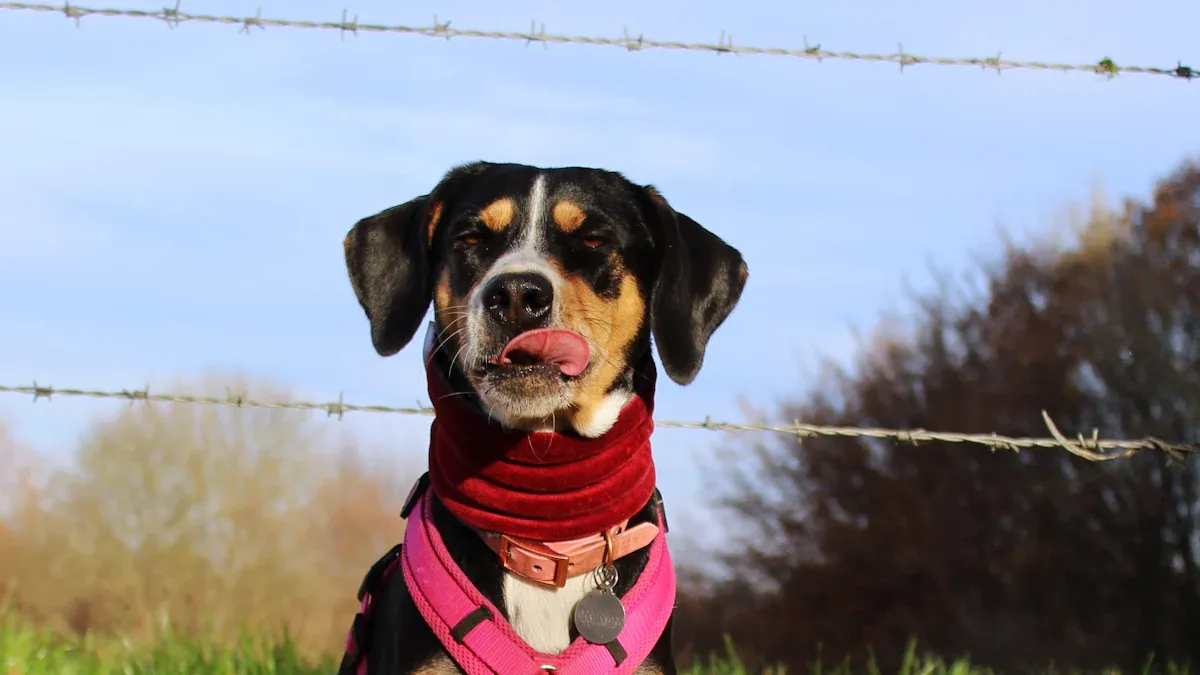
Welsh corgi wearing a dog harness on a walk outdoors