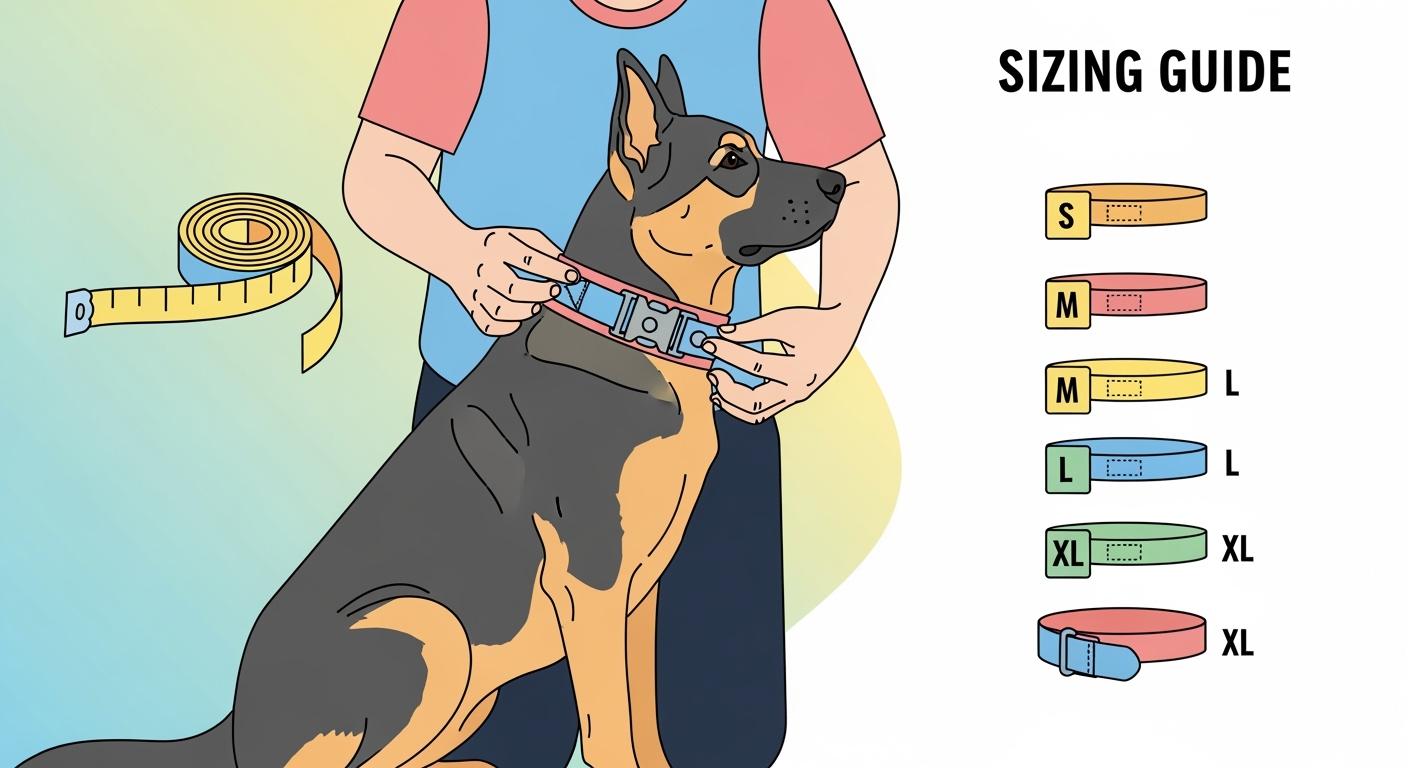
You want your large dog’s collar to be safe and not slip off. The collar should not hurt your dog. For large dogs, the best dog collars for large dogs fit right if you can put two fingers between the collar and your dog’s neck. This keeps the collar snug but allows your dog to breathe and move comfortably. Always check the collar before walks to help prevent your dog from slipping out.
- Measure your dog’s neck at the bottom to get the right size.
- Use the two-finger rule every time before you walk your dog.
- Check the collar often to catch problems early and keep your dog safe.
| Risk Factors | Recommendations |
|---|---|
| Skin damage from a bad fit | Make sure the collar fits well. Check every day for skin problems. |
| Wearing the collar too long | Give your dog regular neck breaks at home, especially if the collar gets wet, dirty, or causes rubbing. |
| Pressure from leash on collar | Avoid attaching a leash to electronic training collars; use a separate flat collar or harness for leash pressure. |
This guide provides basic tips. Always ask your veterinarian if you have health questions. Talk to a trainer if you have behavior problems.
Quick verdict: safest collar fit for large dogs
A collar fit is usually safe when it sits high on the neck (not down on the shoulders), lies flat, and you can slide two fingers under the strap without pinching. If your dog can back out of the collar or you see coughing, rubbing, or red marks, re-fit immediately or switch to a harness for walks.
| Green light | Fix now |
|---|---|
| Two-finger rule passes, collar stays centered, no rubbing | Slides toward ears, can slip over head, causes coughing/redness |
Key Takeaways
- Use the two-finger rule to ensure the collar is snug but not too tight.
- Measure your dog’s neck accurately for the right collar size.
- Check the collar fit before every walk to prevent slip outs.
- Inspect the collar weekly for wear and tear to ensure safety.
- Consider a harness if your dog pulls or escapes often.
Quick Fit Check and Safe Tightness
Why Collar Fit Matters for Large Dogs
You need to check collar fit every time before you walk your dog. Large dogs have strong necks and thick coats, which can hide slack or tightness. If the collar fit is wrong, your dog may slip out or feel pain. Common risks from poor collar fit include coughing, gagging, neck strain, and long-term breathing issues. You may also see lunging, barking, or resistance to walking. These signs show that collar safety is important for your dog’s health and comfort.
How Tight Should a Dog Collar Be
You may wonder how tight should a dog collar be. The two-finger rule helps you find safe tightness. Place the collar around your dog’s neck and slide two fingers between the collar and the skin. The collar should feel snug but not squeeze. The two-finger rule keeps the collar secure and prevents breathing or circulation problems. If the collar is too loose, your dog may escape or get tangled. The two-finger test works better than other methods for large dogs because it balances safety and comfort.
Tip: Always do a collar fit check before each walk. This helps you spot problems early and keeps your dog safe.
Identifying Pressure Points
Check for pressure points during collar fit checks. Look for signs like redness, hair loss, or rubbing on the neck. You may notice mechanical damage to tissue or muscle tension in the jaw and shoulders. Your dog may act restless, tired, or irritable. Long-term problems include restricted movement or lameness in the front legs. If you see these signs, adjust the collar or try a different fit.
Quick Collar Fit Sequence:
- Place the collar flat around your dog’s neck.
- Use the two-finger rule to check tightness.
- Make sure your dog breathes normally.
- Look for rubbing or pressure points.
- Confirm the collar stays in place when your dog moves.
Sizing decisions for large dog collars
Measuring for Collar Fit
Getting the right collar fit starts with measuring your pet’s neck the right way. Accurate collar sizing helps you avoid problems with big dog collars slipping off or causing discomfort. Follow these steps to measure for dog collars for large dogs:
- Gather a soft tape measure and keep your dog calm.
- Stand your big dog in a natural position with the head level.
- Find the spot where the collar will sit, usually 1 to 2 inches below the base of the skull.
- Wrap the tape around your dog’s neck at this spot. Keep the tape flat and parallel to the ground.
- Let your dog breathe normally. Do not pull the tape tight.
- Make sure the tape is straight and not twisted.
- Write down the measurement in both inches and centimeters. Repeat to confirm accuracy.
If your big dog has a thick or wet coat, measure when the fur is dry and brushed out. Add a little extra room for thick coats, but do not overestimate. This step ensures a properly sized collar and reduces slip out risk.
Placement and Snugness
Proper placement and snugness are key for collar fit and comfort. Place the collar flat against your big dog’s neck. Avoid putting it too high near the jaw or too low near the shoulders. These spots can cause irritation or limit movement.
To check snugness, use the two-finger rule. Slide two fingers flat under the collar at the base of the neck. The collar should feel snug but not tight. If you cannot fit two fingers, the collar is too tight. If you can fit more than two fingers, the collar is too loose. This method helps you balance safety and comfort, preventing choking and slip outs.
Quick check: Always do a fit check before every walk. This simple habit keeps your big dog safe and comfortable.
Hardware and Width Choices
Choosing the right hardware and width for dog collars for large dogs makes a big difference in safety and durability. Big dog collars need strong materials that can handle force and daily wear. Biothane collars stand out as a top choice for big dogs. They resist water, odors, and dirt, making them great for active dogs and all types of weather.
Pick a collar width that matches your dog’s size and strength. Wider collars spread pressure over a larger area, reducing the risk of injury. Narrow collars may dig into the neck or twist easily, especially on big dogs. Look for sturdy buckles and D-rings that will not bend or break under pressure.
Collar sizing is not just about numbers. You must consider your dog’s daily activities, coat type, and walking habits. A proper collar fit keeps your big dog safe and happy on every walk.
Preventing Slip Outs and Ensuring Collar Safety

Common Slip Out Scenarios
You should watch for times when your dog might slip out. Large dogs can slip out of collars if they back up fast or turn quickly. Shaking after getting excited or lunging forward can also cause slips. Passing other dogs or people makes escapes more likely. If your dog pulls hard or tries to run, the collar can slip off fast. Limited-slip collars help stop this from happening. Always check the collar before every walk to keep your dog safe.
Note: Limited-slip collars (such as martingales) can help prevent backing out for some dogs. Fit and supervision matter—avoid leaving any training collar on unattended.
Martingale collars have two loops. The big loop goes around your dog’s neck. The small loop gets tighter if your dog pulls. This stops your dog from slipping out but does not make it hard to breathe. When your dog is calm, the collar loosens again. Limited-slip collars like martingales help many large dogs stay safe.
Handling and Adjustment Tips
You can stop slips by using the right collar and good handling. Limited-slip collars work well for dogs with skinny heads or thick fur. If your dog backs up or shakes, move closer and pull the leash tight. After your dog gets excited, pause and check the collar. For strong pullers or nervous dogs, harnesses are safer.
- For frequent backing out, consider a limited-slip collar (martingale style) fitted high on the neck.
- For strong pullers, use a harness for leash attachment to reduce neck pressure.
- For thick coats, re-check fit after grooming, rain, or swimming because straps can loosen as fur dries.
- Use sturdy hardware and a wider strap for better pressure distribution on large dogs.
Always check for slipping and fix the collar if needed. Limited-slip collars and harnesses both help keep your dog safe and comfy.
When to Switch to a Harness
Switch to a harness if your dog pulls hard, escapes a lot, or has trouble breathing. Harnesses help stop neck injuries and give you more control. A harness is safer for strong or busy dogs. Collars are good for ID tags, but harnesses protect your dog on walks.
| Type | Advantages | Disadvantages |
|---|---|---|
| Harnesses | Better control on walks, less chance of neck injury, more comfort | Bad harnesses can rub or make it hard to move. |
| Collars | Good for ID tags, light, easy to put on | Can hurt the neck or spine if your dog pulls or jumps. |
Vets say you should keep your dog’s contact info on the collar. If your dog coughs, has red skin, or scratches a lot, use a harness instead.
Mistakes to Avoid for Collar Safety
Too Loose or Too Tight
You need to check collar fit every week to keep your large dog safe. Many owners make the mistake of choosing a collar that is too loose or too tight. A collar that is too tight can cause pain, muscle tension, and even problems with your dog’s movement. If the collar is too loose, your dog can slip out and run away. Always use the two-finger rule to check tightness. Watch for red flags like coughing, redness, hair loss, or constant scratching. These signs mean the collar fit is wrong and you need to adjust it.
Here is a quick table to show the risks:
| Type of Collar Issue | Health Risks |
|---|---|
| Too Tight | Mechanical damage to tissue, muscle tension, restlessness, restricted movement |
| Too Loose | Dog may slip its head out, safety concerns |
Ignoring Wear and Tear
You should inspect your dog’s collar every week. Look for fraying, loose stitches, bent parts, or cracks. Replace the collar right away if you see any damage. Rotate collars to let them air out. If you use a leather collar, condition it once a month. Always check the hardware. Plastic buckles can crack, and D-rings can break, especially in cold weather or with strong dogs. Good collar safety means you never use a damaged collar.
Unsafe Tethering Practices
Never leave your dog tied up by the collar. Tethering can put too much pressure on the neck and cause breathing problems. Large dogs can get hurt if they lunge or stop suddenly. Use a harness for restraint instead of a collar. Collars should hold ID tags, not act as tethers.
| Dog Type | Collar Risk Level | Safer Alternative |
|---|---|---|
| Large breed | Moderate | Harness recommended |
Common Mistakes to Avoid:
- Choosing a collar by weight only
- Placing the collar too low on the neck
- Leaving extra slack for thick coats
- Keeping constant leash tension
- Not re-checking after grooming or wet fur
- Ignoring early signs of rubbing or hair loss
Safety Do Not List:
- Do not leave your dog unattended while tethered
- Do not use a damaged collar
- Do not ignore coughing or gagging
- Do not keep the collar on for more than 12 hours a day
- Do not attach a leash to an electronic collar
- Do not skip weekly collar checks
- Do not use collars with cracked buckles or broken D-rings
- Do not let the collar twist or ride into sensitive areas
- Do not forget to adjust after your dog gains or loses weight
- Do not use a collar that does not fit your dog’s neck shape
You keep your large dog safe and comfortable when you check collar fit often. Adjust the collar if your dog gains weight, sheds, or grows a thicker coat.
Note: Limited-slip collars (such as martingales) can help prevent backing out for some dogs. Fit and supervision matter—avoid leaving any training collar on unattended.
Switch to a harness if your dog pulls or shows signs of discomfort.
- A well-fitted collar or harness protects your dog from injury and helps prevent escape.
- Regular fit checks and prompt changes make every walk safer.
You help your big dog stay happy and healthy with the right collar choice.
FAQ
How tight should dog collars for large dogs be?
You should use the two-finger rule. Place the collar so you can fit two fingers between the collar and your dog’s neck. This keeps the collar snug but safe. Always check fit before walks.
What is a martingale collar and when should you use it?
A martingale collar has two loops. You use it for dogs that slip out of regular collars. The martingale tightens gently if your dog pulls, but it does not choke. Many trainers recommend martingale collars for safety.
Are martingale collars safe for daily use?
You can use a martingale collar every day if you check the fit often. Make sure the collar loosens when your dog is calm. Martingale collars help prevent escape and reduce slip out risk for large dogs.
How do you prevent slip outs with martingale collars?
You should adjust the martingale collar so it sits high on the neck. The collar should tighten only when needed. Always check for pressure points and make sure the martingale does not twist or ride up.
Can you use a martingale collar with a leash for training?
Yes, you can use a martingale collar with a leash for training. The martingale gives gentle control and helps teach your dog not to pull. Many trainers use martingale collars for large dogs during walks and lessons.
Need help choosing a collar or harness? Share 3 to 5 facts about your dog and walking environment for advice.